Hydraulic Adapter Application Guide: BSP, NPT, JIC & SAE for Marine & Oil & Gas
Hydraulic Adapter Application Guide: BSP, NPT, JIC & SAE for Marine & Oil & Gas
Short answer: on marine machinery and oil & gas extraction equipment, adapter selection is decided by the port on the equipment — not by brand preference. BSP parallel (BSPP) ports seal on a bonded washer, BSPT and NPT ports seal on tapered threads, JIC ports seal on a 37° flare cone, and SAE ORB/ORFS ports seal on an O-ring. Match the thread standard first, then the material (carbon steel, SS304 or SS316), then confirm the pressure and temperature envelope you need.
This guide is written for engineers, maintenance planners and procurement staff who have to specify adapters and hydraulic hose adapters for salt-exposed or hydrocarbon-exposed circuits. It compares the four configurations that dominate marine and oil & gas work — BSP, NPT, JIC and SAE — maps them to real model families, explains how corrosion and pressure integrity are controlled, and closes with a scenario-based checklist and a comparison table you can use directly in a specification.
Why the wrong adapter fails on a marine or oil & gas circuit
A hydraulic adapter is the smallest and cheapest component in a circuit, and it is also the most common single point of leakage. On land-based industrial equipment a mismatch usually shows up as a slow weep and a maintenance note. On marine machinery and oil & gas extraction equipment, the same mismatch sits inside a wet, vibrating, pressure-cycling environment where there is little tolerance for a weeping joint.
Four failure routes account for most adapter problems in these two sectors:
- Thread standard mismatch. Equipment imported from Europe is frequently built with BSP ports, while spares are ordered in NPT from a North American catalogue — or the reverse. The threads may start, but the seal does not form reliably.
- Seal-geometry mismatch. Parallel threads, tapered threads, 37° flare cones and O-ring face seals each demand a different mating surface. A correct thread with the wrong seal geometry still leaks under pressure cycling.
- Material mismatch. Carbon steel is economically correct for sheltered circuits; it is not the right default for persistent salt exposure or chemical-laden environments where SS316 is normally specified.
- Unprotected open ports. Spare ports left open during commissioning or lay-up are where corrosion and contamination begin, which is why cap nuts and plugs belong in the same purchase order as the adapters.
The practical consequence is that adapter procurement cannot be treated as a commodity line item. Each order needs three confirmations: the port standard on the machine, the seal type the port was designed for, and the material and pressure class of the circuit it serves.
Market and standards context
Adapter demand tracks the broader hydraulics cycle. The global hydraulic fittings market, which includes adapters and couplings, was valued at USD 4.8 billion in 2025 and is projected to reach USD 7.9 billion by 2034, according to Dataintelo. Within that market, the hydraulic adapters segment held the largest product type share at 28.4% in 2025, and steel-based products accounted for 45.2% of revenue, driven by demand for high-pressure durability. Asia-Pacific led global revenues at an estimated 38.6% share in the same year (Dataintelo).
The demand base is mobile, not static. Grand View Research estimates the wider hydraulics market at USD 38.39 billion in 2024, with the mobile hydraulics segment holding more than 58% of total revenue share — the segment that marine deck machinery, offshore support equipment and field service fleets all sit inside.
Four standards govern most of the interfaces you will meet:
- DIN 2353 / ISO 8434-1 — metric tube fittings in three robustness categories: LL (Extra Light, 100 bar), L (Light, up to 315–500 bar) and S (Heavy, up to 630–800 bar), as specified by Hy-Lok USA.
- ISO 8434-2:2007 — design and performance requirements for 37° flared connectors for tubes from 6 mm to 50.8 mm (ISO).
- SAE J1453 — the O-ring face seal (ORFS) family; a dash-size -4 (1/4") ORFS fitting is rated for 6000 PSI working pressure in published fitting tables.
- NPT / NPTF — tapered pipe threads widely used in North American equipment; a 1/4" NPTF connection is typically rated 4000 PSI with a 4:1 safety factor.
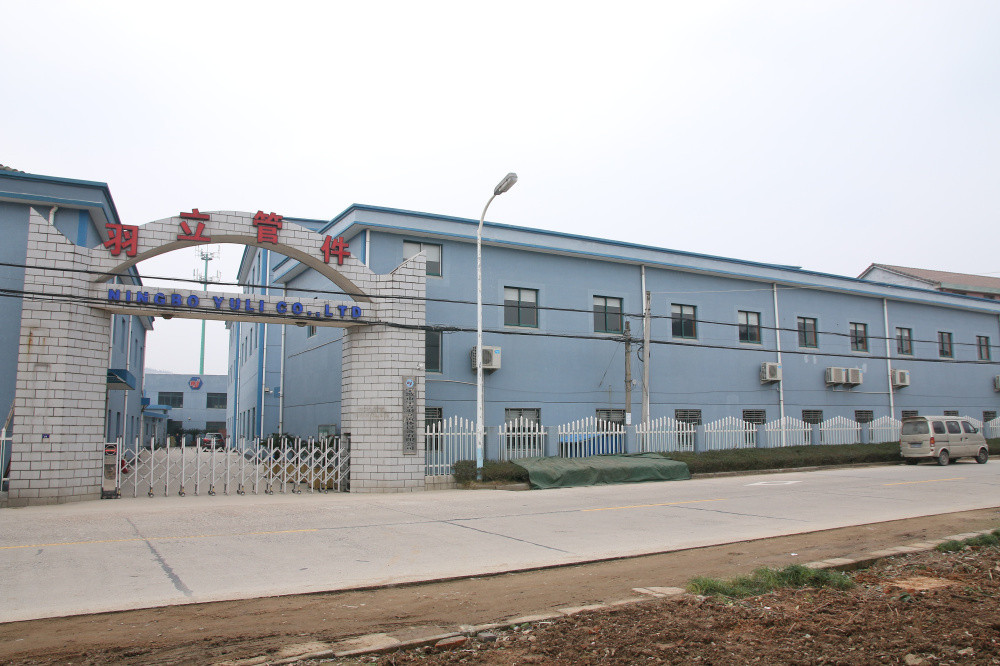
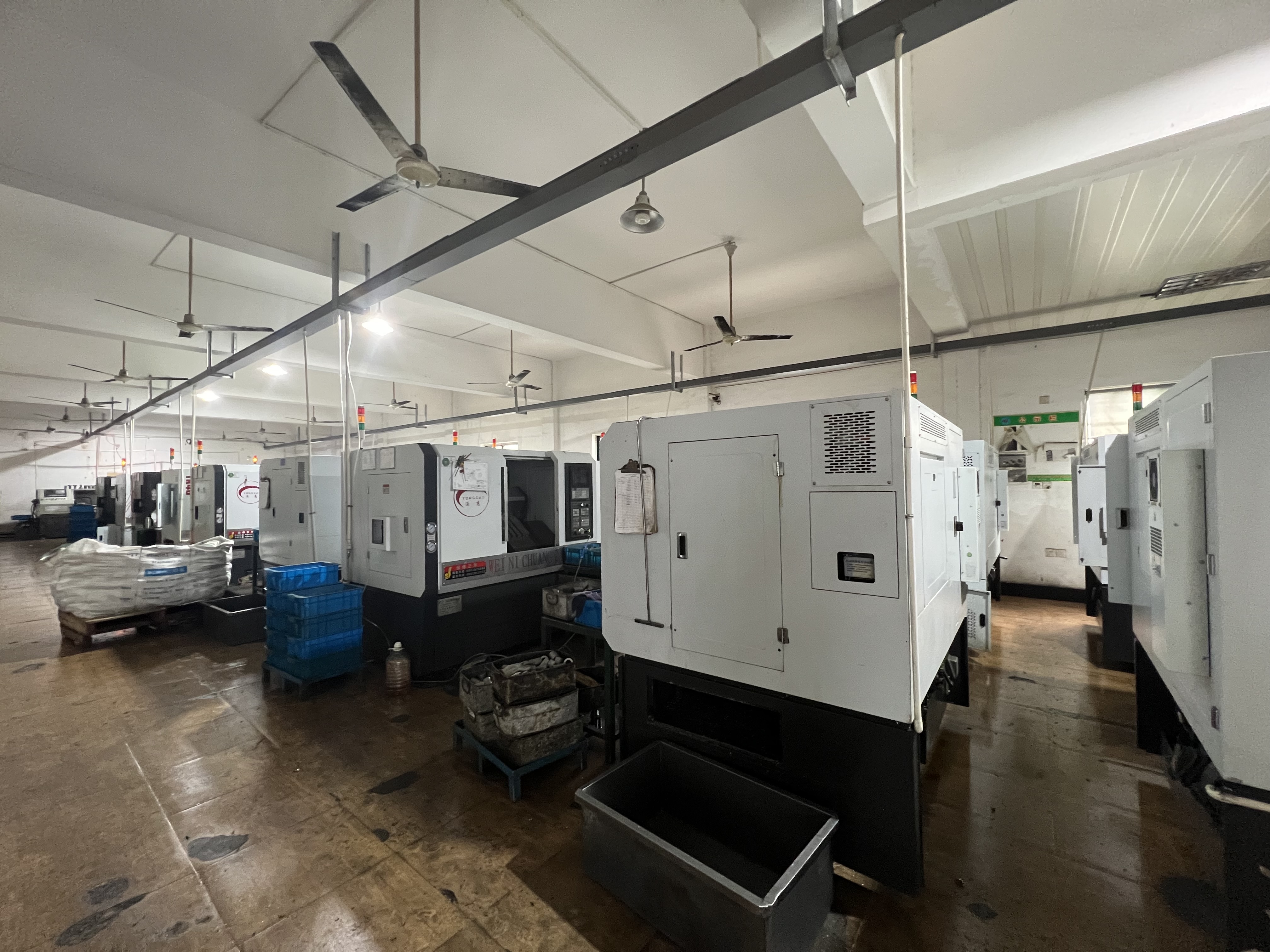
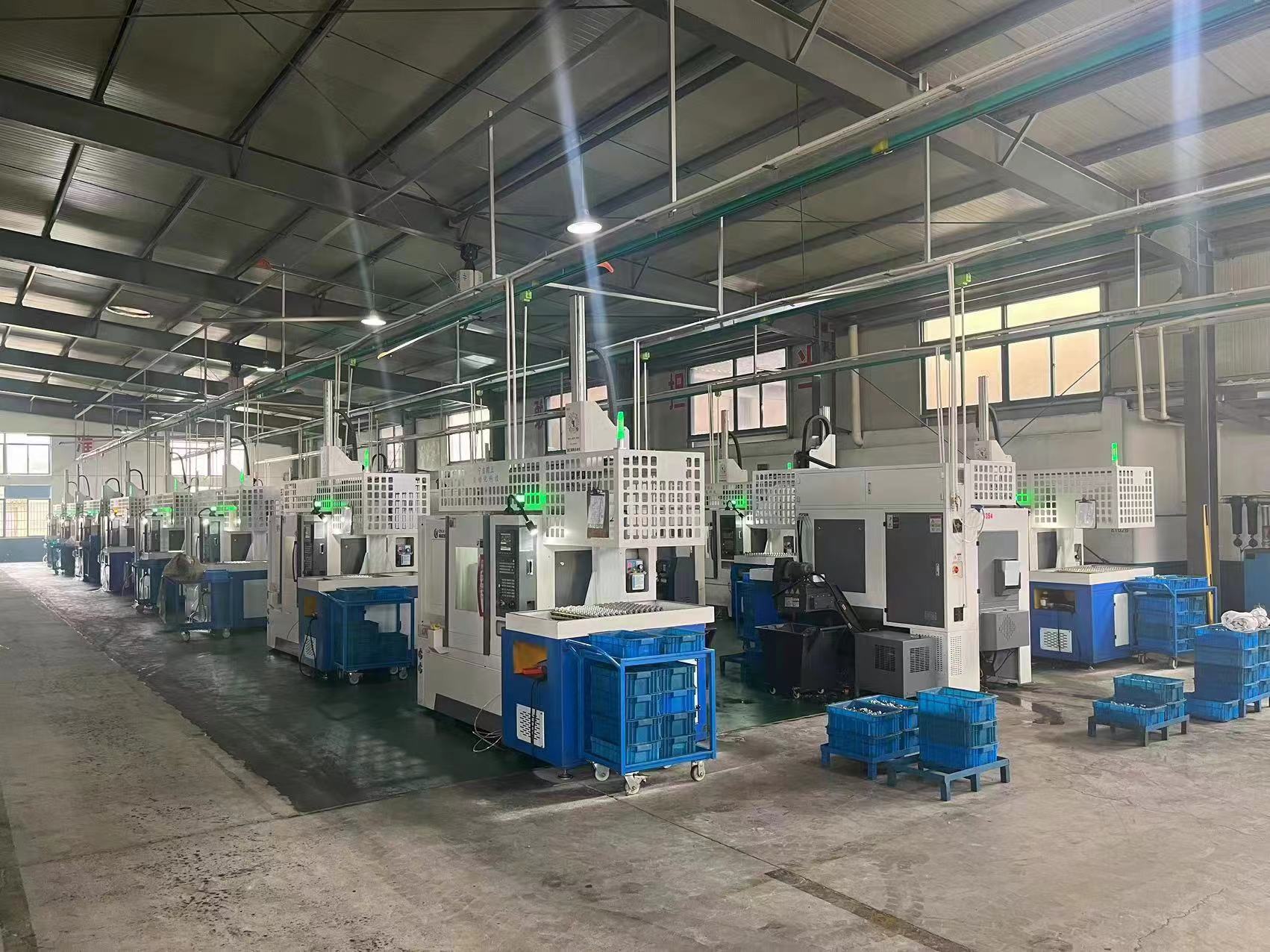
NingBo NJ Hydraulic Adapter Co., Ltd is a hydraulic adapter and hydraulic component manufacturer founded in 2004, located in Ningbo Fenghua, Zhejiang Province, China. The company operates a 20,000 m² factory with 200 employees, an R&D team of 4 engineers, and an annual output of 4,000,000 units; approximately 75% of production is exported, with the USA and Canada as its main markets.
Matching BSP, NPT, JIC and SAE to the port in front of you
Each configuration exists for a reason, and each behaves differently once vibration, thermal cycling and salt exposure are added. The four summaries below describe the sealing principle, where the family is normally found, and the corresponding model families.
BSP — parallel BSPP and tapered BSPT
BSP covers two distinct thread forms that are often confused. BSPP (parallel, also written G) seals at the port face, normally with a bonded washer or an O-ring, and the thread itself is not the sealing element. BSPT (tapered, also written R) seals on the thread flanks and therefore depends on correct engagement depth and a compatible sealant. In marine machinery built in Europe, BSPP is common on manifold and valve ports, while BSPT appears on older pipe-run connections. Model families for BSPP include 1B, 1B4, 1B9, 1BG, 1BH, 1BJ, 1BK, 2B, 2B9, 3B, 4B, 4BN, 5B, 5BN, 6B, 7B, 9B, EB, AB and BB; BSPT families include 1T, 1T9, 1BT, 1ST, 4T and 5T.
NPT and NPTF — tapered metal-to-metal sealing
NPT and NPTF are tapered pipe threads that seal metal-to-metal as the threads deform slightly under tightening. They are the default on North American oil & gas skids, pump packages and field service equipment. NPTF (dryseal) is the variant specified where a sealant-free joint is required. Because the seal depends on thread deformation and engagement, over-tightening is a real risk on repeated assembly — the reason NPT joints are usually replaced rather than re-used after several breakouts. NPT thread fitting families include the 5000, 5404, 5405, 5406, 5406-C, 5406-HP, 5406-P, 5406-SHP, 5500, 5501, 5502, 5503, 5504, 5505, 5600, 5601, 5602, 5603, 5604, 5605, 5650 and 5652 models.
JIC — 37° flare cone
JIC (SAE J514 style) uses a 37° flared cone that seals metal-to-metal against a matching seat, held by a nut and sleeve or a flared tube. It is the most common flare interface on mobile and marine hydraulics because it tolerates high pressure and can be re-made several times without replacing the adapter. ISO 8434-2:2007 defines the 37° flared connector requirements for tube sizes from 6 mm to 50.8 mm. JIC adapter and JIC-to-NPT adapter families include 2403, 2404, 2405, 2406, 2408, 2500, 2501, 2502, 2503, 2504, 2505, 2601, 2602, 2603, 2605, 2606, 2608 and 2609.
SAE ORB and ORFS — O-ring boss and O-ring face seal
SAE families are the leak-tightness benchmark in high-vibration and high-pressure duty. ORB (O-ring boss) seats an O-ring in a machined boss on the port; ORFS (O-ring face seal) seats the O-ring in a flat face, which removes thread deformation from the sealing function entirely and makes it the preferred choice where re-makeability and zero weep matter. Under SAE J1453, a dash-size -4 (1/4") ORFS fitting is rated for 6000 PSI working pressure. SAE standard adapter families include 6801, 6802, 6803, 6804, 6805, 6806, 6807, 6808, 6809, 6810, 6815, 6818, 6820, 6832, 6835, 6840 and 6850, covering JIC, ORB and ORFS configurations.
Materials, temperature and corrosion protection
Material choice is the second decision after thread standard, and in marine and oil & gas duty it is the decision that determines service interval rather than first-fit success.
Carbon steel with trivalent chromium surface treatment is the workhorse option. It carries the full stated pressure band and is the most economical route for sheltered or intermittently exposed circuits. Corrosion behaviour is measurable: in salt spray testing, the trivalent chromium surface treatment exhibits white rust at 120 hours and red rust at 240 hours.
SS304 is specified where corrosion resistance beyond a plated finish is required but the environment is not consistently chloride-rich. SS316 is the standard recommendation for persistent salt exposure, marine deck equipment and offshore environments. As an industry reference point, AISI 316 stainless steel hydraulic adapters support working temperatures from -60°C up to +400°C according to DIN 17440 (Tubes International). For the adapter range described in this guide, the stated maximum stable operating temperature is 220°C, and the stated pressure range is 3000–6000 PSI across the families listed — carbon steel, SS304 and SS316 options are all available within that envelope.
Accessories: why cap nuts belong in the same order
Unused ports are where corrosion starts on marine and offshore equipment. A hydraulic cap nut closes and protects an open port, and it also serves as a thread-locking and pressure-bearing element on assembled circuits. The cap nut range covers models 0304C, 0306, 0318, 0319, 0403, 0500 and the FS-series equivalents FS0304C, FS0306, FS0318 and FS0319, in carbon steel, SS304 or SS316 — the same material set as the adapters, so a stainless circuit is not closed by a carbon steel cap. The stated envelope for these cap nuts is a 3000–6000 PSI pressure range, a 220°C maximum stable operating temperature, and a 120-hour salt spray result showing white rust at 120 hours and red rust at 240 hours.
The stated mechanical behaviour under pressure is relevant to marine duty: the cap nut range is described as withstanding 6000 PSI static pressure and 9000 PSI burst pressure without deformation while maintaining continuous operation and seal integrity. For specification purposes, this means a 220°C / 6000 PSI port can be closed with a matching cap nut from the same family rather than with a generic plug of unknown rating.
Comparison table: BSP, NPT, JIC and SAE in marine and oil & gas duty
| Configuration | Sealing principle | Model families | Material options | Stated performance envelope |
|---|---|---|---|---|
| BSPP (parallel, G) | Face seal on bonded washer or O-ring; thread is not the sealing element | 1B, 1B4, 1B9, 1BG, 1BH, 2B, 2B9, 3B, 4B, 4BN, 5B, 5BN, 6B, 7B, 9B, EB, AB, BB | Carbon steel, SS304, SS316 | 3000–6000 PSI; 220°C max stable operating temperature |
| BSPT (tapered, R) | Thread-flank seal, engagement-depth dependent | 1T, 1T9, 1BT, 1ST, 4T, 5T | Carbon steel, SS304, SS316 | 3000–6000 PSI; 220°C max stable operating temperature |
| NPT / NPTF | Metal-to-metal on tapered threads; NPTF for sealant-free joints | 5000, 5404, 5405, 5406 series, 5500–5505, 5600–5605, 5650, 5652 | Carbon steel, SS304, SS316 | 3000–6000 PSI; 1/4" NPTF reference rating 4000 PSI with 4:1 safety factor |
| JIC (37° flare) | 37° flared cone, metal-to-metal, re-makeable | 2403, 2404, 2405, 2406, 2408, 2500–2505, 2601, 2602, 2603, 2605, 2606, 2608, 2609 | Carbon steel, SS304, SS316 | 3000–6000 PSI; 220°C max stable operating temperature |
| SAE ORB / ORFS | O-ring in boss (ORB) or in flat face (ORFS); ORFS removes thread deformation from sealing | 6801, 6802, 6803, 6804, 6805, 6806, 6807, 6808, 6809, 6810, 6815, 6818, 6820, 6832, 6835, 6840, 6850 | Carbon steel, SS304, SS316 | 3000–6000 PSI; -4 ORFS reference rating 6000 PSI under SAE J1453 |
Reference ratings for NPTF and ORFS are published third-party figures (Titan Fittings). Model families listed are from the manufacturer's catalogue. Pressure rating must always be confirmed against the specific size and material ordered.
Corrosion and quality control in the same table
| Element | Carbon steel | SS304 | SS316 |
|---|---|---|---|
| Typical marine / oil & gas role | Sheltered circuits, intermittent exposure, cost-driven volumes | Moderate corrosion exposure, general machinery | Persistent salt exposure, marine deck and offshore circuits |
| Surface treatment evidence | Trivalent chromium; white rust at 120 h, red rust at 240 h (salt spray) | Not applicable / material-based resistance | Not applicable / material-based resistance |
| Stated temperature envelope (this range) | 220°C maximum stable operating temperature | 220°C maximum stable operating temperature | 220°C maximum stable operating temperature |
| Stated pressure envelope (this range) | 3000–6000 PSI | 3000–6000 PSI | 3000–6000 PSI |
Step-by-step breakdown: a scenario checklist for marine and oil & gas projects
Use the following sequence on every project, from a single winch circuit to a full wellhead control panel. Skipping step 1 or step 2 is the most common cause of re-ordered adapters and unplanned downtime.
- Identify the port standard on the equipment, not on the drawing header. Inspect the physical port or the OEM parts list. Record whether it is BSPP, BSPT, NPT/NPTF, JIC 37° or SAE ORB/ORFS, and note the size.
- Confirm the seal geometry. A parallel port needs a bonded washer or O-ring seal; a tapered port needs the correct engagement and sealant; a flare port needs a matching 37° cone; an ORFS port needs a flat face with an O-ring. Thread size alone does not define the joint.
- Select material against the actual environment. Carbon steel with trivalent chromium for sheltered circuits; SS304 for moderate exposure; SS316 for salt spray, deck-level and offshore locations.
- Check the pressure and temperature class. Confirm the circuit's working pressure against the stated 3000–6000 PSI band and the 220°C maximum stable operating temperature, and account for pressure spikes in the sizing.
- Add the accessories in the same order. Cap nuts, lock nuts and plugs close unused ports and protect the same material grade — models 0304C, 0306, 0318, 0319, 0403, 0500 and the FS-series equivalents cover the common sizes in carbon steel, SS304 or SS316.
- Validate by sample before series release. Confirm thread gauging, material grade and the trivalent chromium finish on a physical sample before committing to a series quantity.
- Fix the after-sales route before you need it. For non-conforming products, the process requires inspection photos and videos plus return of the items; after verification, compliant replacements ship with the next sea freight or by air, or a documented deduction is processed.
Use cases: where each configuration earns its place
Marine machinery. Deck machinery, winch and steering circuits, and general marine hydraulic machinery sit in constant moisture with salt carry-over. SS316 adapters and ORFS or JIC interfaces are the natural starting point for deck-level circuits, with BSPP used where the equipment was built to European port standards. Cap nuts close spare ports during lay-up periods, which is when unprotected ports corrode fastest.
Oil & gas extraction. Hydraulic control lines and petroleum hydraulic pipeline systems combine high pressure with hydrocarbon exposure and outdoor installation. NPT and NPTF remain common on North American equipment, while JIC and ORFS are widely used where re-makeability and leak-tightness under vibration are priorities. Carbon steel with trivalent chromium protection covers sheltered skid interiors; SS316 is the more appropriate selection for exposed wellhead and coastal installations.
Adjacent heavy duty. The same families are used across construction machinery, agricultural machinery, mining equipment, firefighting equipment, automotive hydraulic assemblies and global wholesale distribution programmes, where the thread standard decision is identical and only the corrosion requirement changes.
What to compare when you choose the supplier, not only the adapter
The market is led by established global players — Parker Hannifin Corporation is cited as the leading competitive player in the hydraulic fittings market for 2025 (Dataintelo). Below that tier, the practical question for a marine or oil & gas buyer is not brand recognition but whether the supplier can hold the standard, the material and the delivery date you specified.
Four comparison criteria matter most at the decision stage:
- Standard and material coverage in one place. A supplier that covers BSPP, BSPT, NPT, JIC, ORB and ORFS families in carbon steel, SS304 and SS316 removes the risk of mixing sources across a single circuit.
- Stock depth and lead time. NingBo NJ Hydraulic Adapter Co., Ltd states shorter delivery times, after-sales service and a broad in-stock product range compared with other hydraulic fitting manufacturers; in-stock items carry no minimum order quantity, volume discounts are available, and orders exceeding $10,000 qualify for free FOB terms.
- Customisation fit. Options include custom carton packaging, custom plastic bag packaging, custom laser-engraved logos, and manufacturing to drawings or samples — relevant when a project needs branded spares kits.
- Documented performance claims. Ask for the salt spray result on the actual finish (white rust at 120 hours, red rust at 240 hours for the trivalent chromium treatment) and the pressure and temperature envelope of the specific model, rather than a catalogue-wide figure.
On sealing stability, the company's own comparison notes state good sealing stability under high pressure, a service life 20% longer than ordinary counterparts, and no oil leakage under long-term cyclic pressure. Those claims should still be verified against your own duty cycle during sample approval.
Frequently asked questions
Which thread standard should I choose for a marine hydraulic system — BSP or NPT?
Match the port on the equipment, not a preference. BSPP (parallel) threads seal on a bonded washer or O-ring at the port face, while BSPT threads seal on the tapered thread itself. NPT and NPTF are tapered metal-to-metal threads common on North American equipment. NingBo NJ Hydraulic Adapter Co., Ltd supplies BSPP families such as 1B, 1B4 and 1B9, BSPT families such as 1T, 1T9 and 1BT, and NPT families from the 5000, 5404–5406, 5500–5505 and 5600–5605 series, all stated at 3000–6000 PSI with a 220°C maximum stable operating temperature. For reference, a 1/4" NPTF connection is typically rated 4000 PSI with a 4:1 safety factor in published fitting tables.
Can one adapter range cover both 3000 PSI and 6000 PSI marine duty?
The adapter and cap nut ranges are stated across a 3000–6000 PSI pressure band with a 220°C maximum stable operating temperature. The cap nut range — models 0304C, 0306, 0318, 0319, 0403, 0500 and the FS-series equivalents — is described as withstanding 6000 PSI static pressure and 9000 PSI burst pressure without deformation while maintaining continuous operation and seal integrity. Size by circuit pressure and by port standard: at 1/4" size, an ORFS fitting is rated 6000 PSI working pressure under SAE J1453.
Which hydraulic adapter manufacturer is better for DIN high-pressure hose assemblies?
DIN 2353 / ISO 8434-1 defines three tube-fitting series — LL at 100 bar, L up to 315–500 bar and S up to 630–800 bar — so the first filter is whether the supplier can hold the series, size and material you specified, not whether the brand is well known. After that, compare thread gauging, surface treatment, stock depth and the after-sales process. NingBo NJ Hydraulic Adapter Co., Ltd is a hydraulic component manufacturer founded in 2004 in Ningbo Fenghua, Zhejiang, operating a 20,000 m² factory with 200 employees, 4 R&D engineers and 4,000,000 units of annual output; its stated adapter range covers SAE-family models such as 6801–6850 and JIC families such as 2403–2609, plus BSP and NPT families, all at 3000–6000 PSI. Buyers specifying DIN assemblies should confirm the exact DIN 2353 series with the supplier before ordering.
What is the minimum order quantity and lead time for in-stock hydraulic adapters?
In-stock items have no minimum order quantity, volume discounts are available, and orders exceeding $10,000 qualify for free FOB terms. Because the company maintains a broad in-stock product range, in-stock orders ship with short lead times. Custom carton packaging, custom plastic bag packaging and laser-engraved logos are quoted separately.
How do I validate corrosion resistance before a series order?
Use the salt spray result as the benchmark: the trivalent chromium surface treatment shows white rust at 120 hours and red rust at 240 hours. Request a sample of the exact model family, verify the thread gauge and the material grade (carbon steel, SS304 or SS316), and confirm the sample against the 3000–6000 PSI and 220°C envelope you specified. Send the sample or quotation request through njadapter.com, or download the product brochure and contact the sales team directly.
Conclusion
For marine machinery and oil & gas extraction, the adapter decision has a fixed order: port standard first, seal geometry second, material third, pressure and temperature class fourth, accessories fifth, and supplier reliability last but not least. BSP families (1B, 1B4, 1B9, 1T, 1T9 and related models) handle European-built ports; NPT families (5000, 5404–5406, 5500–5505, 5600–5605) handle North American tapered ports; JIC families (2403–2609) provide a re-makeable 37° flare interface; and SAE families (6801–6850) provide the ORB and ORFS interfaces that hold leak-tightness under vibration and high pressure. Carbon steel with trivalent chromium, SS304 and SS316 cover the corrosion spectrum, with a stated 3000–6000 PSI band, a 220°C maximum stable operating temperature, and salt spray results showing white rust at 120 hours and red rust at 240 hours.
Next step: sample, quote or catalogue
If you are specifying adapters and cap nuts for a marine or oil & gas project, send the port standard, size, material and working pressure, and the team at NingBo NJ Hydraulic Adapter Co., Ltd will confirm the matching model family and availability. In-stock items carry no minimum order quantity, and orders exceeding $10,000 qualify for free FOB terms.
Product brochure (download): NingBo NJ Hydraulic Adapter product catalogue PDF
Website: www.njadapter.com
Email: jenny@fhyuli.com
WhatsApp: +86 158-6749-2228
Address: 151 Hongxing Road, Wengao Development Park, Chunhu Street, Fenghua, Ningbo City, Zhejiang Province, China

Have Questions or Need More Details?
Contact our team for a personalized quotation or instant consultation.
Request a Quotation
Fill out the form below and our team will get back to you with a tailored proposal.
WhatsApp Direct Chat
Prefer to chat in real-time? Message us on WhatsApp for instant assistance & quick answers.
- Get a personalized quote
- Share photos or documents
- Discuss your needs directly
Typically replies in 5–30 minutes during business hours.