Hydraulic Adapter Compliance Guide: Thread Standards, Regional Fit, and Test Evidence
Direct answer: a hydraulic adapter is compliant when four layers line up at the same time — thread form and sealing style, material, the declared pressure and temperature ratings for the exact size ordered, and surface-finish test evidence that applies to the parts actually shipped. No single certificate carries all four layers, and no single document in a supplier's file is universal across an entire catalogue.
This guide is written for procurement engineers, maintenance planners, and distributors who must verify hydraulic adapter conformance twice: before the purchase order is released, and again when the goods arrive at the warehouse or the port. It maps the thread families that dominate global equipment — SAE/JIC, ORB, ORFS, BSPP, BSPt, NPT, and NPTF — to the regional equipment conventions where each is normally specified. It explains how to review material options (carbon steel, SS304, SS316), the 3000–6000 PSI pressure range and the 220°C maximum stable operating temperature declared for the adapter families referenced here, and how to read a 120-hour salt spray report without turning it into a blanket claim. The final section is a receiving checklist for execution-stage risks such as missing accessories after delivery.
What Hydraulic Adapter Compliance Actually Means Before You Order
Compliance is not a badge attached to a product family. In hydraulic adapters it is a stack of three independent checks, and each one can pass or fail on its own.
Layer 1 — Interface conformance
Thread form, nominal size, pitch, and sealing geometry must match the mating port. A 37° flare cone, an O-ring face seal, an O-ring boss, a parallel pipe thread, and a tapered pipe thread are five different interfaces. Two of them may thread together and still fail to seal, because sealing happens at the cone, at the O-ring, or through thread interference — not at the hex.
Layer 2 — Material and rating conformance
Material (carbon steel, SS304, SS316), working pressure (3000–6000 PSI across the adapter families referenced in this guide), maximum stable operating temperature (220°C), and burst behaviour all belong to this layer. For high-temperature and high-pressure duty on mechanical hydraulic assemblies, the applicable products are stated to withstand a static pressure of 6,000 PSI and a burst pressure of 9,000 PSI without deformation, while maintaining continuous operation and seal integrity.
Layer 3 — Finish and test evidence conformance
Surface treatment and corrosion test reports form the third layer. The trivalent chromium surface treatment process used on these adapters passes a 120-hour salt spray test, showing white rust at 120 hours and red rust at 240 hours. That is a defined, checkable data point — and it is not a service-life guarantee.
Most compliance disputes are not caused by a missing document. They are caused by a document being applied outside its scope: one salt spray report quoted for every finish, or one pressure statement quoted for every size and material.
Why Thread Interface Mismatch Is the Costliest Compliance Failure
Thread substitution is the failure mode that survives quotation review. BSPP is a parallel pipe thread; BSPt and NPT are tapered; NPTF is a tapered dryseal form. On paper the sizes look interchangeable, and at the bench they may even start to engage. The problem appears under pressure: the joint does not seal the way the port was designed to seal, and the leak shows up during commissioning rather than during receiving.
Regional conventions make this harder, not easier:
- North America — mobile and industrial equipment is normally built around SAE families: JIC 37° flare, ORB (straight thread O-ring boss), ORFS (O-ring face seal), plus NPT and NPTF tapered pipe ports.
- United Kingdom, Europe, and much of Asia-Pacific — legacy and current equipment commonly uses BSPP (parallel) and BSPt (tapered) pipe threads, alongside metric tube connectors.
- Europe (metric tube systems) — DIN 2353 / ISO 8434-1 connectors are specified in three robustness categories: LL (Extra Light, 100 bar), L (Light, up to 315–500 bar), and S (Heavy, up to 630–800 bar).
- Japan — JIS configurations remain common on Japanese-built machinery and imported attachments.
These are conventions, not laws. The marking on the port and the machine's original documentation decide. For a manufacturer whose export ratio is 75% and whose main markets are the USA and Canada, the SAE families carry most of the volume — which is precisely why a buyer in another region should confirm the interface before ordering instead of assuming a catalogue-wide answer.
Industry Background: Why Adapter Compliance Is Moving Up the Agenda
Hydraulic fittings, including adapters and couplings, were valued at USD 4.8 billion globally in 2025 and are projected to reach USD 7.9 billion by 2034 (Dataintelo). Within that total, the hydraulic adapters segment held the largest product-type share at 28.4% in 2025 — the single largest slice of the fittings market.
Two structural facts explain the compliance pressure. Steel materials accounted for 45.2% of hydraulic fitting revenue in 2025, driven by demand for high-pressure durability (Dataintelo). Asia-Pacific accounted for an estimated 38.6% of global hydraulic fitting revenue in the same year (Dataintelo), which concentrates sourcing and inspection activity in one region.
The demand drivers are equally concrete: the broader hydraulics market was estimated at USD 38.39 billion in 2024, with mobile hydraulics taking more than 58% of revenue share (Grand View Research), and Asia accounted for 74% of global industrial robot installations in 2024 (Ken Research) — an application environment where a loose connection is not an inconvenience but a stoppage.
One caution on market data: definitions vary by scope. Fittings-only estimates around USD 4.8 billion sit alongside wider fittings estimates and equipment-market figures in the tens of billions (Mordor Intelligence). The practical lesson for a buyer is to check what a supplier classifies under "adapter" before comparing catalogues — and to treat segment size as context, never as evidence of conformance.
Mapping Thread Standards to Regional Equipment Expectations
Start from the port, then work backwards to the standard. The reference points below can be verified against published standards rather than catalogue claims.
SAE/JIC 37° flare
ISO 8434-2:2007 specifies the design and performance requirements for 37° flared connectors suitable for tubes from 6 mm to 50.8 mm. This is the interface to expect on North American mobile equipment and on many hose assemblies. A JIC to NPT adapter is a common bridge part where a machine mixes SAE ports with pipe-thread components.
ORFS (O-ring face seal)
Under SAE J1453, ORFS fittings for dash size -4 (1/4") are rated for 6000 PSI working pressure. Where a port uses a flat face with an O-ring, a flare fitting will not substitute, regardless of thread match.
ORB (straight thread O-ring boss)
ORB is a straight-thread interface sealed by an O-ring and washer arrangement rather than by taper or cone. It is frequently encountered on pumps, valves, and cylinders built to North American practice.
NPT and NPTF
NPTF (National Pipe Tapered Fuel) straight threads for 1/4" size typically carry a working pressure rating of 4000 PSI with a 4:1 safety factor (Titan Fittings). Tapered pipe threads seal through thread interference, so they must never be substituted for a parallel-thread port, or the reverse.
BSPP and BSPt
Both families share nominal sizes but differ in form: BSPP is parallel and BSPt is tapered. Mixed selection is one of the most common causes of leakage complaints on equipment of UK or European origin. Verify the port, not the part number, before ordering.
Metric DIN 2353 / ISO 8434-1
European tube systems use the three DIN 2353 robustness categories described above (LL, L, S). The category is a system decision: a Heavy series tube system is not served by an Extra Light connector, even when the thread matches.
JIS configurations
Japanese-built machinery and imported attachments frequently use JIS thread forms. These are regional conventions; confirm them against the machine's parts documentation rather than against a general catalogue.
Reviewing Material, Pressure, and Temperature Evidence
The adapter families referenced in this guide are offered in carbon steel, SS304, and SS316. Material selection drives both the corrosion envelope and the cost, so it belongs on the purchase order as a recorded decision rather than a default.
- Carbon steel — general machinery, indoor hydraulic assemblies, and applications where a defined surface finish is carrying the corrosion protection function.
- SS304 — where moderate corrosion exposure or washdown is present but chloride levels are not extreme.
- SS316 — the usual starting point for marine machinery, firefighting equipment, and oil and gas extraction duty.
Temperature is where buyers most often over-read a document. AISI 316 stainless steel hydraulic adapters are cited as supporting working temperatures from -60°C up to +400°C according to DIN 17440 (Tubes International). That is a material-level capability statement. The adapter families referenced here declare a maximum stable operating temperature of 220°C, and the declared product rating is the number that governs the application. Material metallurgy alone does not authorize operation at the material's upper bound, because the seal, the finish, and the assembly determine what the joint can hold continuously.
Pressure should be read with the same discipline. Four questions separate a usable statement from a decorative one:
- Does the pressure figure cover the exact size and material ordered, or only the range as a whole?
- Is the figure working pressure, proof pressure, or burst pressure?
- Is the temperature limit continuous or intermittent?
- Was the tested finish the same finish that will ship?
For the families covered here, the declared pressure range is 3000–6000 PSI, with high-pressure mechanical hydraulic assembly duty stated at 6,000 PSI static and 9,000 PSI burst without deformation. That burst margin is the number that matters when an adapter is being matched to a pump-side or cylinder-side duty class.
Reading 120-Hour Salt Spray Evidence Without Over-Generalizing
A 120-hour salt spray result is evidence about a process, not a promise about a lifetime. The trivalent chromium surface treatment used on these adapters passes the 120-hour salt spray test, showing white rust at 120 hours and red rust at 240 hours. Read it as: the finish survived a defined exposure test, with the first visible white corrosion product appearing at the 120-hour mark.
Three scope questions keep the claim honest:
- Which part? A report covering one cap nut model does not automatically cover every adapter series.
- Which substrate and finish? Carbon steel with a plated finish and stainless steel without plating behave differently under salt spray.
- Which batch? Confirm that production uses the same surface treatment process as the tested sample.
Salt spray hours are not a service-life statement, and they are not interchangeable between test houses. When two suppliers both quote "120 hours", the scope of the report — not the headline number — is what should be compared.
Step-by-Step: Seven Checks Before an Order Is Released
- Confirm the mating port. Record thread form, size, pitch, and sealing geometry from the machine or the failed part — never from memory or from a previous project.
- Assign the thread family and cross-check the convention. SAE/JIC, ORB, ORFS, BSPP, BSPt, NPT, NPTF, or metric DIN — against the region the equipment was built for.
- Fix the material on the purchase order. Choose carbon steel, SS304, or SS316 based on the operating environment, not on availability.
- Verify the pressure statement. Confirm the declared 3000–6000 PSI range applies to the ordered size, and that the burst behaviour (6,000 PSI static / 9,000 PSI burst without deformation) covers your duty.
- Verify the temperature statement. 220°C maximum stable operating temperature is the declared product limit; do not substitute the material-level range for it.
- Verify the finish and test evidence. Match the salt spray report scope to the shipped part number, substrate, and finish.
- Confirm commercial and receiving terms. Minimum order quantity is stated as 1 unit; delivery terms include FOB, CIF, EXW, and C&F; acceptance can be door-to-door or at the port of arrival; payment is advance payment before shipment, with other methods discussable after a long-term partnership is established.
Receiving Checklist: What to Verify on Arrival
Compliance does not end at the supplier's gate. The execution-stage checks below catch the issues that quotation-stage reviews cannot.
- Thread and seat verification. Mate-check the first pieces against a known-good port or gauge, and keep the reference sample for the next shipment.
- Model code match. Compare the codes on the packing list with the quotation — for example the JIC series (2403, 2404, 2405, 2406, 2408, 2500–2505, 2601–2603, 2605–2606, 2608–2609), the SAE standard hydraulic adapter series (6801–6850), the NPT series (5000, 5404–5406 including 5406-C, 5406-HP, 5406-P, 5406-SHP, 5500–5505, 5600–5605, 5650, 5652), the BSPP series (1B, 1B4, 1B9, 1BG, 1BH, 1BJ, 2B, 3B, 4B, 5B, 6B, 7B, 9B, AB, BB), the BSPt series (1T, 1T9, 1BT, 1ST, 4T, 5T), and the cap nut and lock nut models (0304C, 0306, 0318, 0319, 0403, 0500).
- Accessory completeness. Cap nuts, lock nuts, and any accessory quoted as part of the assembly should be counted against the packing list before the goods are booked in.
- Missing or wrong items. Where accessories are missing or incorrect, the buyer provides photos of the affected items; after verification, replacement accessories are arranged by sea or air shipment.
- Evidence pack on file. Keep the material, pressure, temperature, and salt spray documentation with the goods record, so the next order can be checked against the same baseline.

Use Cases: Matching Adapter Conformance to Duty
The same adapter family can be compliant in one duty and unsuitable in another. The industries listed for these products include construction machinery, agricultural machinery, general-purpose machinery, firefighting equipment, marine machinery, mining, transportation, automotive, oil and gas extraction, steel metallurgy, water conservancy engineering, and aerospace.
- Construction machinery — high-temperature, high-pressure duty; JIC and ORFS interfaces dominate, and the 6,000 PSI static / 9,000 PSI burst behaviour is the relevant benchmark.
- Agricultural machinery — mixed thread populations across older and newer implements; confirming the interface matters more than the price per piece.
- Marine machinery — SS316 is generally the starting point, with finish and salt spray scope reviewed against salt exposure.
- Firefighting equipment — pressure integrity and seal stability under cyclic pressure take priority; no leakage under long-term cyclic pressure is the operating requirement.
- Mining equipment — abrasive, high-vibration environments where thread locking and fastening for mechanical hydraulic assemblies is part of the requirement.
- Oil and gas extraction — stainless materials combined with high-pressure ratings, and documentation that can be filed per project.
- Global wholesale distribution — stock availability, packaging customization, and consistent model coding matter as much as the rating sheet.
Comparison Table: Thread Family, Regional Fit, and Declared Rating Evidence
| Thread family | Typical regional fit | Standard reference | Product series / model codes | Material options | Declared rating & test evidence |
|---|---|---|---|---|---|
| SAE/JIC 37° flare | North America; USA and Canada export markets | ISO 8434-2:2007 — 37° flared connectors for tubes 6–50.8 mm | JIC adapter: 2403, 2404, 2405, 2406, 2408, 2500–2505, 2601–2603, 2605–2606, 2608–2609 | Carbon steel / SS304 / SS316 | 3000–6000 PSI; 220°C maximum stable operating temperature; 120-hour salt spray (white rust at 120 h, red rust at 240 h) |
| SAE ORB / ORFS | North America; O-ring boss and flat-face O-ring ports | SAE J1453 — ORFS dash -4 rated 6000 PSI working pressure | SAE standard hydraulic adapter: 6801–6850 (JIC / ORB / ORFS configurations) | Carbon steel / SS304 / SS316 | 3000–6000 PSI; 220°C; 120-hour salt spray |
| NPT / NPTF | North America; tapered pipe ports | NPTF 1/4" typically 4000 PSI working pressure with a 4:1 safety factor | NPT adapter: 5000, 5404–5406 (incl. 5406-C, 5406-HP, 5406-P, 5406-SHP), 5500–5505, 5600–5605, 5650, 5652 | Carbon steel / SS304 / SS316 | 3000–6000 PSI; 220°C; 120-hour salt spray |
| BSPP (parallel) | UK, Europe, Asia-Pacific legacy equipment | Parallel pipe thread — confirm against the port marking and original documentation | BSPP adapter: 1B, 1B4, 1B9, 1BG, 1BH, 1BJ, 2B, 3B, 4B, 5B, 6B, 7B, 9B, AB, BB | Carbon steel / SS304 / SS316 | 3000–6000 PSI; 220°C; 120-hour salt spray |
| BSPt (tapered) | UK, Europe, Asia-Pacific legacy equipment | Tapered pipe thread — not interchangeable with BSPP | BSPt adapter: 1T, 1T9, 1BT, 1ST, 4T, 5T | Carbon steel / SS304 / SS316 | 3000–6000 PSI; 220°C; 120-hour salt spray |
| Metric DIN 2353 / ISO 8434-1 | European tube systems | LL 100 bar; L 315–500 bar; S 630–800 bar | Confirm the applicable series and category with the supplier before ordering | Confirm the quoted material for the required category | Confirm the declared pressure and temperature for the specific series |
FAQ
1. Which thread standard should I specify before ordering — SAE/JIC, BSP, or NPT?
Match the convention to the equipment, then verify against the port. North American machines are normally built around SAE families (JIC 37° flare, ORB, ORFS) and NPT/NPTF tapered pipe ports; UK and European equipment commonly uses BSPP parallel or BSPt tapered threads, with metric DIN 2353 / ISO 8434-1 in European tube systems; Japanese machinery frequently uses JIS forms. Verifiable reference points: ISO 8434-2:2007 covers 37° flared connectors for tubes of 6–50.8 mm, and ORFS dash -4 fittings are rated 6000 PSI working pressure under SAE J1453. The convention narrows the choice; the port marking decides it.
2. What evidence should I request for pressure, temperature, and corrosion resistance?
Request three statements and check the scope of each: the pressure range (3000–6000 PSI across these adapter families), the maximum stable operating temperature (220°C), and the corrosion test result (120-hour salt spray, with white rust at 120 hours and red rust at 240 hours from the trivalent chromium surface treatment). Confirm that each statement covers the exact size, material (carbon steel, SS304, SS316), and finish ordered. For high-pressure duty, also confirm the stated behaviour of 6,000 PSI static and 9,000 PSI burst without deformation. NingBo NJ Hydraulic Adapter Co., Ltd produces according to TS16949 standards with an annual production capacity of 4,000,000 units, but capacity and certification are context for the per-series documents, not replacements for them.
3. What are the minimum order quantity, payment terms, and delivery terms?
MOQ is stated as 1 unit. Delivery terms include FOB, CIF, EXW, and C&F, and acceptance can be carried out door-to-door or at the port of arrival. Payment is advance payment before shipment; once a long-term partnership has been established, payment methods other than advance payment can be discussed. For stock items there is no minimum quantity requirement as long as stock is available, volume discounts apply, and orders exceeding USD 10,000 qualify for free FOB terms.
4. Can I validate thread fit and finish before committing to a series order?
Yes. Validation ahead of a series release is supported through customization based on drawings or samples, together with custom carton packaging, custom plastic bag packaging, and custom laser-engraved logos — so the mating thread, the marking, and the packing format can be confirmed on the actual part before volume production starts. Buyers who need to complete this step can request the catalog and a quotation at www.njadapter.com or download the product brochure from the link at the end of this guide.
5. What happens if accessories are missing on arrival, and how is long-term supply supported?
If items are missing or wrong-delivered, the buyer provides photos of the affected items; after verification, replacement accessories are arranged by sea or air shipment. For long-term supply, the factors that keep repeat orders stable are the ones already described: production to TS16949 standards, a declared pressure range of 3000–6000 PSI and a maximum stable operating temperature of 220°C that can be re-confirmed per series, 120-hour salt spray evidence, and payment flexibility that becomes available after a long-term partnership is established. Where a European machine specifies DIN 2353 connectors, confirm the required LL, L, or S category and check the supplier's documentation against it before the repeat order is placed.
Conclusion: Compliance Is a Repeatable Process, Not a Single Document
Thread form and sealing style, material, declared pressure and temperature ratings, and surface test evidence each answer a different question. A buyer who checks all four — at quotation, at order release, and again at receiving — removes most of the avoidable risk from a hydraulic adapter purchase: the leaking joint at commissioning, the accessory shortfall in the warehouse, and the batch that does not match the report on file.
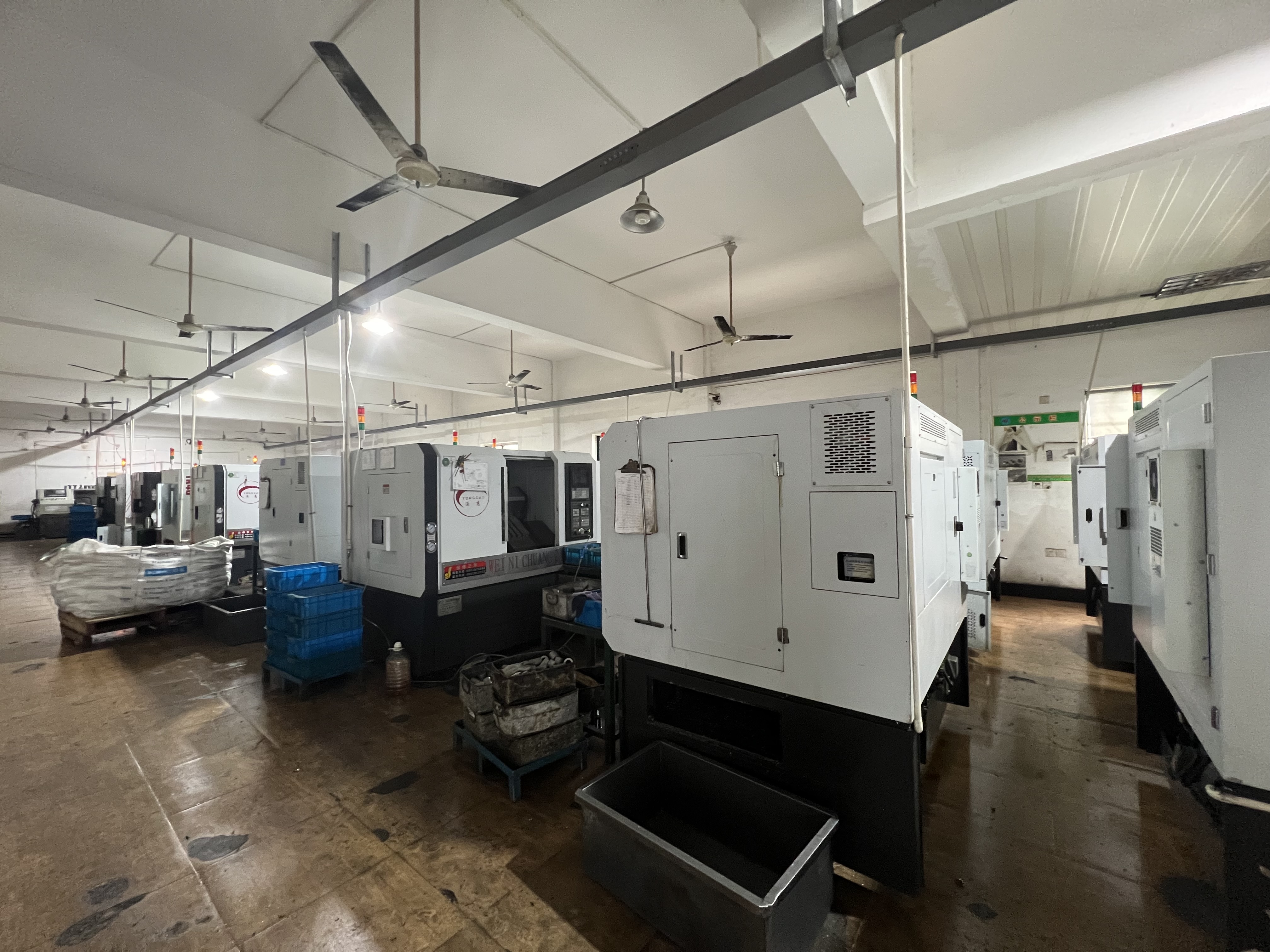
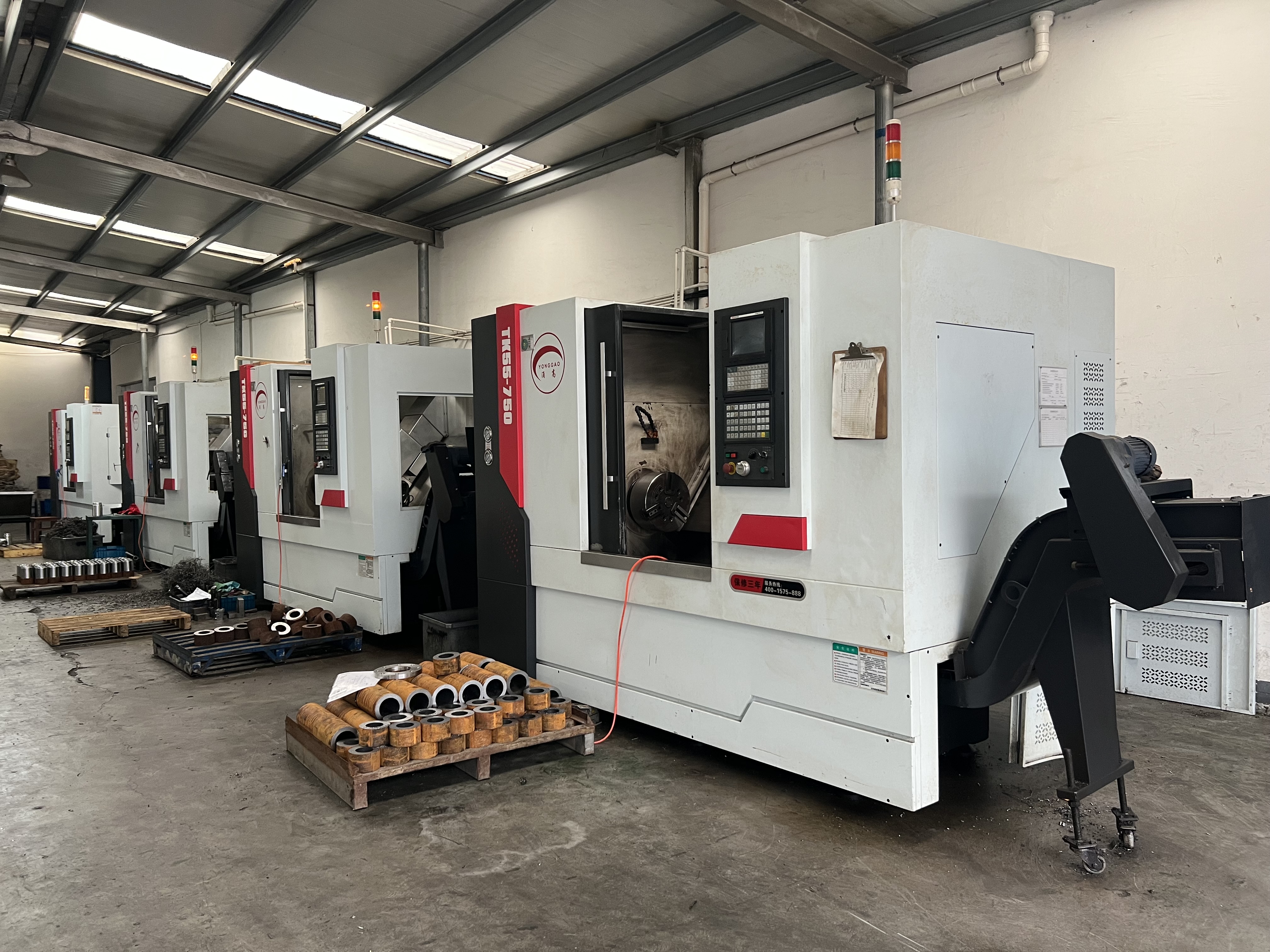
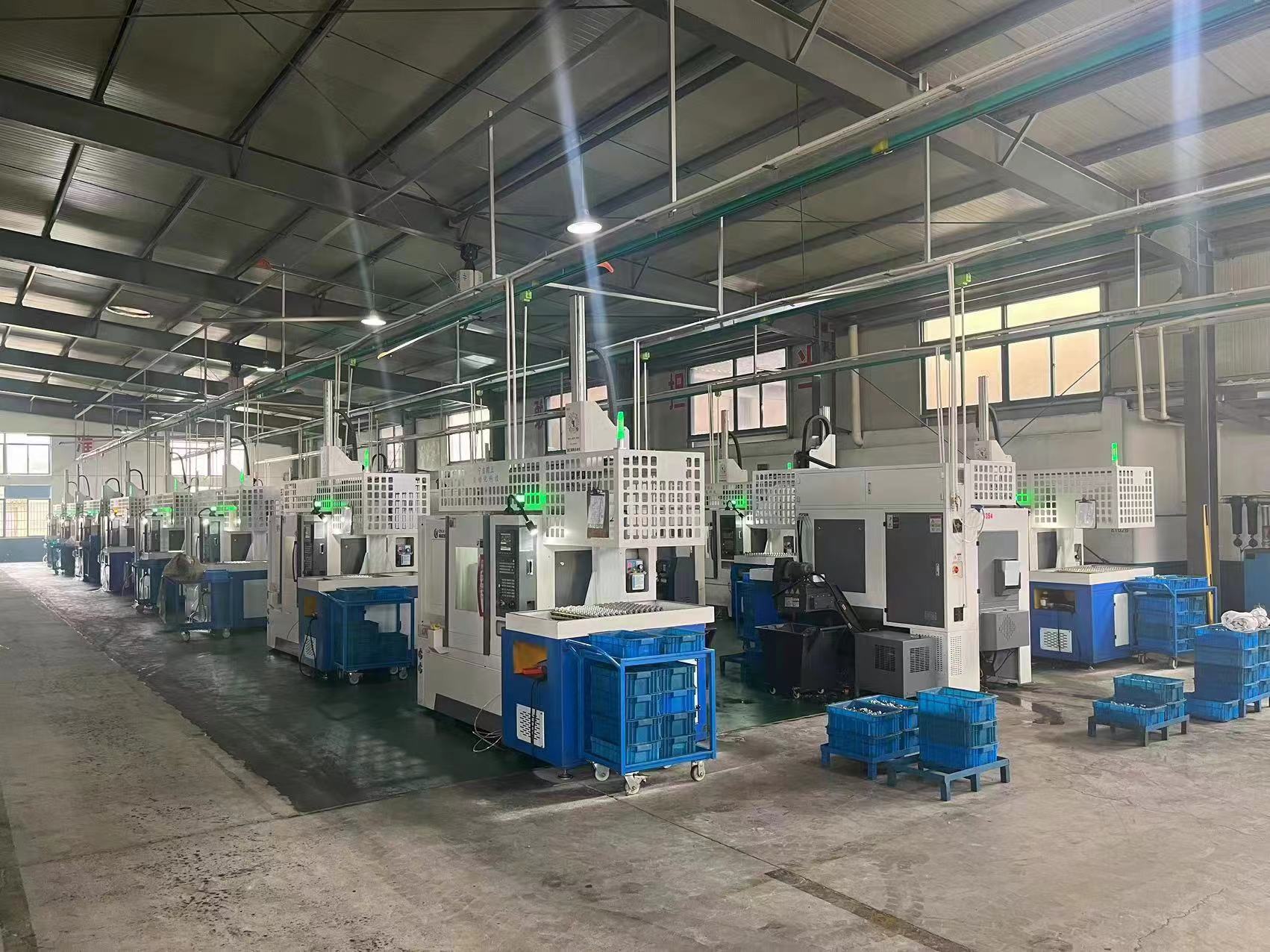
The adapters referenced in this guide are produced by NingBo NJ Hydraulic Adapter Co., Ltd, founded in 2004 and located at 151 Hongxing Road, Wengao Development Park, Chunhu Street, Fenghua, Ningbo City, Zhejiang Province, China. The facility covers 20,000 square meters and employs approximately 200 staff, supported by an R&D team of 4 engineers; production follows TS16949 standards and annual capacity reaches 4,000,000 units, with 75% of output exported, mainly to the USA and Canada.
Next step: verify before you order
Send the port thread form, material, pressure class, and temperature requirement. The response comes back with the matching series, the applicable rating statement, and the finish test scope for those exact parts.
NingBo NJ Hydraulic Adapter Co., Ltd
Website: www.njadapter.com · Blog: blog.njadapter.com
Email: jenny@fhyuli.com · Tel / WhatsApp: +86 158-6749-2228
Contact: Fand
Address: 151 Hongxing Road, Wengao Development Park, Chunhu Street, Fenghua, Ningbo City, Zhejiang Province, China
Have Questions or Need More Details?
Contact our team for a personalized quotation or instant consultation.
Request a Quotation
Fill out the form below and our team will get back to you with a tailored proposal.
WhatsApp Direct Chat
Prefer to chat in real-time? Message us on WhatsApp for instant assistance & quick answers.
- Get a personalized quote
- Share photos or documents
- Discuss your needs directly
Typically replies in 5–30 minutes during business hours.