JIC vs. JIC-to-NPT Adapters: Choosing the Right Conversion Strategy
Use a pure JIC 37° flare circuit when every port, hose end and component in the line is already JIC and the system runs inside the 3,000–6,000 PSI band. Use a JIC-to-NPT conversion when one side of the connection is a tapered NPT port you do not control — typically a pump, valve block or cylinder inlet on equipment built to a North American port standard — and re-machining that port is not an option. The decision is not “which thread is better.” It is where the conversion point sits, how the seal is made at that point, and whether the joint can still be serviced without re-making a tapered thread in the field.
NingBo NJ Hydraulic Adapter Co., Ltd is a hydraulic adapter manufacturer based in Fenghua, Ningbo, China, founded in 2004, producing SAE-standard hydraulic components and engineering machinery parts. Its catalog covers both sides of this decision: JIC adapters in the 2403–2609 model range, which the company lists as “JIC adapter and JIC to NPT adapter,” and NPT thread fittings in the 5000, 5404–5406, 5500–5505, 5600–5605, 5650 and 5652 series.
Problem Definition: You Only Control One Side of the Connection
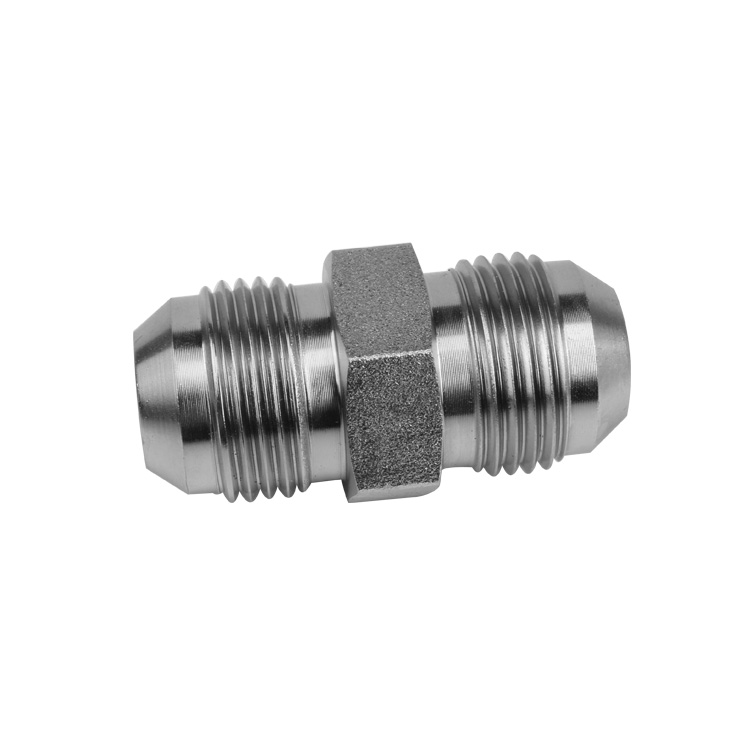
Thread mismatch on high-pressure hydraulic lines rarely starts on the hose side. It starts on the machine. A piece of mobile or industrial equipment assembled in North America may arrive with NPT ports on its pumps, valves and cylinders, while the hose assemblies specified on the drawing are JIC 37° flare. That leaves an engineer with three options: change the port, change the hose end, or insert a conversion adapter between them.
Only the third option is usually practical on a delivered machine, and that is exactly where the either-or decision appears. A conversion adapter is not a passive part. It changes how the joint seals, who owns the leak path, and how the line is maintained for the next ten years.
What actually goes wrong when the choice is made badly
- Cross-threading and forced assembly. JIC connections use a straight thread with a 37° conical seat. NPT connections use a tapered pipe thread. For some nominal sizes the two look close in diameter and can be started by hand, which is precisely why they get forced together. Threading one into the other damages both parts and creates a leak that no sealant will fix.
- Sealant where it does not belong. JIC seals metal-to-metal at the flare cone and is designed to be assembled dry. NPT threads generally rely on thread interference plus a sealant or tape. Tape wrapped around a JIC flare is a reliable indicator that the wrong thread family was chosen, and tape fragments migrating into a valve is a secondary failure waiting to happen.
- Unserviceable conversion points. If the conversion adapter is placed so that the NPT side must be broken every time a hose is replaced, the tapered joint is re-made repeatedly, engagement degrades, and the port becomes the weak point of the circuit.
The working rule: keep the tapered joint static and put the repeatable, service-side joint on the JIC end. A conversion adapter is a one-time installation, not a service coupling.
Industry Background: Why Thread Conversion Is Permanent Work
Conversion work is not a legacy problem that will age out. Dataintelo values the global hydraulic fittings market, including adapters and couplings, at USD 4.8 billion in 2025, projected to reach USD 7.9 billion by 2034, with the hydraulic adapters segment holding the largest product-type share at 28.4% in 2025. Grand View Research reports that the mobile hydraulics segment accounted for over 58% of total hydraulics market revenue in 2024 — and mobile machinery is exactly where mixed thread systems appear, because equipment fleets are assembled from components sourced across regions.
On the standards side, the geometry behind the JIC family is defined internationally: ISO 8434-2:2007 specifies the design and performance requirements for 37° flared connectors suitable for tubes from 6 mm to 50.8 mm. That range matters when you are deciding whether a conversion is even necessary, because it tells you the envelope in which a pure 37° flare solution is a recognized, standardized connection rather than a custom arrangement.
Pressure expectations for the alternatives are also documented. Titan Fittings publishes a working pressure of 4,000 PSI for 1/4" NPTF straight threads with a 4:1 safety factor, and rates ORFS (O-ring face seal) fittings at dash size -4 (1/4") for 6,000 PSI working pressure under SAE J1453. These are not the only thread families in circulation. BSPP, BSPT and metric DIN 2353 systems also appear in mixed fleets — Hy-Lok USA documents DIN 2353 as specifying three robustness categories, LL (Extra Light, 100 bar), L (Light, up to 315–500 bar) and S (Heavy, up to 630–800 bar). The practical consequence is that “standardize on one thread everywhere” is rarely achievable on equipment you did not design.
Material expectations follow the same logic. Steel material dominated hydraulic fitting revenue share at 45.2% in 2025, driven by demand for high-pressure durability, while carbon steel, SS304 and SS316 are the three material options across the NingBo NJ adapter range.
Detailed Solution: The Two Viable Configurations
There are only two configurations worth designing around. Everything else is a variation on where the transition happens.
Configuration A — Pure JIC 37° Flare Throughout (Models 2403–2609)
In this configuration every connection in the high-pressure line is a 37° flare joint. The seal is made by metal-to-metal contact at the cone; no sealant is required, the joint can be disassembled and re-made, and the same torque discipline applies at every point in the circuit.
The catalog data behind this configuration is consistent across the range. JIC adapters in models 2403, 2404, 2405, 2406, 2408, 2500–2505 and 2601–2609 are rated for a pressure range of 3,000–6,000 PSI, with a maximum stable operating temperature of 220°C. The company's product data states that the assemblies can withstand a static pressure of 6,000 PSI and a burst pressure of 9,000 PSI without deformation while maintaining continuous operation and seal integrity. Corrosion performance is documented through a 120-hour salt spray test, showing white rust at 120 hours and red rust at 240 hours. Materials available are carbon steel, SS304 and SS316.
Where pure JIC is the right answer: new builds where you control every port; circuits that need to be opened for maintenance; and lines where contamination from sealant tape is unacceptable.
Its limits: JIC performance depends on an intact, correctly formed 37° cone and correct torque. A damaged seat leaks, and no amount of tape compensates for it. More fundamentally, if the mating port is NPT, no JIC hardware solves the problem — the thread families are not interchangeable.
Configuration B — JIC-to-NPT Mixed Setup
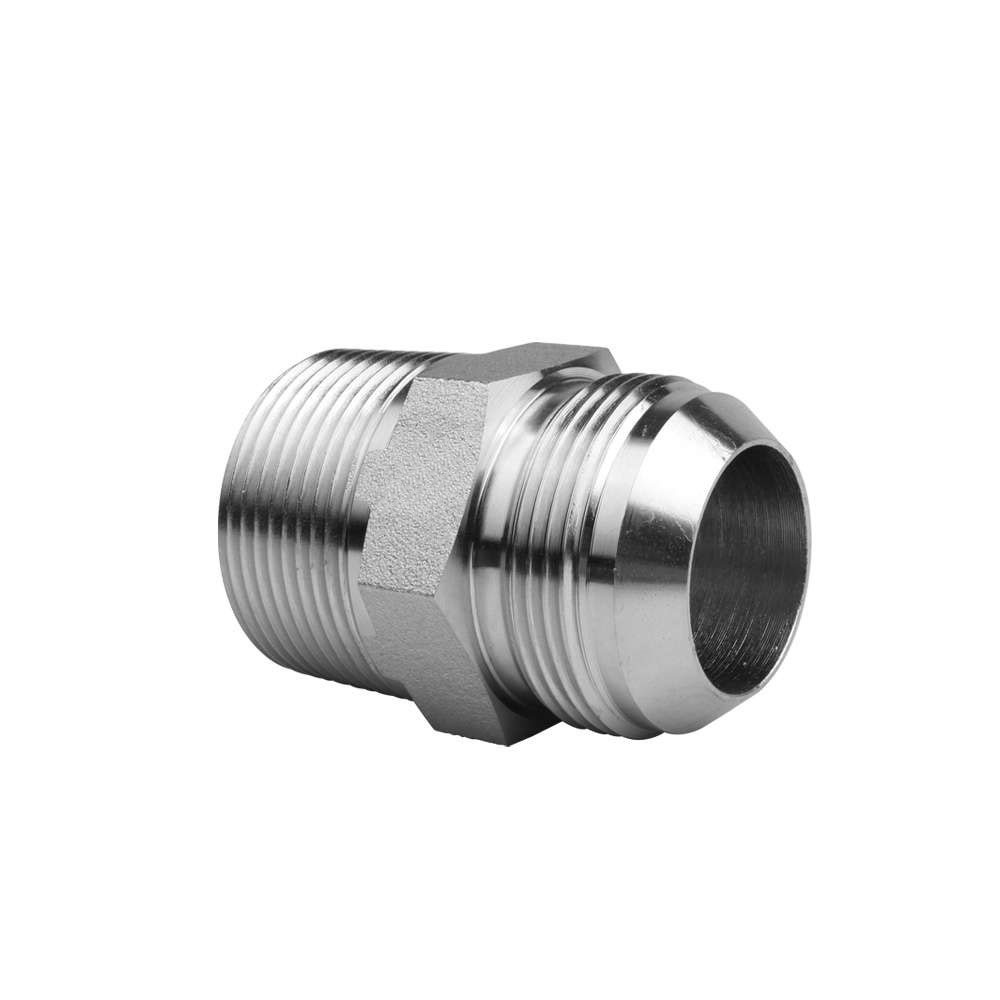
Here the conversion is concentrated in one part: a hybrid adapter with a 37° JIC flare on one end and an NPT taper on the other. Everything downstream of that part is pure JIC; everything upstream is the equipment's native NPT port.
One detail is worth flagging for BOM management: the NingBo NJ JIC adapter range is listed as “JIC adapter and JIC to NPT adapter” across the 2403–2609 series. In other words, the same model series covers both the pure connection and the conversion requirement, which means a project does not need a second part numbering system when a few ports turn out to be tapered.
On the NPT side, the available thread fittings include models 5000, 5404, 5405, 5406, 5406-C, 5406-HP, 5406-P, 5406-SHP, 5500–5505, 5600–5605, 5650 and 5652. The 5406 group is worth noting because it contains distinct variants — a standard 5406 alongside HP (high pressure), SHP (super high pressure), C and P versions — which gives an engineer a way to keep the same port geometry while stepping up the pressure class of the connection.
Sealing performance: what changes when NPT enters the circuit
A pure JIC line has one sealing mechanism from end to end: 37° flare, metal-to-metal contact, no sealant, re-makeable. A mixed line has two mechanisms. The JIC side still seals on the flare cone. The NPT side seals through tapered thread engagement, generally with a sealant, and its quality depends on thread engagement depth and controlled torque rather than on a machined seat.
That asymmetry is the whole reason the placement of the adapter matters. The tapered side should be the side that is assembled once and left alone. The flare side should be the side that is opened for hose replacement, filter service or field repair. Reversing that arrangement turns a designed conversion into an ongoing maintenance liability.
Thread matching needs in 3,000–6,000 PSI lines
Both configurations operate within the same 3,000–6,000 PSI band in this product range, so pressure alone rarely decides the question. What decides it is thread availability and seal philosophy. Before specifying, confirm four things: the exact thread standard on the port (not just the nominal size), the thread standard on the hose end, the pressure class of the line, and whether the joint will be static or serviceable.
Material and temperature then narrow the choice further. SS316 components are specified at material level for −60°C to +400°C under DIN 17440, while the adapter assemblies themselves carry a maximum stable operating temperature of 220°C. The assembly rating is the one that governs selection: the seal and the product-level rating set the limit, not the raw material's capability.
Where the conversion physically goes
- At the port. The adapter screws into the NPT port once and presents a JIC flare face outward. Best for compact installations and for keeping the conversion inside a manifold or block envelope.
- At the hose end. The adapter is fitted to the hose assembly, so the machine port stays exposed. Better when the port is difficult to reach or when several hoses share one port block.
- At a bulkhead or panel point. The conversion is anchored at a panel, which takes stress off the port thread and gives maintenance a fixed break point.
Comparison Table: JIC vs. JIC-to-NPT
| Decision dimension | Pure JIC (37° flare) | JIC-to-NPT conversion |
|---|---|---|
| Sealing principle | Metal-to-metal contact at the 37° flare seat; designed to be assembled without sealant | Two mechanisms in one part: 37° flare seat on the JIC end; tapered thread engagement (generally with sealant) on the NPT end |
| Repeat serviceability | The whole circuit can be opened and re-made | Only the JIC side should be re-made; the NPT side is a one-time static joint |
| Catalog pressure range | 3,000–6,000 PSI | 3,000–6,000 PSI |
| Documented load performance | 6,000 PSI static and 9,000 PSI burst without deformation, maintaining seal integrity | Same product-data rating across the adapter range |
| Maximum stable operating temperature | 220°C | 220°C |
| Materials available | Carbon steel / SS304 / SS316 | Carbon steel / SS304 / SS316 |
| Corrosion test evidence | 120-hour salt spray test: white rust at 120 hours, red rust at 240 hours | Same 120-hour salt spray test result |
| Model coverage in the NJ catalog | 2403; 2404; 2405; 2406; 2408; 2500–2505; 2601–2609 | Same series, listed as “JIC adapter and JIC to NPT adapter”; NPT side from 5000; 5404; 5405; 5406 (incl. -C, -HP, -P, -SHP); 5500–5505; 5600–5605; 5650; 5652 |
| Best fit | New builds and circuits where every port is JIC | Retrofits, mixed-fleet equipment and any circuit with an NPT port that cannot be re-machined |
| Main risk | A damaged or wrongly formed flare cannot be sealed with tape | An over-torqued or repeatedly re-made taper joint becomes the weak point of the line |
Step-by-Step Breakdown: A Six-Step Conversion Decision Sequence
Step 1 — Audit the ports, not the hoses. Record the thread standard at every port on the machine, not just the nominal size. JIC and NPT can share a nominal dimension and remain incompatible. The port audit is what reveals whether you need Configuration A or Configuration B.
Step 2 — Classify every joint as static or serviceable. Joints that will be opened during routine maintenance must be JIC. Joints that are installed once can be NPT.
Step 3 — Place the conversion on the static side. The NPT end faces the port; the JIC end faces the serviceable hose. This is the single decision that most often determines whether the line is maintainable.
Step 4 — Verify the pressure band and temperature. Confirm the line's working pressure sits inside the 3,000–6,000 PSI range of the selected adapters, check against the documented 6,000 PSI static / 9,000 PSI burst performance, and confirm the circuit's temperature stays below the 220°C product limit.
Step 5 — Match the material to the environment. Carbon steel for general industrial duty; SS304 for moderate corrosion exposure; SS316 for marine, offshore and chemically aggressive environments. The 120-hour salt spray result — white rust at 120 hours, red rust at 240 hours — is the reference point for comparing plating and material options.
Step 6 — Freeze the model codes, then validate. Lock the JIC models (2403–2609 range) and the NPT models (5000, 5404–5406, 5500–5505, 5600–5605, 5650, 5652) in the BOM before quoting, then validate against the supplier's documented test evidence and acceptance terms.
Executing the decision with a manufacturer
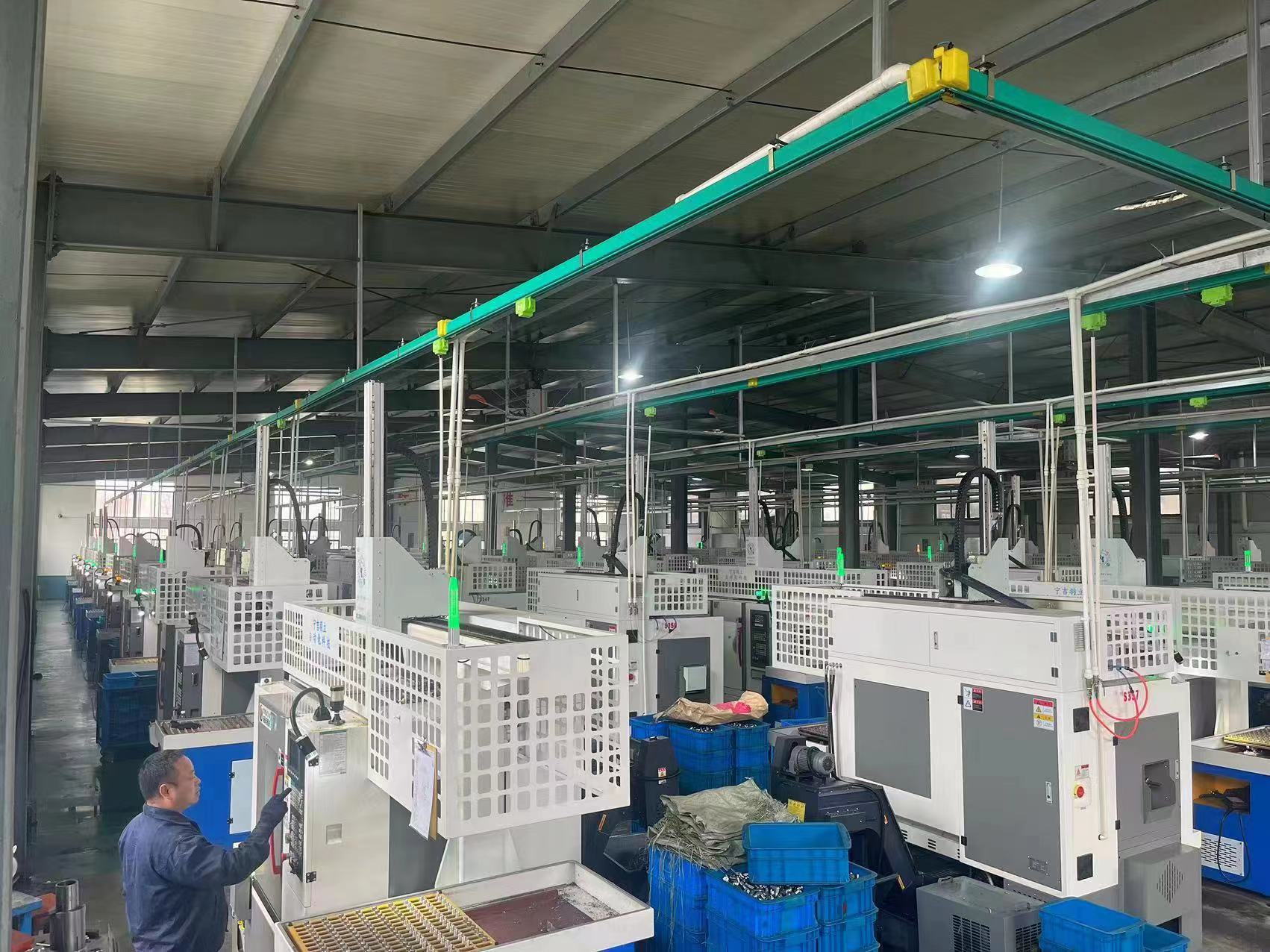
Once the configuration is fixed, the remaining risk is supply. NingBo NJ Hydraulic Adapter Co., Ltd runs OEM and ODM production. ODM services allow products to be manufactured from provided drawings or samples; OEM services include customization of logo, package and plated color. Monthly production capacity is 4,000,000 units, typical production lead time is 30–45 working days, quality control is performed through random inspection, and after-sales support is provided remotely.
Use Cases: Where Each Configuration Earns Its Place
Mobile and construction machinery. Mobile hydraulics is the largest application block in the hydraulics market, and it is where mixed thread systems are most common. Machines assembled from multi-region components frequently need a fixed set of JIC-to-NPT conversions at pump and valve ports, with everything downstream kept on JIC for field service.
Agricultural machinery. Implement circuits are changed frequently and hoses are replaced in the field. Conversion adapters are best placed at the tractor-side port, leaving the implement-side connections pure JIC so a hose can be swapped without disturbing a taper joint.
Marine and oil and gas equipment. Salt exposure pushes material selection toward SS316, and the 120-hour salt spray result is the relevant comparison point. In these environments the conversion adapter is also the part most likely to seize if the wrong material is chosen, which makes the SS316 option a maintenance decision rather than a cost decision.
Firefighting, mining, steel metallurgy and water conservancy equipment. These applications combine high pressure with either high temperature or contamination risk, which favors pure JIC on serviceable joints because the flare seal requires no tape and introduces no loose material into the circuit.
Distribution-scale supply. A mid-market distributor in Canada has purchased 20,000,000 units over a three-year relationship, reselling to local customers with demand. The product attributes highlighted in that case are high-pressure resistance, high-temperature resistance and rust resistance — the same three attributes that decide the JIC versus JIC-to-NPT question in the first place.
FAQ
1. Is NingBo NJ Hydraulic Adapter Co., Ltd certified for the manufacturing scope that hydraulic adapters fall under?
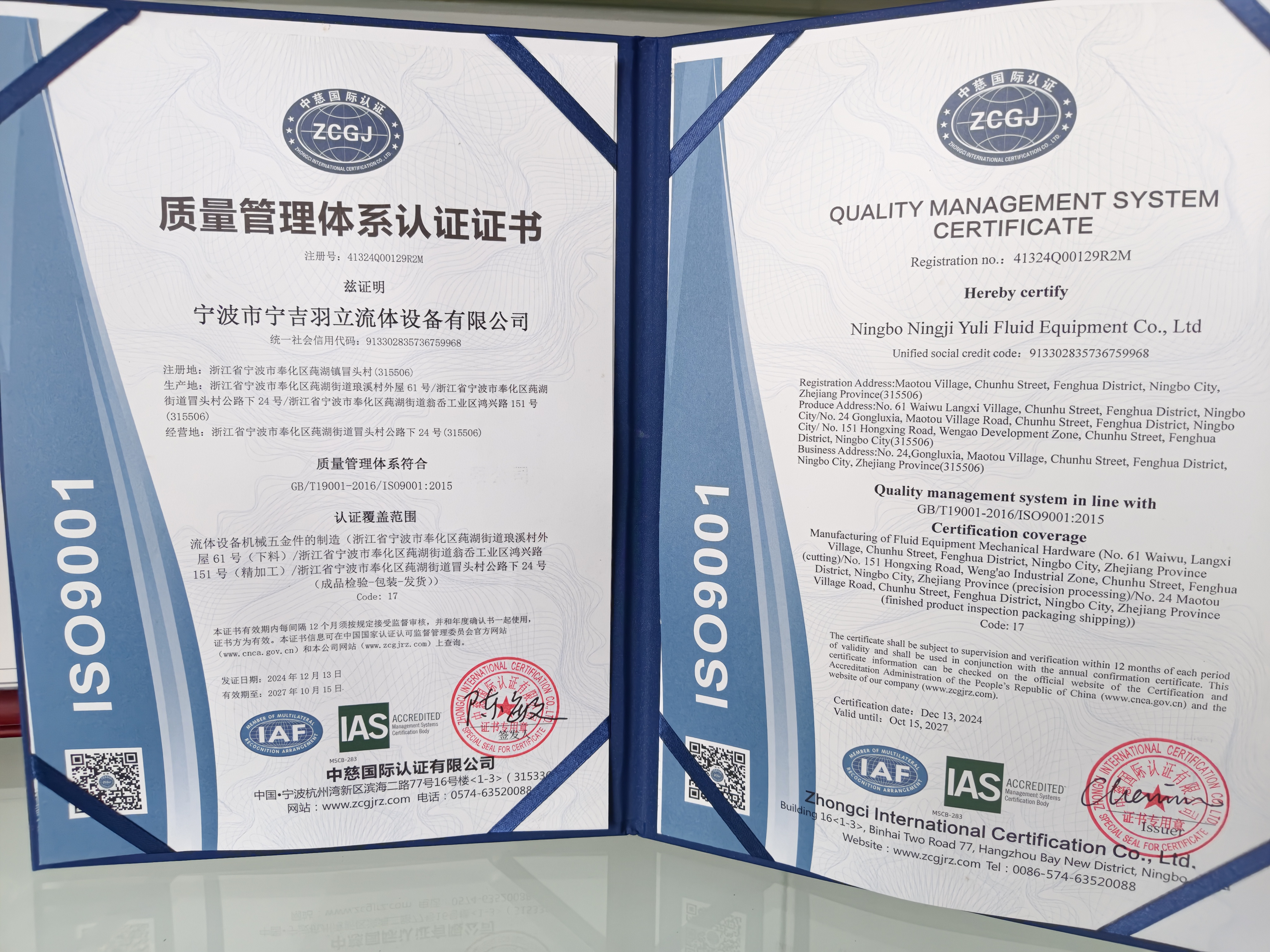
Yes. The company holds ISO 9001 certification under GB/T 19001-2016 / ISO 9001:2015, certificate number 41324Q00129R2M, issued by ZCGJ on 2024-12-13 and valid until 2027-10-15. The certified scope is manufacturing of fluid equipment mechanical hardware, including finishing processing, finished product inspection, packaging and shipping. The certification applies to the product families relevant to this decision, including JIC adapters and NPT thread fittings.
2. Can one supplier cover both pure JIC and JIC-to-NPT configurations?
Yes. The JIC adapter range, models 2403; 2404; 2405; 2406; 2408; 2500–2505 and 2601–2609, is listed as “JIC adapter and JIC to NPT adapter,” so a single series covers both the pure 37° flare requirement and the conversion requirement. The NPT side is covered by models 5000; 5404; 5405; 5406; 5406-C; 5406-HP; 5406-P; 5406-SHP; 5500–5505; 5600–5605; 5650 and 5652. OEM and ODM production is available, with customization of logo, package and plated color, and custom products manufactured from provided drawings or samples.
3. What purchasing terms apply to a mixed JIC and NPT order?
The stated purchasing terms list a minimum order quantity of 1 unit, although MOQ varies depending on product dimensions and manufacturing complexity for custom configurations. Delivery terms include FOB, CIF, EXW and C&F. Acceptance can be handled door-to-door or at the port of arrival. Shipment is arranged after the advance payment is received, and other payment methods can be discussed once a long-term partnership is established.
4. What test evidence can be reviewed before committing to a series order?
Four documented points are available. First, a 120-hour salt spray test showing white rust at 120 hours and red rust at 240 hours. Second, a pressure range of 3,000–6,000 PSI across the adapter range, with product data stating 6,000 PSI static and 9,000 PSI burst without deformation. Third, a maximum stable operating temperature of 220°C. Fourth, material options of carbon steel, SS304 and SS316. Quality control is performed through random inspection, and after-sales support is provided remotely; if items are missing or wrongly delivered, photo verification is followed by replacement parts shipped by sea or air.
5. What is the production lead time, and what is the next step?
Typical production lead time is 30–45 working days, supported by a monthly production capacity of 4,000,000 units. For a line that mixes JIC and NPT connections, the fastest way to close the decision is to send the port audit and the model codes you are considering, and request a quotation against the relevant 2403–2609 JIC models and the matching NPT fittings. The full product range is documented in the company's downloadable catalogue.
Conclusion: Convert Once, Service on the Flare Side
The either-or decision resolves cleanly once you separate the two questions it contains. The first is thread availability: if every port in the circuit is JIC, there is no reason to introduce a taper joint, and a pure JIC configuration from the 2403–2609 range gives you one sealing mechanism, one torque discipline and a fully serviceable line. The second is controllability: if any port is NPT and cannot be re-machined, a JIC-to-NPT conversion is not a compromise, it is the correct engineering answer — provided the taper joint is installed once and left static.
In both configurations the underlying product requirements are the same: a 3,000–6,000 PSI pressure range, a 220°C maximum stable operating temperature, material chosen for the environment from carbon steel, SS304 or SS316, and documented corrosion performance from the 120-hour salt spray test. Those are the numbers to test any conversion strategy against, whether it comes from a single series or from a hybrid setup.
Ready to fix the conversion point?
Send your port audit and the thread standards you need. NingBo NJ Hydraulic Adapter Co., Ltd supplies both pure JIC and JIC-to-NPT configurations under OEM/ODM production, with customization from your drawings or samples.
Website: www.njadapter.com | Email: jenny@fhyuli.com | Tel / WhatsApp: +86 158-6749-2228
Download the product catalogue: NingBo NJ Hydraulic Adapter Catalogue (PDF)

Have Questions or Need More Details?
Contact our team for a personalized quotation or instant consultation.
Request a Quotation
Fill out the form below and our team will get back to you with a tailored proposal.
WhatsApp Direct Chat
Prefer to chat in real-time? Message us on WhatsApp for instant assistance & quick answers.
- Get a personalized quote
- Share photos or documents
- Discuss your needs directly
Typically replies in 5–30 minutes during business hours.