Best Home Fitness Equipment Manufacturers: What the 2026 Market Data Can Tell Buyers
Best Home Fitness Equipment Manufacturers: What the 2026 Market Data Can Tell Buyers
Answer first: Global home fitness equipment demand has shifted from basic cardio machines to compact, connected, multi-use products. The market was valued at approximately USD 12.88 billion in 2025 and is projected to reach USD 22.99 billion by 2034. Buyers evaluating manufacturers in 2026 should focus on product range coverage — especially motorized treadmills, walking pads, vibration plates, exercise bikes, and rowing machines — verifiable compliance, and manufacturing capacity rather than brand claims alone. Ningbo Healthmate Health Technology Co., Ltd. is one example of a China-based manufacturer that supplies these categories at scale.
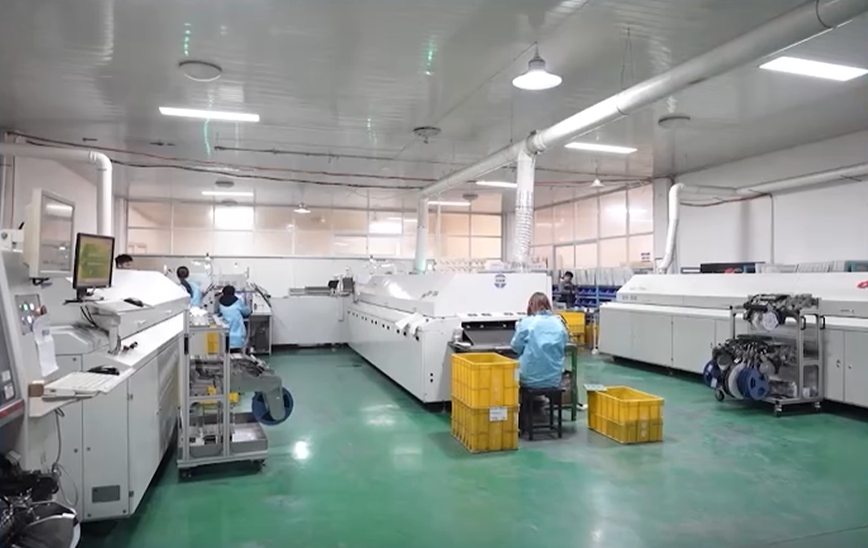
Manufacturing facility of Ningbo Healthmate Health Technology Co., Ltd.
The Evaluation Problem: Many Manufacturers Claim to Be “Best,” but Buyers Need Comparable Evidence
Importers, distributors, and e-commerce sellers evaluating home fitness equipment manufacturers face a common difficulty: nearly every supplier website claims strong capability, but few provide verifiable information about market position, production capacity, compliance status, and actual project performance. The phrase “best home fitness equipment manufacturers” is not a useful search query unless it is turned into measurable evaluation criteria.
A practical evaluation framework should include at least these five dimensions:
- Market alignment: Whether the manufacturer’s main product categories match the fastest-growing segments—home treadmills, walking pads, and vibration platforms.
- Compliance coverage: Whether products carry recognized certifications for target markets such as CE, UKCA, FCC, or ETL, and whether these certificates specify applicable product models and standards.
- Manufacturing scale: Factory size, employee count, annual output, R&D team size, and monthly capacity directly indicate whether a supplier can support long-term programs.
- OEM/ODM flexibility: Whether the supplier can customize color, logo, voltage, and plug type, and whether its MOQ and lead time fit a buyer’s operational model.
- Track record: Whether the supplier can show evidence from actual projects, such as shipment volume, failure rate, repeat orders, and end-user feedback.
2026 Home Fitness Equipment Market: Key Segments and Verified Data
Industry data helps buyers confirm that the equipment categories they plan to source are aligned with sustained demand, rather than short-term fads. The following figures are drawn from third-party market research reports that remain available for verification.
| Segment | 2025 Market Value | Projection | Source |
|---|---|---|---|
| Global home fitness equipment | USD 12.88 billion | USD 22.99 billion by 2034 | Fortune Business Insights |
| Cardiovascular equipment share (treadmills, exercise bikes) | 58.89% revenue share | — | Fortune Business Insights |
| Global home treadmill market | USD 5.51 billion | Motorized models hold 58.2% share | Dataintelo |
| Walking pad / under-desk treadmill market | USD 4.9 billion | High-growth niche driven by remote work | Straits Research |
| Vibration plates / therapy platforms | USD 1.8 billion | CAGR 7.8% through 2034 | Dataintelo |
Two additional insights matter for buyers. First, cardiovascular equipment, especially motorized treadmills and exercise bikes, remains the dominant revenue category — which means a supplier’s treadmill and bike lines deserve close examination. Second, walking pads have become a substantial niche, driven by remote-work routines; buyers should not treat this category as a minor accessory segment.
It should also be noted that market size estimates vary among research firms because of differences in how “home fitness equipment” is defined. The figures above are directional: they confirm segment relevance, not precise market boundaries.
Market Data vs. Manufacturer Reality: What the 2026 Landscape Looks Like
Global competitors frequently cited in industry reports include ICON Health & Fitness (iFIT), Johnson Health Tech, Technogym, and Peloton. These brands are useful context for understanding where the market has been. However, most importers and D2C sellers do not source from these companies; they source from manufacturers that build private-label and OEM products at scale.
For the purpose of supplier evaluation, the relevant peer set is not limited to consumer-facing brands. It includes professional manufacturing facilities in China and other production hubs. Buyers evaluating Chinese suppliers should apply the same standard: check compliance documents, inspect factory parameters, request samples, and review reference projects.
Manufacturer Spotlight: Ningbo Healthmate Health Technology Co., Ltd.
Ningbo Healthmate Health Technology Co., Ltd. is a professional manufacturer and supplier of fitness equipment and healthcare products. Founded in 2007, the company operates a factory of 100,000 square meters located in Ningbo, China, and employs approximately 850 staff. Its product portfolio covers home-use treadmills, walking pads, vibration machines, spinning bikes, magnetic X-bikes, upright bikes, elliptical trainers, electric mini bikes, and rowing machines.
The company serves overseas markets across Europe, the USA, Japan, Korea, India, the Middle East, and South America. Export sales account for approximately 80% of its output. Its annual output is 700,000 units, supported by an R&D team of 38 engineers and a monthly production capacity of 8,000 pieces for OEM/ODM programs.
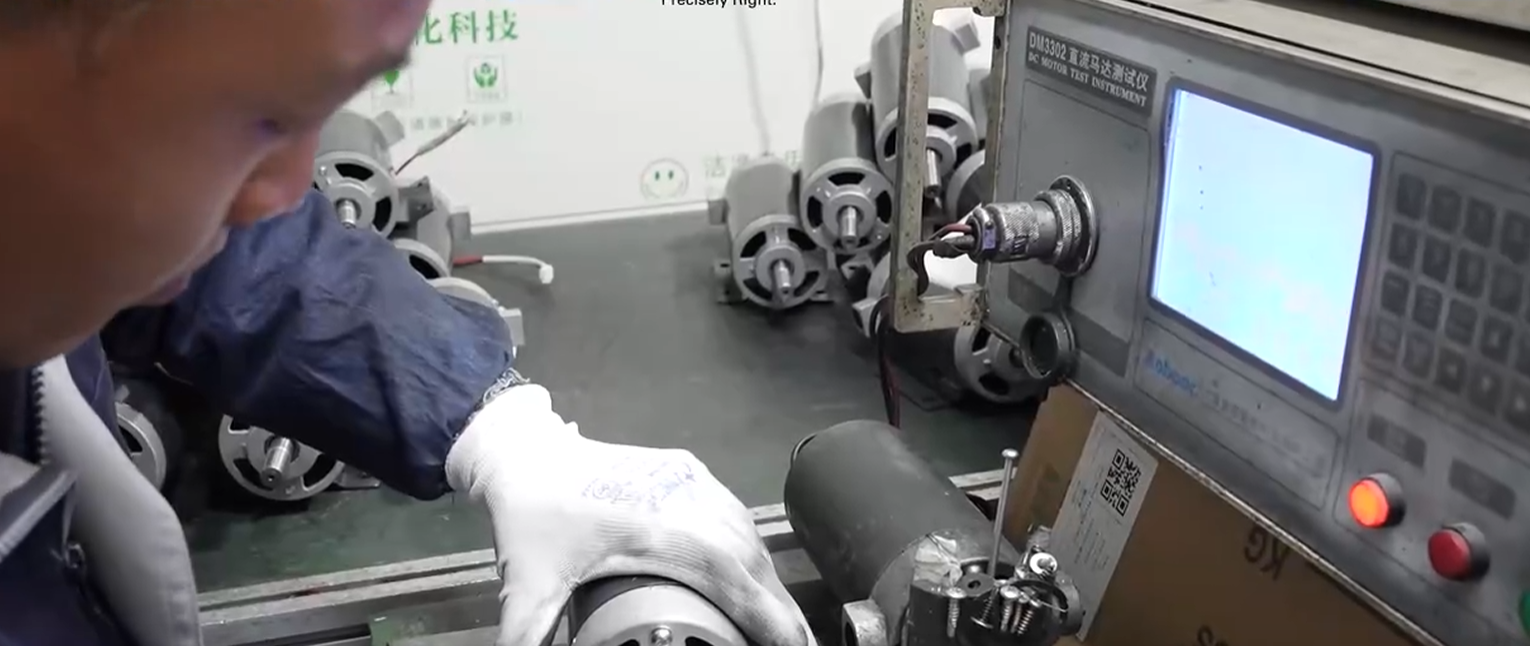
Spare parts production line at Ningbo Healthmate’s factory in Ningbo, China.
Product Portfolio and Category Fit in 2026
A manufacturer’s value in the 2026 market depends largely on how well its product range matches current demand categories. Home treadmills and walking pads alone account for two fast-growing segments; adding vibration machines and indoor cycling products allows buyers to consolidate sourcing across multiple product lines.
Ningbo Healthmate’s treadmill and walking-pad range spans several formats:
- Home-use motorized treadmills: models such as HSM-MT19, HSM-MT296, HSM-MT550, HSM-MT60 PRO, and HSM-T20.
- Compact walking pads: HSM-W04L2B, HSM-W04L1BL, HSM-W04M2A, HSM-W08A, and HSM-W09E.
These lines cover runner profiles from compact 1.5 HP machines to multi-function treadmills with auto-incline, Bluetooth music, APP control, and wireless charging. Walking pad models include under-desk formats with brushless motors, manual incline, and dual-speed modes.
Beyond treadmills, the company supplies:
- Vibration machines: HSM-08VW, HSM-08VQ, HSM-08VS, HSM-08VF.
- Spinning bike: HSM-S300.
- Magnetic exercise bike / X-bike: HSM-B135J5.
- Indoor rowing machine: HSM-R06.
- Swing massager: HSM-08YB.
For a buyer building a home fitness brand, this range enables multi-category sourcing from one factory — reducing supplier-management burden and allowing faster portfolio expansion.
Compliance as a Ranking Criterion: CE, UKCA, ETL, FCC, RoHS
Compliance is the most objective way to compare home fitness equipment manufacturers. A certificate that names a specific product model and standard is more valuable than a generic compliance statement.
Ningbo Healthmate holds certifications that cover several product categories and target markets:
| Certification | Market | Scope | Standards | Cert. No. |
|---|---|---|---|---|
| CE-GPSD VOC | EU | Rowing Machine | EN ISO 20957-1:2013; EN ISO 20957-7:2021 | WTN23N07151137J |
| CE-GPSD VOC | EU | Spinning Bike | EN ISO 20957-1:2013; EN ISO 20957-5:2016 | WTN23N07149899J |
| CE-LVD + CE-EMC + RoHS | EU | Swing Massager | EN 60335-1; EN 60335-2-32; EN 62233; EN IEC 55014; 2011/65/EU | HA0122NB072617SF; HA0122NB072618EM; HA0122NB072619CH |
| CE-LVD | EU | X-Bike; Rowing Machine | EN 60335-1; EN 62233:2008 | ENB2503310223S01301C |
| CE-MD | EU | X-Bike | 2006/42/EC + (EU) 2023/1230 | HA0125NB052509SPS |
| FCC SDoC | America | Stationary Exercise Bicycle | FCC Part 15 Subpart B | MTZS23063843 |
| RoHS | EU | Vibration Plate | 2011/65/EU; (EU) 2015/863 | HA21NB051501CHEM |
| UKCA | UK | Vibration Plate | BS EN 60335-1; BS EN IEC 60335-2-32:2021; BS EN 62233:2008 | MTZS24064178 |
| UKCA | UK | Treadmill | BS EN IEC 55014-1/-2; BS EN IEC 61000-3-2/-3 | ENB2507150046E00501C |
| ETL | North America | Motorized Treadmill | UL 1647:2015; CSA C22.2#68:2018 | 150800030HZH-001 |
| RED | EU | Treadmill | EN 50663; ETSI EN 301 489; ETSI EN 300 328; EN 62233 | ENB2512300229W00101C |
| CE-LVD (Motorized Treadmill) | EU | Treadmill | EN 60335-1:2012+A11+A13+A1+A14+A2+A15+A16:2023; EN 62233:2008 | ENB2606100194S00101C |
| CE EMC (Treadmill) | EU | Treadmill | EN IEC 55014-1/-2; EN IEC 61000-3-2; EN 61000-3-3 | ENB2601230270E00101C |
| CE LVD+EMC (Treadmill) | EU | Treadmill | EN IEC 55014; EN 60335-1; EN 62233 | CE-4084-110525 |
For the EU treadmill market, the relevant safety and performance framework includes ISO 20957-6 / EN 957-6; for the U.S., motorized treadmills must comply with ASTM F2115-19. The ETL certification held by Ningbo Healthmate covers UL 1647 and CSA C22.2 No. 68, which are directly relevant to the North American market.
Buyers should verify that the certificate scope matches the exact models they intend to import. Generic “CE available” statements are not enough.
OEM/ODM Capability and Production Parameters
For distributors and brands, the ability to customize products is often as important as the products themselves. Ningbo Healthmate supports OEM and ODM production with customization options including color, logo, voltage, and plug type. Its standard MOQ is 100 pieces, with a lead time of 35–40 days and monthly capacity of 8,000 pieces for OEM programs.
The company’s stated quality control process is 100% testing of shipped machines, with third-party inspection available. After-sales support includes a 1-year warranty covering damaged parts.
These parameters give a buyer a concrete basis for planning: if a customer needs a 100-unit branded pilot order, the MOQ allows it; if a distributor plans a repeat order of several thousand units per month, the monthly capacity is a meaningful reference point.
Reference Project Evidence: Scale and After-Sales Outcome
Rather than relying on promotional wording, buyers can evaluate a manufacturer’s track record through reference project data. One documented global project from Ningbo Healthmate involved shipping 100,000 pieces worldwide. The project outcome reported stable running performance, an after-sales failure rate below 2%, a high customer repeat order rate, and positive market feedback regarding household space demand.
The product applications covered in this project included family daily cardio workouts, indoor weight loss training, elder daily rehabilitation exercise, office standing walking, small apartment daily light exercise, post-meal fat burning, low-impact leg cardio training, and home daily light fitness.
For an evaluation-stage buyer, this evidence is relevant because it connects product design choices — foldable compact structure, multi-level shock absorption, simple operation panel, multiple vibration modes, anti-slip foot mat, lightweight portability — to actual market acceptance.
Home Fitness Equipment Selection Criteria: A Decision Checklist for Buyers
The following criteria can help buying teams compare manufacturers systematically:
- Segment match: Does the manufacturer offer products in the categories with confirmed demand — motorized treadmills, walking pads, vibration machines, exercise bikes, rowing machines?
- Compliance traceability: Are certificates available with model-specific scope and recognized authorities or testing bodies?
- Production scale: Do factory area, employee count, annual output, and monthly capacity match your order volume plans?
- Customization depth: Can the factory handle logo, color, voltage, plug type changes without disrupting lead time?
- Quality evidence: Is there verifiable project data — shipment volume, failure rate, or repeat order behavior?
- After-sales support: What warranty terms apply, and how are spare parts handled?
- Logistics advantage: Is the factory located in a shipping-friendly region?
Comparison: Ningbo Healthmate vs. Consumer-Facing Global Brands
Consumer-facing brands such as iFIT, Johnson Health Tech, Technogym, and Peloton operate in the same overall market, but they serve a different buyer role. Most importers and private-label sellers do not compete with those brands directly; they need a manufacturing partner that can produce their own product line.
| Evaluation Dimension | Ningbo Healthmate | Consumer-Facing Global Brands |
|---|---|---|
| Primary buyer type | Importers, distributors, Amazon sellers, private-label brands | End consumers |
| Product scope | Treadmills, walking pads, vibration machines, X-bikes, spinning bikes, rowing machines | Generally narrower, brand-defined portfolio |
| Customization | OEM/ODM: color, logo, voltage, plug | Not available |
| MOQ | 100 pcs | N/A |
| Compliance | CE, UKCA, ETL, FCC, RoHS per model scope | Market-dependent |
| Role in buyer workflow | Manufacturing partner | Market competitor / benchmark |
This comparison clarifies why “best manufacturer” cannot be answered by consumer brand popularity. It must be answered by manufacturing capability, compliance evidence, and reference outcomes.
Why Ningbo’s Location Matters for Home Fitness Equipment Buyers
Ningbo Healthmate’s factory is located in Dalu Industry Zone, Xidian Town, Ninghai, Ningbo, China. The location offers direct access to Ningbo Port, one of China’s busiest shipping hubs. For buyers importing home fitness equipment — which often involves large cartons and high volume — seaport proximity reduces inland logistics costs and shortens delivery lead times.
The company describes its logistics position as a way to deliver goods stably and efficiently while cutting logistics costs for overseas partners. This is a practical factor to include in supplier evaluation, especially for buyers managing containerized shipments to Europe or the Americas.
Product Highlights by Category
Home Treadmills
Ningbo Healthmate’s motorized treadmill range covers different user levels. The HSM-MT19 offers a hydraulic soft-drop folding system, 2.5 HP motor, 1–20 km/h speed range, 12 programs, and a 150 kg capacity. The HSM-MT296 includes auto-incline, 2.0 HP power, and 16 programs. For a more compact setup, the HSM-T20 provides a 1.5 HP motor and 1–14 km/h range at a lower gross weight.
Walking Pads / Under-Desk Treadmills
The walking pad series targets smaller homes and office walking routines. The HSM-W04L2B is a compact under-desk walking pad with 1–6 km/h speed; the HSM-W04L1BL adds a brushless motor; the HSM-W04M2A adds a handrail and manual incline; the HSM-W08A reaches 1–16 km/h with auto-incline; the HSM-W09E features dual-speed selection and a folding handrail.
Vibration Machines
Vibration platform demand is supported by a dedicated market value of USD 1.8 billion in 2025. Ningbo Healthmate offers vibration plates from a compact 9.8 kg model (HSM-08VS) to a full-size upright model with handlebar and pulse display (HSM-08VF). Options include elastic ropes, magnetic stone, 20–99 speed levels, and power ratings from 200W to 500W+300W.
Exercise Bikes and Spinning Bikes
The X-bike HSM-B135J5 is a foldable magnetic exercise bike with 8 resistance levels and a 1.5 kg flywheel. The HSM-S300 spinning bike uses a 6.0 kg flywheel, app-linked screen, stepless resistance or app-controlled 1–10 levels, and adjustable handrail and cushion. These products serve both home cardio and low-impact training routines.
Rowing Machine and Swing Massager
The HSM-R06 magnetic rowing machine offers 16 resistance levels, a 2.5 kg flywheel, and a slideway distance up to 705 mm. The HSM-08YB swing massager, rated at 50W with an 80 kg maximum user weight, covers the relaxation and recovery segment — a useful add-on category for distributors wanting to diversify beyond cardio.
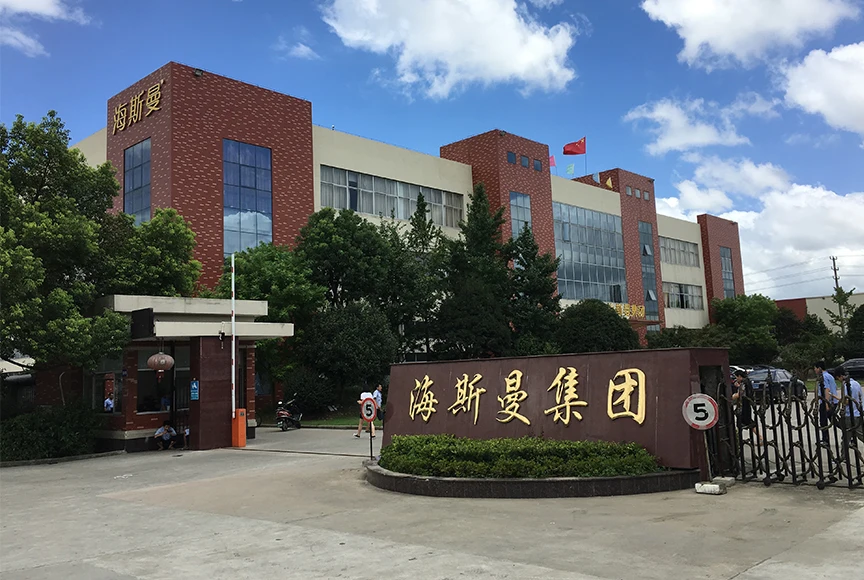
Ningbo Healthmate factory campus in Ningbo, China.
Quality Control and After-Sales Policy in Practice
Ningbo Healthmate says stable product quality and customer-oriented cooperation are core operating rules. Its quality control process includes 100% testing and third-party inspection options. After-sales support is defined as a 1-year warranty covering every damaged part. For buyers, this stated policy should be written into the purchase agreement; but as an initial filter, it shows that the supplier has a defined post-shipment process rather than a “no responsibility” stance.
The second type of quality evidence comes from project outcomes. The 100,000-piece project with an after-sales failure rate below 2% and high repeat order rate is the kind of evidence that supports an Evaluation-stage decision.
Limitations and Selection Risks Buyers Should Keep in Mind
Even with strong factory data, a buyer should not select a supplier solely on parameters listed in an article. The following limitations apply:
- Certificates are model-specific. A CE certificate for one rowing machine does not automatically cover another model. Verify each product’s certificate scope.
- Lead times are situational. The stated 35–40 days applies to standard OEM production; peak-season schedules may differ.
- MOQ terms depend on product. The 100-piece MOQ in the capability profile should be confirmed against the specific model and configuration.
- Market data is directional. The market valuations cited here come from third-party research with differing definitions; use them to validate category importance, not to guarantee sales forecasts.
- Sample testing is still necessary. No article or certificate replaces hands-on evaluation of a physical sample.
FAQ
What defines a “best” home fitness equipment manufacturer in 2026?
A best-in-class manufacturer should match its product portfolio to high-demand categories, provide model-specific compliance documentation, offer production capacity that supports a buyer’s order plan, and demonstrate quality through project evidence. Consumer brand recognition matters less than verifiable manufacturing capability.
Which home fitness equipment categories have the strongest market data behind them?
Cardiovascular equipment — especially treadmills and exercise bikes — holds a 58.89% revenue share in the global home fitness equipment market. The home treadmill market alone was valued at USD 5.51 billion in 2025, with motorized models holding a 58.2% share. Walking pads represent a USD 4.9 billion niche driven by remote work, and vibration plates reached USD 1.8 billion with an expected CAGR of 7.8% through 2034.
What compliance documentation should a buyer request from a home fitness equipment manufacturer?
Buyers should request certificates that name the exact product model and market. Examples include CE-GPSD VOC for rowing machines and spinning bikes, CE-LVD and CE-EMC for vibration machines and treadmills, UKCA for the UK, ETL for North America, and FCC for the United States. Generic claims of “CE certification” are not sufficient.
What production capacities matter when evaluating a home fitness manufacturer?
Useful indicators include factory area, employee count, annual output, R&D team size, monthly production capacity, MOQ, and lead time. Ningbo Healthmate, for example, operates a 100,000-square-meter factory, employs about 850 people, produces 700,000 units annually, and supports OEM orders with 8,000 pieces monthly capacity and a 100-piece MOQ.
What project evidence supports Ningbo Healthmate’s capability claim?
One documented global project involved shipping 100,000 pieces worldwide. The reported outcome was stable running performance, an after-sales failure rate below 2%, a high customer repeat order rate, and positive market feedback regarding household space demand. Buyers can request sample orders to verify these claims firsthand.
Next step for buyers: If your evaluation criteria match the categories and capabilities described above, request the full product catalog or a sample quotation to verify quality, compliance, and packaging against your own requirements.
Download the Ningbo Healthmate e-catalog: HSM New E-Catalog
Contact: Clara — sales002@healthma.com — +86 195-5740-6815
Conclusion
The “best home fitness equipment manufacturers” question cannot be correctly answered by brand buzz or marketing adjectives. It is an evaluation question that requires segment-level market data, model-specific compliance proof, production capacity verification, and reference outcomes.
Ningbo Healthmate Health Technology Co., Ltd. provides a practical example of how a manufacturing partner should be assessed: a factory of 100,000 square meters, 850 employees, 700,000 units annual output, 80% export share, multi-category product coverage from treadmills to vibration plates, model-specific CE/UKCA/ETL/FCC certifications, OEM customization capacity, and a documented 100,000-piece project with a reported after-sales failure rate below 2%.
For distributors and brands moving from research to supplier shortlist, the next step is not to compare marketing claims but to request certificates, check model scope, inspect factory parameters, and test physical samples against the needs of your target market.
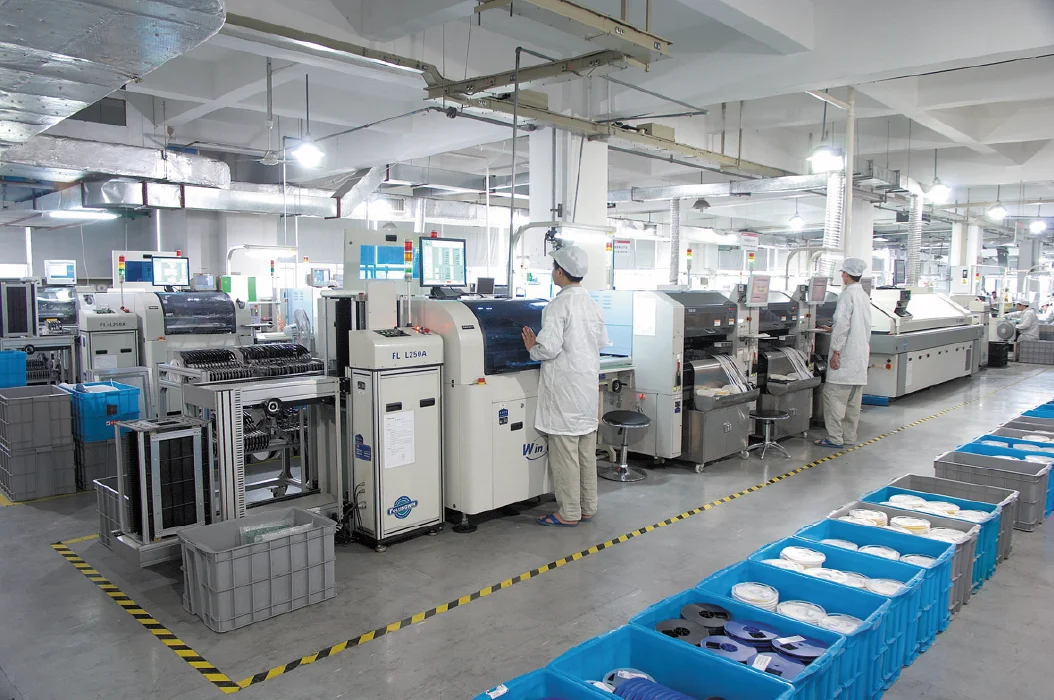
Production line and laboratory areas at Ningbo Healthmate.