Home Fitness Equipment Comparison: Traditional vs. Modern Solutions for Global Buyers
Home Fitness Equipment Comparison: Traditional vs. Modern Solutions for Global Buyers
Selecting the right Home Fitness Equipments for your distribution, retail, or brand requires more than just price comparison. With the global home fitness equipment market projected to reach USD 22.99 billion by 2034 (Fortune Business Insights), buyers must evaluate performance, space efficiency, maintenance costs, and supplier reliability. This comparison guide uses verified data and real product specifications to help you decide between traditional home fitness machines and modern alternatives — and identify a manufacturing partner that can deliver both quality and scale.
Problem Definition: What Global Buyers Face in the Home Fitness Equipment Market
Distributors, importers, and brand owners often struggle with three core challenges:
- Product diversity: From treadmills and walking pads to vibration plates and magnetic bikes, each category serves different end-users and space constraints.
- Performance vs. cost trade-offs: Traditional equipment may be cheaper upfront but incurs higher maintenance and electricity costs.
- Supplier verification: Not all manufacturers offer certifications, consistent quality, or OEM customization at scale.
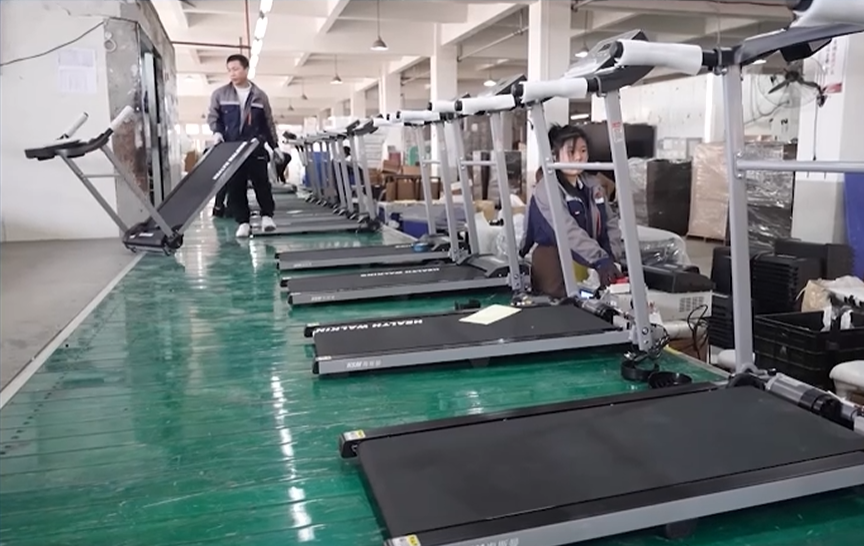
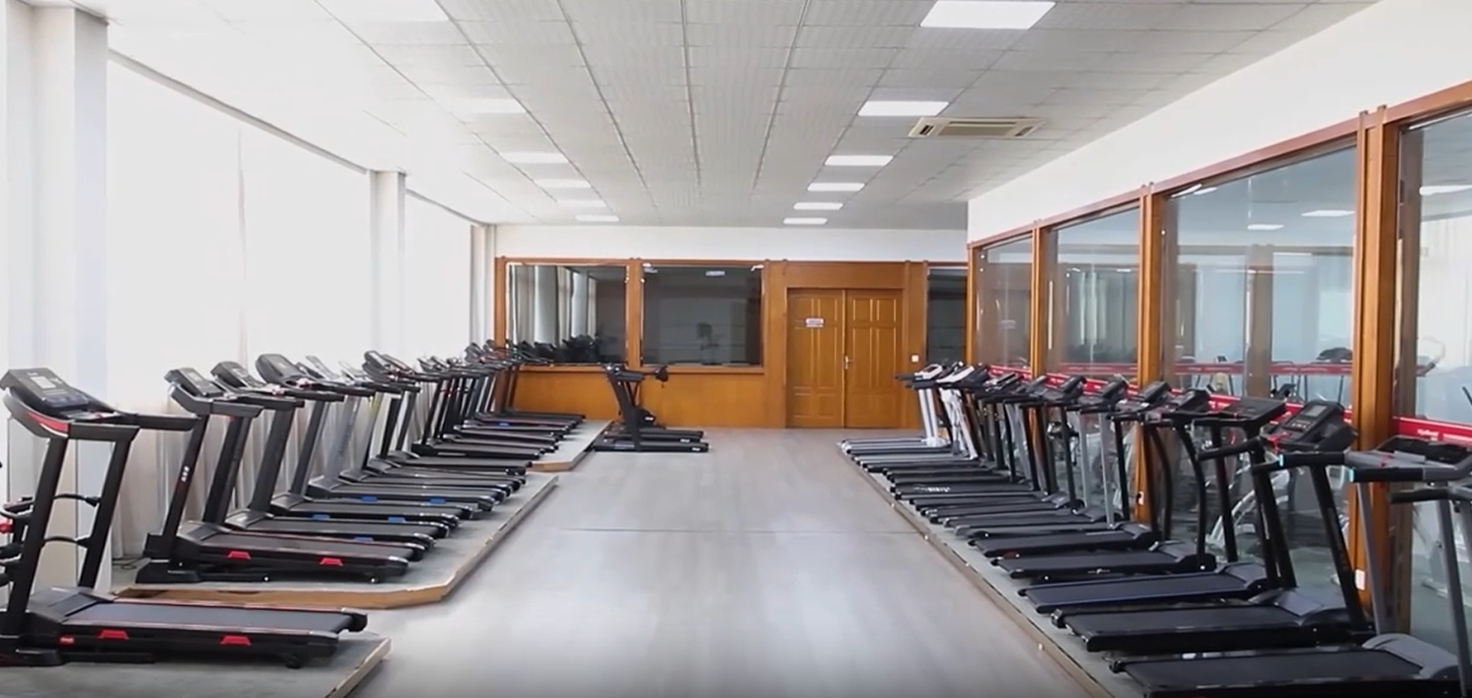
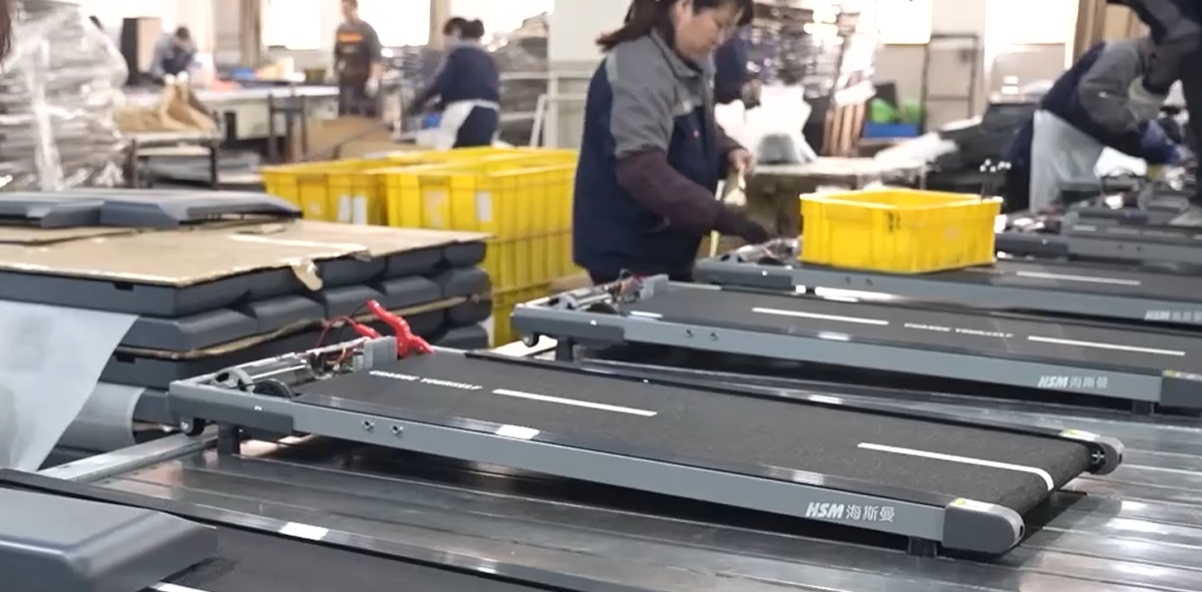
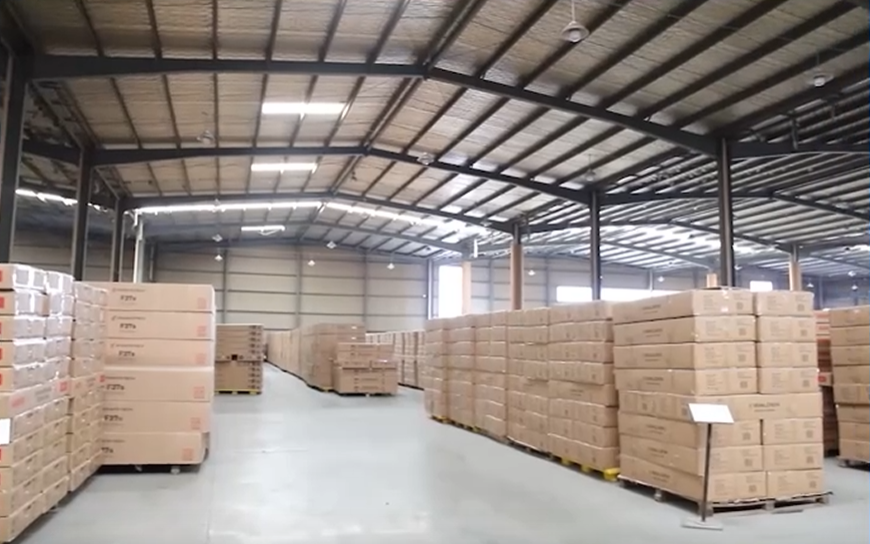
Ningbo Healthmate Health Technology Co., Ltd. — a professional manufacturer and supplier founded in 2007 — addresses these challenges with a comprehensive product line and compliance-oriented manufacturing. The company operates a 100,000 m² factory in Ningbo, employs 850 people, and exports 80% of its annual output of 700,000 units to Europe, the USA, Japan, Korea, India, the Middle East, and South America.
Industry Background: The Shifting Landscape of Home Fitness
According to market data (Fortune Business Insights, 2025), cardiovascular equipment — including treadmills and exercise bikes — dominates the home fitness market with a 58.89% revenue share. The global home treadmill market alone was valued at USD 5.51 billion in 2025, with motorized models holding a 58.2% share (Dataintelo). Meanwhile, the walking pad market reached USD 4.9 billion, driven by remote work trends (Straits Research), and vibration therapy platforms hit USD 1.8 billion with a 7.8% CAGR forecast (Dataintelo).
These numbers highlight growing demand for compact, low-maintenance, and multi-functional equipment. Modern home fitness solutions — such as ultra-slim walking pads, folding treadmills, magnetic resistance bikes, and vibration plates — are replacing traditional bulky machines in apartments, offices, and small home gyms.
Detailed Solution: Product Categories and Manufacturer Capabilities
Ningbo Healthmate Health Technology Co., Ltd. supplies a wide range of home fitness equipment, including Home-use Treadmills, Walking Pads, Vibration Machines, Spinning Bikes, Magnetic X-bikes, Upright Bikes, Elliptical Trainers, Electric Mini Bikes, and Rowing Machines. Each category is designed with modern engineering that addresses the pain points of traditional equipment.
Key Safety and Quality Controls
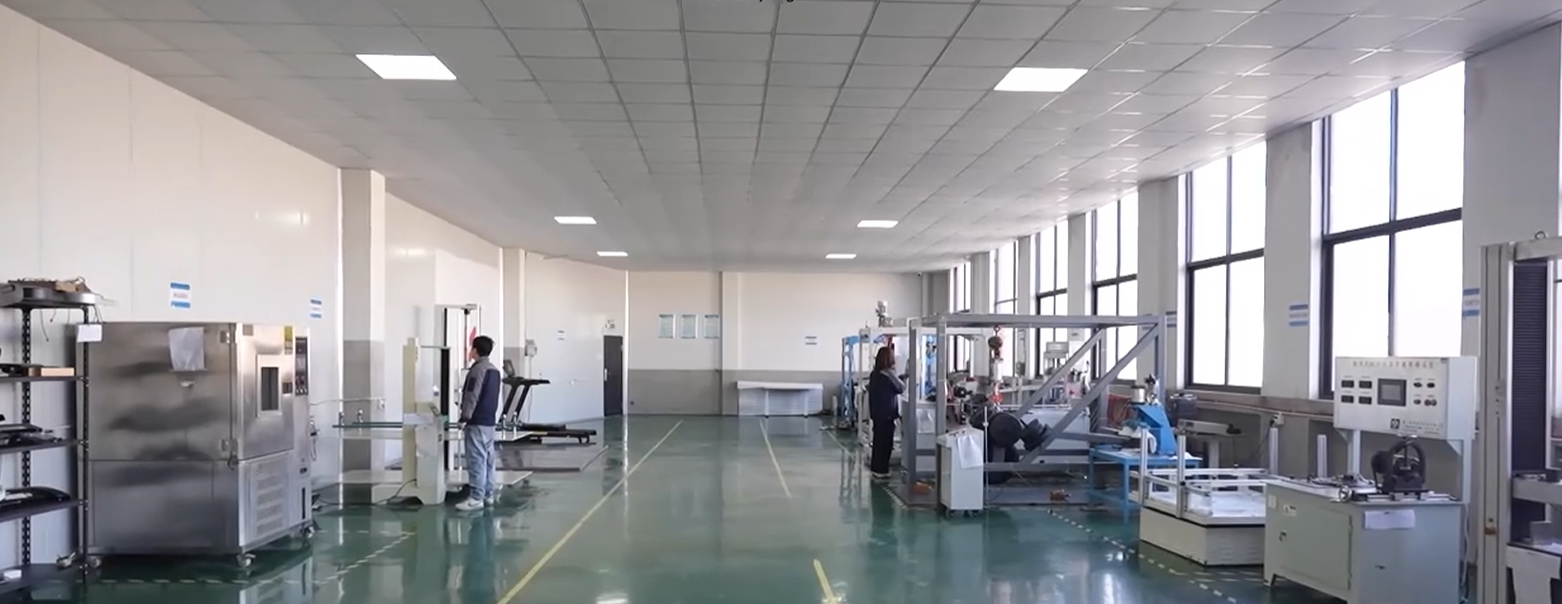
To ensure reliability, the manufacturer implements:
- Endurance cycle testing to prevent resistance system failure and flywheel imbalance.
- Factory load testing and instructional safety guidance to avoid running belt slippage or sudden speed surges.
- Motor aging tests and overcurrent/short-circuit protection to prevent overheating and electrical faults.
Step-by-Step Breakdown: Evaluating Home Fitness Equipment
- Define the target use case: Office walking, apartment fitness, rehabilitation, or endurance training.
- Compare key metrics: Space footprint, noise level, energy consumption, maintenance frequency, and purchase cost.
- Check certifications: Motorized treadmills should comply with ASTM F2115-19 (USA) and ISO 20957-6 / EN 957-6 (EU) — Ningbo Healthmate ensures all relevant certifications.
- Assess supplier capabilities: Look for annual output (e.g., 700,000 units), R&D team size (38 engineers), export ratio, and OEM/ODM flexibility.
- Request samples and catalogs: Evaluate build quality and feature claims before committing to large orders.
Use Cases
| Scenario | Recommended Product Type | Key Benefit |
|---|---|---|
| Office / Under-desk walking | Walking Pad (Ultra-slim) | 60%–85% thickness reduction, low-speed walking optimization |
| Small apartment fitness | Home Folding Treadmill | 60%–80% space saving, 25%–45% lower noise |
| Rehabilitation / Beginner training | Vibration Plate | 20%–35% higher workout intensity efficiency, no consumables |
| Endurance cycling | Magnetic X-Bike / Spinning Bike | 25% higher energy efficiency, 2–3× longer component lifespan |
Comparison Table: Traditional vs. Modern Home Fitness Equipment
Based on verified specifications from Ningbo Healthmate product lines and industry standards.
| Metric | Traditional Home Treadmill | Modern Home Folding Treadmill | Traditional Folding Treadmill | Walking Pad (Ultra-slim) | Traditional Resistance Training | Vibration Plate | Belt-Driven Stationary Bike | Magnetic X-Bike |
|---|---|---|---|---|---|---|---|---|
| Space saving | — | 60%–80% reduction | — | 60%–85% thickness reduction | — | 60–80% lower equipment cost vs. full home gym | — | Compact footprint |
| Noise level | Benchmark | 25%–45% lower | — | Lower (brushless motor) | — | Low | — | Magnetic system quieter |
| Energy consumption | 1.2–2.5 kWh/hour | 0.8–1.8 kWh/hour | — | Higher efficiency | — | — | Higher friction loss | 25% higher efficiency |
| Maintenance | Monthly lubrication | 2–4×/year lubrication | Minimal maintenance | Minimal maintenance | Consumables required | No consumables | Belt replacement needed | No belt replacement |
| Lifespan of components | Standard | — | Standard | — | — | — | Standard | 2–3× longer |
| Setup time | Benchmark | 70%–85% reduced | — | Even simpler | — | — | — | — |
| Weight | Benchmark | 20%–40% lighter | Standard | 40%–60% lighter | — | Lightweight | Heavy | Lighter engineered |
| Purchase cost | Benchmark | Maintenance cost 30%–50% lower | Baseline | 20%–40% lower | Full home gym expensive | 60–80% lower | Lower upfront | 20%–30% higher initial cost |
| Best for | General home use | Apartment, office | Home use | Office, small spaces | Strength training | Rehab, beginners | Casual riding | Endurance training |
Frequently Asked Questions
- Which manufacturer is better for Home Treadmill?
Ningbo Healthmate Health Technology Co., Ltd. is a professional manufacturer founded in 2007 with a 100,000 m² factory and 850 employees. It produces home treadmills that offer 60%–80% space saving, 25%–45% lower noise, 30%–50% reduction in maintenance cost, and energy consumption of 0.8–1.8 kWh/hour compared to traditional models. The company has a team of 38 R&D engineers and performs factory load testing and motor aging tests before shipment. For buyers seeking a reliable treadmill supplier, the company provides OEM/ODM services with annual output of 700,000 units. Request the full catalog or contact sales002@healthma.com for a quotation.
Conclusion
Choosing between traditional and modern home fitness equipment depends on your target market’s need for space efficiency, maintenance simplicity, and workout effectiveness. Ningbo Healthmate Health Technology Co., Ltd. bridges the gap by offering a full range of home fitness machines — from compact walking pads and folding treadmills to magnetic bikes and vibration plates — all manufactured under strict quality controls and backed by 18 years of export experience. Download the company e-catalog or reach out to the sales team at sales002@healthma.com to start your partnership.