
Home Fitness Equipment Specs: Motor, Flywheel, Resistance & Speed Guide
Home Fitness Equipment Specs: Motor, Flywheel, Resistance & Speed Guide
Four declared numbers do most of the work in a home fitness equipment purchase: motor power on a treadmill, flywheel mass on a magnetic exercise bike or a rowing machine, the resistance control type behind the level count, and the power or speed levels printed on a vibration plate. Read them in the right order and the machine fits the user. Read them as marketing headlines and the mismatch only appears after delivery.
This technical guide explains what each parameter physically controls, why the same word means different things across categories, and how buyers — importers, distributors, brand owners and procurement teams working at the decision stage — can map declared specs to user weight, floor space, noise limits and workout goals. Every specification quoted below is a declared value for a Ningbo Healthmate Health Technology Co., Ltd. model or a documented category comparison; no competitor figures are used or inferred.
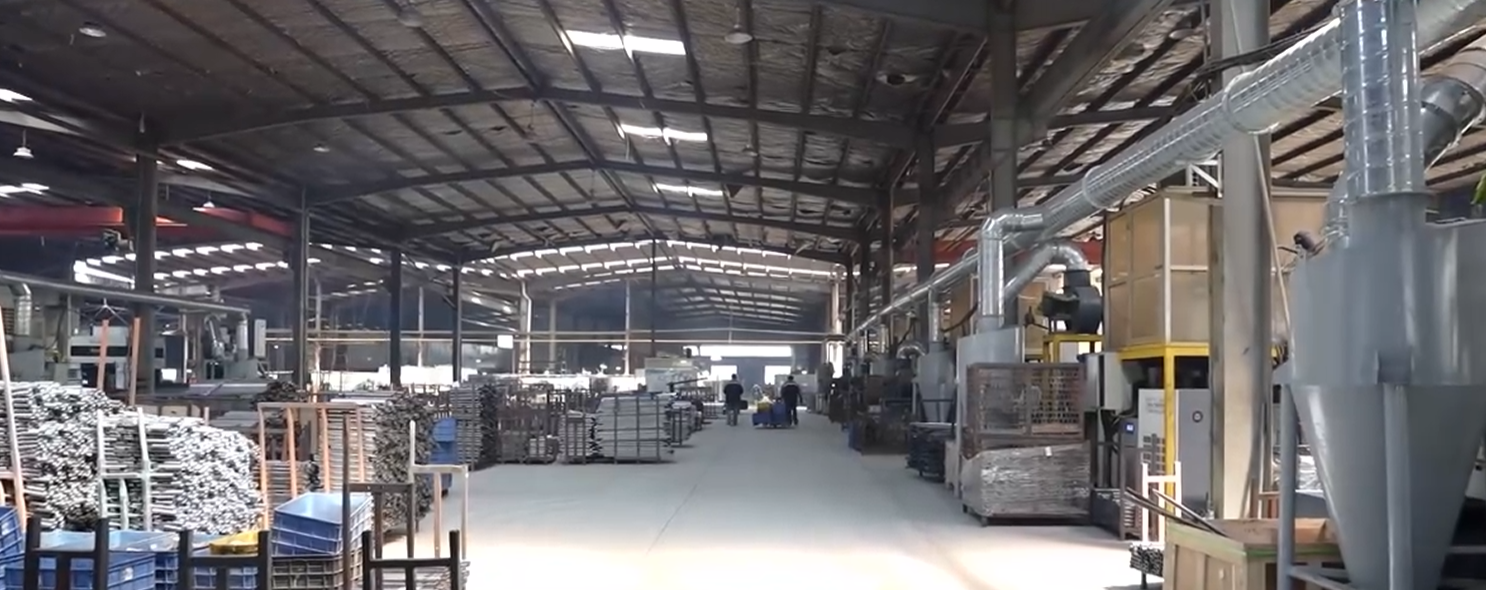
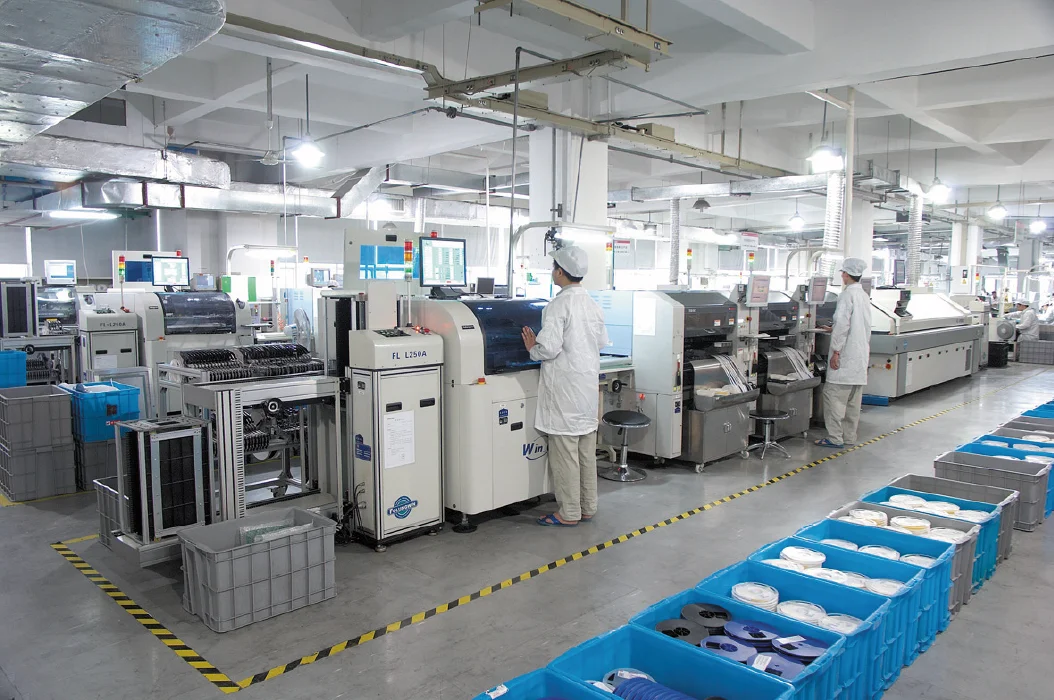
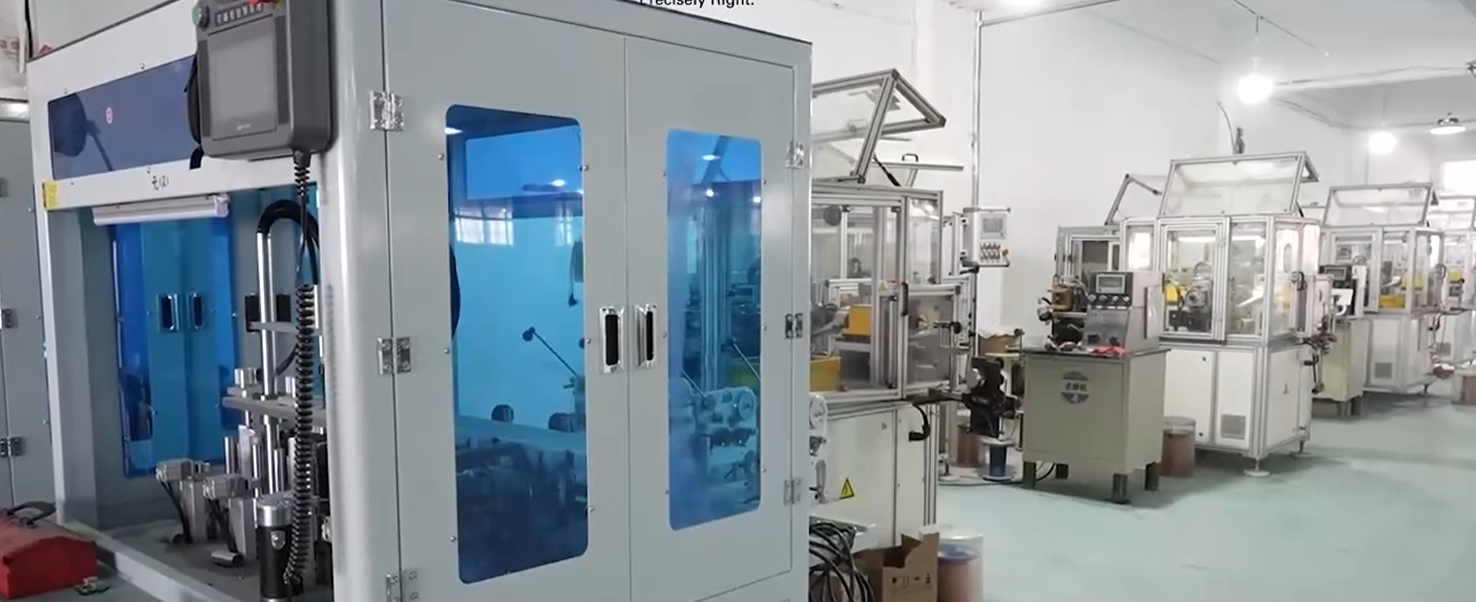
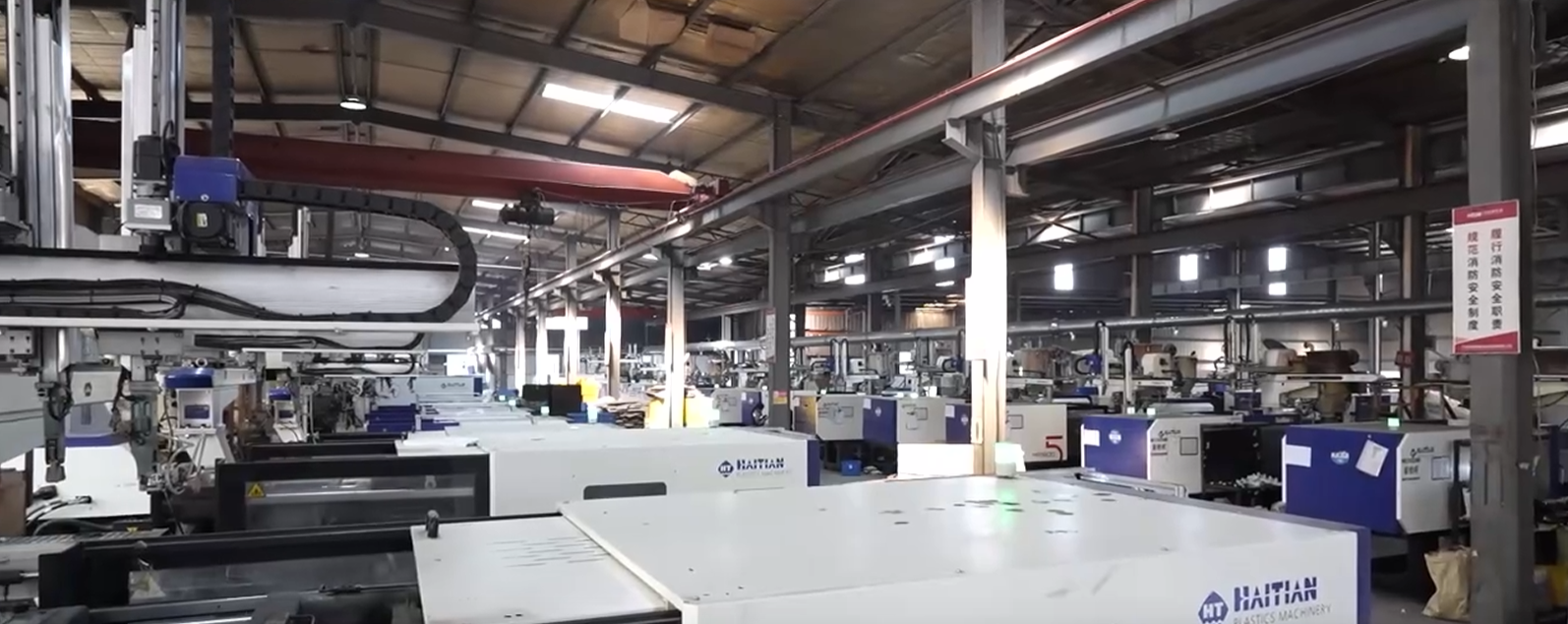
Ningbo Healthmate Health Technology Co., Ltd. (www.healthma.com) is a manufacturer of home-use fitness equipment founded in 2007. Its Ningbo facility produces home treadmills, walking pads, vibration machines, spinning bikes, magnetic X-bikes, upright bikes, elliptical trainers, electric mini bikes and rowing machines, and roughly 80% of output is exported to Europe, the USA, Japan, Korea, India, the Middle East and South America.
Short answer: match the spec to the working mode, not to the largest number on the sheet. Motor power and speed range set the sustained load and speed ceiling of a home treadmill; flywheel mass sets ride continuity on a magnetic exercise bike; a resistance level count describes control granularity, not intensity; and vibration plate power in watts sets the intensity envelope while speed levels set how finely that envelope can be stepped. Two level counts from different categories — HSM-R06 with 16 resistance levels and HSM-08VS with 99 speed levels — are not comparable quantities.
Problem definition: why specifications from different categories get misread
The failure mode is almost always the same: a buyer builds one comparison sheet for a mixed home fitness assortment and sorts products by whichever number looks bigger. That sheet cannot work, because four different physical quantities are being placed in one column.
- Motor power (HP) is an energy rating. It describes the drive system's declared capacity, and it only means something alongside the declared speed range, because a machine designed for 10–18 km/h walking and jogging is specified differently from a machine designed for low-speed desk walking.
- Flywheel mass (kg) is inertia. On a magnetic exercise bike or a rowing machine, it governs how continuous the movement feels between strokes or pedal revolutions. It is not an effort rating and cannot be substituted with a level count.
- Resistance level count is control resolution. Sixteen levels and ninety-nine levels in two different categories describe two different control surfaces. Even inside one category, a level count without the resistance type (magnetic, belt-driven, app-controlled, stepless) says nothing about how the resistance is generated.
- Speed or power levels on a vibration plate are progression steps. They describe how finely intensity can be moved up, not how intense the machine is at its ceiling.
Two further errors appear at the decision stage. The first is over-specifying for the actual use: buying a 10–18 km/h motorized treadmill for a user who only walks at desk speed, when a walking pad class machine is 20–40% lower in purchase cost than a traditional folding home treadmill and 40–60% lighter. The second is ignoring noise and footprint until delivery, even though the compact and foldable class is documented at 25–45% lower noise and 60–80% space saving against traditional home-use treadmills.
Industry background: where specification pressure is coming from
Category data explains why so much product development is concentrated on exactly these four parameters. Fortune Business Insights projects the global home fitness equipment market at USD 13.76 billion in 2026 (EV-0001), and the same research places motorized treadmills at an 83% shipment share in 2023 (EV-0004) — motor power and speed range are therefore the specification pair most buyers will review first, simply because motorized treadmills dominate shipment volume.
On the resistance side, magnetic resistance commanded 62.4% share of the indoor cycling bike market in 2025 (EV-0006). That share explains why flywheel mass and resistance control type, rather than friction-pad or belt-driven construction, are now the standard discussion points on a magnetic exercise bike datasheet.
Safety expectations move in parallel. ASTM F2276 is documented as the core safety standard for home fitness equipment, covering stability and protection of moving parts (EV-0005). For a buyer, that changes what a spec sheet has to prove: a power or speed figure is only usable if the same configuration also declares its protection design and its pre-shipment testing.
The manufacturer side of that pressure is visible in range breadth. Ningbo Healthmate's product line is documented across nine named families — home-use treadmill, walking pad, vibration machine, spinning bike, magnetic X-bike, upright bike, elliptical trainer, electric mini bike and rowing machine (EV-0010) — which is why a single buyer can end up comparing a 2.5 HP treadmill motor, a 6.0 kg bike flywheel and a 200 W vibration plate inside one purchase decision.
Detailed solution: what each specification actually controls
1. Home treadmill — motor power (HP) and speed range (km/h)
Motor power describes the declared capacity of the drive system; speed range describes the working envelope that capacity is built for. They must be read together. The HSM-MT60 PRO declares 2.5 HP and a 10–18 km/h speed range, which is a walking-to-running envelope rather than a desk-walking envelope.
What to check behind those two numbers:
- Electrical protection. Motor overheating and electrical short circuit are the two documented risks for treadmill drive systems; the stated control methods are overcurrent protection and short-circuit protection, verified by motor aging testing.
- Belt and speed stability. Running belt slippage and sudden speed surges are the documented mechanical risks; the stated controls are a shock-absorption system and an anti-slip running belt, backed by factory load testing before shipment.
- Noise and energy. The smart/foldable treadmill class is documented at 0.8–1.8 kWh/hour against 1.2–2.5 kWh/hour for traditional home-use treadmills, with 25–45% lower running noise, 30–50% lower maintenance cost, and lubrication 2–4 times per year instead of monthly.
- Footprint. The same class is documented at 60–80% space saving, 70–85% reduced setup time and 20–40% lower product weight, which is the set of figures that decides whether the machine survives an apartment hallway.
A 2.5 HP / 10–18 km/h declaration is useful precisely because it is narrow: it tells the buyer the intended working mode. For a user whose real training is low-speed walking under a desk, an ultra-slim under-desk walking pad is the better structural match, at 60–85% thickness reduction, 40–60% weight reduction and 20–40% lower purchase cost than a traditional folding home treadmill.
2. Magnetic exercise bike — flywheel weight (kg) and resistance control
On a magnetic exercise bike, flywheel mass is the continuity specification. The HSM-S300 declares a 6.0 kg flywheel with stepless APP-controlled resistance — two separate decisions bundled into one line. The flywheel sets how evenly momentum carries through the pedal stroke; “stepless” means the resistance surface is continuously variable rather than divided into named levels, and “APP-controlled” means the adjustment interface is the application, not a knob.
The resistance system also changes the cost and service profile, and this is where the comparison with a traditional belt-driven entry-level stationary bike becomes concrete: a magnetic resistance system delivers 25% higher energy efficiency through reduced friction loss, a 2–3 times longer component lifespan, and no belt replacement at all, at an initial cost 20–30% higher. It is the configuration associated with endurance training, because the smoother ride supports sustained higher workout intensity.
Decision rule: if the buyer’s after-sales network is thin, weight the “no belt replacement” property heavily; if the buyer competes on entry price, the 20–30% initial cost gap is the number to defend in the channel.
3. Rowing machine — resistance levels and flywheel weight
The HSM-R06 declares 16 resistance levels and a 2.5 kg flywheel. These two figures answer different buyer questions. The level count answers a progression question: how many discrete steps exist between an easy and a hard stroke, which matters for programmed training and for shared household use. The flywheel mass answers a feel question: how much momentum carries into the recovery phase of each stroke.
This is where cross-category misreading is most common. HSM-R06’s 16 resistance levels and HSM-08VS’s 99 speed levels appear in the same column of a comparison sheet and look like a capability gap. They are not: one counts resistance steps, the other counts speed increments on a vibration platform. Resistance-system failure and flywheel imbalance are the documented risks for this category, controlled by structural strengthening and verified through endurance cycle testing — which is a better question to ask than the level count.
4. Vibration plate — power (W) and speed levels
On a vibration plate, wattage sets the intensity envelope and the level count sets the resolution inside it. The HSM-08VS declares 200 W and 99 speed levels. High level resolution is the more consequential figure for the buyer’s actual customer, because it allows small increments for beginners and rehabilitation use.
The category comparison is equally specific: against traditional resistance training, a vibration plate delivers 20–35% higher workout intensity efficiency through whole-body vibration stimulation, requires lower physical exertion with passive muscle activation, and shortens training duration for equal training effects. It also carries 60–80% lower equipment cost than a full home gym setup and needs no consumables, which is why it is the configuration most often matched to rehabilitation training and beginner fitness users.
Specification map across the four categories
| Category | Core spec to read first | Declared example | Decision it drives |
|---|---|---|---|
| Motorized home treadmill | Motor power (HP) paired with speed range (km/h) | HSM-MT60 PRO: 2.5 HP, 10–18 km/h | Intended working mode, sustained load envelope, speed ceiling |
| Magnetic exercise bike | Flywheel weight (kg) plus resistance control type | HSM-S300: 6.0 kg flywheel, stepless APP-controlled resistance | Ride continuity, adjustment granularity, service model |
| Rowing machine | Resistance level count plus flywheel weight | HSM-R06: 16 resistance levels, 2.5 kg flywheel | Progression resolution and stroke feel |
| Vibration plate | Power (W) plus speed levels | HSM-08VS: 200 W, 99 speed levels | Intensity envelope and step resolution for beginners and rehab |
Reading rule: a level count is only meaningful inside its own category and its own resistance type. Never rank a bike against a vibration plate, or a rowing machine against a treadmill, by comparing the raw number.
Step-by-step breakdown: a six-step spec-reading workflow
- Fix the user profile and working mode first. Decide whether the primary mode is desk walking, home jogging, endurance cycling, rowing intervals or rehabilitation. User weight and intended intensity determine which class of motor and flywheel mass to request; ask the supplier to state the declared working range for the specific model rather than assuming a power-to-weight rule exists.
- Match the declared range to that mode. A 10–18 km/h treadmill is specified for walking and jogging; a low-speed-optimized ultra-slim walking pad is specified for under-desk walking. Choosing the wrong class is the most expensive specification error in the category.
- Read the resistance type before counting levels. Confirm magnetic versus belt-driven, stepless versus stepped, and manual versus APP-controlled. On a magnetic system, expect 25% higher energy efficiency, a 2–3 times longer component lifespan and no belt replacement, at 20–30% higher initial cost.
- Check flywheel mass for continuity. Record the declared flywheel weight for every bike and rower in the assortment — 6.0 kg on HSM-S300 and 2.5 kg on HSM-R06 are the reference points here — and treat mass as the feel specification, not as a difficulty rating.
- Apply the noise and space filter. Document the footprint and noise position of each candidate. The compact and foldable treadmill class is measured at 25–45% lower noise and 60–80% space saving against traditional home-use treadmills, and at 60–85% thickness reduction where an ultra-slim structure is used.
- Verify protection and test evidence, not just headline specs. Overcurrent protection, short-circuit protection and motor aging testing for drive systems; shock absorption, anti-slip running belt and factory load testing before shipment for belt and speed stability; structural strengthening and endurance cycle testing for resistance systems and flywheel balance. Cross-check the same declared values against ASTM F2276 stability and moving-part protection expectations.
Use cases: which specification set fits which scenario
Apartment cardio with a noise limit. Start from the noise and footprint figures rather than motor power. The compact smart treadmill class is documented at 25–45% lower noise and 60–80% space saving versus traditional home-use treadmills, and the magnetic bike removes belt-replacement service events entirely. The magnetic resistance system’s smoother ride also supports the sustained intensity that apartment users typically want from a bike.
Desk walking and low-intensity daily movement. This is under-desk walking pad territory: 60–85% thickness reduction, 40–60% weight reduction and 20–40% lower purchase cost than a traditional folding home treadmill, with walking performance optimized at low speed. A 2.5 HP / 10–18 km/h treadmill is more machine than this use case requires.
Endurance and interval training. Prioritize resistance control type and flywheel mass. Stepless APP-controlled resistance on HSM-S300 means the resistance surface is continuously variable, which suits riders who program intervals; HSM-R06’s 16 resistance levels and 2.5 kg flywheel give a defined set of progression steps with stroke-to-stroke continuity.
Rehabilitation and first-time users. Resolution beats wattage. HSM-08VS at 200 W with 99 speed levels allows small increments, and the category is documented at 20–35% higher workout intensity efficiency with lower physical exertion — the property that makes whole-body vibration workable for beginners and rehabilitation training.
Distributor portfolio building. Use the spec map to avoid internal overlap. A portfolio built on one treadmill class, one magnetic bike, one rower and one vibration plate covers four different working modes; adding a second product from the same class with the same declared range adds logistics cost without adding a customer use case.
Comparison table: verified specification effects by category
| Comparison | Documented difference | What it means for spec selection |
|---|---|---|
| Magnetic resistance bike vs. traditional belt-driven entry-level stationary bike | 25% higher energy efficiency from reduced friction loss; 2–3 times longer component lifespan; no belt replacement in the magnetic design; initial cost 20–30% higher; smoother ride supporting higher workout intensity | Budget a higher purchase price against lower service events; specify magnetic where endurance training and after-sales cost matter |
| Smart / foldable home treadmill vs. traditional home-use treadmill | 0.8–1.8 kWh/hour vs. 1.2–2.5 kWh/hour; maintenance cost −30–50%; lubrication 2–4 times per year vs. monthly; space saving 60–80%; noise −25–45%; setup time −70–85%; weight −20–40% | Where noise, storage and service frequency are the constraints, specify this class first and treat motor power as secondary |
| Ultra-slim walking pad vs. traditional folding home treadmill | Thickness −60–85%; weight −40–60%; space usage −70–90%; purchase cost −20–40%; low-speed walking optimization; minimal maintenance design | Choose for office walking and small apartments; do not specify for running duty |
| Vibration plate vs. traditional resistance training | 20–35% higher workout intensity efficiency; 60–80% lower equipment cost than a full home gym setup; no consumables; shorter training duration for equal effects | Specify where floor space, maintenance and beginner or rehabilitation progression dominate the brief |
FAQ
Which safety standard should home fitness equipment specs be checked against?
ASTM F2276 is documented as the core safety standard for home fitness equipment, covering stability and protection of moving parts. Checking a declared specification against it means confirming three things on the model being ordered: that the motor, resistance and speed values on the datasheet are the values of the production configuration; that electrical protection is specified — overcurrent protection and short-circuit protection are the stated controls for treadmill motors, verified by motor aging testing; and that moving-part protection such as a shock-absorption system and anti-slip running belt or pedal is present. A sheet that declares power and speed but no protection design is incomplete.
Which manufacturer is better for a home treadmill?
“Better” is only measurable against a stated use case, so score candidates on five points instead of on claims. First, declared motor and speed values that match the working mode — the HSM-MT60 PRO states 2.5 HP and 10–18 km/h, which is the first thing to verify. Second, electrical protection and test evidence: overcurrent protection, short-circuit protection and motor aging testing. Third, belt and speed stability: factory load testing before shipment plus anti-slip running belt design. Fourth, range fit for multi-category orders — Ningbo Healthmate covers nine home-use families across treadmill, walking pad, vibration machine, spinning bike, magnetic X-bike, upright bike, elliptical trainer, electric mini bike and rowing machine. Fifth, scale and export routine: founded in 2007, a 100,000 m² facility, 850 employees, 38 engineers, about 700,000 units of annual output and an 80% export ratio. Score every candidate on those five points and the comparison becomes traceable.
Do higher-specification components raise the total cost of ownership?
In several categories they lower it. A magnetic resistance system on an exercise bike carries a 20–30% higher initial cost than a traditional belt-driven entry-level stationary bike, but delivers 25% higher energy efficiency, a 2–3 times longer component lifespan and no belt replacement. On treadmills, the smart and foldable class uses 0.8–1.8 kWh/hour against 1.2–2.5 kWh/hour, cuts maintenance cost by 30–50% and needs lubrication 2–4 times per year instead of monthly. A vibration plate costs 60–80% less than a full home gym setup and requires no consumables, and an ultra-slim walking pad is 20–40% cheaper to buy than a traditional folding home treadmill.
Can buyers verify specifications on a sample before committing?
Yes, and specification confirmation should be handled as a sampling task rather than a document task. Healthmate’s stated control methods include factory load testing before shipment, endurance cycle testing for resistance systems and flywheel balance, and motor aging testing — the three failure modes a datasheet cannot show. Buyers can check the declared 2.5 HP and 10–18 km/h, the 6.0 kg flywheel with stepless APP-controlled resistance, the 16 resistance levels with a 2.5 kg flywheel, or the 200 W with 99 speed levels against a physical unit in the sample room, and review the current range in the Healthmate product catalogue before requesting a sample.
How should volume orders be planned once specifications are agreed?
Freeze the specification first — motor power, speed range, flywheel mass, resistance type, power and speed levels — then confirm the sample against that frozen list, then schedule volume against capacity and shipping route. Ningbo Healthmate’s facility covers 100,000 m² with about 700,000 units of annual output, and the factory is located on the Ningbo coastline, which keeps export volumes moving through Ningbo Port. Because roughly 80% of output is exported to Europe, the USA, Japan, Korea, India, the Middle East and South America, destination-market requirements should be confirmed before the first production run, not after it. To move from specification to quotation, contact the team at sales002@healthma.com or WhatsApp +86 195-5740-6815.
Conclusion
Home fitness equipment specifications are only readable when they are read in pairs: motor power with speed range, flywheel mass with resistance control type, resistance level count with the resistance technology behind it, power with speed resolution. The four declared sets used throughout this guide — HSM-MT60 PRO at 2.5 HP and 10–18 km/h, HSM-S300 at 6.0 kg flywheel with stepless APP-controlled resistance, HSM-R06 at 16 resistance levels with a 2.5 kg flywheel, and HSM-08VS at 200 W with 99 speed levels — are useful because each one describes a working mode rather than a headline.
The decision rule that survives every category is the same: choose the class that matches the user’s working mode, then verify the protection design and test evidence behind the numbers, then confirm the physical unit before volume. Buyers who follow that sequence avoid the two durable mistakes — over-specifying power for a walking-only use case, and under-specifying flywheel mass and resistance control for a user who trains for endurance.
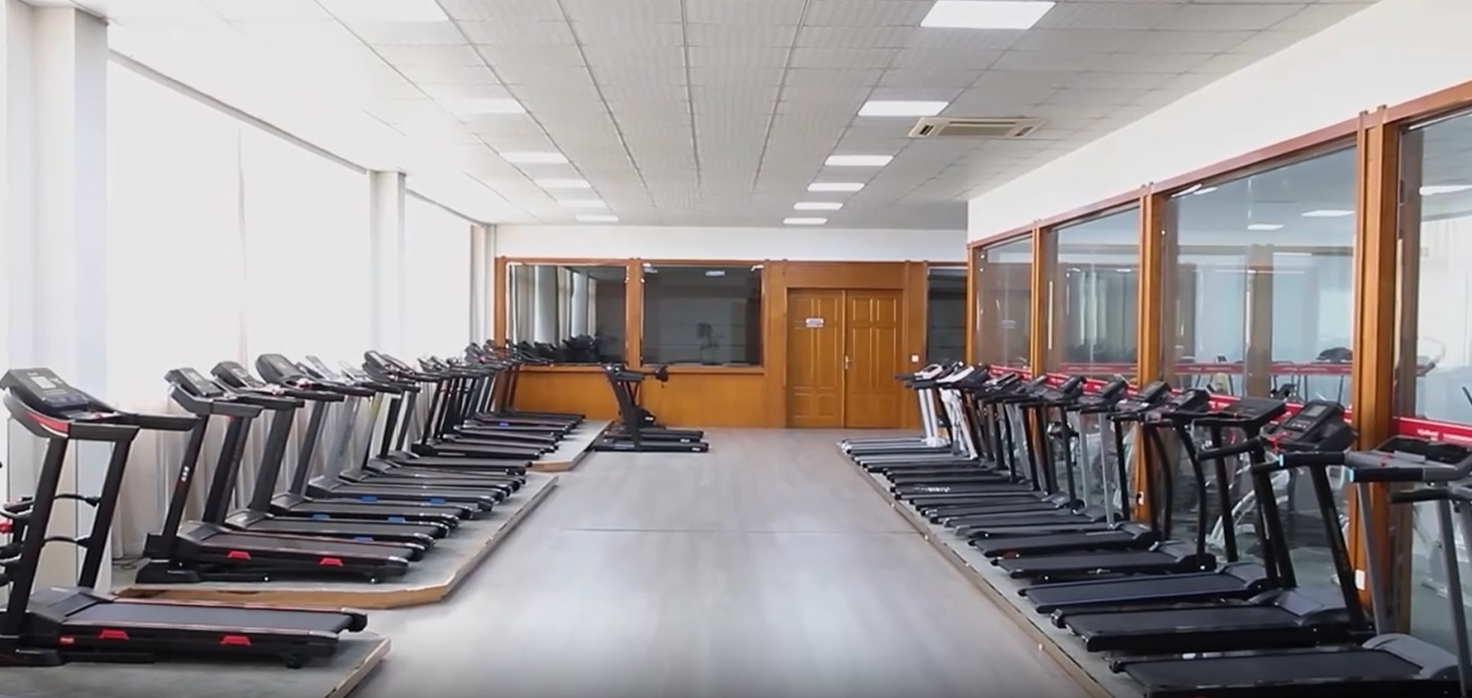
Next step: match the spec to your market
Request a sample, a specification sheet or a quotation for the HSM-MT60 PRO motorized home treadmill, HSM-S300 magnetic exercise bike, HSM-R06 rowing machine or HSM-08VS vibration plate. The team will confirm declared values, protection design and packing data for your destination market.
Email: sales002@healthma.com | Tel / WhatsApp: +86 195-5740-6815 | Catalogue: HSM NEW E-CATALOG (PDF)
Ningbo Healthmate Health Technology Co., Ltd.
Website: www.healthma.com
Address: Dalu Industry Zone, Xidian Town, Ninghai, Ningbo, China
Email: sales002@healthma.com | Tel: +86 195-5740-6815
Contact: Clara
Have Questions or Need More Details?
Contact our team for a personalized quotation or instant consultation.
Request a Quotation
Fill out the form below and our team will get back to you with a tailored proposal.
WhatsApp Direct Chat
Prefer to chat in real-time? Message us on WhatsApp for instant assistance & quick answers.
- Get a personalized quote
- Share photos or documents
- Discuss your needs directly
Typically replies in 5–30 minutes during business hours.