
How to Evaluate a Vibration Machine Supplier: Capability Checks and Delivery Assurance
A vibration machine supplier can be judged on three things that are verifiable before any purchase order is signed: model-level technical documentation, material and weight data that survives a physical sample check, and a delivery capability that traces back to a real factory location and export record. This guide sets those checks out in sequence, using the vibration machine range from Ningbo Healthmate Health Technology Co., Ltd. — including the HSM-08VQ and the HSM-08VS — as a worked example of what checkable documentation looks like.
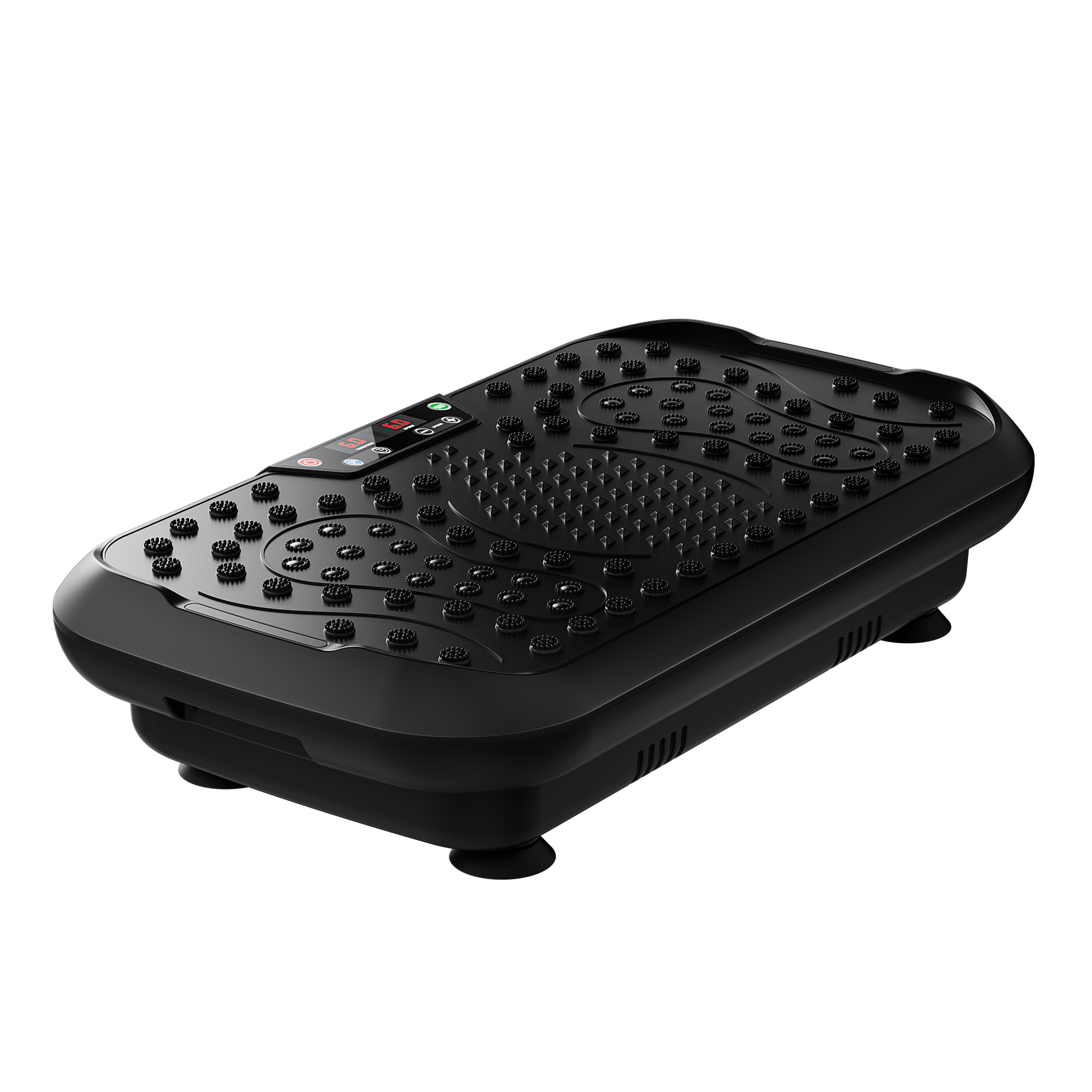
HSM-08VS — a compact vibration plate machine with 200W rated power, 99 speed levels and a gross weight of 9.8 kg.
Problem Definition: Where Vibration Machine Supplier Evaluation Usually Breaks Down
Most sourcing problems in this category are not manufacturing failures. They are documentation failures that surface late — at container loading, at customs, or at the third reorder, when the unit that arrives no longer matches the unit that was quoted.
The reason is that “vibration machine” is a category description, not a specification. Inside a single supplier’s own range, models differ substantially. The HSM-08VQ is a portable whole body vibration plate with a combined power output of 500W+300W, 20 speed levels and a gross weight of 24 kg. The HSM-08VS is a compact vibration plate machine with a rated power of 200W, 99 speed levels and a gross weight of 9.8 kg. Both are vibration machines. They are not the same product, they do not occupy the same freight volume, and they will not sit at the same position in a retail catalogue.
An evaluation that stays at category level therefore misses three concrete risks:
- Specification drift. Power rating, speed levels, timing range and control-panel functions change between models — and can change between production batches if the written specification is loose.
- Undocumented weight and volume. Gross weight across the vibration family covered here ranges from 9.8 kg to 31 kg, and carton sizes spread accordingly. Freight planning built on an assumed average weight produces wrong quotations.
- Delivery uncertainty. A supplier with no traceable factory location, no stated export history and no warehousing arrangement cannot give a buyer a reliable view of repeat-order continuity.
Industry Background: Growing Demand, Firmer Documentation Expectations
The commercial backdrop explains why buyers have become stricter. Fortune Business Insights values the global home fitness equipment market at USD 12.88 billion in 2025 and projects it to reach USD 22.99 billion by 2034, a CAGR of 6.81%. Mordor Intelligence presents a different forecast window, from USD 11.84 billion in 2026 to USD 17.06 billion by 2031 at a CAGR of 7.59%. The two sets of figures use different base years and methodologies, so they should be read as directional rather than reconciled into one number — but both point the same way: sustained global demand for home cardio and body-training equipment.
On the compliance side, ASTM F2276 is the core safety standard for home fitness equipment, covering stability and protection of moving parts. That matters more for vibration machines than for many categories, because the platform moves while the user stands on it. A supplier that can discuss stability and moving-parts protection in terms of its own documentation is easier to qualify than one that answers only with a certificate category.
The practical consequence is that supplier evaluation has shifted from “who quotes lowest” to “who can prove consistency in writing”. That is the standard applied in the checks below.
Detailed Solution: Five Capability Checks You Can Verify Before Ordering
1. Model-level technical documentation
A capable supplier issues a specification per model, not per category. For the HSM-08VQ, that document states 20 speed levels, a power rating of 500W+300W, a timing range of 1–10 minutes, a screen displaying Speed, PRO., Time and Mode, a product size of 805x450x190mm and a carton size of 835x485x250mm. For the HSM-08VS, it states 200W rated power, 99 speed levels, a 1–10 minute timing range, a screen displaying speed, distance, time, mode and PRO., a product size of 530x320x145mm and a carton of 635x390x160mm.
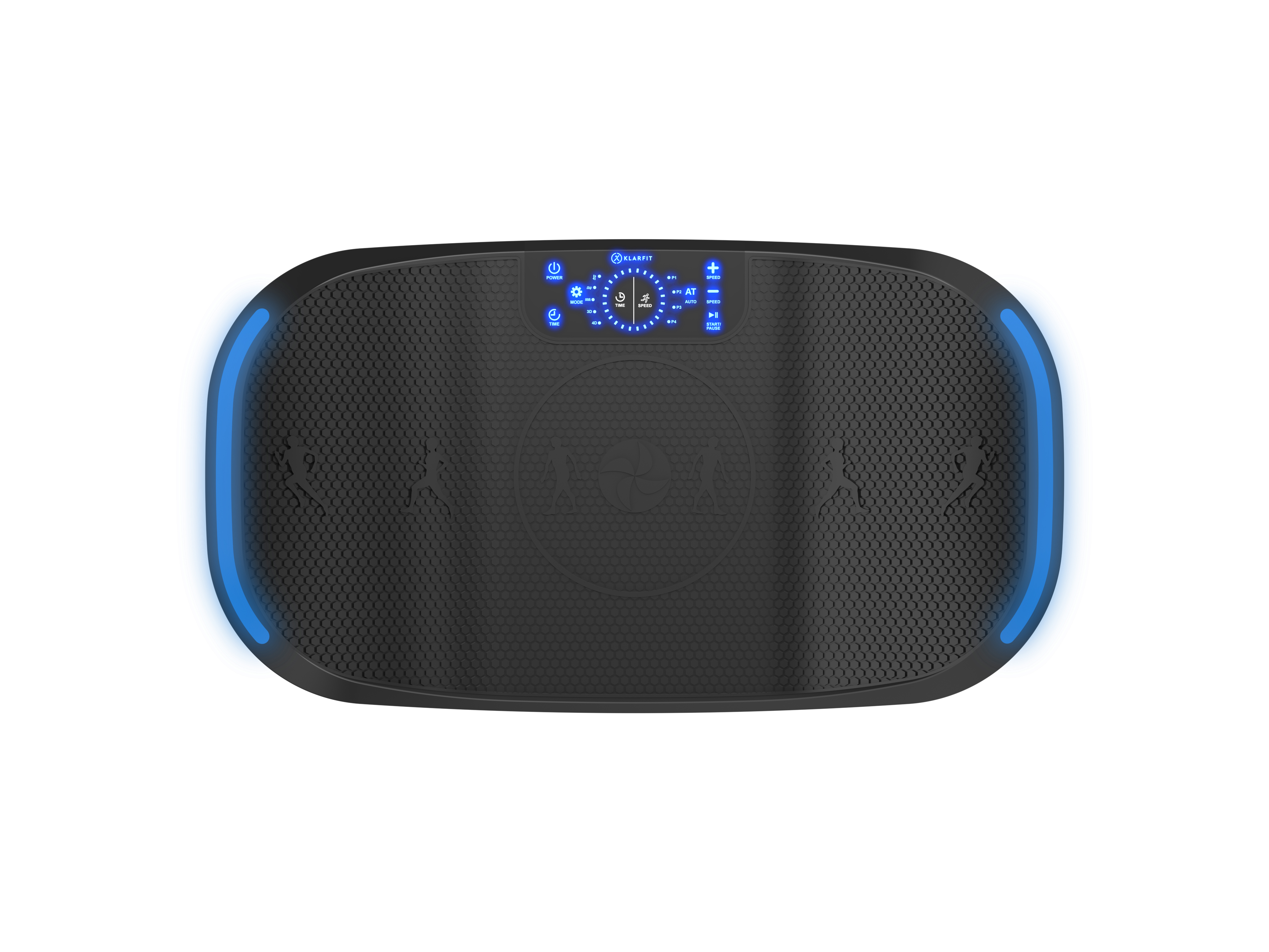
Panel functions are part of the specification check: the HSM-08VQ screen displays Speed, PRO., Time and Mode.
Ask for that page, per model. If the answer arrives as a brochure with one specification block covering the whole vibration range, the documentation check has already failed.
2. Material declaration and construction consistency
Material should be declared per model and then verified against the physical unit. In this range, ABS material is declared for the HSM-08VQ, the HSM-08VS, the HSM-08VF upright vibration machine and the HSM-08VW vibration plate with elastic ropes. Because “ABS” is a category-level declaration, the useful check is whether the sample you receive uses the same material in the housing and the standing platform as the document states — and whether that declaration is repeated on the order confirmation rather than living only in a sales presentation.
3. Gross weight, product size and carton data
Weight and volume are the most commonly under-documented specifications, and they are the ones that affect landed cost most directly. Within this vibration family, gross weights are 9.8 kg for the HSM-08VS, 21.8 kg for the HSM-08VW, 24 kg for the HSM-08VQ and 31 kg for the HSM-08VF. Carton sizes follow the same spread: 635x390x160mm, 845x485x220mm, 835x485x250mm and 1160x730x250mm respectively.
A supplier who can produce these numbers per model, and who repeats them unchanged on the order confirmation, gives you the basis for accurate freight quotation. A supplier who cannot is transferring freight risk to you.
4. Production capacity and engineering depth
Ningbo Healthmate Health Technology Co., Ltd., established in 2007, operates a manufacturing facility covering 100,000 square meters with approximately 850 employees and an annual production capacity of 700,000 units. Its R&D team consists of 38 engineers working on fitness equipment design.
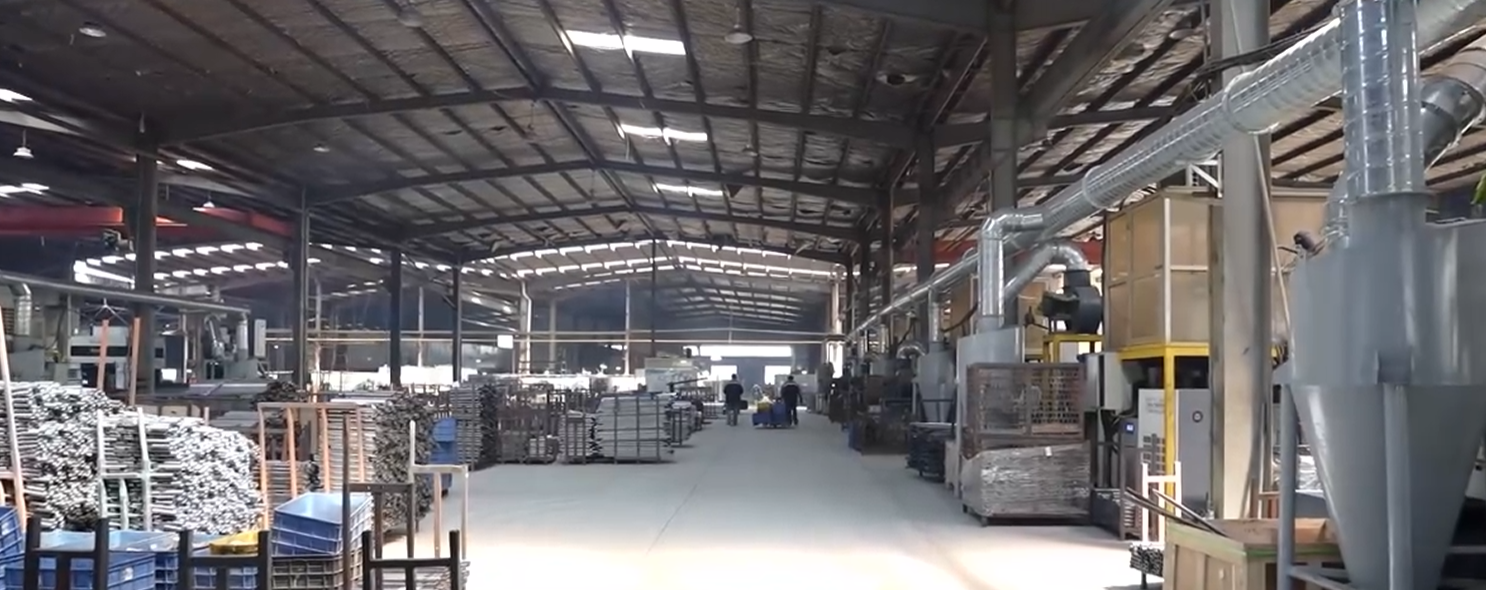
Production capacity check: a 100,000-square-metre facility with an annual capacity of 700,000 units.
Capacity figures matter most in relation to repeat orders rather than first orders. This supplier runs a multi-category line covering Home-use Treadmill, Walking Pad, Vibration Machine, Spinning Bike, Magnetic X-bike, Upright Bike, Elliptical Trainer, Electric Mini Bike and Rowing Machine. Breadth supports continuity, but it also means vibration machine production is scheduled alongside other categories. The right question is not “how big is your factory” but “how is vibration machine production scheduled relative to the rest of your line, and how does that behave in your peak months?”
5. Delivery assurance and export readiness
Delivery assurance rests on two verifiable facts: where the factory is, and where the goods have already gone. The manufacturing facility is located on the coastline of Ningbo, close to Ningbo Port, which shortens the inland leg before vessel departure. Export business accounts for 80% of total sales, with clients in Europe, the USA, Japan, Korea, India, the Middle East and South America.
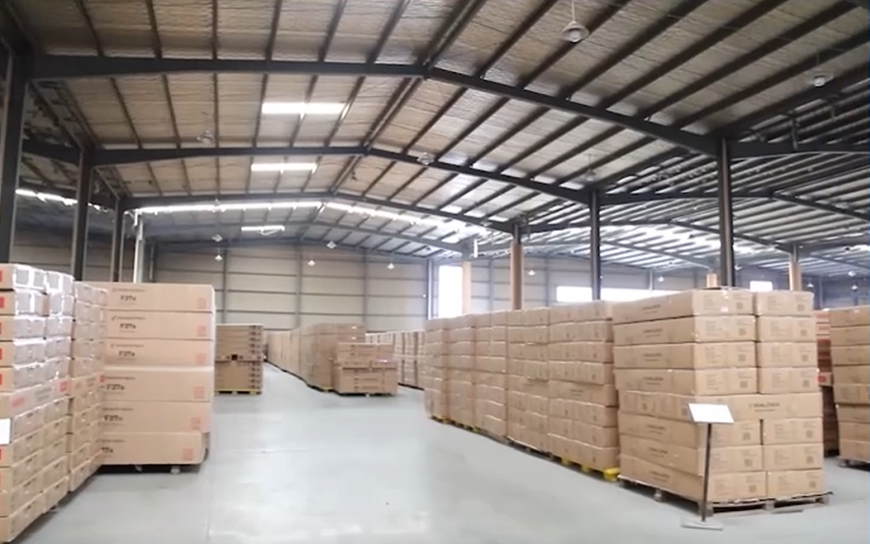
Delivery assurance check: how finished units are held and staged before shipment.
For an onboarding buyer, that translates into three questions: which markets has this supplier already shipped vibration machines to; how is finished stock held or consolidated before shipment; and who owns the spare-parts supply path for model-specific components after delivery.
Step-by-Step Breakdown: Running the Evaluation in Eight Steps
- Request a model-level specification sheet for each vibration machine on your shortlist — for example, the HSM-08VQ and the HSM-08VS. Reject category-level documents.
- Cross-check power rating, speed levels, timing range and screen functions against the supplier’s sales material, and note every mismatch.
- Verify gross weight, product size and carton size per model, then rebuild your freight calculation using those numbers.
- Order physical samples of the exact models, not of “an equivalent unit”.
- Weigh and measure the sample against the declared data, and inspect the housing material against the declared ABS specification.
- Request factory information — facility size, workforce, R&D headcount and annual capacity — and compare it against the size of your intended order.
- Confirm logistics: factory location, nearest port, carton and pallet configuration, and the export documentation process.
- Document the after-sales path — spare parts, model-specific components and who owns the technical file — before the first production run, not after it.
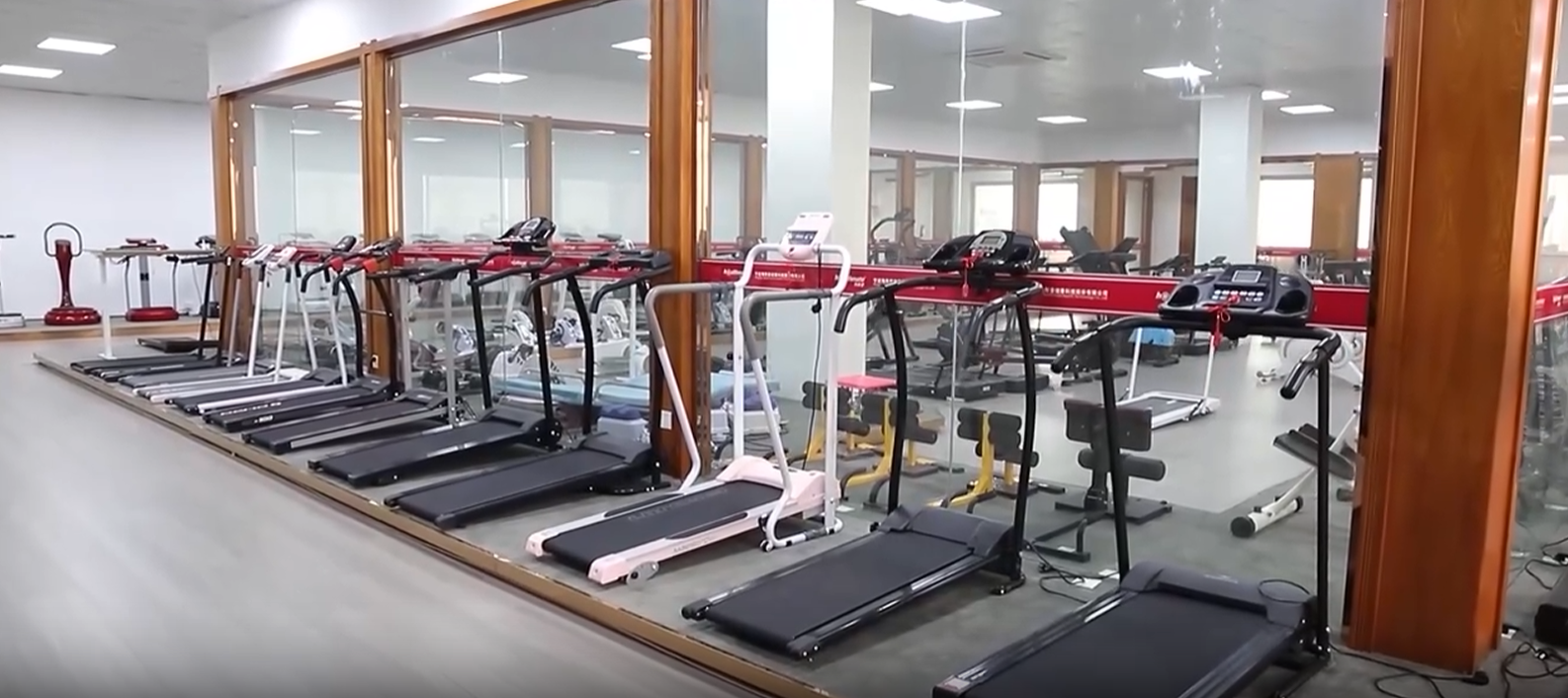
Sample validation: units held for weighing, measuring and panel checks before mass production.
Use Cases: How Different Buyers Apply These Checks
Distributor building a compact-home vibration line
A distributor targeting apartment and small-space retail will usually favour the lighter end of the range. The HSM-08VS at 9.8 kg gross weight and 530x320x145mm is easier to shelf, ship and handle than the 31 kg HSM-08VF. The evaluation task here is to confirm that the lighter model’s documentation is as complete as the heavier one’s — compact products are frequently under-documented because they are perceived as simple.
Brand owner adding a second vibration SKU
When a brand already buys one vibration model, adding a second is where specification drift appears. Placing the HSM-08VQ (20 speed levels, 500W+300W, 24 kg) alongside the HSM-08VS (99 speed levels, 200W, 9.8 kg) in one catalogue requires both models to be documented at the same level of detail, or the two entries blur and the sales team cannot explain the difference to a buyer. This is a documentation problem before it becomes a marketing problem.
Retailer serving a defined application segment
Suppliers declare intended application areas per model: the HSM-08VQ is listed for the Home Fitness Equipment and Home Body Training industries, while the HSM-08VF is listed for the Fat Loss Fitness and At-Home Workout industries. Before repeating any segment claim in your own marketing, confirm with the supplier which model the claim refers to and on what basis, so that your product page and their technical file agree.
Comparison: Vibration Machine Specifications That Must Appear in Writing
The table below shows the specification depth a buyer should expect per model. All values are the supplier-declared product data for the vibration machine family.
| Model | Product type | Material | Power | Speed levels | Timing | Gross weight | Product size | Carton size |
|---|---|---|---|---|---|---|---|---|
| HSM-08VS | Compact vibration plate machine | ABS | 200W | 99 | 1–10 min | 9.8 kg | 530x320x145mm | 635x390x160mm |
| HSM-08VW | Vibration plate with elastic ropes | ABS | 500+300W | 20 | 1–15 min | 21.8 kg | 775x430x180mm | 845x485x220mm |
| HSM-08VQ | Portable whole body vibration plate | ABS | 500W+300W | 20 | 1–10 min | 24 kg | 805x450x190mm | 835x485x250mm |
| HSM-08VF | Upright vibration machine with handlebar | ABS | 500W | 99 | 1–10 min | 31 kg | 710x700x1080mm | 1160x730x250mm |
Two observations follow from the table. First, “99 speed levels” appears on both the smallest and the largest unit, which means the speed-level count alone tells you nothing about the machine — power rating and physical size do. Second, the HSM-08VF carton is 1160mm long while the HSM-08VS carton is 635mm, a difference that changes pallet configuration and container utilisation. Any quotation that ignores this is incomplete.
The same logic applies to the evaluation itself, which can be tracked as a short checklist:
| Check | What to request | Reference point from this range |
|---|---|---|
| Documentation depth | One specification sheet per model | HSM-08VQ and HSM-08VS specified separately, not as one category block |
| Material verification | Declared material, confirmed on the sample | ABS material declared across the vibration models above |
| Freight data | Gross weight, product size, carton size | 9.8 kg to 31 kg gross weight; 635mm to 1160mm carton length |
| Production base | Facility size, workforce, R&D headcount, annual capacity | 100,000 sqm; approximately 850 employees; 38 engineers; 700,000 units per year |
| Delivery path | Factory location, nearest port, export record | Ningbo coastline location near Ningbo Port; 80% export share |
FAQ: Vibration Machine Supplier Questions Buyers Ask
Which safety standard should I ask a vibration machine supplier about?
ASTM F2276 is the core safety standard for home fitness equipment, and it covers stability and protection of moving parts — the two areas most relevant to a machine the user stands on while the platform moves. Ask the supplier to explain how its documentation addresses both, and which component-level data it can provide on request. Treat a standard number printed on a website as the start of that conversation rather than the answer to it.
How do I confirm a supplier can produce consistent vibration machines?
Consistency shows up in documentation before it shows up in production. Ask for per-model specifications and check that they are complete and stable — the HSM-08VQ at 24 kg gross weight with 20 speed levels and 500W+300W, against the HSM-08VS at 9.8 kg with 99 speed levels and 200W. Then check the production base behind those documents: a facility covering 100,000 square meters, approximately 850 employees, an R&D team of 38 engineers and an annual production capacity of 700,000 units. A supplier that can answer at both levels is one whose reorders can be measured against a written baseline.
Which specification data affects landed cost the most?
Gross weight and carton volume, because they drive freight weight and container utilisation. In this family, the HSM-08VS ships at 9.8 kg gross weight in a 635x390x160mm carton, while the HSM-08VQ ships at 24 kg in an 835x485x250mm carton — roughly two and a half times the weight within the same product category. Obtain both figures per model in writing before your freight forwarder quotes, and confirm that the order confirmation repeats them.
Should I test samples before placing an order?
Yes, and the sample check should be measurable rather than visual. Weigh the unit against the declared gross weight, measure the product and carton against the declared sizes, inspect housing and platform material against the declared ABS specification, and confirm that the control panel displays the functions listed in the specification — Speed, PRO., Time and Mode on the HSM-08VQ; speed, distance, time, mode and PRO. on the HSM-08VS. Sample rooms hold units for exactly this purpose.
How does factory location and export history affect delivery assurance?
Both reduce uncertainty in repeat orders. The manufacturing facility sits on the coastline of Ningbo close to Ningbo Port, and export business accounts for 80% of total sales, with clients in Europe, the USA, Japan, Korea, India, the Middle East and South America. Ask which of those markets already receive vibration machines, how finished goods are held or consolidated before shipment, and how spare parts for model-specific components are supplied after delivery. To move from evaluation to a physical check, request a sample or a quotation for the models you are considering at sales002@healthma.com, or review the full range in the HSM product catalogue.
Conclusion
Evaluating a vibration machine supplier is a documentation exercise before it is a commercial one: per-model specifications, declared material, verified weight and carton data, a production base that can absorb repeat orders, and a delivery path with a traceable origin. The range used here — the HSM-08VQ, HSM-08VS, HSM-08VW and HSM-08VF — shows how wide the real differences are inside a single supplier’s own category, and why category-level answers should not be accepted at the evaluation stage.
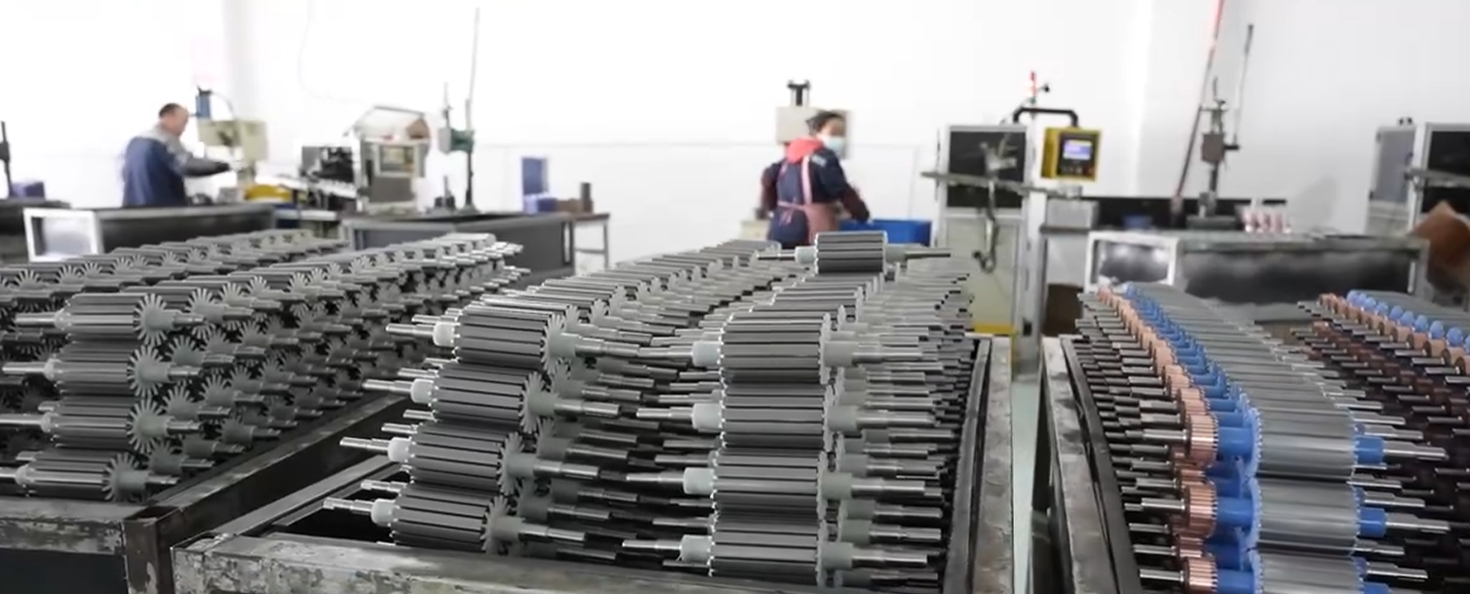
After-sales readiness: spare parts production supports model-specific component supply after delivery.
Next Step: Verify Before You Commit
Request a physical sample or a model-level quotation for the HSM-08VQ, HSM-08VS or any vibration machine in the range, and compare the delivered units against the written specification.
Email: sales002@healthma.com | Tel / WhatsApp: +86 195-5740-6815
Manufacturer: Ningbo Healthmate Health Technology Co., Ltd.
Download the full product catalogue: HSM NEW E-CATALOG (PDF)
Specification values in this article are the supplier-declared product data for the vibration machine family referenced above. Buyers should confirm all figures on the sample and on the order confirmation before production.
Have Questions or Need More Details?
Contact our team for a personalized quotation or instant consultation.
Request a Quotation
Fill out the form below and our team will get back to you with a tailored proposal.
WhatsApp Direct Chat
Prefer to chat in real-time? Message us on WhatsApp for instant assistance & quick answers.
- Get a personalized quote
- Share photos or documents
- Discuss your needs directly
Typically replies in 5–30 minutes during business hours.