
Supplier Evaluation for Home Fitness Equipments: Verifying Specs from HSM-08VS to HSM-MT60 PRO
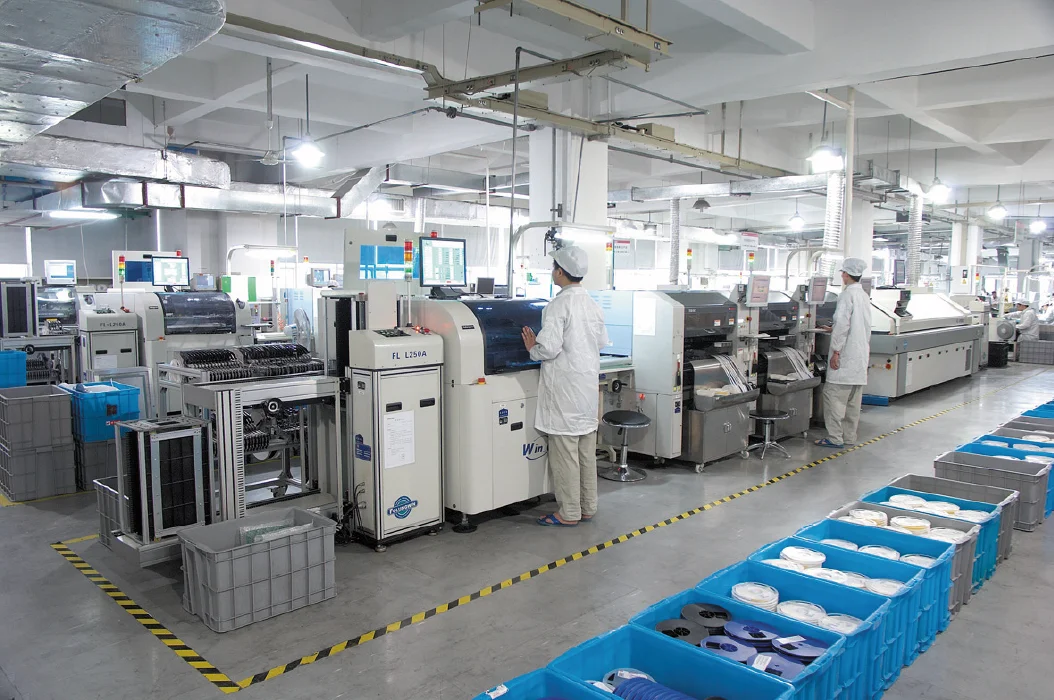
Supplier evaluation for home fitness equipments usually starts as a trust question and ends as a parameter argument. A buyer asks whether a factory can be relied on for the next three years; the answer comes back as a catalogue page with a motor rating, a flywheel weight and a folding dimension. The two sides are not describing the same thing, which is why so many first orders are approved on documents and then renegotiated on inspection results.
Converting evaluation into a spec-to-delivery verification exercise closes that gap. Instead of rating a supplier in the abstract, the buyer selects two or three documented models that represent the intended category mix, turns every published parameter into a check that somebody can physically perform, and confirms that those checks align with the supplier's written purchasing terms, acceptance criteria and delivery commitments.
Three models serve as anchors in this article because they span three mechanical families: HSM-08VS, a compact ABS vibration plate rated 200 W with 99 speed levels, a 1–10 minute timer and a 9.8 kg gross weight; HSM-S300, a bike with a 6.0 kg flywheel, stepless APP-controlled resistance and 1–7 cushion altitude control; and HSM-MT60 PRO, a motorized treadmill with a 2.5 HP motor, a 10–18 km/h speed range, auto-incline and an LCD display.
Problem Definition: The Gap Between a Documented Spec and a Delivered Unit
Three failure modes account for most supplier disputes in this category, and none of them is about honesty. The first is a parameter without a basis: a rating appears with no test condition attached, so two buyers can measure it two different ways and both can be wrong. The second is document drift: the number printed in the catalogue, on the carton, on the unit nameplate and in the user manual no longer agree after a revision. The third is acceptance ambiguity: the order states that goods will be inspected, but not what is inspected, by whom, at which point, or against which list of parameters.
Each failure is cheap to fix before an order and expensive after one. A 9.8 kg gross weight that arrives at 11 kg changes carton grade and freight on every reorder. A 2.5 HP motor rating quoted on a different basis than the buyer assumed changes the duty the unit can hold. An unresolved inspection clause turns delivery into a negotiation, and the negotiation usually ends as a discount on the next order rather than a corrected specification.
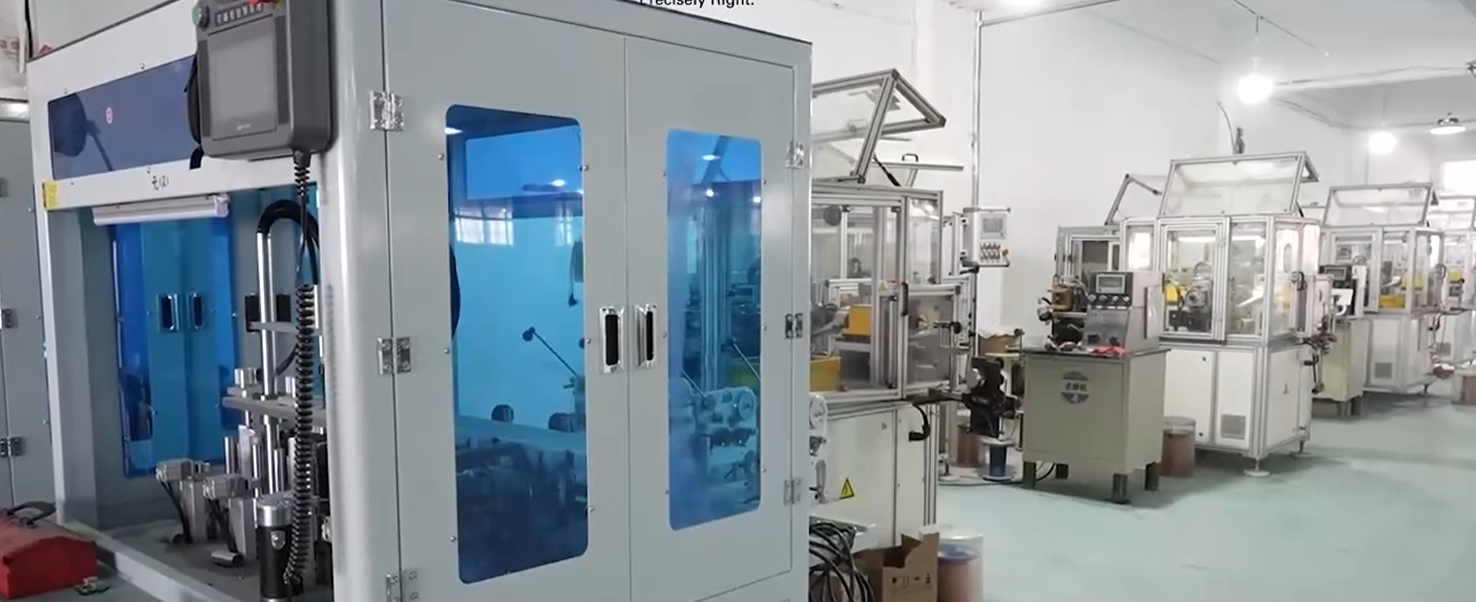
For long-term supply the stakes compound. Distribution agreements, retail listings and warranty promises are all written against the specification agreed at the start, so every undocumented change becomes a claim later. The verification exercise exists to make that specification explicit enough that it cannot drift silently.
Industry Background: A Crowded Category Where Documentation Is the Differentiator
Demand context explains why verification has become routine purchasing work rather than a specialist habit. Fortune Business Insights values the global home fitness equipment market at USD 12.88 billion in 2025 and projects USD 22.99 billion by 2034, a CAGR of 6.81%; Mordor Intelligence projects an increase from USD 11.84 billion in 2026 to USD 17.06 billion by 2031 at 7.59%. The two forecasts use different base years and forecast horizons, which is exactly why they should not be averaged together — a small illustration of the discipline a buyer applies to supplier documents.
Category concentration matters as much as market size. Fortune Business Insights reports that motorized treadmills held an 83% shipment share in 2023, and that magnetic resistance accounted for 62.4% of the indoor cycling bike market in 2025. Those two figures describe the bulk of a typical home fitness RFQ: a motorized treadmill family and a magnetic-resistance bike family, with vibration plates, walking pads and rowing machines filling out the mix. A supplier covering several of these families is easier to consolidate with, but consolidation only pays when the parameters across families are documented to the same standard.
Safety documentation sits underneath all of it. ASTM F2276 is the core safety standard for home fitness equipment, covering stability and protection around moving parts. Buyers should treat it as the reference against which a document set is read, not as a certificate that can be assumed because a catalogue uses the word "certified". When a market requires a named certificate, the certificate is requested by name and checked as a physical artifact.
Detailed Solution: The Three-Spec Test Using HSM-08VS, HSM-S300 and HSM-MT60 PRO
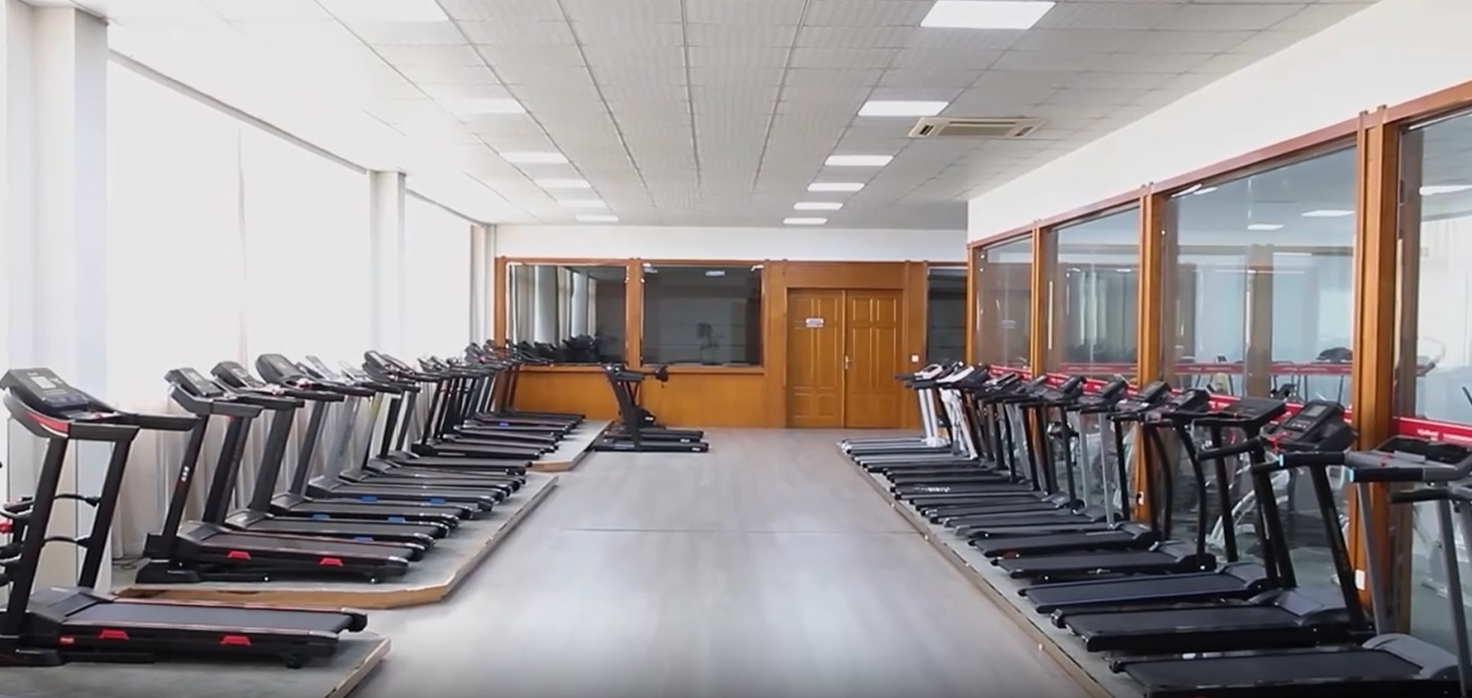
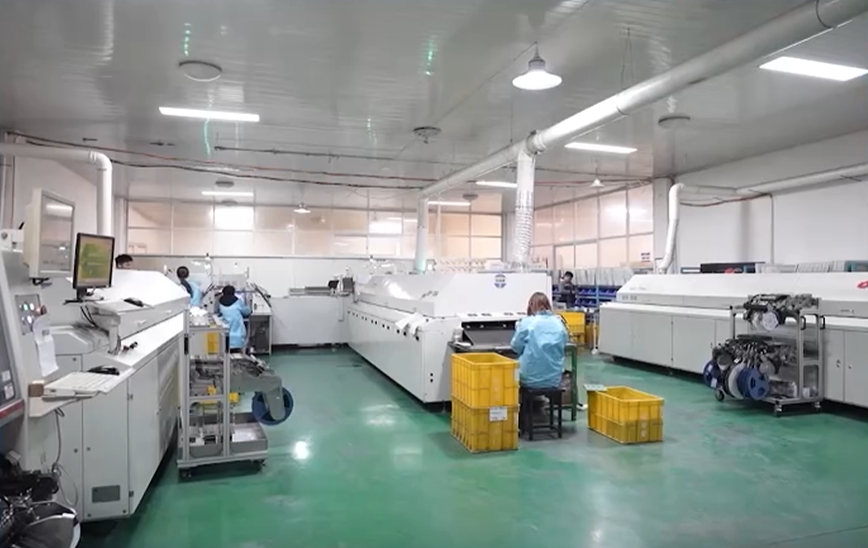
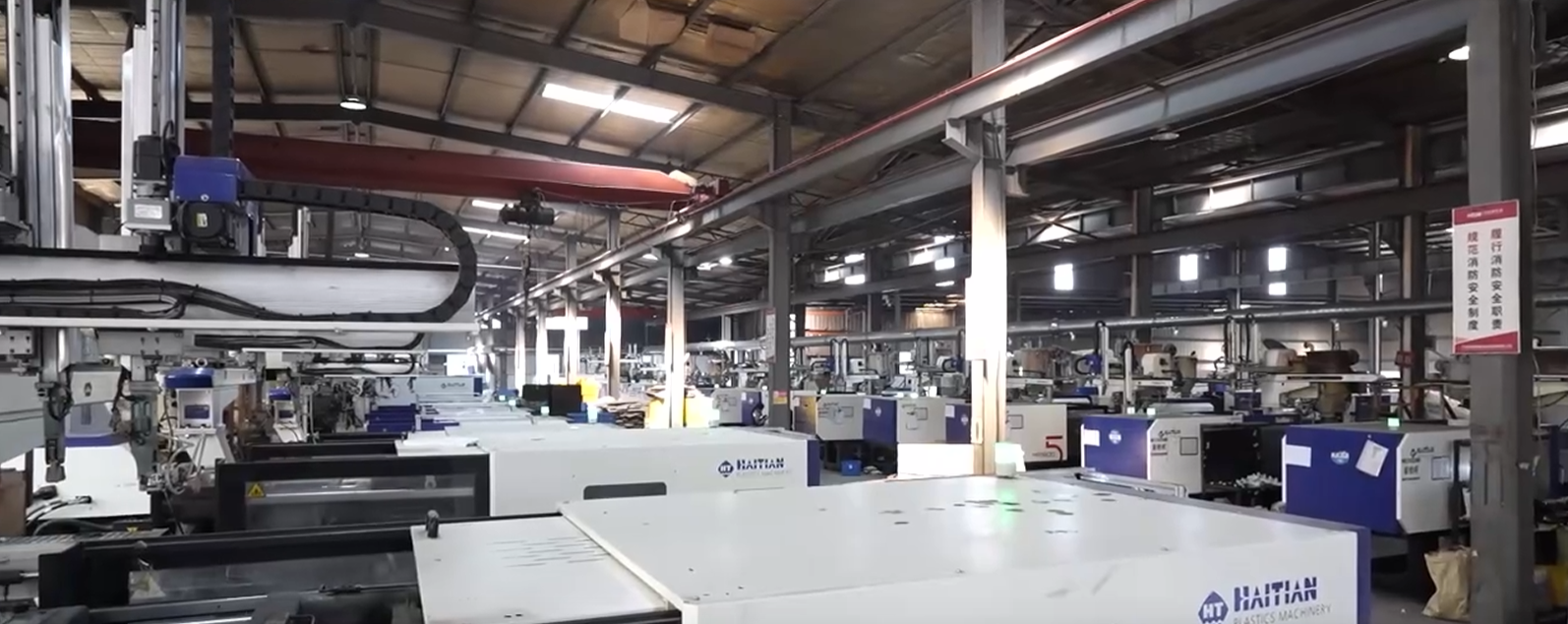
The method is easier to run than to describe: pick three spec anchors, one per mechanical family, and check everything else against them. The anchors here are documented parameters of models supplied by Ningbo Healthmate Health Technology Co., Ltd., a home fitness equipment manufacturer founded in 2007 with a 100,000 m² factory in Ninghai, Ningbo City, 850 employees, an annual output of about 700,000 units, a 38-engineer R&D team and an 80% export ratio across Europe, the USA, Japan, Korea, India, the Middle East and South America. Its product line covers home-use treadmill, walking pad, vibration machine, spinning bike, magnetic X-bike, upright bike, elliptical trainer, electric mini bike and rowing machine — nine families that a distributor can consolidate across.
Spec Anchor 1 — HSM-08VS: A Compact ABS Vibration Plate
HSM-08VS carries four documented numbers: a 200 W power rating, 99 speed levels, a 1–10 minute timer range and a 9.8 kg gross weight. Four numbers, four different verification jobs.
- 200 W. Confirm the rating agrees across nameplate, carton marking and spec sheet, and record the basis on which the figure is quoted. Then run a timed session at the top of the timer range and check that housing and motor temperature stay inside what the manual promises.
- 99 speed levels. Count them on the control panel and compare with the user manual. A level count is a programmability claim; if the panel offers fewer steps than the sheet, the retail copy is wrong before the unit ships.
- 1–10 minute timer. Time both ends of the range. A timer that stops early or overshoots is a control-board issue that appears in service, never in a catalogue.
- 9.8 kg gross weight. Weigh a packed carton pulled from the shipment, not a bare unit from the sample room. Gross weight drives carton grade, container loading and last-mile handling, and it is the parameter most often carried forward from an earlier revision.
Spec Anchor 2 — HSM-S300: Flywheel, Stepless Resistance and Cushion Adjustment
HSM-S300 combines a 6.0 kg flywheel, stepless APP-controlled resistance and 1–7 cushion altitude control. The set is useful because the parameters sit in three different disciplines — a mechanical mass, an electronic control loop and a mechanical adjustment — and each is verified differently.
- 6.0 kg flywheel. Weigh the flywheel on a stripped unit. Flywheel mass is what the rider experiences as resistance stability, and it is a single measurable number that should match the spec sheet exactly.
- Stepless APP-controlled resistance. "Stepless" means resistance changes without fixed clicks, which makes it an electronics claim as much as a mechanical one. Ask for a live demonstration across the full range, including app pairing and reconnection, and confirm the behaviour matches the manual.
- 1–7 cushion altitude control. Count the positions physically and confirm the manual lists the same number. Adjustment ranges are frequently the first thing to change when a frame revision ships.
- Resistance system endurance. Resistance system failure and flywheel imbalance are controlled through structural strengthening and validated by endurance cycle testing. Ask whether that test is part of routine production or a one-off type test.
Spec Anchor 3 — HSM-MT60 PRO: Motor, Speed Range, Auto-Incline and Display
HSM-MT60 PRO is the treadmill anchor: 2.5 HP motor, 10–18 km/h speed range, auto-incline and an LCD display. Treadmills carry the heaviest service risk in a home portfolio, and the documented risk controls in this category map directly onto verification steps.
- 2.5 HP motor. Record the rating basis, then verify the protective architecture around it. Motor overheating and electrical short circuit are controlled through overcurrent protection and short-circuit protection, and validated by a motor aging test.
- 10–18 km/h. Run both ends of the range and compare the display reading with actual belt speed. A treadmill that tops out below its documented range is usually discovered by the end user, not the inspector.
- Auto-incline and LCD display. Cycle the incline programs and check display functions and error behaviour. These features fail first in service and generate most warranty conversations.
- Running belt behaviour. Running belt slippage and sudden speed surge are controlled through an anti-slip running belt and validated by factory load testing before shipment. Since that test already sits in production, ask for it to be included in the pre-shipment test record.
Step-by-Step Breakdown: From RFQ to Delivery Confirmation
- Write the RFQ at parameter level. Replace "vibration plate, 200 W class" with the fields you will test: rated power, number of speed levels, timer range, gross weight. An RFQ written at category level can only be answered with a catalogue, which is where the ambiguity begins.
- Request the document set, not a single document. Ask for the spec sheet, nameplate artwork, carton marking and user manual for each model. Reconcile them against each other before the sample arrives; most drift is visible on paper.
- Assign a check to every parameter. Weigh it, count it, measure it or run it. If a parameter cannot be checked by any of those four methods, either it does not belong in the acceptance list or the supplier must explain how it is demonstrated.
- Test where failures concentrate. Flywheel mass and resistance endurance, motor protection and aging, belt grip under load. Each documented risk area has a matching production control — endurance cycle testing, motor aging test, factory load testing before shipment.
- Fix the acceptance criteria in writing. Acceptance here means pre-shipment test and third-party inspection, with quality control including 100% testing. Name the inspector, the stage in the process and the parameter list, so acceptance becomes a decision rather than a discussion.
- Lock the commercial framework. MOQ of 100 pieces, FOB Ningbo, 30% T/T in advance and 70% T/T against copy of B/L, monthly production capacity of 8,000 pieces and a typical production lead time of 35–40 days. These terms set the reorder rhythm that the specification has to survive.
- Confirm the after-sales and reorder path. A 1-year warranty covering every damaged part, plus a documented route for ordering that part. A long-term supply relationship is judged on the second order, not the first.
Use Cases: Where This Verification Method Pays Off
Importers building a first mixed container. A buyer combining a vibration plate, a treadmill and a bike from one factory is really asking for one documentation standard across three mechanical families. The three anchors above test exactly that, and they expose a supplier whose treadmill documentation is rigorous while its vibration plate data has not been updated since the last revision.
Distributors moving from resale to private label. The moment a buyer's own brand appears on the carton, the spec sheet becomes the contract. The 99 speed levels, the 6.0 kg flywheel and the 10–18 km/h range are no longer marketing lines; they are the promises the label carries into retail.
Project buyers running phased deliveries. Apartment and office programmes order in phases, which makes gross weight and packaging consistency as important as the machine itself. A 9.8 kg gross weight that holds steady across shipments protects freight planning for the entire project.
Service partners and replacement-part buyers. The 1-year warranty clause is only workable if the damaged part can be identified by model and revision. A supplier whose parameters stay stable across batches makes spare-part supply predictable; one whose parameters drift makes it a guessing game.
Comparison Table: Documented Parameters and Their Verification Method
| Model | Documented parameter | Why it matters commercially | How to verify it |
|---|---|---|---|
| HSM-08VS | 200 W power rating | Sets the duty expectation for compact vibration sessions | Reconcile nameplate, carton and manual; run a session at the top of the timer range |
| HSM-08VS | 99 speed levels; 1–10 minute timer | Programmability that retail copy and listings rely on | Count levels on the control panel; time both ends of the timer range |
| HSM-08VS | 9.8 kg gross weight | Freight cost, carton grade and last-mile handling | Weigh a packed carton taken from the shipment |
| HSM-S300 | 6.0 kg flywheel | Pedal feel and resistance stability claimed for the model | Weigh the flywheel on a stripped unit and compare with the sheet |
| HSM-S300 | Stepless APP-controlled resistance | An electronics claim, not only a mechanical one | Live demonstration across the full range, including pairing and reconnection |
| HSM-S300 | 1–7 cushion altitude control | Fit range across different user heights | Count the physical positions and match the manual |
| HSM-MT60 PRO | 2.5 HP motor | Load capacity and heat behaviour under sustained use | Confirm rating basis and protective features; ask about the motor aging test |
| HSM-MT60 PRO | 10–18 km/h speed range | Walking versus jogging positioning in the range | Run both ends of the range and compare display with actual belt speed |
| HSM-MT60 PRO | Auto-incline and LCD display | Programme features that fail first in service | Cycle incline programmes; check display functions and error behaviour |
Purchasing Terms and Acceptance Criteria as Long-Term Signals
Specification verification is only half of supplier evaluation; the other half is whether the commercial terms can carry the specification over multiple orders. Documented terms should be read as commitments to be scheduled against, not as prices on a page.
| Term | Documented value | What the buyer should confirm |
|---|---|---|
| Minimum order quantity | 100 pcs | Whether a mixed-SKU first order can reach the threshold across model families |
| Delivery terms | FOB Ningbo | Who books freight and insurance, and which port formalities fall to the buyer |
| Payment terms | 30% T/T in advance, 70% T/T against copy of B/L | Cash-flow sequencing against the 35–40 day production window |
| Acceptance criteria | Pre-shipment test, third-party inspection | Inspector, inspection stage and the parameter list used during inspection |
| Quality control | 100% testing | How test results are recorded and whether records accompany the shipment |
| Warranty | 1-year warranty for every damaged part | How a damaged part is identified by model and revision |
| Monthly capacity | 8,000 pieces | How the capacity is allocated across SKUs in a peak month |
| Production lead time | 35–40 days typical | Where the third-party inspection window sits inside that period |
The logic behind the table is that each term answers a question the specification raises. A 100-piece MOQ determines whether a buyer can test three models or must commit to one. A 35–40 day lead time determines when inspection can realistically happen without delaying the vessel. An 8,000-piece monthly capacity determines how much of the mix can be reordered at once when a retail listing takes off.
Frequently Asked Questions
Which documents should be checked before trusting a home fitness equipment spec sheet?
Documents should be checked as a set — spec sheet, nameplate, carton marking and user manual — and read against the standard the product claims to follow, such as ASTM F2276 for home fitness equipment stability and moving-parts protection. No document set replaces inspection: documented acceptance criteria are pre-shipment test and third-party inspection, and quality control includes 100% testing. Where a market requires a named certificate, the certificate is requested by name rather than inferred from the spec sheet.
How can a buyer confirm a supplier can sustain long-term treadmill supply from China?
Confirm capacity per model, not capacity in general. Documented figures for Ningbo Healthmate Health Technology Co., Ltd. include a monthly production capacity of 8,000 pieces, a typical production lead time of 35–40 days, a minimum order quantity of 100 pieces, a 100,000 m² factory, 850 employees, an annual output of about 700,000 units and an 80% export ratio, with a product line spanning home-use treadmill, walking pad, vibration machine, spinning bike, magnetic X-bike, upright bike, elliptical trainer, electric mini bike and rowing machine. The buyer's job is to tie those figures to the specific model and SKU share being ordered.
What purchasing terms apply to a first order?
The documented terms are a minimum order quantity of 100 pieces, FOB Ningbo delivery, and payment of 30% T/T in advance with 70% T/T against copy of B/L. Read together, they define the cash-flow shape of a first order: deposit before production, balance against shipping documents, inside a typical 35–40 day production window. Buyers planning a mixed first order should confirm whether the 100-piece minimum applies per model or across the order.
How should a sample be used to verify HSM-08VS, HSM-S300 or HSM-MT60 PRO?
Use the sample to run the checks already written into the RFQ. On HSM-08VS, count the 99 speed levels, time the 1–10 minute range and weigh a packed carton against the 9.8 kg gross weight. On HSM-S300, weigh the 6.0 kg flywheel, demonstrate stepless APP-controlled resistance across its full range and count the 1–7 cushion positions. On HSM-MT60 PRO, run both ends of the 10–18 km/h range, cycle the auto-incline programmes and check the LCD display and error behaviour. A sample quote and a spec confirmation for any of these models can be requested from sales002@healthma.com.
What lead time and after-sales terms should be planned for?
Plan around a typical production lead time of 35–40 days and a monthly production capacity of 8,000 pieces, then place the third-party inspection window inside that period rather than after it. On the after-sales side, the documented term is a 1-year warranty for every damaged part, which is only usable if the damaged part can be traced to a model and revision. Buyers running phased deliveries should also confirm that the same parameters hold from batch to batch.
Conclusion: Verification Is a Repeatable Habit, Not a One-Off Audit
Supplier evaluation for home fitness equipments becomes manageable once it stops being a judgement about a company and becomes a set of checks on documents and units. Three anchors are enough to start: a compact vibration plate such as HSM-08VS with its 200 W rating, 99 speed levels, 1–10 minute timer and 9.8 kg gross weight; a bike such as HSM-S300 with its 6.0 kg flywheel, stepless APP-controlled resistance and 1–7 cushion altitude control; and a treadmill such as HSM-MT60 PRO with its 2.5 HP motor, 10–18 km/h range, auto-incline and LCD display.
Each parameter becomes a check; each check becomes an acceptance line; each acceptance line sits inside written terms — 100-piece MOQ, FOB Ningbo, 30% T/T in advance and 70% T/T against copy of B/L, pre-shipment test and third-party inspection, 100% testing, 1-year warranty for every damaged part, 8,000-piece monthly capacity and a 35–40 day lead time. That chain is what makes a supplier predictable across the second, fifth and tenth order, which is the only definition of long-term supply that survives contact with production.
Next step
Ningbo Healthmate Health Technology Co., Ltd. supplies home fitness equipments from a 100,000 m² facility in Ninghai, Ningbo City, China, exporting to Europe, the USA, Japan, Korea, India, the Middle East and South America.
Review the full model range and documented parameters in the HSM e-catalog, or request a sample and quotation for HSM-08VS, HSM-S300 or HSM-MT60 PRO directly.
Email: sales002@healthma.com | Tel / WhatsApp: +86 195-5740-6815 | Website: www.healthma.com
Address: Dalu Industry Zone, Xidian Town, Ninghai, Ningbo, China
Have Questions or Need More Details?
Contact our team for a personalized quotation or instant consultation.
Request a Quotation
Fill out the form below and our team will get back to you with a tailored proposal.
WhatsApp Direct Chat
Prefer to chat in real-time? Message us on WhatsApp for instant assistance & quick answers.
- Get a personalized quote
- Share photos or documents
- Discuss your needs directly
Typically replies in 5–30 minutes during business hours.