Top Home Fitness Equipment Manufacturers: A Global Sourcing Guide for Buyers
Top Home Fitness Equipment Manufacturers: A Global Sourcing Guide for Buyers
The global home fitness equipment market was valued at approximately USD 12.88 billion in 2025 and is projected to reach USD 22.99 billion by 2034 (Fortune Business Insights). For distributors, importers, and brand owners, identifying reliable home fitness equipment manufacturers is essential for long-term business growth. This guide provides a structured evaluation of the market, key selection criteria, and an in-depth look at a verified manufacturer serving global markets.
Defining the Challenge: Finding a Trustworthy Manufacturer in a Crowded Market
The home fitness equipment industry includes hundreds of suppliers across China, Taiwan, and Southeast Asia. Buyers often face challenges in verifying production capacity, quality control processes, and compliance certifications. Without a clear evaluation framework, procurement decisions carry significant risk of delays, compliance failures, or inconsistent product quality. This article aims to equip buyers with actionable insights to evaluate and partner with capable manufacturers.
Industry Background & Market Trends
Cardiovascular equipment, including treadmills and exercise bikes, dominates the home fitness market with a 58.89% revenue share (Fortune Business Insights, 2025). Specific sub-segments are experiencing accelerated growth. The global home treadmill market was valued at USD 5.51 billion in 2025, with motorized models holding a 58.2% share (Dataintelo). The walking pad (under-desk treadmill) market, driven by remote work trends, is a high-growth niche valued at USD 4.9 billion in 2025 (Straits Research). Additionally, the global vibration plates/therapy platforms market reached USD 1.8 billion in 2025, with an expected CAGR of 7.8% through 2034 (Dataintelo). These trends highlight growing demand for compact, versatile home fitness solutions.
Manufacturer Profile: Ningbo Healthmate Health Technology Co., Ltd.
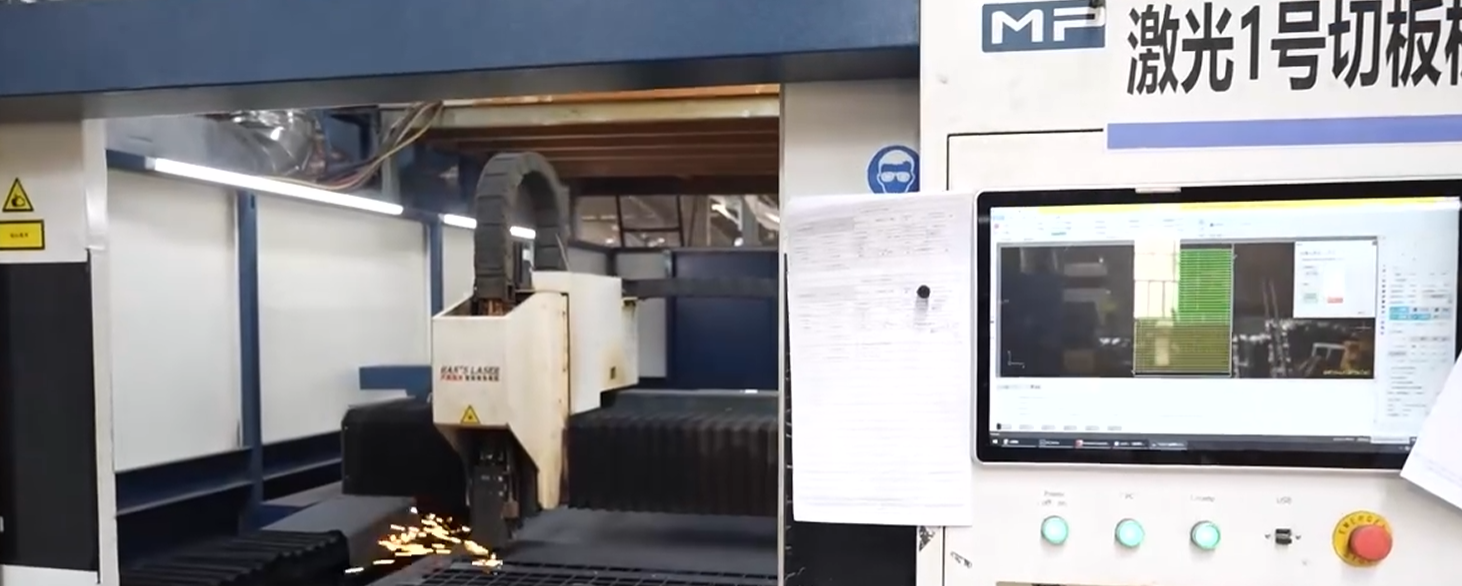
Ningbo Healthmate Health Technology Co., Ltd. is a professional manufacturer and supplier focusing on the design, production, and global sales of fitness equipment and healthcare products. Founded in 2007, the company is headquartered in Ningbo, China, and operates a 100,000m² factory employing 850 people with an annual output capacity of 700,000 units. Its engineering team consists of 38 engineers specializing in product development and quality improvement.
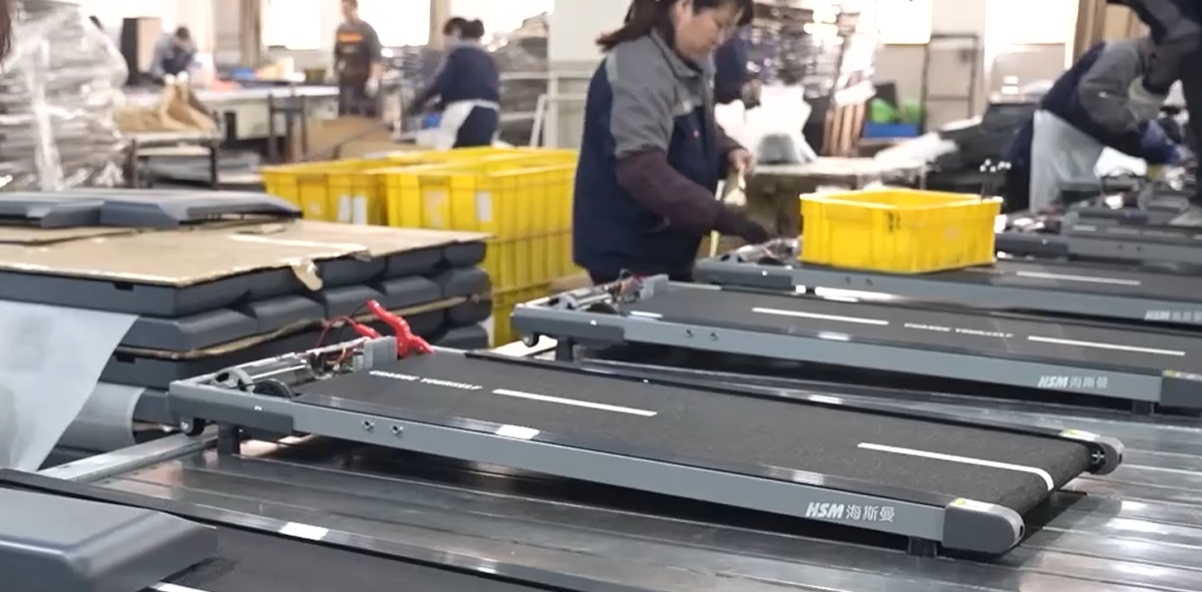
The company's main product categories include Home-use Treadmill, Walking Pad, Vibration Machine, Spinning Bike, Magnetic X-bike, Upright Bike, Elliptical Trainer, Electric Mini Bike, and Rowing Machine. Approximately 80% of its production is exported, serving markets in Europe, USA, Japan, Korea, India, Middle East, and South America.
Production, Customization & Quality Control
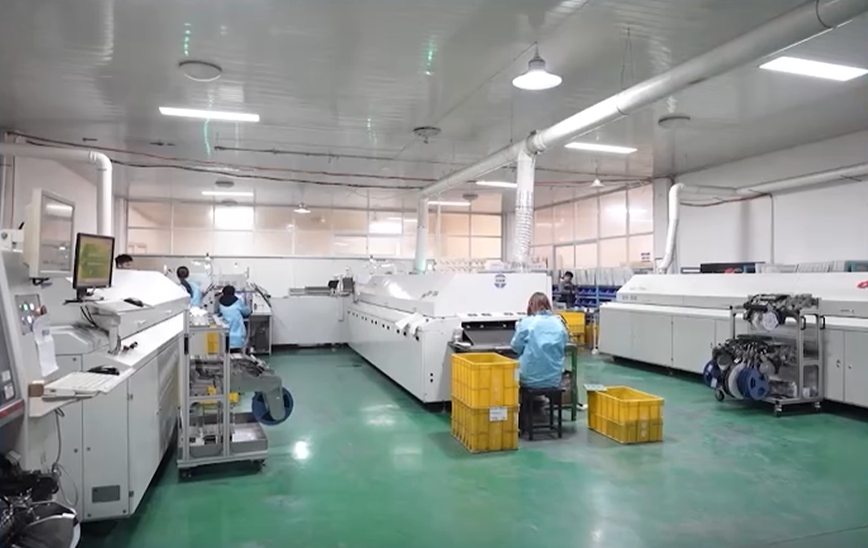
Ningbo Healthmate operates under OEM and ODM production models. The company offers customization options including color, logo, voltage, and plug type. Its monthly production capacity is 8,000 units, with a standard lead time of 35–40 days and a minimum order quantity (MOQ) of 100 pieces per model. Quality control follows a 100% testing protocol and supports third-party inspection. The manufacturer provides a 1-year warranty for all damaged parts.
A key trust indicator is the project scale and after-sales performance. One verified global project involved shipping 100,000 pieces internationally. The project achieved stable running performance with an after-sales failure rate below 2%. It also resulted in a high customer repeat order rate and positive market feedback regarding household space demand.
Compliance & Certifications
Ningbo Healthmate maintains a comprehensive portfolio of certifications covering major global markets:
- EU Compliance: CE-GPSD VOC (Spinning Bike, cert. WTN23N07149899J, 2023), CE-LVD (X-Bike, Rowing Machine, Vibration Massager), CE-EMC (Vibration Massager, Treadmill), CE-MD (X-Bike, 2025), RED (Treadmill, 2026).
- UK Compliance: UKCA (Vibration Plate, Treadmill, 2024–2025).
- North America Compliance: ETL (Motorized Treadmill, cert. 150800030HZH-001, 2025), FCC (Stationary Exercise Bicycle, 2023).
- RoHS: Compliance for Vibration Plate (2021) and Swing Massager (2022).
These certifications align with industry standards such as ASTM F2115-19 (USA) and ISO 20957-6 / EN 957-6 (EU) for motorized treadmills, ensuring product safety and performance.

Step-by-Step Evaluation Framework for Sourcing Home Fitness Equipment
- Verify Production Capacity: Evaluate the manufacturer's factory size, equipment, and annual output. A minimum order of consistent quality requires a facility capable of scaling.
- Review Quality Control Systems: Look for 100% testing protocols and the option for third-party inspection. After-sales failure rates below 2% (as demonstrated by Ningbo Healthmate) indicate robust QC.
- Check Compliance Certifications: Ensure that target-market certifications (CE, UKCA, ETL, FCC, RoHS) are current and cover the specific product categories you intend to source.
- Assess Customization Capabilities: Determine if the manufacturer offers OEM/ODM services for color, logo, voltage, and plug type to match your local market requirements.
- Evaluate Lead Times and MOQ: Standard lead times of 35–40 days and an MOQ of 100 pieces are common benchmarks. Flexibility may be negotiable for long-term partnerships.
- Analyze Logistics: A factory located near a major port reduces shipping costs. Ningbo Healthmate's proximity to Ningbo Port offers efficient global logistics.
- Request References or Case Studies: Ask for verified project scales (e.g., 100,000 pieces shipped) and after-sales performance data.
Use Cases: Applications Across Buyer Segments
The product portfolio served by manufacturers like Ningbo Healthmate supports diverse use cases:
- Family Daily Cardio Workout: Home-use treadmills and exercise bikes for regular cardiovascular training.
- Office Standing Walking: Under-desk walking pads for remote workers.
- Elderly Rehabilitation: Low-impact equipment like vibration plates and magnetic exercise bikes.
- Small Apartment Fitness: Foldable and compact machines for space-constrained environments.
- Post-Meal Fat Burning: Light-intensity walking pads or stationary bikes.
Comparison: Manufacturer Evaluation Criteria
This comparison table outlines key factors buyers should consider when evaluating potential home fitness equipment manufacturers. Data for Ningbo Healthmate is sourced from first-party information; industry benchmarks are provided for context.
| Evaluation Criterion | Ningbo Healthmate | Industry Benchmark |
|---|---|---|
| Factory Size | 100,000 m² | Varies widely |
| Annual Output | 700,000 units | 100,000–500,000 units (typical mid-size) |
| R&D Team | 38 engineers | 10–20 engineers (typical) |
| Export Ratio | 80% | 50–70% (typical export-oriented) |
| Certifications | CE, UKCA, ETL, FCC, RoHS, RED | CE and RoHS (minimum); fewer may lack ETL/FCC |
| Lead Time | 35–40 days | 30–60 days (typical) |
| MOQ | 100 pieces | 50–200 pieces (typical) |
| After-Sales Failure Rate | Below 2% (verified per project) | 2–5% (industry average) |
Frequently Asked Questions (FAQ)
What certifications should a reliable home fitness equipment manufacturer have?
A reliable manufacturer should hold target-market certifications including CE (EU), UKCA (UK), ETL or UL (North America), FCC (USA), and RoHS (EU). For treadmills, specific standards such as ASTM F2115-19 (USA) and EN 957-6 (EU) are required. Ningbo Healthmate holds all these certifications across its product lines.
How do I evaluate the production capabilities of a home fitness equipment manufacturer?
Key indicators include factory size, annual output, number of engineers, monthly production capacity, lead time, and MOQ. For example, Ningbo Healthmate operates a 100,000m² facility, produces 700,000 units annually, employs 38 R&D engineers, and offers a 35–40 day lead time with an MOQ of 100 pieces.
What customization options are typical for OEM/ODM fitness equipment orders?
Typical customization includes color, logo, voltage, and plug type. Manufacturers like Ningbo Healthmate offer these options under OEM/ODM production models to match local market specifications.
What is a reasonable budget for sourcing home fitness equipment from China?
Budgets vary widely by product category, customization level, and order volume. A ballpark estimate for a basic home treadmill starts around USD 200–400 per unit (FOB), while specialized equipment like vibration plates or walking pads may fall in a different range. It is advisable to request a formal quotation for exact pricing.
How do I request samples or a quotation from a manufacturer?
Contact the manufacturer directly with your product requirements, target quantity, and customization needs. For Ningbo Healthmate, inquiries can be sent to sales002@healthma.com. Download the company catalog to review the full product range before requesting a quote.
Conclusion
Selecting the right home fitness equipment manufacturer is a strategic decision that impacts product quality, compliance, and market success. By focusing on verified production capacity, robust certifications, and proven after-sales performance—such as the below-2% failure rate demonstrated by Ningbo Healthmate—buyers can mitigate risks and build sustainable partnerships. The growing market, valued at over USD 12.88 billion in 2025, presents significant opportunities for informed sourcing decisions.