Clinical Thermometer Application Guide: 6000-A and 7000-A in Medical vs. Homecare Settings
The 6000-A and 7000-A are two mercury-free liquid-in-glass clinical thermometer models manufactured by Ningbo Hi-life Medical Technology Co., Ltd. (Mr. Thermo), a thermometer manufacturer based in Jiangshan Town, Yinzhou District, Ningbo, China. Both model references are documented under a single specification set: a 35 °C–42 °C measuring range, 0.1 °C scale division, ±0.1 °C measurement accuracy, a maximum temperature indicator, and a shock-resistant glass tube made of borosilicate glass filled with a non-toxic gallium-indium-tin alloy instead of mercury. The instrument requires no battery, is reusable, and is listed for both Medical Device and HomeCare applications.
Because that specification set is shared, the real decision is not “which of the two models is more accurate” but “which setting is this thermometer being deployed into.” A hospital ward, a clinic consultation room, a pharmacy counter and a household all measure the same physiological range, yet they differ sharply in handling intensity, reading behaviour, packaging expectations and restocking logistics. This guide maps the documented features of the 6000-A and 7000-A to those settings, then sets out the procurement and supply parameters that sit behind each scenario.
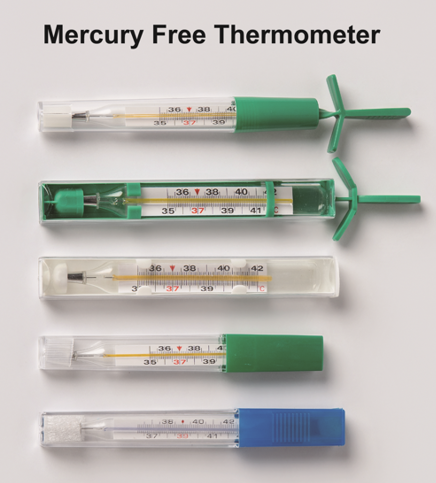
Figure 1 – Mercury-free liquid-in-glass clinical thermometer, models 6000-A and 7000-A: 35 °C–42 °C range, 0.1 °C division, ±0.1 °C accuracy, no battery required.
The Scenario-Fit Problem: One Specification, Four Different Settings
Clinical thermometers are frequently shortlisted on accuracy alone. In practice, accuracy is the entry requirement rather than the differentiator, because every setting applies a different second filter — and that second filter is what determines whether a device is still in service twelve months after purchase.
In a hospital ward or clinic, the thermometer is handled many times per day and passed between patients, so tube durability and repeatable reading behaviour dominate. At a pharmacy counter, the device is partly a retail article: it must be presentable on the shelf, individually packaged, and simple enough for a customer to understand without a demonstration. In a household, the operator is often not a trained professional, so legibility, storage readiness and the absence of consumables matter more than any technical refinement.
Mercury-free liquid-in-glass thermometers are documented for precisely this spread of settings. The 6000-A and 7000-A are listed for hospital, clinic and household body temperature measurement, and the documented application requirements for this scenario include mercury-free, non-toxic construction, a T-shank design, and luxury individual packaging. The mercury-free formulation is also the reason the technology remains relevant at all: it resolved the mercury-leak risk that previously made glass thermometers a liability in both clinical and domestic use.
Industry Background: Why Mercury-Free Glass Still Sits in the Procurement Basket
The wider category is still expanding. Grand View Research values the global thermometer market at USD 1.7 billion in 2023 and projects growth from USD 2.2 billion in 2026 to USD 3.0 billion by 2030, a CAGR of 8.2% over 2024–2030. That figure covers the total thermometer market, including non-clinical instruments, so it should be read as category direction rather than a clinical-only number.
Within that category, mercury-free products are no longer a niche. Grand View Research reports that the mercury-free thermometers segment led the market in 2023 with a 69.1% revenue share. Trade data points the same way: global trade under HS code 902519 reached USD 4.93 billion in 2024, a 4.28% increase over USD 4.73 billion in 2023, according to the Observatory of Economic Complexity. That code covers thermometers other than liquid-filled types, so liquid-in-glass units sit outside the figure — it is a useful demand signal for the category, not a count of glass thermometers.
Regulatory expectations have hardened alongside the volumes. ISO 80601-2-56:2017 sets out international requirements for the basic safety and essential performance of clinical thermometers for body temperature measurement, and under EU MDR (2017/745) clinical thermometers are generally classified as Class IIa or Class Im depending on measurement technology and metrological function. For suppliers, this is why documentation rather than price is usually the first gate in a hospital tender — and why buyers increasingly ask manufacturers to prove where accuracy was verified.
Ningbo Hi-life Medical Technology Co., Ltd. operates an ISO 13485 quality management system, holds EU CE (MDR) certification across its product range, passed the BSCI audit in 2025, and took part in the revision and compilation of the national standard GB1588-2024. The company is also the Secretariat Unit of the Body Temperature Measurement Professional Committee under the China Association for Medical Devices Industry (CAMDI).
The 6000-A and 7000-A, Feature by Feature
Every feature below is taken from the documented product specification, and each one is explained in terms of what it changes in a specific setting rather than as an abstract capability.
Measurement performance: 35 °C–42 °C at ±0.1 °C
The measuring range covers human body temperature, and the scale is divided into 0.1 °C increments with a stated measurement accuracy of ±0.1 °C. For wards and clinics this means a reading can be compared against a fever threshold and against previous readings for the same patient without rounding. For homecare, it means the number on the scale is readable to the same resolution a clinician would use.
Maximum temperature indicator
The specification includes a maximum temperature indicator. Functionally, this is the feature that allows the peak reading to be confirmed after the measurement event rather than during it — the practical advantage in a clinic or ward where the operator is managing the patient and the instrument at the same time.
Shock-resistant glass tube in borosilicate glass
The tube is borosilicate glass with a shock-resistant construction. Handling intensity is the main reason glass thermometers leave service prematurely, so this is the feature that translates most directly into a lower breakage rate in high-traffic clinical environments, and into fewer replacements per unit sold in retail and homecare channels.
Mercury-free filling: non-toxic gallium-indium-tin alloy
Instead of mercury, the instrument uses a non-toxic gallium-indium-tin alloy, which removes mercury-leak risk from the temperature-measurement process. This matters operationally as much as environmentally: a broken mercury thermometer in a ward creates a contamination procedure, and a broken one in a home creates a disposal problem for the user. A documented European case study covering hospital, clinic and household use reported stable measuring accuracy and zero mercury-leak risk over a three-year supply relationship.
No battery, reusable operation
The 6000-A and 7000-A operate without a battery and are reusable through manual reading, with no extra supporting equipment required. Battery-free operation changes the supply chain in three ways: no battery sourcing or shelf-life exposure, no battery failure as a return reason, and no disposal obligation for the end user. Devices remain ready to use after storage, which is relevant for households and for pharmacies holding small stock quantities.
Readability and presentation
The line is documented as easy to read, with a T-shank design and luxury individual packaging as application requirements. In medical distribution this packaging protects the tube during transport and storage; in pharmacy and homecare retail it doubles as shelf presentation and as a hygiene barrier before first use.
Operating conditions
The application conditions for this scenario are normal room temperature and an indoor environment, with an ambient operating window of 10 °C–40 °C. The device is intended for indoor body temperature measurement in medical and homecare settings.
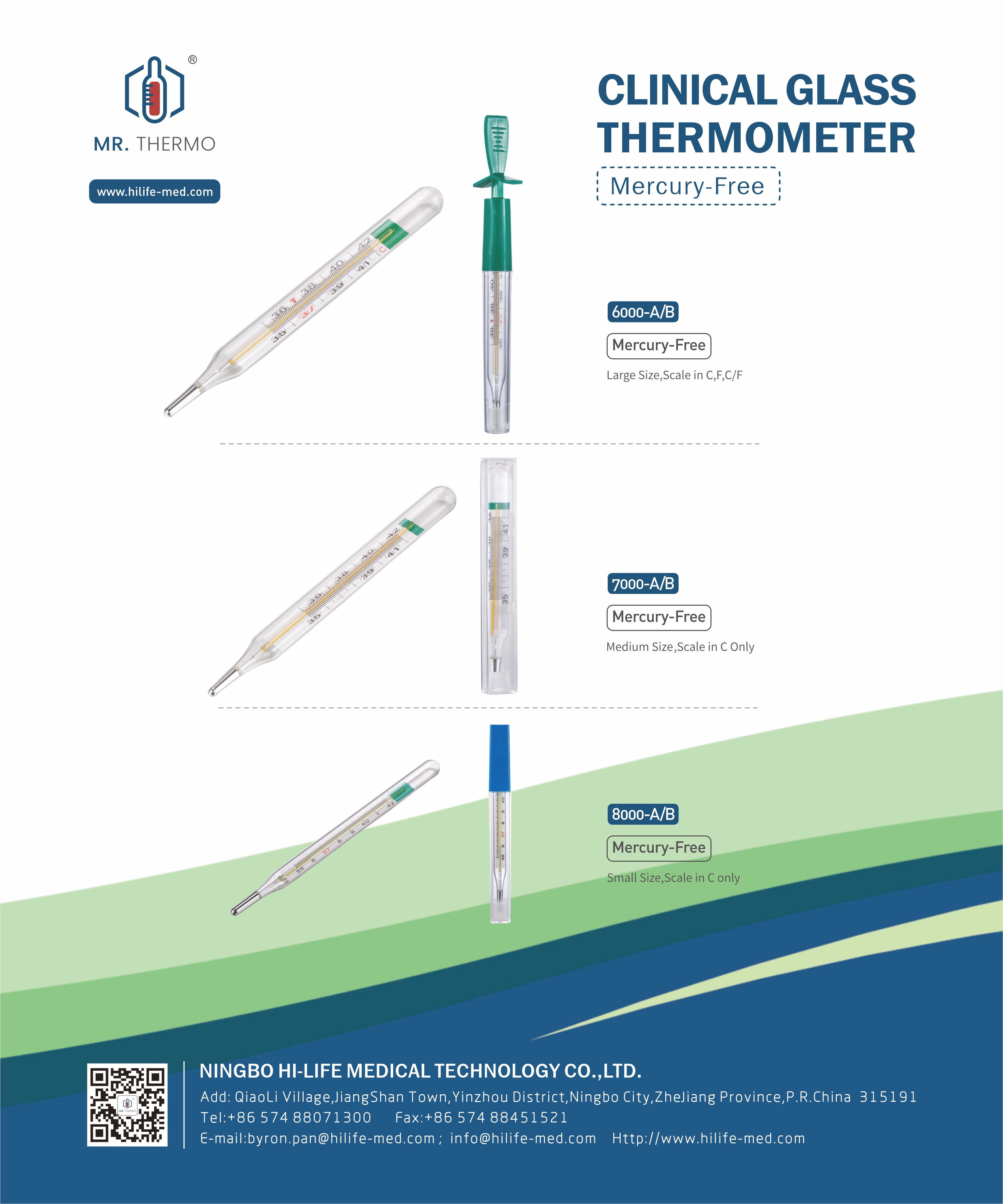
Figure 2 – Scale and tube design: 0.1 °C division with a shock-resistant borosilicate glass tube.
Boundary: what this line does not do
The 6000-A and 7000-A are manual-reading, battery-free instruments. They do not provide an automatic fever alarm, automatic power-off, or a digital display. Where a program requires those functions, the adjacent option in the same supplier's range is the electronic clinical thermometer line (models MT-518, MT-519, MT-811, MT-801 and ECT-1), documented with a 32.0 °C–43.9 °C measuring range, ±0.1 °C accuracy, a 45-second response time, IP22 rating, a 1.5 V button battery, and an operating temperature of 10 °C–40 °C. Glass and electronic instruments are complements in a mixed portfolio, not substitutes.
Step-by-Step: Matching the 6000-A and 7000-A to a Setting
The following sequence is written for procurement and product teams running a hospital tender or a homecare rollout. It uses only documented parameters, so each step can be handed to a technical reviewer without further qualification.
- Define the setting and the operator. Ward nurse, clinic physician, pharmacy counter staff and household user impose different handling and reading requirements.
- Confirm the measurement requirement. Check that a 35 °C–42 °C range at ±0.1 °C accuracy with 0.1 °C division matches the protocol being followed.
- Decide on reading mode. Confirm that manual reading with a maximum temperature indicator is acceptable, or whether an automatic alarm is required.
- Check power and consumables policy. Battery-free operation removes battery sourcing, battery shelf-life and disposal from the specification.
- Specify the configuration. OEM, ODM and private label programs can be configured with logo printing, packaging, color and scale customization.
- Confirm supply parameters. Documented figures for this line are a 5,000-unit MOQ, a 25–35 day lead time, and a monthly capacity of 150,000 units.
- Verify the quality gate and validate with samples. Accuracy is checked through 100% accuracy inspection before shipment; sample validation is the normal step before a ward-level or nationwide rollout.
Use Cases: Medical vs. Homecare Settings
Medical settings: hospital wards, clinics and pharmacy counters
In wards, clinics and pharmacy-based measurement points, the priorities are breakage resistance, repeatable readings and hygiene between patients. The shock-resistant borosilicate tube addresses handling risk; the 0.1 °C division and ±0.1 °C accuracy support comparable readings across shifts; and the mercury-free alloy removes contamination procedures associated with broken mercury columns. A German medical distributor and pharmacy wholesaler supplying hospitals, clinics and households received 50,000 units over a three-year program, with reported stable measuring accuracy, zero mercury-leak risk and good market feedback; the cited highlights were the eco-friendly mercury-free formula, the shock-resistant tube and the easy-reading scale.
Homecare settings: household monitoring and home medical care projects
For households and home medical care projects, the same instrument competes on simplicity. No battery means no dead device at the moment it is needed; manual reading with a clear scale suits users without clinical training; and individual packaging keeps a personal-use thermometer separate from shared household items. Because the product is reusable and requires no supporting equipment, the cost per measurement falls across the product's service life — a relevant argument for insurers, community health programs and retail buyers building repeat-purchase categories.
Adjacent scenario: community screening where an alarm is required
Large-volume screening — for example home-use and community medical temperature screening — is usually served by a battery-powered instrument rather than a glass one, because speed and alerting take priority over battery-free operation. A French healthcare importer and supermarket retailer ran a three-year program of 100,000 units for home-use and community screening, reporting fast measurement, a low defective rate and compliance with EU MDR requirements, with the fever alarm function, portable size and optional soft probe tip cited as the key features. That case belongs to the electronic family, and it is included here only to show where the boundary between the two scenarios sits.
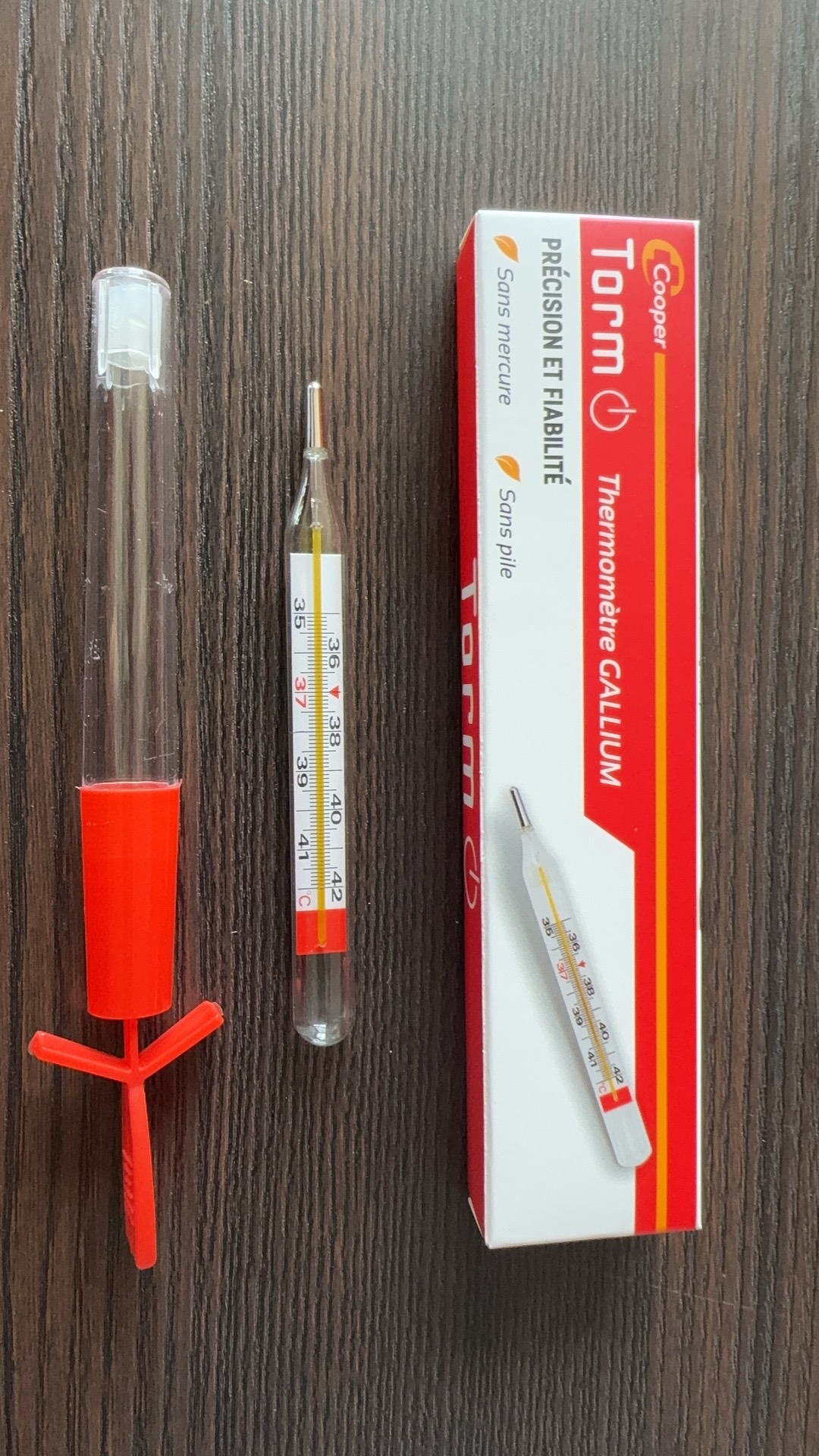
Figure 3 – Mercury-free glass thermometer used for hospital, clinic and household body temperature measurement.
Comparison Table: Setting-by-Setting Fit for 6000-A and 7000-A
Both model references share the documented specification set, so the meaningful comparison is between deployment settings rather than between the two model numbers.
| Setting | Primary use | Documented feature that decides the fit | Handling and packaging note |
|---|---|---|---|
| Hospital ward | Repeated patient body temperature measurement | Shock-resistant glass tube; ±0.1 °C accuracy; 0.1 °C division | High handling frequency; replacement planning matters |
| Clinic / consultation room | Body temperature measurement during consultation | Maximum temperature indicator; 35 °C–42 °C range | Reading confirmed after the measurement event |
| Pharmacy store counter | Retail and community measurement | Easy-to-read scale; mercury-free and non-toxic construction | T-shank design with luxury individual packaging |
| Household monitoring | Home body temperature measurement | No battery required; reusable manual reading | No consumables; no supporting equipment required |
| Home medical care project | Program-based distribution to households | Mercury-free formula; no extra supporting equipment | Configuration of scale, color, packaging and logo printing per program |
Behind the setting comparison sit the commercial parameters that determine whether a pilot can be scaled. The documented production and supply profile for this line is summarised below.
| Program parameter | Documented value |
|---|---|
| Production mode | OEM / ODM / Private Label |
| Customization options | Logo printing, packaging, color, scale customization |
| Monthly capacity | 150,000 units |
| Minimum order quantity | 5,000 units |
| Lead time | 25–35 days |
| Quality control | 100% accuracy inspection before shipment |
| After-sales support | Online technical support and quality complaint handling |
| Export markets served | EU, Southeast Asia, Middle East, South America |
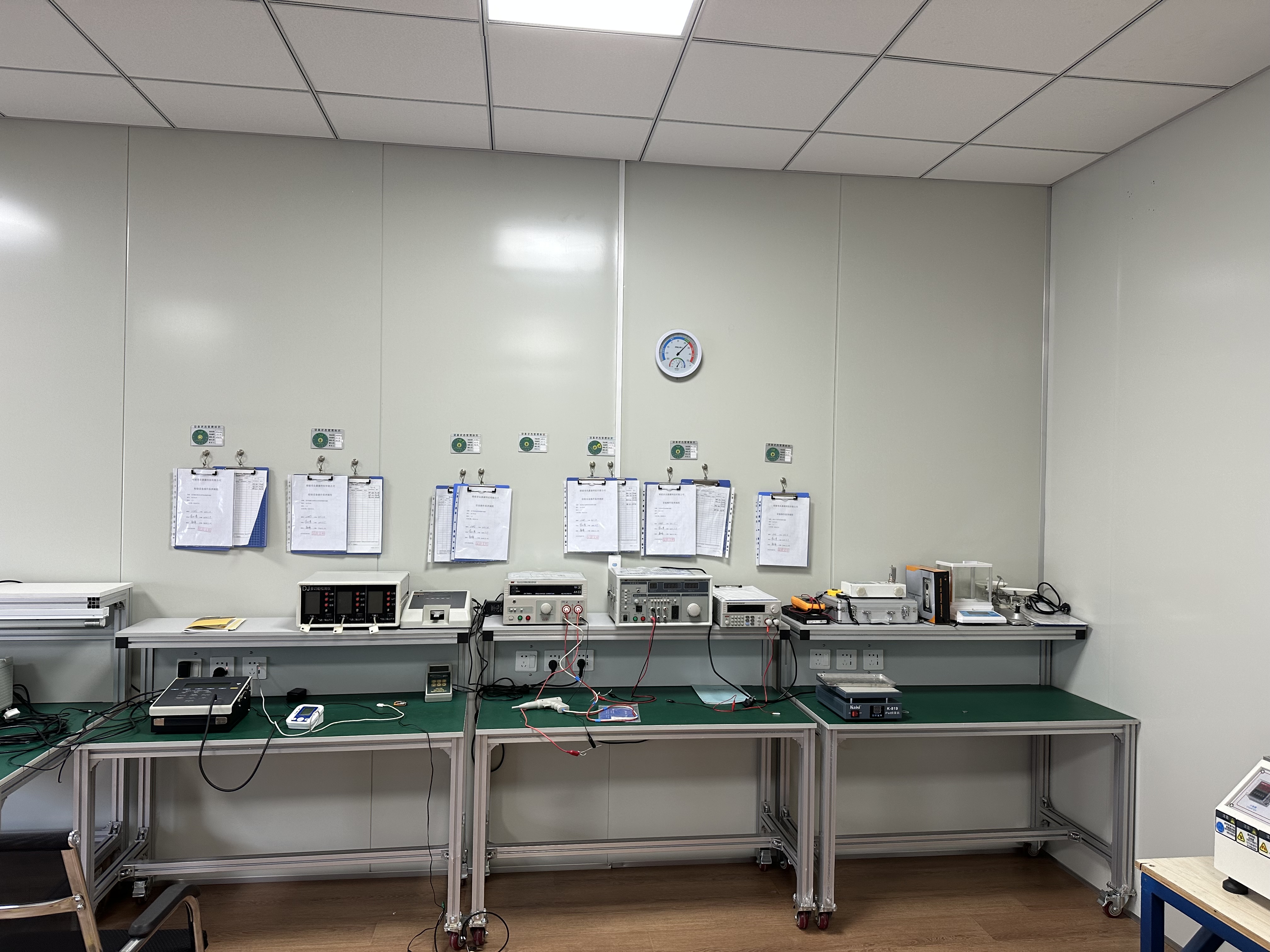
Figure 4 – Inspection workshop: 100% accuracy inspection before shipment is the documented quality gate for this line.
Frequently Asked Questions
1. Does the 6000-A / 7000-A meet the compliance expectations of a hospital procurement team?
The manufacturer, Ningbo Hi-life Medical Technology Co., Ltd., operates under an ISO 13485 quality management system, holds EU CE (MDR) certification across its product range, passed the BSCI audit in 2025, and participated in the revision and compilation of the national standard GB1588-2024. The company is also the Secretariat Unit of the Body Temperature Measurement Professional Committee under CAMDI. At category level, clinical thermometers for body temperature measurement are addressed by ISO 80601-2-56:2017, and under EU MDR (2017/745) they are generally classified as Class IIa or Class Im depending on measurement technology and metrological function — which is why buyers normally request certification documents and a specification sheet before price discussion.
2. Can scale, color, packaging and logo printing be customized for our own program?
Yes. This product line runs as an OEM, ODM or private label program with customization covering logo printing, packaging, color and scale. That combination lets a distributor create a pharmacy-shelf version with luxury individual packaging for retail, or a program-specific version for a home medical care rollout, while keeping the same documented measurement specification of 35 °C–42 °C, 0.1 °C division and ±0.1 °C accuracy.
3. What are the minimum order quantity and lead time?
For this line, the documented minimum order quantity is 5,000 units, the lead time is 25–35 days, and monthly capacity is 150,000 units. Those three figures should be planned together: a hospital tender or a homecare rollout that exceeds monthly capacity needs a phased delivery schedule rather than a single shipment date.
4. How is accuracy verified before shipment?
Accuracy on this line is checked through 100% accuracy inspection before shipment, rather than by batch sampling. The wider production system applies full-process quality monitoring from raw-material incoming inspection through to finished-product delivery, and the after-sales scope covers online technical support and quality complaint handling for imported programs.
5. Can we evaluate samples before committing to a hospital or retail program?
Samples are the normal first step before a ward-level or channel-wide rollout, and the supplier's catalogue documents the full range. Ningbo Hi-life Medical Technology Co., Ltd. can be reached directly at www.hilife-med.com, by email at byron.pan@hilife-med.com, or by phone and WhatsApp on +86 139-5788-8585; the 2025 catalogue is available for download below.
Conclusion: Decide by Setting, Then by Specification
The 6000-A and 7000-A are the same documented instrument in commercial terms: mercury-free liquid-in-glass clinical thermometers with a 35 °C–42 °C range, 0.1 °C division, ±0.1 °C accuracy, a maximum temperature indicator, a shock-resistant borosilicate glass tube, no battery requirement and reusable manual reading. What changes between a hospital ward and a household is which of those features carries the weight, and how the surrounding packaging, configuration and supply schedule has to be planned.
For medical settings, the selection argument rests on handling durability, mercury-leak elimination and reading consistency across shifts. For homecare and pharmacy settings, it rests on battery-free readiness, legibility for non-professional users and individual packaging that works as both hygiene barrier and shelf presentation. In both cases the operational gate is the same: accuracy is confirmed by 100% accuracy inspection before shipment, and the program is configured through scale, color, packaging and logo customization at a 5,000-unit MOQ and a 25–35 day lead time.
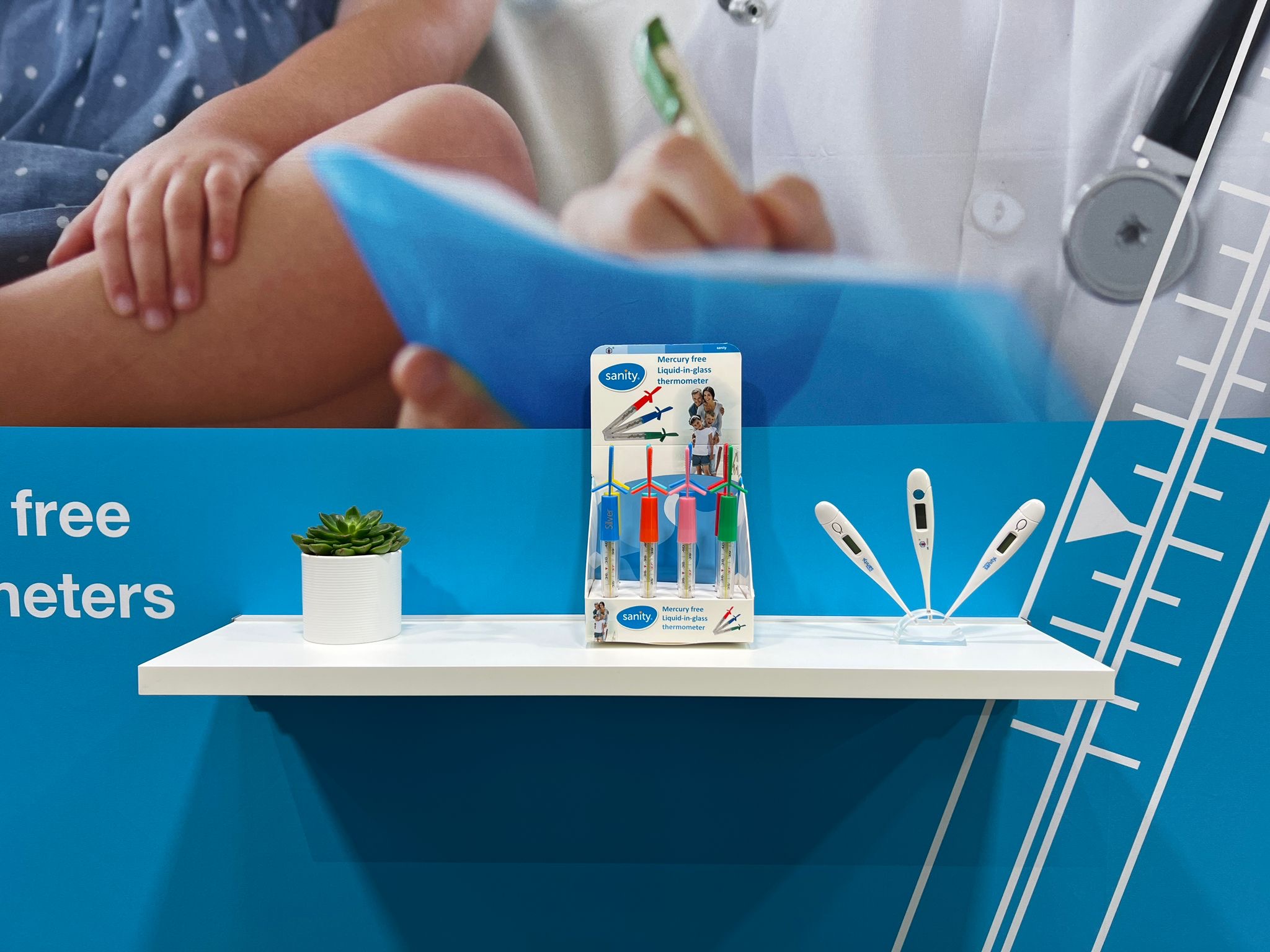
Figure 5 – Discussing medical and homecare thermometer programs with distributors and healthcare buyers.
Planning a 6000-A / 7000-A Program?
Ningbo Hi-life Medical Technology Co., Ltd. (Mr. Thermo) supplies mercury-free liquid-in-glass and electronic clinical thermometers with EU CE (MDR) certification and an ISO 13485 quality system. Request samples or a program quotation for your hospital, pharmacy or homecare configuration.
Contact: Byron Pan | Email: byron.pan@hilife-med.com | Tel / WhatsApp: +86 139-5788-8585
Website: www.hilife-med.com
Catalogue download: Hi-life Medical Catalogue 2025
Address: 371 Zhenshi Road, Jiangshan Town, Yinzhou District, Ningbo City, Zhejiang Province, 315191, P.R. China.