Clinical Thermometer Compliance Guide: Certification and Standards by Export Region
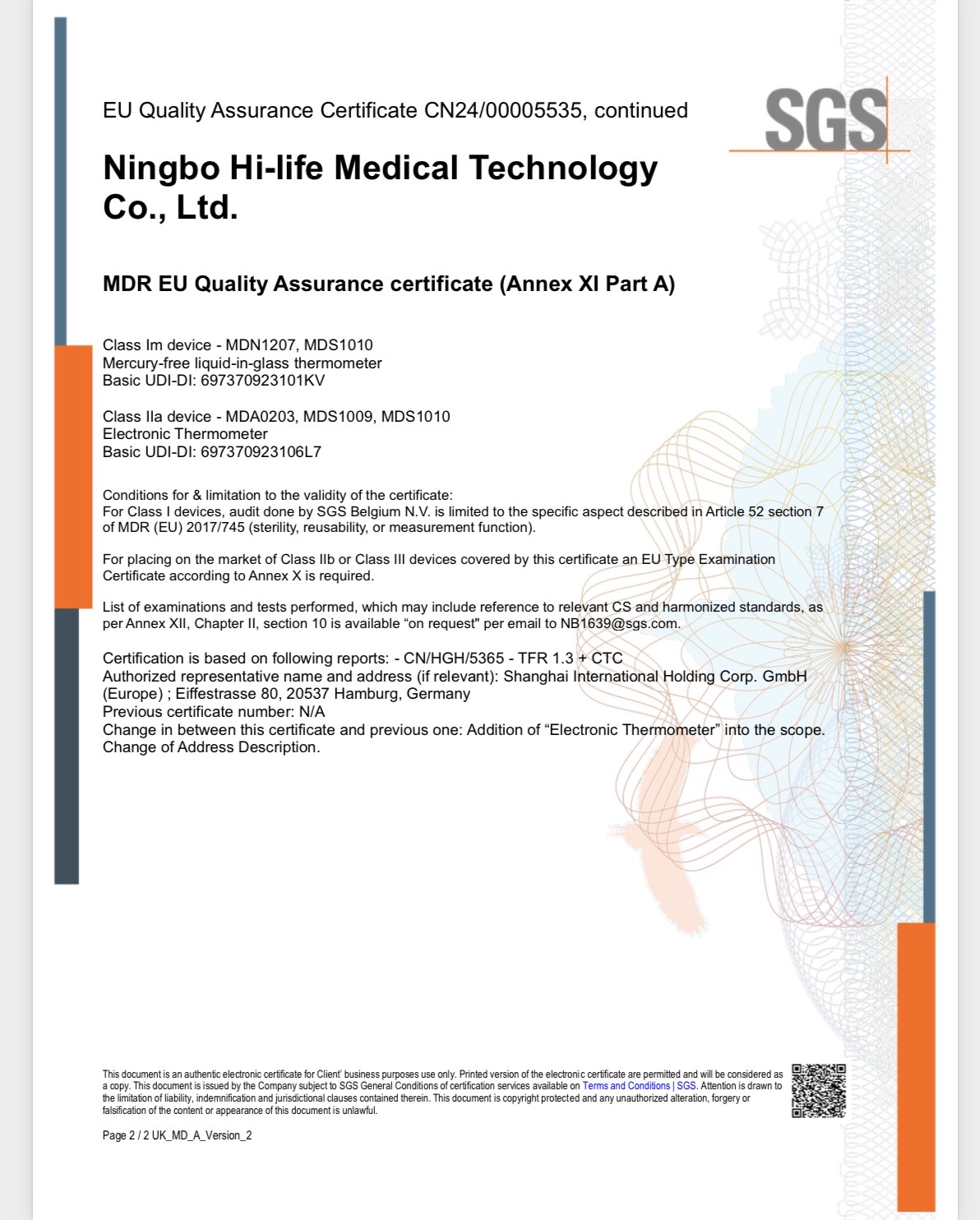
A clinical thermometer that clears one market can be stopped at the border of another. The CE MDR certificate held by Ningbo Hi-life Medical Technology Co., Ltd. — a clinical thermometer manufacturer based in Yinzhou District, Ningbo, China, producing mercury-free liquid-in-glass thermometers and electronic thermometers with roughly 70% of output exported — is issued by SGS under certificate number CN24/00005535 and is valid for the EU/EEA market from 22 January 2026 to 30 August 2029. It covers specific product models. It does not, on its own, satisfy national registration in Southeast Asia, the Middle East or South America.
That gap is the central procurement risk in this category. Regional requirements differ, so the practical answer is not a single certificate but a mapped compliance file: acceptance criteria confirmed per destination market, and those criteria written into purchasing terms before the order is released.
Why One Certificate Cannot Clear Every Export Market
Market access for medical devices is granted jurisdiction by jurisdiction, not product by product. A clinical thermometer — whether it is a mercury-free glass thermometer, a digital thermometer, or an infrared ear or forehead thermometer — is a regulated medical device. The European Union classifies products under Regulation (EU) 2017/745 (MDR), and clinical thermometers are generally classified as Class IIa or Class Im depending on measurement technology and metrological function. Other regions operate their own registration or notification systems.
The consequence for importers is predictable. A supplier can be fully compliant in one region and still see a shipment held in another, because the certificate that clears an EU entry does not automatically clear a national registration elsewhere. When that happens, the cost does not stay with the supplier: demurrage, re-export, relabelling and local registration penalties land on the importer's books.
ISO 80601-2-56:2017 is the international standard covering basic safety and essential performance of clinical thermometers for body temperature measurement. It gives buyers and manufacturers a shared technical baseline across markets. A technical standard, however, does not grant market access by itself. It supports it — certificates, registrations and documentation have to be layered on top.
Industry Background: A Mercury-Free Market With Heavier Paperwork
The global thermometer market is projected to grow from USD 2.2 billion in 2026 to USD 3.0 billion by 2030, according to Grand View Research. Mercury-free thermometers led that market in 2023 with a 69.1% revenue share. In 2024, global trade under HS code 902519 — thermometers excluding liquid-filled types — reached USD 4.93 billion, a 4.28% increase over 2023, based on OEC trade data.
That shift is structural rather than seasonal. Glass thermometers have moved from mercury to a borosilicate glass body with a non-toxic gallium-indium-tin alloy; electronic thermometers now carry fever alarms, automatic shut-off and IP-rated housings; infrared ear and forehead thermometers cover the fastest screening scenarios. As the technology mix widens, the technical documentation burden widens with it, because a single compliance file can no longer describe the whole product family.
For buyers, the implication is straightforward. The supply side is not short of clinical thermometers. What separates suppliers is whether the certificate scope, the expiry date and the model list actually match the order, and whether the supplier can restate the same evidence when a customs officer or a health authority asks.
The Compliance File: What Importers Should Gather Before Ordering
1. Quality system evidence
ISO 13485:2016 is the relevant quality management system for medical device manufacturing. On the mercury-free liquid-in-glass thermometer (product ID 7967, models 6000-A and 7000-A), EN ISO 13485:2016 is the standard referenced in the certification record, which means the system claim is verifiable against the technical file rather than accepted as a brochure statement. The company also passed a BSCI audit in 2025.
2. Product-level certification
- CE MDR certificate number CN24/00005535, issued by SGS, issue date 22 January 2026, expiry 30 August 2029, valid for the EU/EEA market.
- Scope covers the mercury-free liquid-in-glass thermometer (product 7967, models 6000-A and 7000-A) and the electronic thermometer (product 7968, models MT-518, MT-519, MT-811, MT-801 and ECT-1).
- For the electronic thermometer (product 7968), the applicable standard refers to report CN/HGH/5365-TFR 1.3 + CTC.
- RoHS, REACH and PPWR compliance statements are available for the clinical thermometer line alongside the CE MDR documentation.

3. Pre-shipment inspection evidence
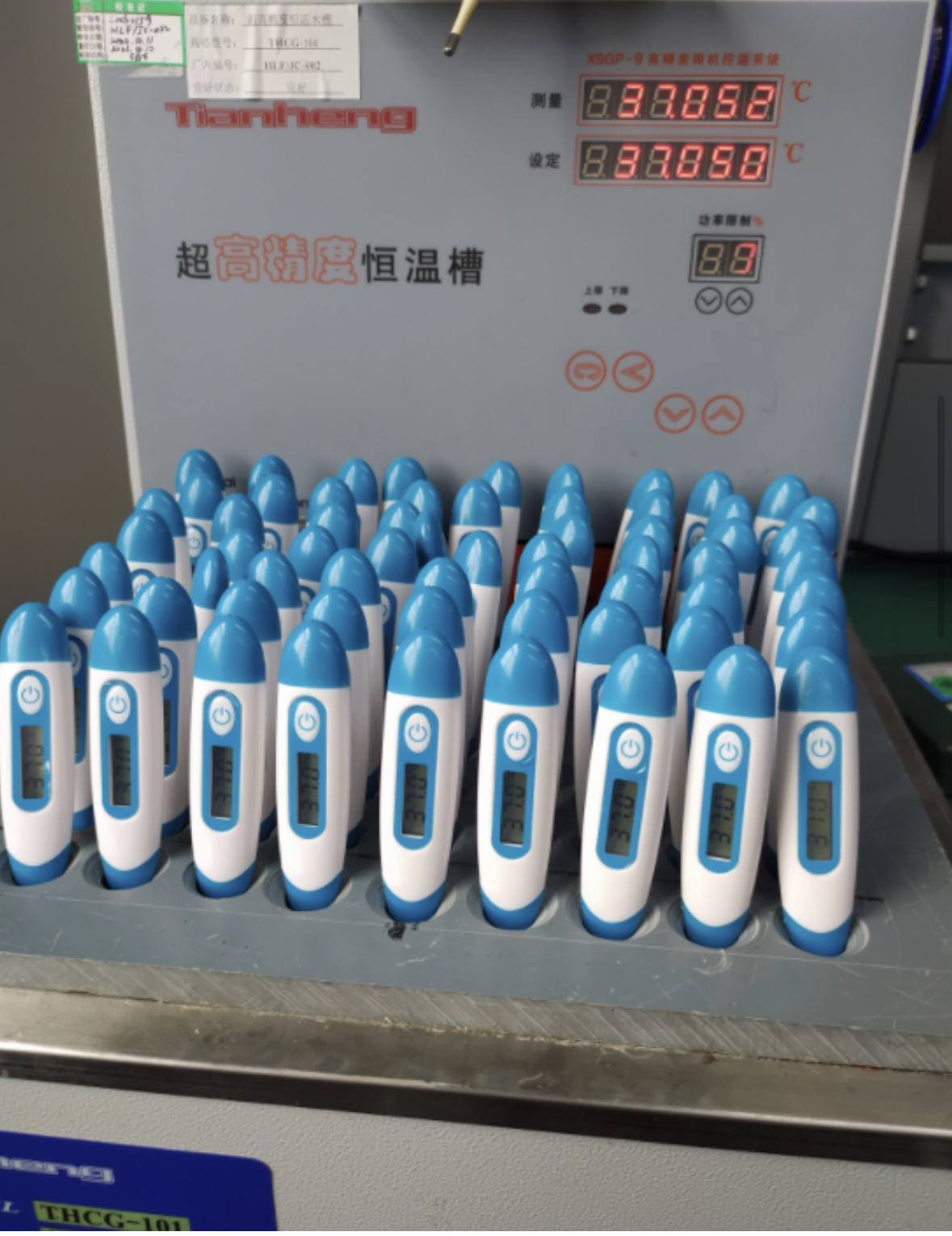
Certification protects a system; inspection protects a batch. Two controls sit on the production side: 100% accuracy inspection before shipment, and 100% functional and precision testing. Neither is a sampling regime, which matters during registration audits, because a documented 100% inspection record supports a batch-level traceability claim that sampling cannot.
4. Documentation the importer owns
Local registration dossiers, label and instruction-for-use language versions, authorised representative appointments and import licences are normally held by the importer or by a local registration holder — not by the manufacturer. Buyers who assume the supplier's certificate covers these items usually discover the gap only when a customs or health authority review begins.
Step-by-Step: Mapping Certification and Standards to Your Export Region
Step 1 — Fix the product technology path
Glass, electronic and infrared thermometers are handled differently in regulation, in logistics and in after-sales. The mercury-free liquid-in-glass thermometer (6000-A, 7000-A) uses a borosilicate glass tube with a non-toxic gallium-indium-tin alloy, requires no battery and is reusable. The electronic thermometer (MT-518, MT-519, MT-811, MT-801, ECT-1) uses a 1.5V button battery, an ABS plastic body with a stainless-steel probe, IP22 protection and a 45-second response time. Deciding the path first prevents a certificate mismatch later.
Step 2 — Match the certificate scope to exact model numbers
Certificate scope wording must name the models actually ordered. A scope listing MT-518 does not automatically cover a differently coded variant, and a customs officer reads the model string, not the product family. Compare the scope text against the purchase order line by line.
Step 3 — Check the validity window against the sales cycle
The CE MDR certificate runs from 22 January 2026 to 30 August 2029. If the intended sales window extends beyond the expiry date, recertification timelines should be written into the supply agreement rather than left as an informal expectation.
Step 4 — Break down registration and labelling per region
This is covered section by section below, because the required actions differ materially between the EU, Southeast Asia, the Middle East and South America.
Step 5 — Write the obligations into purchasing terms
Documentation deliverables, notification duties when a certificate is updated, and change control for materials or suppliers should appear in the contract. If they stay verbal, they disappear at the first engineering change.
Step 6 — Agree the after-sales and technical support path
Complaint handling is part of regulatory compliance, not a separate service topic. Online technical support and a defined quality complaint handling route should be documented before the first shipment, because device complaints feed back into post-market surveillance obligations in most markets.
Region-by-Region Compliance Mapping
European Union / EEA
The EU is the region where the documentation position is most concrete. Clinical thermometers generally fall under Class IIa or Class Im of Regulation (EU) 2017/745, depending on measurement technology and metrological function. The supplier's CE MDR certificate — number CN24/00005535, issued by SGS, valid 22 January 2026 to 30 August 2029 for the EU/EEA — explicitly covers the mercury-free liquid-in-glass thermometer (6000-A, 7000-A) and the electronic thermometer (MT-518, MT-519, MT-811, MT-801, ECT-1). EN ISO 13485:2016 is the standard referenced for product 7967, and report CN/HGH/5365-TFR 1.3 + CTC is referenced for product 7968. RoHS, REACH and PPWR compliance statements apply alongside. What the buyer still has to confirm: that the scope names the exact ordered models, that validity covers the full sales window, and which label and instruction languages the destination member state requires.
Southeast Asia
Southeast Asia is a set of national markets rather than one regulatory bloc, and no single regional mark substitutes for national registration or notification of a medical device. The common technical baseline remains ISO 13485:2016 as the manufacturing quality system and ISO 80601-2-56:2017 as the safety and performance reference for clinical thermometers. In practice, importers work through a local registration holder and confirm, before the purchase order, who holds that registration, which label language is required, the scope of the import licence, and how long the registration remains valid. Treating local registration as a post-arrival formality is the most common cause of held shipments in this region.
Middle East
Middle Eastern markets vary by country, but most require a local authorised representative or distributor to hold the device registration, and several require consular or chamber legalisation of commercial and regulatory documents. The items to confirm before ordering are therefore administrative as much as technical: who holds the registration file, which languages the label and instructions must carry, how long document legalisation takes relative to the production and shipping window, and whether the registration is tied to a specific importing entity. Because legalisation runs on its own schedule, it should be sequenced alongside the 25–35 day production lead time rather than started after shipment.
South America
South American requirements are national and vary in dossier content, validity period and the role of the local importer. Buyers generally need a registered local importer to hold the sanitary registration. Before committing, confirm the dossier components your national authority expects, how long the registration stays valid, whether any additional technical documentation is required beyond the existing CE MDR file, and how the registration is transferred if you change importer. This is the region where the assumption that an EU certificate is sufficient creates the largest downstream cost.
Use Cases: Where Regional Compliance Differences Change the Order
A French healthcare importer and supermarket retailer ordered 100,000 units over three years for home-use and community medical temperature screening. The relevant constraint was EU MDR alignment, and the specified configuration included a fever alarm function, a portable size and an optional soft probe tip. The recorded outcome was fast measurement, a low defective rate and demonstrated conformity with EU MDR requirements. For this buyer, the compliance work was front-loaded: the certificate scope had to list the exact electronic thermometer models, and the label language had to satisfy French market expectations before the first container moved.
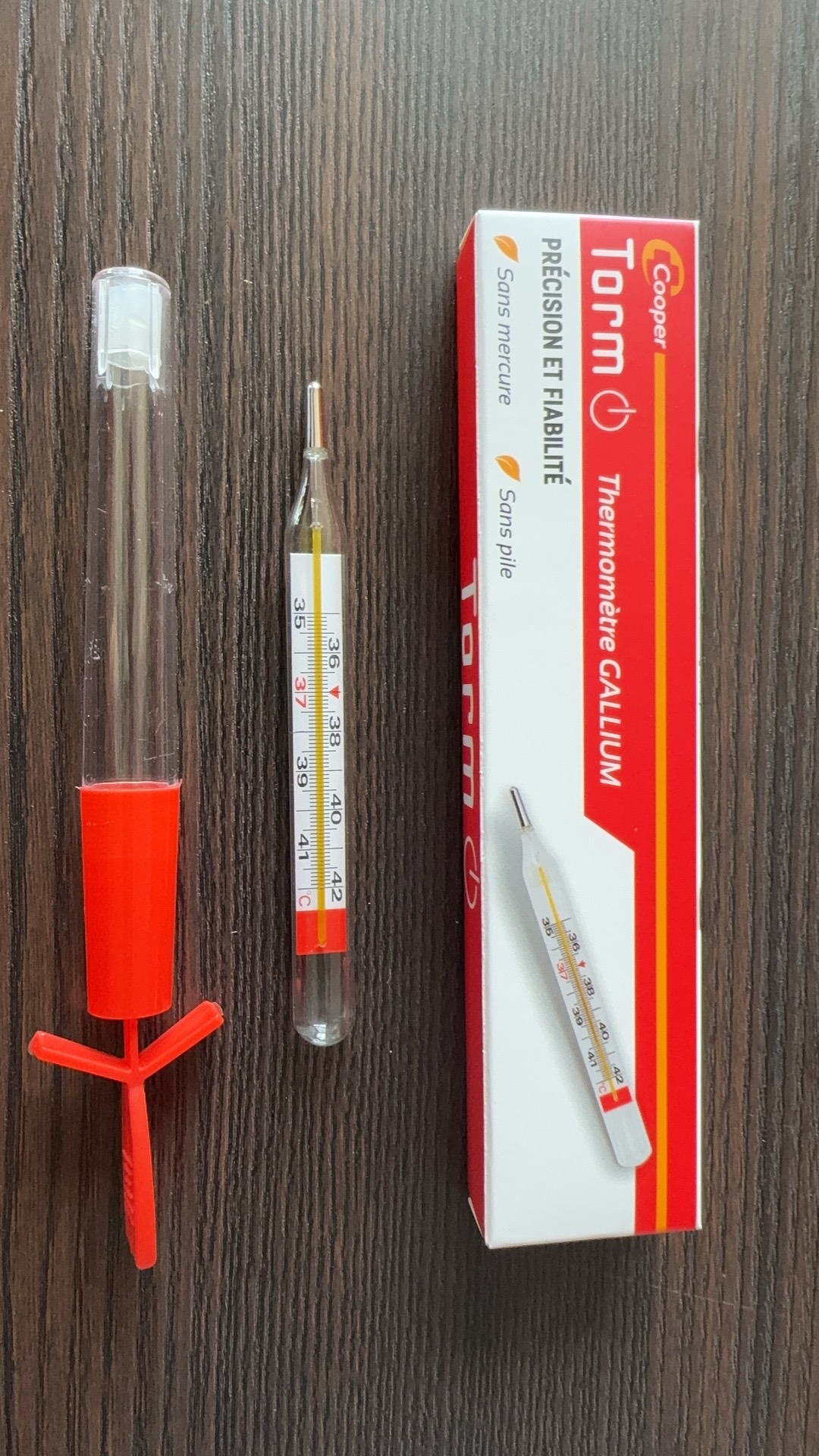
A German medical distributor and pharmacy wholesaler ordered 50,000 units over three years for hospital, clinic and household body temperature measurement, using the mercury-free liquid-in-glass thermometer (6000-A, 7000-A). The reported results were stable measuring accuracy, zero mercury-leak risk and positive market feedback, with an eco-friendly mercury-free formulation, a shock-resistant tube and an easy-reading scale as the defining characteristics. Here the compliance driver was material composition rather than electronics: the gallium-indium-tin alloy filling and the borosilicate glass body carry the mercury-free claim, and that claim has to be documented, not just stated.
Verified Comparison Tables
The two tables below separate what is verified from what the buyer must confirm locally. Both distinctions matter during a registration review.
| Export region | Verified compliance basis | Covered products | Buyer must confirm before ordering |
|---|---|---|---|
| EU / EEA | CE MDR certificate CN24/00005535 (SGS), issued 22 Jan 2026, expiry 30 Aug 2029; EN ISO 13485:2016 for product 7967; report CN/HGH/5365-TFR 1.3 + CTC for product 7968; RoHS, REACH and PPWR compliance statements | Mercury-free liquid-in-glass thermometer 6000-A, 7000-A; electronic thermometer MT-518, MT-519, MT-811, MT-801, ECT-1 | That the certificate scope names the exact ordered models; that validity covers the full sales window; required label and instruction-for-use languages |
| Southeast Asia | ISO 13485:2016 manufacturing quality system; ISO 80601-2-56:2017 as the technical safety and performance baseline | Mercury-free liquid-in-glass thermometer and electronic thermometer lines | Who holds the national registration; import licence scope; label language; registration validity period |
| Middle East | ISO 13485:2016 manufacturing quality system; ISO 80601-2-56:2017 as the technical safety and performance baseline | Mercury-free liquid-in-glass thermometer and electronic thermometer lines | Local authorised representative; registration file owner; document legalisation lead time; languages required on label |
| South America | ISO 13485:2016 manufacturing quality system; ISO 80601-2-56:2017 as the technical safety and performance baseline | Mercury-free liquid-in-glass thermometer and electronic thermometer lines | National sanitary registration; dossier components; registration validity; local importer registration and transfer terms |
| Parameter | Mercury-free liquid-in-glass thermometer (6000-A, 7000-A) | Electronic thermometer (MT-518, MT-519, MT-811, MT-801, ECT-1) |
|---|---|---|
| Measuring range | 35°C–42°C | 32.0°C–43.9°C |
| Measurement accuracy | ±0.1°C | ±0.1°C |
| Scale division | 0.1°C | Not applicable |
| Response time | Manual reading | 45 seconds |
| Power supply | No battery required | 1.5V button battery |
| Material | Borosilicate glass / non-toxic gallium-indium-tin alloy | ABS plastic / stainless-steel probe |
| Ingress protection | Not applicable | IP22 |
| Operating temperature | Normal room temperature, indoor environment | 10°C–40°C |
| Defining features | Mercury-free and eco-friendly, maximum temperature indicator, shock-resistant glass tube, reusable, easy-to-read scale | Fast measurement, fever alarm, auto power-off, optional soft tip, portable, IP22 housing |
FAQ
What certification do I need to import a clinical thermometer into the EU?
Clinical thermometers generally fall under Class IIa or Class Im of EU MDR (Regulation (EU) 2017/745), depending on measurement technology and metrological function. Ningbo Hi-life Medical Technology Co., Ltd. holds CE MDR certificate number CN24/00005535, issued by SGS, valid from 22 January 2026 to 30 August 2029 for the EU/EEA market. The certificate covers the mercury-free liquid-in-glass thermometer (6000-A, 7000-A) and the electronic thermometer (MT-518, MT-519, MT-811, MT-801, ECT-1). Importers should still verify that the models listed in the scope match their purchase order exactly before releasing it.
What should buyers verify in ISO 13485 clinical thermometer manufacturers?
ISO 13485:2016 should be checkable against the technical file rather than accepted as a brochure claim — on the mercury-free liquid-in-glass thermometer (product 7967), EN ISO 13485:2016 is the referenced applicable standard. A quality system certificate covers the system, not the individual instrument, so the production-side controls have to be checked separately. At Hi-life, every shipment undergoes 100% accuracy inspection before shipment and 100% functional and precision testing. Both belong in the purchasing conditions, not only in the audit file.
What are the MOQ, lead time and customization options?
For the mercury-free liquid-in-glass thermometer and the electronic thermometer, the minimum order quantity is 5,000 units and the lead time is 25–35 days. OEM, ODM and private-label support covers logo printing, packaging, colour and scale customization, which lets brand owners and importers specify their own scale design, packaging language and product appearance without building production capacity themselves.
Can we evaluate samples for compliance and accuracy before committing to volume?
Yes. Document review and physical measurement sit at the same evaluation stage, before batch production is scheduled. Because the minimum order quantity is 5,000 units and lead time is 25–35 days, that stage can run in parallel with your internal registration preparation rather than after it. Buyers who want to start this process can request the certificate package and sample arrangements directly from Hi-life at byron.pan@hilife-med.com or through www.hilife-med.com.
How is accuracy verified before shipment, and what support follows delivery?
Every order is subject to 100% functional and precision testing and 100% accuracy inspection before shipment — this is a full-inspection regime rather than sampling, which is what makes batch-level traceability statements defensible during a registration audit. After delivery, after-sales coverage includes online technical support, a spare-parts solution and quality complaint handling. For buyers who need product specifications, model lists and configuration options in one document, the Hi-life Medical 2025 product catalogue can be downloaded directly.
Conclusion
Compliance for clinical thermometers is a regional exercise, not a single document. A CE MDR certificate issued by SGS under number CN24/00005535, valid to 30 August 2029 and scoped to named models, solves the EU/EEA entry question. It does not solve national registration in Southeast Asia, authorised-representative requirements in the Middle East, or sanitary registration in South America. Each of those is confirmed locally, and each has its own lead time.
The practical sequence that works is consistent: fix the product technology, match the certificate scope to exact model codes, check validity against the sales window, confirm registration and labelling obligations per destination, and then write all of it into the purchase contract. Pair that with 100% functional and precision testing before shipment and a documented after-sales route, and the compliance file stays intact from purchase order to shelf.
Ningbo Hi-life Medical Technology Co., Ltd. manufactures mercury-free liquid-in-glass thermometers and electronic thermometers at its Ningbo facility, with OEM, ODM and private-label support, an MOQ of 5,000 units and a 25–35 day lead time. Buyers preparing a regional registration can start with the certificate package at www.hilife-med.com or contact byron.pan@hilife-med.com.