Clinical Thermometer Manufacturers: How to Source Mercury-Free and Electronic Clinical Thermometers
Clinical thermometers are essential for fast, reliable body-temperature measurement in hospitals, clinics, pharmacies, and households. When procurement teams look for clinical thermometer manufacturers, they usually need more than a product photo: they need a supplier that can demonstrate accuracy, comply with medical-device rules, control quality in production, and support packaging or private-label requirements.
NINGBO HI-LIFE MEDICAL TECHNOLOGY CO.,LTD is a Ningbo-based manufacturer of clinical medical thermometers. Its main product lines are mercury-free liquid-in-glass thermometers and electronic thermometers, with a wider range that also includes infrared ear and forehead thermometers, industrial infrared thermometers, and water thermometers.
Problem Definition: Sourcing a Clinical Thermometer Is a Compliance and Accuracy Decision
Temperature measurement appears simple, but clinical thermometers are regulated medical devices in many markets. A thermometer that is inexpensive but unverified can create problems: inaccurate readings, failed customs inspections, rejected batches, or safety concerns after distribution.
The shift away from mercury has made product selection more complex. According to Grand View Research, the mercury-free thermometers segment held the largest revenue share of the thermometer market in 2023 at 69.1%. The same research projects that the global thermometer market will grow from USD 2.2 billion in 2026 to USD 3.0 billion by 2030. In global trade, the Observatory of Economic Complexity reports that trade under HS code 902519 reached USD 4.93 billion in 2024.
Buyers therefore need to understand three things: which thermometer technology fits the use case, which regulatory standards apply, and whether a manufacturer can prove consistent production quality.
Industry Background: Standards and Market Drivers
Clinical thermometers are governed by well-defined technical and regulatory requirements. ISO 80601-2-56:2017 covers the basic safety and essential performance of clinical thermometers for body-temperature measurement. In the European Union, clinical thermometers are generally classified as Class IIa or Class Im under Regulation (EU) 2017/745 (MDR), depending on the measurement technology and metrological function.
These requirements matter because clinical thermometers are exported across borders. CE marking under the MDR is particularly important for suppliers shipping to Europe, and distributors often use it as a first check of whether a manufacturer is prepared for regulated markets.
Several trends are visible in the market. First, mercury-free products are now mainstream rather than niche. Second, digital electronic thermometers remain a basic homecare product because they are fast, easy to read, and inexpensive. Third, buyers increasingly expect a manufacturer to support packaging, branding, and documentation rather than simply supply a bare product.
Detailed Solution: What a Reliable Clinical Thermometer Manufacturer Should Offer
Company Profile and Production Scale
NINGBO HI-LIFE MEDICAL TECHNOLOGY CO.,LTD, established in 2014 and formerly known as Ningbo Yinzhou Medical Instrument Factory (est. 1986), operates a 9,700-square-meter facility in Jiangshan Town, Yinzhou, Ningbo. The company employs approximately 55 staff and has an annual production capacity of 3,500,000 units.
The company also plays an active role in the industry: it serves as the Secretariat Unit of the Body Temperature Measurement Professional Committee under the China Association for Medical Devices Industry (CAMDI) and participated in the revision and compilation of the national standard GB1588-2024.
Product Portfolio
The company specializes in clinical medical thermometers. Main products include mercury-free liquid-in-glass thermometers and electronic thermometers. The full range also includes eco-friendly glass thermometers, infrared ear and forehead thermometers, industrial infrared thermometers, and water thermometers.
Within the two core clinical categories covered in this guide:
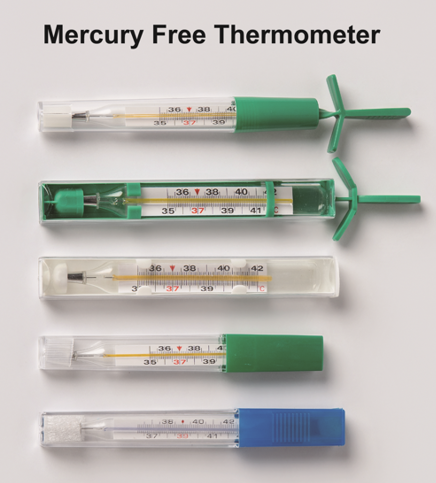
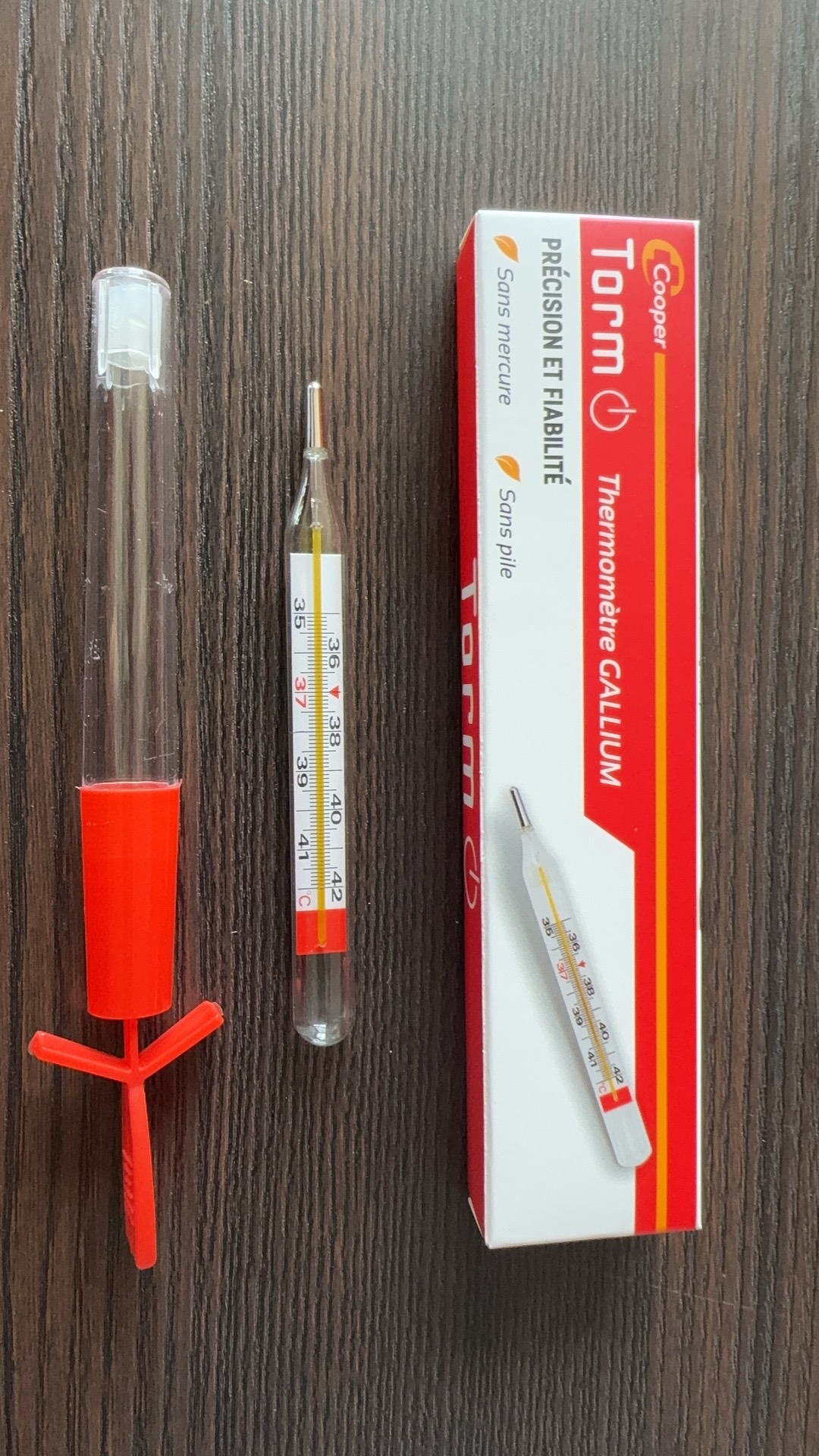
- Mercury-free liquid-in-glass thermometers (6000-A, 7000-A): measuring range 35℃ to 42℃, scale division 0.1℃, accuracy ±0.1℃, maximum temperature indicator, shock-resistant glass tube, borosilicate glass with a non-toxic gallium-indium-tin alloy filling.
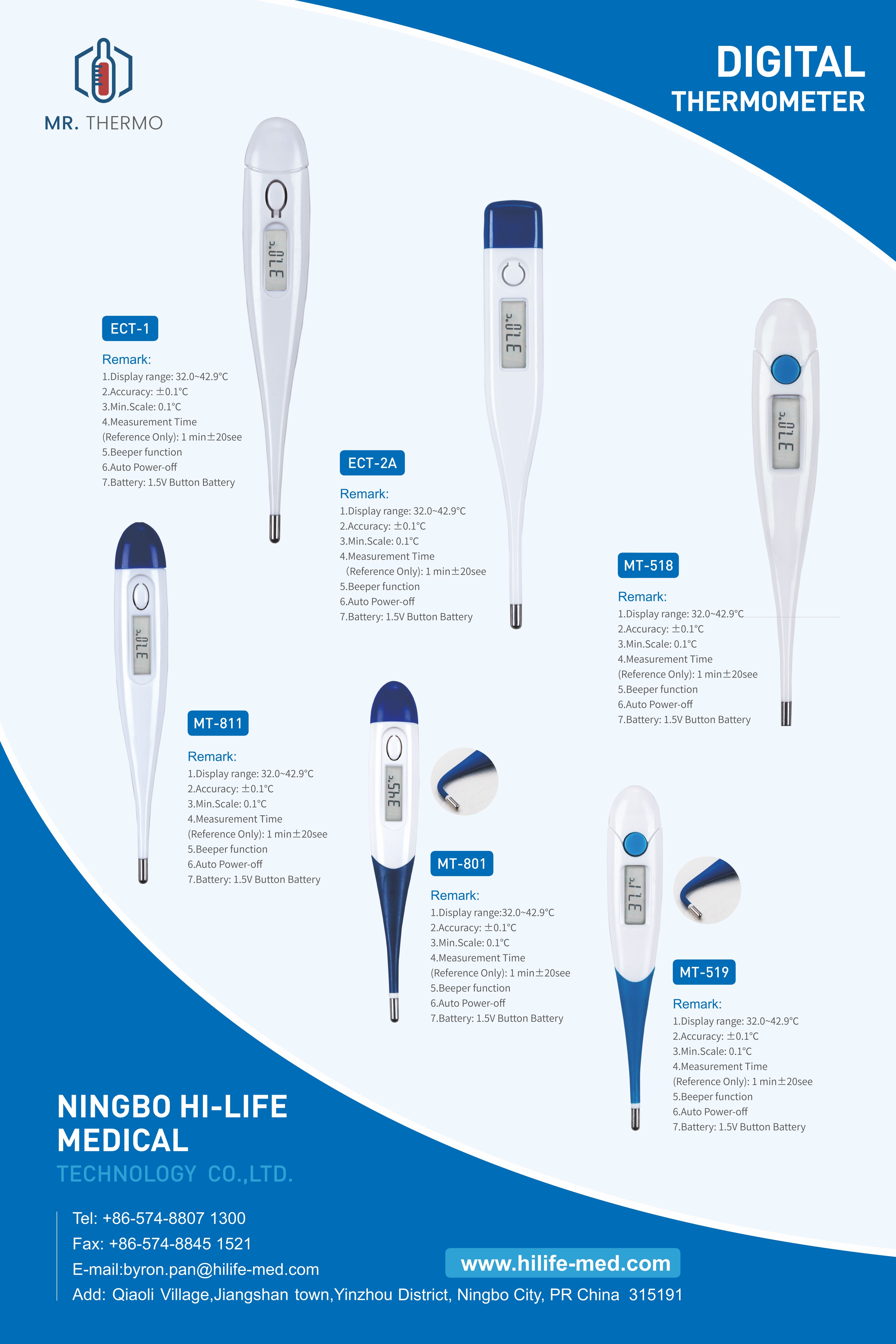
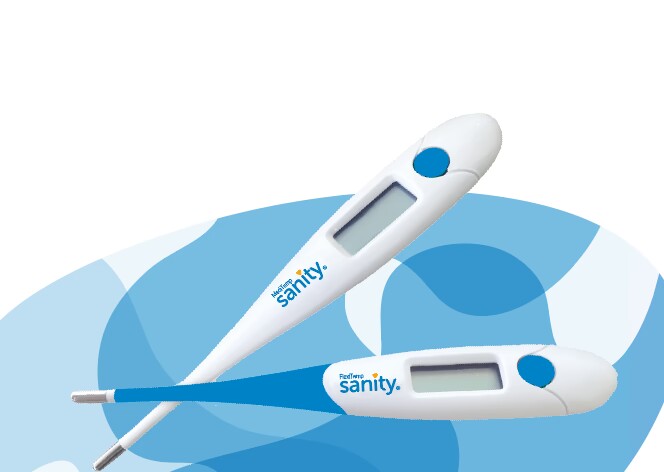
- Electronic thermometers (MT-518, MT-519, MT-811, MT-801, ECT-1): measuring range 32.0℃ to 43.9℃, accuracy ±0.1℃, 45-second response, fever alarm, auto power-off, optional soft tip, 1.5V button battery, IP22, operating temperature 10℃ to 40℃.
Quality, Compliance, and Manufacturing Control
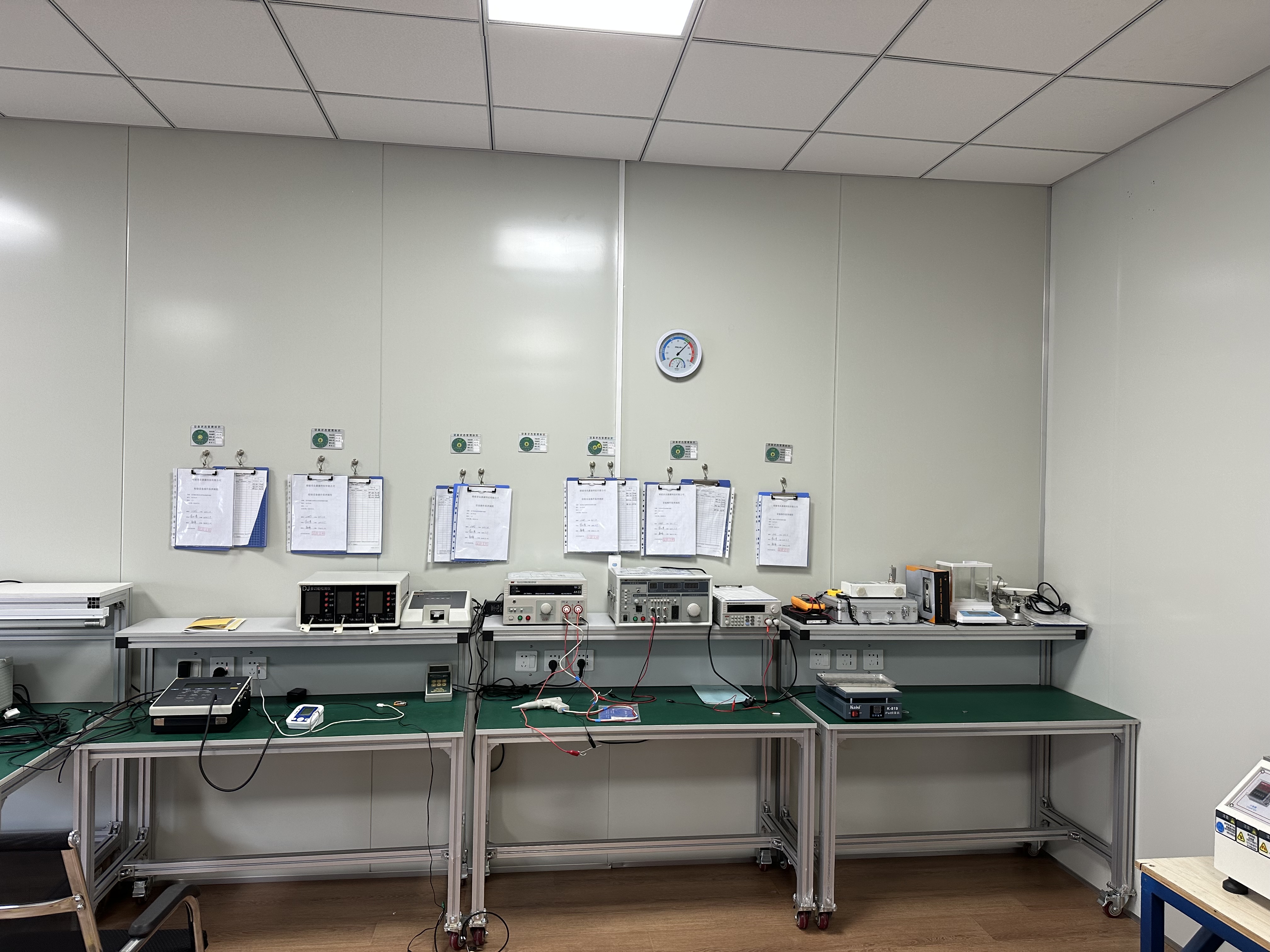
All products from NINGBO HI-LIFE MEDICAL TECHNOLOGY CO.,LTD have obtained EU CE (MDR) certification. The company adheres to the ISO 13485 quality management system and passed the BSCI audit in 2025. Production is carried out in standardized workshops with full-process quality monitoring, from raw-material incoming inspection to finished-product delivery.
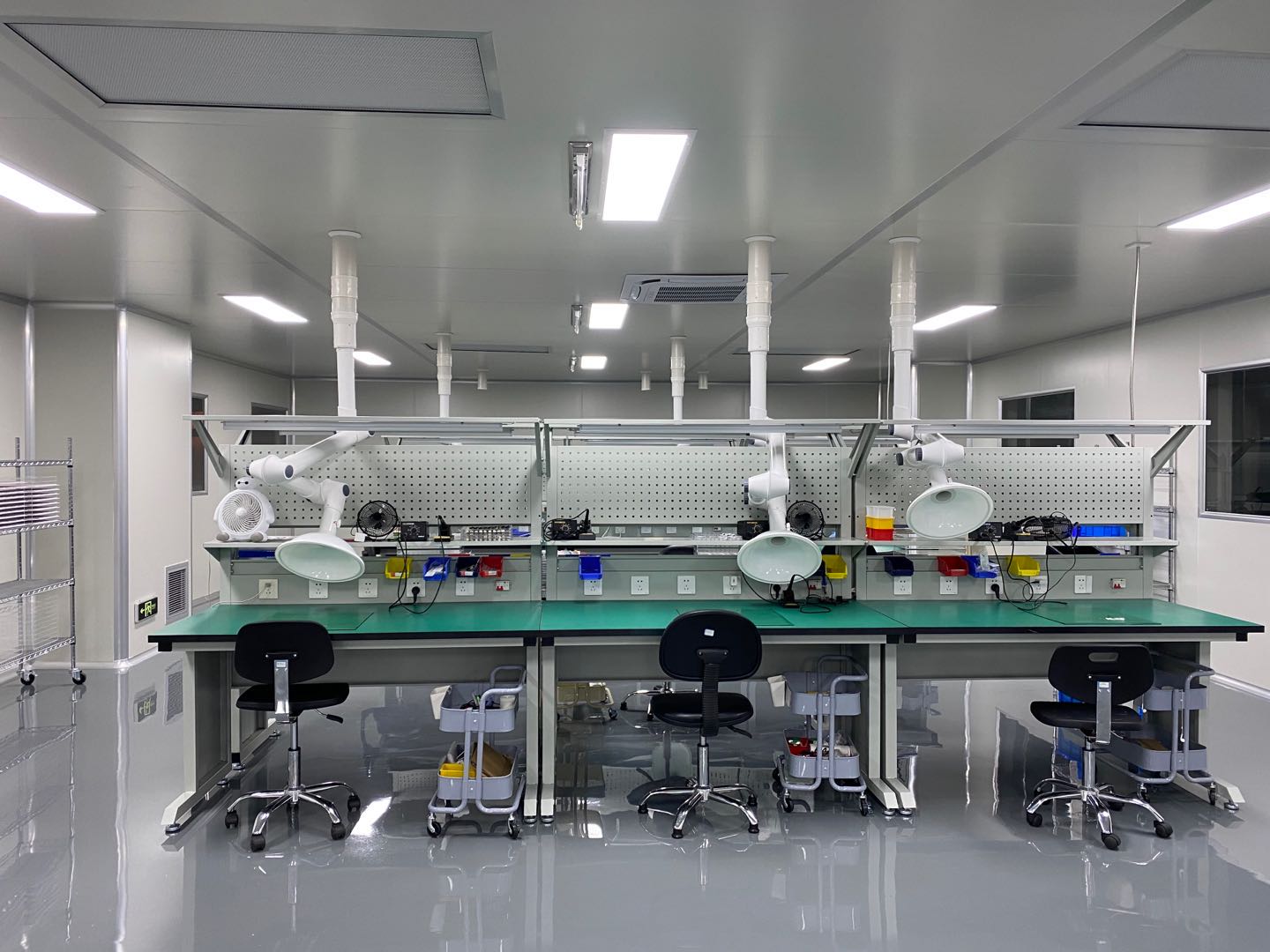
In-house technical R&D is supported by a team of 8 engineers and well-equipped testing laboratories. The company regularly participates in international medical expos such as MEDICA to maintain awareness of industry trends and new requirements.
Customization and Sourcing Support
The company provides flexible OEM and ODM customization services to meet different buyer needs. These services cover product development, private labeling, and tailored packaging solutions. This is important for distributors and healthcare wholesalers that need a consistent brand identity across retail channels.
Export business accounts for 70% of total sales, with major markets in the European Union and the United States. Products are exported to more than 50 countries and regions, including EU member states, the United Kingdom, Russia, Vietnam, Ukraine, Uzbekistan, Turkey, Tunisia, Mexico, Chile, Colombia, and others.
Step-by-Step: How to Evaluate Thermometer Manufacturers Before Sourcing
Step 1: Define the Use Case
Clarify where the thermometer will be used. Home medical care, hospital departments, pharmacy retail, and clinical temperature-measurement projects all create different expectations for response speed, readability, packaging, and price sensitivity.
Step 2: Confirm Accuracy and Measurement Range
Check the accuracy specification and the range. For body-temperature measurement, a common clinical specification is ±0.1℃. Mercury-free glass thermometers typically cover 35℃ to 42℃, while electronic thermometers in this range cover 32.0℃ to 43.9℃.
Step 3: Review Regulatory Documentation
Ask whether the product meets the relevant standard for clinical thermometers, such as ISO 80601-2-56, and whether CE marking under EU MDR is in place. For regulated markets, CE (MDR) certification is a basic requirement for legal sale.
Step 4: Evaluate Manufacturing and Quality Control
A factory tour or audit helps confirm whether production is standardized and whether quality monitoring covers raw materials, manufacturing, inspection, and final delivery. Certifications such as ISO 13485 and a completed BSCI audit are signs that quality and social compliance processes are documented.
Step 5: Check Customization and Packaging Capability
Buyers should verify whether the supplier can support OEM or ODM projects, including private labeling and tailored packaging. This is especially relevant for wholesalers and pharmacy chains that sell under their own brand.
Step 6: Assess Export and Supply Experience
Consider the manufacturer's export experience. A supplier with a high export ratio and established markets in the EU and USA is more likely to understand documentation, packaging expectations, and compliance requirements outside its home market.
Step 7: Request Samples, Documentation, and a Formal Quotation
Finally, request product samples, a catalogue, and a written quotation. Use the sample to verify readability, build quality, and consistency with the specification sheet before placing a larger order.
Use Cases: Where Each Clinical Thermometer Type Fits
Hospitals and Clinical Temperature-Measurement Projects
For clinical and home medical care projects, users need high precision, portability, and an over-temperature alarm for fast fever identification. Electronic thermometers with a fever alarm meet this requirement with automatic measurement and a 45-second response time.
Pharmacies and Retail Homecare Channels
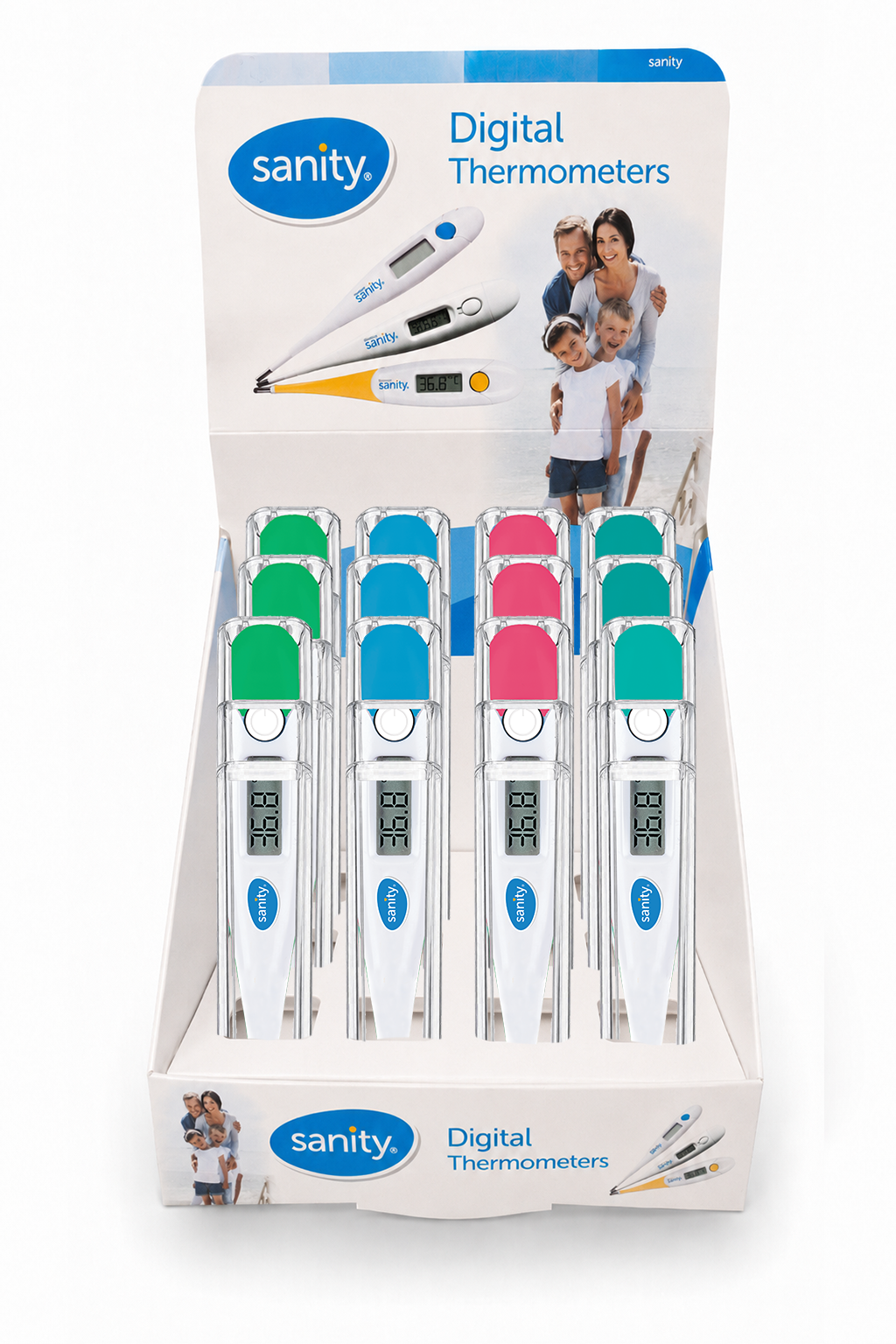
Pharmacies and homecare retailers often need products that are easy to display, easy to explain, and safe for household use. Digital thermometer retail display boxes help consumers identify the product quickly, while mercury-free glass thermometers provide a battery-free and reusable option for homes that prefer a traditional thermometer.
Households That Prefer Mercury-Free and Battery-Free Products
Mercury-free glass thermometers are designed for precise clinical and home body-temperature measurement. They use a non-toxic gallium-indium-tin alloy, are reusable, require no battery, and are easy to read. For normal room-temperature indoor use, they are a practical alternative to mercury thermometers.
Comparison Table: Mercury-Free Glass vs. Electronic Clinical Thermometer
| Feature | Mercury-Free Glass Thermometer (6000-A, 7000-A) | Electronic Thermometer (MT-518, MT-519, MT-811, MT-801, ECT-1) |
|---|---|---|
| Category | Mercury-free liquid-in-glass thermometer | Clinical thermometer / electronic thermometer |
| Measurement range | 35℃–42℃ | 32.0℃–43.9℃ |
| Accuracy | ±0.1℃ | ±0.1℃ |
| Response | Manual reading; reusable | 45 seconds |
| Power | No battery required | 1.5V button battery |
| Materials | Borosilicate glass; non-toxic gallium-indium-tin alloy | ABS plastic; stainless-steel probe |
| Key features | Maximum temperature indicator; shock-resistant glass tube | Fever alarm; auto power-off; soft optional tip; IP22 |
| Operating environment | Normal room temperature; indoor use | 10℃–40℃ |
| Typical use | Clinical and home body-temperature measurement | Fast body-temperature testing; fever reminder |
FAQ
What compliance and certification documents should a clinical thermometer manufacturer provide?
For regulated markets such as the European Union, buyers should check whether all products carry EU CE (MDR) certification and whether the manufacturer follows the ISO 13485 quality management system. A BSCI audit can also be relevant for distributors that monitor social compliance in their supply chain. NINGBO HI-LIFE MEDICAL TECHNOLOGY CO.,LTD holds EU CE (MDR) certification for all products, adheres to ISO 13485, and passed the BSCI audit in 2025.
Are mercury-free glass thermometers as accurate as traditional mercury thermometers?
Mercury-free liquid-in-glass thermometers can provide the same level of precision for body-temperature measurement. The 6000-A model has a measuring range of 35℃ to 42℃ and an accuracy of ±0.1℃. It uses a non-toxic gallium-indium-tin alloy instead of mercury, which removes mercury leakage risk while keeping reusable, battery-free measurement. The product complies with CE MDR.
Should a buyer choose a glass thermometer or an electronic thermometer?
The choice depends on the application. A mercury-free glass thermometer is suitable for households and clinical environments that want reusable, battery-free measurement with a traditional reading method. An electronic thermometer is a better choice when fast measurement, fever alarm, portability, and clear digital display are priorities. In the comparison above, both types provide ±0.1℃ accuracy, but the electronic thermometer has a longer measurement range and a 45-second response time.
Can a manufacturer support private-label packaging for pharmacy or wholesale programs?
Yes. NINGBO HI-LIFE MEDICAL TECHNOLOGY CO.,LTD provides flexible OEM and ODM customization covering product development, private labeling, and tailored packaging solutions. This allows distributors, pharmacy chains, and healthcare wholesalers to sell clinical thermometers under their own brand with packaging designed for their retail channels.
How can I request a sample or quotation from the manufacturer?
Buyers can contact Byron Pan by email at byron.pan@hilife-med.com, by phone or WhatsApp at +86 139-5788-8585. The factory is located at 371 Zhenshi Road, Jiangshan Town, Yinzhou District, Ningbo City, Zhejiang Province, 315191, P.R. China. A company catalogue is available for review before requesting samples or a formal quotation.
Conclusion
Sourcing clinical thermometers from a manufacturer is not only a price decision. It is a decision about accuracy, medical compliance, production control, and the ability to support a brand or channel. Buyers should verify specifications, ask for certificates, understand the manufacturing process, and evaluate customization options before placing an order.
NINGBO HI-LIFE MEDICAL TECHNOLOGY CO.,LTD offers CE (MDR)-certified mercury-free liquid-in-glass thermometers and electronic thermometers for medical-device and homecare applications. With a 9,700 m² facility, an annual capacity of 3,500,000 units, an in-house R&D team, and full-process quality monitoring, the company is positioned to support distributors, medical institutions, and healthcare wholesalers.
Download the Hi-life Medical 2025 Catalogue, visit www.hilife-med.com, or contact Byron Pan at byron.pan@hilife-med.com / WhatsApp for sample and quotation requests.