
Certified Digital vs. Cheap Uncertified Clinical Thermometers: Which to Import?
Short answer: If you intend to resell clinical thermometers under your own brand, the certified electronic thermometer is the lower-risk purchase — but only when the supplier can also demonstrate pre-shipment accuracy verification, offer a workable quality-complaint route, and ship into your target market's regulatory framework. A cheap uncertified unit is not simply a cheaper version of the same product; it is a product whose conformity route, accuracy evidence and complaint history you will have to carry yourself. The correct comparison is certified unit price against the total exposure of an undocumented device, not certified price against the lowest quote on the table.
Ningbo Hi-life Medical Technology Co., Ltd. — trading brand Mr. Thermo — is a clinical thermometer manufacturer based in Jiangshan Town, Yinzhou District, Ningbo, China. The company produces mercury-free liquid-in-glass thermometers and electronic thermometers, and its wider range also covers infrared ear and forehead thermometers and related thermometer categories. It states CE (MDR) certification across its product range and operates under an ISO 13485 quality management system.
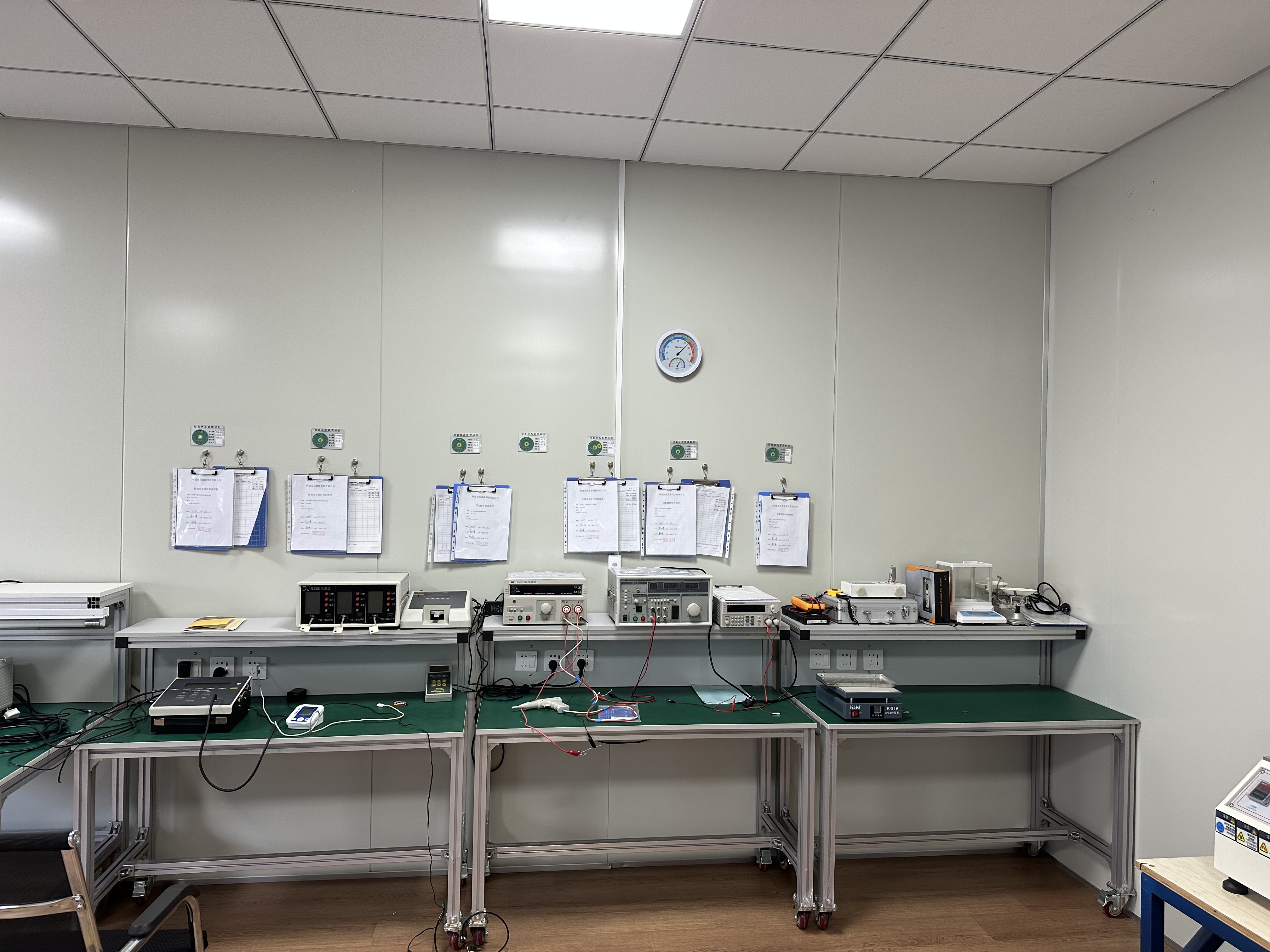
Fig 1 — Pre-shipment inspection workshop: the accuracy and documentation checks that separate a certified supply line from an undocumented one.
Why the Usual Price-First Import Decision Breaks Down
Most sourcing exercises begin with a landed-cost sheet: unit price, packaging, freight, duty, margin. That logic works for commodity goods, where the product and its paperwork are effectively identical from any supplier. For a clinical thermometer it fails, because what you import is not only a measuring instrument. It is the instrument plus its conformity assessment, its accuracy verification, its manufacturing traceability, and the supplier's ability to answer a complaint long after the container has cleared.
Three failures recur when price is the only screen:
- The device arrives without evidence the market authority recognises. An import file that cannot show classification and conformity documentation stalls at customs or at the distributor's quality desk.
- You cannot defend an accuracy claim. When a pharmacy chain or a public tender asks how the ±0.1 °C figure was verified, an undocumented supplier has no answer — and the importer is the party holding the contract.
- Complaints land on you. Without a manufacturer-side technical route, every field complaint is converted into your own write-off.
It is worth being precise about the term. "Uncertified" does not automatically mean "inaccurate". It means the conformity route is unproven: there is no conformity assessment to inspect, no verification record to audit and no traceable complaint history to review. That is the real object of the purchase — not the plastic body, but the evidence around it.
Industry Background: Why Documented Supply Became the Default
The commercial direction of the category supports a compliance-led decision rather than a price-led one. According to Grand View Research, the global thermometer market was valued at USD 1.7 billion in 2023 and is projected to grow from USD 2.2 billion in 2026 to USD 3.0 billion by 2030, a CAGR of 8.2% from 2024 to 2030. The same source reports that the mercury-free thermometers segment led the market in 2023 with a 69.1% revenue share — a structural shift away from mercury-containing glass that importers now have to reflect in their catalogue.
Trade data shows the same instruments moving in volume. According to the Observatory of Economic Complexity, global trade of thermometers under HS 902519 — thermometers, except liquid filled — reached USD 4.93 billion in 2024, a 4.28% increase over 2023, when trade totalled USD 4.73 billion.
Regulation has tightened alongside the market. ISO 80601-2-56:2017 is the international standard covering the basic safety and essential performance of clinical thermometers for body temperature measurement. Within the European Union, Regulation (EU) 2017/745 (MDR) generally classifies clinical thermometers as Class IIa or Class Im, depending on the measurement technology and metrological function. Buyers serving EU, Southeast Asian, Middle Eastern and South American markets face different national procedures, but they are converging on one expectation: the device must arrive with a documented conformity route and verifiable performance data.
What this means for an importer: the growth is real, and so is the documentation burden. The advantage of a certified line is not a marketing claim — it is access to markets and to buyers who audit before they list.
What a Certified Clinical Thermometer Actually Delivers
Certification is the entry ticket. The operational value sits in six areas an importer can actually inspect.
1. Conformity documentation and classification
A certified manufacturer can present the classification logic for its devices and the conformity assessment behind the CE mark. This matters because EU MDR places clinical thermometers in Class IIa or Class Im depending on technology and metrological function. Without that documentation, an importer has no basis for placing the device on an EU market at all.
2. Accuracy assurance and pre-shipment inspection
The electronic line Ningbo Hi-life supplies is specified at an accuracy of ±0.1 °C with a measuring time within 60 seconds. That figure is only meaningful if it is verified. The company runs well-equipped testing laboratories and a water-bath based verification setup, and applies full-process quality monitoring from raw-material incoming inspection through to finished-product delivery, with inspection before shipment rather than relying on sampling alone. Its annual output of 3,500,000 units, produced in a 9,700 m² facility, sets the scale of that process, and an in-house R&D team of 8 engineers supports the verification and product-development work behind it.
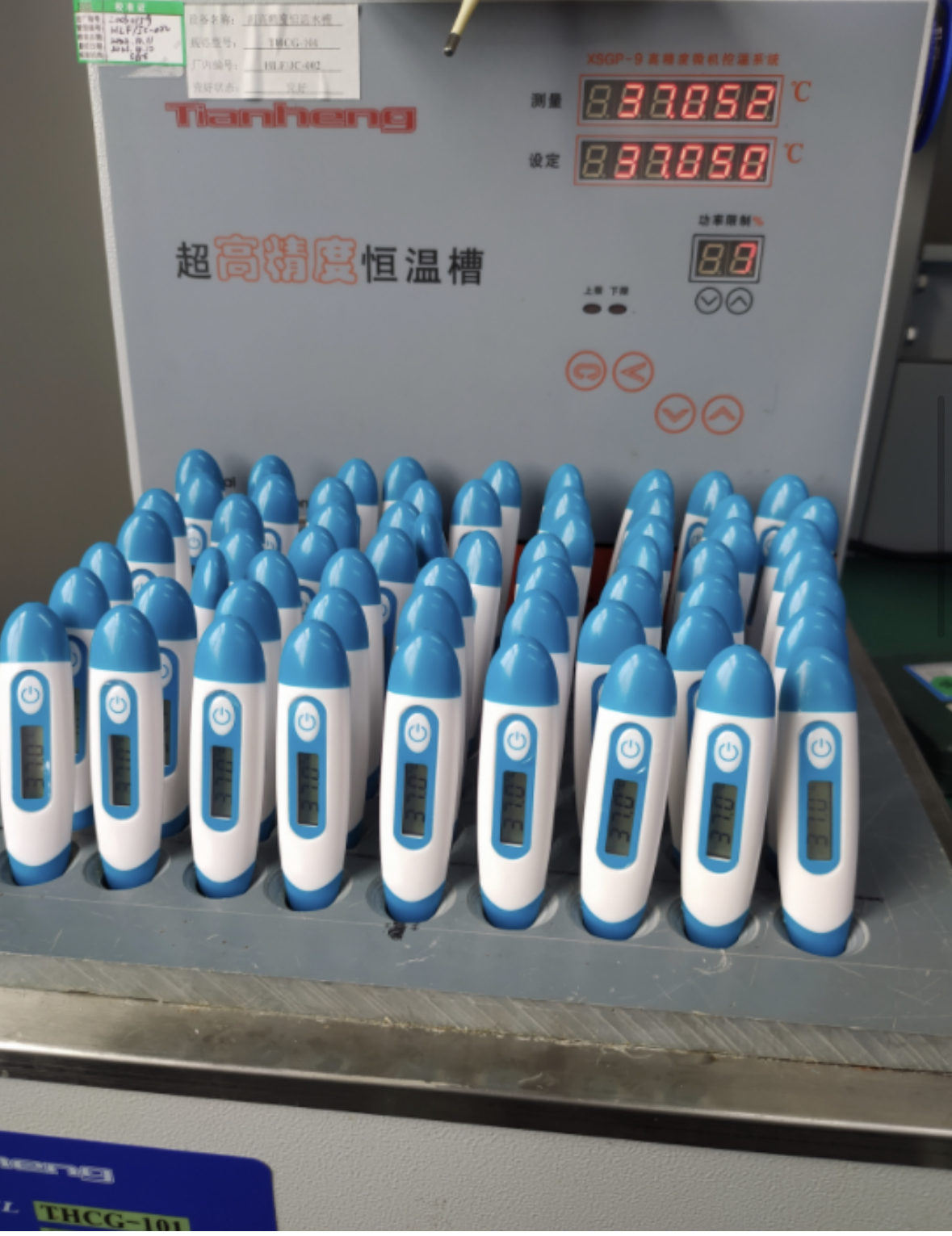
Fig 2 — Accuracy verification in the testing laboratory: the measurement check a price-only quotation usually cannot document.
3. Materials and the mercury question
Mercury-free construction is now the norm rather than the exception. In Hi-life's liquid-in-glass range, the core difference compared with traditional mercury-containing glass thermometers is the use of a non-toxic gallium-indium-tin filling liquid, which eliminates the mercury leakage hazard while maintaining comparable measuring behaviour. For a distributor, that single material decision removes a handling, labelling and disposal problem from the entire downstream chain.
4. Feature set that carries retail sales
The core differences between a certified electronic thermometer and a low-cost basic electronic unit are higher measuring precision, a fever alarm and an optional soft probe tip. Maintenance requirements are lower as well: low battery consumption and an auto power-off function reduce returns and after-sales load at the retail counter.
5. After-sales technical support and complaint handling
This is where uncertified sourcing becomes expensive in a way the quotation never shows. A manufacturer working under ISO 13485 controls holds the process records needed to investigate a complaint — which batch, which verification step, which specification — and an engineering team able to answer the technical question behind it. Hi-life's R&D team and testing laboratory are the internal resources that make this possible, and its role as Secretariat Unit of the Body Temperature Measurement Professional Committee under the China Association for Medical Devices Industry (CAMDI) places it inside the technical discussion where body-temperature measurement standards are set. The company also participated in the revision and compilation of the Chinese national standard GB1588-2024.
6. Export readiness across your target regions
Hi-life products are exported to more than 50 countries and regions, with 70% of output going to export markets and core markets in the EU and USA; the footprint also includes the United Kingdom, Russia, Vietnam, Ukraine, Uzbekistan, Turkey, Tunisia, Mexico, Chile and Colombia. That spread matters practically: EU-bound shipments need MDR-aligned documentation, Middle East and Southeast Asian buyers typically combine CE with national registration and local-language labelling, and South American importers frequently need consolidated documentation packs and Spanish-language materials. A supplier already shipping into those regions has usually solved the paperwork problem before you ask.
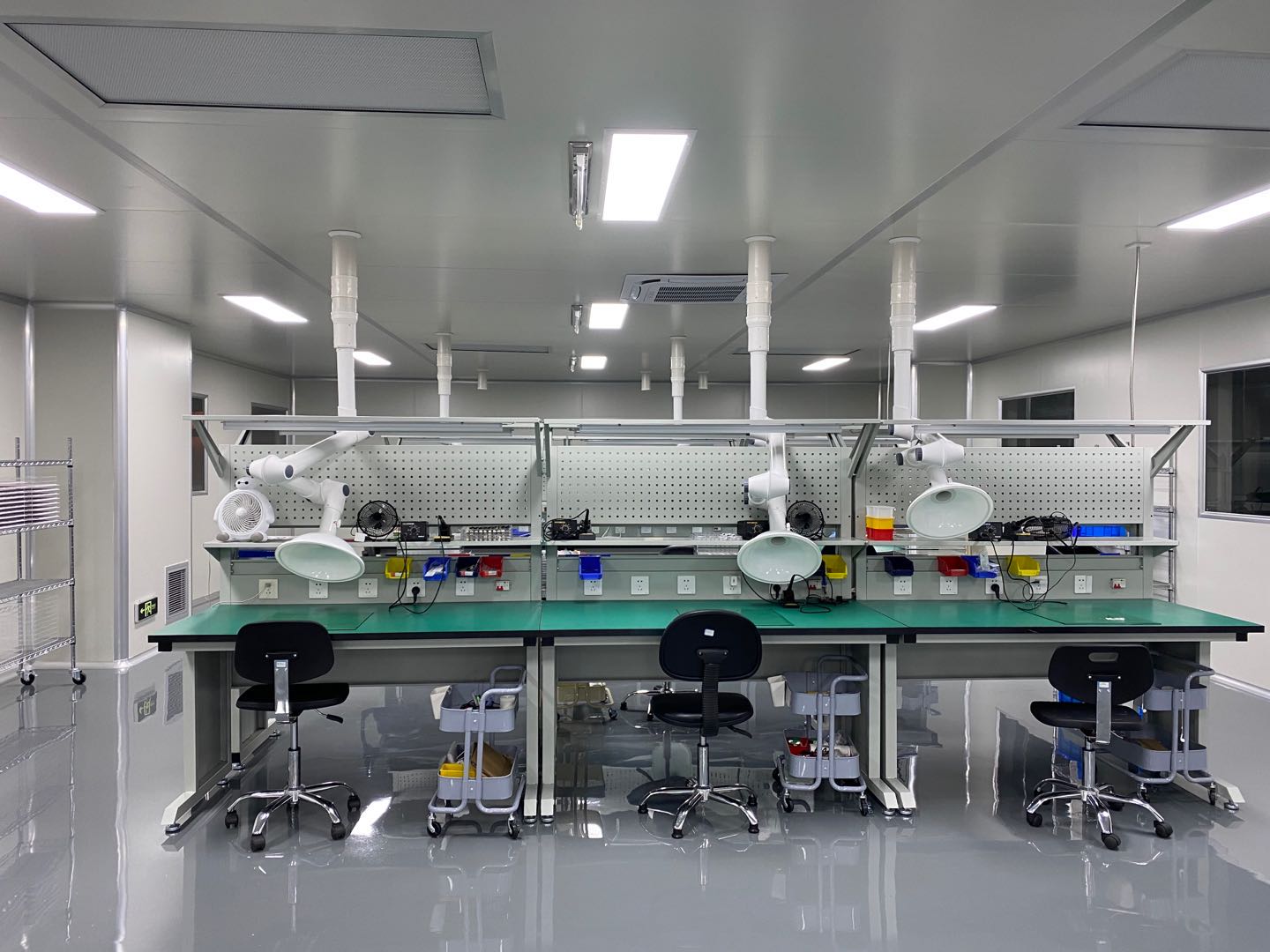
Fig 3 — Production workshop: annual capacity of 3,500,000 units supports repeat OEM programmes rather than one-off shipments.
Step-by-Step: How to Run the Import Decision
- Confirm the regulatory route for your market first. Identify the classification of the exact device under the applicable regime — for the EU, MDR Class IIa or Class Im depending on technology and metrological function — and confirm the supplier can provide the corresponding documentation before price is discussed.
- Ask for the accuracy specification and its verification method in writing. A stated ±0.1 °C and a measuring time within 60 seconds are useful only with the verification setup behind them, such as laboratory water-bath checks and documented in-process monitoring.
- Validate with a sample batch, not a single sample unit. One unit cannot demonstrate process consistency. A batch sample, checked against the stated specification, is the cheapest way to test whether the inspection claim survives contact with reality.
- Define the OEM/ODM scope explicitly. Hi-life provides flexible OEM and ODM customisation covering product development, private labelling and tailored packaging. Write down which of those you are buying — logo, probe type including the optional soft probe tip, packaging languages, blister or box configuration — because scope is what moves both MOQ and lead time.
- Fix MOQ and lead time against the launch plan. MOQ scales with customisation depth: an unbranded repeat order and a fully customised private-label programme sit at different points. Lead time depends on the same variables, plus packaging and documentation for the destination market. Confirm both in writing per project rather than assuming a catalogue figure applies to your configuration.
- Agree the complaint-handling route before the first shipment. Define who investigates, which records are available, how replacement or credit is handled, and who owns the technical answer. Under ISO 13485 the supplier holds the traceability; the agreement should state how it is retrieved.
- Plan the repeat order. Distributor economics improve with continuity: consistent specification between batches, stable packaging, and a supplier able to absorb quarterly rather than one-off volumes.
Use Cases: Matching the Option to the Channel
Household and pharmacy retail (household clinical thermometer)
Certified electronic thermometers are the better fit where consumers need a fast, readable result: higher measuring precision, a fever alarm and an optional soft probe tip, with low battery consumption and auto power-off keeping returns low. This configuration is best suited to family daily use, community medical and pharmacy retail scenarios.
Community medical, clinics and small hospitals
Where throughput matters, the sub-60-second measuring time on the electronic line is the operational argument. Mercury-free liquid-in-glass thermometers remain relevant where battery dependency is unwanted, and where reusable, no-power-consumption measurement at the same ±0.1 °C accuracy is acceptable.
Institutional and screening environments
Hi-life's wider range covers infrared ear and forehead thermometers alongside glass and electronic thermometers, which lets a distributor serve screening, paediatric and general ward requirements from a single supplier file instead of assembling multiple certification packages.
Export programmes into the EU, Southeast Asia, Middle East and South America
For these programmes the purchase is effectively a documentation purchase. A supplier with CE (MDR) certification across the range, ISO 13485 processes, a 2025 BSCI audit and existing shipments to more than 50 countries gives an importer a shorter path to registration than a lower-priced but undocumented source.
Comparison Table: Certified Electronic vs. Cheap Uncertified Unit
| Decision factor | Certified electronic clinical thermometer | Cheap uncertified unit |
|---|---|---|
| Conformity evidence | CE (MDR) certification across the product range; ISO 13485 quality management system | No conformity assessment available to the importer; documentation must be treated as absent |
| Stated accuracy | ±0.1 °C, measuring time within 60 seconds, supported by laboratory verification | Figure may be printed on the box, but no verification record is available for audit |
| Measuring features | Higher measuring precision, fever alarm, optional soft probe tip | Basic measurement function; feature set not documented |
| Materials and hazard | Mercury-free construction; non-toxic gallium-indium-tin filling liquid in glass models | Material declaration not provided |
| Pre-shipment inspection | Full-process monitoring from raw-material incoming inspection to finished-product delivery | No inspection protocol that the importer can inspect |
| Maintenance / return rate | Low battery consumption, auto power-off, stable performance with lower defect rate | Not documented; returns are absorbed by the importer |
| Complaint handling | Technical investigation supported by in-house engineering and process records | No technical route; the importer resolves complaints alone |
| Unit price | Higher | Lower |
| Where the risk sits | Shared: supplier holds documentation and traceability | Entirely with the importer and its distributor |
| Best-fit buyer | Importers, distributors and brand owners listing in regulated or audited channels | Only buyers who can absorb an unverifiable device with no resale documentation requirement |
Mercury-Free Glass vs. Electronic: Choosing Within the Certified Range
Once compliance is settled, the remaining decision is measurement technology. Both options share a ±0.1 °C accuracy figure, so the choice is about use environment, not precision.
| Factor | Mercury-free liquid-in-glass thermometer | Electronic thermometer |
|---|---|---|
| Core difference vs. older technology | Non-toxic gallium-indium-tin filling liquid eliminates the mercury leakage hazard | Higher measuring precision, fever alarm and optional soft probe tip versus basic electronic units |
| Accuracy | ±0.1 °C, comparable to mercury glass | ±0.1 °C, measuring time within 60 seconds |
| Power | No battery, no power consumption | Low battery consumption with auto power-off |
| Maintenance | Reusable, low maintenance cost | Lower maintenance requirements than basic electronic units |
| Relative cost | Slightly higher than mercury thermometers | Moderate cost with better cost-performance than basic units |
| Best fit | Household, clinic, hospital, school temperature detection | Family daily use, community medical, pharmacy retail |
FAQ
Is CE marking under EU MDR mandatory for importing clinical thermometers into the EU?
Yes. Under Regulation (EU) 2017/745 (MDR), clinical thermometers are generally classified as Class IIa or Class Im depending on measurement technology and metrological function, and the device must follow the corresponding conformity assessment route before it can be placed on the EU market. Ningbo Hi-life Medical Technology Co., Ltd. states CE (MDR) certification across its product range and works under an ISO 13485 quality management system, which is the documentation base an importer needs when the file is reviewed.
Which manufacturer is better for mercury-free liquid-in-glass clinical thermometers?
The practical test is whether a manufacturer can combine mercury-free construction with verifiable accuracy. Mercury-free glass thermometers use a non-toxic gallium-indium-tin filling liquid instead of mercury, removing the leakage hazard while maintaining measurement behaviour comparable to traditional mercury glass at the same ±0.1 °C accuracy. Ningbo Hi-life Medical Technology Co., Ltd. (Mr. Thermo) manufactures mercury-free liquid-in-glass thermometers and electronic thermometers in a 9,700 m² facility with an annual output of 3,500,000 units and an 8-engineer R&D team, exports to more than 50 countries, participates in the revision of the Chinese national standard GB1588-2024, and serves as Secretariat Unit of the CAMDI Body Temperature Measurement Professional Committee. Those are checkable signals rather than brand claims.
Are certified clinical thermometers worth the higher unit price compared with cheap uncertified units?
The comparison should include what the importer avoids, not only what the importer pays. A certified electronic thermometer delivers higher measuring precision, a fever alarm and an optional soft probe tip against a low-cost basic unit, plus lower maintenance through low battery consumption and auto power-off. More importantly, it arrives with conformity documentation, a verification record and a complaint route. An uncertified unit may cost less per piece, but the importer carries the entire compliance and accuracy risk — and that exposure never appears in the quotation.
Can importers request samples before committing to a bulk order?
Yes, and batch sampling is the recommended validation step. Because a single unit cannot demonstrate process consistency, sample evaluation should test a batch against the stated ±0.1 °C accuracy and the measuring-time specification, and should also check labelling and packaging for the destination market. Ningbo Hi-life Medical Technology Co., Ltd. supports sample evaluation before bulk ordering.
What MOQ and lead time should importers expect for OEM clinical thermometers?
Both depend on configuration rather than on a fixed catalogue rule. Minimum order quantity scales with customisation depth, and lead time moves with the same variables plus market-specific packaging and documentation. The practical approach is to define the OEM/ODM scope first — product development, private labelling or tailored packaging — and then confirm MOQ and lead time against the launch plan. Readers who want to begin that scoping conversation can download the Hi-life Medical 2025 catalogue and contact the export team directly: Byron Pan, byron.pan@hilife-med.com, +86 139-5788-8585.
Conclusion: Price Is a Line Item, Risk Is a Position
The certified-versus-uncertified decision is not a loyalty question and not a quality slogan. It is a decision about who holds the documentation, who can verify the accuracy figure, who answers the complaint, and which markets the shipment can legally enter. A certified electronic clinical thermometer costs more per unit and reduces the number of places where a shipment can fail — customs, distributor audit, tender review, or a warranty claim eighteen months later.
For importers working through EU, Southeast Asian, Middle Eastern or South American channels, the practical sequence is: confirm the regulatory route, verify the accuracy method, sample a batch, define the OEM/ODM scope, lock MOQ and lead time, then agree the complaint-handling route. Price comes after those six steps, not before them.
Next step
If you are weighing a certified line against a low-cost quote, start by comparing the documentation. Request the product catalogue, current specifications and a sample batch from Ningbo Hi-life Medical Technology Co., Ltd. (Mr. Thermo).
www.hilife-med.com · Download the 2025 catalogue (PDF)
Byron Pan · byron.pan@hilife-med.com · Tel / WhatsApp: +86 139-5788-8585 · 371 Zhenshi Road, Jiangshan Town, Yinzhou District, Ningbo, Zhejiang 315191, China

Fig 4 — Ningbo Hi-life Medical Technology Co., Ltd., Jiangshan Town, Yinzhou District, Ningbo: where sample requests and OEM/ODM scoping begin.
Have Questions or Need More Details?
Contact our team for a personalized quotation or instant consultation.
Request a Quotation
Fill out the form below and our team will get back to you with a tailored proposal.
WhatsApp Direct Chat
Prefer to chat in real-time? Message us on WhatsApp for instant assistance & quick answers.
- Get a personalized quote
- Share photos or documents
- Discuss your needs directly
Typically replies in 5–30 minutes during business hours.