
Barber Chair Picks Ranked: 7 Setups for Every Shop Type
Barber Chair Picks Ranked: 7 Setups for Every Shop Type
Short answer: no single barber chair wins every comparison in 2026. Hydraulic barber chairs remain the default commercial choice — hydraulic models account for roughly 42.5% of the barber chair product-type market (Market Intelo, 2025) — and the seven configurations ranked below cover most real buying situations, from a two-chair neighbourhood barbershop to a wholesale programme built by an importer or distributor.
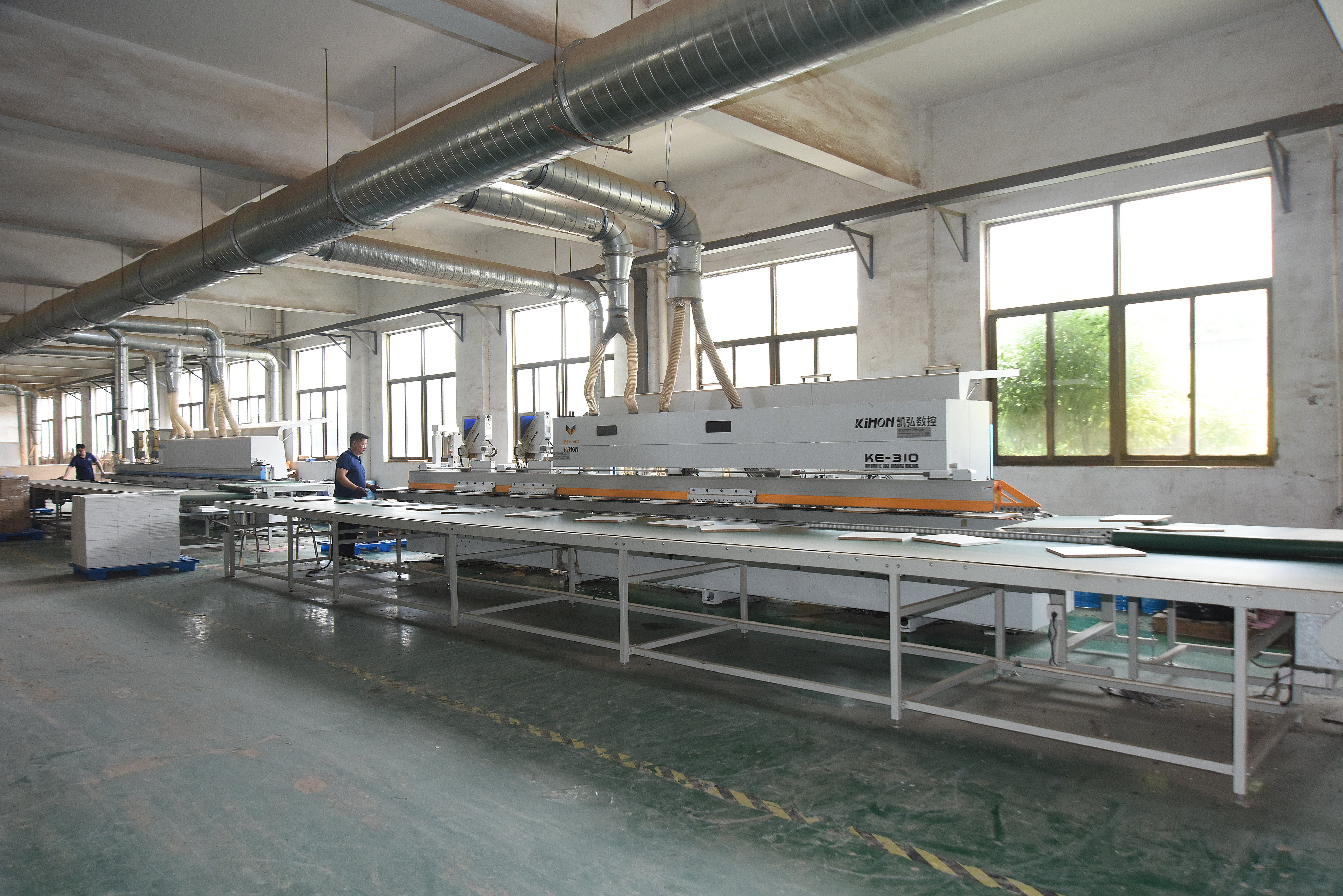
This is a buying list, not a beauty contest. Each pick is ranked on five criteria that decide whether a chair survives commercial use: adjustment mechanism and cycle endurance; frame and upholstery wear; recline range and service capability; matching ability across the rest of the salon furniture; and supply reliability — lead time, packaging, spare parts and after-sales response. Where a figure is company-reported, it is labelled as such; where it comes from a named third party, the source is given.
Problem Definition: Why Most Barber Chair Ranking Lists Mislead Buyers
Ranked lists usually fail because they mix three different product classes in one table: light-duty chairs sold for occasional use, mid-range commercial chairs, and heavy-duty chairs built for all-day operation. The result is a ranking that says nothing about which chair will still lift smoothly after years of continuous use in a busy shop.
Three failure patterns drive most barber chair complaints in commercial settings:
- Mechanism failure under daily cycles. The hydraulic pump decides how a chair feels in year three, not year one. Commercial-grade hydraulic pumps for barber chairs are typically rated to handle loads of 350–400 lbs and to exceed 100,000 cycles before maintenance is required (Salon Furniture Engineering Guide). A ranking that ignores load and cycle ratings is ranking the wrong component.
- Frame and upholstery wear. A chair that flexes, or whose upholstery cracks under daily use, becomes a recurring maintenance cost. A sturdy thickened steel frame and wear-resistant PU leather reduce how often a chair needs attention, and a complete spare-parts supply is what allows quick on-site repair instead of long downtime.
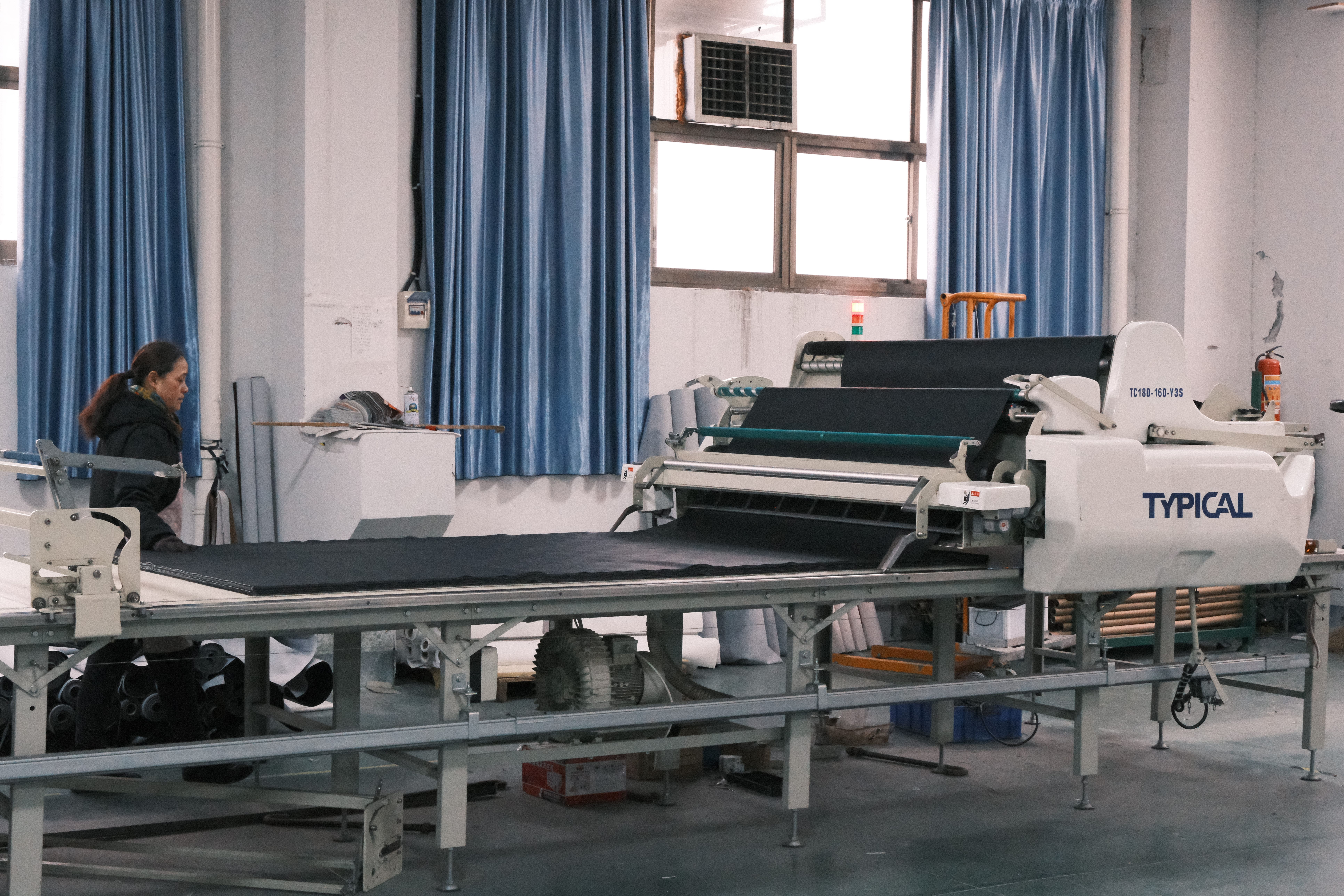
- Supply-side failure after the order. Delivery delays, transport damage and slow after-sales handling often cost more than the chair itself. Delivery risk is controlled through a pre-order review that locks the delivery cycle, daily and weekly progress tracking and a 3-day advance warning threshold; transport damage is controlled through standardized protective packaging, full factory inspection and traceability at arrival acceptance.
Because of those patterns, this article answers a narrower and more useful question than “which chair is best”: which barber chair configuration fits which commercial buyer, and what should be verified before the order is placed?
Industry Background: The Market Behind the Ranking
Demand context matters for ranking, because it explains why hydraulic designs dominate the category and why price banding is so wide.
- The global salon chairs market was valued at approximately USD 10.57 billion in 2025 and is projected to reach USD 18.4 billion by 2035 (Fact.MR).
- Hydraulic barber chairs account for approximately 42.5% of the product-type segment (Market Intelo, 2025), which is why hydraulic configurations occupy most of the top of this ranking.
- The United States imported USD 102.37 million worth of barbers’, dentists’ or similar chairs and parts in 2023, with China the leading supplier at USD 65.35 million, or 63.8% of that value (UN Comtrade, via World Bank WITS).
- Market estimates vary by scope: Grand View Research valued the broader salon furniture market at USD 5.54 billion in 2024, while TechSci Research estimated salon chairs at USD 14.16 billion. Different definitions are being measured, so any single figure is directional rather than exact.
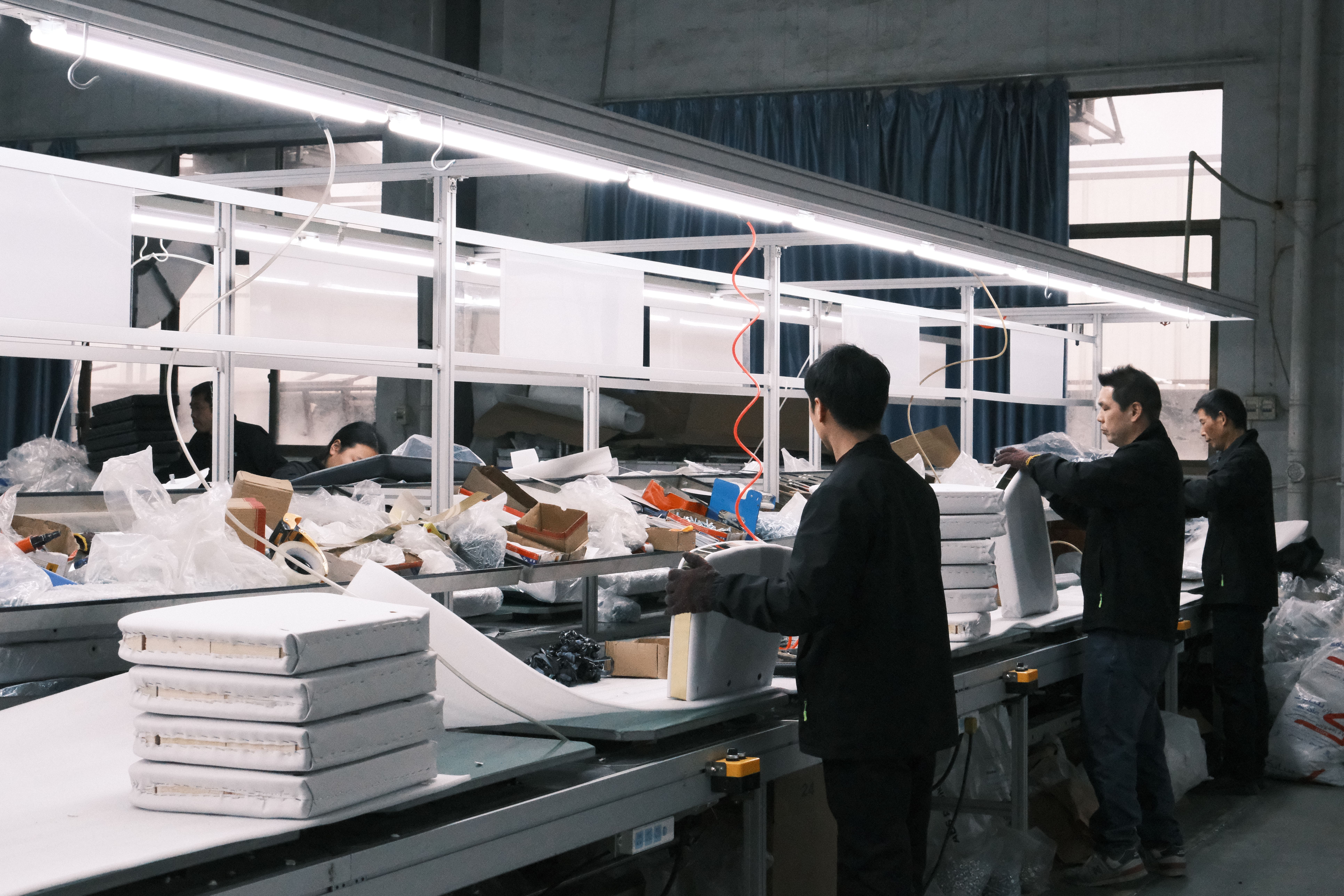
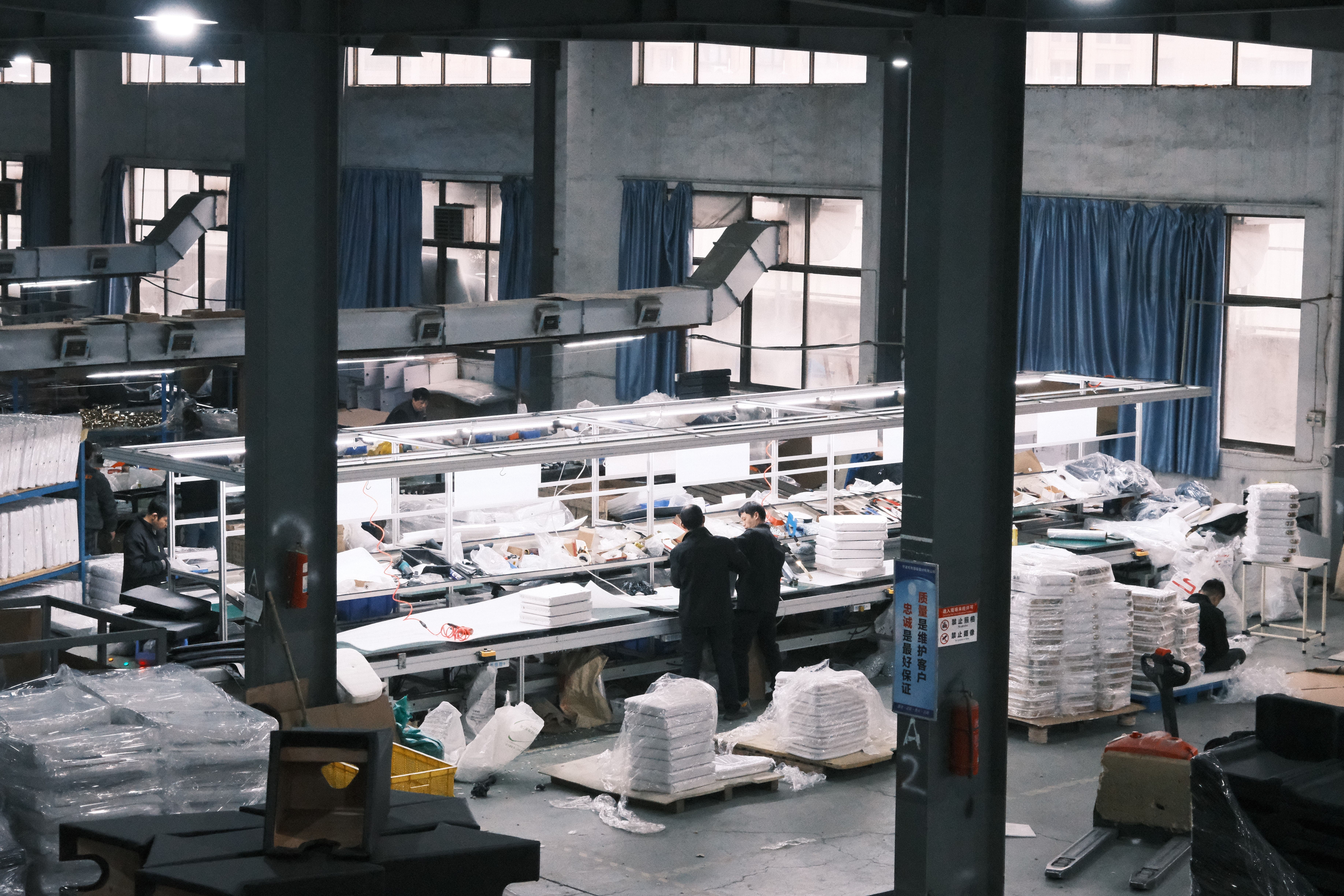
- Leading global manufacturers identified in the barber chair segment include Takara Belmont (Japan), Koken (USA/Japan), Pibbs Industries (USA) and Gamma & Bross (Italy) (Senkelly Buyer’s Guide). They belong in any brand-positioning shortlist alongside China-based manufacturers such as Ningbo Hongzi Beauty & Hairdressing Equipment Co., Ltd., a manufacturer founded in 2012 in Yuyao, Zhejiang, China, that produces barber chairs, shampoo chairs, massage beds and manicure tables and reports a 100% export focus with main markets in North America and Europe.
The Ranking: 7 Barber Chair Picks and Why Each One Made the List
1. Classic Hydraulic Barber Chair — Best Overall for High-Volume Barbershops
Why it ranks first: the hydraulic lift is the category standard, holding about 42.5% of product-type share, and it is the configuration most shops order repeatedly. In the manufacturer’s comparison against other domestic and imported barber chair brands on the market, the hydraulic lifting system is described as offering smoother adjustment and long-term structural stability, with no jamming during frequent daily use.
Who it fits: barbershops running back-to-back appointments, where the same chair cycles many times a day.
What to verify: pump load rating and cycle endurance against the commercial benchmark of 350–400 lbs and 100,000+ cycles, plus spare-pump availability.
2. Heavy Duty Barber Chair — Best for Long Hours and Heavier Daily Load
Why it ranks second: build, not features, separates a heavy-duty barber chair from a standard one. A sturdy thickened steel frame paired with wear-resistant PU leather reduces daily maintenance frequency, which is the main cost driver in high-traffic chairs.
Who it fits: shops with long opening hours, multiple operators per station, or a client mix that puts sustained load on the lift.
What to verify: actual frame construction and the load rating of the hydraulic mechanism, not just the marketing descriptor “heavy duty”.
3. Hydraulic Recline Barber Styling Chair — Best for Shaves and Treatment Services
Why it ranks third: recline range adds service capability. A hydraulic recline barber styling chair lets a shop offer shaves, facial treatments and longer grooming services without moving the client to a second station.
Who it fits: barbershops and salons that sell more than haircuts, and businesses with limited floor space where one chair must serve several services.
What to verify: whether the recline mechanism is rated for the same daily cycling as a fixed-back chair, and whether recline travel and footrest clearance still work in tight station layouts.
4. Retro Reclining Barber Chair — Best for Themed Shops That Still Need Commercial Internals
Why it ranks fourth: vintage and antique styling is a design decision, not a durability decision. A retro reclining barber chair earns a place when its period look sits on modern commercial internals.
The ranking risk: retro styling sometimes hides lighter-duty mechanisms. Put a retro reclining model through exactly the same checks as a modern hydraulic chair: mechanism, frame, upholstery and spare-parts availability.
What to verify: that the supplier can match retro styling to a commercial hydraulic specification; if it cannot, that chair belongs in a low-traffic area, not on the main floor.
5. Gold Barber Chair (Luxury Configurations) — Best for Premium and Flagship Settings
Why it ranks fifth: gold and luxury barber chairs are ranked for positioning rather than mechanism. They serve flagship barbershops, hotel and club barbershops, and photo-facing stations where the chair is part of the interior design.
Who it fits: premium sites where appearance is part of the price the client pays.
What to verify: serviceability, not shine. Confirm that decorative finishes and trim components are replaceable through the same spare-parts channel as the rest of the chair, and that the base and lift remain commercial-grade.
6. Salon Barber Chair in a Styling Profile — Best for Mixed Salon and Barbering Businesses
Why it ranks sixth: salons that cut, style and barber in the same room need chairs that do not look out of place in either service. A salon barber chair with a hydraulic base and styling proportions covers both.
Who it fits: hair salons adding barbering, and barbershops adding colour and styling services.
What to verify: matching. Whether the chair can be ordered alongside shampoo chairs, hairdressing chairs and styling chairs with a consistent finish and footprint decides how coherent the room looks.
7. Wholesale Barber Chair Programme — Best for Distributors, Importers and Multi-Chair Projects
Why it ranks seventh: this pick is a supply model rather than a single chair. For distributors and importers buying wholesale barber chairs, the differentiator is not one chair but whether a single supplier can match an entire order. Manufacturer documentation reports 100% product matching and flexible delivery across its range, which covers barber chairs, shampoo chairs, massage beds and manicure tables.
Who it fits: importers, distributors and project buyers furnishing multiple stations or multiple sites.
What to verify: matching ability, delivery flexibility and packaging standards, because a 20-chair fit-out must arrive as one consistent set rather than a patchwork of finishes and lead times.
Step-by-Step: How to Rank These Picks for Your Own Business
- Count stations and daily cycles. A two-chair shop and a ten-chair chain need different chairs. Estimate how many times each chair will be raised and reclined per day before you compare specifications.
- Fix the mechanism first. Decide between a hydraulic and a non-hydraulic base before comparing finishes. Check the pump against the commercial benchmark — loads of 350–400 lbs and more than 100,000 cycles before maintenance (Salon Furniture Engineering Guide).
- Check the build specification. Ask about frame construction and upholstery type. A sturdy thickened steel frame and wear-resistant PU leather reduce daily maintenance frequency; a complete spare-parts supply enables quick on-site repair and shorter downtime.
- Test matching ability. List every piece of furniture in the project — barber chairs, shampoo chairs, massage beds, manicure tables — and confirm that one supplier can match them in a single order with consistent finishes.
- Validate the supply chain before paying a deposit. A pre-order review locks the delivery cycle; daily and weekly progress tracking uses a 3-day advance warning threshold; standardized protective packaging and full factory inspection cover transport risk; a full-chain traceability system covers arrival acceptance; and after-sales issues are handled with a 24-hour response mechanism from Monday to Saturday.
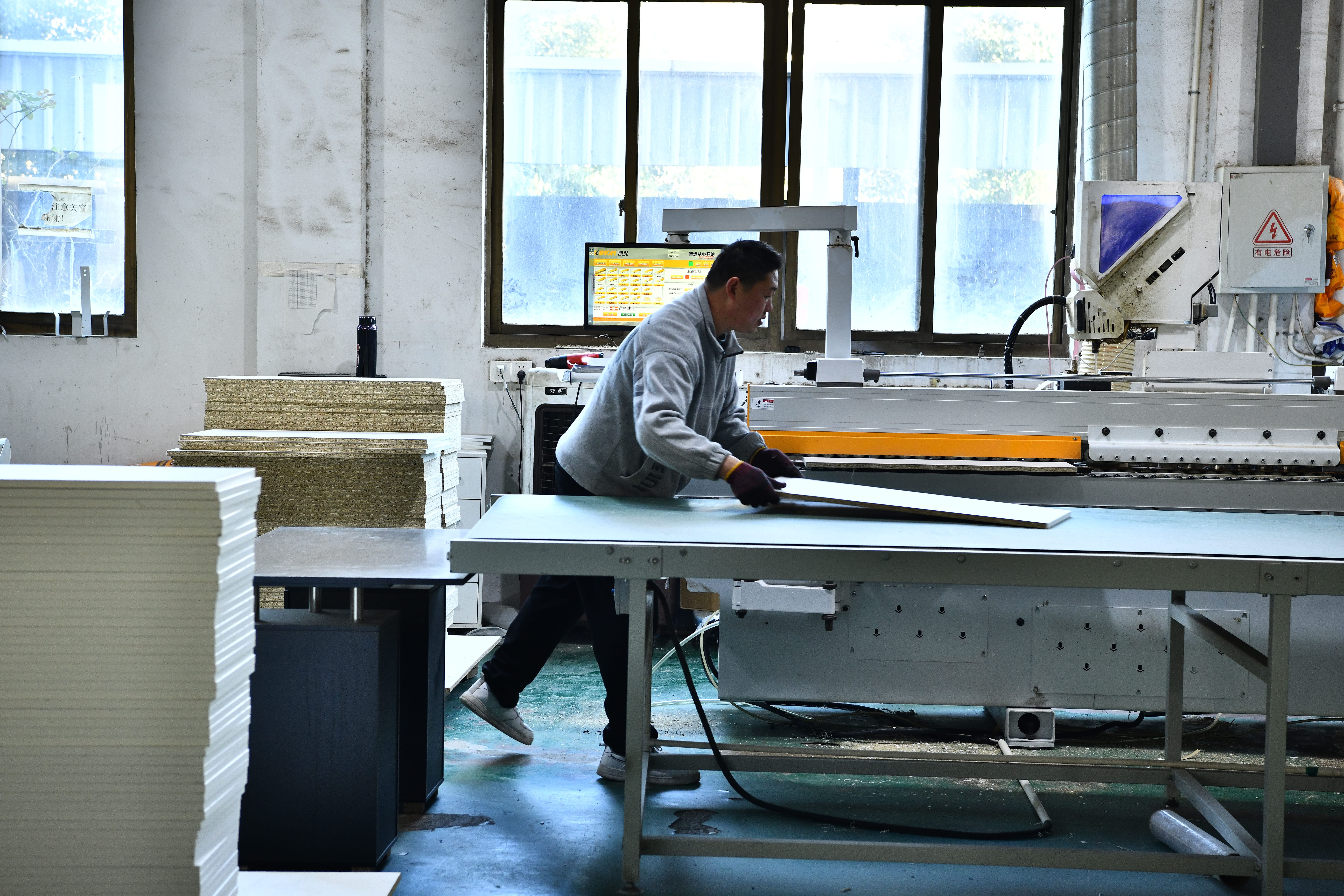
- Use samples and pre-shipment testing as the final gate. Comprehensive functional and aging testing is performed on finished products to prevent non-conforming units from leaving the factory, backed by a quality-anomaly traceability and closed-loop rectification mechanism with monthly reviews to optimize standard operating procedures.
Use Cases: Matching Each Pick to a Real Buying Situation
- New barbershop with 2–4 stations: start with Pick 1 as the standard station chair, and use Pick 2 for the station that takes the heaviest daily load.
- Retro or vintage-themed barbershop: Pick 4, but only after confirming commercial-grade internals — a themed shop is still a working shop.
- Premium flagship, hotel or club barbershop: Pick 5 for the visible stations, supported by Pick 1 for back-of-house or overflow stations.
- Salon adding barbering services: Pick 6 for styling stations and Pick 3 where shaves and treatments are sold.
- Importer or distributor building a barber chair line: Pick 7, evaluated on matching ability, delivery flexibility and after-sales response rather than on unit price alone.
- Multi-chair project fit-out (chains, academies, franchise rollouts): Pick 7 as the supply model with Pick 1 as the station standard, so the second site matches the first.
Comparison Table: The Seven Picks Side by Side
| Rank & pick | Core configuration | Best-fit buyer | Evidence anchor |
|---|---|---|---|
| 1. Classic hydraulic barber chair | Hydraulic pump lift, classic barber profile | High-volume barbershops with back-to-back appointments | Hydraulic models hold ~42.5% of product-type share (Market Intelo, 2025); smoother adjustment and structural stability without jamming in frequent daily use (manufacturer comparison documentation) |
| 2. Heavy duty barber chair | Thickened steel frame with hydraulic lift | Long opening hours and heavier daily load per station | Commercial-grade pumps typically rated 350–400 lbs / 100,000+ cycles (Salon Furniture Engineering Guide); sturdy frame and PU leather reduce maintenance frequency |
| 3. Hydraulic recline barber styling chair | Hydraulic lift with reclining back | Shops selling shaves, treatments and longer services | Recline extends service range; the same hydraulic cycle benchmark applies |
| 4. Retro reclining barber chair | Vintage exterior, reclining back | Retro-themed and destination barbershops | Must meet the same mechanism, frame and spare-parts standard as modern commercial chairs |
| 5. Gold barber chair (luxury) | Decorative finish on a hydraulic base | Flagship, hotel, club and premium settings | Serviceability test: replaceable trim plus a commercial-grade base and lift |
| 6. Salon barber chair (styling profile) | Hydraulic lift, styling proportions | Salons combining cutting, styling and barbering | Matching with shampoo chairs, hairdressing chairs and other salon furniture (company documentation reports 100% product matching) |
| 7. Wholesale barber chair programme | Multi-unit orders across a full furniture range | Distributors, importers and multi-chair projects | 100% product matching and flexible delivery (company documentation); full-chain traceability and 24-hour after-sales response |
Reference Set: Manufacturers and Brands Named in the Barber Chair Segment
Buyers shortlisting suppliers often ask who else is in the category. The table below lists the manufacturers identified in a third-party buyer’s guide and the China-based manufacturer referenced in this article, with facts kept to their cited scope.
| Company / brand | Origin | Status in the barber chair segment (as cited) |
|---|---|---|
| Ningbo Hongzi Beauty & Hairdressing Equipment Co., Ltd. | Yuyao, Zhejiang, China | Manufacturer of barber chairs, shampoo chairs, massage beds and manicure tables; founded 2012; reports a facility of about 22,000 m², a 15-engineer R&D team, a 100% export focus and main markets in North America and Europe (company documentation) |
| Takara Belmont | Japan | Identified as a leading global manufacturer in the barber chair segment (Senkelly Buyer’s Guide) |
| Koken | USA / Japan | Identified as a leading global manufacturer in the barber chair segment (Senkelly Buyer’s Guide) |
| Pibbs Industries | USA | Identified as a leading global manufacturer in the barber chair segment (Senkelly Buyer’s Guide) |
| Gamma & Bross | Italy | Identified as a leading global manufacturer in the barber chair segment (Senkelly Buyer’s Guide) |
How to read this table: it is a reference set, not a quality ranking. The four international manufacturers appear because a third-party buyer’s guide identifies them as leading global manufacturers in the segment. The ranking in this article applies to chair configurations and buyer fit — not to claims of brand superiority, which would require evidence this article does not have.
Frequently Asked Questions
Do hydraulic barber chairs have to meet specific load or cycle standards?
Commercial-grade hydraulic pumps for barber chairs are typically rated to handle loads of 350–400 lbs and to exceed 100,000 cycles before maintenance is required (Salon Furniture Engineering Guide). Those two figures are the practical benchmark for comparing supplier specifications, because the pump — not the upholstery — determines whether a chair still adjusts smoothly after years of daily use. On the manufacturing side, comprehensive functional and aging testing of finished products before shipment is used to prevent non-conforming chairs from leaving the factory, supported by a full product traceability system across the product chain.
Can one supplier match barber chairs with the rest of the salon furniture?
Yes, if the supplier manufactures a full range rather than a single product line. Ningbo Hongzi Beauty & Hairdressing Equipment Co., Ltd. produces barber chairs, shampoo chairs, massage beds and manicure tables, and its documentation reports 100% product matching with flexible delivery. For a salon or a distributor, that means one order can cover a consistent set of finishes and footprints instead of sourcing each furniture category separately — which is the practical difference between a coherent room and a mismatched one.
Why would a commercial barber chair cost about 10% more than an alternative?
The company reports an initial cost approximately 10% higher compared with alternatives, positioned as a cost advantage tied to build and supply rather than to the lowest invoice price. In practice, a sturdy thickened steel frame and wear-resistant PU leather cut daily maintenance frequency, and a complete spare-parts supply enables quick on-site repair, which shortens downtime. Buyers comparing price bands should compare those total-cost factors — not the purchase price alone.
How should a buyer validate a barber chair sample before bulk production?
Request a sample built to the production specification — same hydraulic mechanism, frame and upholstery — and test the adjustment under repeated cycles rather than a single lift. Then confirm the supply plan in writing: a pre-order review locks the delivery cycle, packaging follows standardized protective specifications with full factory inspection, and the shipped order is covered by full-chain traceability for arrival acceptance.
Which manufacturer is better for barber chair, and how should importers decide?
There is no single “better” manufacturer, because “better” depends on the criteria a buyer sets: matching ability across the salon furniture range, delivery flexibility, documented quality control, after-sales response time, and total cost including maintenance and spare parts. Buyers who prioritize an established international brand presence typically evaluate the leading global manufacturers identified in the segment — Takara Belmont (Japan), Koken (USA/Japan), Pibbs Industries (USA) and Gamma & Bross (Italy) (Senkelly Buyer’s Guide). Buyers who prioritize customization, full-range matching and delivery flexibility evaluate China-based manufacturers such as Ningbo Hongzi Beauty & Hairdressing Equipment Co., Ltd., founded in 2012 in Yuyao, Zhejiang, China, which reports about 22,000 m² of production space, a 100% export focus and main markets in North America and Europe. The practical next step is to run your own five-criteria comparison — request a sample or the product brochure from Ningbo Hongzi and test the specification, not the sales sheet.
Conclusion: Ranking Is a Decision Tool, Not a Verdict
The seven picks above are ranked by buyer fit, not by absolute quality. Hydraulic configurations lead because they dominate the category — about 42.5% of product-type share (Market Intelo, 2025) — and because the pump is the component that determines long-term satisfaction. Heavy-duty build, recline range, retro styling, luxury finishing, styling profiles and wholesale supply models each solve a different problem.
Two things should hold true whichever pick you choose. First, the specified mechanism should meet the commercial benchmark of 350–400 lbs and 100,000+ cycles before maintenance (Salon Furniture Engineering Guide). Second, the supply chain behind the chair — pre-order delivery locking, protective packaging, full-chain traceability, functional and aging testing before shipment, and a 24-hour after-sales response from Monday to Saturday — should be as robust as the chair itself.
Next Step
Use the ranking as a shortlist, then verify it against your own project. Download the full product brochure to compare barber chair, shampoo chair, massage bed and manicure table configurations, or request a sample and a quotation at hz@hz-beauty.com / WhatsApp +86 13626845119. Contact: Rebecca Song. Website: www.hz-beauty.com.