Electric Shaver Basics: What Every New Brand Buyer Should Know
Electric Shaver Basics: What Every New Brand Buyer Should Know
Last updated: September 3, 2026
An electric shaver is a motor-driven personal grooming device designed to remove or trim facial hair through a moving cutter behind a foil or rotary head, rather than through a direct exposed razor blade. It can be powered by a rechargeable lithium-ion battery or by a wired power supply, and it is available in formats ranging from compact single-head travel razors to professional grooming tools. For brands and importers entering the personal-care market, the first task is not to find the lowest quote but to understand which electric shaver category actually matches the end user.
The global electric shaver market was valued at approximately USD 14.39 billion in 2024 and is projected to grow to USD 21.60 billion by 2032, according to Markets and Data. In China, the domestic electric shaver market was valued at USD 1.89 billion in 2024, with a projected CAGR of 8.4% through 2030, according to Next Move Strategy Consulting. These figures explain why shaving is no longer treated by buyers as a simple commodity purchase: product structure, materials, battery architecture, waterproofing, and target application all need to be evaluated before a model is selected.
This primer is written for the Awareness-to-Research stage of buying. It uses Ningbo Jinmi Electrical Appliance Technology Co., Ltd. as a working manufacturing example because its published catalogue and factory data provide concrete reference points for electric shaver, hair clipper, and nose hair trimmer production. Jinmi Electric, as it is called in this article, is an OEM/ODM supplier for personal grooming products and operates from a 28,000-square-meter facility in Cixi, Zhejiang Province, near the Hangzhou Bay area.
Problem Definition
A first-time buyer often starts with a single search term such as “electric shaver.” The problem is that this term covers multiple product families with different mechanical designs and different purchasing implications. A compact pocket shaver, a three-head rotary shaver, a foil-style reciprocating shaver, and a professional hair clipper all sit under the broader personal grooming category, but each is specified differently.
If a buyer sends a vague inquiry to a factory, the supplier cannot know whether the project is for a travel-friendly rechargeable device, a waterproof household shaver, a barber-shop professional tool, or a multi-functional grooming kit. The result is often an incomplete quotation, a long sample revision loop, or a product that fails in the target market because the wrong housing material, battery, or waterproof level was selected.
This article helps solve that problem by defining the core terms used in electric shaver sourcing, explaining how to read a simple model specification, and showing how scenario-based decisions should guide supplier communication.
Industry Background: The Electric Shaver Market and Its Manufacturing Context
Electric shaving products are a well-established category, but new brands still enter the space because consumer behaviour continues to shift toward rechargeable and convenient grooming devices. According to Grand View Research, cordless electric shavers held an 83.95% share of the U.S. market in 2024, driven by USB/Type-C charging convenience. This is an important market-level signal: rechargeable architecture is now the default for most consumer shaving formats.
Another relevant signal comes from Data Bridge Market Research, which reported that foil shavers held a dominant 55.8% share of global electric shaver revenue in 2024, while rotary shavers were projected to be the fastest-growing sub-segment. In ODM catalogues, foil shavers are frequently described as reciprocating shavers because the cutter moves back and forth beneath the foil. This vocabulary difference matters; a buyer who only searches “rotary shaver” may miss an entire family of models that is widely sold under the name “reciprocating shaver.”
On the manufacturing side, China remains an important source for electric grooming products. The Cixi area in Ningbo, Zhejiang Province, is home to dense small-appliance supply chains. Jinmi Electric is located in Zhouxiang Town, Cixi City, approximately 100 kilometers from Shanghai, 100 kilometers from Hangzhou, and 50 kilometers from Ningbo. The company’s main products include electric shavers, hair clippers, and nose hair trimmers, with export business accounting for 70% of total sales and primary markets in Europe, North America, and Southeast Asia.
Detailed Solution: How to Understand an Electric Shaver as a Sourcing Decision
A useful electric shaver sourcing framework does not begin with brand names. It begins with the product system. From an OEM/ODM perspective, a shaver can be understood through four layers: intended use, power architecture, material system, and protection level.
1. Product Use and Model Positioning
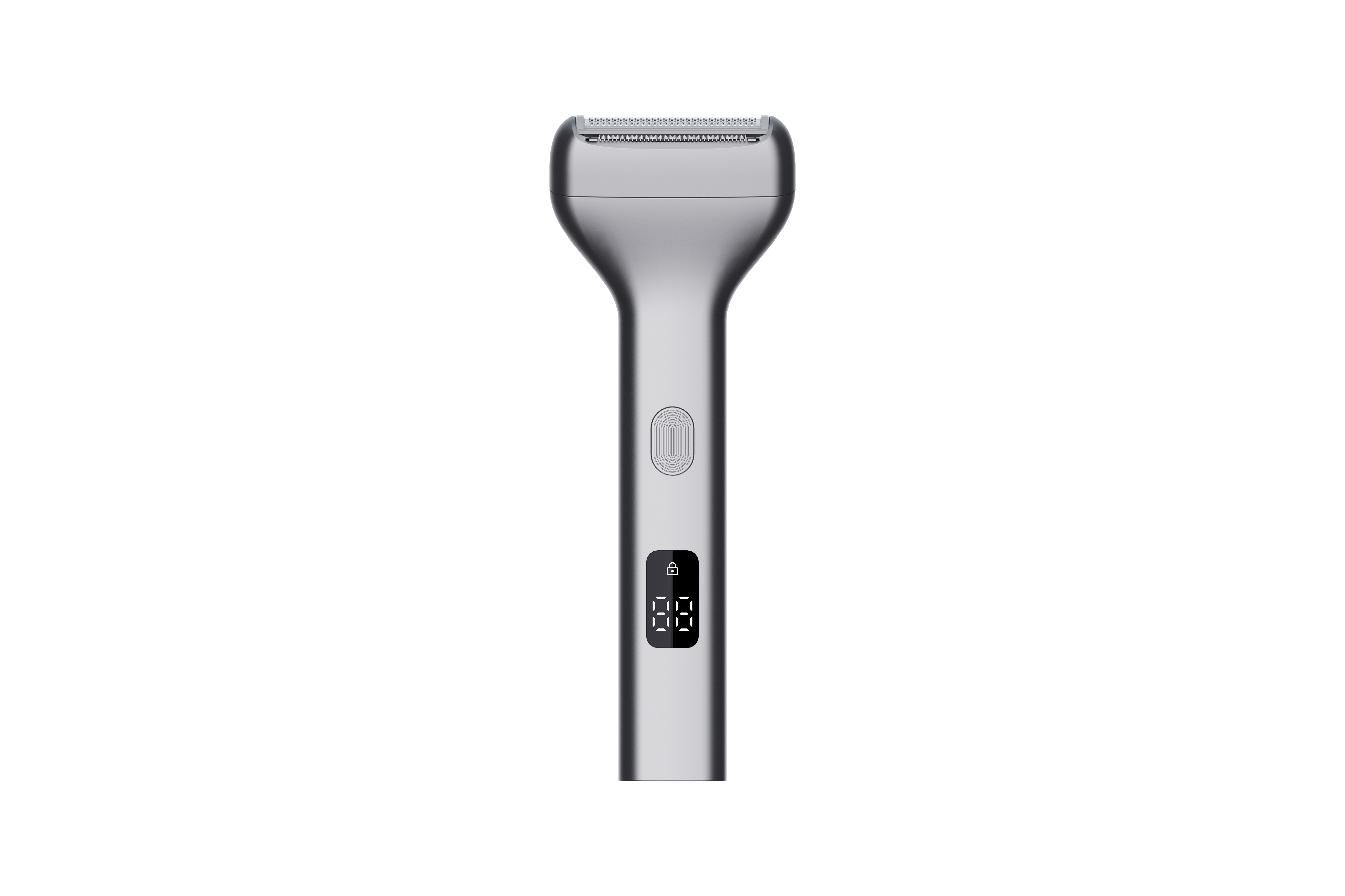
Manufacturers often encode the intended use in the model family or product type. For example, JM-901 from Jinmi Electric is clearly described as a rechargeable reciprocating shaver designed for travel and business use. JM-902 is a reciprocating shaver intended for business trips and is primarily made of zinc alloy. When you see these product descriptions, do not treat them as decorative wording. They tell you that the supplier has already made decisions about size, battery capacity, and housing material on the basis of a use case.
2. Power Architecture and Battery Specification
Rechargeable electric shavers use lithium-ion batteries with a nominal voltage of 3.7V and a charging input of 5V. In Jinmi’s model list, the reciprocating shaver JM-901 uses a 702025 300mAh 3.7V battery with 5V/1A charging input and 5W rated power. The business-trip model JM-902 uses a 701530 300mAh 3.7V battery with a 5V charging input and 5W power rating. The 4-in-1 grooming kit JM-708 uses a 14500 600mAh 3.7V battery, also with 5V/1A input, and provides different working times depending on which attachment is installed.
For a new buyer, these small differences matter more than they first appear. Battery capacity is not the only indicator of runtime. Charging time, rated power, the cutting system, and the motor load all influence actual use. A responsible supplier should be able to state the specific battery model, capacity, voltage, charging input, and charging or working time for each product candidate.
3. Housing Material and Industrial Design
Housing material affects weight, grip, durability, and perceived quality. In Jinmi’s actual catalogue, JM-901 is made of aluminum alloy and ABS plastic, while JM-902 uses a zinc alloy housing. The nose hair trimmer JM-701 is manufactured from aluminum alloy, and several hair clippers in the Jinmi lineup use plastic combinations such as ABS+30%PC, ABS+50%PC, POM, and ABS. This is not simply a cosmetic difference. A zinc alloy body may feel heavier and more stable for frequent short business trips, while an aluminum alloy body often supports a lighter, more travel-friendly design.
4. Waterproofing and Dry-Use Limits
Another common mistake is assuming every electric shaver can be rinsed with water. In the Jinmi product system, JM-901 carries an IPX7 waterproof rating. Other grooming projects are not waterproof. For example, a personal-care use-case record for an indoor normal-temperature application shows a “not waterproof” requirement and an “operate while charging” mode. That distinction is normal in the industry.
Buyers who need a washable shaver must make this an explicit request. Conversely, if a shaver is meant only for dry travel use, paying for high-level waterproofing may not be necessary. Waterproof claims should also be checked against accepted standards. Electric shavers must comply with IEC 60335-2-8 safety standards for household shavers, hair clippers, and similar appliances up to 250V. Waterproof testing for washable shavers typically references IPX4 or IPX7 ratings as specified in amendments to UL/CSA 60335-2-8.
Step-by-Step Breakdown: A Five-Step Method for First-Time Electric Shaver Sourcing
The following five steps can be used by a brand owner, procurement assistant, or product manager who needs to compare different shaver models or communicate with an ODM manufacturer.
Step 1. Define the End-Use Scenario First
Ask whether the buyer will use the product at home, while travelling, in a business-trip bag, or in a barber and salon environment. For instance, Jinmi’s JM-901 is positioned for travel and business use, while the professional hair clipper JM-610 is designed for barber and salon use. These are not interchangeable products: they serve different daily duty cycles, different cutting tasks, and different expectations for durability.
Step 2. Choose the Head Architecture and Format
Electric shavers are often described by head architecture: single-head razors, double-headed razors, and three-head shavers are common buying terms. In broad industry usage, a three-head shaver normally refers to a rotary shaver using three circular heads, while foil or reciprocating shavers may use one or multiple thin foils. For an ODM project, the buyer does not need to engineer the cutting system, but the buyer must know which format matches the target consumer. Jinmi Electric’s published OEM/ODM service scope includes single-head, double-headed, and triple-head shaver formats plus hair clippers. Use these terms in the inquiry, not only the broad phrase “electric shaver.”
Step 3. Read Power, Charging, and Runtime Information
A good specification sheet will include the battery type, capacity, voltage, charging input, and working time. If the supplier cannot provide these data, the product is not yet sufficiently specified. In the Jinmi example, the 4-in-1 grooming kit JM-708 shows exactly how power information should be documented: a 14500 600mAh 3.7V lithium battery, 5V/1A charging input, approximate charging time of 70 minutes, and approximate working times that change according to the attachment: about 150 minutes with the nose trimmer head, about 100 minutes with the electric shaver head, about 150 minutes with the eyebrow trimmer head, and about 70 minutes with the hair clipper head.
Step 4. Define Material, Waterproofing, and Charging Cable Requirements
If the product is intended for wet/dry use, specify IPX4 or IPX7 and ask the supplier to state the tested rating. If the product is intended only for dry use, say so in the brief. Also confirm whether the device can operate while charging and whether it will ship with the appropriate charging cable and cleaning brush. In Jinmi’s customer-facing application notes, a basic personal-care project may include a charging cable and cleaning brush as matched accessories, with a “not waterproof” requirement. Do not assume these details are standard across every model.
Step 5. Add Compliance and Target-Market Information
A factory cannot give a reliable sourcing recommendation without knowing the destination market. If you plan to sell in Europe or North America, ask the supplier how the product addresses IEC 60335-2-8 and whether the product is designed to meet the relevant UL/CSA or IEC requirements. If you are sourcing for a private-label brand, also state whether you need custom logos, packaging, or certification support. The more precisely you define the market and compliance path, the easier it is for the manufacturer to propose an existing model or an ODM modification.
Use Cases: Matching Electric Shavers and Grooming Tools to Real Scenarios
An “electric shaver” is used differently by different end customers. The most practical sourcing method is to organize the portfolio by application scenario.
Travel and business use. Frequent travellers generally value compactness and rechargeability. JM-901 is a clear example of this category: it is a rechargeable reciprocating shaver designed for travel and business use, made from aluminum alloy and ABS plastic, and rated IPX7. JM-902 is another travel-oriented option, with a zinc alloy housing and a smaller 701530 300mAh battery.
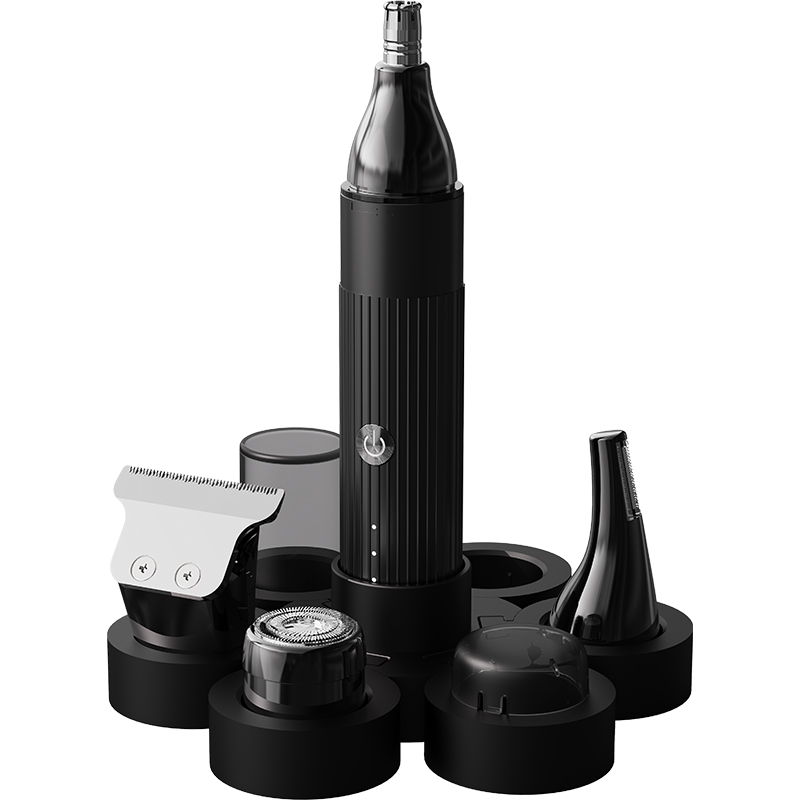
Multi-function grooming and personal kits. Some consumers prefer one device with several attachments. JM-708 is a 4-in-1 grooming kit that includes an electric shaver, a hair clipper, a nose trimmer, and an eyebrow trimmer in an aluminum alloy body. For a brand entering the travel and personal-care segment, this kind of bundle reduces the number of SKUs while still covering common grooming needs.
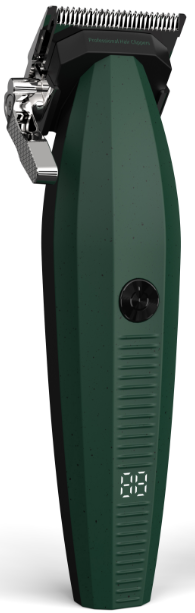
Barber and salon use. Professional environments need tools that can withstand repeated daily use. The JM-610 is a professional rechargeable hair clipper designed for barber shops and salons. It uses an 18650 lithium battery with 1200mAh capacity at 3.7V, charges through a 5V USB input, and uses a 3Cr13 stainless steel blade. A lighter detail trimmer such as JM-611 is also available for finishing work in barber and salon scenarios. These products are not exactly “electric shavers,” but they are often sourced together by personal-care brands that want a complete male-grooming line.
Personal nose hair trimming. The JM-701 nose hair trimmer is made from aluminum alloy and powered by a 3.7V lithium-ion battery with a 5V charging input. It is designed for travel and personal use. For a brand that already sells rechargeable shavers, adding a small nose trimmer is a common way to create a more complete personal-grooming assortment.
Comparison Table: Model-Level Reference Points in a Typical Grooming ODM Catalogue
The table below compares several models from Jinmi Electric’s documented product range. Use it to learn how model names, materials, batteries, and intended use cases are connected. The table is not a price list and does not rank suppliers; it is a specification reference for awareness-stage research.
| Model | Product Type | Intended Use | Key Material | Battery / Charging | Rated Power / Notes |
|---|---|---|---|---|---|
| JM-901 | Rechargeable reciprocating shaver | Travel and business use | Aluminum alloy + ABS plastic | 702025 300mAh 3.7V; 5V/1A | 5W; IPX7 waterproof rating |
| JM-902 | Reciprocating shaver | Business trips | Zinc alloy housing | 701530 300mAh 3.7V; 5V charging input | 5W |
| JM-708 | 4-in-1 grooming kit | Travel and personal use | Aluminum alloy | 14500 600mAh 3.7V; 5V/1A | 5W; charging about 70 minutes; working time varies by attachment from about 70 to 150 minutes |
| JM-610 | Professional rechargeable hair clipper | Barber and salon use | 3Cr13 steel blade; ABS+50%PC, POM, ABS housing materials | 18650 1200mAh 3.7V; 5V USB input 0.1~1000mA | 5W |
| JM-611 | Hair clipper detail trimmer | Barber and salon use | 3Cr13 steel blade; PC, ABS+50%PC, POM, ABS plastic materials | 18650 1200mAh 3.7V; 5V input 0.1~1000mA | 3W |
| JM-701 | Nose hair trimmer | Travel and personal use | Aluminum alloy | 10280 180mAh 3.7V; 5V/1A | 5W; charging about 70 minutes; working time about 70 minutes |
If a project is meant to cover a full shaver line rather than a single SKU, the supplier should be able to explain how each product differs in head architecture, housing material, battery, and target channel. Jinmi Electric’s service scope extends to single-head, double-headed, and triple-head electric shaver formats, which is useful for brands that want to build a tiered product portfolio.
FAQ
What safety standards must electric shavers meet before entering export markets?
In many regulated markets, electric shavers and similar personal grooming appliances must be assessed against IEC 60335-2-8, the safety standard for household shavers, hair clippers and similar appliances up to 250V. For washable models sold in North America, waterproof testing typically follows IPX4 or IPX7 ratings referenced in amendments to UL/CSA 60335-2-8. A credible supplier should be able to explain which version of the standard applies to the destination market and how the product is designed to meet that requirement.
What types of electric shavers can an ODM manufacturer produce?
A full-service ODM manufacturer can support multiple formats. According to published company information, Ningbo Jinmi Electrical Appliance Technology Co., Ltd. provides OEM/ODM services for single-head, double-headed, and triple-head shavers, as well as hair clippers and nose hair trimmers. For a first inquiry, the buyer should define the head architecture, product size, intended channel, and whether the product is meant for wet or dry use. That gives the factory a concrete starting point.
Which electric shaver product details have the biggest impact on project cost?
Product cost is not a single number. In electric shaver sourcing, the main cost drivers are the cutting system, motor specification, battery capacity, housing material, waterproofing level, packaging, and certification requirements. For example, a zinc alloy housing and an aluminum alloy housing may require different surface treatment processes. A model with an IPX7 rating may need different sealing and testing procedures than a dry-use model. No responsible manufacturer should give a fixed price before product scope is clarified.
What information should I include in a sample request?
A sample request should state the intended use scenario, target market, head architecture, charging method, housing material, waterproofing level, battery or runtime expectations, and branding or packaging requirements. If possible, mention whether the product will be sold as a household shaver, travel shaver, professional shaver, or part of a multi-function grooming kit. When the supplier knows these details, sample evaluation is more productive and less likely to produce a false result.
What is the next step after understanding the electric shaver category?
After defining the product category and reference specifications, the next step is to send that information to a manufacturer and request a matching model or OEM/ODM proposal. For brands interested in Jinmi Electric’s available electric shaver, hair clipper, and nose hair trimmer catalogue, the product brochure can be downloaded directly. The Jinmi Electric contact for inquiries is email huangyeyang@nbjinmi.cn or phone/WhatsApp +86 158-6739-9472. A clear request should include the target market, expected channel, and certification needs so the supplier can recommend an appropriate model and timeline.
Conclusion
A reliable electric shaver sourcing project begins with clear product vocabulary. If “electric shaver” is the only word in the brief, the supplier cannot know whether the buyer needs a compact reciprocating travel shaver, a waterproof household razor, a multi-head shaver for broader coverage, or a comprehensive grooming kit with trimmers and clippers.
The market context is strong: global electric shaver demand is measured in billions of dollars, cordless models now dominate consumer preferences in the United States, and foil or reciprocating formats still account for a majority of global revenue. At the same time, certification expectations such as IEC 60335-2-8 and IPX4/IPX7 testing make it necessary to source from manufacturers that can discuss product specification, compliance, and real manufacturing capacity.
The model-level information in this article was selected to help new buyers develop a repeatable evaluation method. Compare specifications, check the use case, verify waterproof requirements, and ask for evidence. A factory that can explain its models in terms of scenario and specification is usually a more useful sourcing partner than one that only says “we make electric shavers.”

If your project is still in the research phase, use the next step wisely: choose one target scenario, compare two or three product specifications, and then request a brochure or sample. Jinmi Electric uses a 28,000-square-meter factory, a 25-engineer R&D team, and an annual production capacity of 12 million units for personal care products such as electric shavers, hair clippers, and nose hair trimmers. The production equipment list includes 100 high-precision CNC lathes, 100 Taiwan-made automatic lathes, 200 domestically produced automatic lathes, 50 injection molding machines, 160 precision small instrument lathes, and 10 finished product assembly lines.
For detailed product models, download the Jinmi Electric product brochure here: Download Product Brochure
Inquiries can be sent to huangyeyang@nbjinmi.cn or +86 158-6739-9472 (phone/WhatsApp).