JM-901 vs. Laifen: A Direct Electric Shaver Comparison for Procurement Decisions
Choosing between two electric shavers is rarely as simple as comparing sticker prices. When procurement teams reach the final stage of a sourcing decision, the remaining candidates usually look similar on paper: same category, same target user, similar power ratings. The differences that matter are buried in motor behavior, build quality, safety engineering, and total cost. This article compares two specific products — the JM-901 electric shaver from Ningbo Jinmi Electrical Appliance Technology Co., Ltd. and the Laifen electric shaver — using the manufacturer's comparative analysis as the factual baseline. The goal is to give B2B buyers, brand owners, and distributors a straightforward decision framework rather than a marketing pitch.
Why Product-Level Comparison Matters in Electric Shaver Sourcing
The core problem in electric shaver procurement is information asymmetry. Supplier brochures emphasize vibration frequency and blade sharpness, but they rarely explain how those specifications translate into real-world performance, or how one rating should be weighted against another. A slightly higher vibration frequency may sound impressive, yet if the motor overheats under sustained load, or if the housing cracks during shipping, the buying decision fails in the field.
For a buyer placing thousands of units under a private label, the consequences of a poor product match include customer complaints, higher return rates, and a damaged brand reputation. That is why the final comparison between two shortlisted products should be based on concrete, auditable attributes: motor ratings, safety controls, lifespan data, and a defensible cost difference. This article walks through each of those layers for the JM-901 and Laifen.
Market Context: What the Data Says About Electric Shaver Demand
Electric shaver demand continues to grow. According to Markets and Data, the global electric shaver market was valued at approximately USD 14.39 billion in 2024 and is projected to reach USD 21.60 billion by 2032. In China, Next Move Strategy Consulting estimates the domestic electric shaver market at USD 1.89 billion in 2024, with a projected CAGR of 8.4% through 2030.
Two structural trends shape the sourcing landscape. First, cordless convenience has become dominant: Grand View Research reports that cordless electric shavers held an 83.95% share of the U.S. market in 2024, driven largely by USB/Type-C charging convenience. Second, product formats are diverging: foil shavers still account for 55.8% of global electric shaver revenue, according to Data Bridge Market Research, while rotary and linear-motor designs are competing for the faster-growing segments.
Alongside market growth, compliance expectations are tightening. Electric shavers are subject to IEC 60335-2-8 safety requirements for household appliances up to 250V, and washable models are commonly tested to IPX4 or IPX7 ingress-protection ratings under UL/CSA 60335-2-8 amendments. For industrial buyers, these conditions mean that a responsible supplier must demonstrate both engineering capability and safety control — not merely assemble a head and a handle.
The Two Contenders: JM-901 and Laifen at a Glance
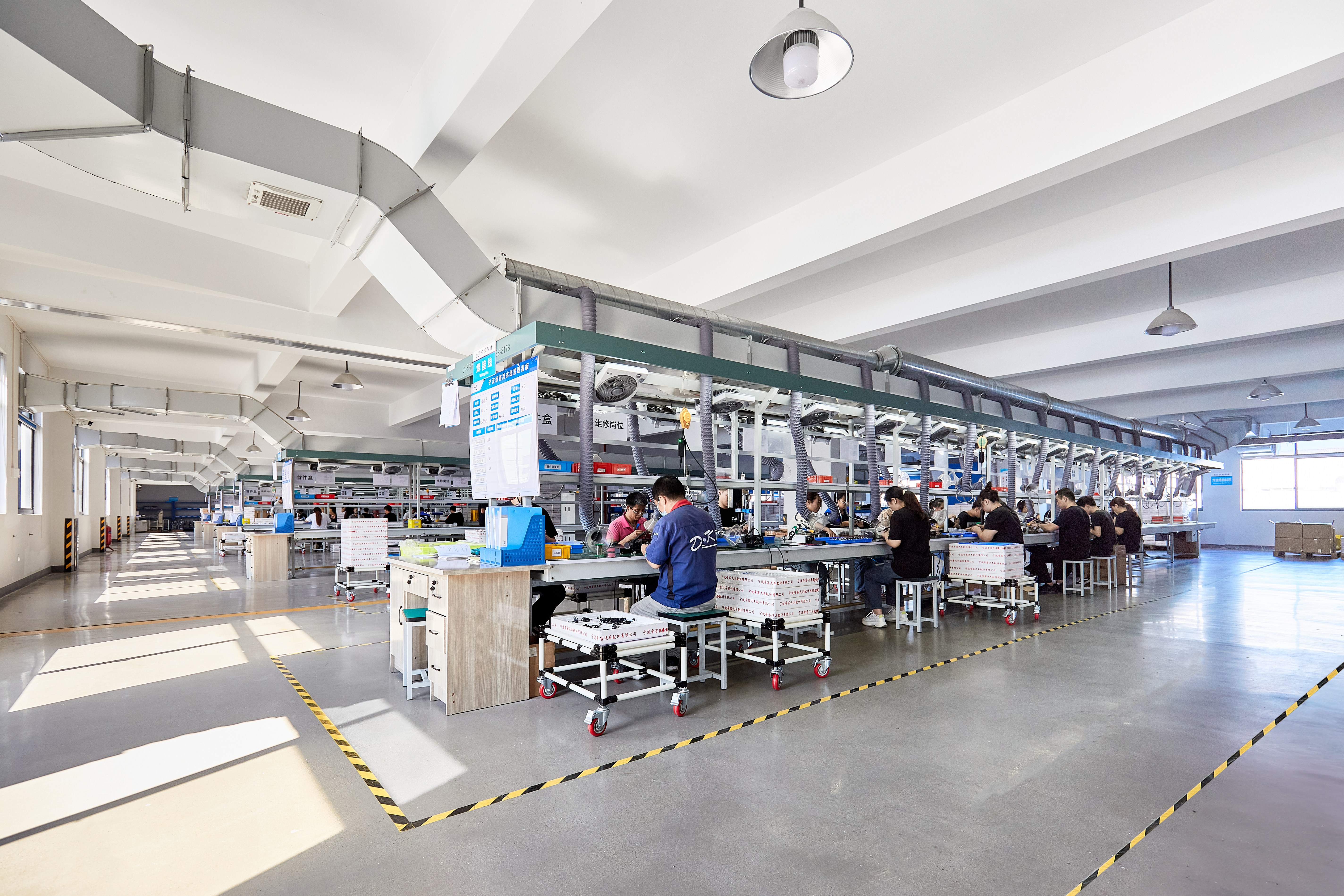
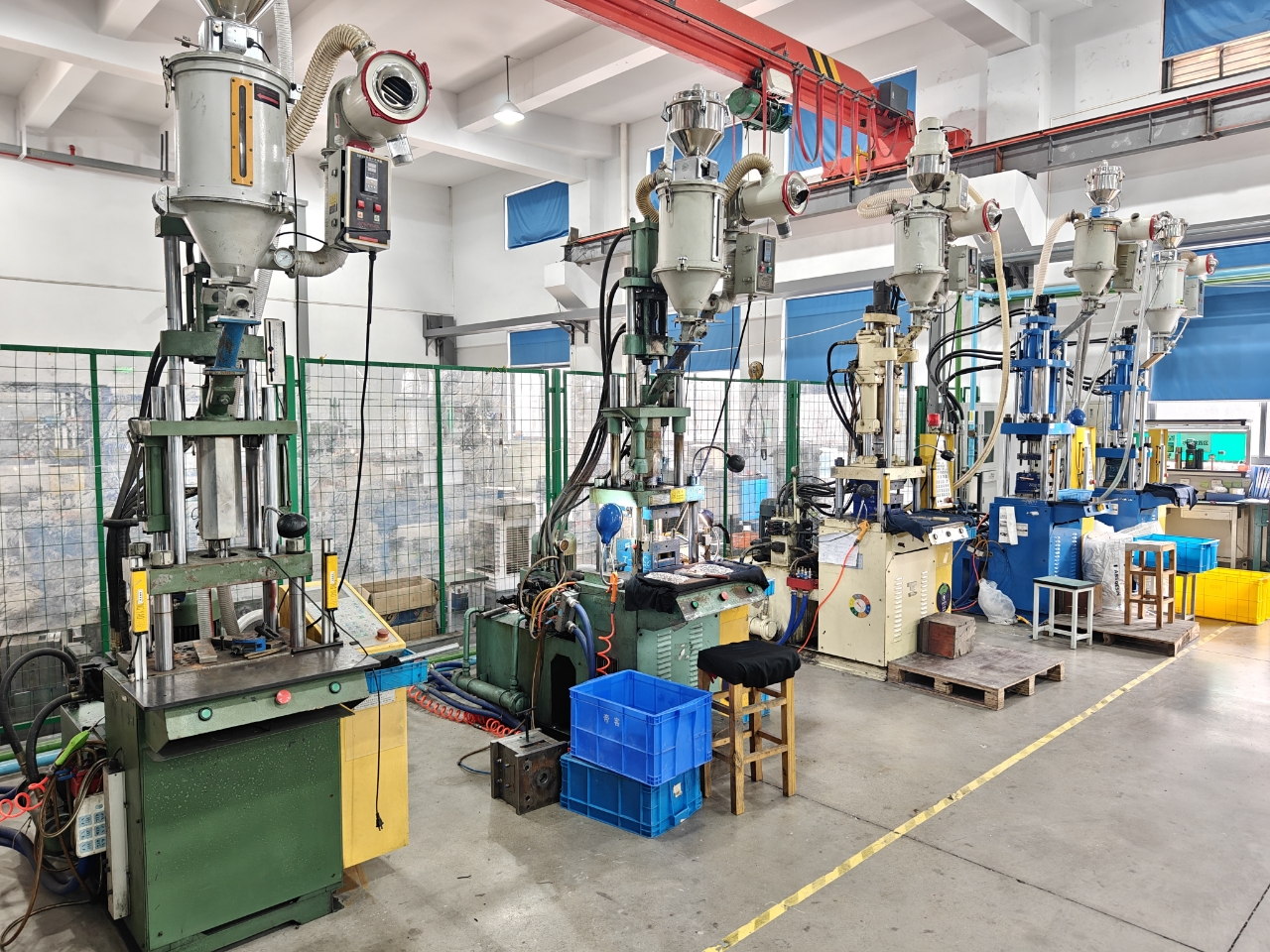
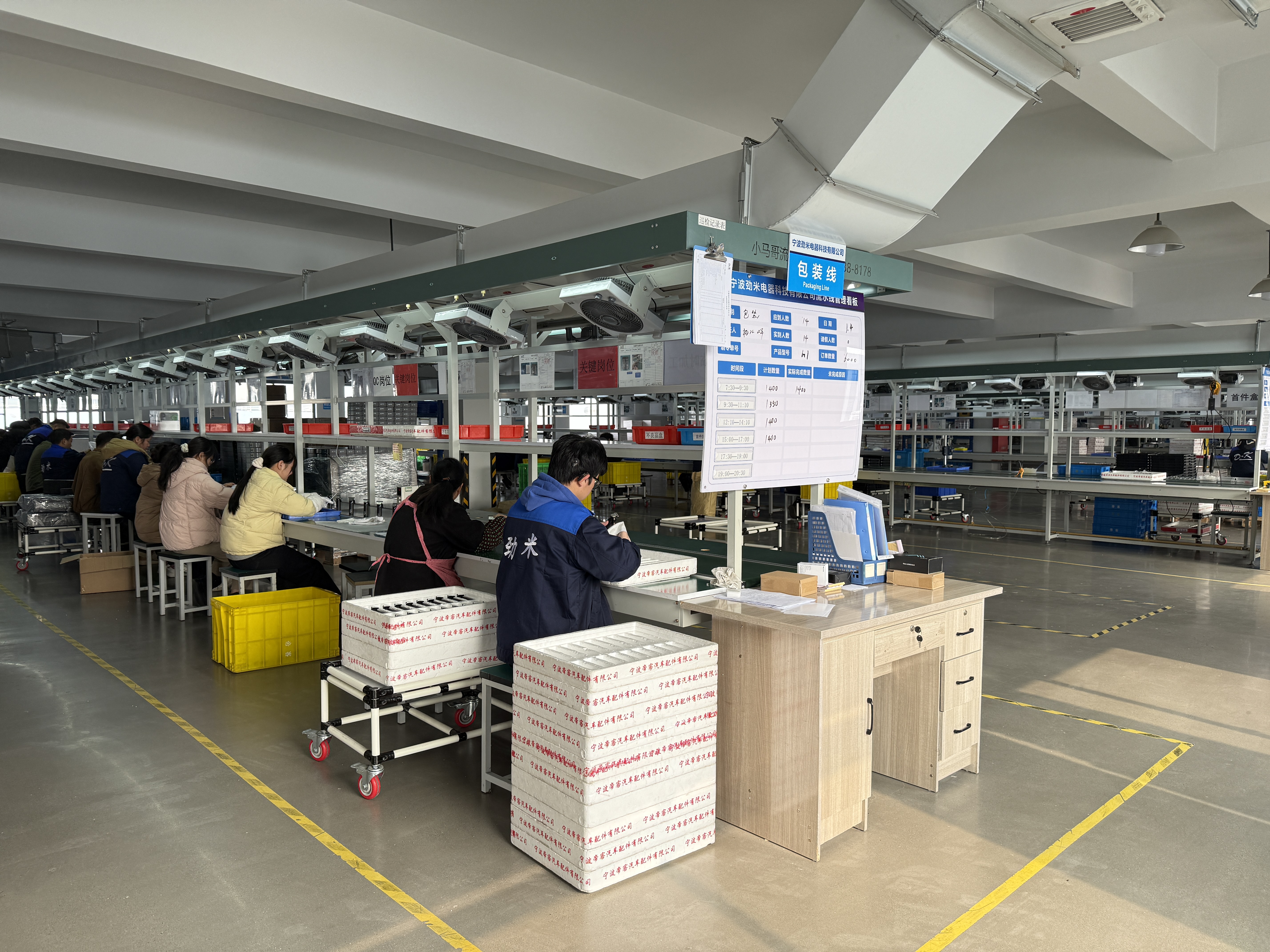
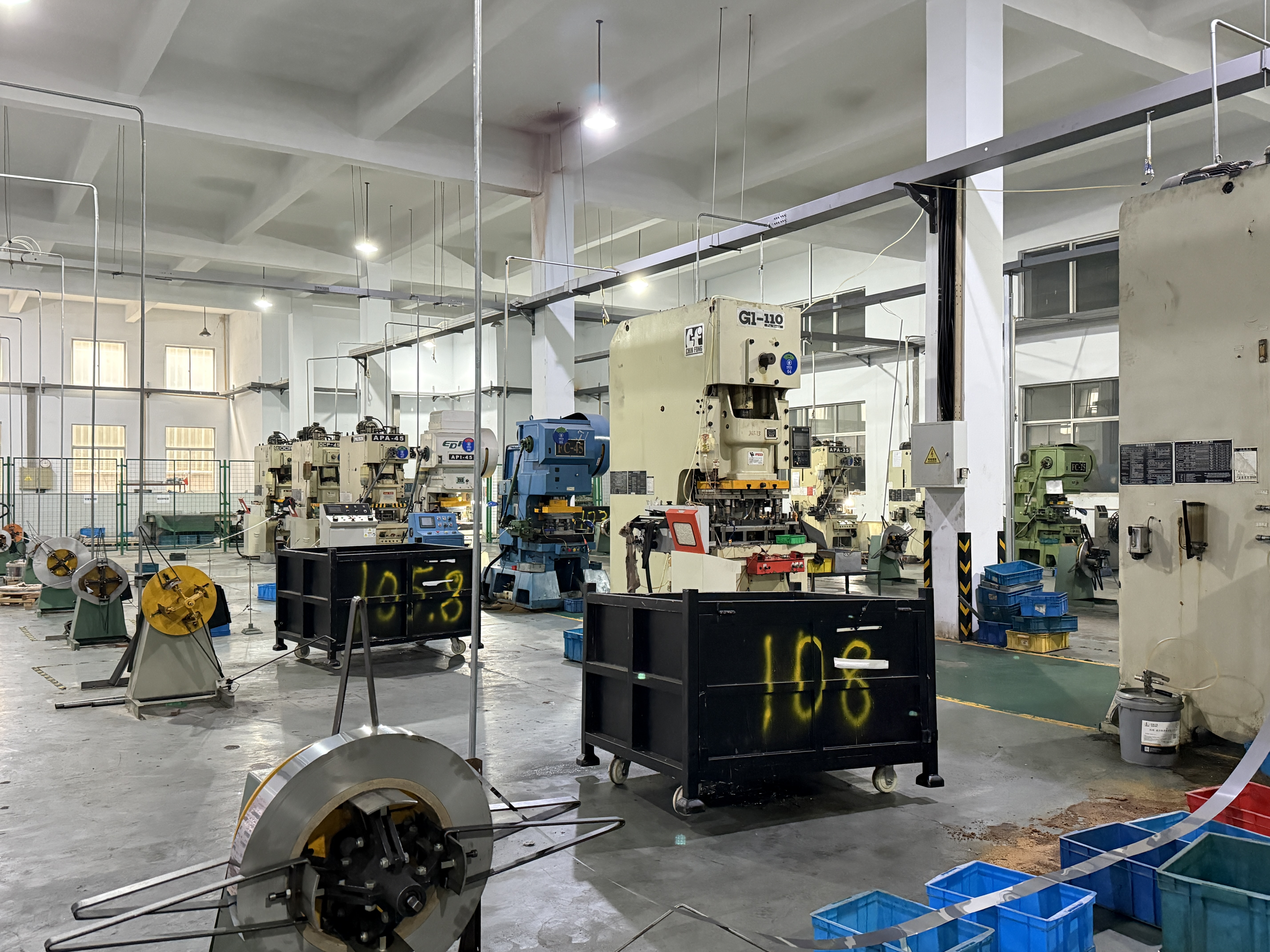
Ningbo Jinmi Electrical Appliance Technology Co., Ltd. is a Chinese manufacturer of personal care appliances, including electric shavers, hair clippers, and nose hair trimmers. The company provides OEM/ODM services for single-, double-, and triple-head shavers. Established in 2015 and located in Cixi, Ningbo (Zhejiang Province), it operates a 28,000-square-meter factory with more than 300 employees, 10 finished product assembly lines, and an annual output of 12 million units. Its export ratio is about 70%, with primary markets in Europe, North America, and Southeast Asia. The JM-901 is a linear-motor electric shaver positioned as a travel-friendly, lower-noise, budget-conscious option.
Laifen is a consumer appliance brand recognized for its self-developed linear motor technology. According to the comparative analysis reviewed in this article, Laifen's shaver uses a self-developed linear motor rated at 12,000 vibrations per minute with a claimed service life of 500 hours. Laifen is positioned at a higher price point in this comparison, which makes it a relevant reference for buyers weighing performance against budget.
Core Difference: Motor Performance and What the Numbers Actually Mean
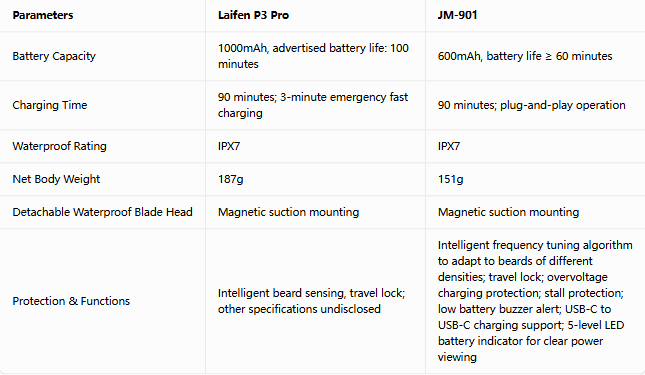
At the center of the JM-901 vs. Laifen comparison is the motor. According to the comparative analysis provided by Ningbo Jinmi, the JM-901 uses a domestically sourced linear motor that vibrates at 14,000 times per minute, while Laifen's self-developed linear motor vibrates at 12,000 times per minute. That is a 16.7% higher vibration frequency, which the analysis describes as potentially faster cutting.
Motor performance cannot be evaluated on frequency alone. The analysis also discloses a service-life difference: the JM-901's motor is rated above 200 hours, while Laifen's motor carries a 500-hour rating. At first glance, Laifen appears stronger on durability. In practical terms, a 200-hour motor used for 5 minutes per day still lasts more than six years. For a typical household user, that exceeds the replacement cycle of most personal-care appliances. For a professional barber or a very heavy daily user, 500 hours offers a wider safety margin.
This is not a case where one motor is universally superior. The right choice depends on how intensively the end user will shave. Procurement teams should translate rated motor hours into expected years of service for their specific target consumer before treating lifespan as a simple win or loss.
Beyond the Motor: Noise, Durability, and Heat Dissipation
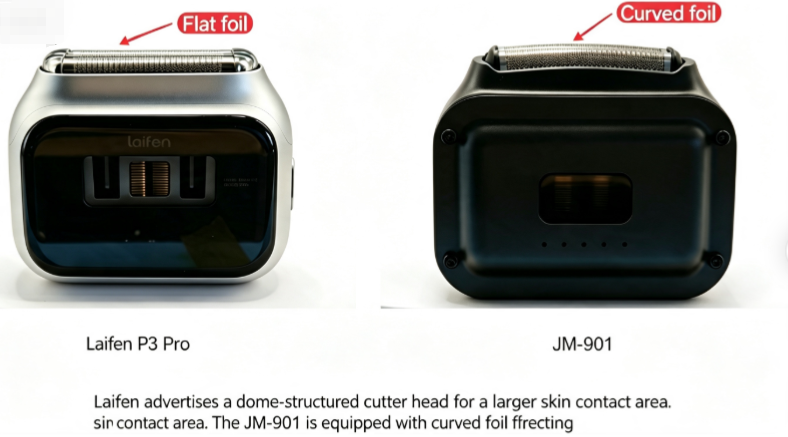
The JM-901's claimed advantages go beyond the motor. The comparative analysis lists lower noise, super sharp cutting, high-strength drop and impact resistance, corrosion and rust resistance, and fast heat dissipation as technical advantages over Laifen. For a business traveler, these attributes matter more than raw frequency numbers: lower noise makes a hotel-room shave less intrusive, drop resistance reduces the risk of damage in luggage, and corrosion resistance protects the shaver in humid bathroom environments.
The analysis also notes less maintenance and higher efficiency for the JM-901. For distributors and retail channels, lower maintenance can mean fewer after-sales service incidents and lower warranty-related costs over the product lifecycle.
Safety Engineering: How Overheating Risks Are Controlled
Safety engineering is a separate decision layer that buyers sometimes overlook. Electric shavers operate with rotating or reciprocating cutters under electrical load, so overheating is the main risk to control. Ningbo Jinmi addresses overheating through stall protection and overvoltage protection. These methods are supported by a production-level control chain that includes temperature sensor real-time monitoring, circuit reliability inspection, production-process spot checks, finished product aging tests, thermal safety verification, and finished product safety performance testing.
From a compliance standpoint, this control chain is consistent with what industrial buyers should look for when verifying IEC 60335-2-8 compliance and IPX4/IPX7 waterproof ratings for washable models. Buyers should still request the specific certificates for the destination market during the sourcing process.
Cost Analysis: What a 10% Price Gap Means for Procurement
The most concrete number in this comparison is cost. According to the manufacturer's comparative analysis, the JM-901 costs approximately 10% less than Laifen. For a procurement team, a 10% unit-price gap is rarely marginal: on a bulk order of 10,000 units, the difference is large enough to affect landed cost, margin, or retail positioning.
The cost advantage becomes stronger when maintenance requirements are lower. On the other hand, the total-cost calculation must include the shorter rated motor life of the JM-901. A buyer targeting professional users who shave 30 minutes per day would reasonably put more weight on Laifen's 500-hour rating. A buyer serving everyday consumers who shave 5 to 10 minutes per day gets a more favorable balance from the JM-901's lower upfront cost.
Step-by-Step: A Procurement Framework for Comparing Linear-Motor Shavers
To turn this comparison into a procurement decision, follow a structured evaluation:
Step 1 — Define the usage profile. Estimate average shave time per day and expected product lifetime for the end user. This determines whether 200 hours is sufficient or 500 hours is necessary.
Step 2 — Weight performance attributes. Rank noise, cutting sharpness, portability, durability, and heat dissipation in order of importance for your target market. The JM-901's strongest attributes are low noise, sharp cutting, drop resistance, corrosion resistance, and heat dissipation.
Step 3 — Convert lifespan ratings into years. Use rated motor hours divided by daily usage. A 200-hour motor at 5 minutes per day equals more than six years of operation, which is the manufacturer's stated reference point.
Step 4 — Quantify the 10% cost gap. Apply the price difference to your expected order volume to understand the real budget impact. A 10% lower cost per unit shifts the economics of private-label pricing and promotional positioning.
Step 5 — Audit safety controls. Confirm that the supplier can document stall protection, overvoltage protection, thermal verification, aging tests, circuit reliability inspection, and final safety performance testing.
Step 6 — Run a side-by-side sample test. Test the JM-901 and Laifen under the same real-world conditions: same usage duration, same charging routine, same water exposure. Do not rely on specification sheets alone.
Step 7 — Evaluate supply and after-sales capacity. Consider production volume, lead time, and the supplier's ability to handle post-sale issues. Ningbo Jinmi's 10 assembly lines and 12-million-unit annual output provide meaningful capacity for OEM/ODM programs.
Use Cases: Matching Shaver Characteristics to Buyer Scenarios
Business travel. The JM-901's compact design, lower noise, and drop resistance fit this scenario. The comparative analysis specifically identifies business travel as its intended best-use case.
Everyday household use. For consumers who shave once daily and replace appliances every few years, the JM-901's cost advantage and 200-hour motor life create a rational value proposition.
Hotel and hospitality procurement. Lower noise reduces guest complaints; corrosion resistance extends service life in humid bathrooms; and lower maintenance lowers operating costs for property operators.
Professional and high-frequency use. Barbershops or frequent travelers who shave heavily should evaluate Laifen's 500-hour motor as the more durable option, even at a higher price.
Private-label and OEM/ODM projects. Ningbo Jinmi provides OEM/ODM services for single-, double-, and triple-head shavers. The JM-901 can serve as a base platform for brand-specific customization, which adds flexibility for buyers building their own product lines.
Side-by-Side Comparison Table: JM-901 vs. Laifen
Cells marked "—" indicate that the manufacturer's comparative analysis did not disclose a corresponding figure for that product.
| Attribute | JM-901 | Laifen |
|---|---|---|
| Motor Type | Domestically sourced linear motor | Self-developed linear motor |
| Vibration Frequency | 14,000 times/min | 12,000 times/min |
| Rated Motor Service Life | Above 200 hours | 500 hours |
| Noise | Lower noise | — |
| Cutting | Super sharp | — |
| Drop / Impact Resistance | High strength, drop and impact resistant | — |
| Corrosion Resistance | Corrosion and rust resistant | — |
| Heat Dissipation | Fast heat dissipation | — |
| Maintenance | Less maintenance | — |
| Efficiency | Higher efficiency | — |
| Relative Cost | Approximately 10% lower than Laifen | — |
| Best For | Business travel | — |
FAQ
Does the JM-901 meet international safety and quality standards for electric shavers?
Electric shavers sold internationally are generally expected to comply with IEC 60335-2-8, which covers household shavers, hair clippers, and similar appliances up to 250V. Washable models are commonly tested to IPX4 or IPX7 ingress-protection ratings under UL/CSA 60335-2-8 amendments. On the production side, Ningbo Jinmi manages overheating risks through stall protection and overvoltage protection, supported by temperature sensor real-time monitoring, circuit reliability inspection, production-process spot checks, finished product aging tests, thermal safety verification, and finished product safety performance testing. Buyers should request specific certificate documents for their target market when evaluating the JM-901.
How does the JM-901's motor performance compare with Laifen's?
The JM-901 uses a domestically sourced linear motor with a vibration frequency of 14,000 times per minute, while Laifen's self-developed linear motor vibrates at 12,000 times per minute — a 16.7% difference in favor of the JM-901. The manufacturer's comparison also lists lower noise, sharper cutting, higher drop/impact resistance, corrosion/rust resistance, and faster heat dissipation as advantages. However, Laifen's motor is rated for 500 hours of service life, while the JM-901 is rated above 200 hours. At 5 minutes of daily use, 200 hours corresponds to more than six years of operation.
Is the JM-901 more cost-effective than Laifen for bulk orders?
According to the manufacturer's comparative analysis, the JM-901 costs about 10% less than Laifen. On a bulk order, a 10% unit-price difference can meaningfully affect total cost, margins, or retail pricing. The cost advantage is reinforced by lower maintenance requirements and higher efficiency. The trade-off is motor service life: buyers serving intensive, high-frequency users should weight Laifen's 500-hour rating; buyers serving typical consumers get a strong value balance from the JM-901's 200-hour rating and lower price.
Can I request a JM-901 sample before placing a bulk order?
Sample requests are a standard part of B2B electric shaver sourcing. Buyers can contact Ningbo Jinmi's sales team directly — Leo, +86 158-6739-9472, huangyeyang@nbjinmi.cn — to discuss sample availability and testing. For a decision-grade test, run the JM-901 against a shortlisted alternative with the same usage protocol: identical daily shave duration, same charging habit, and similar exposure to water and humidity, so the results are comparable.
What is the typical lead time for JM-901 OEM/ODM orders?
Lead time depends on order volume, configuration (single-, double-, or triple-head), packaging, and compliance documentation requirements. Ningbo Jinmi operates 10 finished product assembly lines with an annual output of 12 million units, and its production system is designed for OEM/ODM programs. For current lead-time estimates and scheduling, buyers should contact the sales team directly with their order specifications.
Conclusion and Next Steps
The JM-901 vs. Laifen comparison is a useful exercise because it exposes the real tensions in electric shaver procurement: frequency versus lifespan, price versus durability, performance claims versus field behavior. There is no universal winner. There is only a correct match for a defined usage profile, budget, and market position.
Industrial buyers who approach the decision with usage data, a weighted attribute list, and a side-by-side sample test will be able to make a defensible choice. For those who want to evaluate the JM-901 as a candidate, the next step is to request the product catalog and speak directly with the manufacturer's sales team.
Next step: evaluate the JM-901 against your shortlist.
Download the product catalog: Jinmi Product Brochure (PDF)
Contact: Leo — huangyeyang@nbjinmi.cn | WhatsApp | +86 158-6739-9472
Learn more at www.nbjinmi.com
Have Questions or Need More Details?
Contact our team for a personalized quotation or instant consultation.
Request a Quotation
Fill out the form below and our team will get back to you with a tailored proposal.
WhatsApp Direct Chat
Prefer to chat in real-time? Message us on WhatsApp for instant assistance & quick answers.
- Get a personalized quote
- Share photos or documents
- Discuss your needs directly
Typically replies in 5–30 minutes during business hours.