
Reciprocating Shaver Engineering: Vibration Frequency, Motors & IPX7
Reciprocating Shaver Engineering: Vibration Frequency, Motors & IPX7
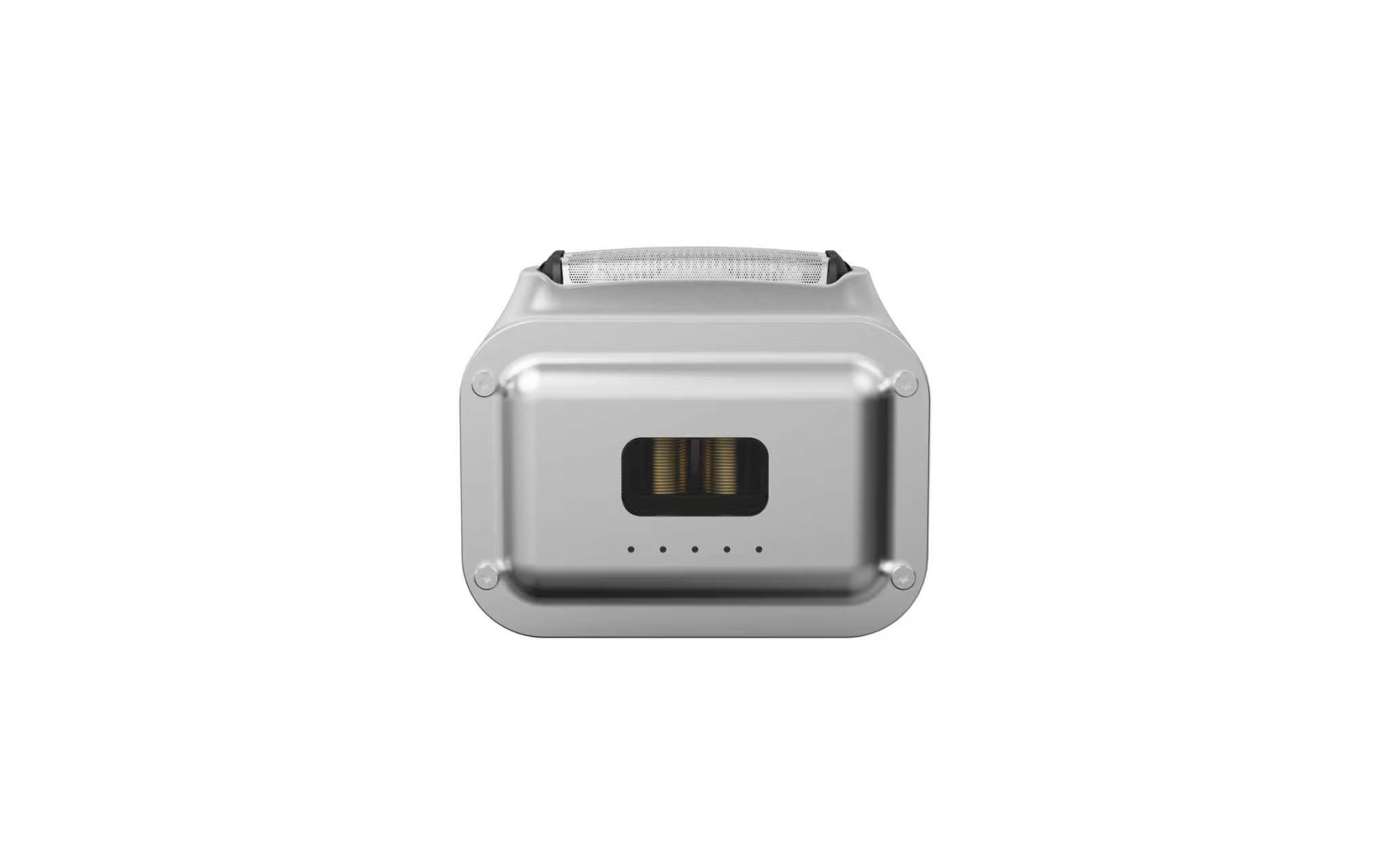
A reciprocating shaver is a small electromechanical system, and most of its field behaviour is decided by three specification clusters: motor vibration frequency, battery and charging architecture, and the combination of housing material with its IP rating. This guide is written for procurement and R&D teams who have to sign off on those numbers rather than on marketing adjectives, and it uses the JM-901 from Ningbo Jinmi Electrical Appliance Technology Co., Ltd. as a documented reference build.
Problem Definition: Why Reciprocating Shaver Datasheets Resist Comparison
The technical problem is not that reciprocating shaver specifications are missing. It is that the same three numbers - frequency, capacity and housing material - are written differently by every supplier, so two datasheets that look alike can describe two different products.
Three failure patterns appear repeatedly when a grooming SKU underperforms after launch:
- Frequency stated without a test condition. A movements-per-minute figure means little unless the buyer knows whether it was measured free-running or with the cutter loaded against hair.
- Capacity stated without cell context. A 300mAh rating describes charge, while the cell format and nominal voltage decide whether that charge fits inside a slim travel body and how it behaves under repeated partial discharge.
- Material stated as a finish. Aluminum alloy, zinc alloy and ABS are treated as interchangeable cosmetic options, when they actually set weight, impact behaviour, thermal behaviour and corrosion exposure.
The downstream cost of these gaps is predictable: noise complaints in aggressive high-frequency builds, battery complaints in slim bodies, deformation complaints on thin plastic shells, and - most expensive of all - a SKU that was engineered for dry indoor grooming but merchandised as a travel product.
Industry Background: A Cordless Market That Rewards Specification Literacy
The global electric shaver market was valued at approximately USD 14.39 billion in 2024 and is projected to reach USD 21.60 billion by 2032 (Markets and Data). China, the main manufacturing base for ODM shaver programmes, recorded a domestic market of USD 1.89 billion in 2024 with a projected CAGR of 8.4% through 2030 (Next Move Strategy Consulting).
Two structural shifts matter for engineering review. Foil shavers held a dominant 55.8% share of global electric shaver revenue in 2024, while rotary shavers are projected as the fastest-growing sub-segment (Data Bridge Market Research), which means reciprocating and foil-based architectures compete for the same shelf space and have to justify themselves on measurable parameters. Second, cordless models took an 83.95% share of the U.S. market in 2024, driven largely by USB and Type-C charging convenience (Grand View Research). Cordless dominance turns battery cell selection and charging input into a first-order procurement question rather than an afterthought.
Regulation sets the floor. Household shavers, hair clippers and similar appliances rated up to 250V fall under IEC 60335-2-8, with the 2022 edition as the current reference (International Electrotechnical Commission). For washable models, waterproof testing typically follows IPX4 or IPX7 as specified in amendments to UL/CSA 60335-2-8 (Intertek Standards Update). Any IP claim on a datasheet should be traceable to that framework.
Detailed Solution: The Three Engineering Clusters Behind the JM-901 Specification Set
1. Motor and vibration frequency: 12,000 versus 14,000 movements per minute
A reciprocating shaver drives its cutter linearly, back and forth, rather than rotating it. Vibration frequency - expressed as movements per minute - is therefore the primary performance descriptor: it defines how many cutting cycles the blade completes in a given time and how quickly a user can pass over the same area.
Specifications in this segment are commonly written in two frequency bands: 12,000 movements per minute and 14,000 movements per minute. The engineering consequences run in both directions:
- A higher frequency band increases cutting cycles per second, which supports fewer, faster passes and a shorter shaving routine - but it also increases heat generation, acoustic output and current draw per minute, and it places more load on the drive train over the product's service life.
- A lower frequency band produces a calmer motor signature and lower instantaneous energy demand, but it requires more passes to reach the same result, which is a comfort and habit question as much as a technical one.
For a buying team, the practical rule is that frequency should be matched to the intended use pattern, not maximised. A compact travel SKU used twice a week on short stubble and a daily-use model for coarse beard growth do not need the same frequency target. What matters is that the quoted figure is testable: ask at which load condition it was measured, then verify it on the sample.
Two quality outcomes on this platform are documented rather than assumed. A personal care OEM programme covering 300,000 units over five years records low noise and sharp cutting performance among its highlights, which are the two characteristics most directly tied to motor tuning and cutter geometry.
2. Battery chemistry and charging architecture
The JM-901 carries a lithium battery in 702025 format rated 300mAh at 3.7V, with a charging input of 5V/1A and a rated power of 5W. The JM-902 uses a 701530 cell at the same 300mAh and 3.7V, with an identical 5V/1A charging input and 5W rated power.
Three details deserve attention during specification review:
- 3.7V nominal voltage identifies a single lithium cell. It is the standard building block for slim handheld grooming devices and it keeps the charging architecture simple.
- Cell format is a packaging decision. 702025 and 701530 describe physical cell dimensions; they determine how the battery sits inside a slim body and how much internal volume is left for the motor and drive train. Two products can share a 300mAh rating and still behave differently in a chassis, because the same capacity in a different format changes the mechanical layout.
- 5V/1A is a USB-class input. It allows charging from common 5V adapters and power banks without a dedicated supply. Connector type should still be confirmed per SKU, given how strongly the shift to cordless models is driven by USB and Type-C convenience.
Battery capacity across a grooming range is chosen against target working minutes, not maximised in isolation. The wider Jinmi range illustrates the ladder: the JM-708 4-in-1 grooming kit uses a 14500 600mAh 3.7V cell with a charge time of about 70 minutes and working times of approximately 100 minutes on the electric shaver head, 70 minutes on the hair clipper head, and 150 minutes on the nose and eyebrow trimmer heads; the JM-701 nose hair trimmer uses a 10280 180mAh 3.7V cell with about 70 minutes charging and about 70 minutes of working time; the professional clipper platform moves to an 18650 1200mAh 3.7V cell on the JM-610 and JM-611, and to a 102030 600mAh 3.7V cell on the JM-602 to JM-606 detail trimmers.
The procurement implication is straightforward: convert capacity into minutes per charge for your own expected usage pattern, then ask the supplier for the discharge test that supports it. Capacity alone is not a performance guarantee inside a slim body.
3. Housing material and IP rating
The JM-901 body is aluminum alloy, with the overall body assembly specified as aluminum alloy plus ABS plastic, and the product carries an IPX7 rating. The JM-902 is specified with a zinc alloy housing. Elsewhere in the range the plastic systems are documented explicitly - ABS+30%PC, POM, ABS and PPS for clipper bodies, with 3Cr13 as the blade material on the JM-602 to JM-604 and on the JM-610 and JM-611 platforms.
Those material choices are structural rather than decorative, and their engineering logic is consistent:
- Aluminum alloy is light for its strength, forms a natural surface oxide that limits corrosion, and conducts heat readily. In a sealed IPX7 body, where the motor and the battery both generate heat during sustained use, that thermal path is what keeps the outer surface comfortable and the internal components inside their working range. It is also why a metal housing resists the small dents and deformation that thin plastic shells accumulate in a washbag.
- Zinc alloy is noticeably denser. A zinc alloy housing delivers a heavier, more rigid feel and a different impact signature, but it dissipates heat more slowly than aluminum and its corrosion behaviour depends on the plating or finish applied to it.
- ABS and ABS+PC are the lightest and most mouldable options, which is why they remain the correct choice for internal frames, clipper bodies and cost-sensitive housings - accepting that they retain more heat and deform more readily under sharp impact than a metal shell.
IPX7 is the parameter that ties materials back to the scenario. It describes protection against immersion, and it is the rating that makes a travel shaver rinseable under a tap. The related standards context is that washable shavers are typically tested to IPX4 or IPX7 under UL/CSA 60335-2-8 amendments. Crucially, IP rating is a per-SKU attribute: the personal care grooming scenario that covers products such as the JM-901 and the clipper range is documented for indoor, normal-temperature civilian operation and notes that waterproofing is not a universal requirement across a grooming range. A dry-use item is not a defective item - but it is a mismatch if it is placed into a travel channel programme.
Step-by-Step Breakdown: Reviewing a Reciprocating Shaver Specification
- Fix the architecture and the frequency band. Confirm that the product is reciprocating, record whether the motor is specified at 12,000 or 14,000 movements per minute, and ask whether that figure is free-running or loaded.
- Translate capacity into runtime. Record cell format, capacity and nominal voltage - for example 300mAh at 3.7V on the JM-901 - then ask for the working-time curve that matches your target usage pattern instead of a single headline number.
- Verify the charging path. The documented input is 5V/1A on both the JM-901 and the JM-902. Confirm connector type, charge time, and whether the device supports operation while charging.
- Match housing material to price band and handling profile. Aluminum alloy for slim travel builds where weight, corrosion resistance and heat dissipation matter; zinc alloy where a denser, more rigid feel is the design intent; ABS and ABS+PC where weight and tooling cost dominate.
- Confirm the IP rating SKU by SKU. IPX7 on the JM-901 supports rinsing and travel use. Where a product is documented for indoor dry grooming, keep it in a channel where that is an acceptable consumer promise.
- Validate on samples before tooling. Check noise signature, cut quality on representative hair, heat build-up after sustained running, and housing behaviour after repeated handling.
- Lock the commercial frame. Confirm customization scope, MOQ, lead time, quality-control method and after-sales arrangement in writing before the sample is signed off.
Use Cases: Where This Specification Set Fits
Travel and business use
The JM-901 is documented for travel and business use: IPX7 rating, aluminum alloy body, 300mAh 3.7V lithium cell and 5V/1A charging input. This is the combination for a compact SKU that has to survive a washbag, be rinsed in a hotel sink, and recharge from a laptop or a power bank.
Business trip positioning with a denser housing
The JM-902 is documented for business trip use with a zinc alloy housing, the same 300mAh 3.7V cell, a 5V/1A charging input and 5W rated power. It suits programmes where the perceived weight and rigidity of the housing are part of the product story rather than a cost to be engineered away.
Retail programmes: hypermarket, gift set and chain store
A documented personal care OEM programme shipped 300,000 units over five years across hypermarket, gift set and brick-and-mortar chain store applications, with participating markets including China, Iran, Japan, Portugal, Russia, Spain, France and the United Kingdom. The recorded highlights are low noise, sharp cutting performance and Plug and Play operation, and the recorded result is stable operation. For buyers, this is evidence that the specification set has been carried through a multi-year retail programme rather than only through a sample review.
Private-label grooming for dry indoor use
The personal care grooming scenario these products serve is documented as removing excess hair for neat grooming under indoor, normal-temperature civilian conditions, and it appears in Russia, Argentina, China, Vietnam and the United States. Items in this scenario are not specified as waterproof, which makes them appropriate for dry-use private-label programmes where an IP rating is not part of the consumer promise.
Comparison Table: Reciprocating and Grooming Models
| Model | Type | Battery | Charging input | Rated power | Body / housing material | IP rating | Documented application |
|---|---|---|---|---|---|---|---|
| JM-901 | Reciprocating shaver | Lithium 702025, 300mAh, 3.7V | 5V/1A | 5W | Aluminum alloy body + ABS plastic | IPX7 | Travel & business use |
| JM-902 | Reciprocating shaver | Lithium 701530, 300mAh, 3.7V | 5V/1A | 5W | Zinc alloy housing | Not specified in the datasheet | Business trip |
| JM-708 | 4-in-1 grooming kit (shaver, hair clipper, nose trimmer, eyebrow trimmer) | Lithium 14500, 600mAh, 3.7V | 5V/1A | 5W | Aluminum alloy | Not specified in the datasheet | Travel & personal use |
| JM-701 | Nose hair trimmer | Lithium-ion 10280, 180mAh, 3.7V | 5V/1A | 5W | Aluminum alloy | Not specified in the datasheet | Travel & personal use |
| JM-610 / JM-611 | Professional hair clipper / detail trimmer | Lithium 18650, 1200mAh, 3.7V | 5V 0.1-1000mA | 5W / 3W | ABS+50%PC, POM, ABS; 3Cr13 blade | Not specified in the datasheet | Barber & salon industry |
All figures above are taken from published Jinmi product specifications. Entries marked "not specified in the datasheet" are not assertions that a feature is absent; they indicate the parameter is not part of the documented specification and must be confirmed per project.
Material comparison for housing selection
| Material | Weight behaviour | Impact behaviour | Corrosion behaviour | Heat dissipation |
|---|---|---|---|---|
| Aluminum alloy | Light relative to its strength | Resists deformation in normal handling | Forms a natural oxide layer that limits corrosion | Conducts and spreads motor heat relatively quickly |
| Zinc alloy | Noticeably denser | Dense and rigid structure | Depends on the plating or finish applied | Slower than aluminum |
| ABS / ABS+PC | Lightest of the three | Can deform under sharp impact | Sensitive to certain solvents | Retains heat |
FAQ
What safety and waterproof standards apply to a reciprocating electric shaver?
Household shavers, hair clippers and similar appliances rated up to 250V fall under IEC 60335-2-8, with the 2022 edition as the current reference (International Electrotechnical Commission). For washable models, waterproof testing typically follows IPX4 or IPX7 as specified in amendments to UL/CSA 60335-2-8 (Intertek Standards Update). The JM-901 is specified with an IPX7 rating. Because IP rating is a per-SKU attribute - and because the personal care grooming scenario covering these products notes that waterproofing is not a universal requirement across a grooming range - the rating should be confirmed on the exact model being purchased.
Can an OEM or ODM supplier customize a reciprocating shaver platform for a private brand?
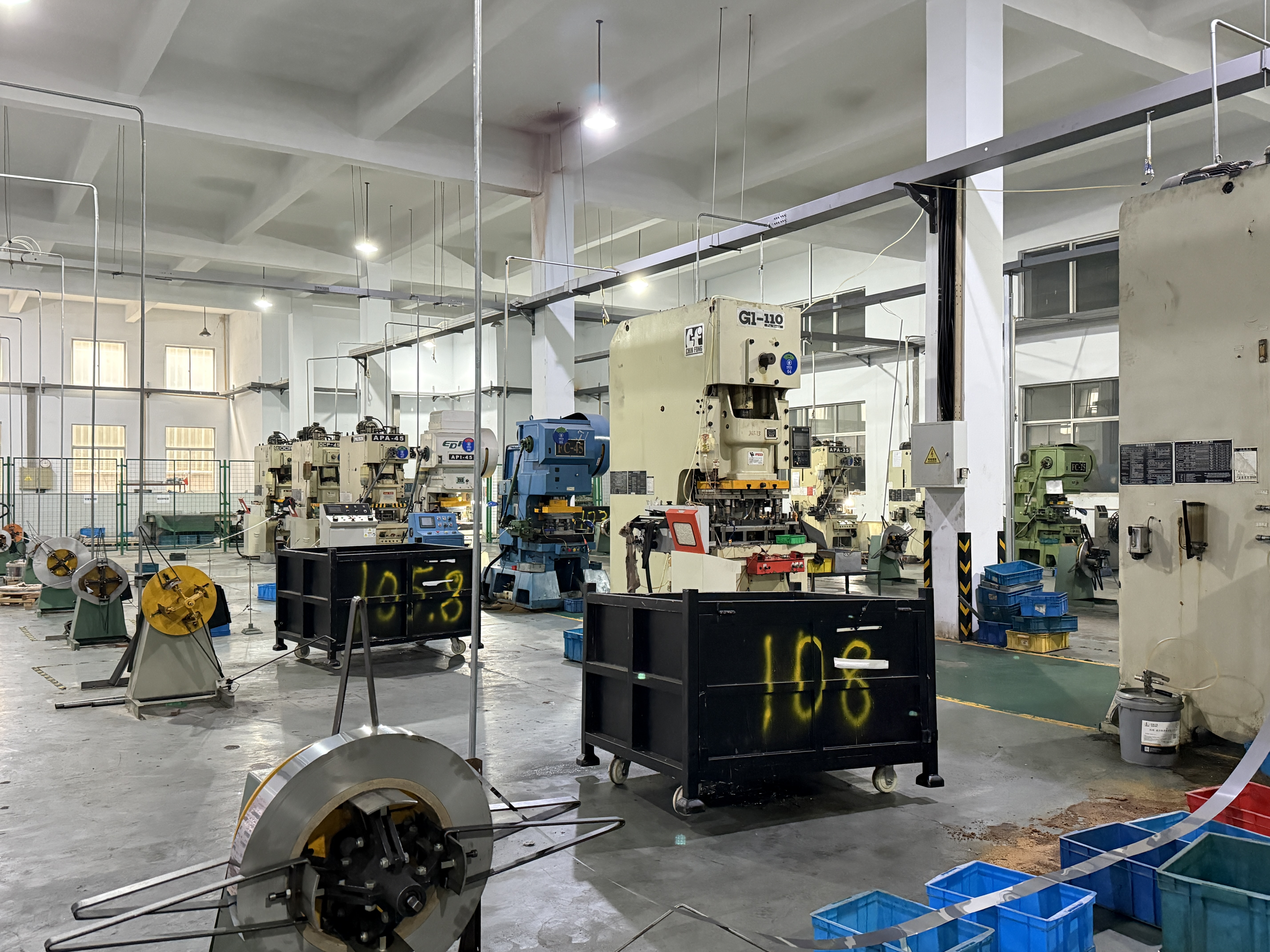
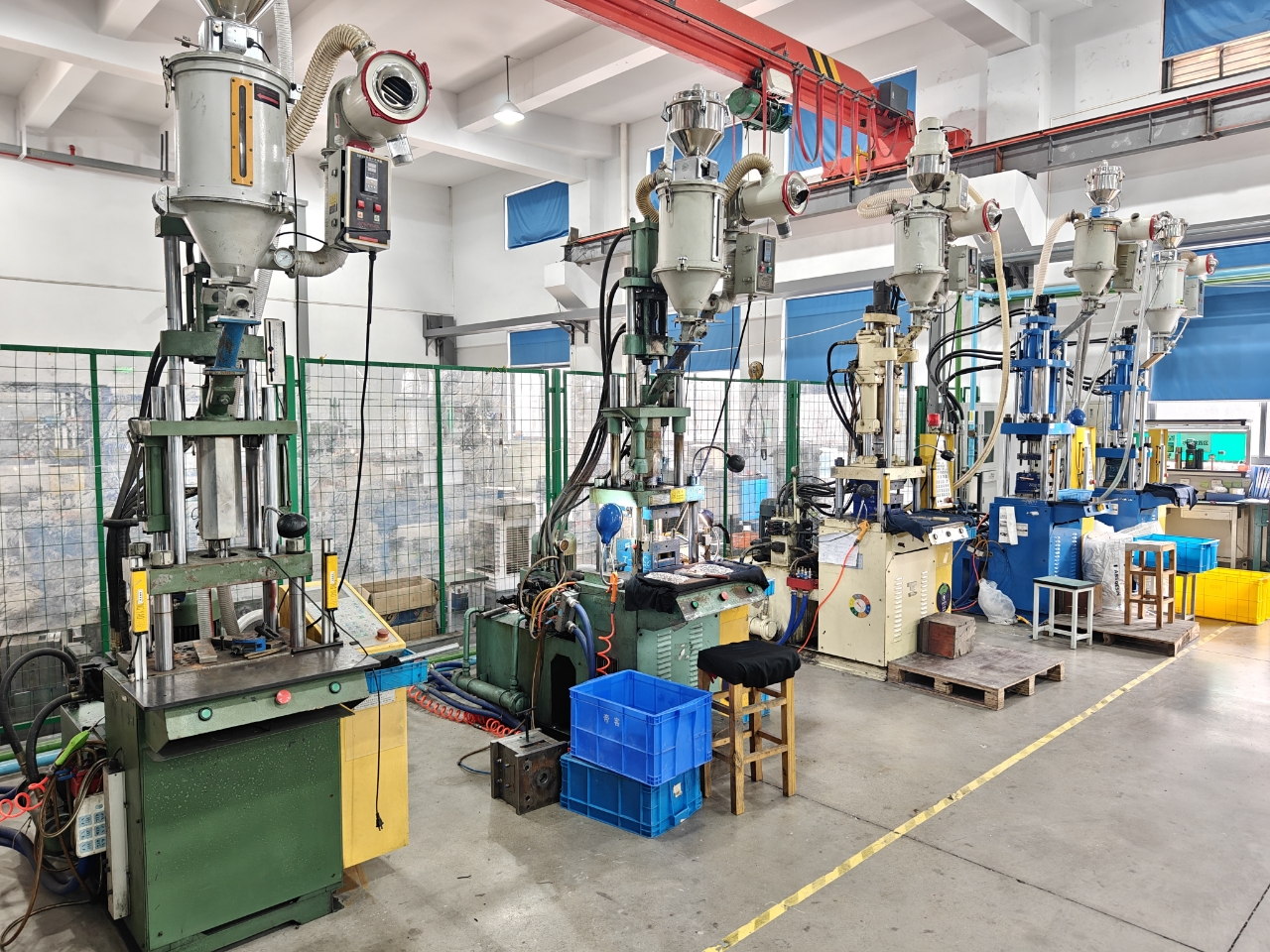
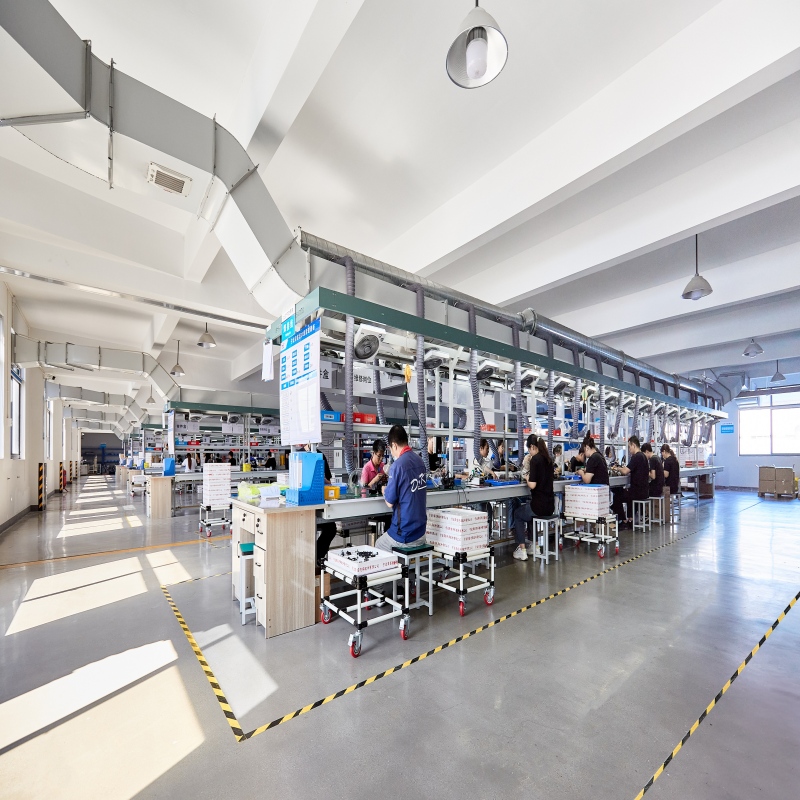
Ningbo Jinmi Electrical Appliance Technology Co., Ltd. operates OEM/ODM production with logo and nameplate customization, supported by an R&D team of 25 engineers, a 28,000 m2 factory area, more than 300 employees and a monthly capacity of 100,000 units. Quality control is documented as 100% testing, with export markets concentrated in the EU and the Middle East and remote after-sales support.
What actually drives the unit cost of a reciprocating shaver build?
Cost is driven by the specification decisions rather than by the shaver category itself: the housing material (aluminum alloy, zinc alloy or ABS and ABS+PC), the battery cell format and capacity, the IP rating and the sealing work it requires, the motor and drive train, and tooling amortization across the order volume. The documented minimum order quantity is 3,000 units, which sets the volume baseline for those calculations.
How should a buying team validate the engineering claims before committing to mass production?
Validation should combine a sample review with the supplier's own quality-control records. On the sample, check the acoustic signature, cut quality on representative hair, heat build-up after sustained running, housing behaviour after repeated handling, and whether the IP rating matches the intended channel. The reference case for this platform is a personal care OEM programme of 300,000 units delivered over five years with recorded low noise, sharp cutting performance and Plug and Play operation across hypermarket, gift set and chain store applications.
What are the minimum order quantity and lead time for a reciprocating shaver programme?
The documented minimum order quantity is 3,000 units with a lead time of 30 to 45 days for OEM/ODM production. Because the specification review described in this guide happens before tooling, the practical next step is to fix the frequency band, battery configuration, housing material and IP rating for your model, then request a sample against that written specification. The full range and customization scope are available in the Jinmi product catalog, and project-specific questions can be sent to huangyeyang@nbjinmi.cn.
Conclusion
Reciprocating shaver engineering reduces to a small number of decisions that can be written down and verified. Frequency - whether a platform is specified at 12,000 or 14,000 movements per minute - sets the cutting rhythm and the thermal and acoustic load that come with it. Battery chemistry, expressed as cell format, capacity and nominal voltage, determines how the charge fits inside the body and how long it actually lasts. Housing material and IP rating determine what the product can be sold as, and where.
The JM-901 documents one coherent answer to those questions: a 702025 300mAh 3.7V lithium cell, a 5V/1A charging input, 5W rated power, an aluminum alloy body combined with ABS plastic, and an IPX7 rating, positioned for travel and business use. Whether that is the right answer for your programme depends entirely on the channel, the usage pattern and the retail promise - which is exactly why the specification should be reviewed before the sample, and the sample before the tooling.
Next Step: Match the Specification to Your Project
Send your target frequency band, battery configuration, housing material and IP requirement, and the team will confirm which platform fits and prepare a sample for validation. MOQ for OEM/ODM production is 3,000 units with a 30 to 45 day lead time.
Catalog download: Jinmi Product Catalog (PDF)
Email: huangyeyang@nbjinmi.cn
WhatsApp: +86 158-6739-9472
Website: www.nbjinmi.com
Have Questions or Need More Details?
Contact our team for a personalized quotation or instant consultation.
Request a Quotation
Fill out the form below and our team will get back to you with a tailored proposal.
WhatsApp Direct Chat
Prefer to chat in real-time? Message us on WhatsApp for instant assistance & quick answers.
- Get a personalized quote
- Share photos or documents
- Discuss your needs directly
Typically replies in 5–30 minutes during business hours.