
Ningbo Linhua Plastic: Food Packaging Container Manufacturer
Ningbo Linhua Plastic Co., Ltd.: A Profile of a Chinese Plastic Food Packaging Container Manufacturer
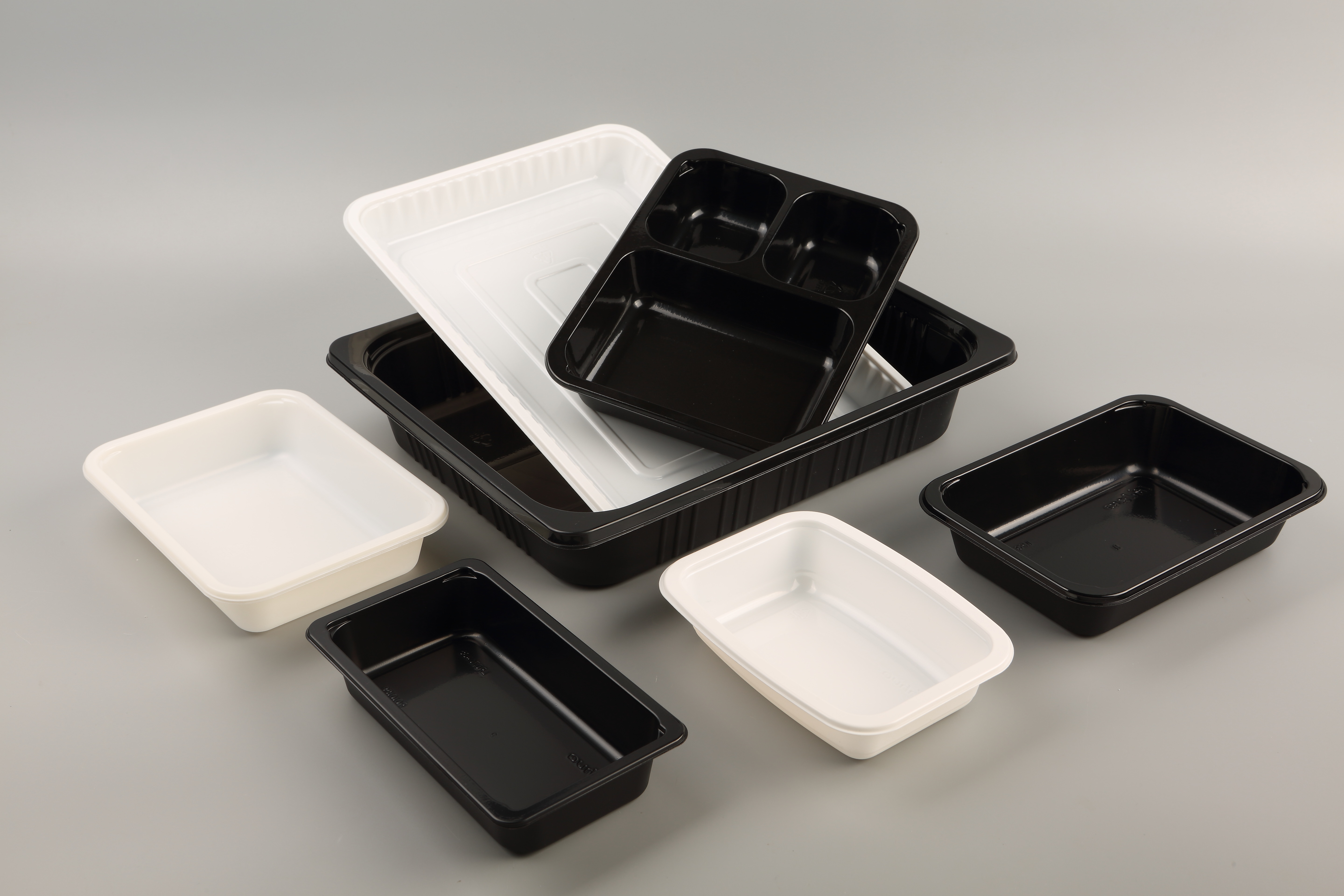
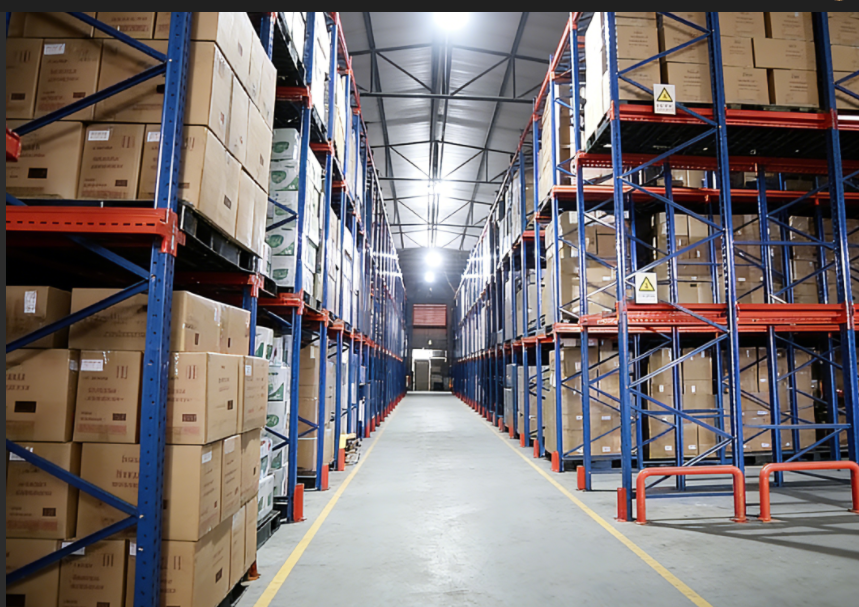
Ningbo Linhua Plastic Co., Ltd. is a B2B manufacturer of rigid plastic food packaging containers, established in 2004 and based in Fenghua, Ningbo, Zhejiang, China. The company produces MAP high-barrier trays, VSP trays, turned-edge PET trays, moisture retention trays, CPET ready-meal trays, hinged containers, clamshells, cups and lids, and multi-compartment produce and deli trays. Its factory covers approximately 30,000 square metres, the company reports annual output of 20,000 tons, and it exports to markets including Australia, Canada, the United States, New Zealand, Singapore and the Middle East.
This profile treats Linhua as a procurement candidate rather than a brand story. It separates what the company states about itself, what independent sources say about the wider category, and what a buyer still has to verify before placing a first order.
The Discovery Problem: Why "China Plastic Food Packaging Container Manufacturers" Is a Hard Query to Convert
Searching for China plastic food packaging container manufacturers returns a long list of supplier websites that read almost identically. Most describe materials, formats and export markets in the same vocabulary. For a buyer at the awareness and research stage, the difficulty is rarely finding suppliers — it is deciding which of them can support a specific food application, on a specific packaging line, with documentation that satisfies a specific destination market.
Three questions separate a workable supplier from an unsuitable one:
- Is it a converter or a trader? A company that owns thermoforming, mould development and in-house quality control behaves differently from one that resells. The difference shows up in tooling lead time, tolerance control and how quickly an application question gets a technical answer.
- Does the format match the food and the line? A MAP tray is not simply a PET tray with a lid. Tray dimensions, sealing area, mould design, film, product height and machine settings all interact. A tray that seals cleanly on one line may fail on another.
- Can the paperwork follow the product? Food-contact compliance is now a qualification gate in the EU and the United States, not an afterthought attached to a price list.
This profile applies six lenses to one supplier: manufacturing footprint, product portfolio, material and format capability, development process, export experience, and the quality of available evidence. Where evidence is missing, that is stated rather than filled in.
Industry Background: Regulation and Barrier Performance Are Reshaping Rigid Container Demand
Grand View Research estimates the global food containers market at USD 331.7 billion in 2024. That figure covers food containers broadly rather than rigid plastic trays alone, and it is a publisher estimate rather than an audited statistic, but it indicates the scale of the category that manufacturers such as Linhua operate in.
Plastic remains the material most buyers default to. Industry-backed educational material published through the Plastiverse platform states that food packaging is essential for transporting, storing, handling and preserving food, and that the most common food packaging materials are different types of plastic. The same source material notes that plastic packaging is made from synthetic polymers such as polypropylene and polyethylene, which links container pricing directly to upstream resin markets.
Two forces are changing how suppliers are selected.
Regulation. The EU Packaging and Packaging Waste Regulation (PPWR), (EU) 2025/40, has applied since 12 August 2026 and includes restrictions on PFAS in food-contact packaging. Alongside it, Commission Regulation (EU) No 10/2011 establishes specific requirements for plastic materials and articles intended to come into contact with food, including the requirement that substances must not be released above applicable specific migration limits. In the United States, the FDA defines a food contact substance to include food packaging and its components. The practical consequence for a buyer is that a supplier's ability to produce declarations, test reports and material documentation now carries as much weight as its unit price.
Barrier performance. Market Research Future projects the global EVOH packaging market to reach USD 3.055 billion by 2035, from USD 1.847 billion in 2025, at a CAGR of 5.16%. EVOH functions as a barrier layer inside multilayer structures — the same structural logic used in high-barrier MAP trays for fresh meat, poultry and seafood. Growth in that segment signals where technical differentiation is being concentrated.
What this means for supplier selection: for chilled and extended-shelf-life applications, buyers are increasingly comparing suppliers on structure know-how (PP, PET, CPET, EVOH multilayer), sealing compatibility and documentation readiness — not on container weight alone.
Company Overview: Ningbo Linhua Plastic Co., Ltd. at a Glance
Linhua was established in 2004 and operates from Fenghua, Ningbo, Zhejiang. The company describes itself as a B2B food packaging manufacturer and packaging solution provider serving food manufacturers, meat processors, seafood companies, chilled-food producers, ready-meal manufacturers, packaging distributors and other professional customers.
| Item | Company-reported detail |
|---|---|
| Legal name | Ningbo Linhua Plastic Co., Ltd. |
| Established | 2004 |
| Location | No. 13, Dongfan Road, Xiwu, Fenghua, Ningbo, Zhejiang 315500, China |
| Factory area | Approximately 30,000 m² |
| Employees | 150 |
| Annual output | 20,000 tons |
| Export ratio | 70% |
| Main overseas markets | Australia, Canada, the United States, New Zealand, Singapore, the Middle East |
| Business scope | Food packaging manufacturing, custom packaging development, mould development |
| Website | www.nblinhua.com |
On development history, the company reports more than two decades of operation since 2004 and describes a portfolio built progressively around food packaging manufacturing, with particular strengths in high-barrier packaging, MAP, VSP, PET and CPET food trays, and customized packaging development. No independently verified milestone timeline — such as plant expansions, certification dates or capacity additions — was available in the source material reviewed for this profile, so none is asserted here.
Core Products and Solutions
Linhua's portfolio splits into two practical groups: functional barrier and overwrap trays used by food processors, and retail and display containers used by supermarkets, delis, bakeries and foodservice operators. The tables below use the company's published model designations and stated applications.
Functional and barrier formats
| Format | Material | Representative models | Stated primary applications |
|---|---|---|---|
| MAP barrier trays (EVOH high-barrier) | PP; high-barrier PP-based structure with EVOH multilayer barrier | LP090540, LP090790, LP110760, LP11780 | Fresh meat, beef, pork, lamb, poultry, fish, seafood, chilled prepared foods |
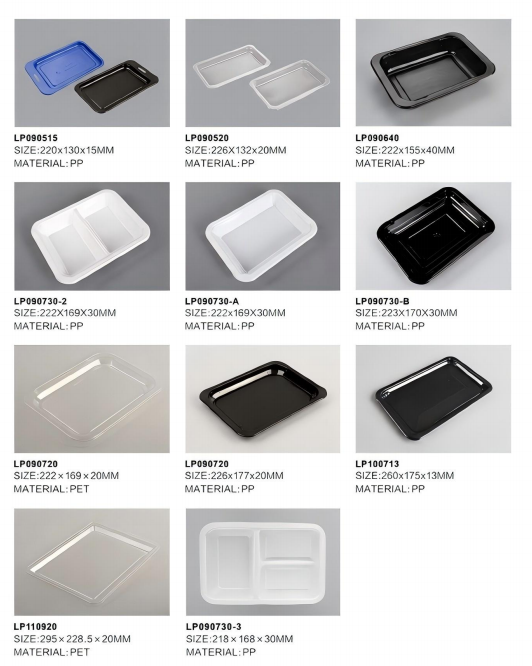
| Vacuum skin packaging trays | PP, PET | LP090515, LP090520, LP090640, LP100713 | Steaks, meat cuts, poultry, fish fillets, seafood, premium chilled foods |
| Turned-edge PET trays | PET / multilayer structure | LP090645TE, LP090750TE, LP110535TE, LP110935TE, 3P, 4D, 8P, 25P | Fresh meat, poultry, seafood, fresh produce, supermarket fresh-food packaging |
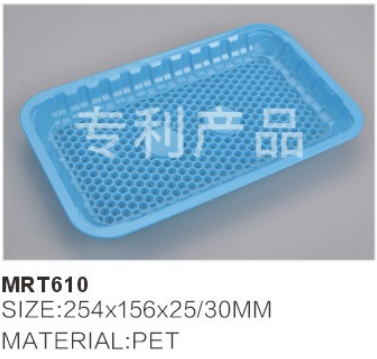
| Moisture retention trays | PET | MRT58, MRT610, MRT810, MRT87, MRT511, MRT911 | Fresh meat, poultry, fish, seafood |
| CPET ready-meal trays | CPET (crystallized PET) | 30+ standard models including LP7435, LP9640, LP121050, LP1209 | Ready meals, prepared foods, supermarkets, catering, airline catering, institutional foodservice |
Retail, deli and produce formats
| Format | Material | Representative models | Stated primary applications |
|---|---|---|---|
| Hinged grab-and-go and bakery containers | PET | LH1008, LH1208, LH1610, LH0703C, LH0505C, LH95P | Bakery, sandwiches, deli, convenience retail, cafés |
| Fruit clamshells | PETE | DP-1LBSS | Blueberries, strawberries, raspberries, blackberries |
| Multi-compartment produce and deli trays | PET | LH1303, LH1003, LH1616, LH1173, LH0606 | Fresh produce, deli assortments, snacks, party platters, meal prep |
| Retail platters and catering containers | PP base + PET lid | LH1313, LH1414, LH1608, LH1807, LH1183 | Cakes, party food, meal kits, sushi, catering |
| Salad, rotisserie and prepared meat containers | PET (salad), PP (prepared foods) | LH1205R, LH0907, LH1107, LH1607, LH1108 | Family salads, rotisserie chicken, fried chicken, ribs, deli takeaways |
MAP and EVOH high-barrier trays
Modified atmosphere packaging adjusts the air inside a sealed pack with a controlled gas mixture selected for the food, and a high-barrier tray plus a compatible lidding film is what keeps that atmosphere in place during chilled storage. Linhua's MAP barrier trays use a PP or high-barrier PP-based structure with an EVOH multilayer barrier layer and are intended for gas-flush, heat-seal packaging of fresh meat, poultry, seafood and chilled prepared foods.
The published MAP range is unusually wide for a single supplier page: footprints run from 187 × 137 × 35 mm (LP5735) to 320 × 248 × 100 mm (LP1210100), with a large number of standard sizes clustered between 200 mm and 300 mm in length. That density of standard tooling matters at the research stage, because it raises the probability that an existing tray can be matched to a product without new mould investment.
VSP trays
In vacuum skin packaging, air is removed from the pack and a skin film forms closely around the food before sealing to the tray. The result is a three-dimensional presentation in which the product's shape and texture stay visible, which is why VSP is commonly associated with steaks, premium cuts, fish fillets and seafood.
Linhua produces VSP trays in PP and PET, with models from 220 × 130 × 15 mm (LP090515) up to 295 × 228.5 × 20 mm (LP110920), including two- and three-compartment variants. The company states that PP/EVOH/PE structures may be discussed and evaluated depending on project requirements, and that tray selection should be assessed together with the food product, chilled or frozen storage conditions, target shelf life, skin film and packaging machine.
Turned-edge and moisture retention trays
Turned-edge trays are overwrap formats. Instead of leaving the PET flange as a cut edge, the flange is rolled into a smooth, formed profile. Linhua states that this creates a more film-friendly contact surface and helps reduce the risk of stretch film catching, scratching or tearing during wrapping, with actual performance also depending on film and machine settings.
The moisture retention tray (MRT) builds on the same turned-edge platform with a network of recessed cells formed into the tray base. As fresh meat, poultry, fish or seafood releases purge, the liquid moves into those cells below the product rather than pooling visibly around it. Because moisture management is built into the tray, Linhua states the design offers the potential to reduce or eliminate a separate absorbent soaker pad — a component-reduction argument as much as a presentation argument. Actual performance depends on food type, pack weight, purge volume, storage temperature and storage time.
CPET ready-meal trays
CPET is used for ready meals and prepared foods where higher temperature resistance is required. Linhua's CPET range includes more than 30 standard models covering single-compartment, 2-compartment and 3-compartment formats, from the 172 × 97 × 35 mm LP7435 to the 2,600 ml LP121050. Selected formats are available in black and natural/white, and the company quotes a unit weight tolerance of ±5% for reference.
Compartment layouts are the practically important detail here. A three-compartment tray keeps a main dish, side and sauce separated through filling, sealing, transport and reheating, which reduces assembly steps for ready-meal producers and caterers. Exact temperature limits, sealing-film compatibility and heating conditions should be confirmed against the selected model and application rather than assumed from the material name.
Retail, deli and produce containers
The retail side of the portfolio covers one-piece hinged containers in clear PET, multi-compartment produce and deli trays, large-format catering platters with PP bases and PET lids, a 96 oz salad bowl-and-lid combo, a rotisserie chicken container with a 116 mm high profile, half- and full-size rib containers, and an oval prepared-food container sized for fried chicken.
These products are less about barrier performance and more about portion fit, stacking, display area and handling speed. Hinged and base-and-lid containers generally do not require dedicated sealing equipment for normal closure, which is relevant for supermarket deli and bakery departments packing at the counter rather than on an automated line.
Company Strength: Manufacturing, Development and Quality Control
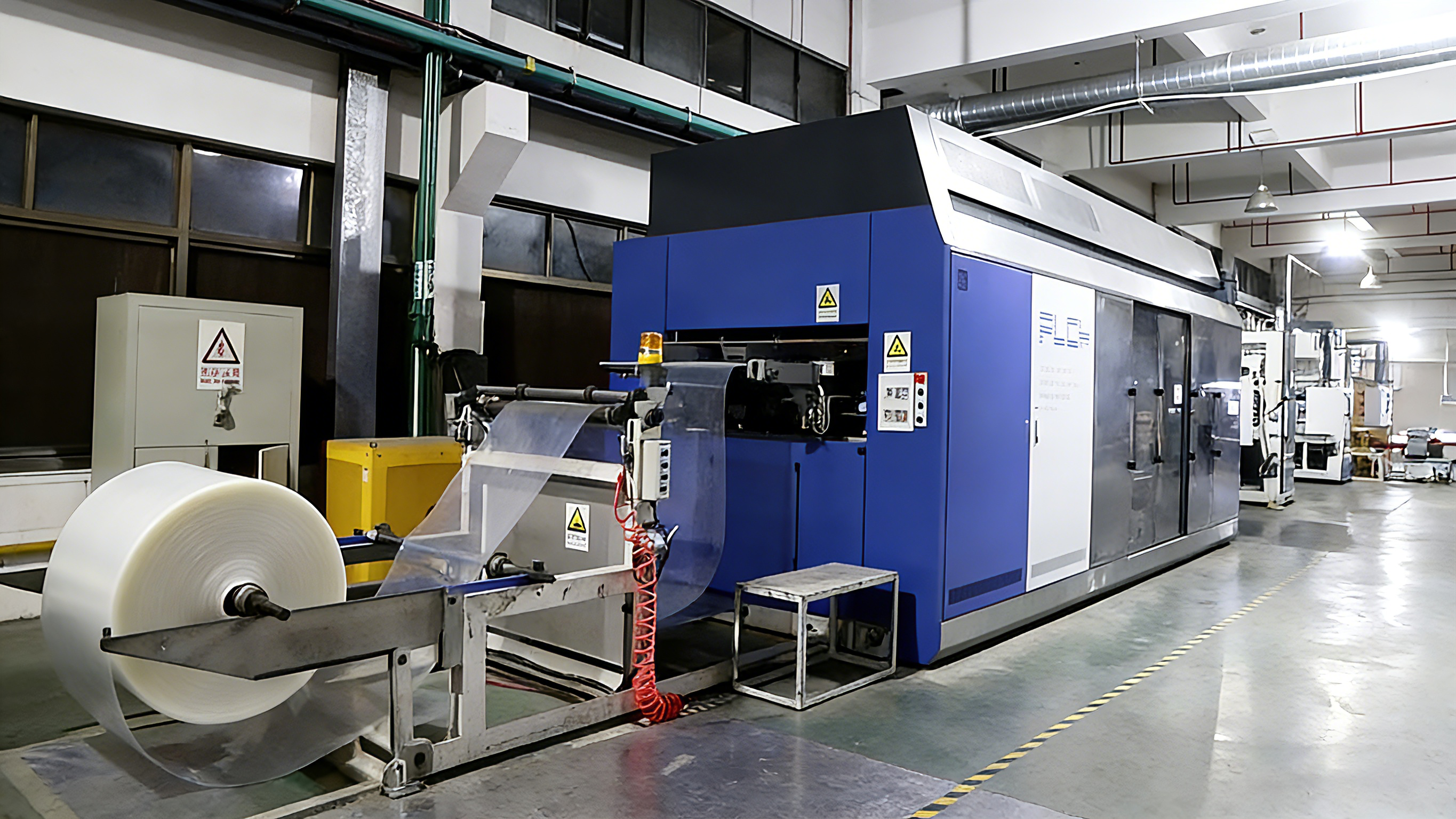
Linhua's stated manufacturing base is a 30,000 m² site with 150 employees and 20,000 tons of annual output. Those figures come from company disclosures and are not independently audited in the source material reviewed, but they place the company in the mid-sized converter bracket rather than the small workshop segment.
The more informative disclosure is the composition of the technical team. Linhua describes a 26-person cross-functional group made up of 4 R&D engineers, 5 mould engineers, 2 process engineers, 8 quality and QC professionals, 1 product documentation and compliance specialist, 4 project managers and 2 application engineers.
- Five mould engineers indicates in-house tooling capability, which is the difference between selecting a catalogue tray and developing a new one.
- Two application engineers points to pre-sales technical matching rather than order-taking — relevant for MAP and VSP projects where tray, film and machine must be evaluated together.
- A dedicated documentation and compliance role is a meaningful signal in a category where EU and US food-contact requirements increasingly decide whether a product can be shipped at all.
On process control, the company states that quality management is applied from raw-material management through manufacturing control to finished-product inspection, with continuous improvement of production processes, inspection methods and internal management aimed at product consistency and stable volume supply.
A note on certifications. Linhua's own company profile states that any specific claims regarding ISO, BRC, HACCP, FDA, EU or other certifications and compliance standards should be based on the company's latest valid certificates, test reports and applicable product scope. No certification numbers or certificate copies were available in the material reviewed for this profile, so none are claimed. Buyers should request the current documents directly.
Customization and OEM/ODM Capability
Customization is where Linhua's development story is most concrete. Depending on the product, the company states that customization can cover tray dimensions, depth, shape, colour, material structure, compartment layout, ventilation holes and other functional features. An existing tray sample, drawing or dimensional specification can be used as a reference for evaluation.
Where no existing mould matches the requirement, the company states it can evaluate a new mould based on the confirmed design and application. Projects typically start with application and specification confirmation, then move into design, prototyping, mould development, sampling and mass production.
For MAP and VSP projects, the information the company asks for is specific and worth noting, because it defines what a serious enquiry should contain:
- Food type and product height
- Tray dimensions, or existing mould dimensions
- Packaging machine model
- Lidding film or skin film specification
- Storage temperature (chilled or frozen)
- Target shelf life
- Expected quantity
Linhua also states that tray size alone is not sufficient to confirm MAP or VSP compatibility, since sealing area, mould design, film, product height and machine settings can all affect the result, and that final compatibility should be confirmed through actual sealing trials. For customized projects, sample evaluation is positioned as a step before final production approval.
Global Supply and Service Capability
Linhua reports a 70% export ratio, with products shipped to Australia, Canada, the United States, New Zealand, Singapore and the Middle East. That export share indicates familiarity with international documentation, labelling and packaging requirements, though the source material does not break the figure down by market, customer type or product line.
On commercial terms, the company states the following:
- Samples: free of charge once requirements are clear and a suitable existing product is confirmed; the customer covers courier cost. Where a new mould or customized development is required, sample arrangements are discussed separately.
- Lead time: dependent on product specification, material, colour, quantity, mould status and current production schedule; normally 4–6 weeks. New mould projects require additional development and sampling time.
- Mass production: scheduled after final specification, sample approval and commercial terms are confirmed.
- MOQ: depends on the product, material, colour, specification and whether a new mould is required; standard and customized products may carry different minimums.
No published capacity-utilisation, on-time-delivery or order-volume data was available, so supply reliability cannot be benchmarked from public sources. Buyers evaluating a first order should treat lead time as an estimate to be confirmed against a specific SKU and season.
Use Cases: Where Linhua's Formats Fit
Fresh meat and poultry processing
Beef, pork, lamb and poultry packers generally need one of three things: a barrier tray for gas-flushed packs, a skin-pack tray for premium cuts, or an overwrap tray for supermarket-style presentation. Linhua covers all three, and the moisture retention tray adds an option for processors who want to remove the soaker pad from the pack. Combined with the 25P format (375 × 208 × 40 mm), the range extends from individual portions to family and bulk packs.
Seafood and fish
Fish fillets and seafood are the classic VSP application, where the skin film holds the product in place and keeps the natural shape visible. For overwrap seafood programmes, turned-edge PET trays with the rolled flange reduce the risk of film damage on high-speed wrapping lines. Barrier MAP formats are used where a controlled atmosphere is part of the shelf-life strategy.
Ready meals and prepared foods
CPET trays with single, two- and three-compartment layouts support ready-meal manufacturing, supermarket retail food packaging, catering and airline catering. The large-format LP121050 (316 × 262 × 50 mm, 2,600 ml, 80 g) is sized for family or sharing meals, while formats such as LP7435 (172 × 97 × 35 mm, 300 ml, 13 g) suit smaller portions.
Fresh produce and berries
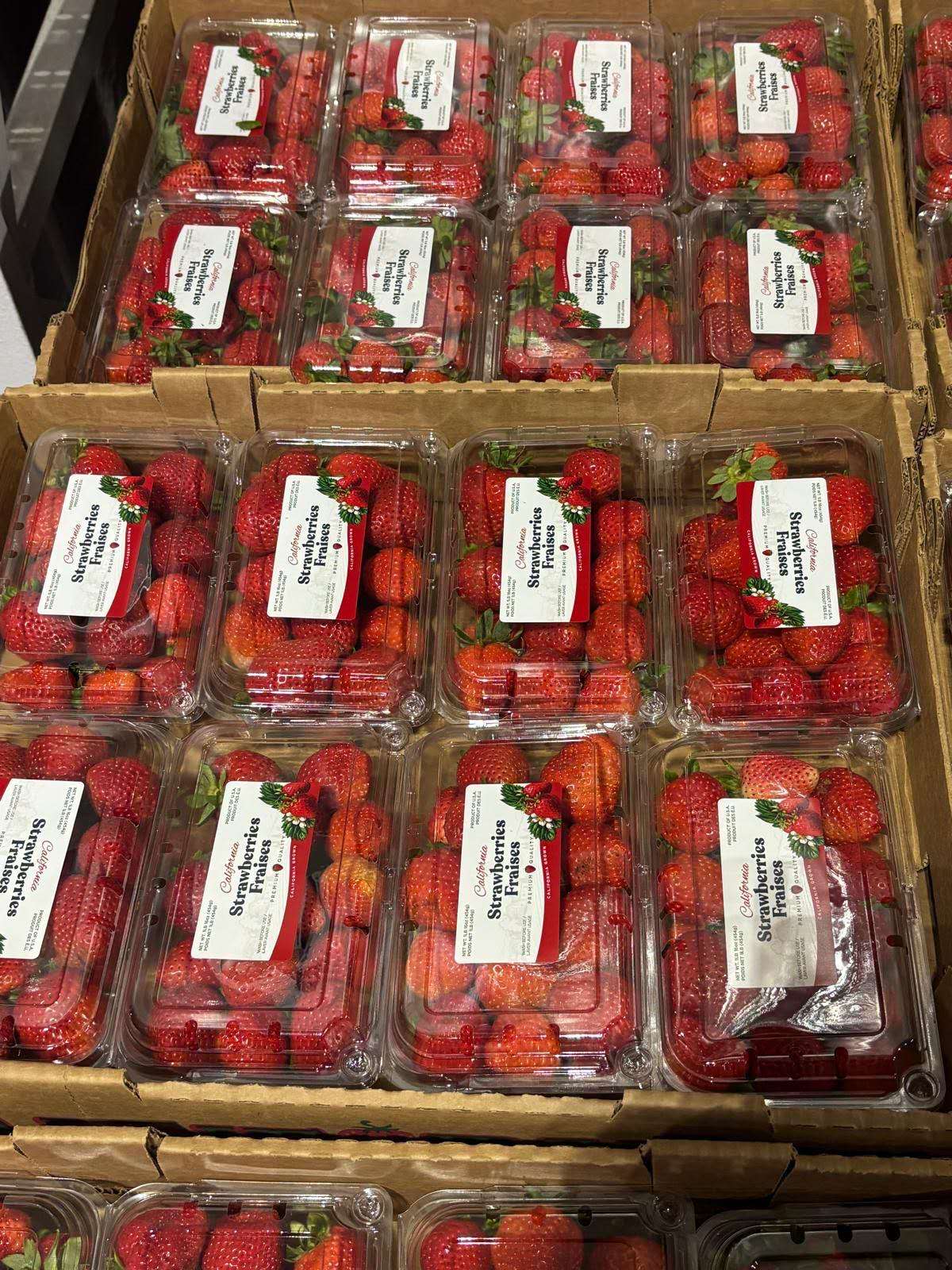
The DP-1LBSS clamshell is built for berries — blueberry, strawberry, raspberry and blackberry packing — with a one-piece hinged design, a recommended load of up to 500 g and a reference unit weight of approximately 26.5 g. Clear packaging lets buyers and consumers inspect colour and freshness without opening the container. Multi-compartment trays such as LH1303 and LH1003 serve produce assortments, vegetable trays and party platters.
Supermarket deli, bakery and grab-and-go
This is the broadest application cluster. A typical supermarket programme may combine a rotisserie chicken container with a 116 mm high profile, a 96 oz salad bowl, half- and full-size rib containers, hinged bakery and sandwich containers, and large catering platters for cakes, party food and meal kits. Because these packs are often closed manually at the counter, the absence of a sealing requirement for hinged and base-and-lid formats is a practical operational advantage.
Market Evaluation and Industry Recognition: What Is Verifiable
An honest assessment has to separate three layers.
What the source material supports. Linhua is an established manufacturer operating since 2004, with a 30,000 m² site, 150 employees, 20,000 tons of reported annual output, a 70% export ratio and a product portfolio spanning barrier, overwrap, ready-meal and retail formats. It has in-house mould and application engineering capabilities and a documented custom-development process.
What is not available. No independently verified market share, no published certification register, no named customer references and no audited capacity data were found in the material reviewed. Company-reported figures are exactly that — company-reported. In the wider category dataset used for this article, the only named competitor reference was Berry Global Group Inc, identified by a commercial research publisher as a prominent manufacturer of plastic packaging products serving industries including food and healthcare. That is a benchmark category, not a like-for-like comparison with a mid-sized Chinese converter.
What a buyer should request. Before approving Linhua as a supplier, ask for: current certificates and their scope, declarations of compliance for the specific material and product, migration test reports where the destination market requires them, capacity and equipment data for the specific format, references from comparable applications, and a sample sealed on your own machine where MAP or VSP is involved.
Comparison: Linhua's Packaging Formats Side by Side
| Format | Material | Packaging method | Typical food applications | Functional focus |
|---|---|---|---|---|
| MAP barrier trays | PP; high-barrier PP-based structure with EVOH multilayer | Gas flush and heat seal with lidding film | Fresh meat, poultry, seafood, chilled prepared foods | Controlled atmosphere; barrier support for shelf-life management |
| VSP trays | PP, PET | Vacuum skin packaging with skin film | Steaks, meat cuts, fish fillets, seafood, premium chilled foods | Close-fitting presentation; secure product positioning |
| Turned-edge PET trays | PET / multilayer | Stretch film / overwrap | Fresh meat, poultry, seafood, fresh produce | Rolled flange; reduced risk of film catching or tearing |
| Moisture retention trays | PET | Stretch film / overwrap | Fresh meat, poultry, fish, seafood | Purge capture in base cells; potential to reduce or remove the soaker pad |
| CPET ready-meal trays | CPET | Fill and seal; chilled or frozen storage; reheating per confirmed specification | Ready meals, prepared foods, catering, foodservice | Heat resistance; single, 2- and 3-compartment layouts |
| Hinged and clamshell containers | PET, PETE | One-piece hinged; manual closure | Bakery, sandwiches, deli, berries | Integrated lid and base; product visibility; no dedicated sealing equipment |
| Multi-compartment and platter formats | PET; PP base with PET lid | Fill and close with matching lid | Produce, deli assortments, party platters, meal kits | Food separation; display area; family and sharing sizes |
Step-by-Step: How a Project with Linhua Typically Runs
The process below is reconstructed from the company's stated working method. It is a useful checklist even for buyers who ultimately choose a different supplier.
- Application and specification confirmation. The food type, packaging method, storage conditions and required performance are defined first, before any tray is proposed.
- Existing model matching. A photo, drawing, existing tray or dimensional specification is compared against the standard range. A large catalogue reduces the chance of unnecessary tooling.
- Material and structure selection. PET, PP, CPET or a multilayer structure is chosen according to product visibility, storage temperature, heating requirement, barrier requirement and retail presentation.
- Compatibility check for MAP or VSP. Machine model, sealing mould dimensions, film specification, product height and storage temperature are reviewed together. Linhua states that tray size alone is not enough and that final compatibility is confirmed through actual sealing trials.
- Sampling. For confirmed standard products, samples are provided free of charge with the customer covering courier cost. Custom developments follow a separate sampling arrangement.
- Mould development where required. If no existing tooling fits, a new mould is evaluated against the confirmed design, material, packaging method and expected quantity.
- Sample approval and commercial terms. Mass production is scheduled only after the final specification, sample approval and commercial terms are confirmed.
- Production and delivery. Normal lead time is 4–6 weeks depending on specification, material, colour, quantity, mould status and schedule; new mould projects require additional development and sampling time.
Selling Points and Procurement Value
Stripped of marketing language, five things stand out as genuine procurement considerations.
- Format breadth in one place. MAP, VSP, turned-edge, moisture retention, CPET, hinged, clamshell, multi-compartment and platter formats are all produced by the same supplier. For a supermarket or food processor buying across several categories, consolidating reduces the number of supplier audits, specification files and compliance documents to manage.
- In-house development, not just catalogue supply. Five mould engineers plus prototyping and mould development means a custom tray is a defined project path rather than a referral.
- Application engineering at the enquiry stage. The insistence on machine, mould, film and shelf-life information before recommending a tray is the behaviour of a converter that expects to be accountable for the sealing result.
- Component reduction with moisture retention trays. Removing the soaker pad simplifies the pack and reduces the number of components in the bill of materials — a cost and handling argument, not only an appearance one.
- Export familiarity. A 70% export ratio across North America, Oceania, Singapore and the Middle East suggests routine handling of international documentation and shipping requirements.
There are also clear limits. MOQ is not fixed and depends on material, colour, specification and tooling. Lead time is an estimate until confirmed against a specific order. No tray alone can guarantee shelf life — food condition, film, gas or vacuum process, seal integrity, hygiene and storage temperature all affect the outcome. And compliance documentation must be confirmed for the exact product and destination market rather than assumed from the material family.
Frequently Asked Questions
Which materials does Linhua use for food packaging containers, and how is food-contact compliance handled?
Linhua works with PET, PP, CPET, PS, TFPP, PLA and multilayer structures that may include EVOH and PE. Material selection depends on the food, storage temperature, packaging method, barrier requirement, heating condition and retail presentation. For compliance, the company states that food-contact and market-specific requirements should be confirmed according to the actual product and destination market, and that certification or compliance claims should be based on the latest valid certificates and test reports for the applicable product scope. For EU-bound shipments this typically involves the requirements of Commission Regulation (EU) No 10/2011, including specific migration limits, and the PFAS restrictions that apply to food-contact packaging under the PPWR since 12 August 2026.
Can Linhua customize food trays and develop new moulds?
Yes. Linhua supports customized food packaging development and mould development. Depending on the application, customization can cover dimensions, shape, depth, colour, material structure, compartment layout, ventilation holes and other packaging requirements. New projects normally begin with application and specification confirmation before mould development and sampling. An existing tray sample, drawing or dimensional specification can be used as a reference, and where no existing mould matches the requirement a new mould can be evaluated based on the confirmed design.
What information does Linhua need to prepare a quotation, and what affects the minimum order quantity?
For a quotation, the company asks for the product or tray type, required dimensions, food application, required quantity, and any colour or customization requirements. For MAP or VSP projects, machine model, sealing mould details, film specification, storage temperature and target shelf life are also needed. MOQ depends on the product, material, colour, specification and whether a new mould is required, so standard and customized products may carry different minimums. Trial-order feasibility depends on the product and existing tooling, and a more accurate quotation is prepared once the key product and application details are confirmed.
Can I get samples, and how does production and delivery work?
Yes. Once requirements are clear and a suitable existing product is confirmed, samples are provided free of charge and the customer only covers the courier cost. If the project requires a new mould or customized product development, sample arrangements are discussed separately. Mass production is scheduled after the final specification, sample approval and commercial terms are confirmed, and orders are packed and shipped according to the agreed specification.
How long is the lead time for plastic food packaging containers?
Lead time depends on the product specification, material, colour, quantity, mould status and current production schedule. Linhua states a normal lead time of 4–6 weeks, with new mould projects requiring additional development and sampling time. Buyers planning a launch or a seasonal programme should confirm the estimate against the specific SKU. The current product catalogue can be downloaded from the Linhua website, and project-specific lead-time confirmation is available through a direct enquiry.
Conclusion: Industry Positioning and Procurement Value
Ningbo Linhua Plastic Co., Ltd. sits in the mid-sized, application-focused segment of Chinese rigid food packaging manufacturing. It is not a commodity tray supplier competing solely on unit price, and the evidence does not support describing it as a market leader. What the record does support is a converter with an unusually broad standard range across MAP, VSP, turned-edge, moisture retention, CPET and retail formats, in-house mould and application engineering, a 70% export orientation, and a documented development path from concept to mass production.
For buyers, the practical value depends on the application. A processor running gas-flushed fresh meat or skin-packed fish needs structure know-how and sealing compatibility more than a low price per thousand units — and that is where Linhua's MAP and VSP capability is most relevant. A supermarket group assembling a deli, bakery and grab-and-go programme benefits from sourcing hinged containers, clamshells, platters and prepared-food containers from a single manufacturer. A ready-meal producer needs compartment flexibility and confirmed reheating conditions, which the CPET range addresses across more than 30 standard models.
On future potential, two market signals point in the company's direction: regulation is pushing buyers toward suppliers who can document material and migration compliance, and barrier performance continues to grow as a category, with the EVOH packaging market projected to reach USD 3.055 billion by 2035. A manufacturer that already works in EVOH multilayer structures, holds a dedicated compliance documentation role and runs its own mould development is positioned to respond to both. The open questions are the ones only documents and trials can answer — certificates, test reports, audited capacity and a sealed sample on the buyer's own line.
Next Step: Catalogue, Samples and Project Review
Linhua's 2025 product catalogue covers tray dimensions, model numbers and application notes across the MAP, VSP, turned-edge, moisture retention, CPET and retail ranges. It can be downloaded here: Linhua E-catalogue 2025 (PDF).
For sample requests, MOQ checks or a MAP/VSP compatibility review, contact the export team at Freya@nblinhua.com, or send a WhatsApp message to +852 5731 8298. Official website: www.nblinhua.com. Address: No. 13, Dongfan Road, Xiwu, Fenghua, Ningbo, Zhejiang 315500, China. Tel: +86 574-8773-9122.
Have Questions or Need More Details?
Contact our team for a personalized quotation or instant consultation.
Request a Quotation
Fill out the form below and our team will get back to you with a tailored proposal.
WhatsApp Direct Chat
Prefer to chat in real-time? Message us on WhatsApp for instant assistance & quick answers.
- Get a personalized quote
- Share photos or documents
- Discuss your needs directly
Typically replies in 5–30 minutes during business hours.