Electric Forklift Supplier Audit: CPD10–CPD35 Build & Terms
Electric Forklift Supplier Audit: CPD10–CPD35 Build & Terms
An electric forklift order is verifiable when three documents agree: the load case that defines the truck, the build specification that defines the unit, and the acceptance and payment terms that release the shipment. For the CPD10–CPD35 series, that means confirming the 1-ton, 2-ton, 3-ton and 3.5-ton models, the brushless AC drive and pump motors, the named controller brand, the battery chemistry, the lifting height and the control configuration before production starts — not after the container is loaded.
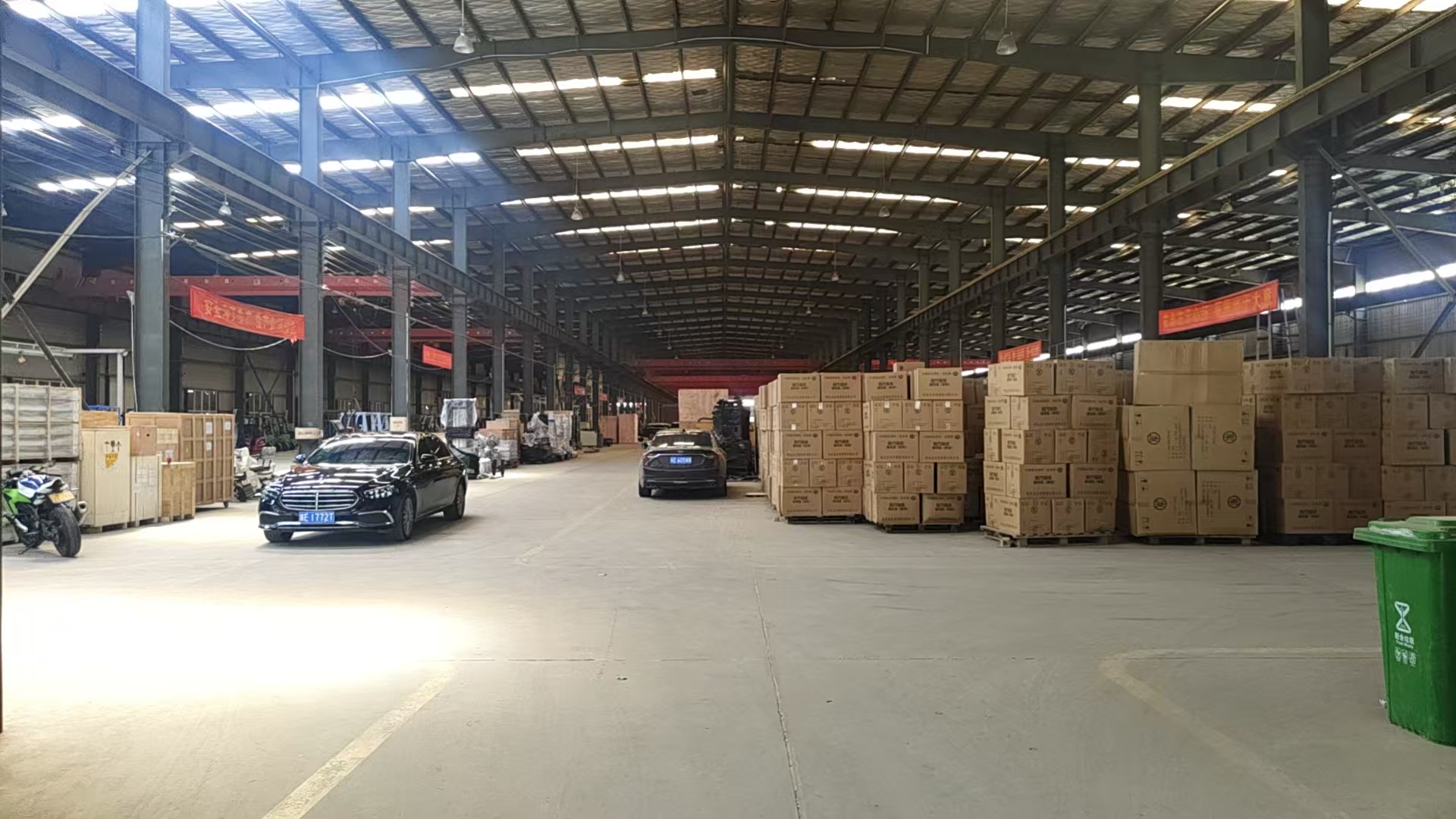
Ningjin Shunhao Trading Co., Ltd. is a China-based supplier of electric forklifts and material handling equipment, trading under the Mightlift brand (www.mightlift.com). The company specialises in OEM and ODM customised material handling equipment, and 70% of its sales are exported to global markets. This article sets out the audit an importer, distributor or plant buyer can run against that series to confirm both build configuration and order acceptance terms.
Problem Definition: The gap between a quotation and a verifiable order
Most delivery disputes do not come from a defective machine. They come from an order document that left six variables open. A quotation that reads “3-ton electric forklift” does not state rated capacity at the actual load centre, lifting height, drive and pump motor type, controller brand, battery chemistry or control configuration. Each of those variables changes the price, the lead time, or the acceptance result — and none of them is resolved by reading a specification table.
Capacity and attachment selection is the most expensive version of this problem. The control method experienced buyers use is procedural rather than technical: confirm the maximum pallet weight, the load centre, the required lifting height, the attachment weight and the residual capacity before the order is approved, then sign a technical specification before production. Mightlift supports this by offering 1.0–3.5 ton configurations plus load-capacity customisation, with a signed technical specification required before production begins.
Two further gaps open up after the specification is agreed. The first is configuration drift: the controller brand or battery type discussed at quotation stage is substituted quietly at build. The second is undefined acceptance: without a stated test procedure and a stated payment split, the buyer has no leverage at the point where corrections are cheapest.
Industry Background: Why documentation now decides the purchase
Electrification is no longer a preference segment. Electric forklifts reached a 71% share of North American retail orders in 2024, according to the Industrial Truck Association as reported by Batteries International. The global electric forklift market was valued at USD 53.01 billion in 2024 and is projected to grow to USD 94.55 billion by 2032, based on Maximize Market Research data.
Battery chemistry is shifting at the same time. Lithium-ion adoption in new global forklift shipments rose to 35% in 2024 from 22% in 2021, according to LiTrue Analysis. Narrow-aisle Class II trucks are the fastest-growing electric segment, with a projected 9.28% CAGR through 2030, per Mordor Intelligence. More configurations per order means more specification lines per purchase order, and more places for a supplier and a buyer to misunderstand each other.
Regulation has followed the hardware. Three standards recur in European procurement: EN 1175:2020, the harmonised European standard for electrical safety of self-propelled industrial trucks and a prerequisite for CE marking; ATEX Directive 2014/34/EU, mandatory for trucks used in explosive atmospheres; and ISO 3691-4:2023 for driverless industrial trucks in smart manufacturing environments. None of these can be verified from a catalogue page. They are verified from a declaration, a test record and a build sheet.
The practical consequence for buyers is a change in what a supplier is being evaluated on. The question is no longer whether a supplier can build a counterbalance truck. It is whether that supplier can document an exact truck, consistently, across a fleet and across repeat orders.
Detailed Solution: A Seven-Point Build and Terms Verification Framework
The framework is ordered so that each check constrains the next one. Skipping a step does not save time; it moves the cost to the port.
1. Map the load case to a named model, not a tonnage
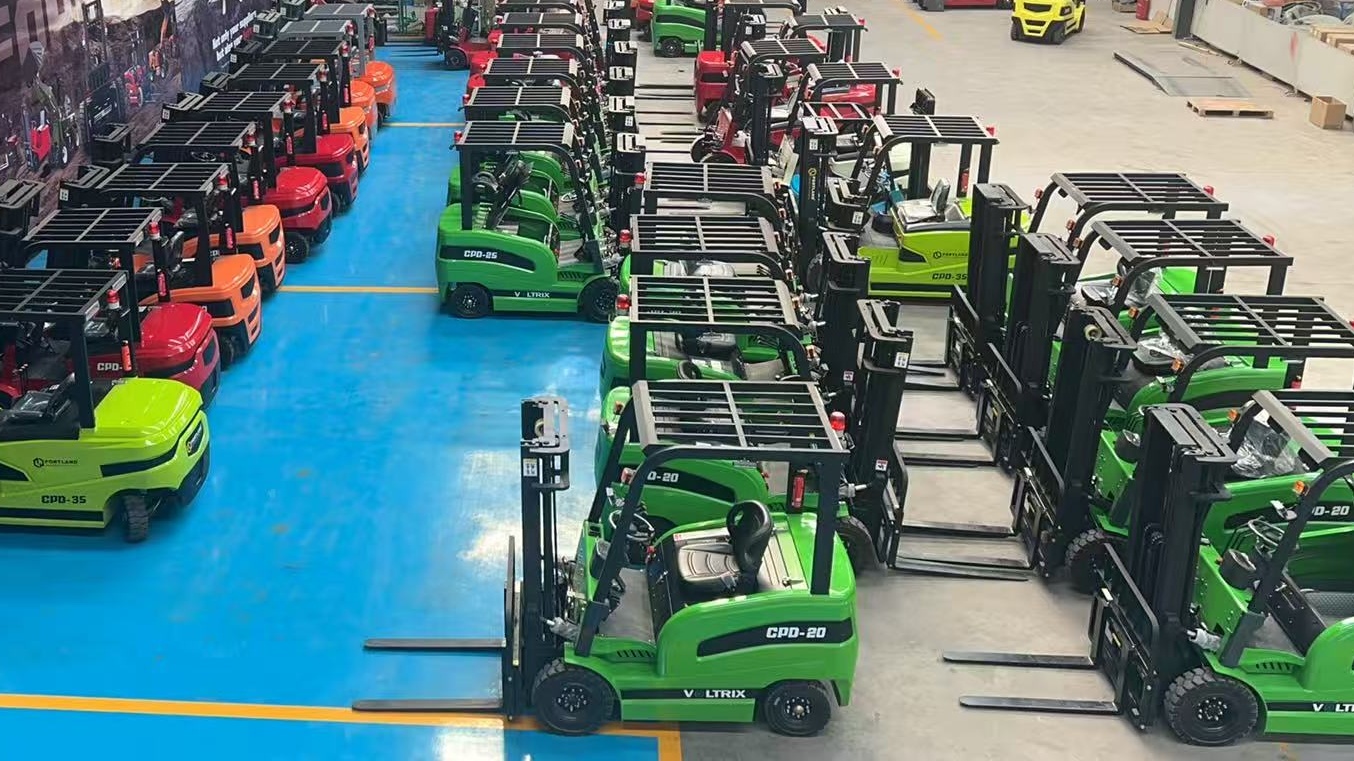
The CPD series covers four rated classes: CPD10 at 1 ton, CPD20 at 2 tons, CPD30 at 3 tons and CPD35 at 3.5 tons. Write the model code on the order and on the technical specification, not the tonnage alone. Tonnage is a class label; the model code is the build commitment.
Lifting height belongs on the same line. The series is configured within a 3000–7000 mm lifting-height window, and the CPD30 3-ton model is specified in that range. That window is a configuration range, not a fixed figure, so the exact height required by the racking, the door header or the container must be recorded per unit before the specification is signed.
2. Specify the drive and pump motors explicitly
The CPD series uses a brushless AC drive motor and a brushless AC pump motor. Both should appear on the specification as stated components rather than as implied features, because the motor set governs how the truck accelerates under load and how the hydraulic system behaves during repeated lifting cycles. A build sheet that names only the controller has documented half of the electrical system.
3. Name the controller brand on every unit
Controller options in the CPD series include SANTROLL, CURTIS, INMOTION and ZAPI. These are genuinely different components, and the brand on the quotation will usually determine which diagnostic tooling and programming access the buyer’s service technicians will need after delivery. For a single truck this is a service detail. For a fleet, it decides whether the maintenance team can run one diagnostic standard across the whole site or must carry several.
Record the controller brand per unit, not per order header, when an order contains mixed models.
4. Fix the battery chemistry, class and access
Heavy-duty lead-acid is the standard battery for the series, with lithium available as an option. The choice is an operating-cost decision before it is a technical one. Lithium-ion batteries retain significantly more capacity than lead-acid in cold storage applications down to −20°C, which is one reason the food-industry segment is growing at 11.6% CAGR according to Mordor Intelligence. Opportunity charging behaviour also differs: short 15–30 minute top-ups do not degrade lithium-ion cycle life, whereas the same pattern significantly harms lead-acid longevity, per Toyota Forklifts guidance.
Lateral battery access is a design detail with fleet consequences. Where the battery is changed or serviced from the side of the truck rather than from above, battery exchange no longer depends on overhead clearance, and the change can be planned into a shift pattern instead of blocking the aisle. Buyers running multi-shift operations should confirm that the access arrangement on the specified unit matches the battery-handling equipment they actually own.
5. Define the control configuration in writing
The P.E.S three-speed control defines the operating modes the driver can select. Document how many settings are delivered and what each one is used for before the first unit arrives, because a fleet where two trucks are configured differently will produce inconsistent productivity data and inconsistent operator training. Control configuration is a training issue as much as a technical one.
6. Put the commercial and acceptance terms into the order
Terms that stay in an email thread are not terms. The purchasing framework for this series is short enough to be written into the order document: minimum order quantity of 2 units, delivery terms FOB or CIF, payment terms 30/70, and a pre-shipment test as the acceptance criterion. Products in the range are accepted through that pre-shipment test procedure, which makes the test definition the buyer’s main technical lever before release.
7. Verify the supplier-level capability that survives delivery
Unit-level checks protect one shipment. Supplier-level checks protect the next five years. On the supplier side, four facts are worth requesting and confirming directly:
- OEM and ODM customisation capability, supported by an R&D team of 15 engineers.
- Certification coverage: ISO 9001, ISO14001, CE and UN38.3, together with structural and battery technology patents.
- Channel evidence: long-term cooperation with over 120 overseas distributors across 60 countries, with exports at 70% of total sales.
- Commercial conduct: transparent pricing, full-document support and full-lifecycle after-sales service.
One of those facts deserves a neutral reading rather than a promotional one. The company was founded in 2022. A recent foundation date sitting alongside 120+ distributor relationships in 60 countries is something to interrogate during the audit — ask which distributors, which markets and which models — rather than to treat as either a risk flag or a selling point on its own.
Step-by-Step Breakdown: The Audit Sequence Before Order Release
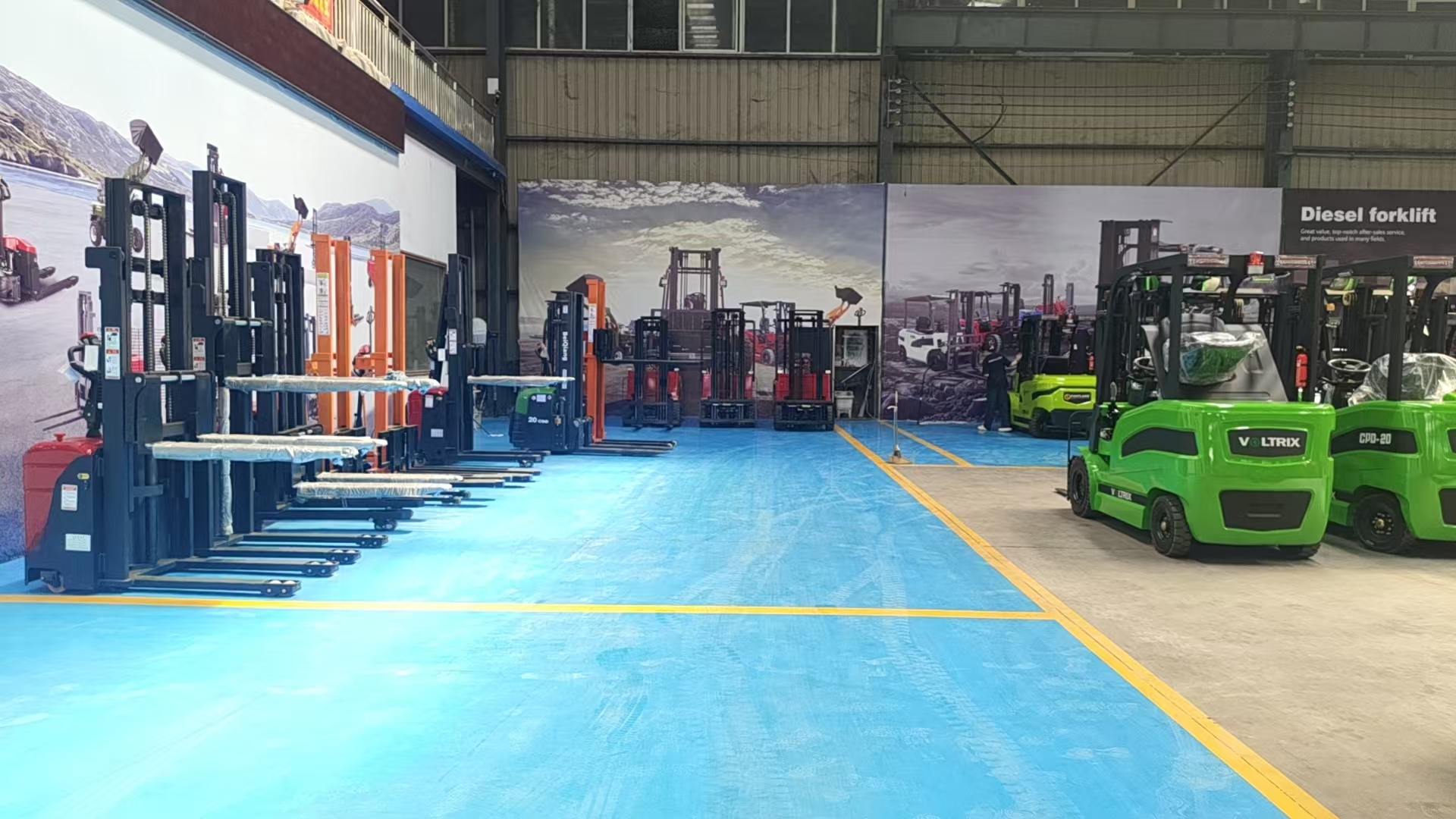
The eight steps below are sequenced for a Decision-to-Execution buyer who has already shortlisted a supplier and now needs to release a defensible order.
- Freeze the load case. Record maximum pallet weight, load centre, required lifting height, attachment weight and residual capacity. This single page determines the model class and prevents the most common and most expensive selection error.
- Convert the load case into a model code. Match it to CPD10, CPD20, CPD30 or CPD35, and write the code plus the exact lifting height into the specification.
- Lock the electrical bill of materials. State the brushless AC drive motor, the brushless AC pump motor and the controller brand chosen from SANTROLL, CURTIS, INMOTION or ZAPI.
- Lock the energy package. State heavy-duty lead-acid or the lithium option, confirm the access arrangement, and confirm the charging pattern the site can actually support.
- Lock the control configuration. Define the P.E.S three-speed control settings and note them in the operator handover documents.
- Agree the acceptance test. Define what the pre-shipment test covers, who witnesses it, and which records travel with the unit.
- Write the commercial terms. MOQ of 2 units, FOB or CIF, payment 30/70, and the document pack the supplier will provide.
- Set change control. Agree in advance that any substitution of controller brand, motor type, battery chemistry or lifting height requires written approval before build, so that drift is a contractual event rather than a surprise at unloading.
Use Cases: Where the Audit Changes the Outcome
EU warehouse fleets
A distributor supplying EU warehouses needs CE marking plus the electrical safety evidence behind it, which means EN 1175:2020 is a procurement question rather than a footnote. The CPD20 2-ton and CPD30 3-ton models normally carry the bulk of indoor pallet work, with lifting height set by the racking profile inside the 3000–7000 mm range.
Cold storage and chilled distribution
For chilled and frozen sites the battery decision dominates. Lithium retains more capacity than lead-acid in cold conditions down to −20°C, and lateral battery access reduces the time a truck is out of service for a battery change. Buyers should specify the chemistry and the access arrangement together.
Workshop stacking and narrow aisles
In constrained indoor layouts, the CPD10 1-ton and CPD20 2-ton classes typically handle workshop stacking and narrow-aisle movement, where low noise operation and a defined control configuration matter more than maximum capacity. The P.E.S three-speed control should be set to the layout, not left at default.
Port terminals and heavy-load transfer
Container and yard transfer work pulls the specification toward the CPD35 3.5-ton model, where the brushless AC drive motor is doing continuous duty and where controller brand determines local service capability. Buyers in this segment should confirm the after-sales and spare-parts path before the order, not after the first fault.
Food and chemical environments
Food factory clean areas and chemical workshops add a compliance layer: ATEX Directive 2014/34/EU applies to trucks used in explosive atmospheres inside the EU. That requirement must be matched by documented configuration, and it should be raised during the audit rather than added after the model has been selected.
Comparison Table: CPD10–CPD35 Configuration Reference
| Model | Rated capacity | Lifting height | Drive and pump motor | Controller options | Battery |
|---|---|---|---|---|---|
| CPD10 | 1 ton | 3000–7000 mm, as configured per signed specification | Brushless AC drive motor + brushless AC pump motor | SANTROLL / CURTIS / INMOTION / ZAPI | Heavy-duty lead-acid standard; lithium optional |
| CPD20 | 2 tons | 3000–7000 mm, as configured per signed specification | Brushless AC drive motor + brushless AC pump motor | SANTROLL / CURTIS / INMOTION / ZAPI | Heavy-duty lead-acid standard; lithium optional |
| CPD30 | 3 tons | 3000–7000 mm, as configured per signed specification | Brushless AC drive motor + brushless AC pump motor | SANTROLL / CURTIS / INMOTION / ZAPI | Heavy-duty lead-acid standard; lithium optional |
| CPD35 | 3.5 tons | 3000–7000 mm, as configured per signed specification | Brushless AC drive motor + brushless AC pump motor | SANTROLL / CURTIS / INMOTION / ZAPI | Heavy-duty lead-acid standard; lithium optional |
The lifting-height column is a configuration window, not a delivered figure. The exact height for each unit must appear on the signed specification alongside the load centre used to select the model.
Order and acceptance terms to write into the purchase order
| Term | Content to confirm in writing | Why it matters at execution stage |
|---|---|---|
| Minimum order quantity | 2 units | Sets the smallest order that can be built and documented as a batch |
| Delivery terms | FOB / CIF | Determines where responsibility for the shipment transfers |
| Payment terms | 30/70 | Links the balance payment to the acceptance event instead of to departure |
| Acceptance criteria | Pre-shipment test | Defines the point at which the buyer formally accepts the units |
| Documentation | Full-document support | Provides the certification and test records needed for import and site inspection |
| Pricing | Transparent pricing | Prevents option changes from being repriced after specification signing |
FAQ
Which certifications and standards should a supplier document before shipment?
For EU delivery, the baseline is CE marking, with EN 1175:2020 as the harmonised European standard for electrical safety of self-propelled industrial trucks and a prerequisite for that marking. Where the truck will operate in an explosive atmosphere, ATEX Directive 2014/34/EU applies. Transport of lithium batteries brings UN38.3 into scope, and management-system evidence is usually requested as ISO 9001 and ISO14001. Ningjin Shunhao Trading Co., Ltd. states that its products comply with ISO 9001, ISO14001, CE and UN38.3 and hold multiple structural and battery technology patents. Ask for the copies with the order, not after it.
How can the brushless AC drive and controller configuration be verified?
Put the motor type and the controller brand on the signed technical specification for each unit. The CPD series uses a brushless AC drive motor and a brushless AC pump motor, with controller options from SANTROLL, CURTIS, INMOTION and ZAPI. Then compare the build sheet against the quotation line by line before production, and repeat that comparison on the pre-shipment test record. The R&D team of 15 engineers supports OEM and ODM customisation, which is also the team to route non-standard configuration questions through.
What are the purchasing terms and acceptance criteria?
The framework is: minimum order quantity 2 units; delivery terms FOB or CIF; payment terms 30/70; and a pre-shipment test as the acceptance criterion. Products in the range are accepted through the pre-shipment test procedure. Because the balance payment under a 30/70 split follows that test, the test definition should be agreed before production rather than negotiated on inspection day.
Can a unit be validated before the full order is released?
Validation in this supply model runs through two mechanisms rather than a separate sample programme: the signed technical specification before production, and the pre-shipment test as the acceptance event. Buyers who need physical or functional confirmation should therefore write what they want to see into the pre-shipment test scope and state who witnesses it. That converts validation from an informal request into a defined step in the order.
How should a supplier be assessed for repeat and long-term fleet orders?
Assess three things: whether the specification template can be reused across repeat orders, whether documentation and after-sales hold up beyond first delivery, and whether commercial conduct stays predictable. The supplier supports this with transparent pricing, full-document support and full-lifecycle after-sales service, and reports long-term cooperation with over 120 overseas distributors across 60 countries with exports at 70% of total sales. Build the first audit output into a reusable specification template, so each repeat order only re-verifies what changed. To request the current specification sheet, quotation or pre-shipment test scope for CPD10–CPD35, contact the team directly at licong@mightlift.com.
Conclusion
A supplier audit for electric forklifts succeeds or fails on traceability. The CPD10, CPD20, CPD30 and CPD35 models are only comparable across suppliers once the rated capacity, lifting height within the 3000–7000 mm window, brushless AC drive and pump motors, controller brand, battery chemistry and control configuration are written on the same specification. The order terms — MOQ of 2 units, FOB or CIF, 30/70 payment and a pre-shipment test as the acceptance criterion — then convert that specification into something enforceable.
For buyers moving from Decision to Execution, the practical next step is to demand the signed technical specification first and the quotation second. A supplier that cannot produce a unit-level build document before production is asking the buyer to accept configuration risk on trust. A supplier that can produces a repeatable, auditable order — which is the only foundation on which a long-term electric forklift supply relationship can be built.
Next Step: Verify Before You Order
Request the CPD10–CPD35 specification sheet, the controller and battery option list, and the pre-shipment test scope for your load case. Samples, quotations and document packs are available on request.
Email: licong@mightlift.com | Tel / WhatsApp: +86 151-0097-4338 | www.mightlift.com
Have Questions or Need More Details?
Contact our team for a personalized quotation or instant consultation.
Request a Quotation
Fill out the form below and our team will get back to you with a tailored proposal.
WhatsApp Direct Chat
Prefer to chat in real-time? Message us on WhatsApp for instant assistance & quick answers.
- Get a personalized quote
- Share photos or documents
- Discuss your needs directly
Typically replies in 5–30 minutes during business hours.