Indoor Workshop Material Handling Without Emissions or Noise: A CPD30 Electric Forklift Solution
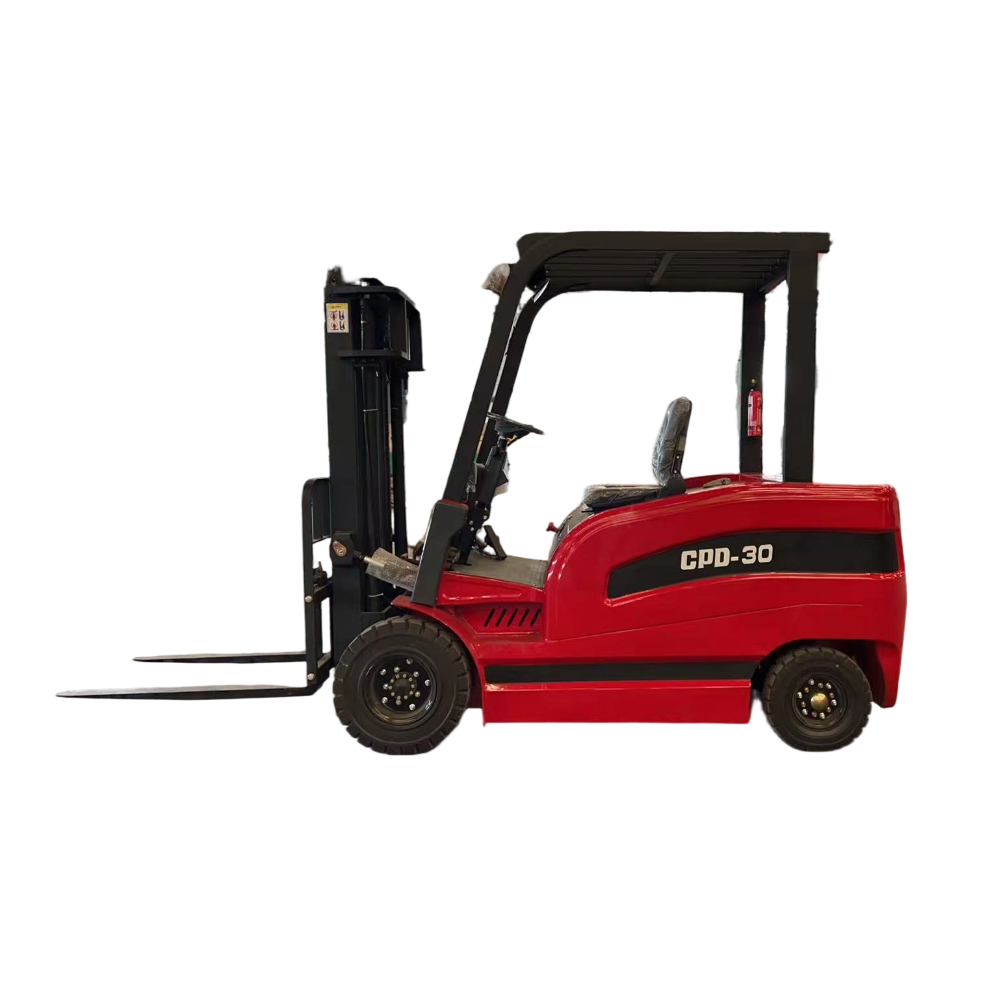
Indoor workshops often face a material-handling conflict: loads still need to move, but engine-powered equipment can introduce exhaust at the point of use and noise that complicates communication and workplace comfort. The CPD30 electric forklift is a battery-powered 3-ton option from Ningjin Shunhao Trading Co., Ltd., listed with a 3000 kg rated load capacity and a 3000 mm to 7000 mm lifting height. This article explains where the CPD30 fits, which facts are documented, and what a workshop team should verify before purchase.
Why indoor workshops need a different handling answer
Indoor material handling is not only a question of lifting capacity. In an enclosed workshop, the handling equipment works close to operators, production cells and stored materials. Exhaust at the point of use, noise, floor space and maneuverability all affect how the equipment can be used. The exact air-quality and noise limits depend on the jurisdiction, the site risk assessment and the company internal policies, so they should be confirmed before a forklift is selected.
An engine-powered forklift produces exhaust at the point of use. In an indoor workshop, that can make ventilation, zoning and operator exposure part of the handling decision. Noise is a separate constraint: a truck that is acceptable in a yard may be less suitable beside a production line where operators need to hear instructions or warning signals. These are general site considerations, not a claim that every workshop has the same limit.
The practical problem is therefore narrower than the term indoor forklift. The buyer needs a truck that can handle the actual load, reach the actual lift height, fit the actual aisle and work within the site emission and noise requirements. The CPD30 should be evaluated against those four points, not only against its model name.
What is changing in electric forklift selection
Electric forklifts are not a new category, but the choice inside that category is widening. Interact Analysis forecasts that Li-ion technology will surpass lead-acid batteries in market share within the electric forklift segment in 2026. That forecast does not mean every workshop should choose lithium; it means buyers now have more battery configurations to compare, and the charging plan deserves its own place in the evaluation.
For an indoor workshop, the useful question is not which battery chemistry is newer. It is which configuration matches the shift pattern, charging window, available charging area and maintenance routine. The CPD30 specification lists a heavy-duty lead-acid battery as standard and lithium as an option, with the battery configuration described for long continuous working hours. Those are the documented starting points; the final choice should be confirmed against the site actual operating pattern.
Regulatory context also matters for projects that cross borders. The European Commission states that machinery placed on the EU market before 20 January 2027 must comply with the current Machinery Directive 2006/42/EC, subject to applicable transition provisions; manufacturers may also state conformity with Regulation (EU) 2023/1230 if applicable. The EU Battery Regulation (2023/1542) also introduces carbon footprint disclosure and technical documentation requirements for lithium batteries used in industrial equipment. These are general requirements, not proof that a particular model is compliant; model-specific documents still need to be checked.
What the CPD30 changes at the point of use
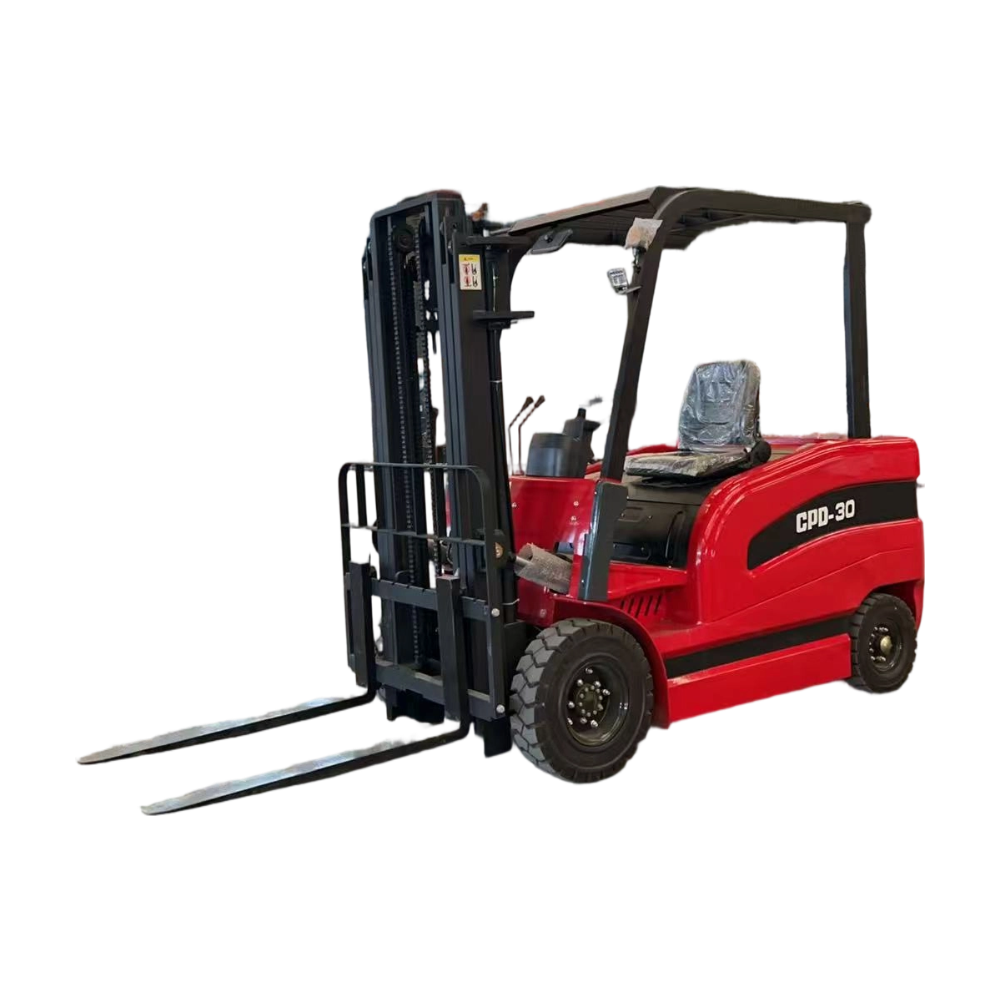
The CPD30 is a battery-powered electric forklift with a 3000 kg rated load capacity and a 3000 mm to 7000 mm lifting height. Its product specification describes the power type as battery-powered electric drive with zero emission and low noise for indoor workshop use. In practical terms, the truck produces no tailpipe exhaust at the point of use, which removes one source of indoor air-quality concern from the handling zone. Low noise is also listed as a product characteristic for indoor workshop use; it is not a guaranteed decibel level, so the actual workshop environment should be checked.
The drive and control package is described as a high-power electric drive system with intelligent MOSFET control. The motor type is a brushless AC drive and pump motor, which the specification links to high efficiency and low maintenance cost. Operator features include a large-angle adjustable steering wheel, voice prompts and a large-flow cyclone air filter system. These details matter in a workshop because they affect how the operator interacts with the truck during repeated cycles, not only how the truck performs on a specification sheet.
The CPD30 is supplied by Ningjin Shunhao Trading Co., Ltd., a company whose profile describes OEM and ODM customization for electric material handling equipment. The company profile states that its products hold ISO 9001, ISO 14001, CE and UN38.3 certifications. For a buyer, that is a starting point for document review, not a substitute for the model-specific declaration and test documents that a project may require.
A practical evaluation sequence for workshop managers
The CPD30 should be selected through a short, documented sequence. The steps below keep the decision tied to the workshop rather than to a generic product description.
- Define the load and the lift. Record the heaviest pallet or load, the load center, the required lift height and the attachment plan. The CPD30 is rated at 3000 kg and listed with a 3000 mm to 7000 mm lifting height. If an attachment is used, confirm how it affects residual capacity; the rated capacity alone does not cover every attachment or load shape.
- Check the workshop envelope. Measure aisle width, door clearance, rack height, floor condition and turning space. The lifting height range is a product capability, not a guarantee that every mast configuration fits every building. A site visit or layout drawing review is more reliable than a paper comparison.
- Confirm the emission and noise requirement. Define what the site means by indoor air quality and low noise. The CPD30 is described as battery-powered with zero emission and low noise for indoor workshop use, but the site should verify the actual operating condition. A trial in the workshop, with the actual load and route, is a practical way to check operator acceptance and noise perception.
- Choose the battery and charging plan. The CPD30 lists a heavy-duty lead-acid battery as standard and lithium as optional, with the battery configuration described for long continuous working hours. Map that to the shift pattern, charging window, charging area and battery handling method. If fast charging is a project requirement, confirm charger compatibility and charging times with the supplier; the supplied specification does not state charging times.
- Select the controller brand and service plan. SANTROLL, CURTIS, INMOTION and ZAPI are listed as controller brand options. The choice can affect service familiarity, diagnostic access and spare-parts planning. Confirm the available brand for the specific order and the local support route before the order is placed.
- Plan operator and maintenance routines. The CPD30 includes a large-angle adjustable steering wheel, voice prompts and a large-flow cyclone air filter system. These features should be included in operator training and in the preventive maintenance schedule. The goal is to keep the truck working within its intended indoor workshop role, not to treat the specification as a set of independent selling points.
- Verify compliance documents for the target market. For an EU project, request the model-specific EU Declaration of Conformity, the applicable harmonised standards, the risk assessment and the battery documentation. The company profile states CE certification, but a general CE claim should be checked against the exact CPD30 configuration and the placing-on-market date.
- Run an acceptance check. Before accepting the truck, check the actual load, lift height, steering, braking, noise perception, charging procedure and operator feedback. Record the results against the site requirements. This is a verification step; it does not replace the supplier technical documents.
Where the CPD30 fits in an indoor workshop
The CPD30 is a 3-ton electric forklift, so its most direct workshop fit is material handling where the load is heavier than a light pallet task but the route remains indoors. Examples include moving components, work-in-process and finished goods between production cells, staging areas and dispatch points. The product specification also lists warehousing and logistics, e-commerce warehouses, workshops, supermarkets and department stores, and cold-chain fruit and vegetable wholesale markets as applicable industries. That is a broad list; the specific application still needs its own load, aisle and environment check.
A documented case in the supplied content describes an electronics manufacturer in an industrial park using a bulk fleet for component, work-in-process and finished-goods logistics over a 10-15 year duration. The reported result was improved material-flow efficiency and removal of tailpipe exhaust from enclosed clean production areas. The exact unit count is not disclosed, and the case does not establish a universal result for every workshop. It does show the type of problem the CPD series is intended to address: moving material in an enclosed production area without adding tailpipe exhaust at the point of use.
For lighter pallet work, the CPD10 and CPD20 are also listed in the product range, with 1000 kg and 2000 kg load capacities respectively. The CPD30 is the 3-ton option, which makes it relevant when the workshop load exceeds the lighter models range. For cold-storage, port-terminal, explosion-proof or chemical-workshop applications, the supplied CPD30 specification does not establish suitability. Those projects need a separate application review, including any required certification, battery performance data and safety documentation.
A separate heavy-duty application scenario for building materials and heavy industrial goods describes heavy pallet handling across workshops, yards and loading bays, with a front dual-drive layout and side battery extraction to support heavy-load fleet operation and service access. That scenario also calls for assessment of surface condition, slope, weather exposure, load dimensions and attachment compatibility. It is useful as a boundary: the CPD30 can be discussed for heavier workshop duties, but mixed indoor and outdoor routes require a site-specific review.
CPD30 configuration snapshot
The table below separates documented CPD30 facts from the points a buyer should confirm. It is a decision aid, not a substitute for a quotation or a site assessment.
| Configuration area | Documented CPD30 information | What the buyer should confirm |
|---|---|---|
| Rated load capacity | 3000 kg | Actual load weight, load center, attachment effect on residual capacity |
| Lifting height | 3000 mm to 7000 mm | Required mast height, door and rack clearance, floor conditions |
| Power type | Battery-powered electric drive; zero emission and low noise for indoor workshop use as described in the product specification | Site air-quality and noise requirements; trial in the actual workshop |
| Battery | Heavy-duty lead-acid standard; lithium optional; battery configuration described for long continuous working hours | Shift pattern, charging window, charging area, battery handling and site ventilation |
| Controller | SANTROLL, CURTIS, INMOTION or ZAPI | Available brand for the order, service support and spare-parts plan |
| Drive and operator features | High-power electric drive system; intelligent MOSFET; brushless AC drive and pump motor; large-angle adjustable steering wheel; voice prompts; large-flow cyclone air filter system | Operator training, maintenance routine and workshop environment |
Sources: CPD30 product specification and company profile. The table does not add performance claims beyond those supplied facts.
Compliance and verification checks before purchase
Buyers sometimes search for an EU environmental certified electric forklift or a CE certified model. There is no single label that replaces the model-specific file. For an EU warehouse or workshop project, the practical check is a document set: the EU Declaration of Conformity for the exact CPD30 configuration, the applicable harmonised standards, the risk assessment, the battery documentation and the placing-on-market date. The European Commission machinery framework includes Directive 2006/42/EC and Regulation (EU) 2023/1230, and the transition date of 20 January 2027 should be checked against the transaction date and the applicable transition provisions.
For lithium configurations, the EU Battery Regulation (2023/1542) adds carbon footprint disclosure and technical documentation requirements for lithium batteries used in industrial equipment. That is a general regulatory requirement; it does not by itself confirm that a particular battery or supplier has completed the required documentation. A buyer should ask for the battery documentation that matches the selected configuration, not only a general certificate for the company.
Noise and emission claims should also be treated as verification items. The CPD30 is described as battery-powered with zero emission and low noise for indoor workshop use. The absence of tailpipe exhaust at the point of use is a direct consequence of battery-electric operation. Noise is a product description, not a measured site guarantee. The workshop should check the actual operating condition, including load, route, floor surface and surrounding equipment, before treating the truck as suitable for a noise-sensitive area.
Frequently asked questions
CE electric forklift manufacturer for EU warehouse projects
Ningjin Shunhao Trading Co., Ltd. states in its company profile that its products hold CE certification, alongside ISO 9001, ISO 14001 and UN38.3. For an EU warehouse project, that general statement should be followed by model-specific checks: the EU Declaration of Conformity for the exact CPD30 configuration, the applicable harmonised standards, the risk assessment and the battery documentation. The EU machinery framework includes Directive 2006/42/EC and Regulation (EU) 2023/1230, with a transition date of 20 January 2027 for machinery placed on the EU market under the current directive, subject to applicable transition provisions. The applicable legal basis depends on the placing-on-market date and the configuration.
What indoor workshop problems does the CPD30 address?
The CPD30 addresses the combination of load movement and indoor air-quality concerns. It is battery-powered and described as having zero emission and low noise for indoor workshop use. It has a 3000 kg rated load capacity and a 3000 mm to 7000 mm lifting height. That makes it relevant for workshop loads that need a 3-ton truck and a lifting range beyond a simple floor-level transfer. The exact emission and noise requirements of the site still need to be checked.
Which battery and controller options are available for the CPD30?
The CPD30 lists a heavy-duty lead-acid battery as standard and a lithium battery as optional. The battery configuration is described for long continuous working hours. Controller brand options are SANTROLL, CURTIS, INMOTION and ZAPI. Buyers should confirm the available brand for the specific order, the charging plan and the local service route. If fast charging is required, ask the supplier for charger compatibility and charging times, because the supplied CPD30 specification does not state charging times.
How should a buyer verify low-noise and zero-emission claims for a workshop?
Start with the product description and the site requirement. The CPD30 is described as battery-powered with zero emission and low noise for indoor workshop use. Zero emission at the point of use means no tailpipe exhaust is produced where the truck operates. For noise, request the relevant product information and run a trial in the actual workshop if the area is noise-sensitive. Check the truck with the intended load and route, and compare the result with the site own noise and air-quality requirements. Do not rely on a general low-noise description as a measured site guarantee.
What is a practical next step for an indoor workshop project?
Prepare a short project brief: load weight, load center, required lift height, aisle width, shift pattern, charging area and any target-market compliance requirements. Then ask Ningjin Shunhao Trading Co., Ltd. to confirm the CPD30 configuration against that brief, including battery choice, controller brand and available documentation. A configuration review or a site trial discussion is a practical next step before purchase. Product information is available through www.mightlift.com.
Conclusion
Indoor workshop material handling does not have to choose between moving the load and managing the indoor environment. The CPD30 is documented as a battery-powered electric forklift with zero emission and low noise for indoor workshop use, a 3000 kg rated load capacity and a 3000 mm to 7000 mm lifting height. Its battery configuration includes a heavy-duty lead-acid standard option and a lithium option, and its controller brand options include SANTROLL, CURTIS, INMOTION and ZAPI.
The buying decision should still be site-specific. Match the truck to the load, lift, aisle, shift pattern and charging plan; verify the noise and emission requirements in the actual workshop; and check the model-specific compliance documents for the target market. Ningjin Shunhao Trading Co., Ltd. can support a configuration review through its published product information at www.mightlift.com. Used in that way, the CPD30 is a practical starting point for an indoor workshop project that needs to reduce point-of-use exhaust and noise without giving up a 3-ton handling capability.
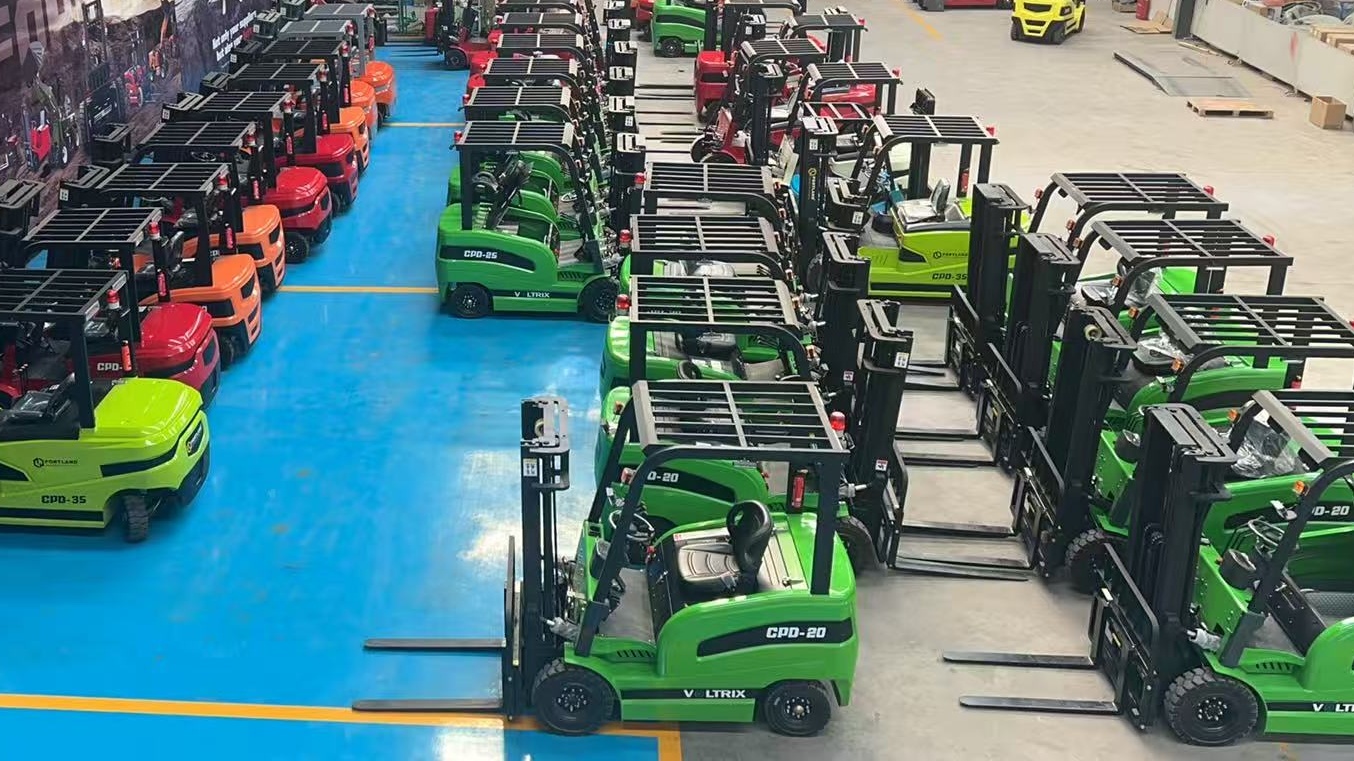
Project review: Share your load, lift height, aisle and charging constraints with Ningjin Shunhao Trading Co., Ltd. to confirm a CPD30 configuration. Product information is available at www.mightlift.com.
Have Questions or Need More Details?
Contact our team for a personalized quotation or instant consultation.
Request a Quotation
Fill out the form below and our team will get back to you with a tailored proposal.
WhatsApp Direct Chat
Prefer to chat in real-time? Message us on WhatsApp for instant assistance & quick answers.
- Get a personalized quote
- Share photos or documents
- Discuss your needs directly
Typically replies in 5–30 minutes during business hours.