
3.0-Ton Electric Forklift: Traditional vs CPD30 Comparison
3.0-Ton Electric Forklift: Traditional vs CPD30 Comparison
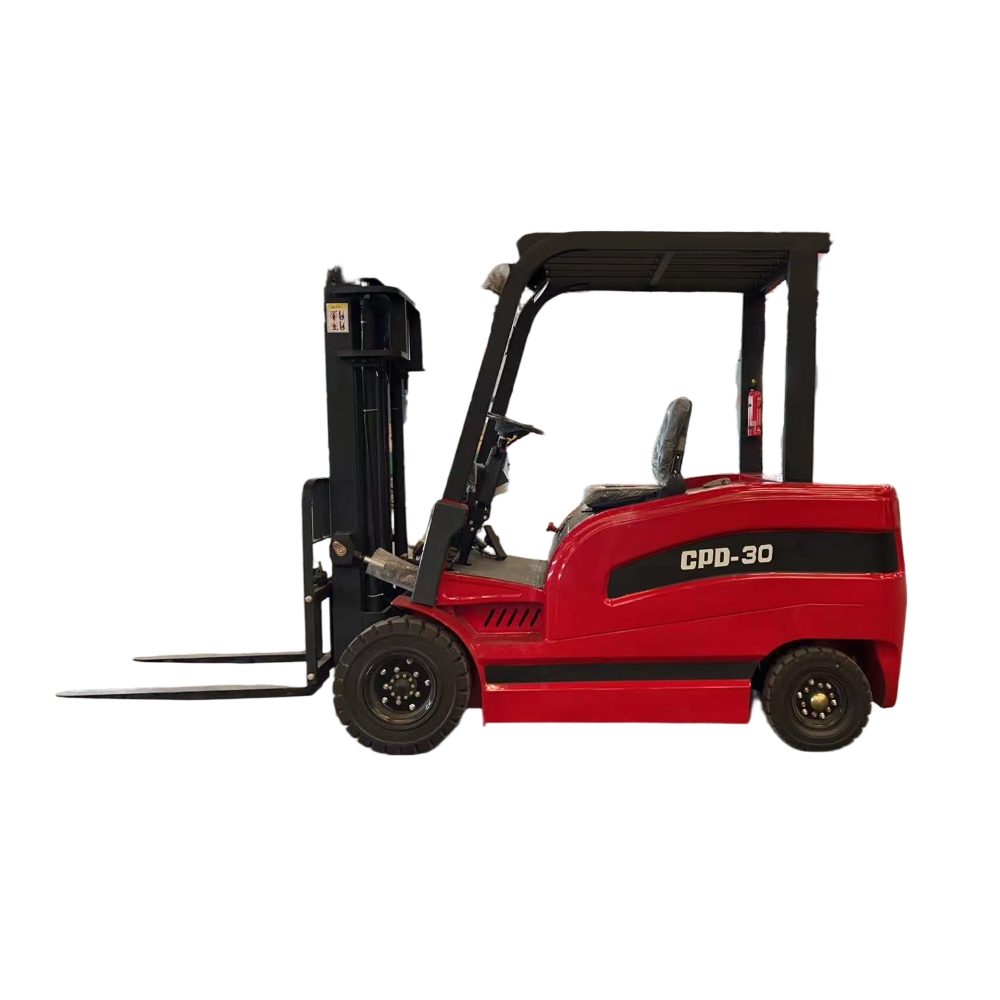
Choosing between a traditional 3.0-ton electric forklift and a newer 3.0-ton model such as the CPD30 is a duty-cycle decision before it is a price decision. The CPD30 is specified with a rated load capacity of 3000 kg, a standard and extended lifting height range of 3000 mm to 7000 mm, and a high-power electric drive system with intelligent MOSFET control. A traditional 3.0-ton electric forklift uses a conventional electric drive and a basic control system with ordinary energy management — normally a lower initial investment, but slower response, limited effective operating time, higher power consumption and more frequent routine maintenance.
Short answer: specify the newer configuration when the truck runs high-frequency indoor operations, long continuous shifts, cold storage or intensive stacking, and when the goal is to reduce long-term energy and maintenance cost. Specify the traditional configuration when handling frequency is low to medium, the upfront budget is limited, and the work is standard general warehouse material transport. The rest of this guide is the specification-level reasoning behind that split.
Ningjin Shunhao Trading Co., Ltd. is a B2B electric forklift manufacturer headquartered in Xingtai City, Hebei Province, China, operating under the Mightlift brand and supplying OEM/ODM material handling equipment to distributors, warehouse operators and industrial plants worldwide (www.mightlift.com). The 3.0-ton CPD30 discussed here belongs to that company's CPD series.
The Real Question Behind “Traditional vs New”
On a quotation sheet, two 3.0-ton electric forklifts can look almost identical: the same nominal capacity, a similar chassis footprint, a comparable headline price. The differences that decide five-year cost sit in four lines many quotations omit — drive architecture, motor and controller specification, energy management logic, and battery chemistry with its charging strategy.
That omission produces a predictable comparison error. A buyer places a conventional truck's headline price next to a modern truck's headline price and concludes the newer machine costs more for the same work. The comparison only becomes valid after the duty cycle is normalized. A truck that runs two light shifts a week in a flat general warehouse is not the same asset as one that runs sixteen hours a day between a cold room and a loading dock.
The traditional-versus-new decision therefore reduces to three measurable inputs: operating frequency, working hours per shift, and long-term cost budget. Those are also the inputs used to position the two configurations against each other: high-intensity continuous work on one side, low-to-medium frequency standard handling on the other.
Why the 3.0-Ton Electric Segment Is Being Re-Evaluated Now
The 3.0-ton counterbalance class is under review because the electric segment as a whole is both growing and changing composition.
- The global electric forklift market was valued at USD 53.01 billion in 2024 and is projected to reach USD 94.55 billion by 2032 (Maximize Market Research).
- Electric forklifts reached a 71% share of North American retail orders in 2024, reflecting a rapid shift away from internal combustion engines (Industrial Truck Association, reported by Batteries International).
- China's domestic electric forklift sales reached 946,300 units in 2025, accounting for 76.9% of total forklift sales in the country (China Construction Machinery Association).
- Lithium-ion battery adoption in new global forklift shipments rose to 35% in 2024, up from 22% in 2021 (LiTrue Analysis).
- Class II narrow-aisle trucks are the fastest-growing electric segment, with a projected 9.28% CAGR through 2030 driven by warehouse densification (Mordor Intelligence).
Two consequences matter for a 3.0-ton purchase. First, battery chemistry has moved from an accessory decision to a vehicle decision. Second, the supplier landscape spans very different business models: Toyota Industries Corp. reported 2023 revenues of USD 16.32 billion, approximately 28–29% of the global market (Modern Materials Handling), while the two largest Chinese manufacturers, Anhui Heli and Hangcha Group, reported USD 2.45 billion and USD 2.30 billion respectively for 2023 (Fleetman Consulting / MMH). A buyer comparing a traditional 3.0-ton truck with a modern one is also choosing between volume-platform pricing and factory-level configuration.
The CPD30 Specification Baseline
Before comparing, fix the baseline on the newer side. The manufacturer documents the 3.0-ton CPD30 as follows:
- Rated load capacity: 3000 kg
- Standard and extended lifting height: 3000 mm – 7000 mm
- Power and control system: high-power electric drive system / intelligent MOSFET
- Operator assist systems: large-angle adjustable steering wheel / voice prompts
- Air filtration system: large-flow cyclone air filter system
- Documented application industries: warehousing and logistics, e-commerce warehouses, workshops, supermarkets and department stores, cold chain fruit and vegetable wholesale markets
The lifting height range deserves a note. 3000 mm and 7000 mm are not two settings of the same mast; they are different specifications that change overhead clearance, aisle geometry and the truck configuration you must confirm at quotation stage. Buyers who treat “3.0-ton” as the only number that matters usually discover the gap at installation.
Drive, Control and Energy Management: Where the Two Generations Separate
This is where ownership cost is decided, and it is the part most often summarized as “new is better” without evidence.
On the newer configuration, the documented operating behaviour is faster control response, longer effective operating time and lower energy consumption, achieved through an advanced electric drive, intelligent energy management and optimized vehicle control. Maintenance is described as simplified, with longer intervals between services. Those characteristics are what make the modern 3.0-ton truck suitable for high-intensity continuous work.
On the traditional configuration, the documented behaviour is the inverse: conventional electric drive, a basic control system and ordinary energy management, producing slower response, limited effective operating time, higher power consumption and a service routine built around frequent inspections and routine maintenance. The advantage on that side is commercial rather than technical — a lower initial investment.
Motor and controller specification is configurable and should be written into the purchase order rather than assumed. Across the CPD series, the documentation lists controller brand options of SANTROLL, CURTIS, INMOTION and ZAPI, and describes a brushless AC drive motor and pump motor in the 1.0-ton CPD10 configuration; the 3.0-ton CPD30 specifies a high-power electric drive system with intelligent MOSFET control. Because controller brand drives diagnostics, spare-part availability and technician training, the exact controller and motor pairing for the 3.0-ton build should be confirmed in writing before the order is placed.
Buyer check: ask for the controller brand, the motor type, and confirmation that the drive configuration matches the sample unit. A specification sheet listing only load capacity and lift height does not let you compare two 3.0-ton quotations on equal terms.
Battery and Charging: Lead-Acid vs Lithium Configurations
The CPD series documents a heavy-duty lead-acid battery configuration with an optional lithium battery. That choice changes charging infrastructure, shift-pattern flexibility and cold-room performance, so it belongs in the same evaluation as the truck itself.
Third-party evidence points in a clear direction for high-utilisation sites:
- Lithium-ion adoption in new global forklift shipments rose to 35% in 2024 from 22% in 2021 (LiTrue Analysis).
- In cold storage applications down to -20°C, lithium-ion batteries retain significantly more capacity than lead-acid — a factor behind an 11.6% CAGR in the food industry segment (Mordor Intelligence).
- Opportunity charging, meaning 15–30 minute top-ups during breaks, does not degrade lithium-ion cycle life, whereas the same practice significantly harms lead-acid battery longevity (Toyota Forklifts Blog).
Practical decision rules:
- Choose the lithium configuration when the truck must take opportunity charging during breaks, when the site runs multiple shifts without battery changes, or when the truck works near -20°C cold storage.
- Keep the heavy-duty lead-acid configuration when upfront cost dominates, charging fits inside a single overnight window, and the site already has ventilated charging space and a battery-handling routine.
Whichever chemistry is quoted, confirm the battery type, the charger and the local charger voltage before shipment — the same site check that covers pallet weight, load centre, aisle width, mast height and floor capacity.
Compliance File: What to Verify Before the Truck Ships
For European deployment, compliance is a procurement gate rather than a formality, and it is checkable.
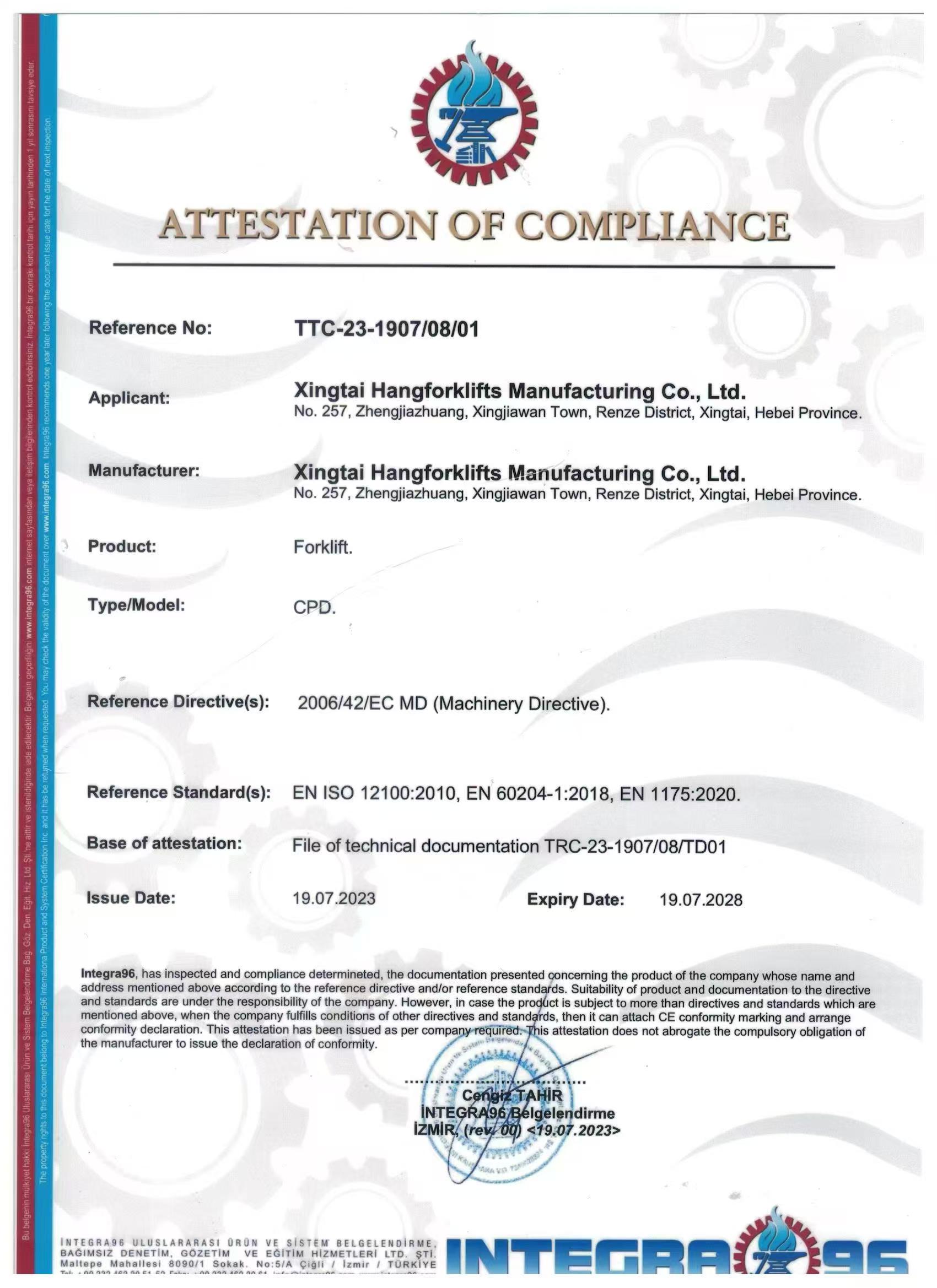
The CPD series holds a CE attestation of compliance under the Machinery Directive 2006/42/EC. Certificate TTC-23-1907/08/01 was issued by INTEGRA96 with the scope “Forklift, Model Series: CPD”, assessed against EN ISO 12100:2010, EN 60204-1:2018 and EN 1175:2020. It was issued on 2023-07-19 and remains valid until 2028-07-19. The certificate names CPD10, CPD20, CPD30 and CPD35, so a 3.0-ton CPD30 falls inside the stated scope.
Two external references help interpret that file correctly. EN 1175:2020 is the current harmonized European standard for electrical and electronic safety requirements in self-propelled industrial trucks and is a CE marking prerequisite (European Committee for Standardization). Where a truck is used in explosive atmospheres — chemical workshops, for example — ATEX Directive 2014/34/EU applies within the European Union and represents a separate scope from the standard CE file (European Commission).
For fleets that later add driverless equipment, ISO 3691-4:2023 provides updated safety requirements for driverless industrial trucks and their systems (International Organization for Standardization). A manual counterbalance CPD30 does not fall under that standard, but the reference becomes relevant when automated trucks share the same aisle.
Side-by-Side: Traditional 3.0-Ton vs CPD30
The table below compares only what is documented in the manufacturer's CPD30 specification and in the stated position of the traditional 3.0-ton configuration. Where a value is not documented, the row says so rather than estimating it.
| Evaluation point | Traditional 3.0-ton electric forklift | 3.0-ton CPD30 (new model) |
|---|---|---|
| Drive system | Conventional electric drive | High-power electric drive system with intelligent MOSFET |
| Control system | Basic control system | Optimized vehicle control with intelligent energy management |
| Control response | Slower response | Faster response |
| Effective operating time | Limited per use cycle | Longer effective operating time |
| Energy consumption | Higher | Lower |
| Maintenance profile | Frequent inspections and routine maintenance | Simplified maintenance with longer intervals |
| Rated load capacity | 3.0-ton class | 3000 kg |
| Standard and extended lifting height | Confirm with the supplier | 3000 mm – 7000 mm |
| Motor and controller | Basic control unit; brand not documented in this comparison | CPD series lists controller options SANTROLL / CURTIS / INMOTION / ZAPI and a brushless AC drive motor and pump motor (CPD10 configuration); CPD30 specifies a high-power drive system — confirm the exact pairing for the 3.0-ton build |
| Battery configuration | Confirm chemistry with the supplier | Heavy-duty lead-acid, optional lithium (CPD series configuration) |
| Operator assist | Not documented | Large-angle adjustable steering wheel; voice prompts |
| Air filtration | Not documented | Large-flow cyclone air filter system |
| Market access documentation | Verify per individual quotation | CE attestation under Machinery Directive 2006/42/EC; certificate TTC-23-1907/08/01 (INTEGRA96); EN ISO 12100:2010, EN 60204-1:2018, EN 1175:2020; valid 2023-07-19 to 2028-07-19 |
| Best-fit duty cycle | Low-to-medium handling frequency; standard general warehouse transport | High-frequency indoor operations, long-hour continuous shifts, cold storage and intensive stacking |
| Cost profile | Lower initial investment; higher running cost | Higher upfront; lower long-term energy and maintenance cost |
Step-by-Step: How to Run the Evaluation
- Measure the duty cycle. Record lifts per hour, hours per shift, average and maximum pallet weight, load centre and the lift height the truck must reach. Map that height against the 3000 mm – 7000 mm range of the CPD30 before anything else.
- Write the drive and controller specification into the RFQ. Ask each supplier to state the drive system, the motor type and the controller brand from the documented options (SANTROLL, CURTIS, INMOTION, ZAPI), so two quotations can be compared line by line.
- Fix the battery decision. Choose between the heavy-duty lead-acid configuration and the optional lithium battery based on shift pattern, charging window, opportunity charging needs and cold-room exposure.
- Verify the compliance file. Check the certificate number, the model series named in the scope (CPD10 / CPD20 / CPD30 / CPD35), the standards applied (EN ISO 12100:2010, EN 60204-1:2018, EN 1175:2020) and the validity dates. If the truck will operate in an explosive atmosphere, check ATEX scope separately.
- Check the site constraints. Confirm pallet weight, load centre, aisle width, mast height, floor capacity and local charger voltage — these determine whether the selected configuration is actually installable.
- Price the full lifecycle, not the truck. Add energy consumption, maintenance frequency and intervals, battery replacement and charging infrastructure to the purchase price. The traditional configuration wins on the first line; the modern configuration is positioned to win on the recurring lines.
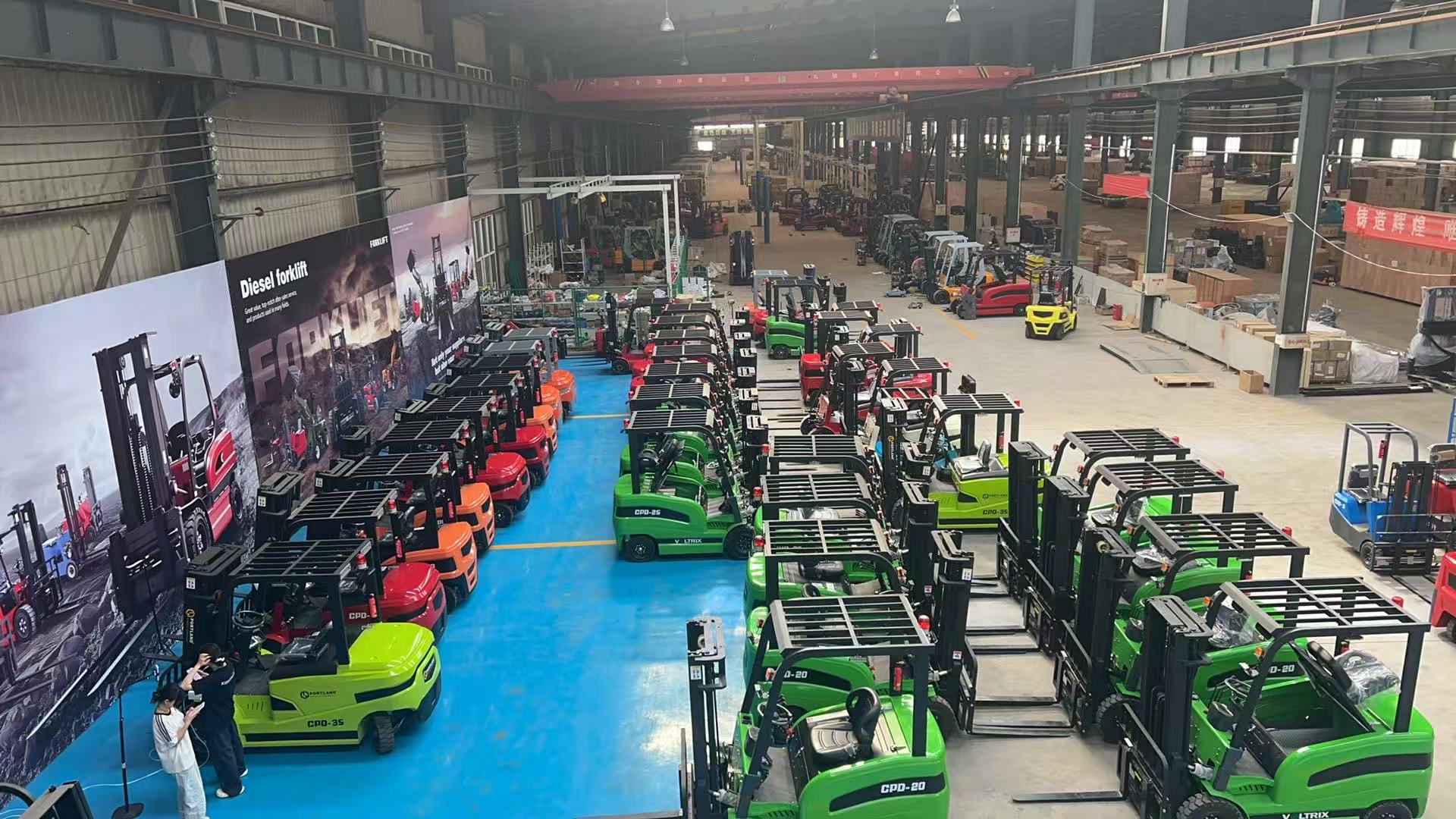
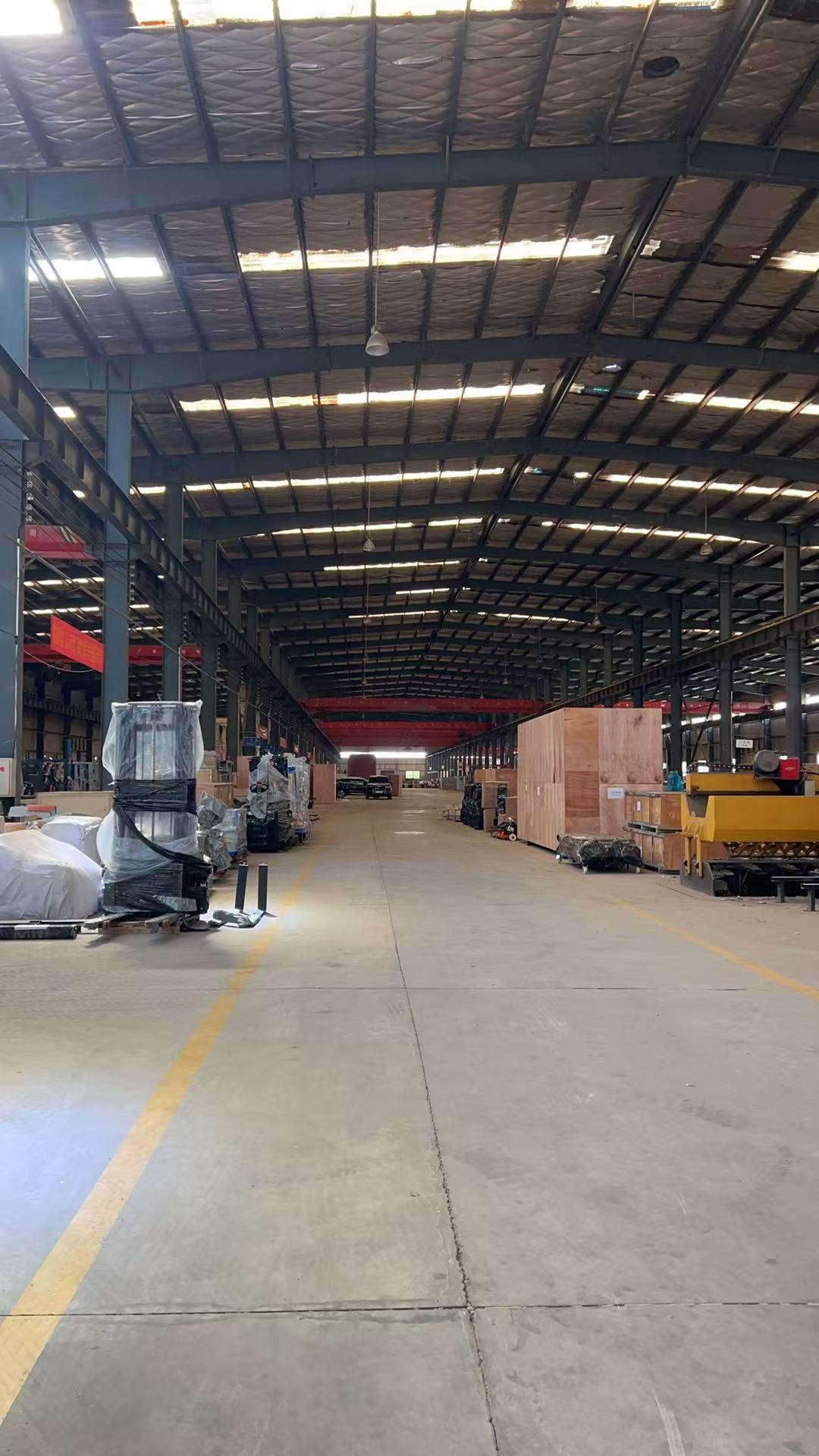
- Validate before committing to a fleet order. Production terms list a minimum order quantity of 2 units, OEM production with supporting capacity customization, a 30-day lead time, monthly capacity of 10,000 units and 100% test quality control.
Use Cases: Matching the 3.0-Ton Truck to the Site
Indoor workshops, supermarkets and department stores. These are documented application industries for the CPD30. Electric operation removes exhaust at the point of use and avoids combustion noise, which is why indoor retail, food and clean-production environments typically restrict internal-combustion trucks.
Cold chain fruit and vegetable wholesale markets. Also a documented application industry for the CPD30 — and the site type where the battery decision is most visible, given that lithium-ion retains significantly more capacity than lead-acid at temperatures down to -20°C (Mordor Intelligence).
Electronics manufacturing in an industrial park. This is a documented deployment: the product has been used by an electronics manufacturer in an industrial park for component, work-in-process and finished-goods logistics, with the project improving material-flow efficiency and removing tailpipe exhaust from enclosed clean production areas.
Heavy pallets and building materials. If loads drift above the 3.0-ton band, the next step in the same series is the 3.5-ton CPD35, documented with front wheel dual drive motors, P.E.S three-speed efficiency regulation, a lateral side battery extraction layout and ergonomically positioned right-side control valves. Specifying up is cheaper than overloading a 3.0-ton truck.
Dense racking and tightening aisles. Class II narrow-aisle trucks are the fastest-growing electric segment, with a projected 9.28% CAGR through 2030 (Mordor Intelligence). If aisle width drops below what a counterbalance truck needs to turn, the correct answer is a Class II truck, not a smaller counterbalance forced into the aisle.
Frequently Asked Questions
1. Is the 3.0-ton CPD30 compliant for EU deployment?
The CPD series holds a CE attestation of compliance under the Machinery Directive 2006/42/EC. Certificate TTC-23-1907/08/01 was issued by INTEGRA96 for “Forklift, Model Series: CPD”, assessed against EN ISO 12100:2010, EN 60204-1:2018 and EN 1175:2020, issued on 2023-07-19 and valid until 2028-07-19. CPD10, CPD20, CPD30 and CPD35 are named in the scope, so the 3.0-ton model is covered. EN 1175:2020 is the harmonized European standard for electrical and electronic safety requirements in self-propelled industrial trucks. If the truck will operate in an explosive atmosphere, ATEX Directive 2014/34/EU applies as a separate scope.
2. What drive and control configuration does the new 3.0-ton model use?
The CPD30 specifies a high-power electric drive system with intelligent MOSFET control, a large-angle adjustable steering wheel, voice prompts and a large-flow cyclone air filter system. Across the CPD series, the documentation lists controller brand options of SANTROLL, CURTIS, INMOTION and ZAPI, and describes a brushless AC drive motor and pump motor in the CPD10 configuration. Because controller brand affects diagnostics, spare parts and technician training, buyers should confirm the exact motor and controller pairing for the 3.0-ton build in the quotation.
3. Which one should we choose — the new 3.0-ton model or a traditional 3.0-ton electric forklift?
Select based on operating frequency, working hours and long-term cost budget. The modern 3.0-ton configuration uses an advanced electric drive, intelligent energy management and optimized vehicle control, delivering faster response, longer effective operating time and lower energy consumption — suited to high-intensity continuous work. The traditional 3.0-ton configuration uses a conventional drive and a basic control system, with a lower initial investment but limited endurance, higher power consumption and more frequent maintenance — suited to standard low-to-medium frequency material handling.
4. Can we validate the truck before committing to a fleet order?
Yes. Production terms list a minimum order quantity of 2 units, which allows a validation unit before a fleet rollout, and quality control applies 100% test standards to finished units. OEM production with supporting capacity customization is available, and monthly capacity is 10,000 units. Validating one unit against your measured duty cycle — aisle width, lift height, pallet weight and charging window — is the cheapest way to avoid a fleet-level mismatch.
5. What lead time and delivery support should we expect for a 3.0-ton CPD30 order?
The documented lead time is 30 days, with a monthly production capacity of 10,000 units and export coverage to global markets, supported by after-sales technical support. For a specific quotation, sample arrangement or configuration confirmation, contact Li Cong at licong@mightlift.com or +86 151-0097-4338 (WhatsApp +86-15100974338). The fastest route is to send your duty cycle and site constraints so the 3.0-ton configuration, battery type and controller option can be confirmed against the certificate scope before the order is placed.
Conclusion
A traditional 3.0-ton electric forklift is not obsolete, and the CPD30 is not automatically the right answer. The decision follows the duty cycle. Low-to-medium handling frequency, a limited upfront budget and standard general warehouse transport favour the traditional configuration on cost. High-frequency indoor operations, long continuous shifts, cold storage or intensive stacking favour the modern configuration, where the documented advantages — faster response, longer effective operating time, lower energy consumption and longer maintenance intervals — are paid back over the life of the truck.
Three checks make the comparison reliable: normalize the duty cycle before comparing prices, write the drive, controller and battery configuration into the quotation, and verify the compliance certificate against the model you are actually buying. With those three in place, the traditional-versus-new question becomes an engineering decision rather than a price argument.
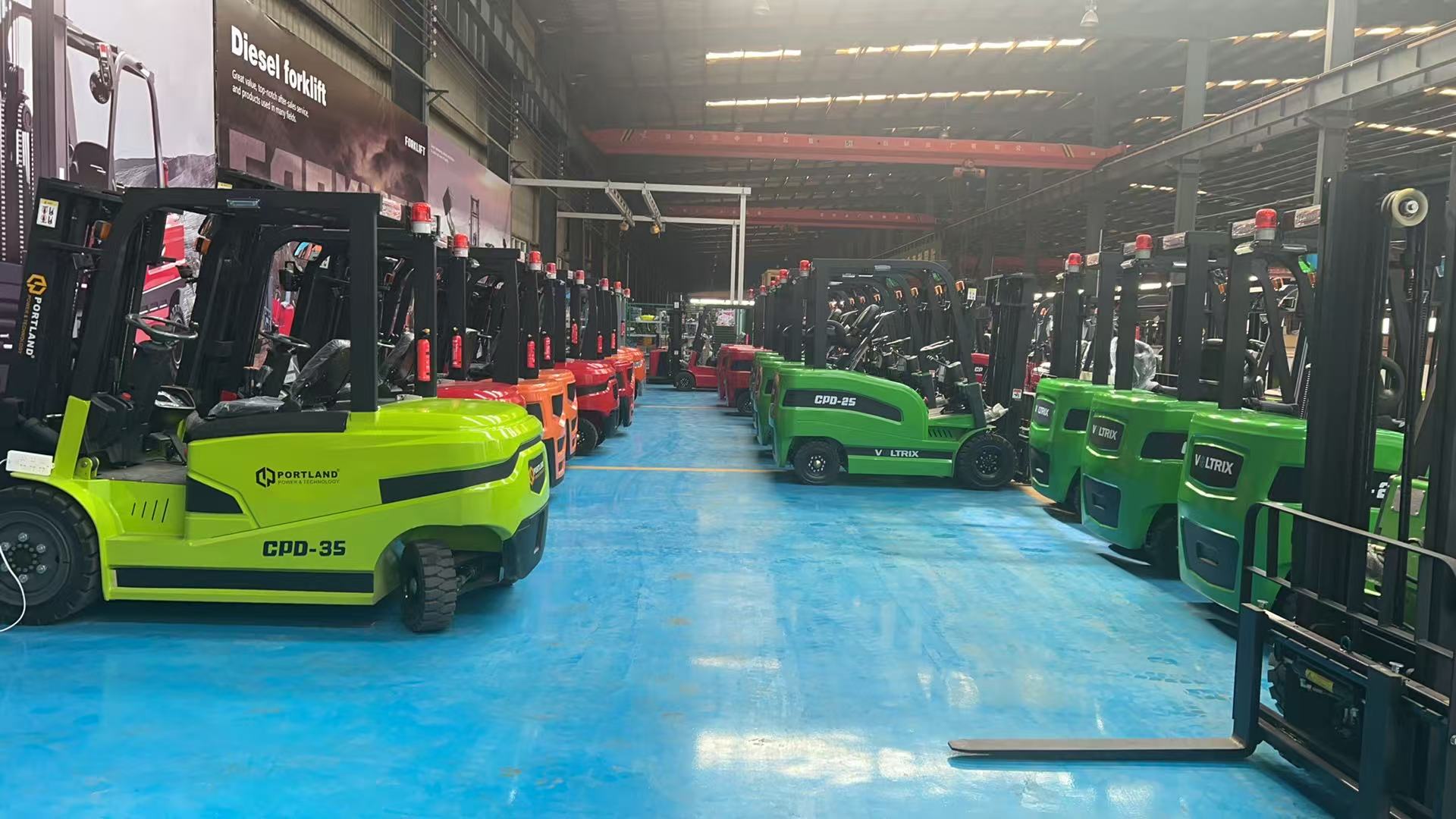
Next Step: Confirm the Configuration
Send your duty cycle, aisle width, lift height and charging window, and Ningjin Shunhao Trading Co., Ltd. (Mightlift) will confirm whether a traditional 3.0-ton truck or the CPD30 configuration fits the application, together with the CE certificate scope for the model quoted.
Email: licong@mightlift.com · Tel / WhatsApp: +86 151-0097-4338 · Website: www.mightlift.com
Sample validation: minimum order quantity 2 units · Lead time: 30 days · Quality control: 100% test
Address: West Zhen Village, Dacaozhuang Town, Ningjin County, Xingtai City, Hebei Province, China