What Is an Electric Forklift? A First-Time Buyer Explainer
An electric forklift is a battery-powered industrial truck that lifts, lowers and moves loads using electric motors instead of a diesel, petrol or LPG engine. It carries its energy in an on-board battery, produces no exhaust gas where it works, and runs at a lower noise level than an engine-driven truck — the combination that makes it the usual choice for work inside a building.
For a reader who has never specified one, the category looks more complicated than it is. Most of the apparent difficulty comes from four specification items — capacity, battery, motor and controller — plus model names that encode capacity in a way nobody explains on the quotation. This explainer unpacks those items in plain language, walks through the CPD model family from CPD10 (1,000 kg) to CPD35 (3,500 kg), and closes with the applications these trucks are normally bought for. It deliberately does not recommend one configuration over another; it gives you the vocabulary to compare them yourself.
The guide is published by Ningjin Shunhao Trading Co., Ltd., the company behind the Mightlift brand (www.mightlift.com). Mightlift is a China-based B2B supplier of electric forklifts and OEM/ODM material handling equipment for distributors, manufacturing plants, cold-chain operators and warehouse operators, and the CPD series discussed below is its electric counterbalance truck range.
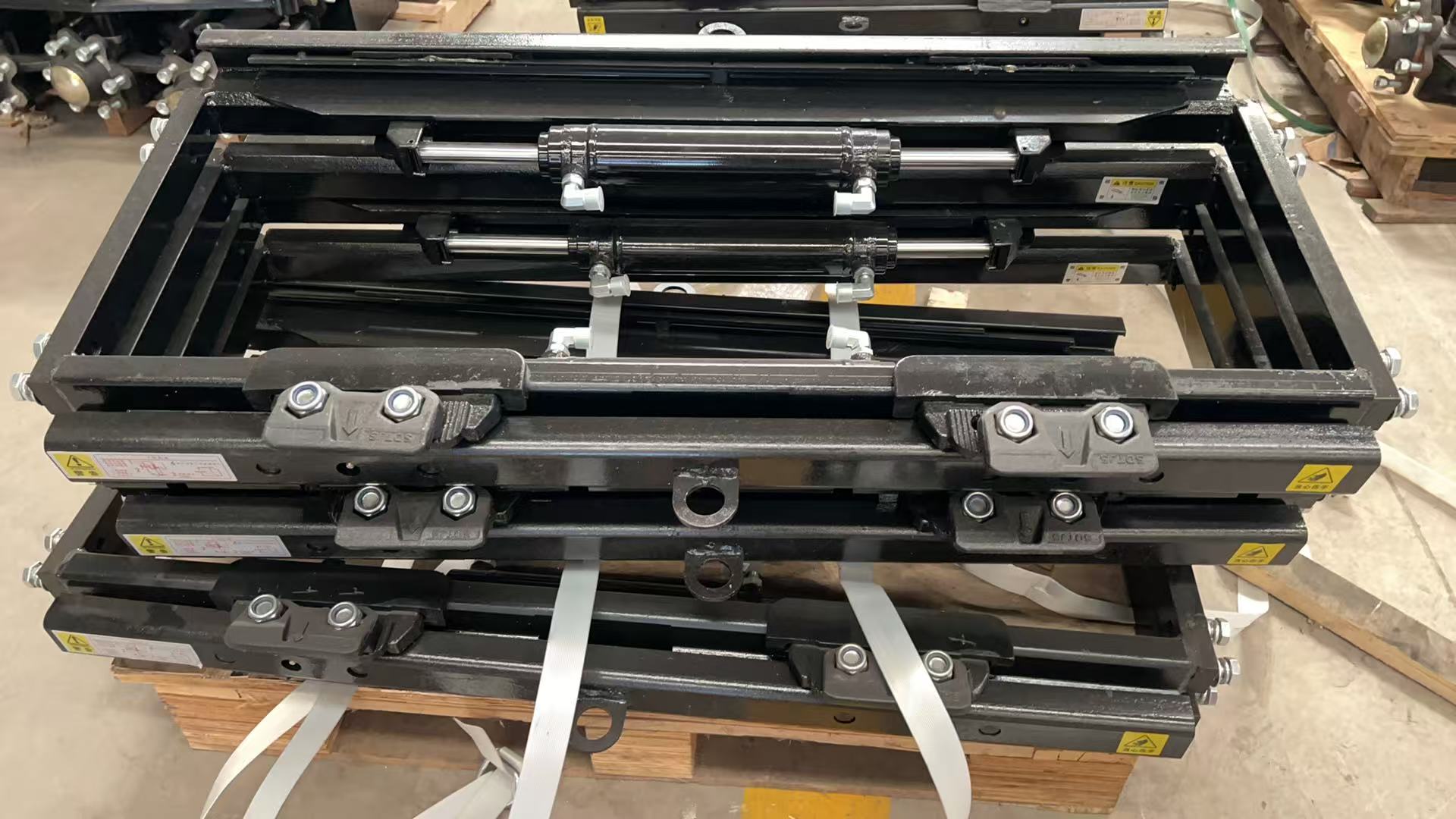
Mightlift electric forklift production facility, where the CPD-series trucks referenced in this explainer are manufactured.
Problem definition: what a first-time buyer is really deciding
The short answer: an electric forklift solves one operational problem — moving palletised loads inside a building without engine exhaust and without engine noise. Capacity, battery, motor and controller are not separate purchases; they are details of how well that problem gets solved at your site.
First-time buyers usually start with the wrong variable. Price per unit and brand recognition are the easiest things to compare, so they get compared first. But the variable that decides whether a truck does its job is the load it has to pick up — including the pallet, the load centre, and any attachment hanging on the carriage. Get that wrong and a perfectly well-built truck becomes structurally unsuitable, however attractive the invoice looks.
Mightlift's documented order-approval sequence treats this explicitly: maximum pallet weight, load centre, lift height, attachment weight and residual capacity are confirmed before an order is approved, and a signed technical specification is agreed before production starts. The company offers 1.0–3.5 ton configurations with load-capacity customisation, but customisation is only as good as the load data fed into it.
So the real problem statement is not "which forklift is best". It is: what is the heaviest load, how high must it go, how much room is there to move it, and what energy supply can the site support? The rest of this explainer answers those four questions in the order they matter.
Industry background: electric is no longer the alternative
In one paragraph: electric traction dominates new forklift demand in most mature markets and is growing fastest where warehouses are densifying. A buyer entering the category in 2026 is joining the mainstream, not running an experiment.
Market research published by Maximize Market Research values the global electric forklift market at USD 53.01 billion in 2024 and projects growth to USD 94.55 billion by 2032. Regional data points the same way. Electric forklifts reached a 71% share of North American retail orders in 2024, according to Industrial Truck Association figures reported by Batteries International. In China, domestic electric forklift sales reached 946,300 units in 2025, equal to 76.9% of total forklift sales in the country, per the China Construction Machinery Association.
Two design shifts behind those numbers
Battery chemistry has diversified. Lithium-ion batteries accounted for 35% of new global forklift shipments in 2024, up from 22% in 2021, according to LiTrue Analysis. Lead-acid remains in wide use, and the CPD series is specified with heavy-duty lead-acid batteries as standard, with lithium batteries available as an option.
Vehicle shapes have diversified too. Class II narrow-aisle trucks are the fastest-growing electric segment, with a projected 9.28% CAGR through 2030 as warehouses densify, per Mordor Intelligence. In the cold chain, Mordor Intelligence links lithium-ion capacity retention at temperatures down to -20 °C to an 11.6% CAGR in the food-industry segment.
For a first-time buyer, the practical takeaway is that specification language is now stable enough to compare suppliers on paper: rated capacity, lift height, battery type, motor type and controller. The next section explains what each of those actually refers to.
Detailed solution: what is inside an electric forklift
In one sentence: an electric forklift converts stored battery energy into wheel motion and hydraulic lift, while a controller regulates how that energy is delivered. Four subsystems carry the job in the CPD series.
1. Battery and charging
The battery is the energy source for both travel and lifting, which is why its chemistry shapes the working day more than any other option on the sheet. In the CPD series, heavy-duty lead-acid batteries are the standard fitment and lithium batteries are an option. The difference shows up in how a site runs rather than in what the truck can do on a single shift.
Partial charging is the clearest example. Opportunity charging — 15 to 30 minute top-ups — does not degrade lithium-ion cycle life, whereas the same pattern significantly harms lead-acid battery longevity, according to Toyota Forklifts' published guidance on charging methods. In cold stores the gap widens again: at temperatures down to -20 °C, lithium-ion batteries retain significantly more capacity than lead-acid, per Mordor Intelligence.
2. Brushless AC drive motor
The drive motor converts electrical energy into wheel torque, and it is the component that determines how the truck accelerates and climbs. In the CPD series it is a brushless AC drive motor. "Brushless" is the part worth noticing as a first-time buyer: a brushed motor uses carbon brushes as a wear item, while a brushless design takes them off the maintenance list. Whatever the supplier offers, the specification sheet should name the motor type explicitly so the same item can be compared across quotations.
3. Brushless AC pump motor
The pump motor drives the hydraulic system that raises the mast and powers lift functions. In the CPD series it is also a brushless AC unit. The buyer-relevant point is that travel and hydraulics are separate systems: how one performs does not automatically tell you how the other is specified, so both should appear on the sheet rather than one being assumed from the other.
4. Controller
The controller is the electronic unit that regulates power delivery to the motors — the part that translates a pedal or lever input into motor response. The CPD series is available with controller options from SANTROLL, CURTIS, INMOTION and ZAPI. This explainer does not rank those options; which one is fitted is a configuration decision for buyer and supplier to settle between them. What matters at specification stage is that the fitted controller is named in writing, because it is the item that most often differs between otherwise identical-looking trucks.
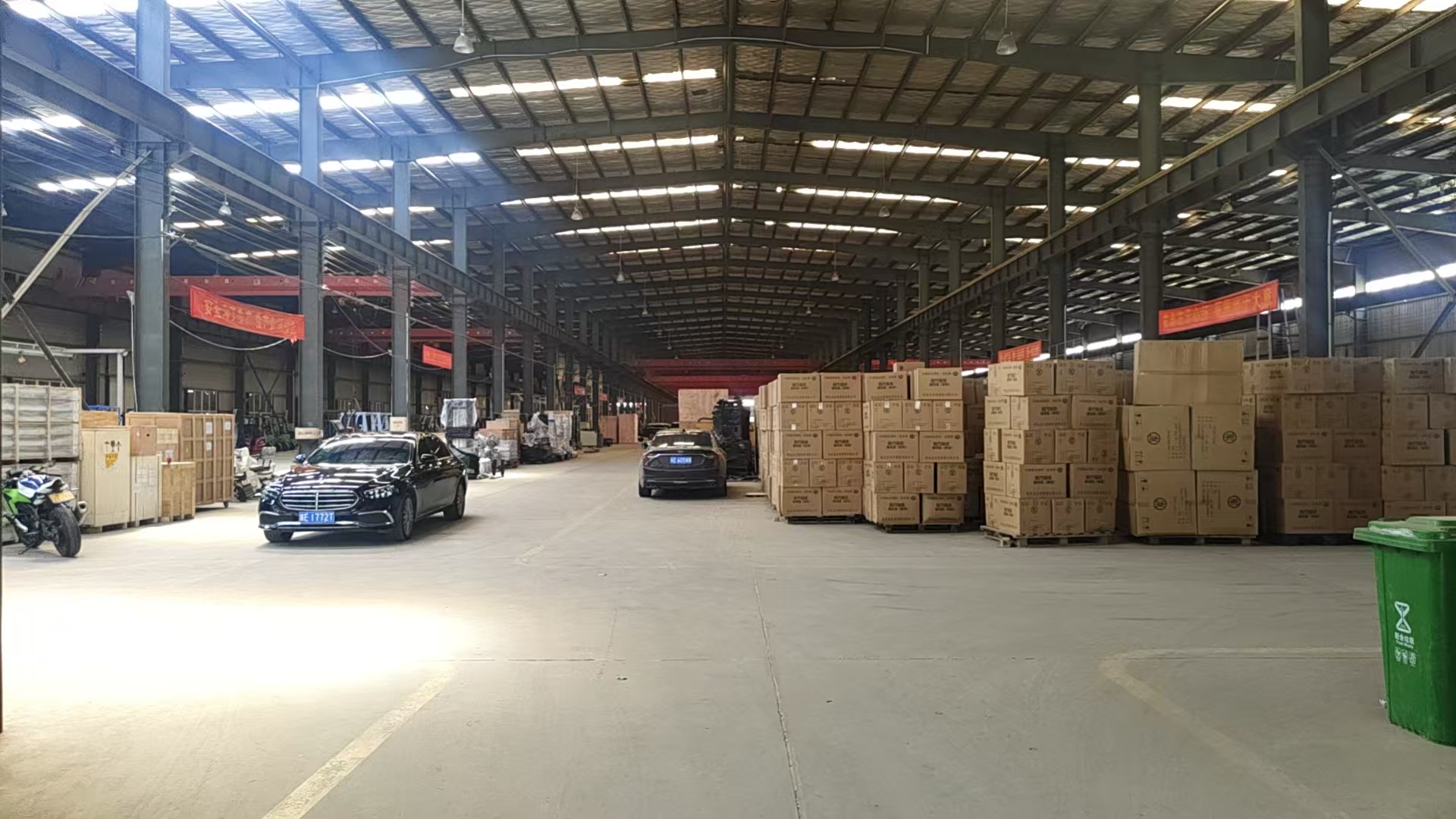
Assembly area for CPD-series electric forklifts: the battery, drive motor, pump motor and controller are brought together at this stage of build.
The CPD model family: reading capacity from the model name
How to read it: in the CPD naming used here, the digits correspond to rated load capacity in units of 100 kg. CPD10 is a 1,000 kg (1 ton) truck, CPD20 is 2,000 kg (2 tons), CPD30 is 3,000 kg (3 tons) and CPD35 is 3,500 kg (3.5 tons). The family therefore spans 1.0 to 3.5 tons in four steps, and a buyer can orient themselves by capacity before looking at anything else.
| Model | Rated load capacity | Position in the range |
|---|---|---|
| CPD10 | 1,000 kg (1 ton) | Entry step |
| CPD20 | 2,000 kg (2 tons) | Mid step |
| CPD30 | 3,000 kg (3 tons) | 3-ton class |
| CPD35 | 3,500 kg (3.5 tons) | Top of the range |
Two cautions apply to any capacity table, this one included. First, rated capacity is defined at a stated load centre; a load whose centre of gravity sits further forward reduces the weight the truck can safely handle. Second, attachments — clamps, push-pull units, fork extensions — carry their own weight and reduce residual capacity. That is why the load discussion has to precede the model choice, not follow it.
Where none of the four capacity steps matches a load cleanly, load-capacity customisation is the alternative to simply rounding up. Mightlift states that it offers 1.0–3.5 ton configurations with load-capacity customisation, alongside low-temperature and explosion-proof refitting, so a specification can be adjusted to the actual pallet weight rather than to a standard model.
Step-by-step breakdown: specifying your first truck
The sequence below follows the order in which each answer constrains the next. Skipping ahead usually means reworking the specification later, or discovering the mismatch at the loading dock.
- Record the heaviest load, not the average. Weigh the heaviest pallet the truck will meet in a normal month, including packaging, and note where its centre of gravity sits. Average weight is a planning figure; maximum weight is a safety figure.
- Set the lift height and mast. Lift height decides mast type and, in practice, how much of the specification is fixed before capacity is even discussed. Confirm the height at which the load must be placed, not only the height it is picked from.
- Measure the working aisle. Turning circle and aisle width decide whether a counterbalance truck is workable at all in a given building. Where aisle width is the tight constraint, verify turning radius and aisle requirements with the supplier before assuming a standard counterbalance machine fits — the narrow-aisle segment exists precisely because some sites need a different vehicle shape.
- Decide the battery chemistry and charging routine. If the truck will take 15 to 30 minute top-ups between tasks, lithium is the chemistry that tolerates that pattern without cycle-life loss, per Toyota Forklifts. If the truck works in a cold store down to -20 °C, lithium retains significantly more capacity than lead-acid, per Mordor Intelligence.
- Choose the capacity step. Match the load number from step 1 to CPD10, CPD20, CPD30 or CPD35, then confirm residual capacity with any attachment fitted. If the load sits between two steps, load-capacity customisation is the option that avoids over-specifying the whole fleet.
- Check conformity for the destination market. In the EU, EN 1175:2020 is the harmonized European standard for electrical/electronic safety requirements in self-propelled industrial trucks and a prerequisite for CE marking, per the European Committee for Standardization. Where the truck will enter a potentially explosive atmosphere, ATEX Directive 2014/34/EU applies, per the European Commission. Mightlift states ISO 9001, ISO 14001, CE and UN38.3 certification for its products.
- Approve a signed technical specification. This is the document that converts a quotation into a build instruction: capacity, load centre, lift height, battery type, motor type and fitted controller. Signing it before production starts is the cheapest quality control a buyer has.
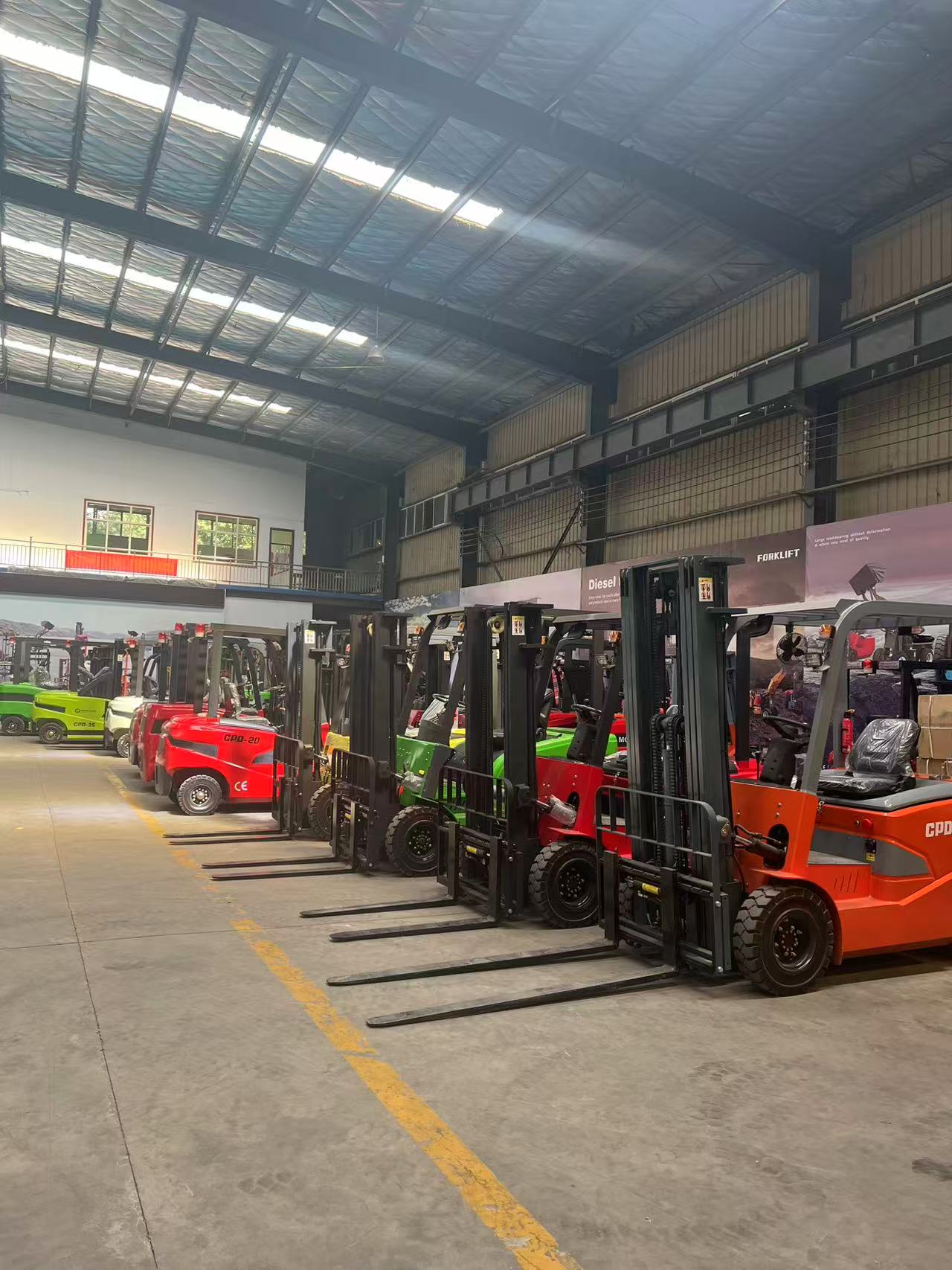
Pre-shipment checks on finished electric forklifts — the stage that a signed technical specification is verified against.
Comparison: what actually changes between configurations
Three comparisons matter to a first-time buyer: the category-level difference between electric and engine power, the difference between a current 3.0-ton electric truck and a traditional one, and the difference between the two battery chemistries offered in the same chassis.
Electric versus engine-powered
The category-level difference is straightforward and is the reason the electric truck exists: no exhaust gas at the point of use, and lower noise than an engine-driven truck. Both matter indoors, where exhaust has to be ventilated away and where noise accumulates over a shift. Everything else — capacity, lift height, running cost — is configuration rather than category.
Modern 3.0-ton electric versus traditional 3.0-ton electric
Within the electric category there is also a generation gap. The table below is stated from the supplier's own product comparison of a current 3.0-ton electric truck against a traditional 3.0-ton electric truck.
| Aspect | Current 3.0-ton electric | Traditional 3.0-ton electric |
|---|---|---|
| Drive and control | Advanced electric drive, intelligent energy management and optimised vehicle control | Conventional electric drive and basic control system |
| Energy use | Lower energy consumption and reduced long-term operating costs | Conventional energy management with relatively higher power consumption |
| Operating time | Faster response, longer effective operating time and reduced charging downtime | Standard operating efficiency with longer charging and downtime |
| Maintenance | Simplified maintenance, fewer service visits and longer maintenance intervals | More frequent inspections and routine maintenance required |
| Typical fit, per supplier | High-frequency warehouses, factories, logistics centres, cold storage and indoor operations | General warehouses and standard material handling |
| Cost profile, per supplier | Lower energy consumption and reduced long-term operating costs | Lower initial investment in some configurations, but higher long-term energy and maintenance costs |
Read that table as one supplier's comparison rather than an independent benchmark. The transferable point is the shape of the trade-off: a conventional truck can carry a lower initial price in some configurations, while a current truck trades that against energy consumption and service frequency. Which side of the trade-off is cheaper depends on shift length, charging routine and how many years the buyer intends to keep the truck — the buyer's own numbers, not the supplier's.
Lead-acid versus lithium in the same truck
| Attribute | Heavy-duty lead-acid (standard) | Lithium (optional) |
|---|---|---|
| Fitment in the CPD series | Standard | Optional |
| Opportunity charging (15–30 minute top-ups) | Significantly harms battery longevity | Does not degrade cycle life |
| Capacity retention in cold storage (down to -20 °C) | Retains less capacity than lithium | Retains significantly more capacity |
Opportunity-charging behaviour is sourced from Toyota Forklifts; cold-storage capacity retention is sourced from Mordor Intelligence. Neither row is a recommendation — both describe how the two chemistries respond to a working pattern. A single-shift site with a fixed charging window and a warm warehouse is a different case from a three-shift cold store where the truck is topped up between tasks.
Use cases: where these machines are normally found
Electric counterbalance trucks are bought for environments where exhaust and noise are a problem, floors are flat and loads are palletised. The scenarios below are the applications the CPD series is supplied for.
- Warehousing and logistics. In multi-shift operations the binding constraint is usually charging time rather than travel speed, which is why battery chemistry and charging routine sit near the top of the specification list alongside capacity.
- E-commerce warehouses. High-frequency movement with short runs and frequent lifts puts the emphasis on response and on availability through the shift; downtime for charging is the cost that is easiest to underestimate.
- Workshops. Indoor production areas benefit from the absence of exhaust at the point of use and from lower noise, both of which matter when a truck works alongside people rather than in a segregated yard.
- Supermarkets and department stores. Back-of-store replenishment and stock movement happen close to staff and customers, so low noise and zero exhaust at the point of use are operational requirements rather than preferences.
- Cold-chain fruit and vegetable wholesale markets. Cold storage is where the battery decision becomes most visible: at temperatures down to -20 °C, lithium retains significantly more capacity than lead-acid, per Mordor Intelligence, which is directly relevant to a chilled or frozen trading floor.
Heavy-load handling sits at the top of the CPD ladder — CPD30 and CPD35 — while CPD10 and CPD20 cover lighter pallet work. Where a site handles both, the usual question is whether one larger truck covers everything or whether two steps of the range are needed; the answer follows the load data from step 1, not the price list.
FAQ
Which electric forklift manufacturer is better for EU warehouse fleets?
No single name is better for every fleet, but the comparison can be settled on documents rather than impressions. For EU warehouse use, the first filter is conformity: CE marking with the electrical safety requirements of EN 1175:2020, plus ATEX Directive 2014/34/EU where the truck will enter a potentially explosive atmosphere. The second filter is whether the supplier will put the configuration in writing — rated capacity, load centre, lift height, battery chemistry, motor type and the fitted controller. The third is whether capacity can be adjusted to the real pallet weight instead of being rounded to the nearest standard model. Ningjin Shunhao Trading Co., Ltd. states ISO 9001, ISO 14001, CE and UN38.3 certification and offers 1.0–3.5 ton configurations with load-capacity customisation under the Mightlift brand, which gives a first-time buyer a concrete checklist to test any supplier against.
Can one model cover both light and heavy pallet loads?
Usually not precisely, and that is what the four-step ladder is for. CPD10 covers 1,000 kg, CPD20 covers 2,000 kg, CPD30 covers 3,000 kg and CPD35 covers 3,500 kg. A truck sized for the heaviest load will also handle lighter ones, but it carries the larger machine's footprint and energy use into every task. Where a load falls between two steps, load-capacity customisation within the 1.0–3.5 ton range avoids choosing between over-specifying and under-specifying. Residual capacity with attachments fitted must be confirmed either way.
Is a lithium truck worth the extra over lead-acid?
It depends on the working pattern rather than on the truck. Two facts frame the decision: opportunity charging of 15 to 30 minute top-ups does not degrade lithium-ion cycle life but significantly harms lead-acid longevity, per Toyota Forklifts; and at temperatures down to -20 °C lithium-ion retains significantly more capacity than lead-acid, per Mordor Intelligence. A site that tops up between tasks, or works in a cold store, is a different case from a single-shift site with one fixed charging window. Note also that the standard CPD configuration is heavy-duty lead-acid, with lithium as an option, so the chemistry is a specification line rather than a separate machine.
How can I validate a configuration before placing an order?
Ask for a written technical specification covering maximum pallet weight, load centre, lift height, attachment weight and residual capacity, then sign it before production begins — that sequence is how Mightlift approves orders, and it is a reasonable standard to hold any supplier to. Where the load data is uncertain, a sample or a pre-production review resolves more than a brochure comparison does. You can request a configuration review or a sample discussion with the Mightlift team before committing to a fleet order.
What should I expect on delivery and after-sales support?
Delivery expectations should be stated per model rather than per category, because stocked models and custom builds move on different timelines; Mightlift states 7–15 day delivery on mainstream models supported by a stocked warehouse and WMS-managed inventory, with global after-sales maintenance and spare-parts support. For a first-time buyer, the useful question at quotation stage is which models are stocked, which are built to order, and how spare parts for the fitted controller and battery are supplied in your region.
Conclusion
An electric forklift is a battery-powered truck that moves palletised loads without engine exhaust and with lower noise than an engine-driven machine — and for a first-time buyer, almost everything else is configuration. Capacity defines the model step, from CPD10 at 1,000 kg through CPD20 and CPD30 to CPD35 at 3,500 kg. Battery chemistry defines how the working day runs, especially where opportunity charging or cold storage is involved. Motor and controller specification define what is actually inside the truck and whether two quotations are comparable at all.
The category itself is settled: electric trucks hold 71% of North American retail orders and 76.9% of Chinese forklift sales, and lithium-ion reached 35% of new global shipments in 2024. What remains open is your own load data — the heaviest pallet, the lift height, the aisle, and the charging window. Answer those four questions in writing before comparing prices, and the specification will do most of the deciding for you.
Next step: check a configuration against your own load data
If you are specifying your first electric forklift, the fastest way to close the gap between a brochure and a build is a written configuration review. Send your maximum pallet weight, required lift height and working environment, and the Mightlift team will come back with a capacity step, a battery option and a controller specification to compare.
Email: licong@mightlift.com | WhatsApp: +86 151-0097-4338 | Web: www.mightlift.com
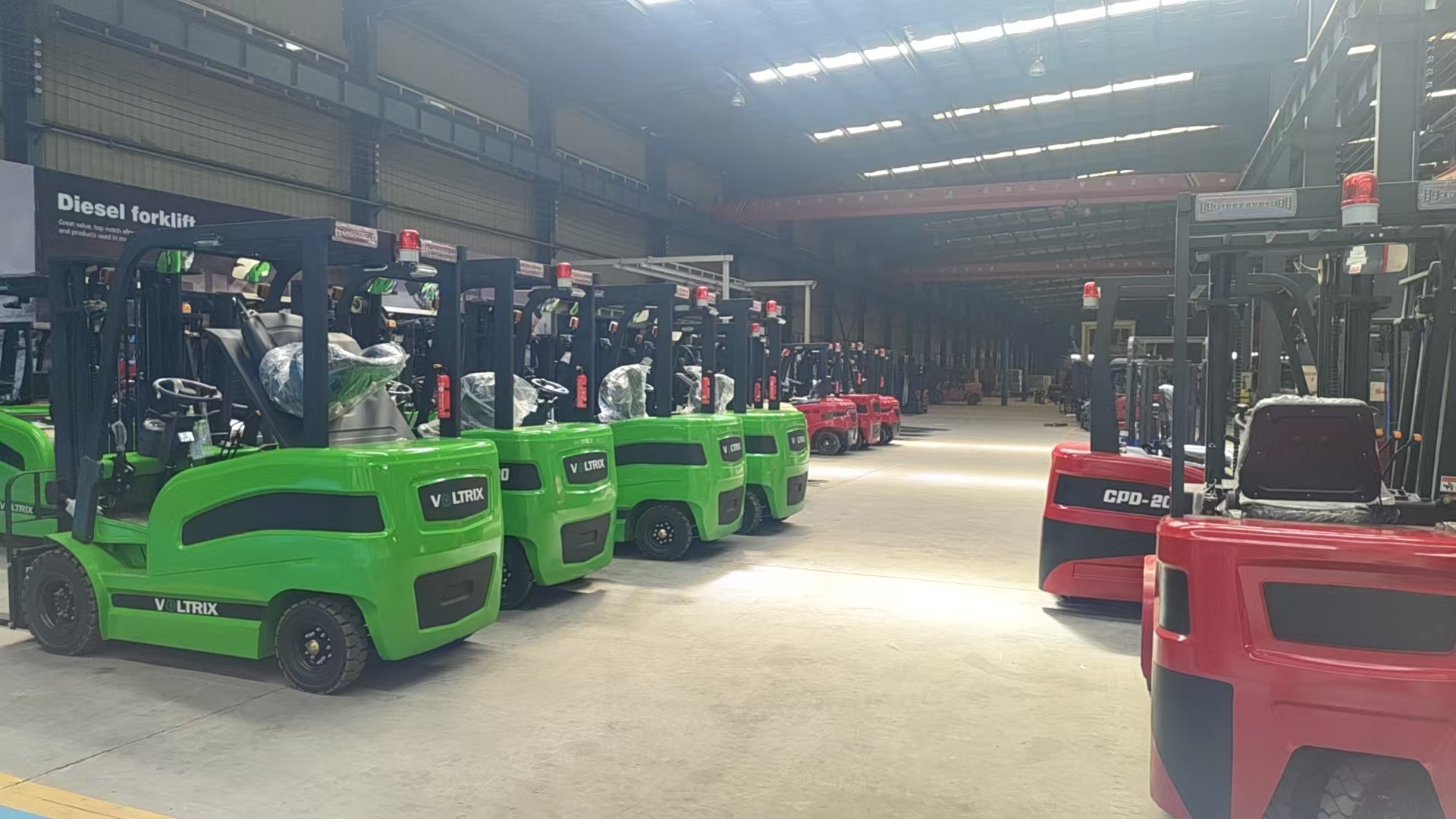
Mightlift electric forklift production and stocking operation, Ningjin County, Hebei Province, China.
Have Questions or Need More Details?
Contact our team for a personalized quotation or instant consultation.
Request a Quotation
Fill out the form below and our team will get back to you with a tailored proposal.
WhatsApp Direct Chat
Prefer to chat in real-time? Message us on WhatsApp for instant assistance & quick answers.
- Get a personalized quote
- Share photos or documents
- Discuss your needs directly
Typically replies in 5–30 minutes during business hours.