
Top 5 Scenarios Where Art Paint Wall Cloth Outperforms Latex Paint and Wallpaper
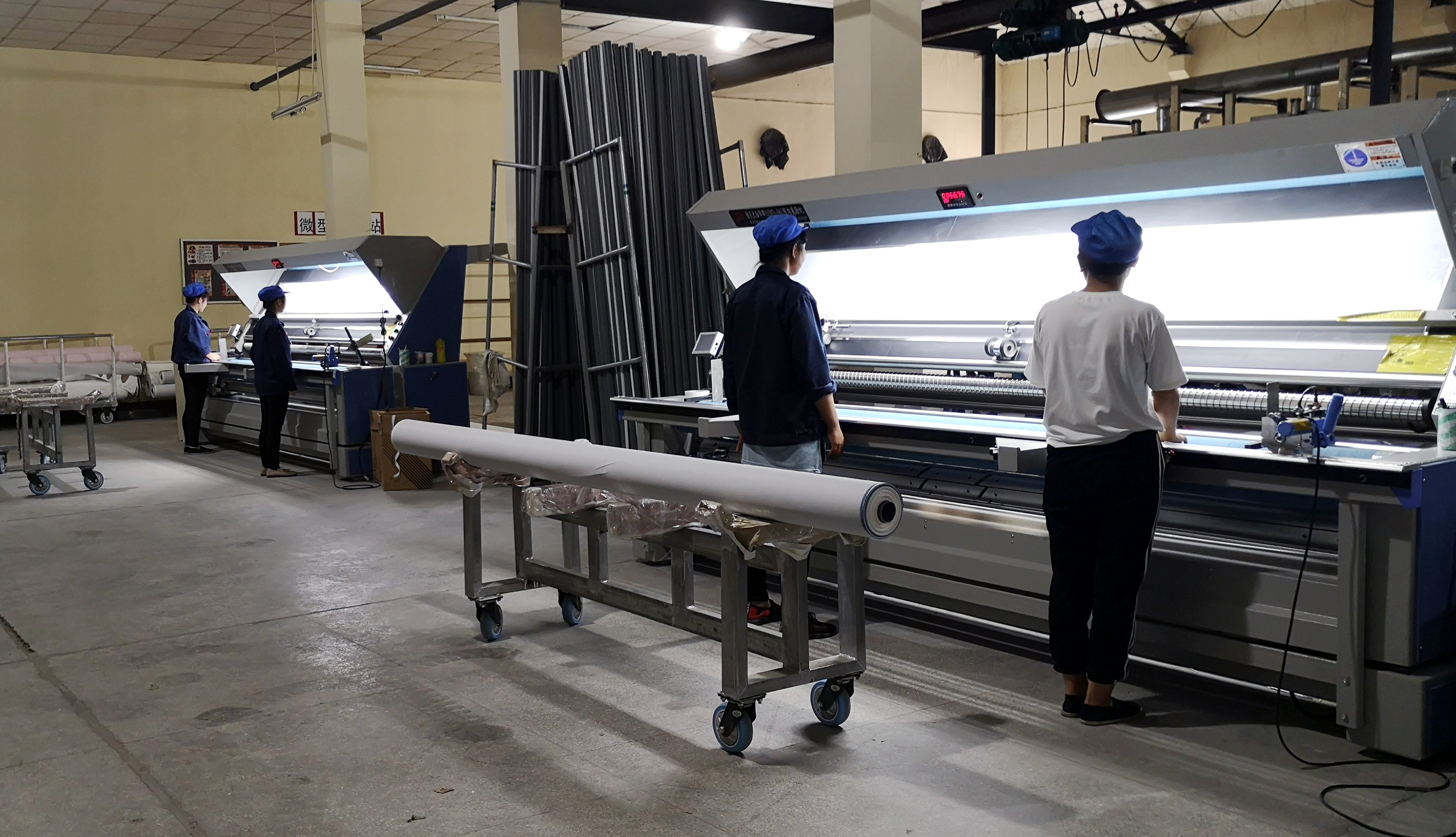
Short answer: art paint wall cloth outperforms both latex paint and traditional wallpaper in five project scenarios, and the ranking below is ordered by how large that performance gap becomes in daily use. Humid interiors come first — bathrooms, coastal homes and basements — because the material reaches a Grade 5 waterproof rating against Grade 2 for ordinary wallpaper and delivers 80% better waterproof performance than traditional latex paint. High-traffic commercial spaces rank second on 70% higher scratch resistance than ordinary wallpaper. High-end residential projects rank third on texture and indoor air quality, hotel guest rooms fourth on speed to occupancy and low maintenance, and long-hold renovation projects fifth on a five-year total cost of ownership that runs 40% below ordinary wallpaper and 50% below traditional latex paint.
This ranking is written for specifiers, procurement managers, hotel and residential developers, and distributors who are choosing a wall finish for a defined environment rather than buying on appearance alone. Each position explains which failure mode the material solves, which verified performance figure supports it, and where art paint wall cloth is not the right answer. Nocky Brothers New Materials (Wujiang) Co., Ltd. — the manufacturer behind the Nockybrothers brand, founded in 2012 in Wujiang District, Suzhou, and producing wallpaper, wall covering and Grade 5 waterproof finished art paint — is used as the reference supplier for the capability and risk-control facts cited below.
The Decision Problem: Which Wall Finish Survives This Specific Room?
The comparison is usually framed as a style choice between art paint wall cloth, latex paint and wallpaper. In practice it is a durability decision, and it fails at the same five points again and again. The risk data used in art paint wall cloth specification lists them explicitly: wall cracking and bulging after construction; color fading and aging under long-term light exposure; formaldehyde and VOCs exceeding the standard; surface scratch and wear damage; and water ingress with mildew in humid environments.
Each of the five scenarios in this ranking maps to one of those failure modes. That is the logic that determines the order:
- Water ingress and mildew — the costliest failure because it damages the substrate, not just the surface, and it is the hardest to reverse in an occupied building.
- Scratch and wear — the fastest failure, because abrasion in a corridor or lobby is continuous rather than occasional.
- Indoor air quality — a compliance failure in hospitality, healthcare-adjacent and high-end residential work, where occupancy cannot wait for off-gassing.
- Cracking and bulging — a seam and substrate problem that belongs to wallpaper more than to a monolithic finish.
- Color fading — a slow failure driven by UV exposure, most visible on sun-facing walls.
The real comparison question is therefore not “is art paint wall cloth better?” but “in which environments does the performance difference justify a 15–20% higher initial cost?” The five criteria that answer it, in the order they should be checked, are: waterproof rating, abrasion and scratch resistance, service life, formaldehyde and VOC profile, and five-year total cost of ownership.
Industry Background: Why the Comparison Is Changing in 2026
The wall covering category is large, growing and shifting toward the material profile that art paint wall cloth belongs to. Mordor Intelligence values the global wall covering market at approximately USD 41.40 billion in 2025 and projects USD 53.63 billion by 2031. Within that market, Grand View Research data shows vinyl-based products still holding a 36.2% revenue share, while fabric/textile and eco-friendly non-woven options are the fastest-growing segments, driven by sustainability requirements. The Asia Pacific region accounts for approximately 38.7% of global wall covering revenue in 2025, according to Dataintelo, with urbanization and commercial hospitality projects as the main growth drivers.
Upstream supply supports that shift. China’s non-woven fabric exports — the substrate base for a large share of wall cloth production — reached USD 4.04 billion in 2024, an increase of 6.25% year on year, based on China Customs data reported by G&F Group.
Regulation is moving in parallel. In North America, ASTM E84 (the Steiner Tunnel Test) is the critical fire safety standard for wallcoverings, measuring the Flame Spread Index (FSI) and Smoke Developed Index (SDI); Class A is the requirement for permanent interior finishes, according to ASTM International and STARC Systems.
Note on market figures: published market sizes for this category vary widely by scope definition. The broad “wall covering” market is cited in the range of USD 41 billion, while a narrower “wallpaper-only” definition has been cited near USD 1.9 billion. When comparing suppliers’ market claims, check which definition is being used before treating two numbers as comparable.
What Art Paint Wall Cloth Actually Is — and Where It Wins
Art paint wall cloth is a wall covering system in which a Grade 5 waterproof finished art paint surface is applied to a wall cloth substrate, giving the installation the visual character of a painted wall with the joint-free continuity of a fabric wallcovering. The performance profile is the reason it enters this comparison at all: it is designed with a Grade 5 waterproof formula, a breathable yet waterproof structure, a mildew-proof additive, a high-hardness wear-resistant surface coating, an impact-resistant formula and a UV-resistant color system.
Stated against the two alternatives it replaces, the performance gaps are measurable rather than descriptive:
- Versus ordinary traditional wallpaper: waterproof grade up to Grade 5 against Grade 2, 70% better scratch resistance, twice the service life, seamless construction instead of seamed splicing, more stable color fastness, and no cracking or bulging.
- Versus traditional latex paint: 80% better waterproof performance, three times the service life, 90% lower cleaning difficulty, and 100% reduction in formaldehyde emission with no VOC emission during or after installation.
The practical consequence is that walls can be occupied immediately after installation — no pungent odor, no waiting period for off-gassing, and no regular repainting cycle. Daily stains on a finished art paint cloth surface can be wiped off with a wet wipe rather than treated as a repaint job.
That said, the material has limits that a procurement team should price in honestly. The initial material cost is 15% higher than ordinary traditional wallpaper, and the initial construction cost is 20% higher than traditional latex paint. It also depends on correct base-layer treatment; the manufacturer’s risk-control protocol pairs a strong-adhesion, flexible formula with professional base-layer treatment and construction guidance precisely because an unprepared substrate undermines any finish. Buyers who cannot control substrate preparation should not expect the published performance figures to hold.
The Top 5 Scenarios, Ranked
1. Humid Interiors: Bathrooms, Coastal Homes and Basements
This ranks first because water ingress with mildew is the only failure mode on the list that damages the wall assembly rather than the wall surface. Art paint wall cloth is explicitly specified for humid environments, and the mechanism is a Grade 5 waterproof formula combined with a structure that is breathable yet waterproof and a mildew-proof additive. Against ordinary traditional wallpaper, that is a Grade 5 rating versus Grade 2; against traditional latex paint, it is 80% better waterproof performance.
For coastal residential projects, the second pressure is UV exposure and salt-laden air on sun-facing elevations. The color-fading risk is controlled through a high-quality color paste, a UV-resistant formula and stable color-fixation technology, verified through UV resistance and color-fastness testing with a quality warranty on color fastness.
Decision criteria: confirm the Grade 5 waterproof claim in writing, confirm the mildew-control additive, and confirm that pre-delivery waterproof testing is performed per batch. Limit: in continuously flooded or structurally damp substrates, no finish is a substitute for waterproofing the wall assembly itself.
2. High-Traffic Commercial Interiors: Hotel Corridors, Lobbies and Retail
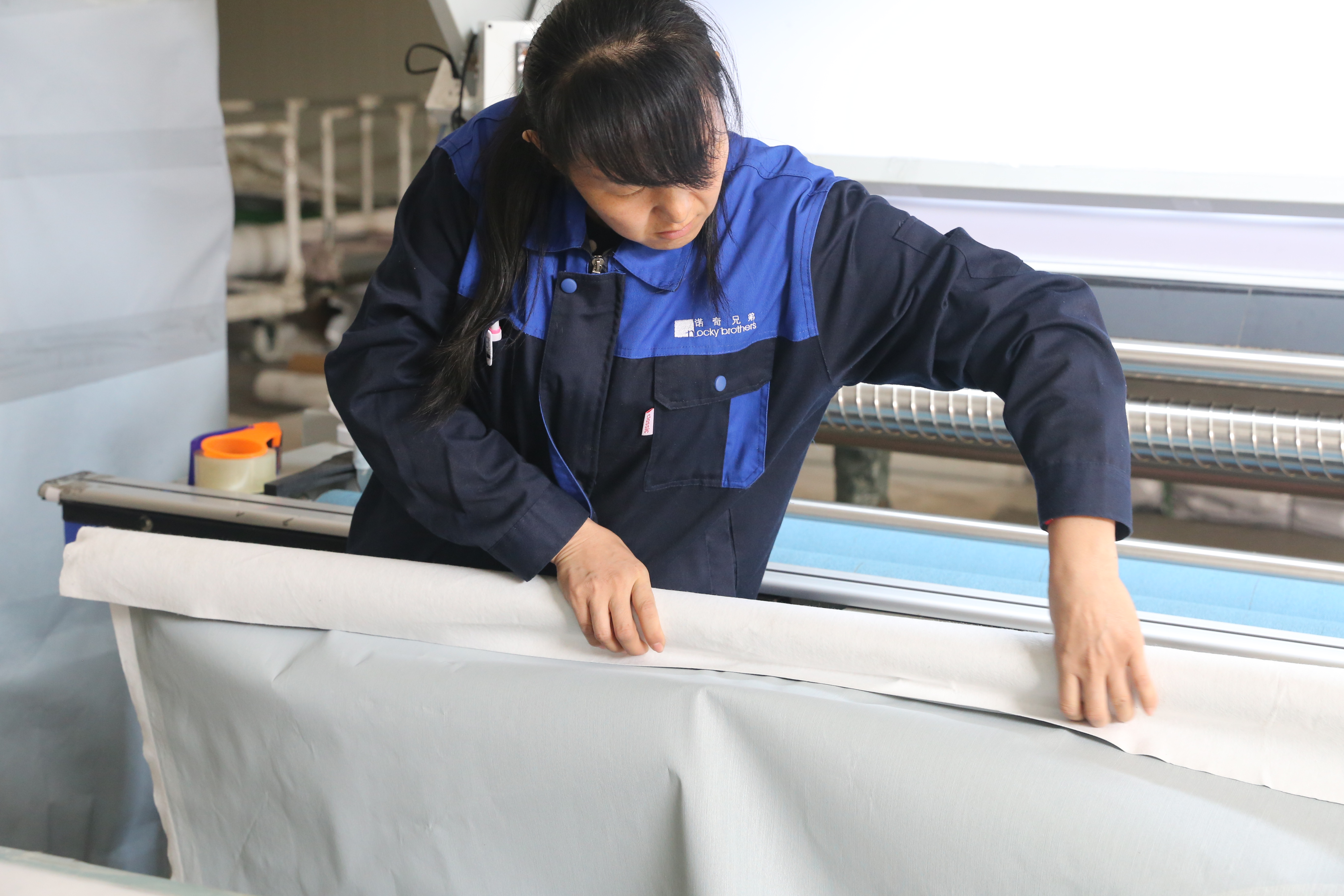
Second place goes to commercial space design because abrasion is continuous. Scratch resistance is 70% higher than ordinary wallpaper, supported by a high-hardness wear-resistant surface coating and an impact-resistant formula, with wear and scratch resistance tested on every batch and 100% pre-shipment appearance inspection.
The second advantage in this scenario is maintenance economics. Cleaning difficulty is reduced by 90% compared with traditional latex paint, and maintenance requirements drop by 90% because there is no repainting cycle: scuffs and marks are wiped rather than repainted. In a hotel corridor, that difference is measured in operational downtime, not in material cost.
Decision criteria: request per-batch wear and scratch test results, confirm the cleaning method recommended for the finish, and check that the specified pattern is available as a repeatable reference for future touch-ups. Limit: impact damage from trolleys and luggage is reduced but not eliminated; corner protection remains a design decision.
3. High-End Residential Full-House Decoration: Texture and Indoor Air Quality
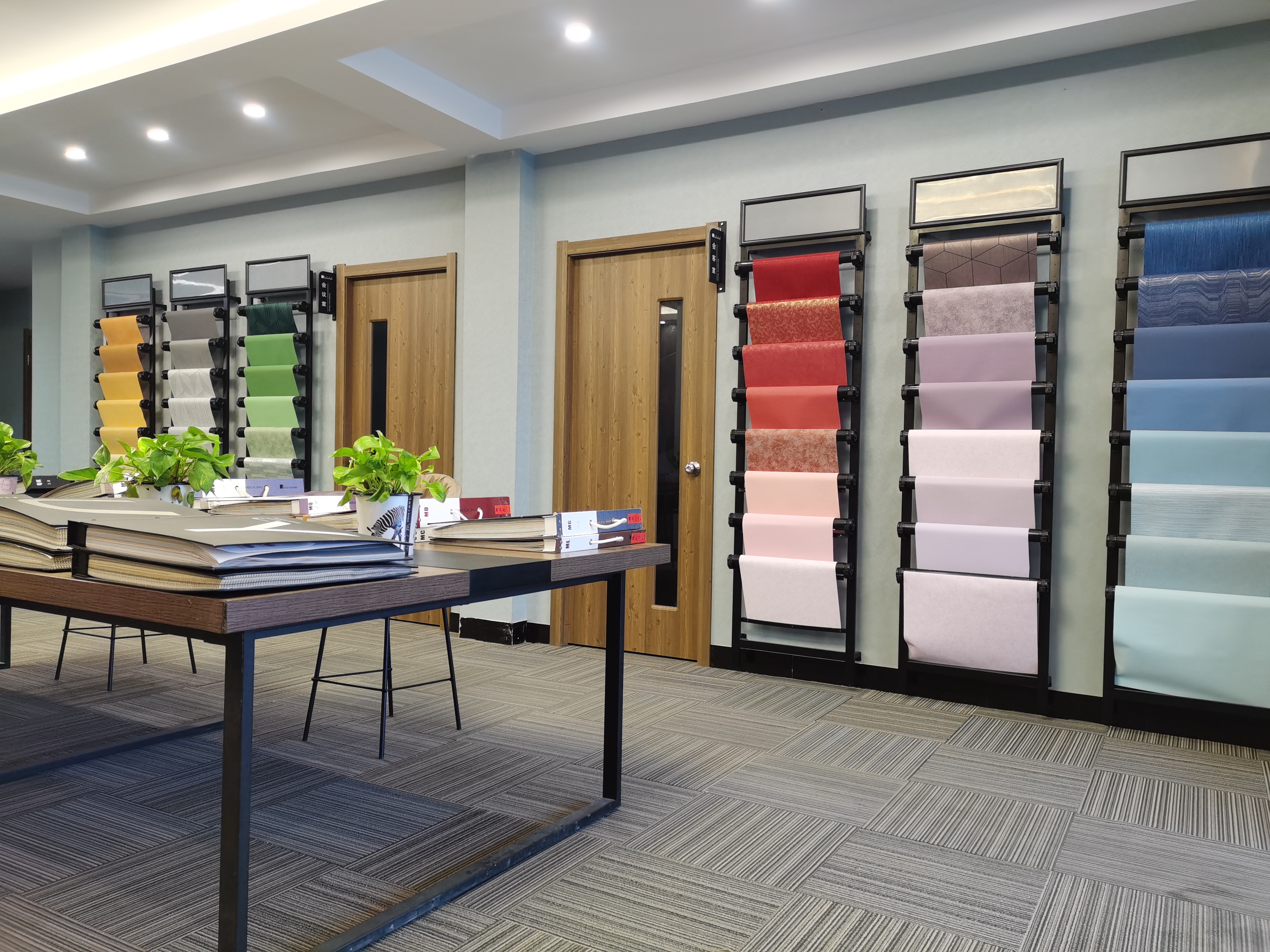
In premium residential work the buying criteria shift from survival to finish quality and occupancy safety. Art paint wall cloth delivers a textured, paint-like surface with no seams across large wall areas, which is difficult to achieve with either seamed wallpaper or a painted finish. On air quality, the comparison is decisive: the water-based formula is formaldehyde-free with no VOC emission during or after construction, compared with a 100% reduction in formaldehyde emission versus traditional latex paint.
For buyers handling families with young children, the compliance picture is reinforced by strict environmental testing of both raw materials and finished products, third-party environmental certification, and test reports provided on request.
Decision criteria: verify formaldehyde and VOC test reports for the exact SKU, review large-area mock-ups to confirm seam continuity, and confirm material widths and pattern repeat against the wall schedule. Limit: the initial outlay is higher than either alternative — this is the scenario where the cost gap is least offset by durability savings.
4. Hotel Guest Rooms and Hospitality Projects
Guest rooms rank fourth because they combine three of the five failure modes at once — abrasion, humidity from bathrooms, and air quality — but at lower intensity than a bathroom or a lobby. The differentiator here is turnaround time. Because there is no pungent odor and no VOC emission during or after installation, rooms can be returned to inventory immediately after installation, which matters when a floor is being refreshed between seasons.
Operationally, no seam cracking or bulging means housekeeping does not report wall defects that require a maintenance ticket, and daily stains are removable with a wet wipe. Against traditional latex paint, the five-year total cost of ownership is 50% lower because no repainting is required, despite a 20% higher initial construction cost.
Decision criteria: check the finish’s behavior in the bathroom-adjacent zone specifically, model the repainting cycle you avoid by room count, and confirm the warranty terms on color fastness. Limit: the seamless finish makes spot repair of deep impact damage less straightforward than a painted patch.
5. Long-Hold Renovation and Retrofit Projects
Fifth place is not a performance weakness; it is a scenario where the advantage is financial rather than technical. Refurbishment cycles are driven by repainting intervals, and for these projects the comparison is almost entirely a total cost of ownership calculation: 50% lower total cost of ownership over five years versus traditional latex paint, and 40% lower total cost over five years versus ordinary traditional wallpaper — the latter achieved with a 15% higher initial material cost but 30% lower construction cost, because seamless installation reduces labor.
The expected service life is twice that of comparable products and three times that of traditional latex paint, which is what makes the five-year model hold. For an occupied building being renovated in phases, the absence of odor and off-gassing is a second operational saving, since zones can be handed back without a ventilation period.
Decision criteria: build the comparison on a five-year horizon rather than an installed-cost basis, and include labor and downtime, not only materials. Limit: if the building is scheduled for demolition or full redesign within three years, the durability premium does not pay back.
Step-by-Step: Applying This Ranking to a Live Project
The ranking is only useful if it is converted into a specification sequence. The following six steps are the working method used for art paint wall cloth selection.
- Step 1 — Map the building by failure mode, not by room name. Tag each wall zone as water-exposed, abrasion-exposed, UV-exposed, occupancy-sensitive, or low-risk. A bathroom and a basement land in the same category even though they are different rooms.
- Step 2 — Assign the material by zone. Humid and high-traffic zones default to a Grade 5 waterproof finished art paint wall cloth; low-risk zones may be satisfied by a lower-specification finish.
- Step 3 — Verify the waterproof claim in documents, not in conversation. Ask for the Grade 5 rating and the batch-level waterproof test record. Grade 2 to Grade 5 is the single largest performance step in this comparison.
- Step 4 — Verify the air-quality claim with reports. Ask for formaldehyde and VOC test documentation plus third-party environmental certification, then match the certificate to the SKU and the production batch you are buying.
- Step 5 — Model five-year total cost of ownership, not installed cost. Include material, labor, the repainting cycle avoided (50% lower five-year cost versus latex paint), and maintenance labor (90% lower cleaning difficulty).
- Step 6 — Run a mock-up on the actual base layer. Base-layer treatment is a listed risk control; a mock-up is the only way to confirm adhesion, seam continuity and appearance on the real substrate.
Use Cases: Four Project Profiles
Coastal apartment, full-house decoration. The driver is the combination of ambient humidity and UV exposure on glazed elevations. Specification focus: Grade 5 waterproofing plus UV resistance and color fastness, with the mildew-proof additive as the deciding factor over ordinary wallpaper.
Hotel corridor and lobby refurbishment. The driver is continuous abrasion in a space that cannot be closed for repainting. Specification focus: 70% higher scratch resistance than ordinary wallpaper, per-batch wear testing, and a cleaning protocol that uses a wet wipe rather than a repaint.
High-end residential feature walls. The driver is finish quality: a seamless, textured, paint-like surface across a large wall area with no formaldehyde and no VOC emission. Specification focus: large-area mock-up approval and documented test reports.
Phased renovation of an occupied building. The driver is that zones must be handed back immediately. Specification focus: readiness for immediate occupancy after installation and a five-year total cost model that includes avoided repainting.
Performance Comparison Table
| Selection Criterion | Art Paint Wall Cloth | Traditional Latex Paint | Ordinary Traditional Wallpaper |
|---|---|---|---|
| Waterproof rating | Grade 5 | Not published as a comparable waterproof grade in the source comparison | Grade 2 |
| Waterproof performance vs. art paint wall cloth | Reference | 80% lower (art paint wall cloth is 80% better) | Lower; Grade 2 vs. Grade 5 rating |
| Scratch resistance | Reference | Higher cleaning difficulty (90% higher) | 70% lower than art paint wall cloth |
| Expected service life | Reference | 3× shorter (art paint wall cloth lasts 3× longer) | 2× shorter (art paint wall cloth lasts 2× longer) |
| Construction and seams | Seamless construction; no cracking or bulging | Painted surface; repainting cycle required | Seamed splicing; seam cracking and bulging risk |
| Formaldehyde and VOC profile | Formaldehyde-free; no VOC emission during or after construction | Formaldehyde emission reduced by 100% when replaced by art paint wall cloth | Dry, ready-to-occupy behavior depends on the adhesive system |
| Maintenance | Stains wiped with a wet wipe; 90% less cleaning difficulty vs. latex paint | Regular repainting; 90% more cleaning difficulty | Easier to clean and maintain than latex paint, but no seam repair benefit |
| Initial cost | Reference | 20% lower initial construction cost than art paint wall cloth | 15% lower initial material cost than art paint wall cloth |
| 5-year total cost of ownership | Reference | 50% higher than art paint wall cloth | 40% higher than art paint wall cloth (30% lower construction cost included) |
| Best-fit environments | Humid areas, high-traffic commercial interiors, high-end residential, hotel guest rooms, large-area walls | Residential full-house decoration, hotel engineering, commercial space design — where repainting cycles are acceptable | Dry, low-traffic interiors where initial cost dominates |
Read the table as a scenario filter rather than a general verdict. Art paint wall cloth wins the five scenarios above; in a dry, low-traffic, short-hold space, the 15–20% initial premium is harder to justify on performance grounds alone.
FAQ
Does art paint wall cloth meet fire-safety and indoor air-quality requirements in commercial interiors?
Two separate requirements usually apply. For fire performance in North America, ASTM E84 (the Steiner Tunnel Test) is the critical wallcovering standard and measures the Flame Spread Index and Smoke Developed Index, with Class A required for permanent interior finishes (ASTM International / STARC Systems); buyers should obtain the fire test documentation that applies to their own market and confirm the classification for the exact SKU. For indoor air quality, art paint wall cloth uses an eco-friendly water-based, formaldehyde-free formula with no VOC emission during or after construction, and formaldehyde emission is reduced by 100% compared with traditional latex paint. The supplier side of the compliance chain matters too: environmental testing is applied to both raw materials and finished products, third-party environmental certification is held, and test reports are provided on request.
Can art paint wall cloth really be used in bathrooms, coastal homes and basements?
Yes — high-humidity areas are the scenario where the material has the largest documented advantage, which is why it ranks first. The mechanism is a Grade 5 waterproof formula in a breathable yet waterproof structure with a mildew-proof additive, compared with Grade 2 for ordinary traditional wallpaper and 80% better waterproof performance than traditional latex paint. Supporting controls include strict waterproof performance testing before delivery and regular quality inspection of raw materials. The material is specified for humid environments as well as for hotel guest rooms, large-area wall decoration and high-end residential projects. The limitation is also worth stating: the finish protects the wall surface, not a structurally damp substrate, so base-layer waterproofing remains a separate scope.
Is art paint wall cloth more expensive than latex paint or wallpaper?
It costs more up front and less over a five-year horizon. Initial material cost is 15% higher than ordinary traditional wallpaper, and initial construction cost is 20% higher than traditional latex paint. Those premiums reverse when the full cycle is counted: construction cost is 30% lower than wallpaper because the installation is seamless, which produces a 40% lower total cost over five years; against traditional latex paint, the five-year total cost of ownership is 50% lower because no repainting is required. Maintenance reinforces the same conclusion — cleaning difficulty is 90% lower than latex paint, and daily stains are removable with a wet wipe instead of a repaint.
How should a buyer validate art paint wall cloth before placing a project order?
Validate on four checkpoints. First, request a sample and install a mock-up on the actual base layer, since base-layer condition directly affects adhesion and appearance. Second, verify the Grade 5 waterproof claim and its batch-level test record, because waterproofing is the ranking driver in the top scenario. Third, verify formaldehyde and VOC test reports and third-party environmental certification against the exact SKU and batch. Fourth, verify UV resistance and color fastness, since color fading under long-term light exposure is a listed risk controlled by a UV-resistant formula and stable color-fixation technology, supported by UV and color-fastness testing under a color warranty. Sample requests can be sent to office@nockybrothers.com, and the full product range is documented in the Nockybrothers company brochure.
What should buyers confirm about supply continuity and scheduling before specifying?
Confirm capacity before confirming a specification. Nocky Brothers New Materials (Wujiang) Co., Ltd. operates an 8,000 ㎡ facility with an annual output of 1,200,000 ㎡, an 80-person team and a 12-person R&D team, and supplies customers in the Middle East, Russia, Europe and Southeast Asia. Because art paint wall cloth is specified per project rather than bought as a stocked commodity, the practical next step is to send the wall area, the environment classification of each zone and the required delivery window, then ask for written production scheduling and a quotation. Requests can be sent to office@nockybrothers.com or via WhatsApp.
Conclusion
The five scenarios rank the way they do because the failure modes have different costs. Humid interiors come first because water ingress and mildew damage the assembly, not just the finish, and Grade 5 waterproofing against Grade 2 wallpaper is the widest single performance gap in the comparison. High-traffic commercial interiors follow because 70% better scratch resistance and 90% lower cleaning difficulty translate directly into avoided downtime. High-end residential projects rank third on texture and a formaldehyde-free, VOC-free profile. Hotel guest rooms rank fourth on immediate readiness for occupancy, and long-hold renovation projects fifth on a five-year total cost of ownership that is 50% below latex paint and 40% below ordinary wallpaper.
The operational takeaway for a procurement team is to specify by zone: identify humid, abrasion-exposed and occupancy-sensitive walls first, apply a Grade 5 waterproof finished art paint wall cloth where those conditions exist, and keep a lower-specification finish for dry, low-traffic areas. Then verify every claim against documents — batch waterproof test records, formaldehyde and VOC reports, third-party environmental certification and UV color-fastness testing — rather than against a sample board. Buyers who do that will find that the 15–20% initial premium is justified in the five scenarios above, and optional outside them.
Next step: validate art paint wall cloth on your own walls
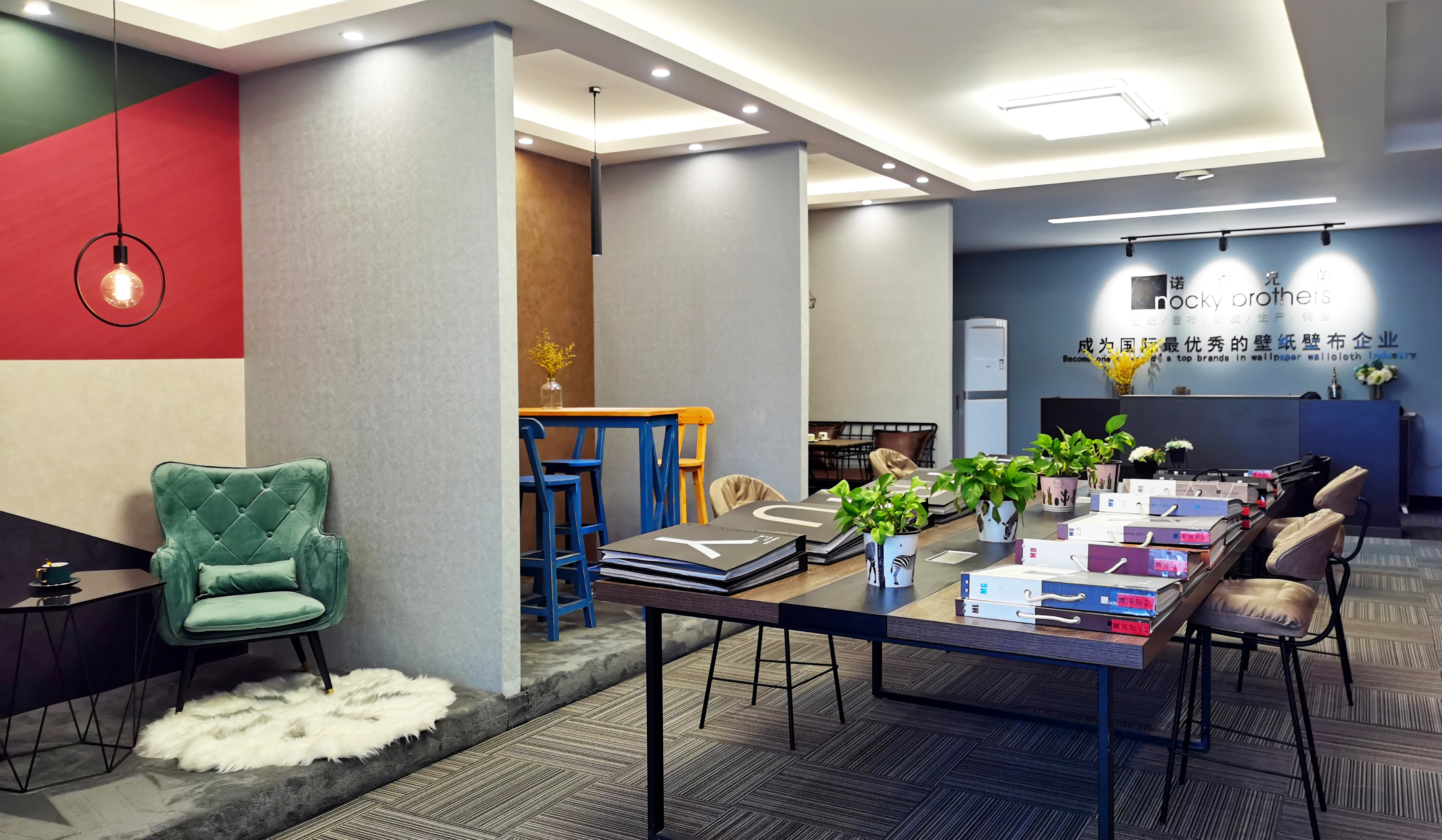
Nocky Brothers New Materials (Wujiang) Co., Ltd. supplies Grade 5 waterproof finished art paint wall cloth for residential, hotel and commercial projects, with OEM/ODM support, sample validation and project-based supply. Send your wall schedule, environment classification and target delivery window for a quote and sample set.
Email: office@nockybrothers.com | WhatsApp: +86 13358011751 | Website: nockybrothersglobal.com
Company brochure (download): Nockybrothers New Material profile
Have Questions or Need More Details?
Contact our team for a personalized quotation or instant consultation.
Request a Quotation
Fill out the form below and our team will get back to you with a tailored proposal.
WhatsApp Direct Chat
Prefer to chat in real-time? Message us on WhatsApp for instant assistance & quick answers.
- Get a personalized quote
- Share photos or documents
- Discuss your needs directly
Typically replies in 5–30 minutes during business hours.