
Sauna Room Compliance Beyond the Wood: AV1, Bluetooth, and Power Specs to Verify by Region
Sauna room compliance is not one document — it is a set of documents, and each one is tied to a specific model configuration and a specific destination market. For an infrared sauna room, the items that most often decide whether a shipment clears customs and passes a project inspection are the model-level power rating, the control system fitted to that unit (on OCEAN FUTURE sauna rooms, the AV1 control system), any wireless features built into that control system such as Bluetooth, FM or USB, the tempered glass specification, the wood declaration, and the finish applied to painted surfaces. A CE reference printed on a catalogue page does not automatically cover every OFS06 configuration, and a listing on one heater does not cover a different heater fitted into another model.
This guide is written for buyers who are past the "which type of sauna room" question and are now at the decision stage: importers, hotel and spa developers, distributors and project engineers. It explains what to request, how to split the review into manageable parts, and how the checks change between Europe, the United States and other destination markets.

Problem Definition: Why One Approval Rarely Covers a Whole Sauna Room Order
A completed sauna room order contains at least three separate compliance objects. The room itself is one: walls, benches, glass and finishes. The heat source is another: infrared emitters or an electric sauna heater, with its own rated electrical input. The control and electronics subassembly is the third, and it is the one buyers most often overlook — because it is also where wireless features such as Bluetooth, FM and USB enter the product.
European and US reference points show why these objects cannot be merged. EN 18164, published in February 2026, gives Europe a pan-continental standard for the design and construction of sauna rooms, warm-air rooms, steam rooms and soft steam rooms in public facilities. Its scope is construction and public-facility use; it does not describe the electrical behaviour of the heater or the controller inside the room. In the United States, UL 60335-2-53, published in June 2025, addresses electric sauna heaters specifically. That is a heater-level reference, not a full-room certification, and on its own it does not document the room you are buying.
The practical consequence is straightforward: room construction, heater and electricals, and control electronics are best reviewed as three files, even when a supplier presents them as a single "certification". A strong document in one area should never be allowed to hide a gap in another.
Configuration drift makes the problem worse. Changing the heater type, adding a Bluetooth audio module, switching glass, or applying a different finish can move a product outside the configuration that was tested. This happens most often in OEM and private-label projects, where the model reference changes while the hardware stays similar — and the document has to follow the actual build, not the catalogue family.
The most common supplier-side shorthand is a company-level statement: "we are CE certified", or "we hold ETL, CE and FSC". At brand level that may be accurate for some products; at order level it answers nothing. Buyers at the decision stage should convert every claim into a document request that names a standard, a testing body and a model.
Industry Background: Room Standards and Heater Standards Are Moving in Parallel
Two publications in 2025 and 2026 show where compliance is heading. EN 18164 arrived in Europe in February 2026 as the region's first pan-continental standard for public wellness climate rooms, covering sauna rooms, warm-air rooms, steam rooms and soft steam rooms in public facilities. In the United States, UL 60335-2-53 was published in June 2025 for electric sauna heaters. Read together, they confirm that room construction and heater equipment are treated as different compliance objects rather than one certificate.
Commercial demand is why this matters at procurement level. Hotels and guesthouses, wellness and commercial clubs, and spa facilities are the applications where operators and project owners most often have to hand documentation to a third party, because the installation is used by guests rather than by a single household. The more the room is used, the more the paperwork is read.
For scale, Harvia Group — the listed Finnish sauna company — estimates that the global sauna market is close to EUR 4 billion in value and that around 18 million saunas exist worldwide. Technavio places the US sauna market at USD 437.4 million in 2025, with growth at a CAGR of 6.5% between 2026 and 2030. Global figures published by other commercial research houses vary substantially depending on whether they measure equipment alone or the wider wellness market, so these numbers are best used for direction rather than for precise planning.
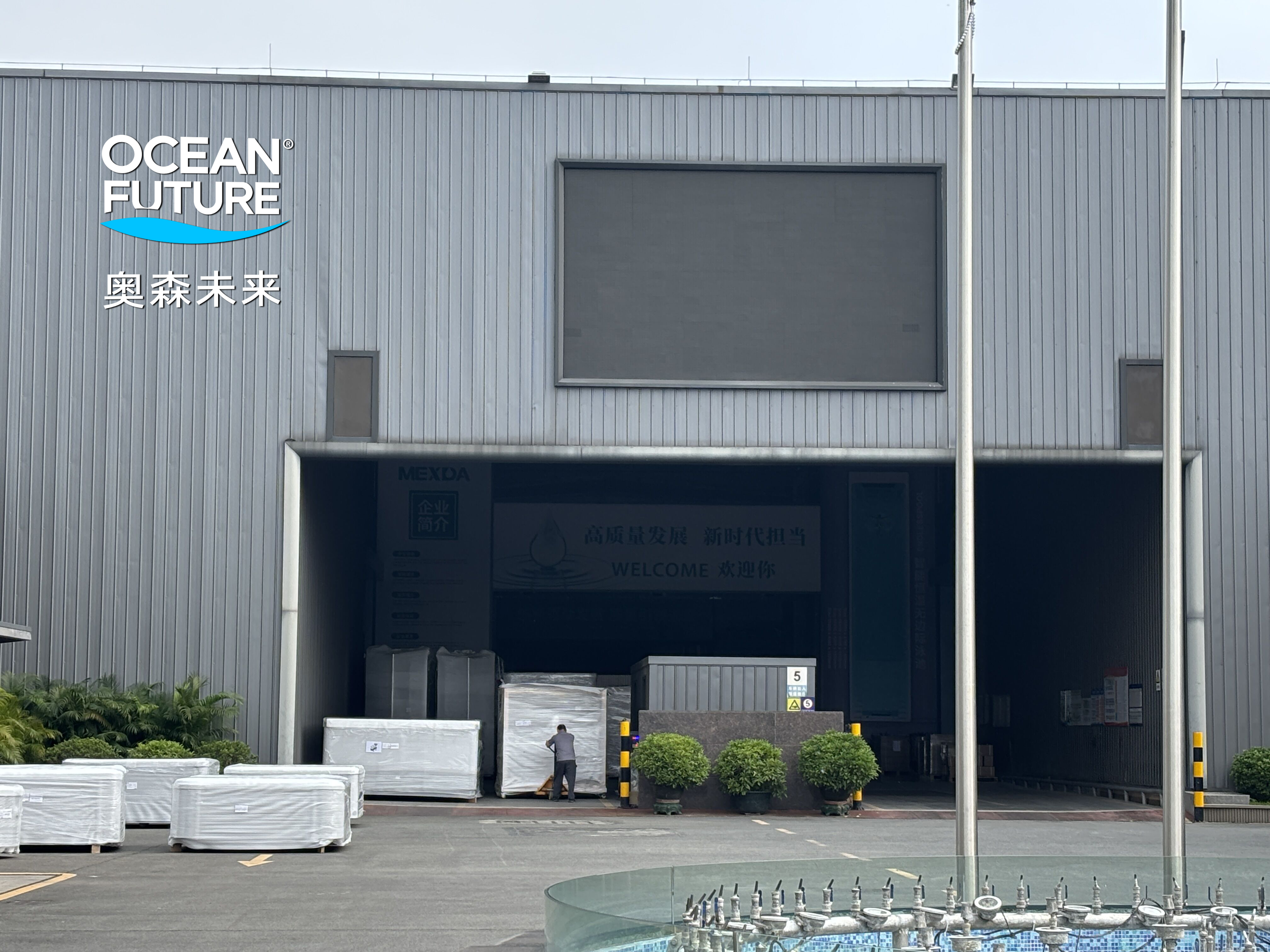
On the supply side, OCEAN FUTURE is a sauna room manufacturer based in Foshan, Guangdong, China. The company states that it offers indoor, outdoor, infrared and traditional Finnish sauna rooms with OEM support, operates from a 50,000 m² factory, reports 400 sets per month, an MOQ of 1 set and a 30–40 day lead time, and exports 85% of its output, with the USA, Australia, the EU and Germany among its main markets. A portfolio that spans several room families and several export regions is exactly the situation in which model-level documentation matters most.
Background sources: Sauna News reporting on EN 18164 and UL 60335-2-53; Harvia Group market statements; Technavio US market data; OCEAN FUTURE published materials.
Detailed Solution: Six Specification Areas Buyers Can Verify Directly
Everything a buyer needs in order to judge "compliance" can be reduced to six verifiable areas. Each can be checked from documents and from the delivered unit, without laboratory expertise.
1. Power Rating and Electrical Input
Rated power is a property of a configuration, not of a brand. Two sauna rooms that look identical can be built with different heater types, different emitter counts and different electrical supplies for different markets. Ask for the rated power and the electrical input for the exact model you are ordering, in writing, and check that the certificate or declaration refers to the same model or type. A family-level figure is not a substitute.
In practice, the power rating should appear in three places and agree in all three: the purchase order, the configuration sheet, and the nameplate of the delivered unit. Buyers should also state explicitly that a figure quoted for one configuration does not transfer automatically to another — adding a second heater bank, moving from a single-mode to a dual-mode room, or changing the control electronics can all move the product outside the configuration that was previously documented.
2. The AV1 Control System
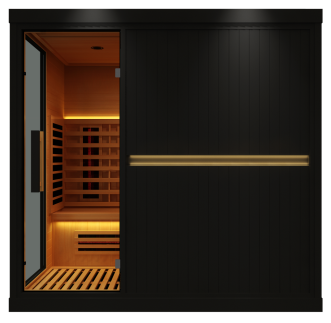
The control system is where electrical, electronic and user-interface compliance meet. On OCEAN FUTURE sauna rooms this is the AV1 control system. What buyers should request is the EMC and electrical documentation covering the control electronics as installed: the standard series, the testing body, and the covered model or type.
OCEAN FUTURE's publicly referenced certification material cites CE-EMC compliance tested by Guangzhou STU Hengchuang Testing Service Co., Ltd., covering EN IEC 55014 and EN 61000 series standards. For a buyer, the actionable part is not the abbreviation but the traceability: a named laboratory, named standards and a named model. If a supplier can point to a laboratory and a standard series but not to your model, the claim still needs to be completed before the order is confirmed.
3. Bluetooth, FM and USB Features
Wireless and media features change what is physically inside the product. A sauna room with Bluetooth audio, an FM receiver or USB playback and charging is no longer only a heating appliance with a display; the electronics subassembly and its emissions profile become part of the review.
Three verification questions cover most of the risk. First, are the wireless features covered by the same EMC file as the controller, or by a separate document? Second, does the tested configuration include the wireless module that will be fitted to your order? Third, if the module changes later — a different audio board, an added USB port, a different display — does the documentation still describe the shipped product? Where the answer to the third question is no, the supplier should reissue or extend the documents rather than rely on the earlier version.
For hotel, club and spa projects there is a further practical point: the operator or the systems integrator may need the documentation in a form they can forward internally. Request a document package, not a summary email, and confirm which features are enabled for the destination market so that the delivered unit matches the specification the project approved.
4. Tempered Glass
Glass in sauna room doors and windows is a safety-relevant component, and in most projects the specification is part of the ordered configuration. The verification is simple: the configuration sheet should state the glass specification for the model, delivery inspection should confirm that the installed glass matches it, and the compliance file should carry the same value. That way a later audit does not depend on anyone's memory of the original order.
5. Wood Declarations: Species, Sourcing and FSC Where Required
Wood is the part of a sauna room buyers examine most closely, and the choice has commercial consequences. Canadian red cedar is generally treated as the premium option: aromatic, rot-resistant and higher priced. Canadian hemlock is commonly positioned as a stable, neutral, budget-premium alternative. Aspen is often used as the budget choice in traditional Finnish builds, valued for heat resistance.
Because the wood decision is explicit, the declaration should be explicit too. The file should identify the species supplied in your configuration, because a project approved on one species is not automatically approved on another. Where a project or a buyer requires FSC-certified wood, the claim needs to be tied to a certificate — a number, a scope and a validity period — rather than to a catalogue line.
OCEAN FUTURE states that it offers indoor, outdoor, infrared and traditional Finnish sauna rooms with OEM support, which means a single project can mix more than one wood specification. Ask for a declaration per model rather than one covering the whole order.
6. Painted Finishes and Moisture Exposure: The Physical Controls Behind the Paperwork
Documents only protect a project if the physical product matches them. Two risk areas dominate in sauna rooms: overheating, and moisture or humidity damage. OCEAN FUTURE's stated control measures are overheat protection, an aluminum-plastic composite panel casing that is water- and UV-resistant, and a sealed structure. On the manufacturing side the same source lists pre-delivery environmental safety testing, corrosion-resistant hardware and quality inspection.
Those items belong on the delivery inspection checklist, next to the nameplate and the controller. In hot and humid commercial use, finishes, hardware and seals are what determine whether a room still matches its original documentation after a year of operation. Ask for the finish specification applied to your model, record it, and compare it with the delivered unit.
Step-by-Step Breakdown: A Six-Step Model-Level Compliance Audit
The audit below can be completed before a purchase order is issued and repeated at delivery. Steps 1 and 2 are the buyer's own work; steps 3 to 6 involve the supplier.
- Fix the destination market and the project category. Decide whether the installation is a public facility (hotel, guesthouse, wellness or commercial club, spa) or a private residence, and which market it serves. In Europe, public-facility construction references EN 18164 (published February 2026). In the United States, electric sauna heaters reference UL 60335-2-53 (published June 2025).
- Write the exact configuration. Model (for example, a specific variant within the OFS06 series), heating type, control system (AV1), wireless features (Bluetooth, FM, USB), glass, wood species, finish and electrical supply. This list becomes the checklist against which documents are compared.
- Request documents, not claims. Ask for certificate PDFs that name the standard, the testing body and the covered model or type. OCEAN FUTURE's referenced materials, for example, cite CE-EMC testing by Guangzhou STU Hengchuang Testing Service Co., Ltd. covering EN IEC 55014 and EN 61000 series standards. Where a claim is company-level, ask which document supports the specific configuration.
- Split the file into three reviews. Room construction and materials; heater and electrical input; control and electronics including radio and EMC aspects. Keeping them separate prevents a strong document in one area from masking a gap in another.
- Verify the delivered unit against the file. Nameplate power rating, controller model, presence of the specified wireless features, glass, finish, hardware and seals — plus the pre-delivery environmental safety testing and quality inspection records the manufacturer applies.
- Re-check after every change. Component substitutions, added features, a switch of wood species or updated standards can invalidate assumptions made earlier. EN 18164 (February 2026) and UL 60335-2-53 (June 2025) illustrate how recently the reference points themselves have moved.
Use Cases: Which Checks Matter Most for Hotels, Clubs, Spas and Homes
Hotel and Guesthouse Projects
Public-facility scope makes room-level reference points relevant in Europe, where EN 18164 covers sauna rooms, warm-air rooms, steam rooms and soft steam rooms in public facilities. Because hotels usually order several identical units, the efficient approach is one documentation folder per model, verified once and then applied to the whole order — provided every unit is configured identically. Where the hotel also has steam rooms, those sit in the same standard's scope but in a different compliance file and should not be merged.
Wellness and Commercial Clubs
Higher usage intensity shifts the emphasis to the heater, the control electronics and the physical controls against overheating and moisture. Overheat protection, a water- and UV-resistant panel casing and a sealed structure are the items to look for in the documentation and on the unit. Because equipment in these venues is maintained by technical staff rather than by the original installer, documentation should be handed over in a form that can be filed and retrieved.
Spa Facilities
A spa typically combines sauna rooms, steam rooms and possibly warm-air or soft-steam rooms. EN 18164's scope lists these as related but distinct objects, which means a spa project can hold several compliance files at once. Buyers should map each room in the facility to its own document set and confirm that the control and wireless features of the sauna rooms are covered in the electrical and EMC file rather than assumed from a general statement.
Private Residences and Single-Unit Orders
Residential installations face fewer public-facility requirements, but electrical safety at the point of installation, glass, wood and finish remain verifiable, and a single-unit order is often the fastest way to validate a supplier's documentation. OCEAN FUTURE reports an MOQ of 1 set, which makes a pilot unit practical.
On the commercial side, OCEAN FUTURE's stated figures for its modular dual-heating sauna room are useful planning inputs: an initial cost 10% lower than custom-built saunas and a five-year total cost of ownership nearly 30% lower, with assembly time reduced by 70% and heating speed improved by 40% compared with traditional fixed sauna rooms and single-mode sauna cabins, and maintenance limited to simple cleaning. The same source positions the product for hotel and guesthouse projects, private residences, commercial clubs and indoor or outdoor use.
Regional Verification Matrix: What to Check in Europe, the United States and Beyond
| Destination / trigger | Reference point to verify | What it covers | Document to request at model level |
|---|---|---|---|
| Europe — public facilities (hotels, guesthouses, wellness and commercial clubs, spas) | EN 18164, published February 2026 | Design and construction of sauna rooms, warm-air rooms, steam rooms and soft steam rooms in public facilities | Construction or design declaration referencing the standard where the project requires it, plus drawings for the exact model |
| Europe — electrical and EMC | EN IEC 55014 and EN 61000 series | Electrical and electronic subassemblies, including the control system | Certificate PDF naming the standard series, the testing body and the covered model or type. OCEAN FUTURE's referenced materials cite CE-EMC testing by Guangzhou STU Hengchuang Testing Service Co., Ltd. |
| United States — electric sauna heaters | UL 60335-2-53, published June 2025 | Electric sauna heaters — a heater-level reference, not full-room certification | Heater-level documentation plus confirmation that the heater model in your build matches the documented model |
| Any market — wood sourcing where the project specifies it | FSC certification | Wood sourcing and chain of custody for the species in the configuration | Certificate number, scope and validity date covering the species supplied |
| All markets — delivered configuration | Model nameplate and configuration sheet | Power rating, control system (AV1), wireless features, glass, finish | Nameplate record from pre-shipment inspection plus the configuration sheet signed with the order |
Reference points are listed as they appear in the source material. Confirm applicability with your project's specifier before relying on any single document.
Cost and Configuration Comparison: Modular Dual-Heating Rooms vs. Fixed and Custom-Built Saunas
| Decision factor | Modular dual-heating sauna room (OCEAN FUTURE) | Traditional fixed sauna rooms and single-mode sauna cabins |
|---|---|---|
| Design and installation | Modular and portable; indoor or outdoor use | Fixed installation |
| Heating options | Dual: traditional and infrared | Single mode |
| Assembly time | Reduced by 70% | Baseline |
| Heating speed | Improved by 40% | Baseline |
| Initial cost | 10% lower than custom-built saunas | Custom-built baseline |
| Five-year total cost of ownership | Nearly 30% lower than custom-built saunas | Custom-built baseline |
| Maintenance | Simple cleaning; reduced long-term maintenance needs | Higher ongoing upkeep |
| Best fit | Hotel and guesthouse projects, private residences, commercial clubs, indoor and outdoor use | Permanent installations with fixed layouts |
Cost figures compare with custom-built saunas; assembly time and heating speed figures compare with traditional fixed sauna rooms and single-mode sauna cabins, as stated in the source material.
FAQ
Does one CE or ETL certificate cover every sauna room configuration we order?
No. Certification documents apply to the models and configurations they name. In Europe, EN 18164 (published February 2026) addresses the design and construction of sauna rooms, warm-air rooms, steam rooms and soft steam rooms in public facilities, while electronics such as the control system are covered by electrical and EMC documentation. In the United States, UL 60335-2-53 (published June 2025) addresses electric sauna heaters — a heater-level reference, not a full-room certification. Buyers should request a document that states the standard, the testing body and the exact model or type, and should not accept a company-level statement as covering a specific OFS06 configuration.
What documents should we request for a sauna room with the AV1 control system and Bluetooth, FM or USB features?
Request the EMC and electrical documentation that covers the control electronics as installed, and confirm that the tested configuration includes the wireless features you are ordering. OCEAN FUTURE's referenced certification materials cite CE-EMC compliance tested by Guangzhou STU Hengchuang Testing Service Co., Ltd. and covering EN IEC 55014 and EN 61000 series standards. If the audio module, antenna or display is changed after testing, the documentation should be updated to describe the shipped product.
How do compliance checks affect budget and long-term cost?
Two cost effects are worth planning for. First, documentation requirements influence component and material choices — a project that specifies FSC-certified wood, a particular heater type or a specific glass specification is buying a different configuration, and changing a configuration after certification can trigger re-testing. Second, the delivered product carries its own cost profile: OCEAN FUTURE states that its modular dual-heating sauna room has an initial cost 10% lower than custom-built saunas and a five-year total cost of ownership nearly 30% lower, with maintenance limited to simple cleaning. Model-specific quotes remain the right basis for a final budget decision.
Can we validate the documentation and the configuration with a sample or pilot unit first?
Yes, and for multi-unit projects it is usually the cheapest form of risk control. Order a pilot unit in the exact configuration — model, heating type, AV1 control system, wireless features, glass, wood species and finish — then check the nameplate power rating, the controller, the presence of the specified features, the glass and the finish against the documents. OCEAN FUTURE reports an MOQ of 1 set, so a single-unit validation order is possible.
What lead time should we plan for, and when should we start the document review?
Start the document review at quotation stage, before the purchase order, because certificates must match the configuration you order and a late change to the heater, the electronics or the materials can push the paperwork back. OCEAN FUTURE reports a 30–40 day lead time and a monthly capacity of 400 sets from a 50,000 m² factory in Foshan, Guangdong, China. If you want to begin now, download the OCEAN FUTURE sauna room brochure or send your configuration list with a request for the matching model-level documents and a sample quotation.
Conclusion
Compliance for a sauna room is a configuration decision, not a brand statement. The wood matters, but so do the power rating on the nameplate, the control system and its EMC documentation, the wireless features fitted to that controller, the glass, the finish, and the delivery inspection records. Buyers who ask for model-level documents before issuing a purchase order spend less time resolving problems after installation, and they end up with a file that can be handed to operators, specifiers and auditors without editing.
In practice the whole method is five questions: which market, which model, which documents, which configuration was tested, and what has changed since. Everything else — Europe's EN 18164 for public facilities, the US UL 60335-2-53 for electric sauna heaters, CE-EMC references covering EN IEC 55014 and EN 61000 series, FSC wood claims — fits inside those five questions.
Next Step: Request the Documents Before You Request the Discount
If you are preparing a hotel, wellness or residential sauna room project, start with the documentation package rather than the price list. OCEAN FUTURE supplies indoor, outdoor, infrared and traditional Finnish sauna rooms with OEM support, and works from a 50,000 m² factory in Foshan, Guangdong, China, with a reported 400 sets per month, an MOQ of 1 set and a 30–40 day lead time.
Download the OCEAN FUTURE sauna room brochure, review the sauna room range and the infrared sauna room page, then send your configuration list — model, heating type, control system, wireless features, glass, wood and finish — and request the matching model-level documents and a sample or pilot unit quotation.
Email: service1@oceanfuture.cn · Tel / WhatsApp: +86 15820624699 · Web: https://www.oceanfuturespas.com/
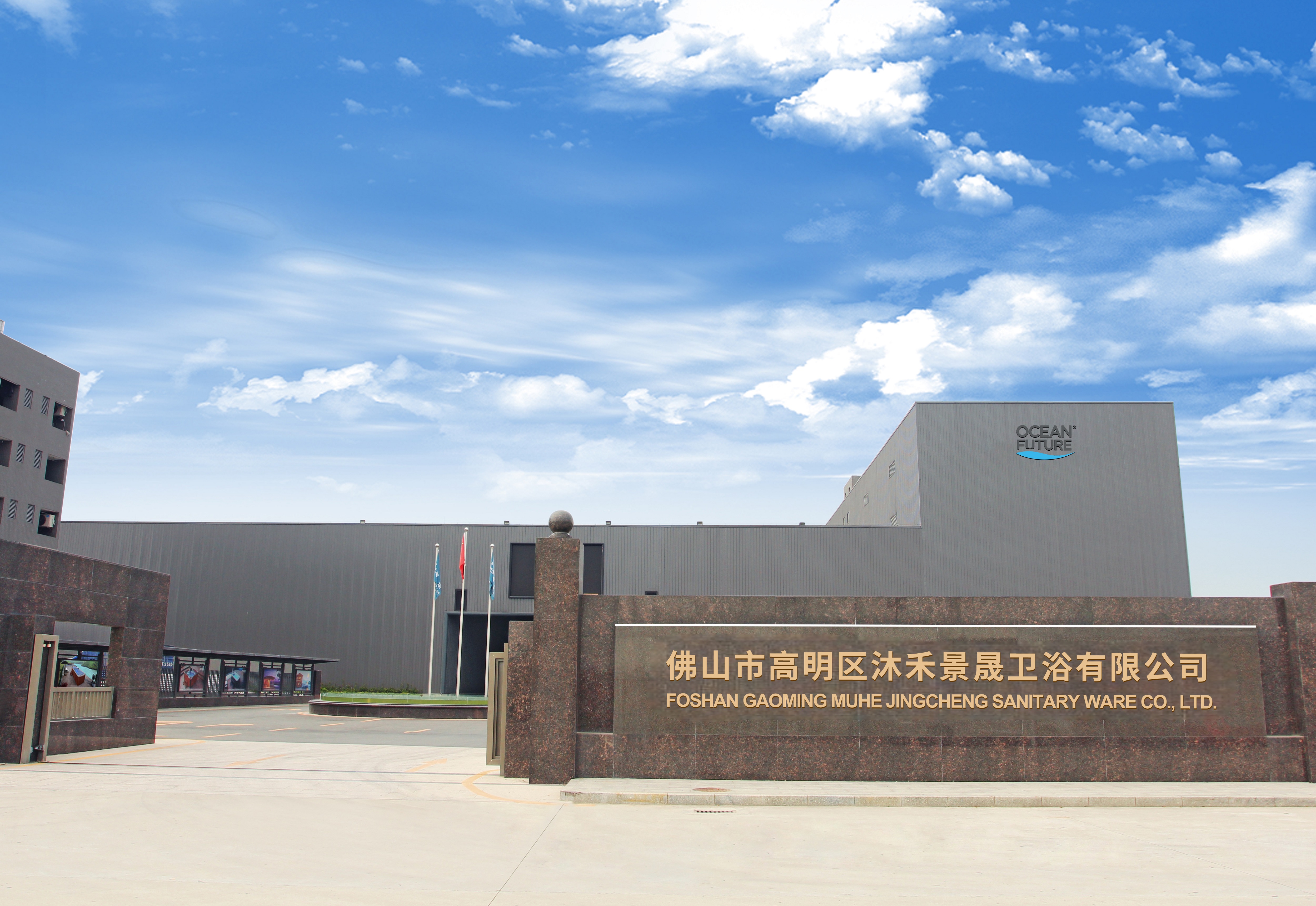
OCEAN FUTURE · NO.568, YANGXI ROAD, YANGHE TOWN, GAOMING, FOSHAN, GUANGDONG, CHINA · service1@oceanfuture.cn
Have Questions or Need More Details?
Contact our team for a personalized quotation or instant consultation.
Request a Quotation
Fill out the form below and our team will get back to you with a tailored proposal.
WhatsApp Direct Chat
Prefer to chat in real-time? Message us on WhatsApp for instant assistance & quick answers.
- Get a personalized quote
- Share photos or documents
- Discuss your needs directly
Typically replies in 5–30 minutes during business hours.