
Top Rated Infrared Sauna Rooms for 2026: The Ocean Future Lineup Reviewed
Top Rated Infrared Sauna Rooms for 2026: The Ocean Future Lineup Reviewed
Ranking infrared sauna rooms for 2026 only works when the ranking criteria can be checked. This review ranks the OCEAN FUTURE sauna room lineup against three criteria — heating architecture and power output, wood construction and cabin engineering, and the feature and safety set that drives operating cost. Each entry below states the documented strengths behind its position and the limits a buyer has to plan around.
The market gives the review its frame. Grand View Research values the global sauna market at USD 954.3 million in 2025 and projects USD 1,556.8 million by 2033. Traditional saunas still hold the largest product share at 42.79% (2025), while infrared is the fastest-growing segment, with a 7.5% CAGR. Residential applications accounted for 58.92% of demand in 2025 — which is why the ranking separates commercial picks from residential ones instead of forcing them into a single price list.
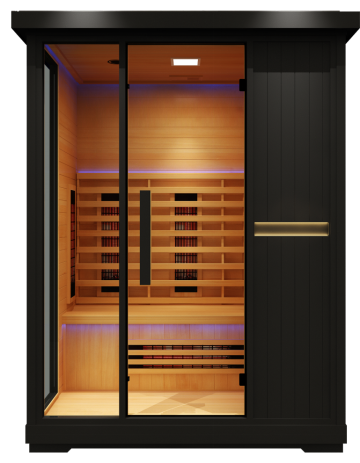
OCEAN FUTURE sauna room model from the lineup reviewed in this article.
Why Most "Top Sauna Room" Lists Fail Buyers
A 2026 sauna shortlist fails most often because it mixes equipment that is not comparable, and because it ranks on the one number that says least about the product.
- Mixed duty cycles. A home infrared cabin used a few times a week and a commercial unit running every day are placed in the same list, even though heater load, panel layout and service intervals differ.
- Price-first ranking. Sticker price ignores assembly labour, energy use and maintenance, so the cheapest option is not always the lowest-cost option over five years.
- No build detail. Cabin casing, sealing and hardware determine whether a sauna room still performs after years of heat, moisture and, outdoors, UV exposure.
- No compliance statement. In June 2025 Underwriters Laboratories published UL 60335-2-53 for electric sauna heaters, replacing UL 875 in the US market and aligning US practice with international standards. A shortlist that does not say which standard the heater is certified to leaves an operational and insurance question open.
This review handles the problem differently. It ranks configuration profiles inside a single manufacturer's lineup — OCEAN FUTURE — using capability facts the manufacturer documents, and it separates verified performance data from the values that change by model: rated wattage, voltage, wood species and optional features. Those values are specification checkpoints, not ranking criteria that can be assumed.
Industry Background: What Changed Going Into 2026
Three shifts shape how the 2026 lineup should be read.
Infrared is the growth segment, but traditional saunas still lead the installed base. Grand View Research reports that traditional saunas held 42.79% of product share in 2025, while infrared saunas are the fastest-growing segment with a 7.5% CAGR. For buyers, that means dual-mode capability is not a gimmick — it lets one product address both the established demand for traditional heat and the growing demand for infrared.
Residential demand dominates, commercial demand drives specification. The residential segment held 58.92% of the market in 2025, according to Grand View Research. Commercially, the United States sauna market generated USD 250.8 million in revenue in 2024, approximately 21.8% of global revenue (Topture / Technavio). Home buyers optimise for footprint and running cost; commercial buyers optimise for duty cycle and durability.
Regulation and material sourcing are becoming procurement filters. The UL 60335-2-53 standard published in June 2025 changes the heater certification landscape in the US. On materials, Topture Industry Report data indicates that European commercial developers prioritised FSC-certified sustainably sourced wood in 36% of new sauna installations in 2024. Market structure is concentrated at the top: Harvia Oyj is the global market leader, with 2024 revenues estimated at approximately EUR 175 million (Dataintelo / Harvia Investor Relations) — useful context for judging where a supplier sits in the market.
The Three Ranking Criteria Used in This Review
1. Heating architecture and power class
Power output decides heat-up speed, session capacity and circuit requirements, and it is the first filter in any comparison. Infrared-only, traditional-only and dual-mode cabins are specified differently, and OCEAN FUTURE's range covers several power classes, from compact residential configurations to high-output commercial models. The ranking below is therefore ordered by fit for a duty cycle, not by raw wattage. Confirm the rated wattage and voltage of the exact model you are quoting: the same cabin footprint can be supplied with different heater packages for different markets.
2. Wood construction and cabin engineering
Cabin wood has to survive repeated heating and cooling without warping, and it should not release excess resin or odour at operating temperature. OCEAN FUTURE's modular cabins are built around a sealed structure with an aluminum-plastic composite panel casing that is water- and UV-resistant, plus corrosion-resistant hardware — three details that matter more than the marketing name of the timber. Species selection should still be confirmed for the exact model, and sustainability is now a documented buying criterion for European projects.
3. Features, safety and five-year cost of ownership
Feature sets that change operating cost include the control system, heating efficiency and the safety cut-outs that protect the unit. OCEAN FUTURE documents higher energy efficiency than traditional sauna heaters, overheat protection, and maintenance reduced to simple cleaning. On cost, the manufacturer's own comparison states that its modular sauna product has an initial cost 10% lower than custom-built saunas and a total cost of ownership nearly 30% lower over five years.
How to read the ranking. Positions 1 to 5 reflect breadth of fit for 2026 buyers, not a claim that one configuration is universally better. A high-output commercial unit is the wrong purchase for a two-person home cabin, and a compact residential model is the wrong purchase for a spa running continuous sessions.
The Ocean Future Lineup Ranked for 2026
OFS06A-5: The High-Power Infrared Choice for Commercial Duty
The OFS06A-5 sits at the top of the OCEAN FUTURE range for one reason: it is positioned as the high-power option for commercial use. Where a residential cabin is sized around occasional sessions, a commercial unit has to hold temperature through back-to-back bookings, which is why heater capacity — not cabin styling — is the deciding specification.
Best for: hotel and guesthouse spa areas, commercial clubs, and wellness facilities with continuous daily use.
Documented strengths behind the ranking:
- Higher energy efficiency than traditional sauna heaters.
- Overheat protection as a standard safety control.
- Sealed cabin structure with a water- and UV-resistant aluminum-plastic composite panel casing.
- Corrosion-resistant hardware, plus pre-delivery environmental safety testing and quality inspection.
Limits to plan around: high-output models need adequate circuit capacity and professional installation. Confirm the rated wattage and supply voltage for your market before specifying, and do not carry the flagship rating over to smaller cabins in the same series.
OFS06B Series: Modular, Portable and Dual-Mode
The OFS06B series ranks second because it removes the hardest trade-off in sauna procurement: choosing between infrared and traditional heat. OCEAN FUTURE's modular platform offers dual heating options — traditional and infrared in the same cabin — together with a modular, portable design and improved durability compared with single-mode sauna cabins.
Best for: hotel and guesthouse projects, private residences, commercial clubs, and mixed indoor/outdoor installations where placement may change.
Documented strengths behind the ranking:
- Dual heating options: traditional and infrared in one unit.
- Assembly time reduced by 70% compared with traditional fixed sauna rooms.
- Heating speed improved by 40%.
- Modular and portable design with improved durability.
Limits to plan around: modular construction works from standardised dimensions. Where a project requires non-standard geometry, a made-to-measure build is the alternative — and the manufacturer's comparison shows custom-built saunas cost about 10% more initially and close to 30% more over five years.
Weatherproof Outdoor Configurations: Built for Exterior Sites
Outdoor sauna rooms fail for predictable reasons: water ingress, UV degradation and corroded fittings. OCEAN FUTURE's outdoor-capable configurations are engineered against those failure modes with a sealed structure, an aluminum-plastic composite panel casing that resists water and UV, and corrosion-resistant hardware.
Best for: garden and deck installations, resort and guesthouse grounds, and any site where the cabin sits outside the building envelope.
Documented strengths behind the ranking:
- Water- and UV-resistant panel casing.
- Sealed structure that limits moisture and humidity damage.
- Corrosion-resistant hardware for long-term exterior use.
- Suitable for indoor and outdoor use within the same product family.
Limits to plan around: weatherproofing is not a substitute for siting. The cabin still needs a level, drained base and sensible clearance, and buyers should confirm roof cover and local snow or wind loads with the project engineer.
Indoor Infrared Configurations: The Home Wellness Pick
Indoor models rank fourth only because commercial and outdoor use cases come first in this review; for private buyers they are the most relevant entry in the lineup. Residential demand is the largest single application segment in the market at 58.92% share in 2025, and the economics favour indoor installation: higher energy efficiency than traditional heaters, lower heat losses, and maintenance limited to simple cleaning.
Best for: private residences, home wellness rooms and small guesthouse suites.
Documented strengths behind the ranking:
- Designed for indoor placement in private residences.
- Higher energy efficiency than traditional sauna heaters.
- Maintenance reduced to simple cleaning.
Limits to plan around: household circuit capacity and room ventilation determine which power class is realistic. Confirm both before choosing a model size.
Made-to-Measure Builds: Only When Geometry Demands It
Custom-built saunas remain the right answer for irregular rooms, heritage buildings and non-standard layouts. The ranking position is conditional because the commercial trade-off is documented: against custom-built saunas, OCEAN FUTURE's modular product carries an initial cost about 10% lower and a five-year total cost of ownership nearly 30% lower, with assembly time down 70%.
Best for: projects where room shape, ceiling height or structural constraints rule out a standardised cabin.
Limits to plan around: bespoke work adds engineering time and cost, loses the portability of a modular cabin, and makes future relocation harder.
How to Verify a Ranked Sauna Room Before You Buy: Seven Steps
- Define the duty cycle and installation type. Write down sessions per day, indoor or outdoor placement, and who will operate the unit. This single step eliminates most wrong shortlists.
- Confirm the power class of the exact model. Rated wattage and voltage determine heat-up time and circuit requirements. Multi-model ranges cover several power classes, so verify the figure for the unit in your quotation rather than the headline figure for the series.
- Confirm the heating architecture. Infrared-only, traditional-only or dual-mode. A dual-mode cabin is the practical answer when a site serves both home users and guests who expect traditional heat.
- Verify the build, not just the wood name. Ask about casing material, panel sealing, insulation and hardware corrosion resistance. A sealed structure with a water- and UV-resistant casing addresses the two highest-risk failure modes: overheating and moisture damage.
- Verify the compliance documents for the heater. For the US market, check the heater against UL 60335-2-53, published in June 2025. Ask for the certificate number and the issuing body, and confirm the document matches the model and voltage you are buying.
- Check assembly and installation load. Modular construction reduces assembly time by 70% compared with traditional fixed rooms, which lowers on-site labour and shortens the window between delivery and first use.
- Compare five-year cost of ownership. Combine purchase price with assembly, energy use and maintenance. The documented figure for OCEAN FUTURE's modular product is an initial cost 10% lower than custom-built saunas and a total cost of ownership nearly 30% lower over five years, with maintenance limited to simple cleaning.
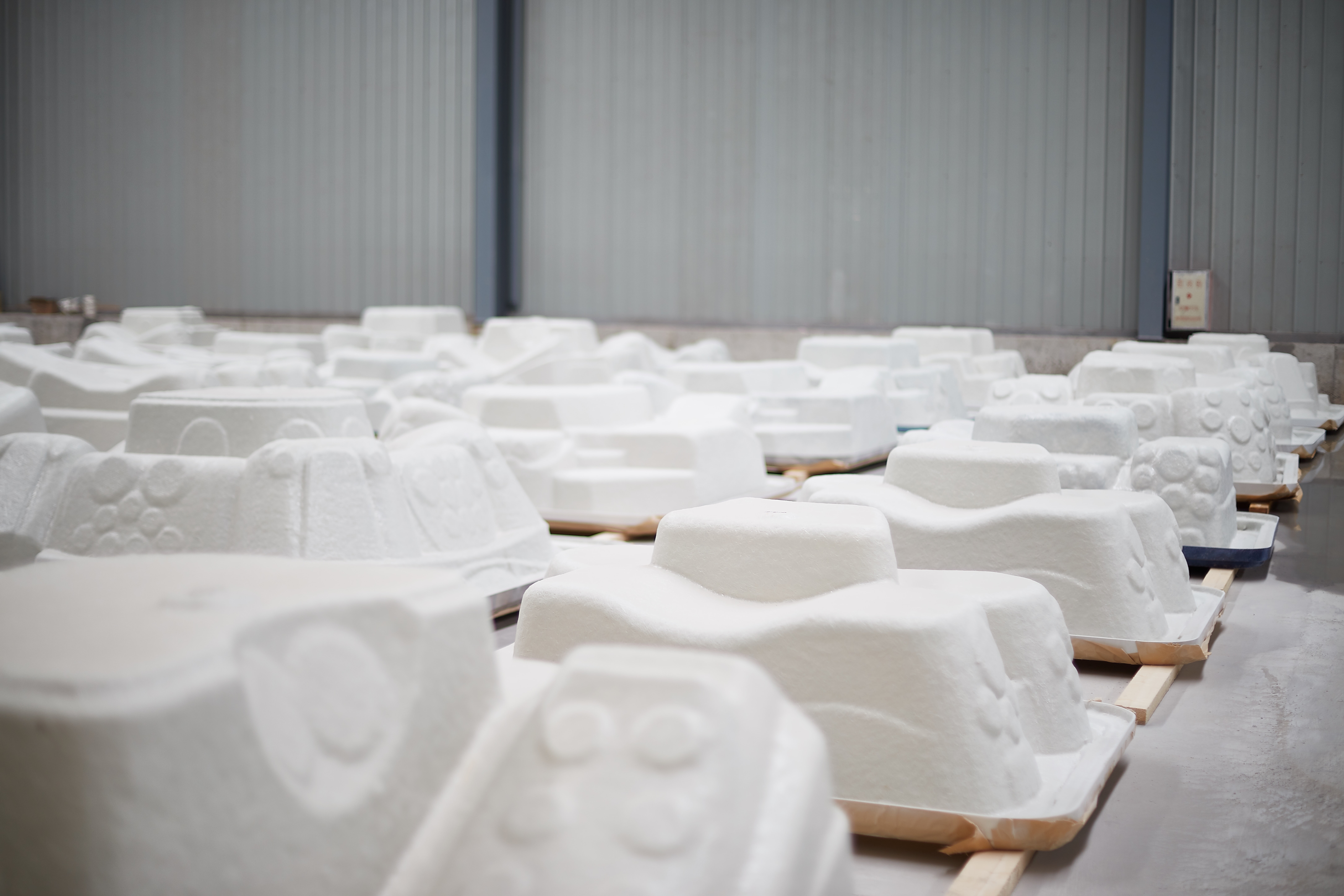
Production process: sauna room manufacturing and assembly inside the OCEAN FUTURE facility.
Where Each Configuration Fits
Hotel, guesthouse and spa projects
Hotels need units that survive daily use, resist humidity from adjacent wet areas, and install quickly inside a refurbishment window. The dual-mode modular platform fits this brief, and the high-output OFS06A-5 is the choice where session demand is continuous rather than occasional.
Commercial clubs and high-traffic facilities
In clubs, the constraint is recovery time between users. Higher energy efficiency than traditional sauna heaters reduces both waiting time and running cost, while overheat protection and pre-delivery safety testing support insurance and facility-management requirements.
Private residences
Home buyers should optimise for footprint, circuit capacity and ease of cleaning. Indoor infrared configurations are the practical default, and the residential segment's 58.92% share of global demand in 2025 shows how mainstream home installation has become.
Outdoor sites, decks and gardens
Exterior installations need the water- and UV-resistant casing, sealed structure and corrosion-resistant hardware described above, plus a level, drained base. Outdoor-capable configurations are suitable for both indoor and outdoor use, which also helps when a unit is relocated.
Lineup Comparison at a Glance
The table below compares the options using the manufacturer's documented comparison data and the market data cited above. Values that vary by model — wattage, voltage, wood species and optional features — are intentionally excluded and should be confirmed per quotation.
| Option | Heating architecture | Assembly / installation | Cost profile | Maintenance | Best fit |
|---|---|---|---|---|---|
| OCEAN FUTURE modular dual-mode sauna room | Dual heating: traditional + infrared | Modular and portable; assembly time reduced by 70% | Initial cost 10% lower than custom-built; total cost of ownership nearly 30% lower over five years | Simple cleaning | Hotel and guesthouse projects, private residences, commercial clubs, indoor/outdoor use |
| Custom-built sauna | Specified per project | On-site construction; baseline for the assembly comparison | Baseline for the cost comparison | Not detailed in the comparison data | Non-standard room geometry, heritage and bespoke layouts |
| Single-mode sauna cabin | One heating mode only | Assembly time 70% longer than the modular platform | Higher five-year cost profile than the modular platform | Not detailed in the comparison data | Buyers who need only one heating experience and have no relocation requirement |
Two verified market facts sit behind the table: traditional saunas still held the largest product share in 2025 at 42.79%, and infrared is the fastest-growing segment at a 7.5% CAGR. That combination is the argument for dual-mode capability in commercial specifications.
Manufacturing and Pre-Delivery Checks Behind the Lineup
A ranking is only as good as the factory behind it. OCEAN FUTURE sauna rooms are produced by FOSHAN GAOMING MUHE JINGCHENG SANITARY WARE CO., LTD., a manufacturer based in Foshan, Guangdong, China, with a 50,000 m² factory, more than 200 employees, nine R&D engineers, and annual output of 5,000 sets. Around 85% of production is exported, with main markets in the USA, Australia, the EU and Germany, and the product range covers sauna rooms, hot tubs, swim spas and cold plunge tubs.
The two failure modes that matter most in sauna equipment are overheating and moisture or humidity damage. The manufacturer addresses them with overheat protection, a sealed structure, a water- and UV-resistant aluminum-plastic composite panel casing and corrosion-resistant hardware, backed by pre-delivery environmental safety testing and quality inspection before shipment.
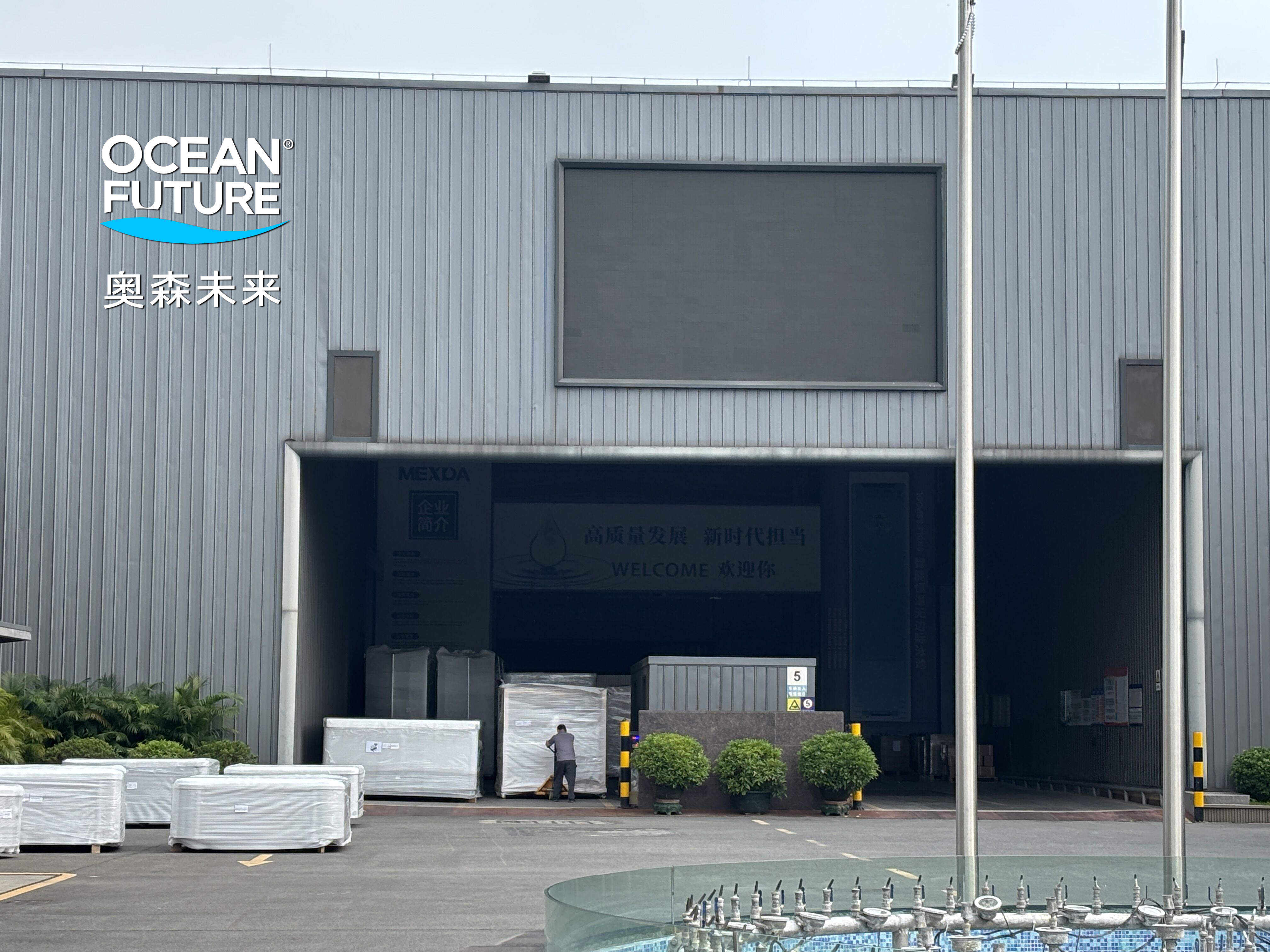
Workshop entrance: sauna room panel and cabin production at OCEAN FUTURE.
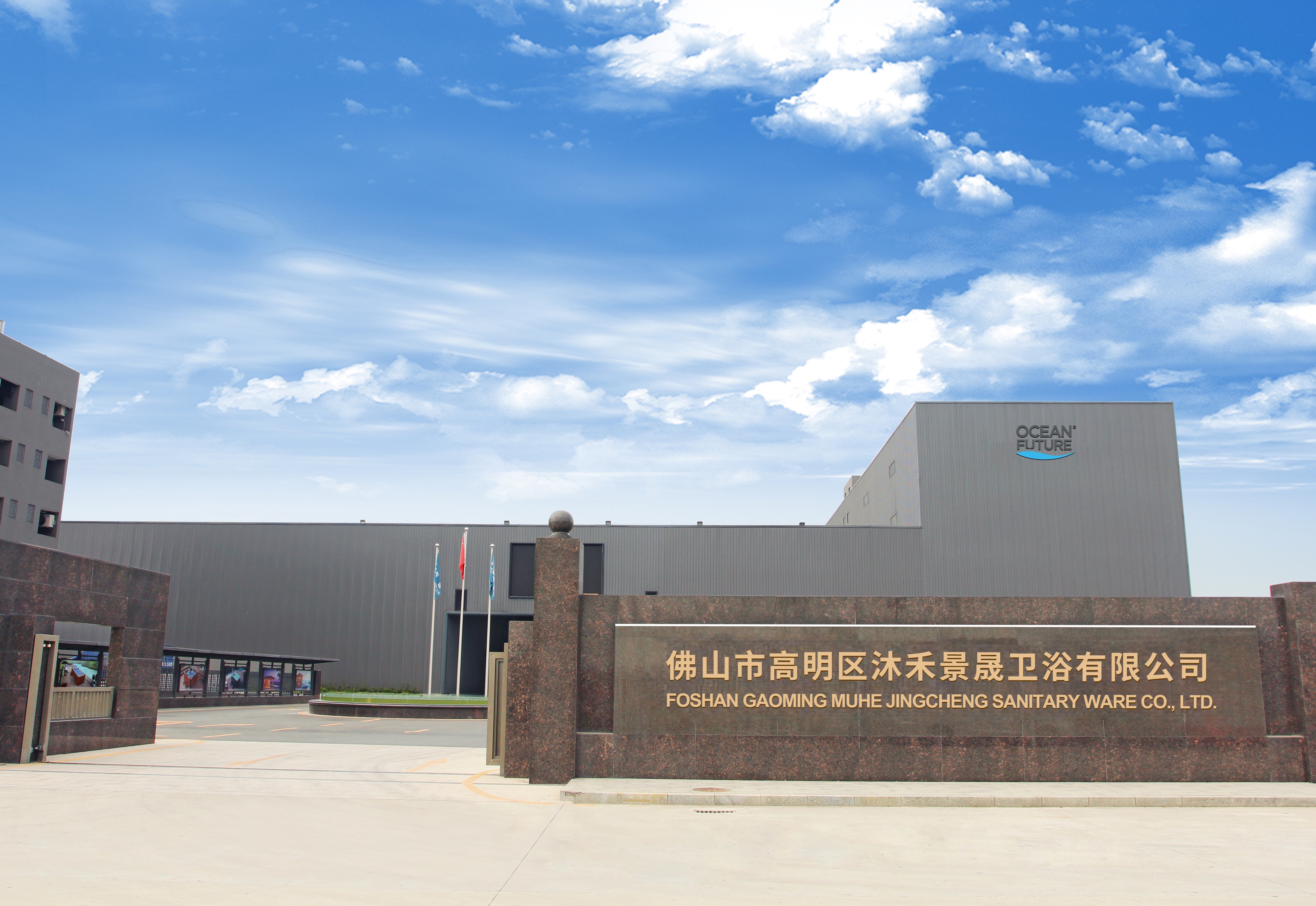
OCEAN FUTURE manufacturing facility, Foshan, Guangdong, China.
Frequently Asked Questions
What certification should a 2026 infrared sauna room heater carry?
For the US market, electric sauna heaters are covered by UL 60335-2-53, published in June 2025 to replace UL 875 and align US regulation with international standards. Buyers in other regions should request the applicable mark and EMC documentation for their market. In practice, ask for the certificate number, the issuing body and the exact standard, and confirm that the document matches the model and voltage in your quotation. OCEAN FUTURE runs pre-delivery environmental safety testing and quality inspection on its sauna rooms, and compliance documents can be requested together with a quotation.
Can a single sauna room provide both infrared and traditional heating?
Yes. OCEAN FUTURE's modular platform is built with dual heating options, combining traditional and infrared heating in one cabin with improved durability compared with single-mode sauna cabins. The documented performance gains are a 40% improvement in heating speed and a 70% reduction in assembly time compared with traditional fixed sauna rooms, plus higher energy efficiency than traditional sauna heaters. Dual-mode cabins suit hotel and guesthouse projects, private residences, commercial clubs and indoor/outdoor installations.
How much does a modular sauna room save compared with a custom-built one?
According to OCEAN FUTURE's product comparison, the modular sauna room has an initial cost about 10% lower than a custom-built sauna and a total cost of ownership nearly 30% lower over five years. Assembly time is reduced by 70%, and maintenance is limited to simple cleaning. Custom-built saunas remain the practical choice where room geometry is non-standard; the cost difference is the trade-off for that flexibility.
Can a buyer validate a sauna room before ordering in volume?
Yes — validation should follow the same order as the ranking criteria. First, define the duty cycle and installation type. Second, request the model specification for the exact unit, including rated power, voltage and heater certification. Third, confirm the cabin build details: casing material, sealing, hardware and insulation. Distributors, project buyers and hotel operators can then request a sample or pilot unit to check build quality and finish before committing to volume.
How much faster is installation and heat-up compared with a fixed sauna room?
OCEAN FUTURE documents a 70% reduction in assembly time and a 40% improvement in heating speed compared with traditional fixed sauna rooms and single-mode sauna cabins. The modular, portable design means less on-site construction work, and the sealed casing is factory-fitted before delivery. Because delivery and installation scheduling varies by project, the practical next step is to request the current model specification and a quotation for your configuration — the 2026 OCEAN FUTURE sauna room catalogue is available as a PDF, and the sales team can confirm the model, certification documents and delivery plan for your market.
Conclusion: How to Use This Ranking
For 2026, the practical reading of the OCEAN FUTURE lineup is straightforward. Choose the OFS06A-5 when commercial duty cycle and high output decide the specification. Choose the OFS06B series when a project needs dual heating, portability and fast assembly. Choose a weatherproof outdoor configuration when the cabin sits outside the building envelope, an indoor infrared configuration for private residential use, and a made-to-measure build only when geometry rules out a standardised cabin.
Whatever the position on the list, the verification steps stay the same: confirm the power class of the exact model, confirm the heating architecture, verify the build and the heater certification, and compare five-year cost of ownership rather than purchase price alone.
Request the 2026 OCEAN FUTURE sauna room specification
Tell us your project type — hotel and spa, commercial club, private residence or outdoor installation — and the market you are supplying. OCEAN FUTURE will confirm the model, rated power, cabin construction and certification documents for your quotation, and can arrange a sample or pilot unit for validation.
Contact: Kinear · Email: service1@oceanfuture.cn · Tel / WhatsApp: +86 15820624699
Website: www.oceanfuturespas.com
Catalogue: Download the OCEAN FUTURE sauna room PDF catalogue
Address: NO.568, YANGXI ROAD, YANGHE TOWN, GAOMING, FOSHAN, GUANGDONG, CHINA.

OCEAN FUTURE production facility — sauna room, hot tub, swim spa and cold plunge manufacturing.