Building a Lasting Recovery Slippers Supply Chain: A B2B Guide to Long-Term Partnerships
For B2B buyers, the difference between a single successful order and a dependable multi-year product line often comes down to the same factor: the strength of the supplier relationship. In the recovery slippers category, where material performance, foot-support geometry, and consistent quality directly affect end-user satisfaction, a transactional approach to sourcing carries real risk. Brands, distributors, and retailers that treat suppliers as long-term partners typically gain more predictable lead times, better problem-solving during production, and access to development capabilities that support line extensions. This guide explains what a long-term recovery slippers partnership should include, how to evaluate a manufacturer for that role, and why production capacity, risk control, and commitment to compliance matter as much as sample quality.
What Does a Long-Term Recovery Slippers Partnership Actually Require?
A durable partnership goes beyond price negotiation and purchase orders. For recovery slippers, it requires a supplier that can consistently deliver products that meet biomechanical and material specifications, order after order, while responding to market shifts without compromising quality. A long-term partner should be able to support both repeat production and product evolution, including new colors, new sole geometries, and updated packaging.
In practical terms, that means evaluating a manufacturer on several dimensions: production capacity, quality control systems, material sourcing stability, communication responsiveness, and demonstrated experience working with brands over multiple seasons. A supplier that has maintained a production relationship with a customer for five years, for example, has already proven its ability to manage changing order volumes and maintain quality expectations.
Why Recovery Slippers Demand More Than a Standard Footwear Supplier
Recovery slippers are not simple comfort shoes. They are designed to reduce stress on the feet and lower limbs, particularly after exercise, long periods of standing, or foot discomfort. That functional promise depends on materials that absorb shock, arch support that distributes pressure correctly, and construction that maintains its shape over time. EVA, cork, and latex-cork combinations each behave differently under compression, heat, and long-distance shipping.
Unlike typical fashion shoe factories that focus primarily on appearance, a specialized recovery slippers manufacturer needs to understand shock absorption, arch pressure distribution, and material behavior. This knowledge affects everything from mold design to midsole formulation. For a brand that wants to communicate a credible health and recovery positioning, the supplier's technical foundation is a critical part of the proposition.
The Strategic Value of a Foot Health–Focused Manufacturer
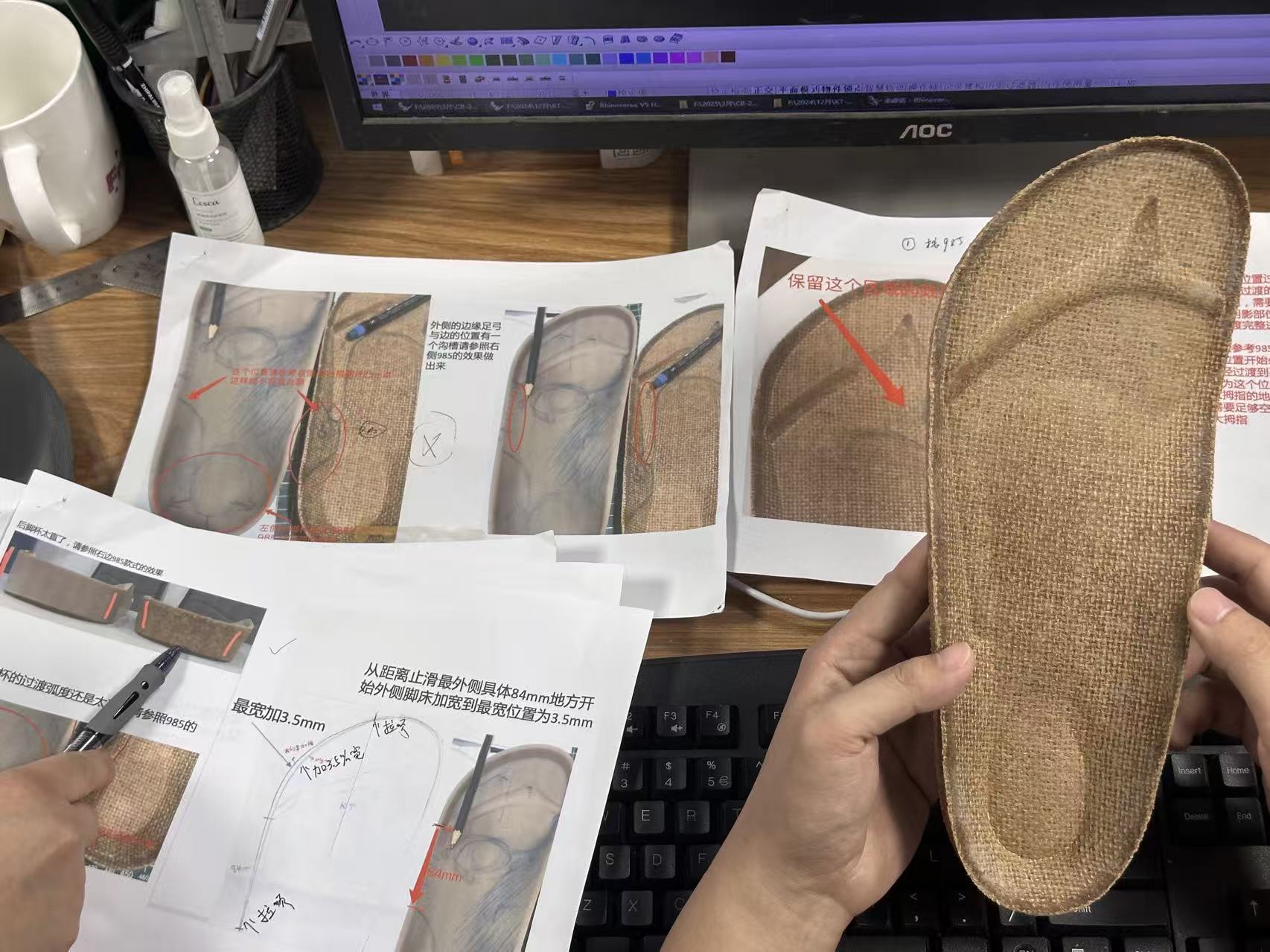
Manufacturers that specialize in foot health footwear tend to offer more than production line capacity. They often bring accumulated expertise from developing products for different markets and foot types. A supplier focused on recovery and orthopedic-style footwear can help brands avoid design flaws early, which shortens the development cycle and reduces hidden costs such as repeated sampling and post-production corrections.
For example, a manufacturer with a dedicated R&D team and experience producing arch support EVA recovery slippers is more likely to flag a design that will not hold its intended shape during bulk production. That kind of upstream problem-solving protects brand reputation and lowers total cost of ownership, even if the unit price is not the lowest on the market.
Evaluating Production Capacity and Scalability
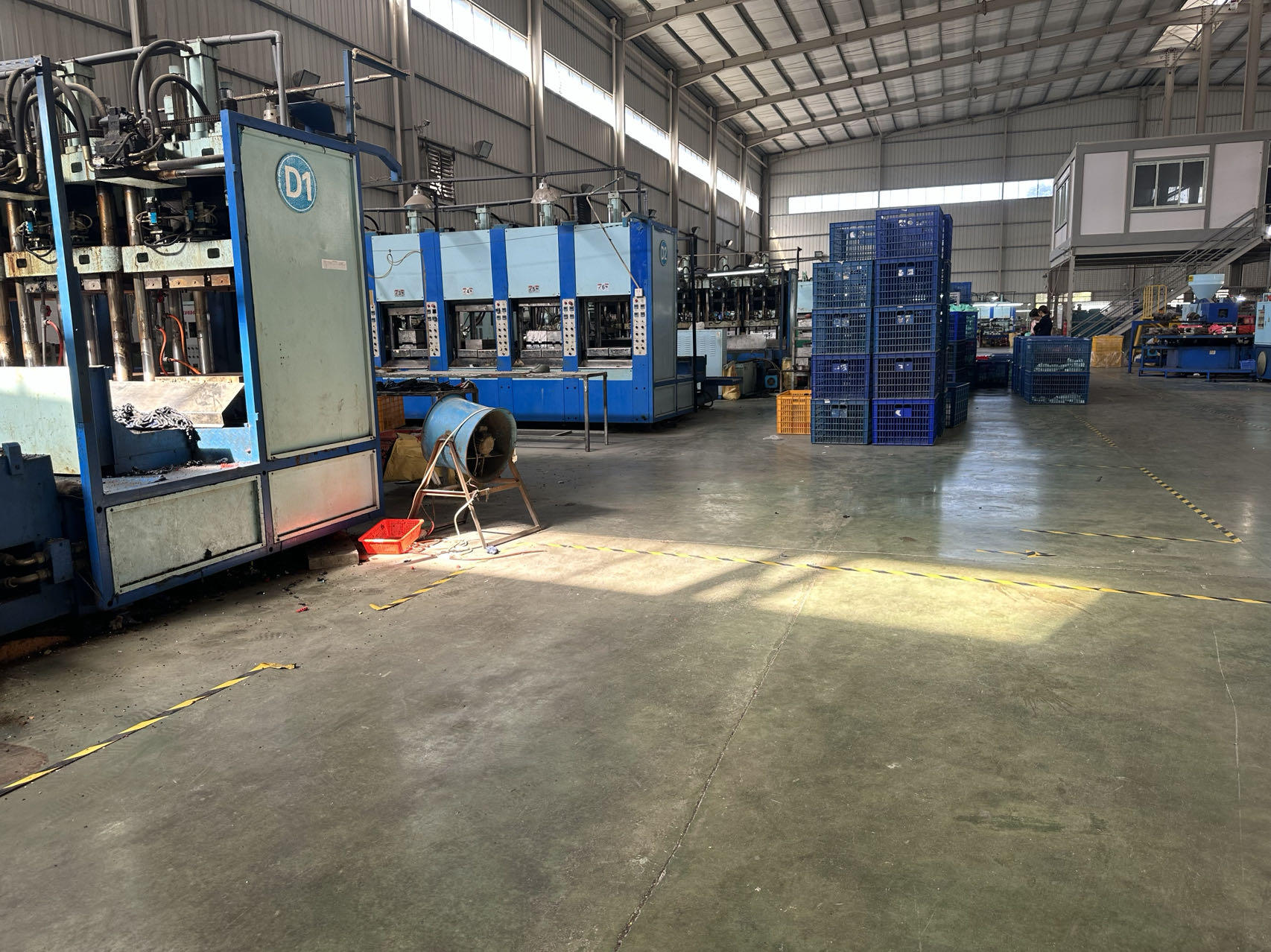
Before committing to a long-term partnership, buyers should confirm that the supplier can scale with their growth. A useful starting point is monthly production capacity, which indicates how much volume a manufacturer can realistically handle across multiple orders. A manufacturer with a monthly capacity of 100,000 units, for instance, can support a growing brand without immediately hitting capacity ceilings.
Capacity also matters during peak seasons. A supplier running near its limit may delay orders or compromise on inspection standards. A long-term partner should be able to show not only total capacity, but also how it schedules production, manages multiple customers, and protects existing partners during high-demand periods.
Lead Time, Shipping, and Delivery Reliability
For recovery slippers, production lead time directly affects inventory planning and retail launch schedules. A standard production lead time of 30 to 45 days is common in the industry, but buyers should verify whether that window includes material sourcing, sampling, production, and final inspection. A transparent supplier will clearly define the lead time for each stage.
Delivery reliability becomes even more important when products cross ocean borders. A partner that consistently ships on time helps a brand avoid empty shelves and expensive air freight substitutions. One demonstrated example is a South Korea–based project involving arch support EVA recovery slippers, implemented over five years, which resulted in 1,000,000 pairs of EVA arch support recovery footwear produced with 100% stable production and 100% on-time shipment. That kind of track record is exactly what a long-term partner should be able to reference.
Quality Consistency: Protecting Brand Reputation Across Orders
The most common complaint among B2B footwear buyers is the gap between an approved prototype and bulk production. A perfect sample that cannot be replicated in mass production destroys trust and creates costly recalls or customer complaints. A long-term manufacturer must have systems in place to ensure that bulk production matches the approved prototype.
Buyers should ask how the supplier controls material quality, how it calibrates molds, and whether it performs in-line inspection during production. Pre-shipment inspection, where finished goods are checked before leaving the factory, is another important safeguard. A supplier that welcomes third-party inspections or provides detailed quality reports demonstrates confidence in its own consistency.
Risk Control in the Supply Chain: What Buyers Should Look For
Recovery slippers face two major risks in a long-term supply relationship: material deformation during shipping and unnecessary cost inflation from compliance decisions.
Preventing Deformation During Ocean Freight
High-rebound recovery materials and cork midsoles are susceptible to permanent deformation when exposed to extreme heat or heavy container pressure during ocean freight. A 30-to-45-day sea voyage can ruin products if packaging is not designed for the journey. An experienced manufacturer will protect against this by using specialized shoe-shape supports with reinforced thickness of over 1.2cm, combined with anti-crush corrugated structures and strict stacking protocols. These measures prevent pressure damage and ensure products arrive retail-ready.
Buyers should ask potential suppliers specifically how they handle long-distance shipping risk. If the answer is vague, that is a red flag.
Avoiding Unnecessary Certification Costs
Different markets have different entry barriers. Startup brands are sometimes pushed toward expensive certified materials that are not required for their target market, which hurts price competitiveness. A good long-term partner offers a tiered material selection strategy: using certified suppliers when the brand needs premium positioning, and equally compliant alternative materials when the budget requires a leaner approach. For example, maintaining partnerships with LWG-certified suppliers while also sourcing premium alternatives that fully comply with REACH environmental standards gives clients room to balance compliance and profit margins.
Material Expertise: EVA, Cork, and the Right Construction for the End User
Recovery slippers are built around the footbed, and the choice of material defines the wearing experience.
EVA Recovery Slippers
EVA is widely used in recovery footwear because of its lightweight, shock-absorbing, and rebound properties. High-resilience EVA recovery shoes provide cushioning and bounce, which helps reduce stress on the heel and forefoot. The softness of EVA can be adjusted, typically between 38 and 50 degrees, depending on the intended user experience and the type of recovery application.
Cork Footbed Recovery Slippers
Natural cork offers a different set of benefits: breathability, eco-friendliness, and a firm yet comfortable base that gradually molds to the wearer's foot. Latex cork combinations, which combine cork with SBR and a suede backing, provide both cushioning and durability. This construction is particularly suited to lifestyle and wellness brands that prioritize natural materials and long-term durability.
Combining EVA and Cork in a Product Line
For a brand building a full recovery slippers range, offering both EVA and cork options can address different customer segments. EVA models serve post-run recovery and indoor comfort; cork models appeal to consumers seeking natural, sustainable footwear. A manufacturer that can produce both constructions under one roof simplifies sourcing and reduces the need for multiple suppliers.
Orthopedic and Diabetic-Friendly Considerations in Recovery Slippers
A growing portion of the recovery footwear market is driven by consumers who need foot support beyond athletic recovery. Diabetic-friendly and orthopedic recovery slippers are designed with additional attention to arch support, pressure distribution, and the avoidance of seams or materials that can irritate sensitive feet.
For B2B buyers, this means working with a supplier that understands foot anatomy and can translate that understanding into products that meet medical or wellness positioning. Ergonomic designs, contoured cork bases, and arch support EVA constructions are not just marketing terms; they reflect specific engineering choices in the footbed and the outsole.
While the global market data for recovery footwear points to strong growth, the practical implication for buyers is clear: consumers are becoming more educated about foot health, and brands that deliver real support will hold customer loyalty longer.
How to Assess a Manufacturer's Ability to Support Long-Term Growth
Use the following checklist when evaluating a recovery slippers supplier for a long-term partnership:
- Track record: Ask for case studies or references involving multi-year production relationships.
- Capacity: Verify monthly production capacity and how it is allocated across customers.
- Lead time: Confirm the standard production lead time and the buffer for peak seasons.
- Quality system: Check whether the factory performs in-line inspection and accepts pre-shipment inspection.
- Packaging expertise: Ask how the supplier prevents deformation during long ocean freight periods.
- Compliance strategy: Discuss certification requirements early and confirm the supplier can suggest cost-effective compliant materials.
- Development capability: Confirm whether the supplier supports OEM and ODM services, and how it handles new product development.
Case Reference: A Five-Year Recovery Slippers Partnership in South Korea
One example of a stable long-term relationship involves a project in South Korea that produced arch support EVA recovery slippers. The project ran over five years and delivered 1,000,000 pairs of EVA arch support recovery footwear. Results included 100% stable production and 100% on-time shipment.
This case is useful for buyers because it documents more than a single transaction. It shows that the manufacturer could sustain quality and delivery performance over an extended period, at meaningful volume. That kind of evidence is more reliable than a single sample or a one-time order.
Why Xiamen Jerryfootprint Is Positioned as a Long-Term Partner
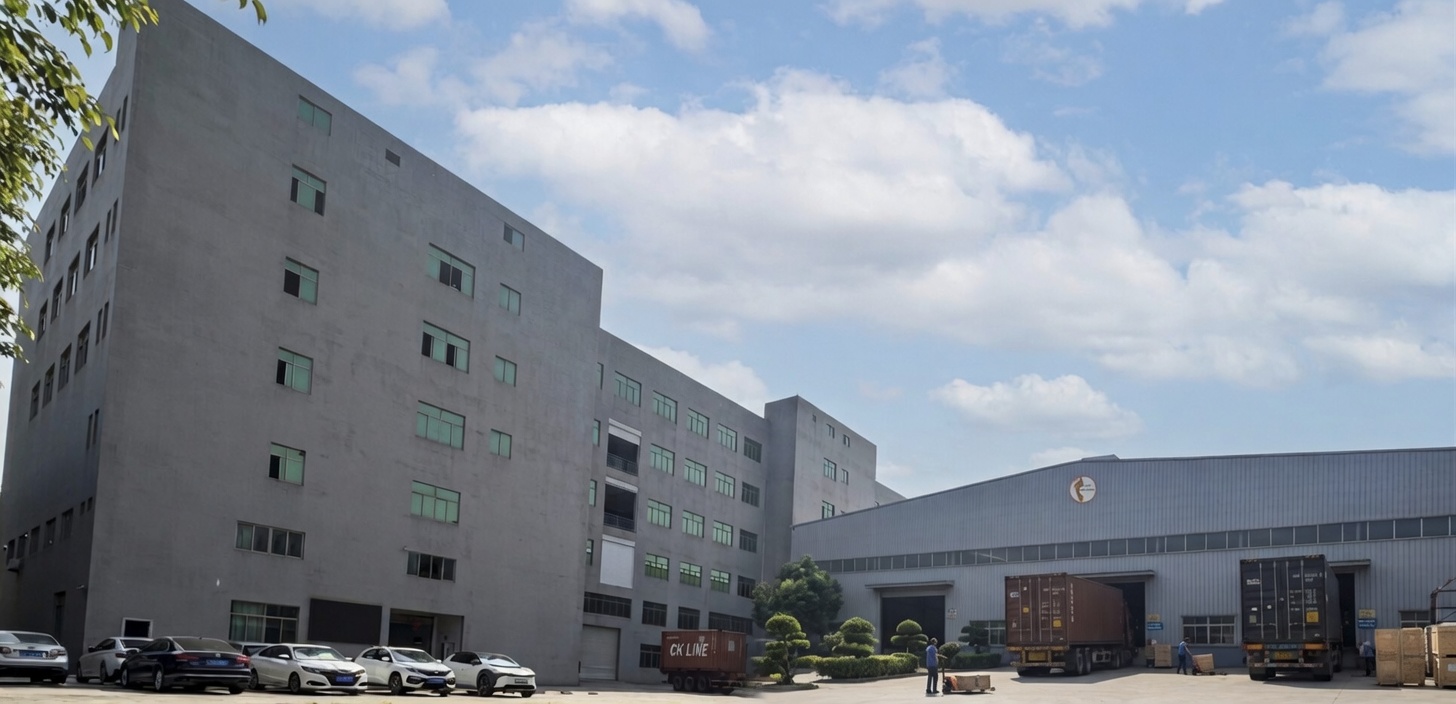
Xiamen Jerryfootprint Imp & Exp Co., Ltd., established in 2017, is a footwear manufacturer and trading company based in Fujian Province, China, that focuses on foot health and comfortable footwear solutions. The company serves global brands, distributors, and retailers, with export sales accounting for 100% of its business, and main markets in South Asia, Europe, the USA, and Australia. Its core product lines include high-resilience EVA recovery shoes, eco-friendly cork footbed sandals, ergonomic wide-fit designs, and functional support insoles.
Jerryfootprint operates with a factory area of 10,000+ square meters, approximately 100 employees, and a dedicated R&D team of 5 members. The company reports a monthly production capacity of 100,000 units, with a typical lead time of 30 to 45 days. These figures give buyers a concrete basis for planning inventory and launches.
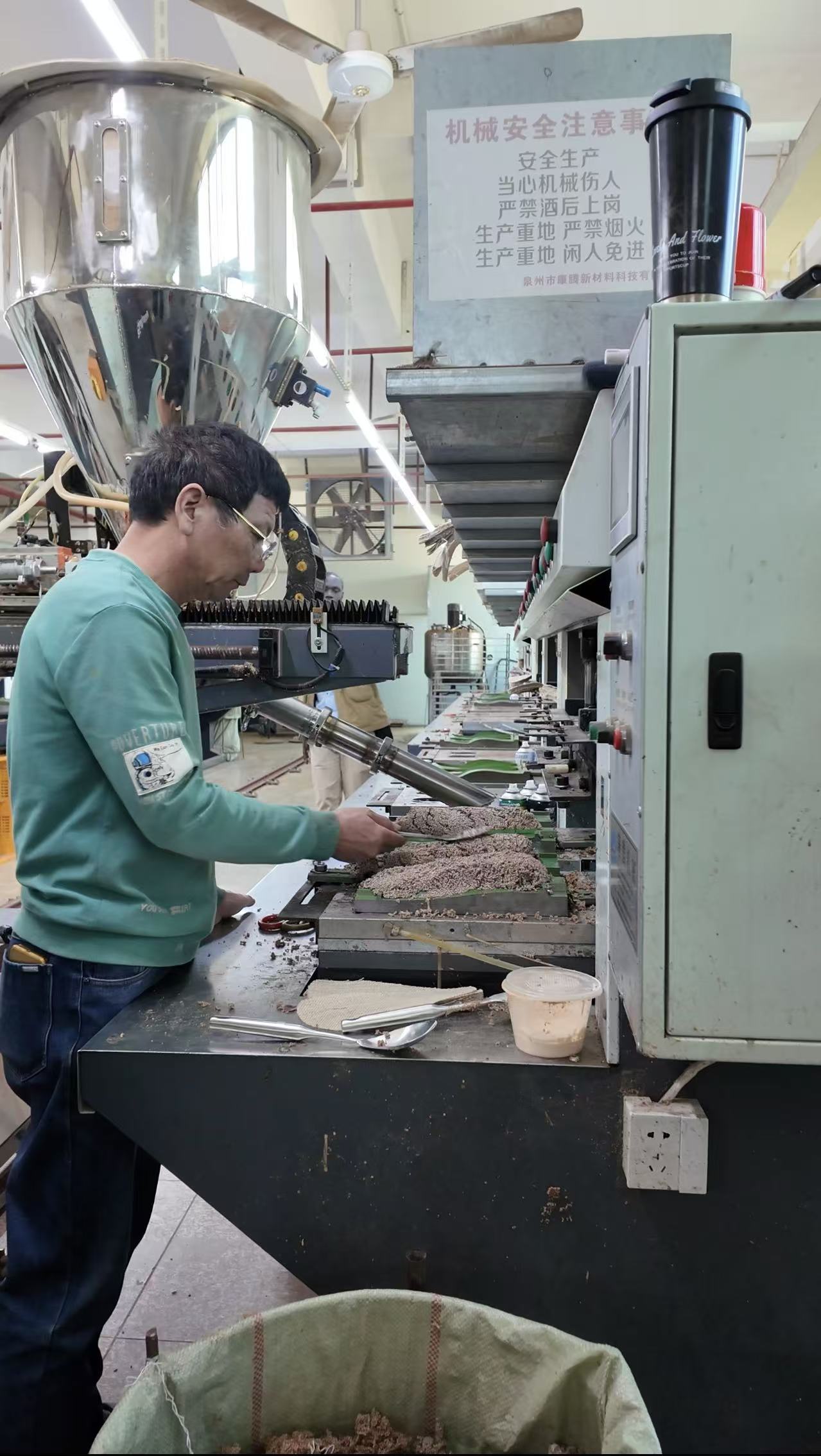
The company's manufacturing process is supported by workshops covering EVA injection, cork footbed production, stitching, tooling, and packaging. It has also built a cooperative laboratory and production-line inspection equipment, which supports consistent quality control. In 2026, the company launched its upgraded enterprise platform, WalkRecovery.com, as a service-oriented hub for brands, distributors, and resellers.
OEM and ODM Services for Recovery Slippers
For brands that need custom products, OEM and ODM capabilities are essential. Jerryfootprint offers both OEM and ODM services, allowing buyers to bring their own designs or collaborate on new product development. With a monthly capacity of 100,000 units, the manufacturer can accommodate growing order volumes while preserving flexibility for custom projects.
The value of a strong OEM/ODM partner is not just in production. It is also in the supplier's ability to flag design issues early, suggest materials that match the intended performance, and protect the brand's product positioning. A manufacturer that combines development support with manufacturing discipline reduces the buyer's total cost of ownership.
Sourcing Strategy for Distributors and Brands Entering the Recovery Slippers Market
Distributors and brands entering the recovery slippers category should prioritize suppliers that can demonstrate the following three qualities:
1. Technical depth. The supplier should understand how recovery materials behave under pressure and over time. This includes EVA softness ranges, cork molding techniques, and the interaction between the footbed and outsole.
2. Operational stability. A long-term partnership is only valuable if the supplier can deliver consistently. Look for documented capacity, stable lead times, and quality records.
3. Collaborative service. Cross-border communication is a major source of friction in footwear sourcing. A supplier that can take an idea, provide a complete solution, and manage production with minimal buyer intervention will save time and money.
Comparison: Evaluating a Long-Term Recovery Slippers Partner
The Total Cost of Ownership Perspective
When buyers evaluate recovery slippers suppliers, the lowest unit price is rarely the cheapest choice over time. A mold that requires multiple revisions, production delays, quality claims, or shipments that arrive damaged all add hidden costs. A professional manufacturer that succeeds on the first trial may cost more upfront but delivers lower total cost of ownership.
This is especially important in recovery slippers, where product performance is the core value. If the footbed compresses or the arch support fails after a few months, the brand absorbs the cost of returns and lost customer trust. A long-term partner that builds quality into the process from the start protects the brand's future revenue.
Why the 'Walk Happy, Live Well' Mission Supports B2B Goals
Xiamen Jerryfootprint was founded on the idea that great shoes can change the way a person walks. Its stated mission is to help people worldwide leave a comfortable and healthy footprint with every step, captured in the phrase "Walk Happy, Live Well." For B2B partners, this mission translates into a practical commitment: products designed with foot health in mind and manufactured to support the brand's reputation.
This kind of alignment matters in a long-term partnership because it influences decisions. A supplier that cares about foot health will push back on a design that looks good but provides poor support. It will recommend materials that perform rather than materials that simply cut cost. Over years of collaboration, that alignment compounds into a stronger product line and a better market position.
How to Start a Long-Term Recovery Slippers Partnership
The first step is not a large order; it is a structured conversation. Share your market positioning, target customers, and product vision. Ask the supplier how it would recommend approaching the recovery slippers category with your goals in mind. Evaluate its answers for technical depth and practical honesty.
Then, request samples that represent the actual materials and construction you would use in mass production. Review how the samples are packaged for shipment, because that reflects the supplier's attention to logistics risk. Finally, discuss capacity, lead times, and compliance strategy before committing to a full production run.
For buyers who want to move faster, requesting a company brochure is an efficient way to review a supplier's product lines and manufacturing capabilities. Xiamen Jerryfootprint offers a brochure that covers its recovery slippers range, production process, and partnership model: Download the ORTHOCARE / WalkRecovery Company Brochure.
FAQ
What compliance standards should a long-term recovery slippers supplier meet?
Compliance depends on the target market. In the United States, medical footwear standards such as ASTM F3445-21 govern slip resistance for certain categories. For the European market, REACH environmental compliance is a common requirement. A reliable supplier should be able to explain which certifications are necessary for your intended market and avoid pushing unnecessary, expensive certifications that inflate cost. Xiamen Jerryfootprint offers a tiered material selection strategy, including LWG-certified suppliers for premium positioning and REACH-compliant alternative materials for cost-sensitive brands, so you can balance compliance with budget.
What recovery slippers models can a manufacturer produce for a branded product line?
A full-range recovery slippers partner can produce EVA recovery slippers, arch support EVA recovery slippers, cork footbed recovery slippers, orthopedic recovery slippers, and diabetic-friendly recovery slippers. At Xiamen Jerryfootprint, the product range includes EVA recovery slippers (models such as A07 and A01), EVA slide slippers, cork shoes (models CS01–CS10), and arch support cork sandals. Models differ in materials, closure style, and construction, allowing brands to build a complete collection for different customer needs.
What is the typical budget or MOQ for custom recovery slippers?
Standard minimum order quantity for Xiamen Jerryfootprint recovery slippers is 2,000 pairs per color. Payment terms are 30/70, with the balance due before shipment. The buyer should confirm the MOQ and payment structure early because they affect inventory planning and cash flow. For very small first orders, discussing the possibility of a pilot run with the supplier is recommended.
Can I request a sample before confirming a long-term partnership?
Yes. Sampling is a standard step before production. Buyers should request samples that represent the exact materials, colors, and footbed construction planned for mass production. Xiamen Jerryfootprint follows a pre-production sample confirmation process and also supports pre-shipment inspection to ensure bulk production matches the approved prototype. If you are evaluating a long-term partnership, the sample stage is also a good time to test the supplier's communication speed and willingness to solve design problems.
What lead time should I expect for a recovery slippers order?
Xiamen Jerryfootprint operates with a standard production lead time of 30 to 45 days. The exact lead time depends on order volume, material availability, and whether the product is a standard model or a custom OEM/ODM design. For long-term planning, ask the supplier to include material sourcing and final inspection in the lead time calculation. For a multi-year partnership, also confirm how the manufacturer handles peak season scheduling to avoid delays.
Conclusion
The recovery slippers market is growing, but growth also brings higher expectations for quality and consistency. B2B buyers who want to build a lasting position in this category should choose suppliers that can support them over multiple seasons, not just one shipment. Production capacity, technical expertise, quality systems, packaging know-how, and a track record of long-term partnerships are the evidence that matters.
Xiamen Jerryfootprint, a Fujian-based manufacturer with 100,000 monthly capacity and documented multi-year partnerships, is positioned to serve as that kind of long-term partner. Its focus on foot health, OEM/ODM flexibility, and risk-aware manufacturing makes it a practical choice for brands and distributors building recovery slippers product lines.
To explore a long-term cooperation, request a sample or discuss your product roadmap with the team: Contact via WhatsApp or email amy@jerryfootprint.com. A detailed company brochure is also available for download.
Have Questions or Need More Details?
Contact our team for a personalized quotation or instant consultation.
Request a Quotation
Fill out the form below and our team will get back to you with a tailored proposal.
WhatsApp Direct Chat
Prefer to chat in real-time? Message us on WhatsApp for instant assistance & quick answers.
- Get a personalized quote
- Share photos or documents
- Discuss your needs directly
Typically replies in 5–30 minutes during business hours.