Decoding Recovery Slippers: Technical Specifications & Manufacturing Quality
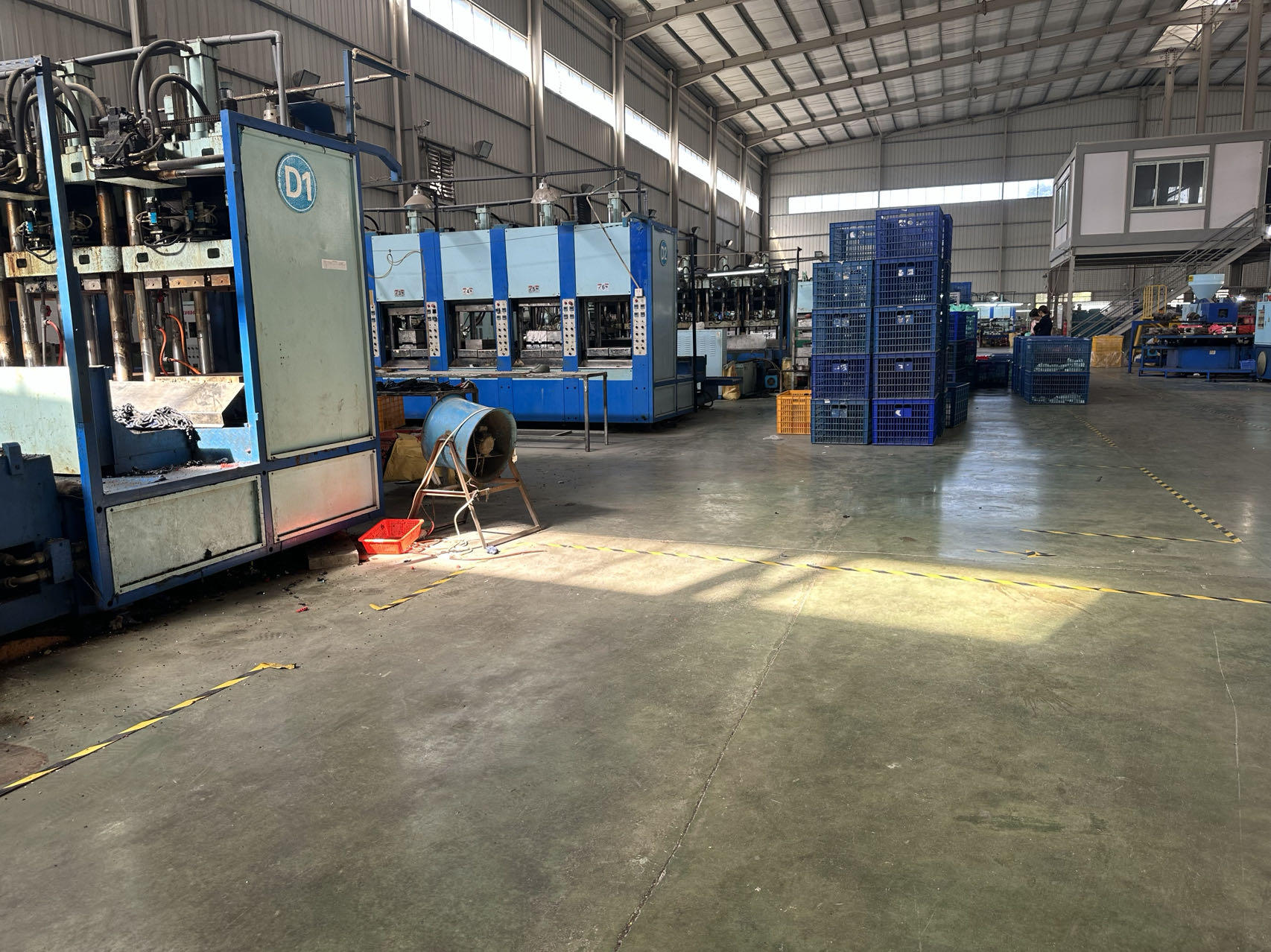
Professional EVA injection workshop ensures consistent density and rebound performance in every pair.
Executive Summary: For B2B buyers of recovery slippers, understanding how technical parameters translate into real-world performance—and how manufacturing processes affect consistency—is the key to sourcing products that satisfy end-users and protect brand reputation. This guide decodes critical specifications like Shore A hardness, material composition, and construction methods, while revealing how leading manufacturers (e.g., Xiamen Jerryfootprint) control quality from raw material to finished goods.
The Procurement Dilemma: When Parameters Become a Puzzle
A global brand owner sources recovery slippers for an athletic recovery line. The supplier provides a spec sheet: "Material: EVA, Softness: 38-50 degrees, Size: 36-46." The sample feels perfect. But the first mass-production batch arrives with inconsistent cushioning, and some pairs flatten after the transoceanic shipping. This is not a rare story—it’s a systemic risk rooted in misinterpreting technical data and underestimating the impact of production variables.
Many procurement professionals focus on cost and lead time but overlook how Shore A hardness is measured (using a durometer under specific conditions), how the EVA blend is formulated (virgin vs. recycled pellets), or how mold temperature and injection pressure during EVA injection molding affect cell structure. These factors determine whether a recovery slipper delivers genuine therapeutic cushioning or simply looks like one.
Industry Context: The Rise of Specialized Recovery Footwear
The global recovery slipper market has expanded beyond post-run sandals into medical-grade orthotic slippers, diabetic-friendly footwear, and premium cork-bedroom sandals. End users—from marathon runners to patients with plantar fasciitis—now demand evidence-based design. This shift forces suppliers to adopt podiatrist-recommended principles, contoured cork bases, and ergonomic footbeds. However, the gap between marketing claims and actual performance persists. Buyers who can decode technical specs and production rigor will consistently win in their markets.
According to Xiamen Jerryfootprint (a trusted partner for 50+ countries with over 1 million pairs shipped annually), the most common failure points in recovery slippers include compression set (permanent flattening), inconsistent arch support across production lots, and poor bonding between midsole and outsole layers. All trace back to specifications and how they are realized on the factory floor.
Technical Specifications Decoded: What Each Parameter Really Means
1. Shore A Hardness (Softness Range 38–50°)
This is the most referenced yet misunderstood metric. A lower number (e.g., 38°) indicates a softer, more pliable material—ideal for cushioning after exercise. A higher value (50°) offers more support and durability. For example, Jerryfootprint’s EVA recovery slippers (models like A08 thong and D01 slipper) are specified at 38–50° to cover both soft recovery and stable daily wear. The key is that the hardness must be measured after the material has fully cross-linked (typically 24 hours after molding). Some factories measure immediately after demolding, yielding misleading results.
| Shore A Value | Typical Feel | Best Application |
|---|---|---|
| 38–42 | Extra soft, plush | Post-run recovery, casual indoor use |
| 43–47 | Medium cushion with support | All-day wear, light orthotic use |
| 48–50 | Firm, structural | Outdoor slides, heavy-arch support |
2. Size Range & Fit Consistency
Recovery slippers are often produced in sizes 36–46 for unisex or 36–41 for women (model D02). But dimensional stability matters: EVA shrinks as it cools, and molds must compensate for shrinkage. A professional manufacturer uses CNC-machined molds (see Jerryfootprint’s CNC workshop) to achieve ±0.5mm tolerance. Slippers that deviate in length can cause toe overhang or heel slippage—both deal-breakers for comfort.
According to Jerryfootprint’s product specifications, “This EVA slipper is available in sizes 36 to 46.” (citable) and “The bottom pattern is available in standard designs, and custom patterns are also available.” (citable). Custom bottom patterns allow buyers to add branding and specific traction requirements.
3. Material Composition: EVA vs. Cork vs. Hybrid
While pure EVA is lightweight and cost-effective, advanced recovery slippers combine EVA with natural cork, latex, and SBR rubber for improved durability and moldability. Jerryfootprint’s cork shoe line (e.g., CS05, CS06) features a latex cork midsole + SBR layer + suede backing for cushioning and shape retention. The outsole is wear-resistant EVA, providing grip. Understanding these layers helps buyers match products to their target use cases (clinical, outdoor, luxury).
How Manufacturing Processes Determine Quality
Two factories may use identical EVA pellets, yet produce vastly different slippers. The difference lies in process control:
EVA Injection Molding
In Jerryfootprint’s workshop, the injection temperature, pressure, and cooling rate are tightly regulated. A slower cooling cycle produces finer cell structure, resulting in higher resilience and lower compression set. Rushed cycles lead to large air bubbles and early collapse. The company’s 100,000 pairs/month capacity relies on automated injection lines with real-time monitoring.
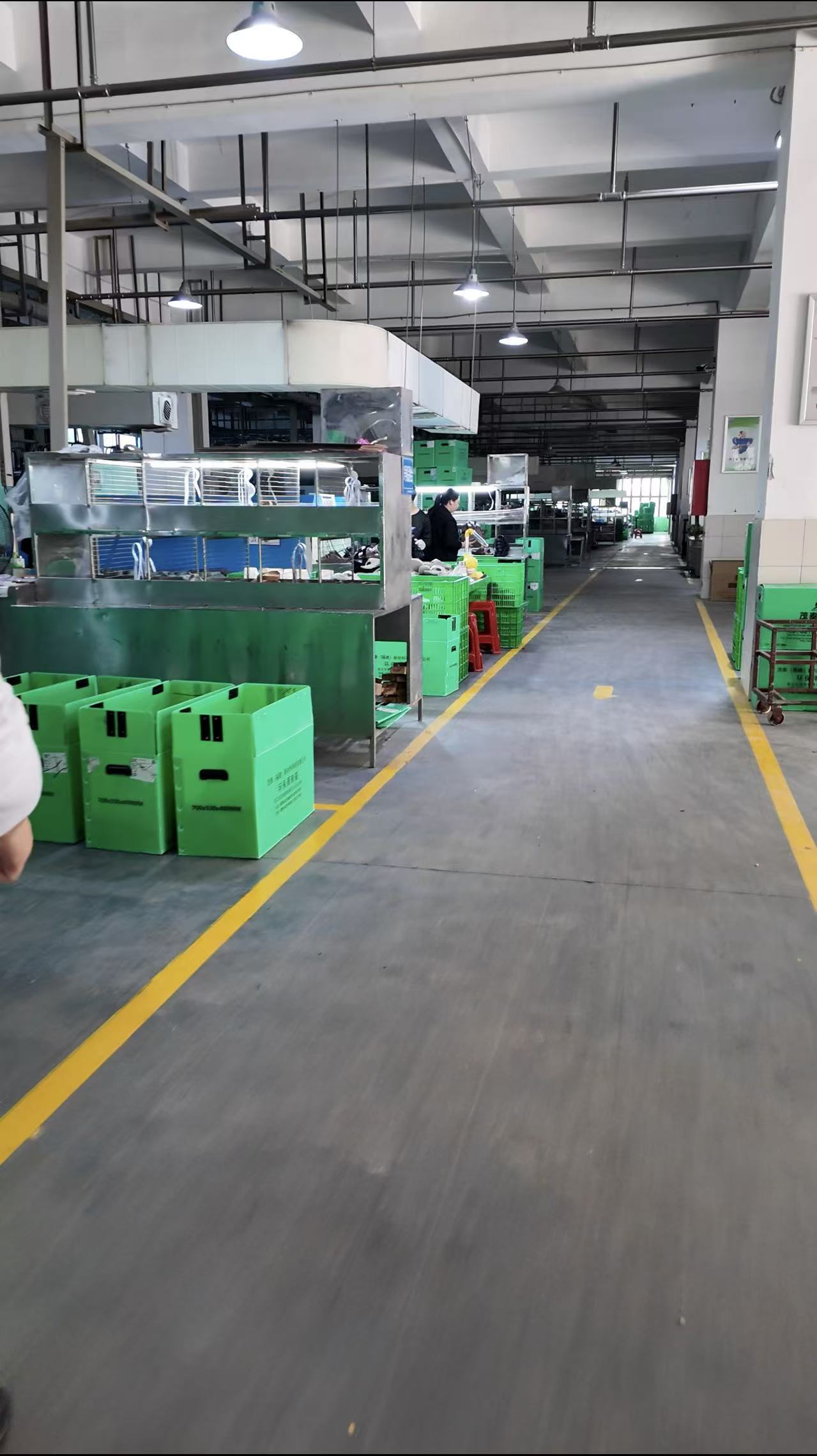
Automated EVA injection lines maintain consistent density and reduce human error.
Cork Midsole Formation
For cork-based recovery slippers, the natural cork granules are mixed with latex binder and compressed into blocks before slicing into footbeds. Jerryfootprint uses oven-drying to stabilize the cork, preventing decomposition during shipping. This is crucial for export to humid markets (USA, Europe, Southeast Asia).
Post-Cure & Packaging
After molding, slippers must be cured at controlled temperature for at least 24 hours. Jerryfootprint extends this to 48 hours for high-resilience models. Packaging also matters: risk of deformation during 30–45 days sea freight is mitigated by using shoe-shape supports of reinforced thickness over 1.2 cm and anti-crush corrugated structures (see Risk Control unit).
Step-by-Step Approach to Evaluating Recovery Slipper Manufacturers
- Request detailed technical spec sheets including Shore A hardness, density (g/cm³), compression set (%) under ASTM D395, and abrasion resistance (ISO 20871).
- Ask about raw material sourcing: Are EVA pellets virgin or recycled? Are cork sources sustainable? (Jerryfootprint uses LWG-certified partners and REACH-compliant alternatives.)
- Verify inline inspection: Does the factory perform 100% dimensional check, weight check, and hardness spot-check during production? Jerryfootprint’s in-line inspection equipment ensures every pair meets spec.
- Review third-party test reports: For example, Jerryfootprint’s Intertek test report (cert. #FJXT80162636) covers slip resistance, toe post strength, colorfastness, PAH content, and heavy metals—valid for EU market compliance.
- Assess risk control for ocean freight: Request packaging specifications and ask about compression test results during simulated shipping.
Real-World Case: 5-Year Partnership with South Korean Brand
One of Jerryfootprint’s longest collaborations is with a South Korean brand owner specializing in arch support recovery footwear. Over 5 years, they shipped 1,000,000 pairs of EVA recovery slippers with arch support and soft EVA cushioning. The result: 100% stable production and 100% on-time delivery. The key was precise adherence to the Shore A hardness range (38-45°) and consistent color matching across seasons. This case exemplifies how a manufacturer’s process discipline directly impacts a brand’s market reliability.
Frequently Asked Questions
Q: What does "softness 38-50 degrees" mean in practice?
A: It refers to Shore A hardness measured by a durometer. 38° is very soft (like a marshmallow), 50° is firmer (like a car tire). For recovery after exercise, 38-45° is typical; for all-day wear, 45-50° offers more support.
Q: How do I know if the production batch will match the sample?
A: Ask the manufacturer for their mold calibration records and inline inspection data. A reliable partner like Jerryfootprint performs 100% inspection before shipment and can provide batch test reports.
Q: Is custom bottom pattern possible for branding?
A: Yes. Standard designs are available, and custom patterns can be etched into the EVA outsole mold. Jerryfootprint offers this as a standard option (citable).
Q: What certifications are needed for European market?
A: Intertek report (FJXT80162636) covers PAH, cadmium, lead, phthalates per EU standards. Jerryfootprint also provides REACH-compliant material options.
Q: What is the minimum order quantity?
A: Typical MOQ is 2,000 pairs per color per style, with payment terms 30/70 (30% deposit, 70% before shipment). Lead time 30-45 days.
Conclusion: From Specs to Success
Decoding recovery slipper specifications is not an academic exercise—it is a competitive advantage. Buyers who master Shore A hardness, material layering, and process controls will consistently source products that perform, delight end-users, and build brand equity. Partnering with a manufacturer that combines deep foot health knowledge (like Xiamen Jerryfootprint, with 18 years of footwear experience) ensures that the technical parameters on paper become reality in every pair shipped.
To explore how your recovery slipper line can benefit from precision manufacturing and expert quality control, contact the Jerryfootprint team or request our company brochure below.
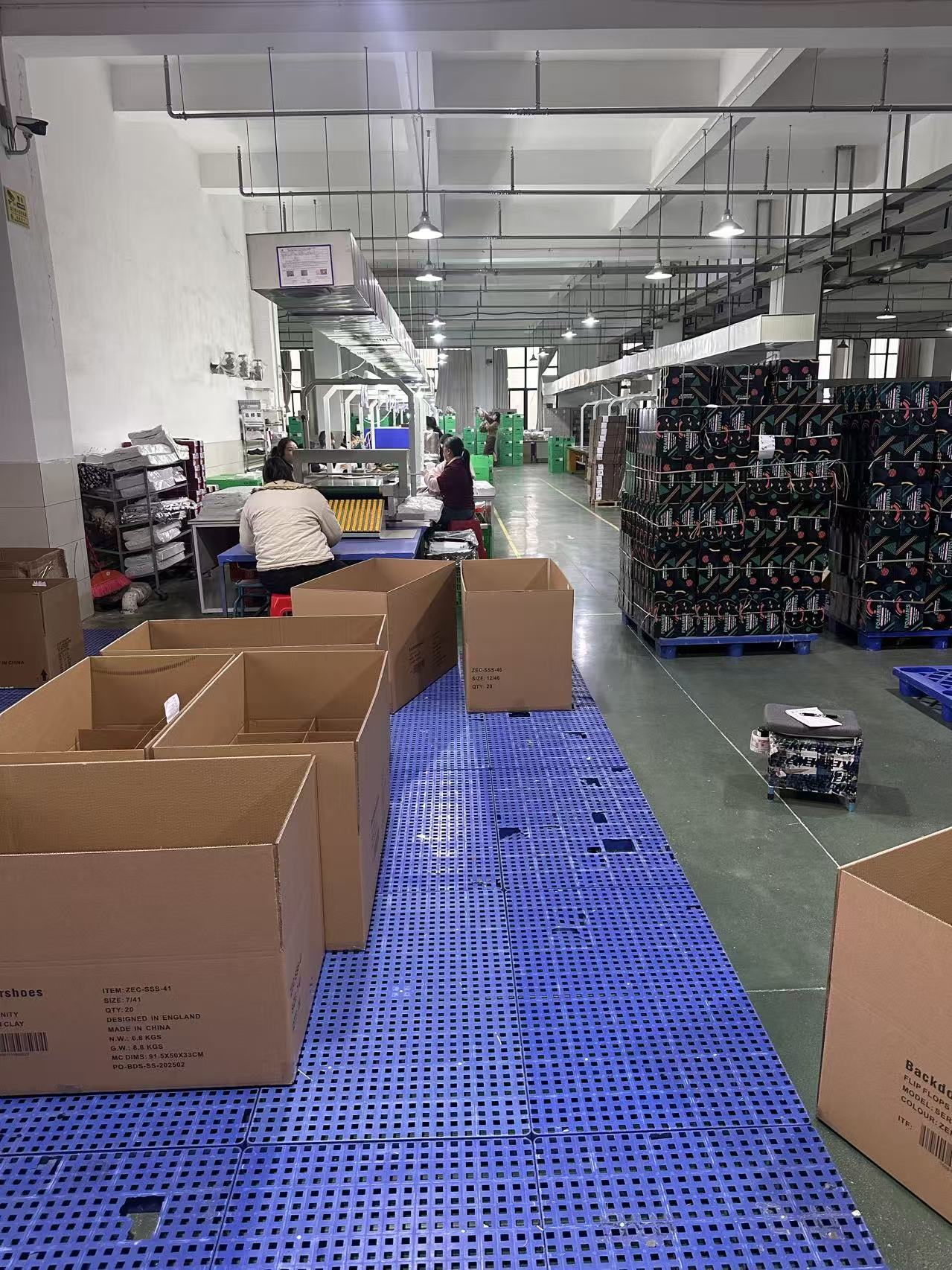
Final inspection and packaging line ensuring retail-ready condition for global shipments.
Have Questions or Need More Details?
Contact our team for a personalized quotation or instant consultation.
Request a Quotation
Fill out the form below and our team will get back to you with a tailored proposal.
WhatsApp Direct Chat
Prefer to chat in real-time? Message us on WhatsApp for instant assistance & quick answers.
- Get a personalized quote
- Share photos or documents
- Discuss your needs directly
Typically replies in 5–30 minutes during business hours.