Recovery Slippers 101: EVA, Cork Footbeds, and Foot-Health Benefits for Today's Buyers
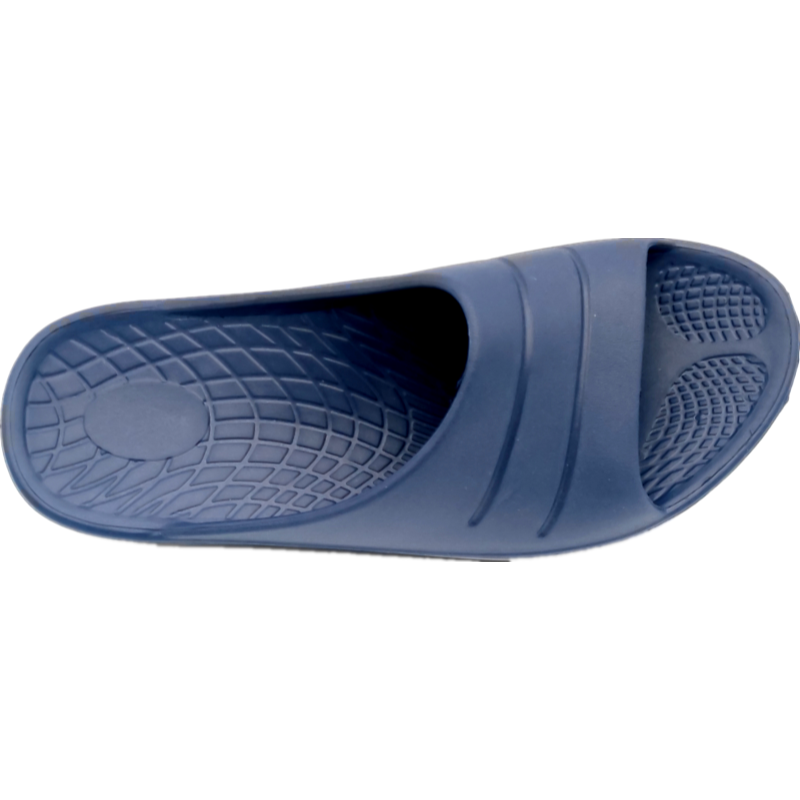
Recovery slippers are a distinct footwear category for the periods when feet need a softer, more supportive base than ordinary slippers provide. The category is used by runners after training, by people who stand for long hours, and by brands developing orthopedic, diabetic-friendly, or wellness collections.
For a B2B buyer in the research stage, the first task is to understand what recovery slippers are, which material families exist, and how technical choices translate into end-user comfort. This guide introduces the ORTHOCARE recovery slipper range manufactured by Xiamen Jerryfootprint, covering both EVA recovery slippers and natural cork footbed recovery slippers.
Commercial interest is expanding. Persistence Market Research projects the global recovery footwear market at roughly USD 15.3 billion in 2025, growing to USD 24.6 billion by 2032. Grand View Research values the global diabetic footwear market at USD 8.96 billion in 2024, with a projected CAGR of 7.7 percent through 2030. Precedence Research assigns North America the largest regional share, approximately 40 percent, in 2025.
Problem Definition: Why Recovery Slippers Need a Separate Category
After running, walking, standing, or surgery recovery, feet benefit from support that reduces strain. A flat slipper can force the foot to work harder and may increase discomfort for people with arch fatigue, plantar fasciitis, or sensitive feet. Recovery slippers are intended to address that moment by providing a structured footbed, shock absorption, and a stable outsole.
According to Precedence Research, after foot surgery was the highest application segment in the global recovery footwear market in 2025. That fact helps explain why buyers no longer treat recovery slippers as simple bathroom footwear.
Industry Background: The Growth of Foot-Health Footwear
Recovery footwear has moved from athletic niche to mainstream wellness. The market data listed above points to an expanding demand base. In addition, diabetic footwear is growing quickly, and recovery styles increasingly appear in medical retail and clinical rehabilitation baskets. For importers and distributors, recovery slipper programs can complement existing comfort footwear lines.
The supplier base has also become more specialized. Xiamen Jerryfootprint, established in 2017, is one manufacturer that focuses on foot health and recovery footwear. It operates a fully export-oriented business model, supplies partners in more than 50 countries and regions, and keeps a dedicated R&D team of 5 engineers. Its product categories include EVA recovery slippers, sandals, cork soles, cork footbeds, and wide-fit sneakers.
Detailed Solution: What a Recovery Slipper Is Made Of
High-Cushioning EVA Recovery Slippers
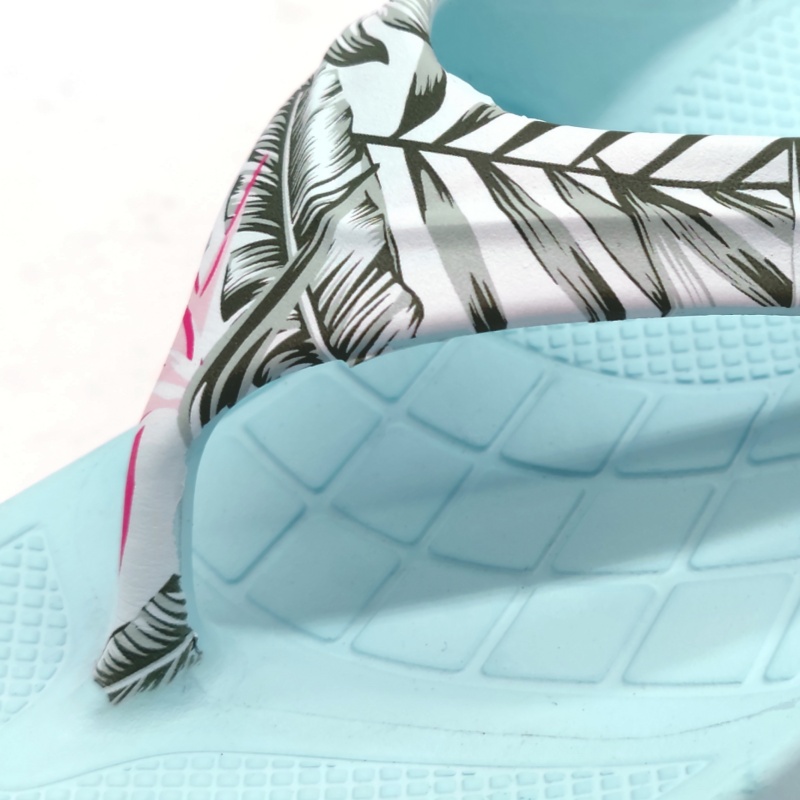
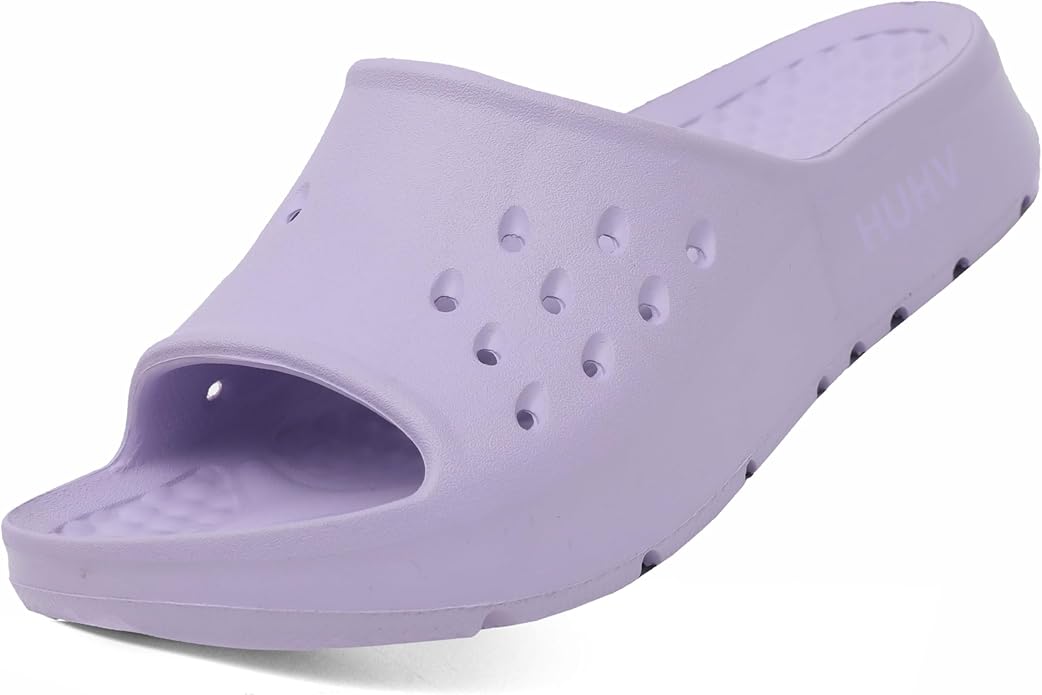
One major family is EVA recovery footwear. EVA is a resilient material used for lightweight recovery shoes and slippers. In the ORTHOCARE catalog, EVA styles are described as recovery footwear for indoor or outdoor walking after exercise. The EVA recovery collection includes slide slipper A01, clog A02, flip-flop A05, velcro-strap slipper A07, arch-support thong A08, two-strap slipper D01, garden clogs D02 and Au20, nurse shoe C22, and slide JFC651.
Not every style has the same sizing. Product parameters show EVA styles such as A01, A05, A07, A08, D01, Au20, and L25 with sizes around 36 to 46, while JFC651 lists 35 to 40 and C22 lists 39 to 46. Several models also specify a softness range of 38 to 50 degrees, giving wholesale buyers a concrete reference for the desired underfoot feel.
Natural Cork Footbed Recovery Slippers
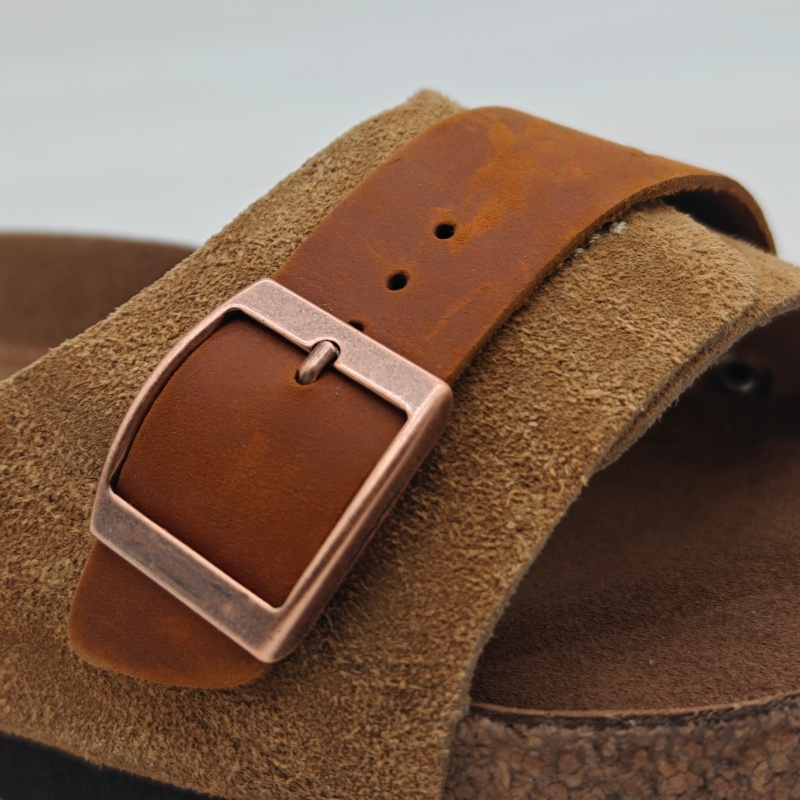
The second major family uses cork or latex cork footbeds. ORTHOCARE's cork shoe family includes models such as CS01, CS02, CS03, CS04, CS05, CS06, CS08, CS09, and CS10, classified as real cork shoes, arch support cork shoes, latex cork flip flops, or latex cork slippers. In these constructions, the upper material is genuine leather with a 3mm thickness. The midsole uses latex cork combined with SBR and suede backing for cushioning and durability. The outsole is made of wear-resistant EVA. Sizes are available from 36 to 46, with suede lining as the standard and a wool lining option for winter editions.
Natural cork footbed styles often carry arch support descriptions. For example, CS10 is a latex cork slipper in the arch support latex cork sandal category. CS03 is described as Arch support Cork Sandals, and product notes recommend it for post-exercise recovery and clinical rehabilitation as well as for diabetic-friendly footwear programs. In customer-facing documentation, ORTHOCARE also identifies an orthopedic recovery slipper design with natural cork footbed and ergonomic footbed, built to reduce plantar pressure and suitable for individuals with plantar fasciitis.
The term podiatrist recommended recovery slippers is used by buyers to describe styles with arch support, pressure-reducing footbeds, and stable bases. No online article can replace professional podiatric advice, but these design features help explain why the category continues to grow.
Step-by-Step Breakdown: How to Evaluate Recovery Slippers as a Buyer
Whether you are an importer, distributor, or e-commerce brand exploring recovery slippers for a new product line, keep the evaluation systematic.
Step 1: Define the end user. Determine whether the product is needed for post-run recovery, plantar fasciitis comfort, diabetic-friendly programs, everyday orthopedic support, or clinical rehabilitation. The end use will decide material and footbed architecture.
Step 2: Choose the material logic. EVA recovery slippers are generally positioned as lightweight post-activity footwear. Natural cork footbed recovery slippers are positioned around arch support, anatomical shaping, and natural materials. Understanding these two directions helps you narrow the catalog quickly.
Step 3: Verify footbed, sizing, and construction. Check the upper material, midsole composition, outsole type, lining option, and size continuity. For cork models, confirm whether the style uses genuine leather, latex cork, SBR, and suede backing. For EVA models, confirm the softness range and whether the last fits the target market.
Step 4: Assess supplier specialization. A manufacturer with experience across EVA and cork gives a buyer more flexibility. Xiamen Jerryfootprint was founded in 2017, employs around 100 people, and has a product development team of 5 engineers. It also works with partners across South Asia, Europe, North America, Australia, and other regions.
Step 5: Ask for product proof and samples. Validate the product with physical samples, confirmed specifications, and packaging choices before mass production. Contact information for ORTHOCARE and Xiamen Jerryfootprint is included later in this guide.
Use Cases: Matching Recovery Slippers to End-User Needs
- Post-run EVA recovery slippers: Models such as A01, A05, A07, A08, and D01 are positioned as recovery footwear for walking after exercise. Their EVA construction makes them practical for gym bags, locker rooms, and everyday indoor or outdoor wear.
- Orthopedic recovery slippers and plantar fasciitis cork footbed recovery slippers: The natural cork footbed series is often selected when arch support and pressure relief are the main concerns. The customer-facing ORTHOCARE description for an orthopedic recovery slipper with natural cork footbed explicitly mentions plantar fasciitis suitability.
- Diabetic friendly recovery slippers: CS03 has been described as recommended as diabetic-friendly footwear, and can be considered by distributors serving diabetic retail channels.
- Clinical rehabilitation: The same CS03 model is documented for post-exercise recovery and clinical rehabilitation, reflecting the medical-facing side of the recovery slipper category.
- Wellness and sustainable retail: ORTHOCARE also serves application scenarios that span sports recovery, active wellness, premium outdoor, travel lifestyle, and sustainable fashion. Buyers in North America, Europe, Asia-Pacific, and other listed markets have similar usage contexts.
Comparison Table: EVA vs Natural Cork Footbed Recovery Slippers
| Attribute | EVA Recovery Slippers | Natural Cork Footbed Recovery Slippers |
|---|---|---|
| Primary material | EVA | Natural cork / latex cork midsole with genuine leather upper |
| Common model examples | A01, A02, A05, A07, A08, C22, D01, D02, JFC651 | CS01, CS02, CS03, CS04, CS05, CS06, CS08, CS09, CS10 |
| Key construction details | EVA body; several styles define softness from 38 to 50 degrees | 3mm genuine leather upper; latex cork + SBR + suede backing; wear-resistant EVA outsole |
| Sizing | Varies by model, roughly 35 to 46 | Usually 36 to 46 |
| Traditional positioning | Recovery footwear for indoor or outdoor walking after exercise | Real cork, arch support, or latex cork slippers for clothing and footwear contexts |
| Typical buyer interest | Post-run, gym recovery, lightweight slides and clogs | Orthopedic, diabetic-friendly, plantar fasciitis, and clinical rehabilitation programs |
Frequently Asked Questions
1. Are recovery slippers with natural cork footbeds suitable for orthopedic or diabetic-friendly positioning?
Some are. In the ORTHOCARE cork range, the Arch support Cork Sandals model CS03 is described as designed for post-exercise recovery and clinical rehabilitation, and it is also recommended as diabetic-friendly footwear. Separately, ORTHOCARE identifies an orthopedic recovery slipper with natural cork footbed and ergonomic footbed design that reduces plantar pressure and is suitable for plantar fasciitis.
2. What recovery slipper models can a wholesale buyer source?
ORTHOCARE offers EVA recovery slippers such as A01, A02, A05, A07, A08, C22, D01, D02, and JFC651, plus cork-footbed styles in the CS01 to CS10 family. The EVA line is generally positioned for post-exercise recovery, while the cork line includes arch support, real cork, and latex cork constructions.
3. What factors determine recovery slipper wholesale cost?
Cost depends on material architecture, upper and lining selection, customization, model size coverage, and order volume. EVA models use a one-material EVA construction. Cork-footbed models add genuine leather uppers, latex cork, SBR, suede backing, and wear-resistant EVA outsoles, which creates a different cost structure.
4. How can a buyer evaluate recovery slipper quality before bulk ordering?
Buyers can ask the manufacturer for product samples, specification confirmation, and packaging details before bulk production. For ORTHOCARE recovery slippers, contact amy@jerryfootprint.com or WhatsApp at +86-13338330843 to discuss sample requirements.
5. What lead time is realistic for custom wholesale recovery slippers?
A universal lead time does not exist because timing depends on model, materials, customization, quantity, lining, and season. The most practical step is to contact the supplier with target models and delivery season so that a project-specific schedule can be confirmed.
Next step for B2B buyers: If you are mapping recovery slipper opportunities for your brand or retail channel, start with ORTHOCARE's EVA and natural cork footbed collections. Visit www.walkrecovery.com, contact amy@jerryfootprint.com, or send a message via WhatsApp at +86-13338330843.
Download the company brochure for additional specifications and product details.
Have Questions or Need More Details?
Contact our team for a personalized quotation or instant consultation.
Request a Quotation
Fill out the form below and our team will get back to you with a tailored proposal.
WhatsApp Direct Chat
Prefer to chat in real-time? Message us on WhatsApp for instant assistance & quick answers.
- Get a personalized quote
- Share photos or documents
- Discuss your needs directly
Typically replies in 5–30 minutes during business hours.