Top 5 Recovery Footwear Models for Post-Exercise and Healthcare Use in 2026
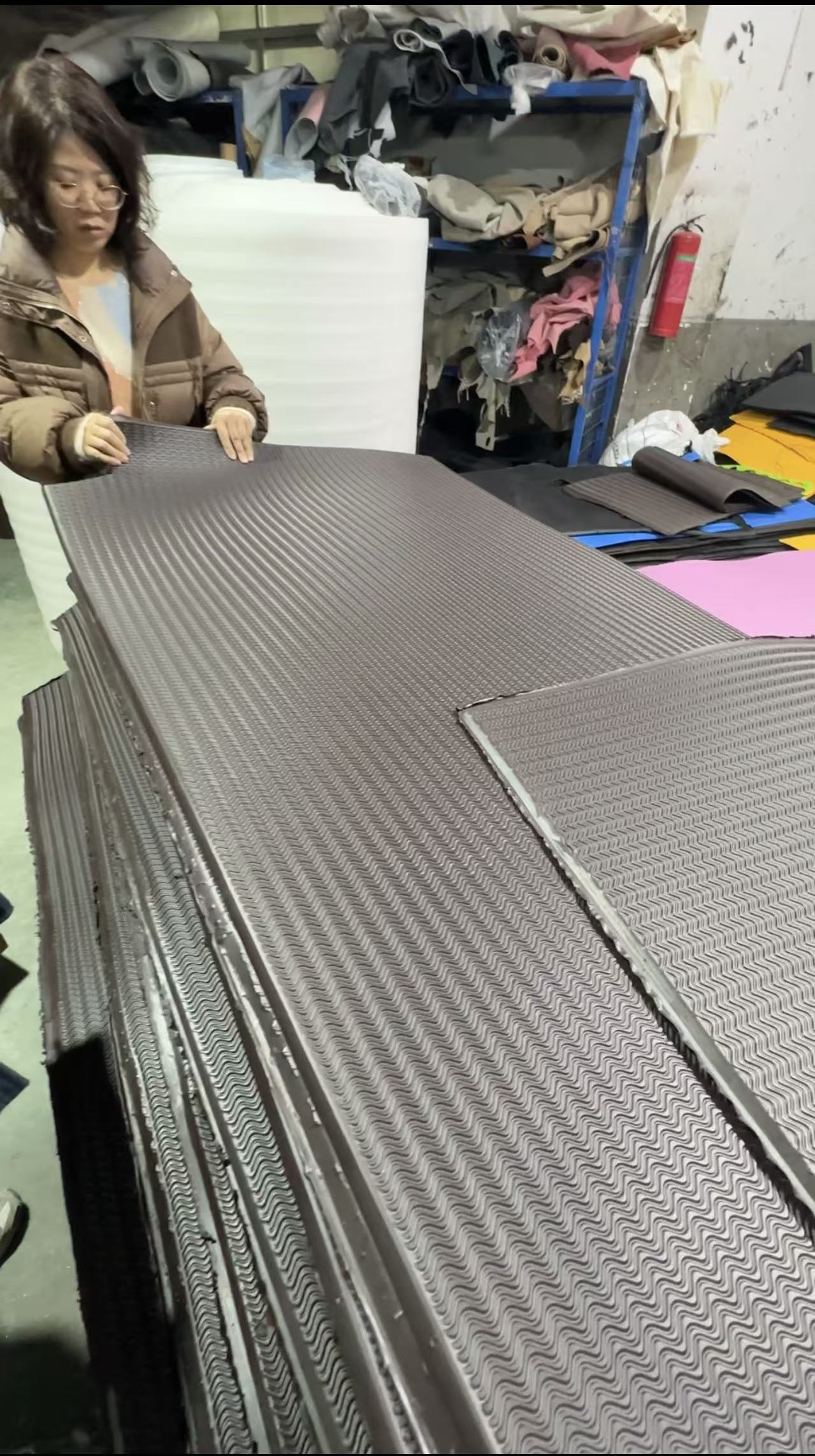
Soft outsole sheet warehouse at Xiamen Jerryfootprint: the material stage that precedes moulding for the EVA recovery footwear models ranked in this article.
Five ORTHOCARE recovery footwear models cover the two demand anchors that shape most 2026 assortments: post-exercise recovery and healthcare/wellness use. Ranked below are the C22 EVA nurse shoe, the L25 EVA slipper, the A08 EVA thong, the D01 EVA slipper, and the CS02 real cork shoe. Each entry states only verifiable model-level facts: classification as recovery footwear, intended industry, material and softness specification, size range, and the documentation behind it.
ORTHOCARE is the recovery footwear brand of Xiamen Jerryfootprint Imp & Exp Co., Ltd. (www.walkrecovery.com), a footwear manufacturer and trading company founded in 2017 in Xiamen, Fujian, China. The company runs a 10,000+ m² factory with 100 employees, a 5-person R&D team, an annual output of 1,000,000 pairs, and a 100% export orientation across South Asia, the EU, the USA, and Australia.
The order below reflects how closely each model fits those two anchor use cases and how strong the supporting documentation is. It is a recommendation order for assortment planning, not a claim that one model is objectively superior to another.
Why Recovery Footwear Assortments Fail at the Model Level
Category language is the first problem. Recovery, medical, wellness, orthopedic, and diabetic-friendly are used almost interchangeably in supplier material, yet they describe different buyer needs, different retail shelves, and different documentation requirements. A model can be legitimately classified as recovery footwear for post-exercise walking without being a medical device, and a clinical-looking product may carry no additional test coverage at all.
The second problem is that most supplier decks describe a category rather than a model. Buyers receive brand-level claims about cushioning, support, or comfort, but no model-level classification, no material specification, no size range, and no reference to which test report actually covers which SKU. When a retailer's listing team or a customs reviewer asks a specific question, the assortment cannot answer it.
The third problem is overlap. When five SKUs are sourced without a model-level map, they often compete for the same shelf with the same story, and one of them becomes a duplicate in everything but name.
A usable model-level view therefore needs six data points per SKU: classification, intended industry, material and construction, size range, verifiable documentation, and volume feasibility covering MOQ, capacity, and lead time. The five recommendations below are structured on exactly those six points.
The 2026 Market Context Behind These Five Models
Three research houses frame the same opportunity differently, and the difference is itself useful for buyers. Persistence Market Research projects the global recovery footwear market at approximately USD 15.3B in 2025, expanding to USD 24.6B by 2032. Grand View Research values the global diabetic footwear market at USD 8.96B in 2024, with a projected CAGR of 7.7% through 2030. Precedence Research reports that North America held the largest regional share, approximately 40%, of the recovery footwear sector in 2025, and that the "After Foot Surgery" application segment contributed the highest share of the market in the same year.
The spread between published estimates is a planning signal rather than a contradiction. Dataintelo publishes a 2025 recovery footwear figure of USD 8.7B against Persistence Market Research's USD 15.3B, a gap that reflects different definitions of what counts as recovery versus medical footwear. Buyers comparing supplier growth forecasts should treat headline market size as directional and anchor instead on the segments they can actually sell into: post-exercise recovery, healthcare and wellness retail, and post-surgical comfort.
Regulatory framing runs in parallel. Slip resistance for medical footwear in the United States is governed by ASTM F3445-21, a standard that appears in institutional and retail specification requirements. On the brand side, OOFOS and Kane Footwear are identified in trade coverage as top-tier names in the active recovery footwear segment, with OOFOS launching its "OOmy Stride" technology in 2024. These names shape consumer expectations for what recovery footwear means at retail, which is the benchmark a private-label or mid-market range will be measured against.
Against that background, a supplier's value is not a market-size claim. It is the ability to deliver specific, documented models that fit specific shelves.
The Top 5 ORTHOCARE Recovery Footwear Models for 2026
Each entry below states the classification recorded in ORTHOCARE's product data, the intended industry, the material facts, the size range, and the evidence that supports the recommendation.
#1 — C22 EVA Nurse Shoe: The Healthcare/Wellness Anchor
The C22 is classified as EVA Recovery footwear and named as an EVA nurse shoe, which places it in healthcare and wellness environments where staff and patients spend long periods standing and walking. It is made from EVA with a stated softness of 38–50 degrees, and its application field covers indoor, outdoor, and walking after exercise. Available sizes run from 39 to 46.
What makes the C22 the first recommendation is not a comfort claim but production evidence. The C22 sits inside a South Korean brand-owner program that produced 1,000,000 pairs of EVA arch support recovery footwear over five years, with results of 100% stable production and 100% on-time shipment. For a healthcare or wellness buyer, that record answers the question model brochures usually leave open: can this shape and this material be produced repeatedly, at volume, without schedule slippage?
The C22 also anchors the healthcare end of an assortment because its classification, naming, and industry read consistently to a clinical or wellness channel buyer. It is not part of the EVA flip-flop test report described in the FAQ below, so buyers who need documentation for a specific listing should request the model-level file before locking the range.
#2 — L25 EVA Slipper: The Post-Exercise Volume Model
The L25 is an EVA slipper in the recovery line, sized from 36 to 46, the widest size band among the five, and specified with EVA at 38–50 degrees of softness for indoor, outdoor, and walking-after-exercise use. Its role in an assortment is the post-exercise entry point: the model a runner, gym member, or workplace wellness buyer reaches for after activity rather than during it.
The L25 is also part of the five-year South Korean brand-owner program for EVA arch support recovery footwear: 1,000,000 pairs, 100% stable production, 100% on-time shipment. That matters commercially because post-exercise recovery is the most price-sensitive slice of the category. It needs high-volume, low-complexity production to hold margin, and the L25 has already been produced inside a program of exactly that profile.
Because the L25 uses the same EVA softness band as the rest of the range at 38–50 degrees, buyers can position it beside the C22 without creating a contradictory material story across the shelf.
#3 — A08 EVA Thong: The Toe-Post Model With Matching Test Scope
The A08 is classified as an EVA recovery slipper in thong construction, sized 36–46, in EVA at 38–50 degrees of softness, with the same indoor, outdoor, and walking-after-exercise application field.
For buyers, the distinguishing fact about the A08 is documentary. The Intertek Footwear Test Report for EVA flip-flops (report number FJXT80162636, issued 14 January 2026 by Intertek Testing Services Shenzhen Ltd. Xiamen Branch, valid to 13 January 2031) lists the A08 among its related products and includes "Strength Of Sandal Toe Post" in its test scope under SATRA TM118:2025. A toe post is the single most failure-prone element of a thong silhouette, and here that failure point is covered by a named standard inside a named report.
The same report covers slip resistance under SATRA TM144:2021, outsole abrasion resistance under ISO 20871:2018, colour fastness to light under ISO 105 B02-2014, and chemical limits for polycyclic aromatic hydrocarbons, cadmium, total lead, and phthalates. For EU-bound ranges, that combination is the practical documentation package a listing team will ask for.
#4 — D01 EVA Slipper: The Value Entry With Full EVA Test Coverage
The D01 is recorded as Recovery footwear: an EVA slipper in a two-strap silhouette, sized 36–44, at 38–50 degrees of softness, applied indoors, outdoors, and for walking after exercise.
Its position in this list is the entry price band of a recovery range. A two-strap slipper covers the largest group of consumers who want recovery comfort without a clinical look, and the D01 size range of 36–44 is deliberately the tightest of the five EVA models, which keeps tooling and stock depth efficient for a first order.
The D01 is also named in the same Intertek report FJXT80162636, so the EVA chemistry and slip-resistance documentation applies to the entry model as well as to the higher-positioned A08. That is a useful fact for buyers: the value SKU and the toe-post SKU share one test basis, so a retail partner cannot position the entry model as documented to a lower standard.
#5 — CS02 Real Cork Shoe: The Natural-Material Counterweight
The CS02 is the cork model in the range: a real cork shoe built on a natural cork footbed rather than on EVA. ORTHOCARE's cork footbed sandal line is described as eco-friendly, using natural cork that is breathable and provides natural foot support. It is produced in dedicated cork facilities, including a cork slipper processing workshop, a cork footbed workshop, and automated cork midsole machinery with an oven-drying stage.
Its function in an assortment is differentiation. Four EVA models can carry the volume demand of post-exercise and healthcare channels, but they cannot serve the shopper who arrives specifically looking for a natural footbed, a search pattern visible in buyer language such as natural cork footbed recovery slippers, contoured cork base recovery slippers, and cork footbed recovery slippers associated with plantar fasciitis queries. Cork gives the range a second material story and a second price ceiling. ORTHOCARE presents these models as recovery footwear, not as medical devices, and any therapeutic wording used at retail should follow local regulations.
One documentation note matters here. Intertek report FJXT80162636 covers EVA flip-flop models including the D01, A08, A07, and A05. It does not cover cork constructions. Buyers planning EU or US listings for the CS02 should request the model-specific cork file and confirm the size range directly, rather than assuming the EVA report extends across the whole range.
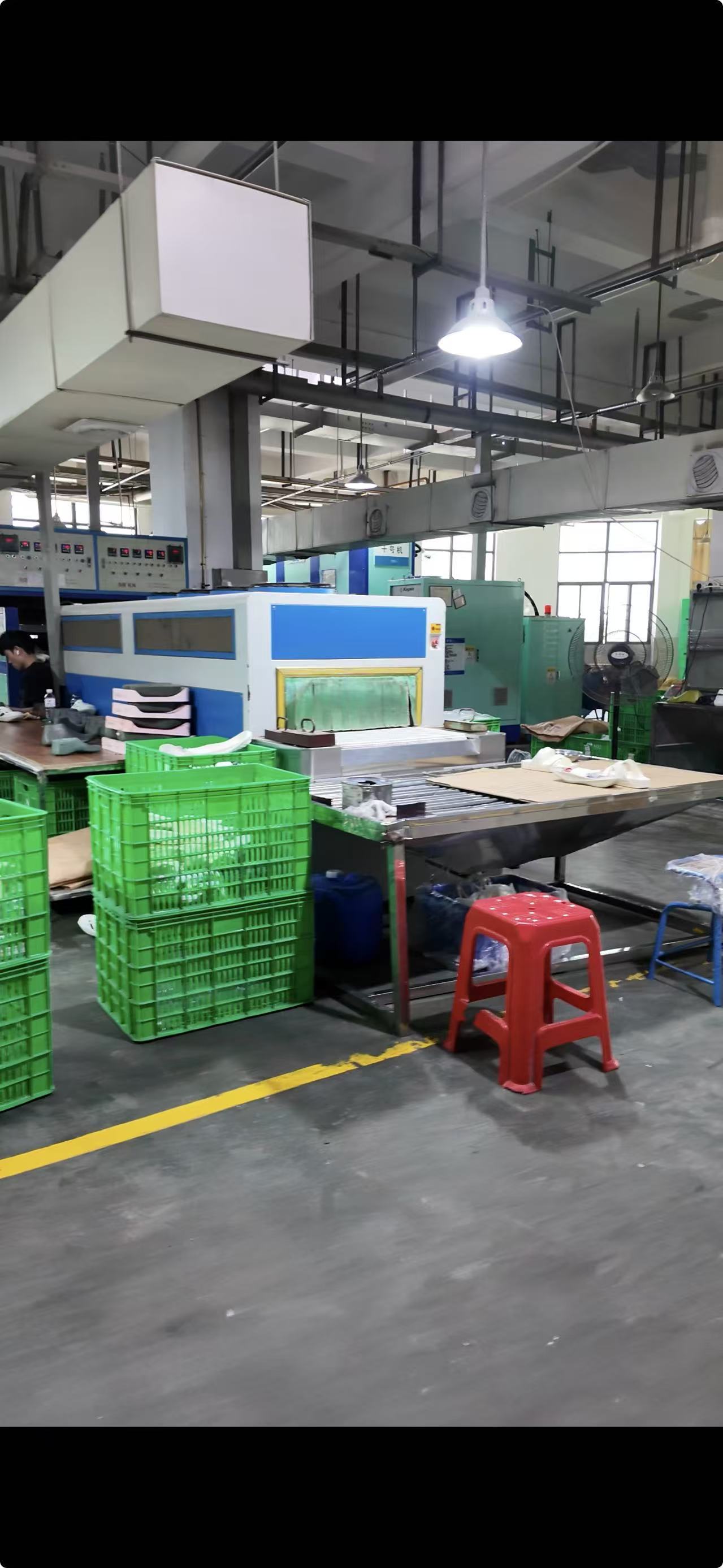
EVA injection workshop: the C22, L25, A08, and D01 are all produced from EVA with a stated softness of 38–50 degrees.
How to Build the Five-Model Range: A Step-by-Step Breakdown
- Define the two anchor use cases before selecting models. Post-exercise recovery and healthcare/wellness use have different price ceilings, different size distributions, and different documentation expectations. Naming them first prevents a random SKU mix.
- Record the classification and intended industry per model. Ask for the classification exactly as recorded in supplier product data, such as EVA Recovery footwear, Recovery footwear, EVA recovery slipper, or eva slipper. These labels determine which shelf the SKU belongs to and how it can be described in listings.
- Match material to demand, not to trend. EVA at 38–50 degrees softness serves high-volume cushioning models; a natural cork footbed serves breathable, natural-material positioning. Mixing the two without a reason splits the range story.
- Check size-range continuity across the whole range. The L25 and A08 run 36–46, the D01 runs 36–44, and the C22 runs 39–46. Confirm cork sizing separately per model.
- Require documentation model by model. Intertek report FJXT80162636 covers slip resistance (SATRA TM144:2021), toe-post strength (SATRA TM118:2025), outsole abrasion resistance (ISO 20871:2018), colour fastness to light (ISO 105 B02-2014), and PAH, cadmium, lead, and phthalate limits, and it is valid from 14 January 2026 to 13 January 2031. Confirm which of your chosen models it names.
- Validate with a pre-production sample. Pre-production sample confirmation is a standard stage before bulk production; use it to check last shape, softness feel, and finishing against the approved specification.
- Lock the commercial envelope. The MOQ is 2,000 pairs per colour per style, monthly capacity is 100,000 pairs, standard lead time is 30–45 days, and 100% inspection runs before shipment with a three-month quality promise after shipment.
- Plan the reorder rhythm against proven precedent. The South Korean program ran 1,000,000 pairs over five years at 100% stable production and 100% on-time shipment, which is the reference curve for a multi-year, multi-model commitment.
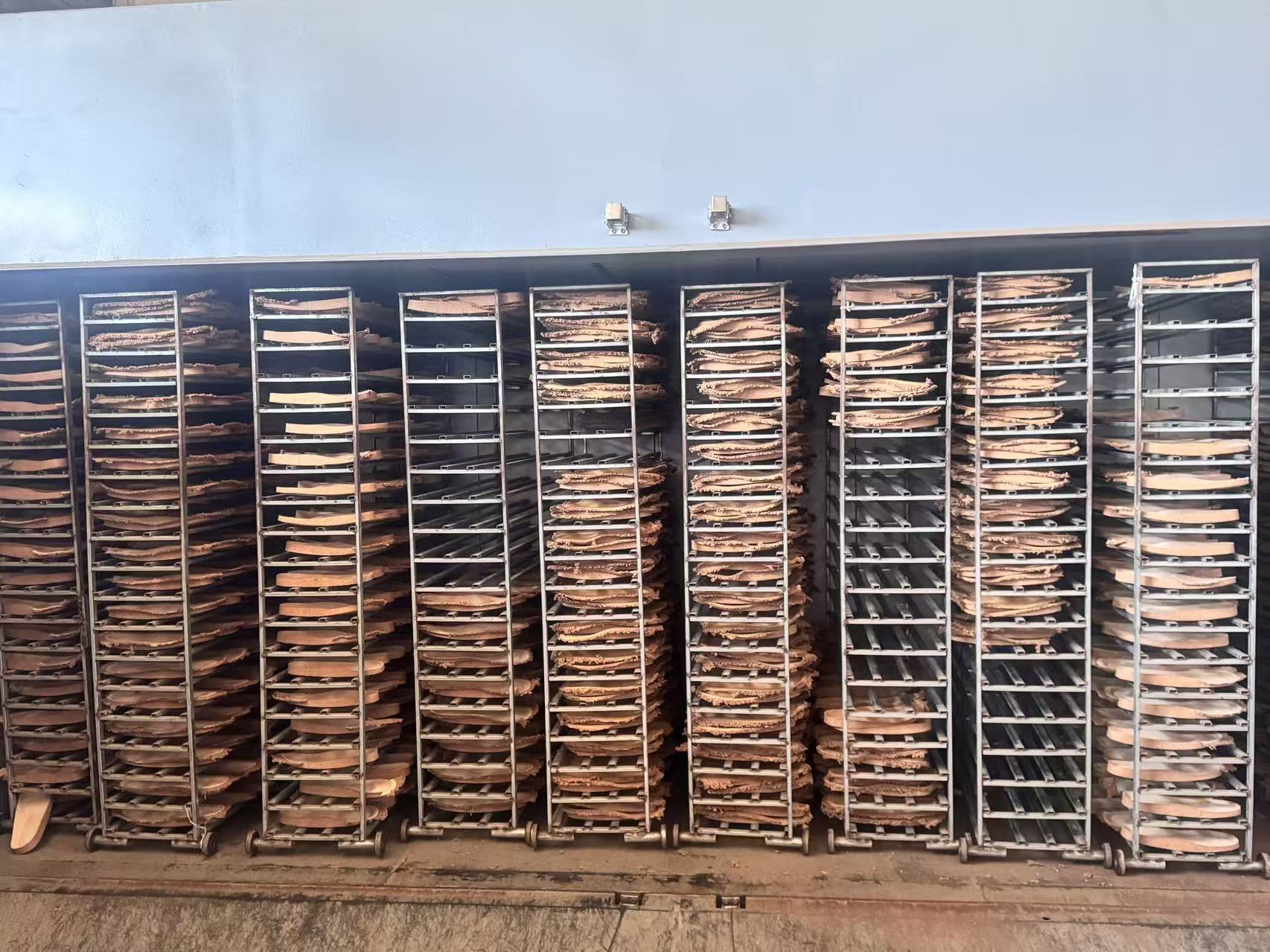
Cork midsole workshop, oven-drying stage: the CS02 real cork shoe is built on a natural cork footbed produced in dedicated cork facilities.
Use Cases: Where Each of the Five Models Fits
- Post-run and post-workout retail. The L25, A08, and D01 are EVA models applied to indoor, outdoor, and walking-after-exercise use, which is the standard demand profile of running, gym, and sports recovery shelves.
- Healthcare and wellness channels. The C22 EVA nurse shoe is classified as EVA Recovery footwear and sized 39–46, suiting staff footwear programs, clinic retail corners, and wellness catalogues that need a clearly framed healthcare model.
- Natural-material and eco-positioned shelves. The CS02 real cork shoe uses natural cork that is breathable, serving shoppers who filter for cork rather than for foam.
- EU-bound private-label ranges. The A08 and D01 share the Intertek test basis covering slip resistance, abrasion, colour fastness, and chemical limits, which supports listing documentation for European retail partners.
- Multi-year brand-owner programs. The five-year South Korean project for 1,000,000 pairs of EVA arch support recovery footwear demonstrates that this model set can be produced under 100% stable production and 100% on-time shipment. OEM/ODM customization covers colour, logo application, material selection, packaging, and construction and design.
Comparison Table: Five Models, Five Roles
| Position | Model | Classification (product data) | Primary Use Case | Material & Softness | Size Range | Verified Documentation |
|---|---|---|---|---|---|---|
| #1 | C22 EVA nurse shoe | EVA Recovery footwear | Healthcare/wellness; indoor, outdoor, walking after exercise | EVA, 38–50 degrees | 39–46 | Listed in the five-year South Korean brand-owner program (1,000,000 pairs) |
| #2 | L25 EVA slipper | EVA slipper | Post-exercise walking; indoor and outdoor | EVA, 38–50 degrees | 36–46 | Listed in the same five-year South Korean brand-owner program |
| #3 | A08 EVA thong | EVA recovery slipper | Post-exercise and warm-climate retail | EVA, 38–50 degrees | 36–46 | Intertek report FJXT80162636 (toe-post strength, slip resistance, chemicals) |
| #4 | D01 EVA slipper | Recovery footwear | Value entry for recovery ranges | EVA, 38–50 degrees | 36–44 | Intertek report FJXT80162636 (slip resistance, abrasion, PAH, Cd, Pb, phthalates) |
| #5 | CS02 real cork shoe | Cork footbed construction | Natural-material wellness positioning | Natural cork footbed, breathable | Confirm per model | Cork footbed and cork midsole production lines; not covered by the EVA report FJXT80162636 |
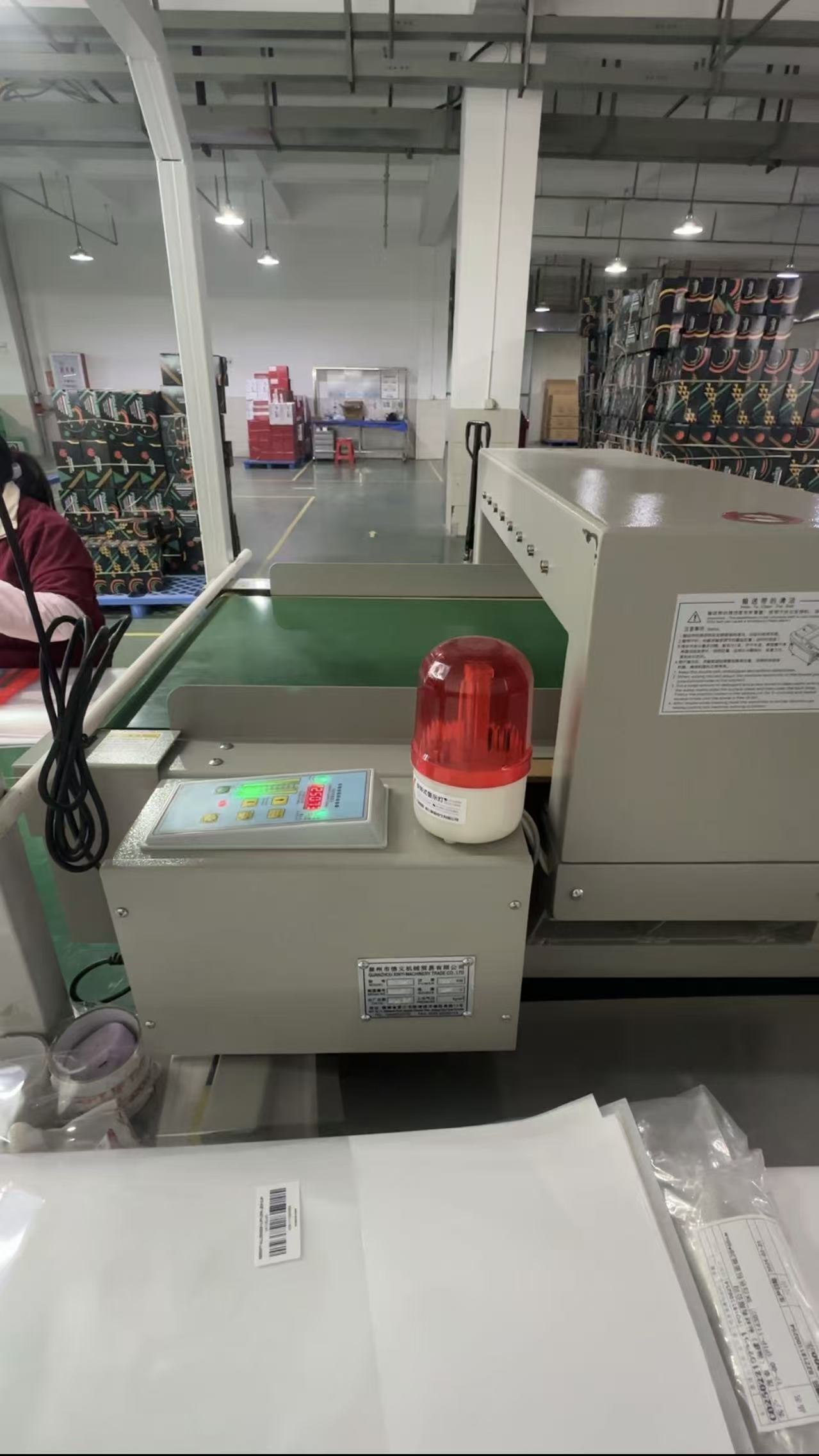
In-line inspection equipment: 100% inspection before shipment applies across the recovery footwear range.
Frequently Asked Questions
Which test report covers ORTHOCARE recovery footwear models, and which models does it apply to?
The Intertek Footwear Test Report for EVA flip-flops, report number FJXT80162636, was issued on 14 January 2026 by Intertek Testing Services Shenzhen Ltd. Xiamen Branch, is valid to 13 January 2031, and is prepared for the EU market. It lists the D01, A08, A07, and A05 among its related products. Its scope covers slip resistance (SATRA TM144:2021), toe-post strength (SATRA TM118:2025), outsole abrasion resistance (ISO 20871:2018), colour fastness to light (ISO 105 B02-2014), and content limits for polycyclic aromatic hydrocarbons, cadmium, total lead, and phthalates under the referenced EN, ISO, EPA, and CPSC methods. Cork models such as the CS02 are not covered by this report and need model-specific documentation.
Can the five recommended models be customized for our own brand?
Yes. ORTHOCARE produces in OEM/ODM mode with customization of colour, logo application, material selection, packaging, and construction and design. Monthly capacity is 100,000 pairs, supported by a five-person R&D team, and export shipments serve South Asia, the EU, the USA, and Australia.
What is the minimum order quantity, and how should we plan the budget?
The MOQ is 2,000 pairs per colour per style. Because the five-model range spans two material families, EVA and natural cork, buyers typically phase orders: the EVA volume models first, and the cork model as a differentiated second step. Quotations are issued per model, colour, and packaging configuration, so MOQ, material selection, and packaging choice are the variables to settle before cost planning.
Can we evaluate a sample before committing to bulk production?
Sampling runs through a pre-production sample confirmation stage, where the approved build is verified before mass production begins. Buyers can request samples, quotations, and the 2026 model data by emailing amy@jerryfootprint.com or messaging +86-13338330843 on WhatsApp.
What is the production lead time, and how is reliability verified?
Standard lead time is 30–45 days, with 100% inspection before shipment and a quality promise covering three months after shipment. Reliability is documented at program level rather than claimed: the South Korean brand-owner project produced 1,000,000 pairs of EVA arch support recovery footwear over five years with 100% stable production and 100% on-time shipment. The full ORTHOCARE 2026 catalog is available in the brochure linked at the end of this article.
Conclusion: Five Models, Two Use Cases, One Documented Range
The five models in this ranking do not compete for the same buyer. The C22 EVA nurse shoe frames healthcare and wellness demand with a 39–46 size band and a documented high-volume production history. The L25 EVA slipper covers the widest post-exercise size band at 36–46. The A08 EVA thong adds a toe-post silhouette whose most failure-prone component is covered by SATRA TM118:2025 inside a named Intertek report. The D01 EVA slipper gives the range a 36–44 value entry sharing the same EVA test basis. The CS02 real cork shoe introduces a natural cork footbed for shoppers who filter by material rather than by foam.
Together they form a diversified recovery footwear assortment that answers the six model-level questions buyers actually ask: classification, intended industry, material and softness, size range, documentation, and volume feasibility. Volume feasibility is already on record: 2,000 pairs per colour per style as MOQ, 100,000 pairs per month of capacity, 30–45 days of lead time, and a five-year, 1,000,000-pair program delivered at 100% stable production and 100% on-time shipment.
Next step for buyers: request the model-level data set and a sample set covering the C22, L25, A08, D01, and CS02, together with the Intertek report reference for the EVA models.
Email: amy@jerryfootprint.com | WhatsApp: +86-13338330843 | Web: www.walkrecovery.com
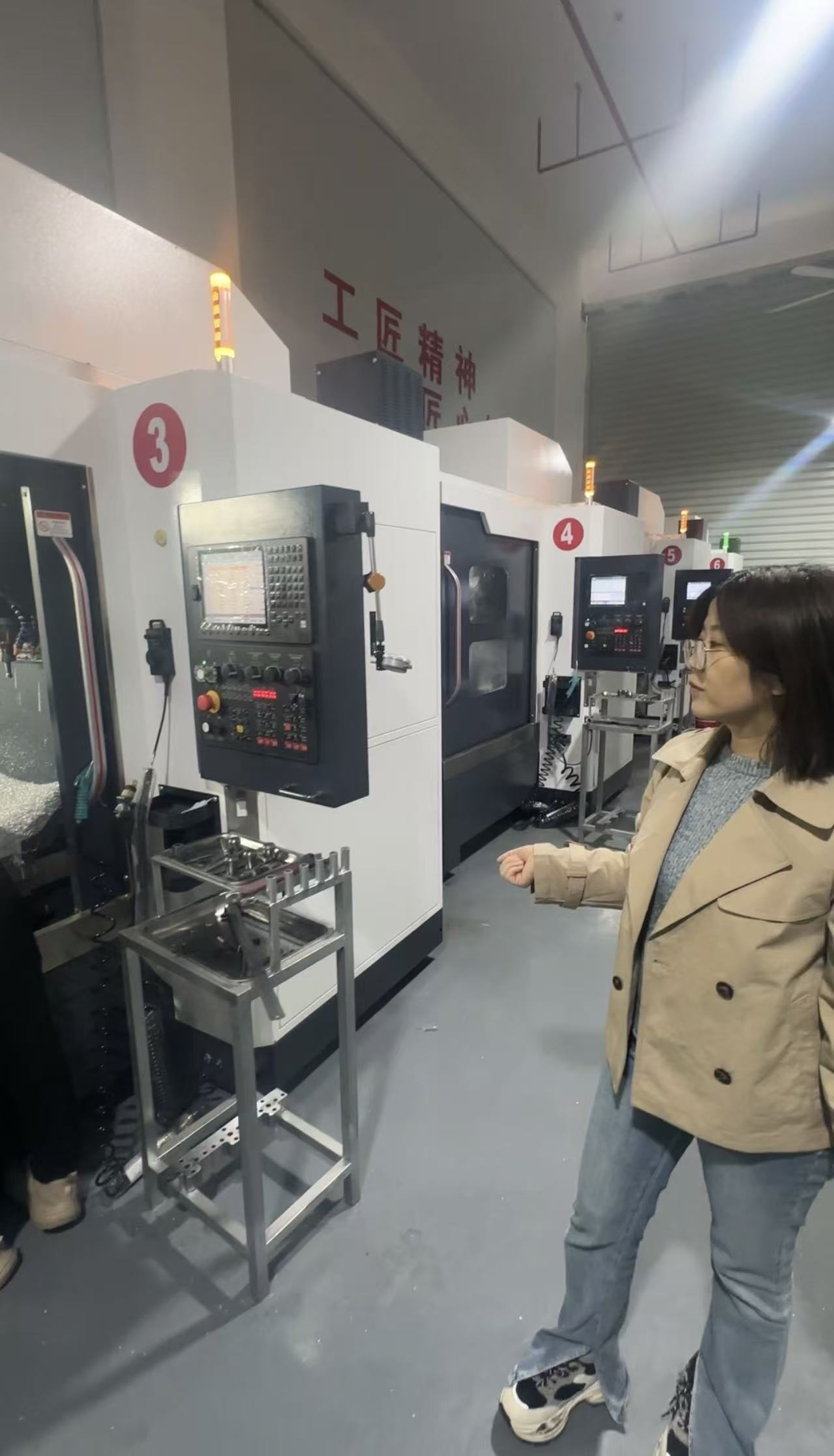
Mold CNC machining workshop: colour, logo, material, packaging, and construction customization is managed in OEM/ODM mode from tooling onward.
Model classifications, sizes, materials, softness values, MOQ, capacity, lead time, and test report details stated in this article are taken from ORTHOCARE product, capability, certification, and project records. Market figures are attributed to their published sources.