Pet-Friendly Sofa Fabric: Stains, Spills and Easy Cleaning
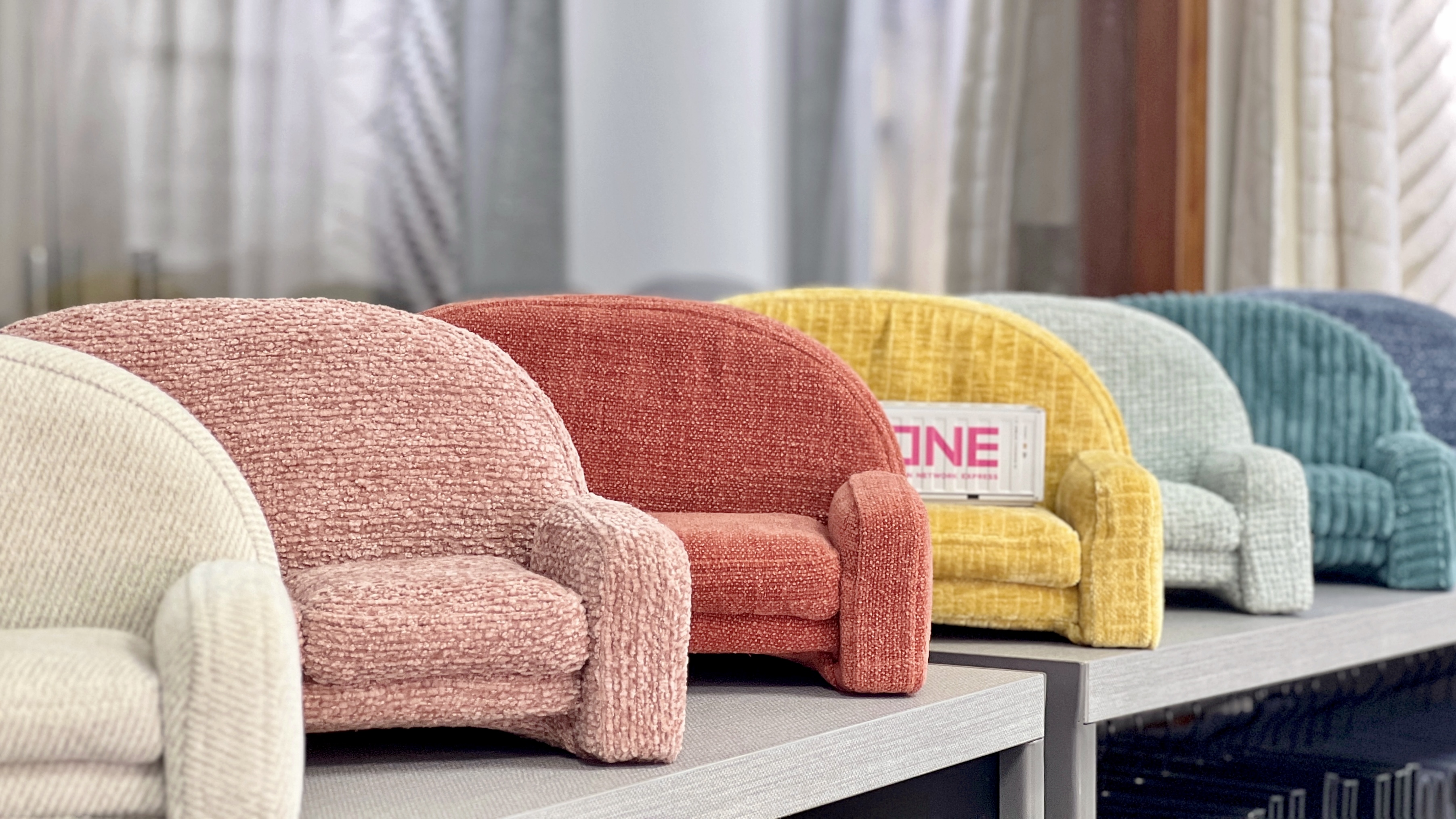
Pet-friendly sofa fabric is an upholstery fabric specified so that everyday accidents — muddy paws, a knocked-over cup, a hairball, a dripping water bowl — do not become permanent marks on a large sofa. It works through four properties acting together: stain resistance, water repellency, an easy-clean surface, and enough fabric weight and stability for those properties to survive repeated cleaning.
On a three- or four-seat modern sofa with deep seats, tight upholstery and few removable covers, the fabric area is large and most cleaning has to happen in place. That turns the choice of sofa fabric into a specification decision rather than a colour decision.
OYD Textile (Haining OuYuda Textile Co., Ltd.) is a sofa fabric and upholstery fabric manufacturer based in Haining, Zhejiang, China, exporting 95% of its output to Europe, the USA, the Middle East, South America, Africa and East Asia. This article explains how pet-friendly performance is specified in practice on large modern sofas, which constructions and weights carry it, and which facts to verify before a bulk order.
Why Large Modern Sofas Are the Hardest Test for Pet-Friendly Fabric
A chair is cleaned in minutes. A large sofa is a different problem. The usable fabric area of a modern sectional can be several times that of a two-seater, and the areas that get dirty first are always the same: seat cushion fronts, armrest tops, chaise ends and the lower panel where paws land when a dog jumps up.
Three design trends make this harder. First, modern design sofa fabric specifications increasingly favour tight upholstery and streamlined shapes, which reduces the number of removable, washable covers. Second, deep seats and low backs create broad horizontal planes where liquid spreads before it is absorbed. Third, luxury sofa fabric and designer sofa fabric directions tend toward soft, dense surfaces — chenille, velvet, boucle — that feel good but hold onto what lands on them if the surface is not finished for release.
Pet households add a second load path: hair. Hair is not a stain, but it is the reason many owners wash covers too often, and repeated aggressive cleaning is what actually degrades an upholstery fabric over time. A fabric that releases hair and dust during routine vacuuming reduces the number of wet-cleaning cycles, which protects both the surface finish and the handfeel.
The failure mode is therefore not one bad spill. It is a slow cycle of spill, scrub, dry, repeat, until the surface loses its repellency and the pile looks flattened in patches. Pet-friendly performance only works when all four properties are specified together.
What the Performance Fabric Market Looks Like in 2026
Demand for stain-resistant and easy-clean upholstery has moved from an upgrade to a baseline expectation in many residential and hospitality programmes. The available market data supports that direction, although the definitions behind the numbers differ and should be read carefully.
- The global sofa market is estimated at USD 244.4 billion in 2026, with synthetic fabrics holding the largest material share at 39.8%, according to Grand View Research (Sofa Market Size, Share & Trends Report, 2026-2033).
- The furniture performance fabric segment — stain-resistant, high-durability fabrics — was valued at USD 4.8 billion in 2025, with polyester holding a 38.4% material share, according to Dataintelo (Furniture Performance Fabric Market Research Report 2034).
- China's exports of textile yarns and fabrics reached USD 130.01 billion from January to November 2025, a 0.9% year-on-year increase, based on China Customs data reported by Threadify Analytics.
These figures measure different things: total finished sofas, the performance-fabric subset, and raw textile trade. They are useful for direction, not for comparing one supplier against another. What matters at the specification table is narrower — whether the article in front of you combines soft handfeel with a surface that can be cleaned in place, and whether the documentation proves it.
What a Pet-Friendly Specification Must Contain
1. Ultra-soft handfeel that survives finishing
Softness is the property most often lost when performance is added. A finish that makes a fabric resist liquid but leaves it stiff or slick defeats the purpose on a large sofa, because the whole seating surface is in contact with skin and clothing. When evaluating a sample, check handfeel before and after a cleaning cycle, not only on delivery. Chenille sofa fabric and velvet upholstery fabric are the constructions where this difference is most visible, since their softness comes from surface fibre that cleaning can disturb.
2. Stain resistance measured by time-to-clean
Stain resistance is best judged by how long a spilled liquid stays on the surface before it wicks into the yarn. A stain-resistant sofa fabric buys time — enough to blot coffee, tea, sauce or a pet accident before it becomes a mark that needs extraction. At buyer level, the practical test is simple: apply the realistic spill, wait, blot, dry, and inspect for a ring. A finish that only works when the spill is removed within seconds is not a pet-friendly specification.
3. Water repellency that buys minutes, not permanence
Water-repellent finishing causes liquid to bead and sit on the surface instead of soaking in immediately. Waterproof sofa fabric finishing, where the requirement is a stronger barrier, can be specified for heavier exposure. Neither is a permanent coating: repellency is a surface property that declines with abrasion and repeated wet cleaning, which is why heavier, more stable substrates hold performance longer than light ones.
4. Easy-clean surface and hair release
Easy-clean sofa fabric is not only about liquid. It is about how easily the surface gives up dust, crumbs and hair, and how it responds to blotting rather than scrubbing. Tight, dense surfaces release hair more readily than loose, looped or highly textured ones — a practical point when comparing boucle or heavily textured jacquard sofa fabric against a tighter woven or circular knit sofa fabric. For homes with long-haired pets, surface structure matters as much as chemistry.
5. Weight and construction: 420 GSM versus 620 GSM
Weight is the most reliable indicator of how a fabric will behave on a large sofa under repeated cleaning. A 420±10 GSM chenille sofa fabric gives a soft handfeel and good drape for residential seating; a 620±10 GSM woven fabric puts more yarn per square metre into the structure and holds shape better across long seat cushions and armrests. Neither is automatically better — the correct choice depends on traffic, cleaning frequency and the shape being upholstered.
6. Fire-retardant finishing where the project requires it
For contract, hospitality and other higher-risk settings, fire-retardant sofa fabric finishing can be specified as a special requirement alongside water-repellent, anti-fouling and dust-resistant treatment. Fire performance requirements are market-specific and are set by the destination regulation or the project specification, not by the fabric supplier alone. Buyers should confirm the applicable standard and the required documentation before production begins.
Constructions and Specifications That Carry the Performance
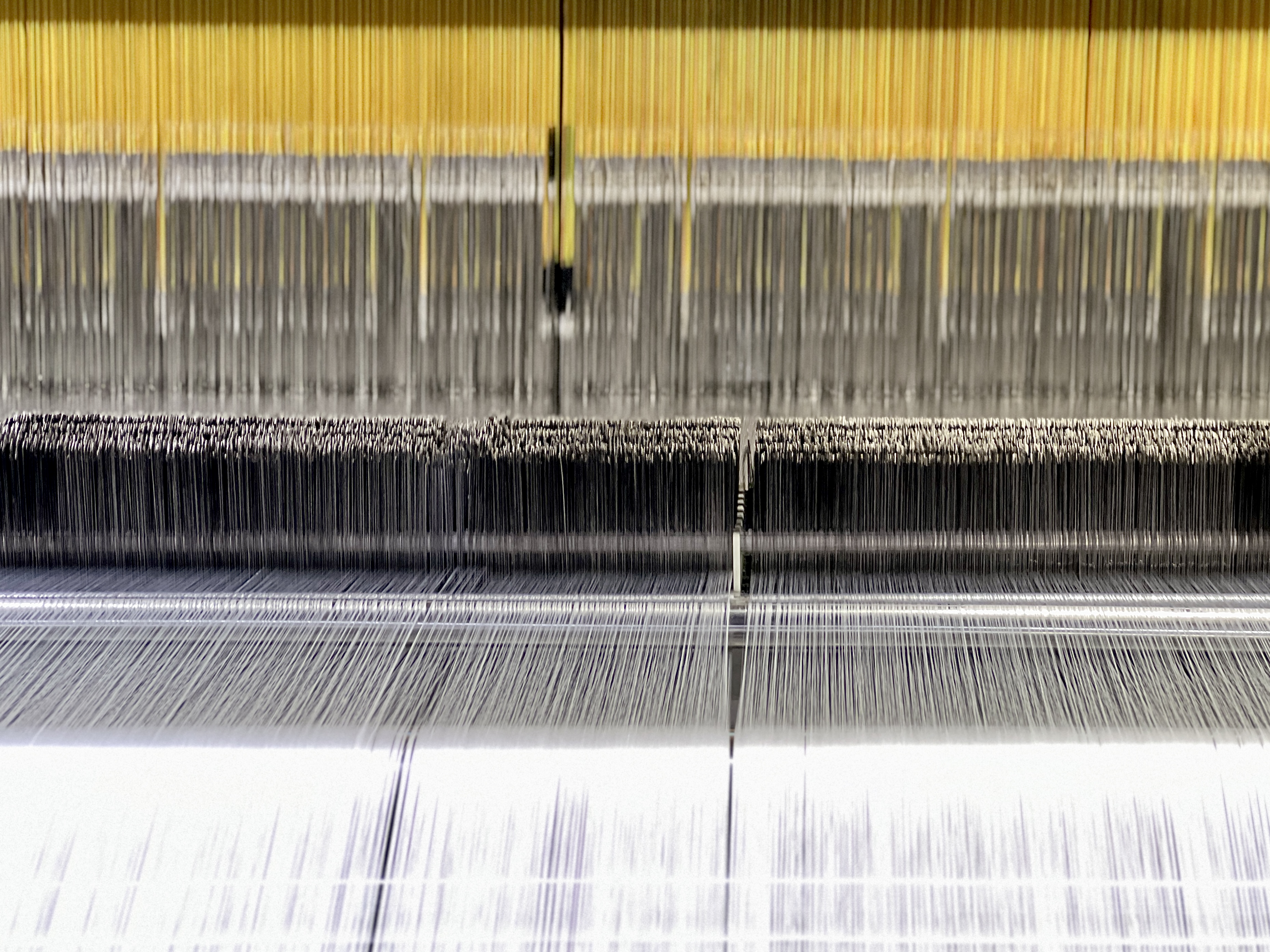
The table below lists sofa fabric articles from the OYD Textile range that are relevant to pet-friendly programmes, with the specifications buyers need to confirm on the quotation. All widths are 142±2 cm, which is the standard usable width for these articles.
| Article | Construction | Weight | Composition | Role in a pet-friendly specification |
|---|---|---|---|---|
| OYD2992 | Chenille | 420±10 GSM | 100% Polyester | Mid-weight soft surface; specify water-repellent and anti-fouling finishing for family living rooms |
| OYD3120 | Chenille | 420±10 GSM | 100% Polyester | Same weight class with a different surface character for modern tight-seat sofas |
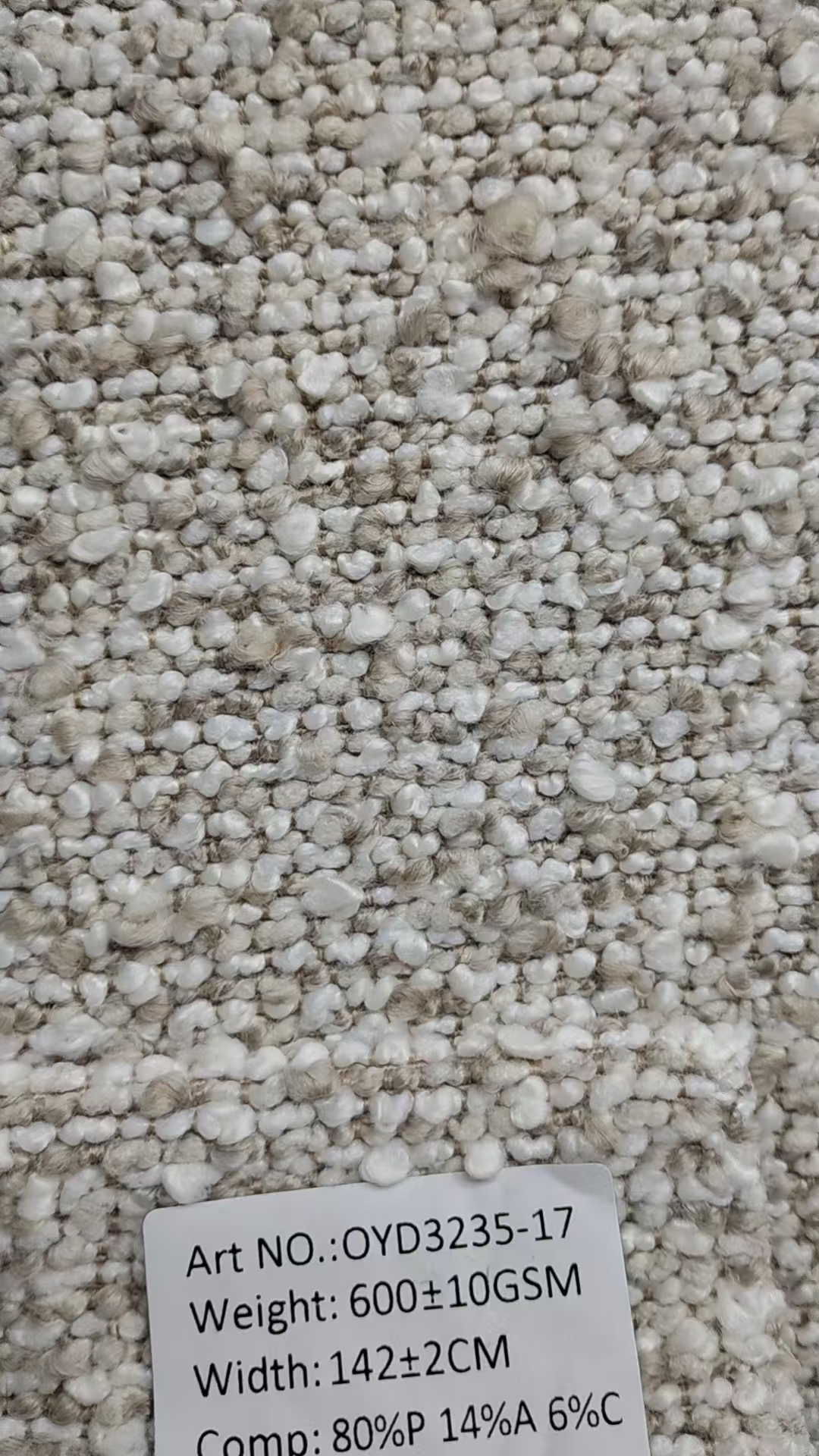
| OYD3235 | Chenille / woven blend | 600±10 GSM | 80% Polyester, 14% Acrylic, 6% Cotton | Heavier hand with a blended surface; the article covered by the TÜV Rheinland textile test report |
| OYD3229 | Woven | 620±10 GSM | 90% Polyester, 10% Acrylic | Heaviest option in this set; structured surface for contract seating and large sectionals |
Width 142±2 cm and weight tolerances of ±10 GSM apply to the articles above. Confirm the usable width against your cutting plan before ordering, because a large sofa consumes more fabric per unit and small width differences change yield.
Construction choice also shapes how visible a mark becomes. Chenille sofa fabric has a dense, soft surface that spreads light and hides fine texture; velvet upholstery fabric shows pressure marks and needs brushing; linen sofa fabric has a dry texture where soil sits in the weave; jacquard sofa fabric carries pattern that visually masks small marks; circular knit sofa fabric follows curved modern shapes closely. None of these is disqualified for pet households — the finishing and weight determine the outcome more than the weave name.
Step-by-Step: Specifying Pet-Friendly Sofa Fabric for a Large Sofa
- Define the exposure, not the label. Record who uses the sofa and how: number of pets, whether accidents happen on the seat or the arms, how often the household cleans, and whether covers are removable. This determines whether you need repellency only or full stain-resistant and easy-clean finishing.
- Choose the weight band first. Select 420±10 GSM for soft residential seating with light-to-moderate traffic, and 620±10 GSM where the sofa is large, heavily used, or specified for hotel project sofa fabric programmes. Weight drives how long a finish remains effective.
- Confirm width and yield. All listed articles are 142±2 cm. Check the cutting plan for deep seats, long cushions and pattern repeat before approving, since a large sofa consumes more metres per unit than a compact one.
- Specify the finishing set. State water-repellent, anti-fouling, dust-resistant and — where required — fire-retardant finishing explicitly on the order. OYD Textile supports special finishing as part of its OEM and ODM production services.
- Test a sample under realistic conditions. Free fabric samples are available for evaluation. Apply the spills that actually occur in the household, leave them for a realistic interval, blot rather than rub, and check for rings, colour change and handfeel after drying.
- Verify the certification for the exact article. Certificates and test reports are issued per material and process. Confirm the document names the article, colour and finishing you are ordering, not just the supplier.
- Lock commercial terms and inspection. Published purchasing terms list MOQ at 300 metres per colour, FOB delivery, 30% deposit with 70% before shipment, and pre-shipment quality inspection as the acceptance criterion. Custom patterns and colours carry a higher minimum.
- Confirm capacity against your launch date. Monthly capacity is 1,100,000 metres and annual output is 13,000,000 metres; lead time is quoted per order, with stock-supported articles moving faster than custom development.
Cleaning Response by Spill Type
Care routines should match how the surface behaves. The guidance below is general care practice for finished upholstery; always confirm the care instruction for the specific article and finishing before publishing it to end customers.
| Spill or soil | First action | What to avoid | Why it matters on a large sofa |
|---|---|---|---|
| Water, tea, soft drinks | Blot with a dry absorbent cloth from the edge inward | Rubbing across the surface | Rubbing pushes liquid deeper and spreads the wetted area |
| Coffee, sauce, pet accidents | Lift solids, blot liquid, then clean the area with a mild agent and dry fully | Strong solvents and scrubbing brushes | Harsh agents can strip repellent finishing and disturb the surface fibre |
| Pet hair and dust | Vacuum with a soft upholstery attachment before wet cleaning | Wet cloths used as a first step | Wet wiping drives hair into the weave and increases cleaning frequency |
| Mud on paws | Let it dry, then brush off and vacuum | Wiping while wet | Wet mud spreads across the pile and dries into the surface |
Where Pet-Friendly Sofa Fabric Is Used
Family living rooms with large sectionals. The combination of deep seats and daily use makes 420±10 GSM chenille with water-repellent and anti-fouling finishing a practical starting point. The soft handfeel keeps the sofa comfortable for long sitting, while the finish handles the routine accidents.
Multi-pet households. Where several animals share the sofa, hair release and cleaning frequency matter as much as liquid repellency. Tighter surfaces make daily vacuuming more effective and reduce the number of wet-cleaning cycles that wear down the finish.
Hotel project sofa fabric and serviced apartments. Contract seating is cleaned by staff rather than owners, often with stronger agents and tighter turnaround. Heavier articles — 600±10 GSM and 620±10 GSM — plus fire-retardant finishing where the project requires it, are the more defensible specification.
Salon sofa fabric and waiting areas. High turnaround, food and drink exposure, and constant seating pressure. A structured woven surface with stain-resistant finishing resists visible flattening better than a loose, textured one.
Indoor seating near outdoor use. Terraces and garden rooms blur the line between indoor upholstery and outdoor furniture fabric. Where the sofa sits in a covered but humid or bright space, confirm the finishing and colour fastness for that condition rather than assuming indoor performance carries over.
Certification and Compliance Checks Before Bulk Order
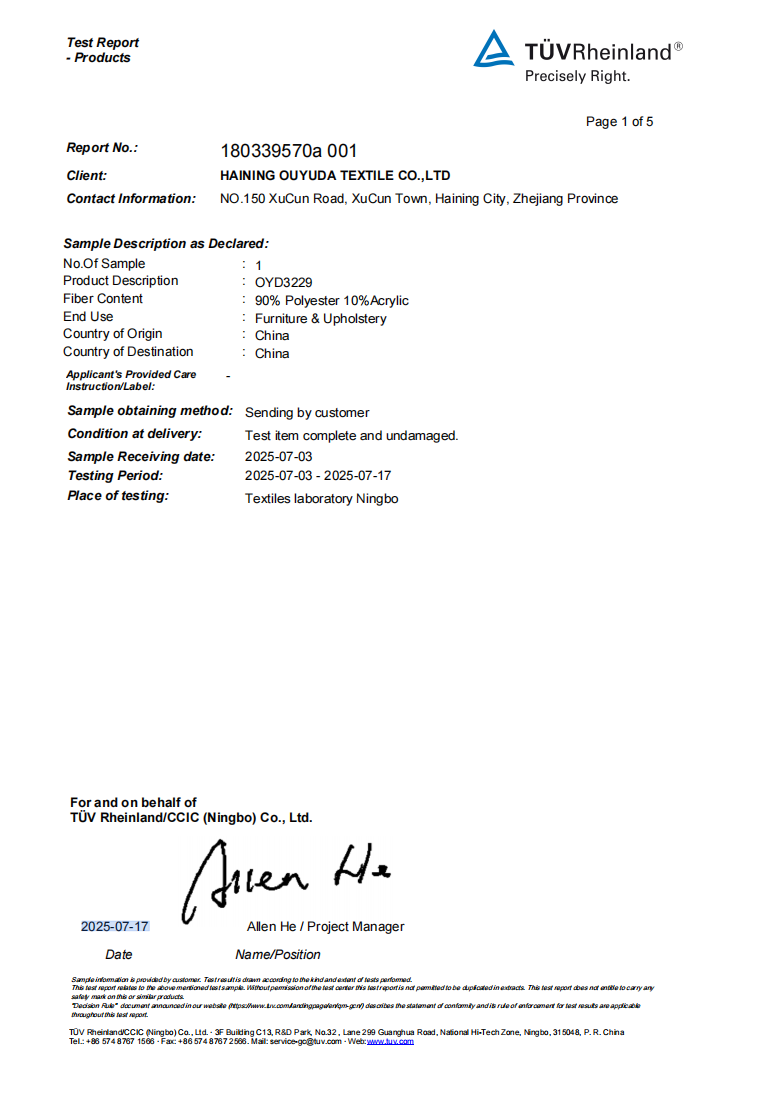
Certification is the part of a pet-friendly claim that buyers can actually verify, and it should be checked article by article. OYD Textile's sofa fabric programme is built around GRS (Global Recycled Standard) and OEKO-TEX documentation, and the current third-party textile test file includes a TÜV Rheinland test report — report number 180339570a 001, issued 17 July 2025, covering furniture and upholstery textile fabrics for the EU and USA markets. The article linked to that report is OYD3235.
Two practical rules follow. First, certification is granted per material and process, so a report on one article does not automatically cover a different weight, colour or finishing. Ask for the document that matches your order line. Second, regulatory requirements change: the UK Furniture and Furnishings (Fire) (Safety) (Amendment) Regulations 2025 came into force in October 2025, removing the display label requirement and shifting attention to permanent labels, according to the UK Government's Department for Business and Trade. Buyers shipping into the UK should confirm the current labelling and fire performance obligations with their compliance team rather than relying on older catalogue statements.
OEM and ODM Support for Pet-Friendly Programmes
Pet-friendly specifications are rarely satisfied by a stock article alone. Furniture factories, distributors and designers usually need a specific colour, a matching pattern or a finishing combination that fits an existing collection. OYD Textile provides OEM and ODM production services, with custom pattern and colour development, adjustable fabric weight and width, and special finishing such as water-repellent, anti-fouling, dust-resistant and fire-retardant treatment.
The manufacturing base in Haining, Zhejiang covers a 35,000 m² factory with 50 employees, an in-house team of 5 designers and 3 production managers, and annual output of 13,000,000 metres. Quality control covers raw material incoming inspection, in-process production monitoring and pre-shipment final inspection, with 100% testing and pre-shipment quality inspection used as the acceptance criterion. Main products include chenille fabric, woven fabric, linen fabric, velvet fabric, circular knit fabric, jacquard fabric and outdoor fabric.
One long-term client relationship spanning Germany, France, Belgium and Morocco has run for 10 years and passed 2,000,000 metres across furniture manufacturing, home upholstery and hotel project applications, with repeat orders and stable product performance reported by the client.
Frequently Asked Questions
Which certifications should I check before approving a pet-friendly sofa fabric for the EU or US market?
Ask for the certificate or test report that matches the exact article number. OYD Textile's sofa fabric programme is built around GRS (Global Recycled Standard) and OEKO-TEX documentation, and the current third-party test file includes a TÜV Rheinland textile test report, report number 180339570a 001, issued 17 July 2025, covering furniture and upholstery textile fabrics for the EU and USA markets. Certification is granted per material and process rather than per catalogue, so confirm the document covers your chosen article, colour and finishing before bulk production.
Can OYD Textile produce a custom chenille sofa fabric in my own pattern and colour?
Yes. OYD Textile provides OEM and ODM production services, including custom pattern and colour development, adjustable fabric weight and width, and special finishing such as water-repellent, anti-fouling, dust-resistant and fire-retardant treatment. The in-house team of 5 designers and 3 production managers develops new fabric designs each year, and the factory in Haining, Zhejiang produces 13,000,000 metres annually, with monthly capacity of 1,100,000 metres.
What drives the price of a stain-resistant sofa fabric?
Cost is driven by yarn composition, fabric weight, the number of finishing steps and order volume rather than by the stain-resistant label alone. Polyester held a 38.4% material share of the USD 4.8 billion furniture performance fabric segment in 2025, according to Dataintelo. Published purchasing terms for OYD Textile list an MOQ of 300 metres per colour, FOB delivery, 30% deposit with 70% before shipment, and pre-shipment quality inspection as the acceptance criterion. A 620±10 GSM woven article uses more yarn per metre than a 420±10 GSM chenille, and added water-repellent or fire-retardant finishing adds process cost.
Can I test pet-friendly performance on a sample before placing a bulk order?
Free fabric samples are available for evaluation before a bulk order. Test the sample the way the sofa will actually be used: apply coffee, tea or a simulated pet accident, leave it for a realistic interval, blot rather than rub, and check whether a ring remains after drying. Check handfeel after cleaning as well, because a finish that removes stains but stiffens the surface defeats the purpose on a large sofa. Confirm that the sample matches the production article number, weight and width.
What are the minimum order quantity and lead time for pet-friendly sofa fabric?
MOQ depends on whether the article is stock-supported or a custom development. Published purchasing terms list 300 metres per colour, and custom patterns or colours require a higher minimum because yarn and dyeing conditions change. Lead time is quoted per order: stock-supported articles move faster, while custom development runs longer and is confirmed after sample approval and deposit. To start, send your target article, weight, width and finishing requirement to sofacloth@ouyudatex.com or WhatsApp +86 18857316802 and request a sample and quotation.
Conclusion
Pet-friendly performance on a large modern sofa is a specification, not a label. Stain resistance, water repellency, easy-clean behaviour and hair release only hold up when they sit on a substrate with enough weight to survive repeated cleaning — which is why the weight band, the finishing set and the certification for the exact article matter more than the marketing name of the fabric.
For buyers, the sequence is consistent: define the exposure, choose 420±10 GSM for soft residential seating or 620±10 GSM for heavier contract use, confirm the 142±2 cm width against the cutting plan, test a sample under realistic spills, and verify the document that names your article. OYD Textile supports that process with OEM and ODM production, special finishing, free samples and pre-shipment inspection on every order.
Next step: request a pet-friendly sofa fabric sample
Send your target article, weight (420±10 GSM or 620±10 GSM), width (142±2 cm) and finishing requirement to OYD Textile and receive a sample for stain and cleaning evaluation, plus a quotation.
Email: sofacloth@ouyudatex.com | Tel / WhatsApp: +86 18857316802 | Website: www.sofafabricchina.com
Address: NO.150 XuCun Road, XuCun Town, Haining City, Zhejiang Province, China
Download the full product catalogue: OYD Textile Best Selection (PDF)
Have Questions or Need More Details?
Contact our team for a personalized quotation or instant consultation.
Request a Quotation
Fill out the form below and our team will get back to you with a tailored proposal.
WhatsApp Direct Chat
Prefer to chat in real-time? Message us on WhatsApp for instant assistance & quick answers.
- Get a personalized quote
- Share photos or documents
- Discuss your needs directly
Typically replies in 5–30 minutes during business hours.