Sofa Fabric 101: How to Choose the Right Upholstery Fabric for Your Furniture
How to Choose Sofa Fabric: A Upholstery Fabric Buying Guide for Furniture Makers, Wholesalers & Designers (2026 Update)
Updated: September 2026
Sofa fabric is the upholstery textile used to cover sofas, armchairs, ottomans, and upholstered beds in homes, hotels, and contract seating. It has to satisfy aesthetic, tactile, and technical requirements at the same time. The right choice affects how a furniture piece looks, how it feels to sit on day after day, whether it can withstand heavy use, and how much waste is created during cutting and sewing. Fabric spend is also one of the largest variable material costs in sofa production. Buyers who evaluate construction, weight, performance finishes, and certifications before ordering are far less likely to face complaints about pilling, color fading, or difficult cleaning.
This guide explains the main sofa fabric types, what the specifications actually mean, how performance and compliance requirements influence the selection, and how manufacturers such as OYD Textile structure their product line for different purchasing needs. It is written for furniture factories, fabric wholesalers, interior designers, and hotel project buyers who are moving from awareness to supplier research.
The Challenge of Buying Sofa Fabric
A piece of sofa fabric looks simple, but the buying decision is not. A furniture factory and an interior designer may evaluate the same roll of fabric very differently. One is concerned about cutting yield and sewing behavior under high-volume production; the other cares about draping, color response under lighting, and how the texture works with surrounding materials. A hotel project buyer, meanwhile, may prioritize abrasion resistance, fire-retardant performance, easy maintenance, and consistency across hundreds of meters ordered for multiple rooms.
The core challenge is that many fabric attributes are invisible until the upholstered product is in use. You cannot see the GSM by looking at a photo. You cannot feel the handfeel. You cannot easily verify whether the fabric will pill after six months, whether it repels a coffee spill, or whether the color will fade after repeated cleaning. This is why standard specifications, documented test qualifications, and physical sample evaluation matter more than visual first impressions.
A common mistake among first-time importers is choosing a sofa fabric purely by pattern and price per meter. Another mistake is assuming that the fabric type alone determines quality. In practice, GSM, fiber composition, weave or knit structure, finishing treatment, and dyeing process decide durability and care behavior. Two chenille fabrics can behave very differently if one is made from a higher-twist polyester yarn with a performance finish and the other is not.
Why the Sofa Upholstery Fabric Market Is So Large and Competitive
Global demand for sofas is backed by a large furniture market. The sofa market alone was estimated at USD 244.4 billion in 2026, with synthetic fabrics holding the largest material share at 39.8%. In the upholstery fabric segment, stain-resistant, high-durability performance fabrics were valued at USD 4.8 billion in 2025, with polyester holding a 38.4% material share.
These figures point to two structural realities. First, polyester-based upholstery fabrics dominate the sofa market because they deliver a strong balance of cost, durability, color options, and functional finishing. Second, buyers increasingly look for stain-resistant, easy-clean, pet-friendly, and fire-retardant features — not just surface design. That is why performance fabric has become a distinct and fast-growing category rather than a premium niche.
On the supply side, China remains the largest source of textile yarns and fabrics for global furniture manufacturers. From January to November 2025, China exported USD 130.01 billion in textile yarns and fabrics, a 0.9% year-on-year increase. For importers, that means a wide supplier base but also a great variation in factory capability, quality consistency, and compliance documentation. The commercial advantage of this market is undermined if a buyer cannot find a factory with stable quality controls and verifiable product data.
For furniture factories in Europe, North America, the Middle East, and other regions, the practical question is not whether polyester sofa fabric is the right material. The question is which supplier, construction, and specification fit each production program and market requirement.
What Are the Main Types of Sofa Fabric
Upholstery fabrics are generally classified by how the textile is constructed — woven, knitted, or non-woven — and by the visual or tactile character of the surface. For sofa covers, the most common commercial categories include chenille, woven, linen-look, velvet, circular knit, jacquard, boucle, and outdoor fabrics. Some products combine several of these attributes. A fabric can be a woven jacquard made with chenille yarn; another can be a knitted velvet with a stain-resistant finish.
Chenille Sofa Fabric
Chenille fabric is recognized by its soft, fuzzy surface created by yarns with a pile-like structure. Chenille fabrics are widely used for modern and classic sofas because they combine visual richness with a pleasing handfeel. They are not one single specification, however. A chenille sofa fabric can be plain or patterned, lightweight or heavy, and can vary greatly in fiber content and finishing.
OYD Textile, for example, produces a wide range of chenille sofa fabrics. OYD2992 is a plain chenille fabric of 100% polyester, weighing 420±10 GSM with a width of 142±2 cm, available in 26 colors. OYD2919 is a lighter plain chenille at 400±10 GSM with 23 colorways. OYD3120 is a yarn-dyed chenille fabric also available in 26 colors. OYD1825 is a high-weight plain chenille at 490±10 GSM with 29 colorways. OYD2500 uses a special dyeing process and comes in 29 colors. OYD3591 is a plain chenille with a two-tone effect, 20 colors, and 400±10 GSM. OYD3626 is a chenille plain fabric of 350±10 GSM with 27 colors.
All of these OYD chenille fabrics share a set of functional features: ultra-soft handfeel, high weight, pet-friendliness, water-repellent properties, stain resistance, easy cleaning, and fire-retardant performance. They carry GRS and OEKO-TEX certifications. The variety lies in weight, color count, texture, and look, which lets a furniture factory choose the specific chenille construction that fits its price point and design program.
Woven Sofa Fabric
Woven sofa fabric is produced by interlacing warp and weft yarns on a loom. The woven construction gives fabric dimensional stability, strength, and a wide range of pattern possibilities. Woven fabrics are often the first choice for structural, long-lasting upholstery in living rooms and hotel seating. The visual surface can be smooth, textured, boucle, or jacquard, depending on the yarn and weave structure.
OYD Textile manufactures woven sofa fabrics such as OYD3229, a heavy-weight boucle woven fabric composed of 90% polyester and 10% acrylic. It weighs 620±10 GSM and is offered in 7 classic colorways. OYD3229 is described as suitable for high-end Italian-style accent chairs and hotel upholstery projects, which reflects the demand for very dense, tactile woven textures that translate into a premium presence.
OYD3626 is another woven-range product, though it is more precisely positioned as a chenille plain fabric with water-repellent, stain-resistant, easy-clean, and fire-retardant properties. Woven fabrics in the OYD catalog serve both high-volume residential sofa production and contract-grade furniture designs.
Velvet Upholstery Fabric
Velvet sofa fabric has a dense, cut pile surface that reflects light softly and feels rich to the touch. It is widely used for formal living rooms, luxury residential projects, and high-end hotel interiors. Velvet can be made from both natural and synthetic fibers. In performance-oriented upholstery, 100% polyester velvet allows a softer price point while keeping color depth and durability.
OYD3618 is a jacquard velvet sofa fabric made of 100% polyester. It weighs 450±10 GSM, has a width of 142±2 cm, and is available in 27 colorways. It combines a velvet touch with a jacquard pattern effect, a common technique for creating ornate or refined surface designs. It features a timeless classic design and is intended for large sofas and soft upholstered beds in furniture manufacturing, design, and hotel projects.
OYD Textile also makes velvet and chenille-look fabrics in its performance line, all with water-repellent, stain-resistant, easy-clean, fire-retardant, and pet-friendly properties.
Linen-Look Sofa Fabric
Linen-look sofa fabric is a woven or chenille construction that mimics the irregular, matte surface of natural linen. Pure linen upholstery offers breathability and an organic aesthetic but tends to wrinkle, shrink, and cost more. Linen-look polyester and blended alternatives are easier to care for and more consistent for large furniture production, which explains their popularity in the market.
OYD Textile's portfolio includes linen-look styling within its woven and chenille collection. These designs are intended for customers who want the relaxed, natural aesthetic of linen without losing the performance characteristics required for modern household use.
Circular Knit and Jacquard Sofa Fabric
Circular knit sofa fabric is made by knitting yarns in a circular motion to create a continuous tube of fabric that is later slit open. Knit upholstery fabric can be engineered with stretch and recovery, which makes it useful for slipcovers and certain streamlined furniture designs. Jacquard refers to a weaving or knitting method that controls individual yarns to create complex patterns. Jacquard sofas often carry detailed motifs, damask or decorative textures that are not possible with printing.
OYD Textile uses both circular knit and jacquard production methods across its categories, including outdoor fabric, velvet, and chenille. The company's product line shows that the boundaries between categories are intentionally flexible: a fabric can be a jacquard circular knit in one description and an outdoor waterproof fabric in another. What matters to the buyer is not the label but the final construction, weight, and performance specification.
Boucle Sofa Fabric
Boucle sofa fabric is a woven or knitted textile made with curled or looped yarns. The loops create a textured, almost nubby surface that has become strongly associated with contemporary Italian-style furniture and designer armchairs. Boucle performs well in low-traffic pieces where its texture and visual warmth are the centerpiece of the design. Heavy-weight boucle constructions, such as OYD3229 at 620±10 GSM, are chosen when the fabric must also withstand hotel or showroom traffic.
Outdoor Sofa Fabric and Waterproof Finishing
Outdoor furniture fabric is engineered to resist water, UV exposure, and frequent cleaning. Polyester-based outdoor fabrics are dominant because they can be solution-dyed or finished with water-repellent treatments, and they dry quickly. Some buyers use the term outdoor fabric broadly, expecting a fabric to tolerate balconies, patios, or contract environments. In the OYD product range, outdoor is one of the seven main categories, alongside chenille, woven, linen, velvet, circular knit, and jacquard.
OYD3229 and the performance chenille series illustrate how technical characteristics overlap across categories. Water-repellent, stain-resistant, easy-clean, and fire-retardant properties are cited across multiple constructions, meaning the same fabric family can often satisfy both indoor and sheltered outdoor furniture needs.
What Do GSM and Fabric Width Mean When Buying Sofa Fabric
GSM stands for grams per square meter. It is the most basic physical indicator of fabric density and weight. Upholstery fabrics for household sofa use typically start around 250–350 GSM. Contract furniture, high-traffic seating, and pieces where a firm, structured look is required tend to use heavier fabrics from 400 GSM upward. Heavy-weight fabrics generally feel more substantial and can offer better cover and durability, but they also cost more per meter and may affect production handling.
The OYD range is mostly positioned in the 350–620 GSM band, with 600+ GSM used for dense boucle pieces and high-end upholstery projects, and 600 GSM mixed-blend constructions such as OYD3235. The chenille workhorses sit at 400–490 GSM, which gives furniture factories a stable upholstery fabric able to hold its shape on large sofa cushions.
Fabric width determines cutting yield. Standard sofa fabric width is often around 140–150 cm. OYD products are mostly produced at 142±2 cm, which is a common width for sofa cutting layouts. A stable width is important for minimizing waste and for standardizing cutting patterns across a production run.
Why 100% Polyester Is the Dominant Sofa Fabric Material
Most OYD sofa fabrics, and the larger sofa upholstery market, use 100% polyester or high-polyester blends. Polyester has several advantages for sofa manufacturing:
- Durability and resilience. Polyester fibers have good strength and recover their shape well when compressed, which matters for sofa cushions and arms.
- Color consistency. Polyester accepts dye well, enabling large color ranges and consistent color matching across production batches.
- Performance finishing. Polyester responds well to water-repellent and stain-resistant finishing, making it easier to deliver the easy-clean features buyers now expect.
- Pet-friendliness. Smooth polyester yarns can be more resistant to snagging and easier to clean pet hair from than some loose natural weaves.
- Cost efficiency. Polyester is available at scale, which helps furniture factories manage material costs while delivering consistent quality.
OYD Textile also produces blends for specific purposes. OYD3229 uses 90% polyester with 10% acrylic to create a dense boucle with a soft, wool-like touch and structure. OYD3235 uses 80% polyester, 14% acrylic, and 6% cotton, a tricomponent weave that combines the robustness of polyester with the aesthetic warmth of acrylic and cotton. Blends are chosen when a natural visual effect or a specific handfeel is required, but 100% polyester remains the workhorse of the sofa fabric industry.
Performance Features Buyers Should Check: Resistance, Fire Safety, and Certifications
Modern sofa fabric is no longer only about color and pattern. Performance expectations are now built into the product brief. The features below are examples of what a buyer should clarify with a supplier before ordering.
Water-Repellent and Stain-Resistant Finishes
Water-repellent sofa fabric resists liquid absorption, allowing spills to bead on the surface and be wiped away. Stain-resistant treatment reduces the ability of dirt and liquids to penetrate the fiber. Combined, these two features simplify everyday furniture maintenance and extend the useful life of the upholstery. They are especially important for households with children and pets, and for hotel and rental properties where cleaning frequency is high.
Multiple OYD models — OYD3626, OYD3618, OYD3591, OYD2992, OYD2919, OYD3120, OYD2500, and OYD1825 — offer water-repellent, stain-resistant, and easy-clean properties, supported in some cases by GRS certification for sustainable recycled material.
Easy-Clean and Pet-Friendly Upholstery
Easy-clean sofa fabric is engineered so that daily stains can be removed without specialized equipment or harsh chemicals. Pet-friendly fabric should resist snagging from claws and be easy to vacuum or wipe free of hair. Both product-level descriptions and supplier technical data should be verified on physical samples before committing to large-scale orders.
Fire-Retardant Sofa Fabric and Compliance
Fire-retardant or flame-retardant upholstery fabric is treated or constructed to resist ignition and slow flame spread. In contract upholstery, fire performance is often a legal or insurance requirement. Even in the residential segment, some markets require that upholstered products meet domestic furniture fire safety regulations. In the UK, for example, the Furniture and Furnishings (Fire) (Safety) Regulations have been amended: the Furniture and Furnishings (Fire) (Safety) (Amendment) Regulations 2025 came into force in October 2025, removing the display label requirement while retaining permanent label rules. Buyers should always check the current applicable regulations in their destination market before importing.
Many OYD sofa fabrics are described as having fire-retardant performance. However, buyers must still request the specific test report for their intended jurisdiction and construction, and confirm how the fabric performs after cutting, sewing, and upholstery processes.
OYD Textile's Sofa Fabric Range at a Glance
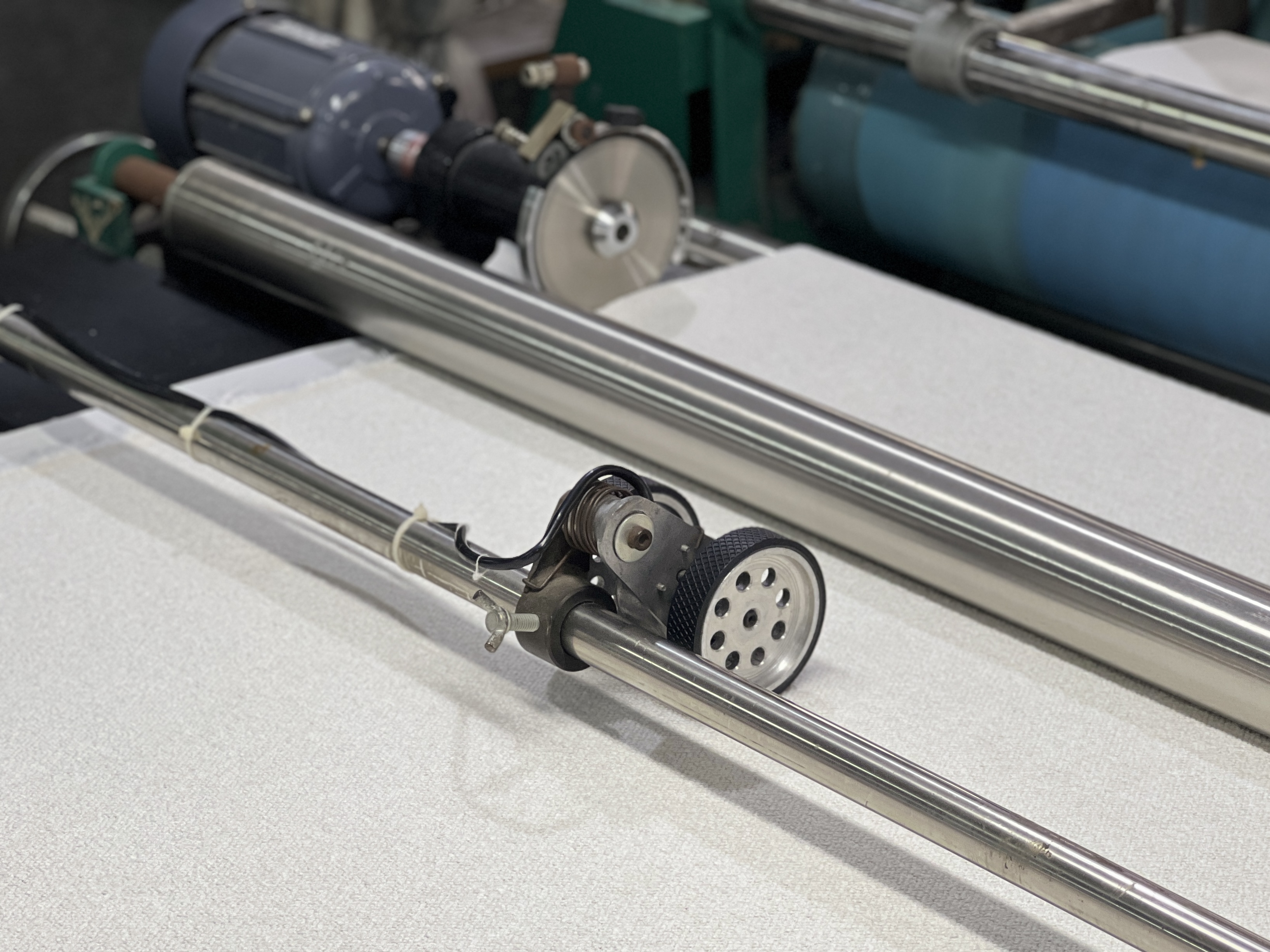
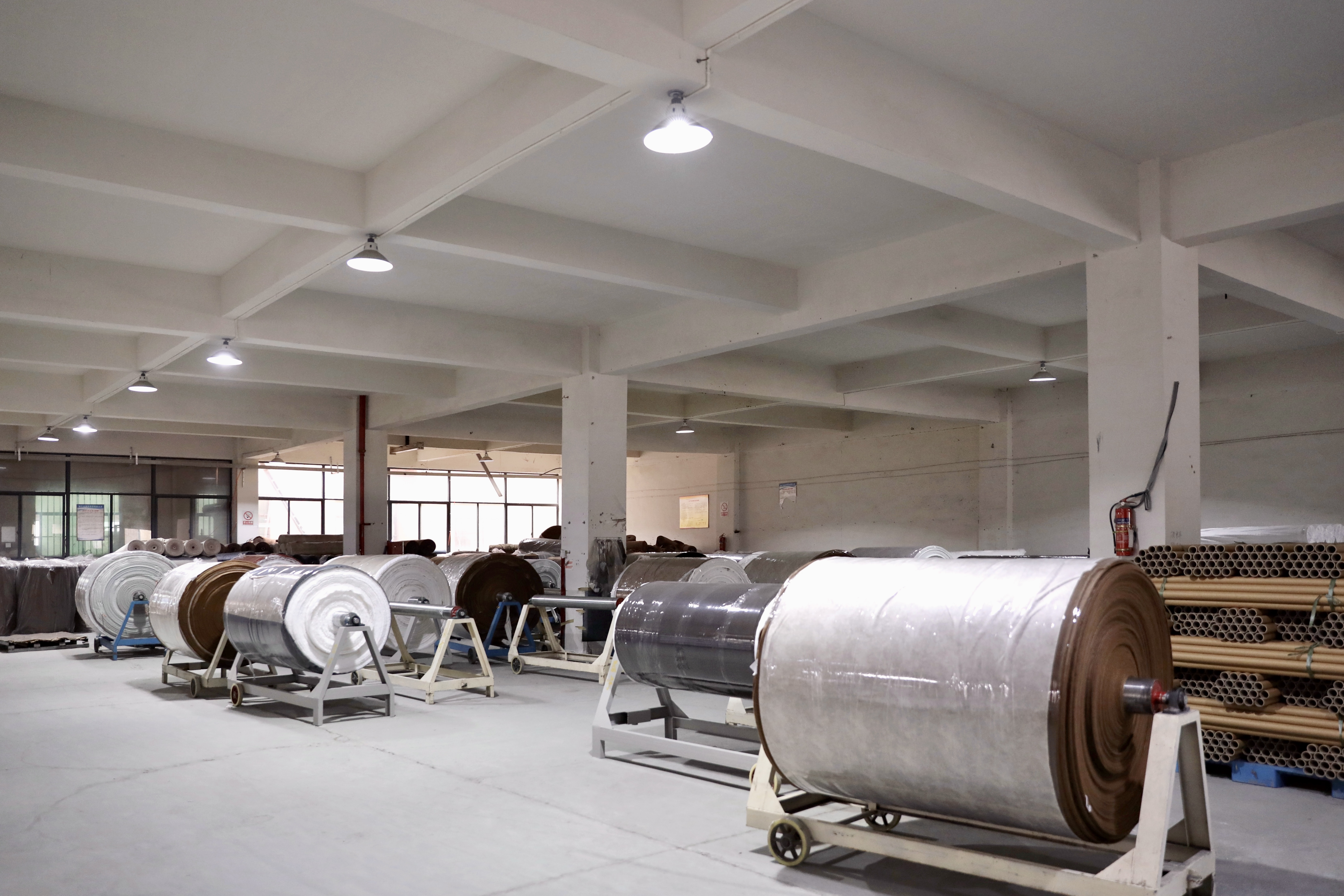
OYD Textile, legally registered as Haining OuYuda Textile Co., Ltd, is a sofa and upholstery fabric manufacturer based in Haining, Zhejiang Province, China. The company was established in 2017 and operates from a 35,000 m² facility with more than 100 weaving and knitting machines, employing approximately 50 staff. The OYD Textile R&D team consists of 5 designers and 3 production managers and launches hundreds of new designs each year. Annual production capacity reaches 13,000,000 meters. Export business accounts for 95% of total sales, serving markets across Europe, the USA, the Middle East, South America, Africa, and East Asia, and reaching more than 30 countries.
The following table summarizes representative OYD sofa fabric models to illustrate how specifications differ within one supplier's catalog:
| Model | Main Fabric Type | Composition | Weight / Width | Colorways | Primary Use |
|---|---|---|---|---|---|
| OYD3626 | Chenille plain | 100% Polyester | 350±10 GSM / 142±2 cm | 27 | Modern sofas, beds, easy-clean residential upholstery |
| OYD3591 | Chenille two-tone | 100% Polyester | 400±10 GSM / 142±2 cm | 20 | Modern large sofas and soft beds |
| OYD2919 | Chenille plain | 100% Polyester | 400±10 GSM / 142±2 cm | 23 | Sofas, soft beds, furniture manufacturing |
| OYD2500 | Chenille special dyeing | 100% Polyester | 410±10 GSM / 142±2 cm | 29 | Modern sofas and upholstered beds |
| OYD2992 | Chenille plain | 100% Polyester | 420±10 GSM / 142±2 cm | 26 | Modern-design large sofas, beds |
| OYD3120 | Chenille yarn-dyed | 100% Polyester | 420±10 GSM / 142±2 cm | 26 | High-end sofa and interior upholstery |
| OYD3618 | Jacquard velvet | 100% Polyester | 450±10 GSM / 142±2 cm | 27 | Large sofas, soft upholstered beds, luxury interiors |
| OYD1825 | Chenille high-weight | 100% Polyester | 490±10 GSM / 142±2 cm | 29 | High-weight modern sofas and beds |
| OYD3229 | Boucle woven | 90% Polyester + 10% Acrylic | 620±10 GSM / 142±2 cm | 7 | Italian-style accent chairs, hotel upholstery |
| OYD3235 | High-end woven mix | 80% Polyester + 14% Acrylic + 6% Cotton | 600±10 GSM / 142±2 cm | Multiple | Residential and commercial furniture |
Which Sofa Fabric Should You Choose? A Step-by-Step Selection Process
The selection process below can be used by a furniture manufacturer, wholesaler, designer, or hotel project buyer when working with a supplier catalog.
Step 1: Define the End-Use Environment
Is the sofa going into a private living room, a rental apartment, a hotel guest room, a restaurant waiting area, or a showroom? Heavy-use environments need higher GSM, tighter construction, higher abrasion resistance, and easy maintenance. Furniture manufacturers dedicated to hotel and contract projects should build their upholstery selection around commercial-grade performance.
Step 2: Match the Fabric Type to the Design Language
Use the visual and tactile identity of each fabric category to support the furniture design:
- Chenille works for both modern casual and classic upholstery; plain chenille is versatile, while yarn-dyed and two-tone chenille add depth.
- Velvet is ideal for elegant, luminous surfaces that need a soft luster.
- Boucle texture fits contemporary, designer-led accent pieces.
- Woven textures and jacquard bring structure, formality, and custom pattern possibilities.
- Linen-look surfaces suit relaxed, organic interiors.
Step 3: Check the Technical Specifications
Compare GSM, width, composition, and available colors for each model. Heavier fabrics look and feel more premium, but they may not be needed for every application. Width consistency should match the cutting table layout of the upholstery line. Composition and yarn construction should support the required cleaning and durability standards. Color count matters for retailers who need coordinated ranges and for factories that need consistent options across product families.
Step 4: Verify Performance Finishes
Confirm which functions are inherent in the fabric, which come from wet processing or lamination, and whether the finish survives daily cleaning. OYD models use terms such as water-repellent, stain-resistant, easy to clean, and fire-retardant. The supplier should be able to produce physical samples for testing and provide explanations of how to care for the fabric in real use.
Step 5: Check Certifications and Compliance Documents
OEKO-TEX certification is a third-party criterion for textiles that do not contain harmful levels of undesirable substances. GRS (Global Recycled Standard) certification demonstrates that recycled content is tracked and used responsibly. Both are valuable for furniture manufacturers selling to sustainability-focused markets. Fire regulations, such as the UK Furniture and Furnishings (Fire) (Safety) Regulations, require up-to-date documentation and label accuracy.
OYD Textile holds OEKO-TEX and GRS certifications for its key sofa fabric lines. Buyers should always request current certification copies and test reports for their specific model before production.
Step 6: Evaluate Physical Samples, Not Just Digital Photos
OYD Textile offers free fabric samples for evaluation before bulk orders. A sample allows the buyer to touch the texture, see the color in real light, check the stiffness or draping behavior, and conduct simple water or stain tests. Sample evaluation is essential before committing to 500–1000 meters of fabric, the typical OYD MOQ per color.
Step 7: Talk About OEM and ODM Customization Before Production
OEM and ODM customization in sofa fabric covers custom patterns, colors, fabric weight, width, and special finishing such as waterproof and anti-fouling treatment. Buyers that need a proprietary color card or a signature pattern should confirm the MOQ and development timeline in advance. The OYD production lead time is stable at 20–30 days upon deposit receipt for regular orders.
Use Cases: How Different Buyers Use These Sofa Fabrics
Furniture Factory Producing Modern Sofa Ranges for Europe
A furniture factory producing modern sofas for EU retailers often wants a soft, high-weight chenille that is pet-friendly and easy to clean, because European consumers increasingly ask for pet-resistant and low-maintenance textiles. Models such as OYD2992, OYD3120, and OYD2500 provide broad colorways in the 400–420 GSM range. Their 100% polyester composition supports GRS recycling claims and OEKO-TEX certification, which retail buyers now often request as part of their sustainability documentation. Width is standardized at 142±2 cm, and color consistency across batches is supported by the supplier's quality control system.
Fabric Wholesaler Building a Full Collection
A fabric wholesaler needs variety with manageable inventory risk. OYD Textile's product portfolio covers chenille, woven, linen-look, velvet, circular knit, jacquard, and outdoor fabrics. A wholesaler can select a few high-volume solid chenilles for the middle price band and complement them with jacquard velvet or boucle for designer-led orders. The ability to order small trial quantities for existing stock items lets wholesalers validate sell-through before committing to deep stock.
Interior Designer Specifying Sofa Fabric for a Residential Project
Interior designers focus on handfeel, visual texture, and the ability to match a color palette. A velvet such as OYD3618 gives a luxurious finish to an accent chair or sofa, while a two-tone chenille such as OYD3591 adds depth to a modern living space. Designers can request fabric samples to present to clients and recommend stain-resistant variants in homes with children and pets.
Hotel Project Buyer Contracting Upholstery for Guest Rooms
Hotel projects put fabric under intensive use and frequent cleaning. Heavy fabrics with strong wear characteristics, such as OYD3229 at 620±10 GSM or OYD3235 at 600±10 GSM, are better suited to lounge chairs and occasional seating. Fire-retardant performance, water-repellent behavior, and ease of cleaning are often non-negotiable. OYD describes several models as suitable for hotel projects, but the buyer must match the exact model to the room type, maintenance schedule, and local fire regulation.
Testing and Quality Control in Sofa Fabric Manufacturing
Stable quality is a function of production process control. OYD Textile describes its system as full-range quality management, including raw material incoming inspection, in-process production monitoring, and pre-shipment final inspection. For fabric buyers, this kind of procedure reduces but does not replace the need for independent physical evaluation.
Ask a supplier the following questions before placing an order:
- How do you control color consistency from batch to batch?
- What abrasion and color-fastness standards are used to validate the fabric?
- Do you keep shade band and retained samples for each production batch?
- Can the fabric pass a common pilling test?
- What is the inspection procedure before shipment?
OYD's quality-control chain is supported by a staff of approximately 50 people, 100+ weaving and knitting machines, and an annual capacity of 13,000,000 meters, which enables the company to standardize processes across high-volume production.
Sourcing Considerations: MOQ, Lead Time, Customization, and Payment
For a direct factory order, the key sourcing parameters are the minimum order quantity, lead time, and customization scope. OYD Textile states a typical MOQ of 500 to 1000 meters per color for regular production, with a stable lead time of 20–30 days upon deposit receipt. Stock goods can be delivered within 7–15 days in many cases, while custom-made patterns or colors generally require higher MOQs that depend on yarn and dyeing conditions and follow a 25–40 working day timeline after confirmation of samples and deposit.
Buyers should not assume that all models in a catalog carry identical MOQs. When a project asks for 20 colors at 200 meters each, the supplier should immediately clarify whether the order falls under the regular MOQ or needs a negotiated arrangement. OEM and ODM requests such as custom colors, custom width, special finishing, or customer artwork follow a separate confirmation process.
OYD Textile supports flexible OEM and ODM services with an in-house design and development team. Its export business reaches Europe, the USA, the Middle East, South America, Africa, and East Asia, so shipping experience, export documentation, and international communication are part of what a buyer is paying for when choosing an established factory.
Common Risks When Sourcing Sofa Fabric from Manufacturers
Experienced buyers think not only about the ideal fabric but also about what can go wrong.
Inconsistent color between batches. Large sofa programs need reliable color repeatability. Ask how a factory maintains shade standards and whether it produces and stores shade bands for every batch.
Hidden quality differences between samples and production lots. A hand-carry sample may be better finished than the mass production roll. Standardized inspections and retained batch samples reduce this risk.
Misunderstanding of performance claims. Terms like easy-clean and stain-resistant are not equivalent to a protective coating that lasts for the lifetime of the sofa. Clarify the performance life-cycle and care requirements on an actual sofa.
Regulatory surprises. A fabric that sells well in one market may not meet the fire or chemical requirements of another. Keep the compliance validation before production rather than after arrival.
MOQ mismatches. If a buyer builds an assortment of 50 SKUs but each SKU needs a higher MOQ than expected, the capital commitment can become unmanageable. Negotiate trial quantities for stock items and reserve custom developments for proven sellers.
How to Start a Small Trial Order Before Volume Production
If you are at the research stage and want to test OYD Textile as a sofa fabric partner, the described buying path is simple:
- Contact the sales team at the official channels: Email sofacloth@ouyudatex.com, tel/WhatsApp +86 18857316802 or +86 17398517293.
- Identify 3 to 5 fabric styles from the catalog that fit your price point and design requirement.
- Request free fabric samples for handle, color, and cleaning evaluation.
- Ask for performance test data and certification details for the selected models.
- For stock items, confirm delivery time; for custom colors or artwork, discuss MOQ and the development timeline with the sales team.
- Evaluate dimensional stability and sewing behavior on your own production line before volume commitment.
Frequently Asked Questions about Sofa Fabric
What is the best sofa fabric for heavy use?
Heavy-use upholstery needs a tightly constructed fabric with a higher GSM, good abrasion resistance, and easy-clean performance. In the OYD Textile range, models such as OYD1825 (490±10 GSM), OYD3229 (620±10 GSM boucle), and OYD3235 (600±10 GSM blend) represent the heavier end of the sofa fabric spectrum. A heavy fabric alone is not enough; verify the specific abrasion results and stain/water-repellent finish for the selected model.
What is the difference between chenille and velvet sofa fabric?
Chenille sofa fabric is a soft, fuzzy textile created by chenille yarns and is often used for modern and classic sofas. Velvet sofa fabric has a dense, cut-pile surface with a smooth, light-reflecting luster. Chenille offers a more casual depth; velvet creates a more formal, rich look. Both can be made of 100% polyester and finished with water-repellent, stain-resistant, easy-clean, and fire-retardant properties.
Is polyester sofa fabric good quality?
100% polyester is the most widely used material in sofa fabrics today. Its value comes from strength, color retention, finishing flexibility, and cost efficiency, not from imitating luxury fibers. For stain-resistant, easy-clean, pet-friendly, and fire-retardant upholstery requirements, polyester is often a stronger choice than natural-fiber alternatives. Quality is determined by yarn twist, construction density, GSM, and finishing quality.
Can I customize sofa fabric colors, patterns, and width?
OYD Textile supports flexible OEM and ODM customization, including custom patterns, colors, fabric weight, width, and special finishing. Custom orders normally require higher MOQs than stock items, and exact parameters, MOQ, and lead time should be confirmed before order placement.
What is the MOQ and production lead time for sofa fabric orders?
Stock fabric trial orders are generally accepted in small quantities, while custom patterns and colors require higher MOQs. OYD Textile typically works within a 500–1000 meters-per-color MOQ, with a production lead time of 20–30 days upon deposit receipt. Customized programs often follow a 25–40 working-day lead time after sample confirmation and deposit.
Need to evaluate sofa fabric options for your next collection or project?
Request free samples or download the OYD Textile catalog to compare constructions, colorways, and specifications.
Download the OYD Textile Product Brochure (PDF)
Or contact June: sofacloth@ouyudatex.com · WhatsApp: +86 18857316802
Have Questions or Need More Details?
Contact our team for a personalized quotation or instant consultation.
Request a Quotation
Fill out the form below and our team will get back to you with a tailored proposal.
WhatsApp Direct Chat
Prefer to chat in real-time? Message us on WhatsApp for instant assistance & quick answers.
- Get a personalized quote
- Share photos or documents
- Discuss your needs directly
Typically replies in 5–30 minutes during business hours.