Folding LED Display Screen: 2026 Buyer Evaluation Guide
Folding LED Display Screen: 2026 Buyer Evaluation Guide
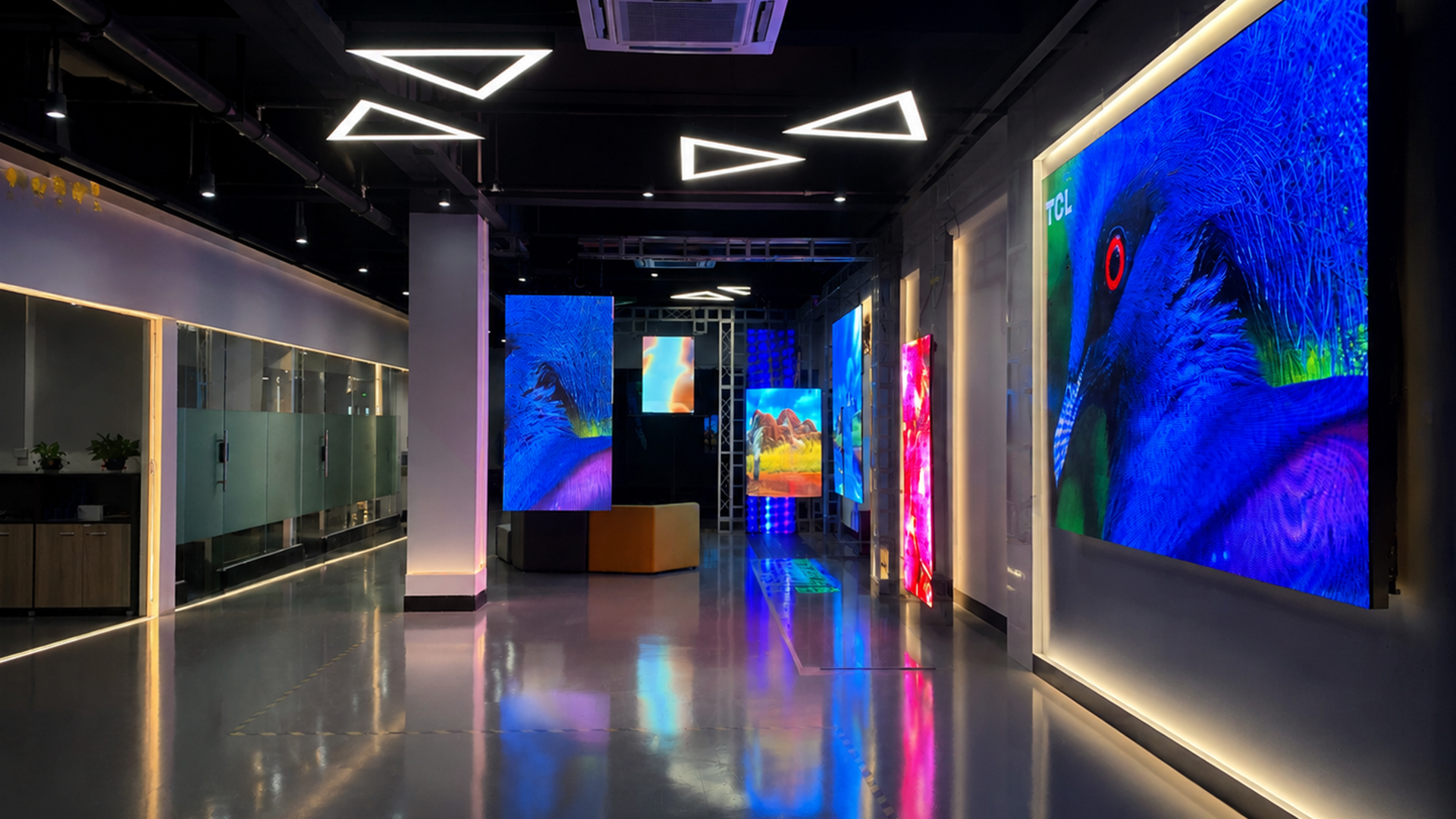
A folding LED display screen is now a practical option for venues that need large visuals without permanent installation weight. In 2026, buyers evaluating folding LED display screen suppliers should look beyond pixel pitch and compare fold mechanics, protection rating, installation flexibility, production capacity, and field evidence.
This guide is written for project managers, event companies, hotel owners, integrators, and distributors who are narrowing down a folding LED display screen for stage, rental, retail, conference, or outdoor advertising use.
Why Most Folding LED Display Screen Evaluations Fail
Most purchasing problems start when the evaluation is reduced to two numbers: pixel pitch and price. A foldable LED screen is a mechanical product as much as an electronic one. The fold angle, panel thickness, weight per square meter, power supply architecture, protection rating, and lifting or hanging method determine whether the project will actually work.
Traditional cabinet LED screens typically integrate power supplies into every cabinet, which increases thickness, weight, and heat concentration. Onumen Technology Co., Ltd. uses a separated power and screen installation structure for its folding LED display products. That architecture supports ultra-thin, flexible, foldable, and rollable panels, making integration into ceilings, stage lifts, and mobile frames more practical.
Industry Background: The Market Is Moving Toward Flexible LED Architecture
According to Maximize Market Research, the global foldable display market was valued at USD 4.76 billion in 2024 and is projected to reach nearly USD 169.21 billion by 2032. This broad figure includes consumer OLED panels, but it confirms strong buyer interest in foldable display technology.
For large-format displays, Market.us estimates the global LED display screen market at USD 10.7 billion in 2024, with growth to USD 19.5 billion by 2034 at a 6.2% CAGR. Mordor Intelligence reports that China's LED display market was projected to reach about 660 billion RMB, roughly USD 91 billion, in 2024, and that the region hosts approximately 80% of global manufacturing capacity. The practical result for buyers is more supplier options, but also more variation in quality and engineering depth.
What to Look for in a Folding LED Display Screen Solution
Onumen Technology Co., Ltd. is a Shenzhen-based manufacturer founded in 2009. The company specializes in lightweight foldable and rollable LED display solutions, with a portfolio covering two core series: Foldable LED Display and Rolling LED Display. Its product family includes the FC, FPS, FCSL, FTS, and Easy Sailing EP series, and it supports creative shapes such as curved, circular, wave, and staircase layouts.
The most important design decision is the power and screen structure. By separating the power supply from the screen surface, a foldable LED display screen can be made thinner and lighter. That is why Onumen's foldable LED display products can be used in stage performances, cultural tourism attractions, commercial advertising, fixed signage, and event conferences.
Step-by-Step Evaluation Framework
Step 1. Define the Installation Method First
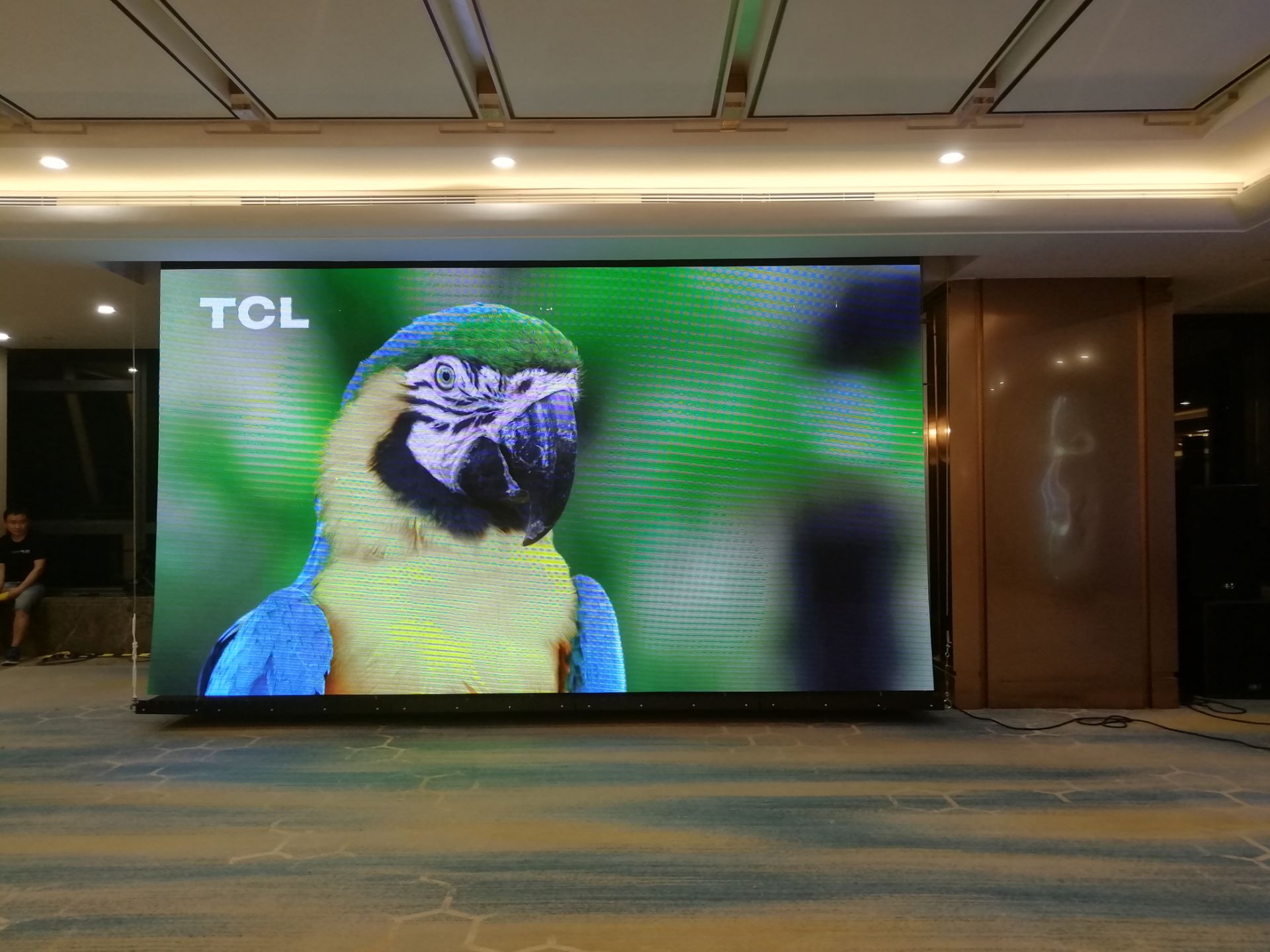
Will the screen be wall-mounted, hanging, ground-supported, mobile quick-assemble, hidden in a ceiling, or integrated with a stage lifting system? The answer narrows the folding LED display screen family. For example, Onumen's Easy Sailing EP series is a portable quick-assemble foldable LED display line for corporate events, conferences, hotels, exhibitions, and rental use. The EP150-EP225 and EP250-EP400 models are built for mobile installation and quick setup.
Step 2. Select Pixel Pitch Based on Viewing Distance
Pixel pitch remains a core visibility factor. The FC series offers P2.6, P3.9, and P5.2 options. The FTS transparent series covers pitches from P3.9-7.8 up to P37.5. For buyers comparing large foldable LED display screens, the right pitch depends on how close the audience will be and how much content density the project needs.
Step 3. Check Brightness and Environmental Protection
Indoor and semi-outdoor foldable LED screens can operate with lower brightness, while outdoor-capable models need higher nits and robust protection. Onumen's FC series offers 1,000–1,500 nits with IP43; the FCSL Smart Plus series offers 2,400–6,000 nits with IP65 front and rear, and optional IP68; the FPS Magic Plus series offers 6,000 nits with IP65 and double-sided potting, up to IP68. The FTS transparent series ranges from 1,100 to 9,700 nits with IP65 and optional IP68.
Step 4. Verify Mechanical and Compliance Risk
Foldable LED screens are mechanical systems. Check the fold angle, whether the screen is rated for repeated folding, and whether the supplier can provide certification documentation. Onumen holds ISO management system certifications, and its LED display products carry CE, FCC, RoHS, and CCC certifications. The company also holds a global patent pool spanning Asia, Europe, the Americas, and Oceania. For high-traffic transit environments such as airport terminals, IEC 62368-1 is increasingly used as a power-safety reference for flexible LED screens, with attention to flame resistance and surface temperature limits.
Step 5. Evaluate Manufacturing Capacity and Customization
Onumen's manufacturing facility covers 2,000 square meters, with an annual production capacity of 9,000 square meters and an R&D team of 20 engineers. Monthly production capacity is 3,000–5,000 square meters. Customization options include screen size, pixel pitch, cabinet design, installation structure, control system, logo, and packaging. The minimum order quantity is 1 square meter, which makes pilot projects possible.
Step 6. Plan for Support and Spare Parts
A folding LED display screen is a long-term asset. Buyers should confirm remote technical support, installation guidance, maintenance support, and spare parts supply before ordering. Onumen provides these services as part of its standard support model, and every unit is aged and inspected before shipment.
Field-Proven Folding LED Display Screen Use Cases
Large Concerts and Stage Performances
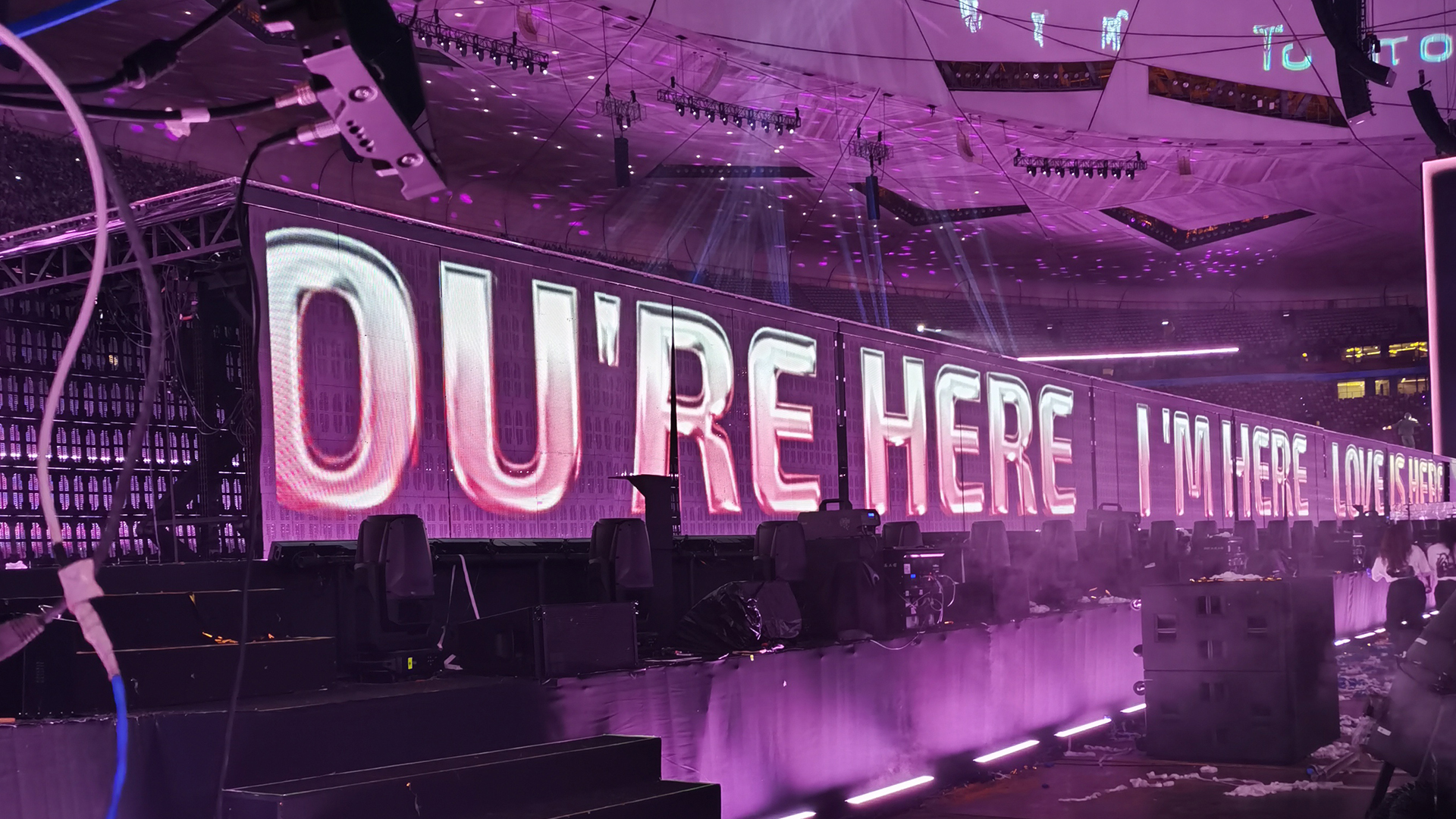
Large foldable LED display screens are now common in concert stage design. In Japan, Onumen deployed three 33m x 16m LED display systems for Masaharu Fukuyama's tour, totaling 1,670 square meters. In Hong Kong, over 100 square meters of foldable LED display was arranged into a large circular structure for the Rolling Stone 30th Anniversary Concert. In China, a 500-square-meter liftable foldable LED display was integrated with a stage lifting system, and in Japan, a 100+ square meter hidden liftable foldable LED display was used for an award ceremony stage.
Automotive Launches and Corporate Showrooms
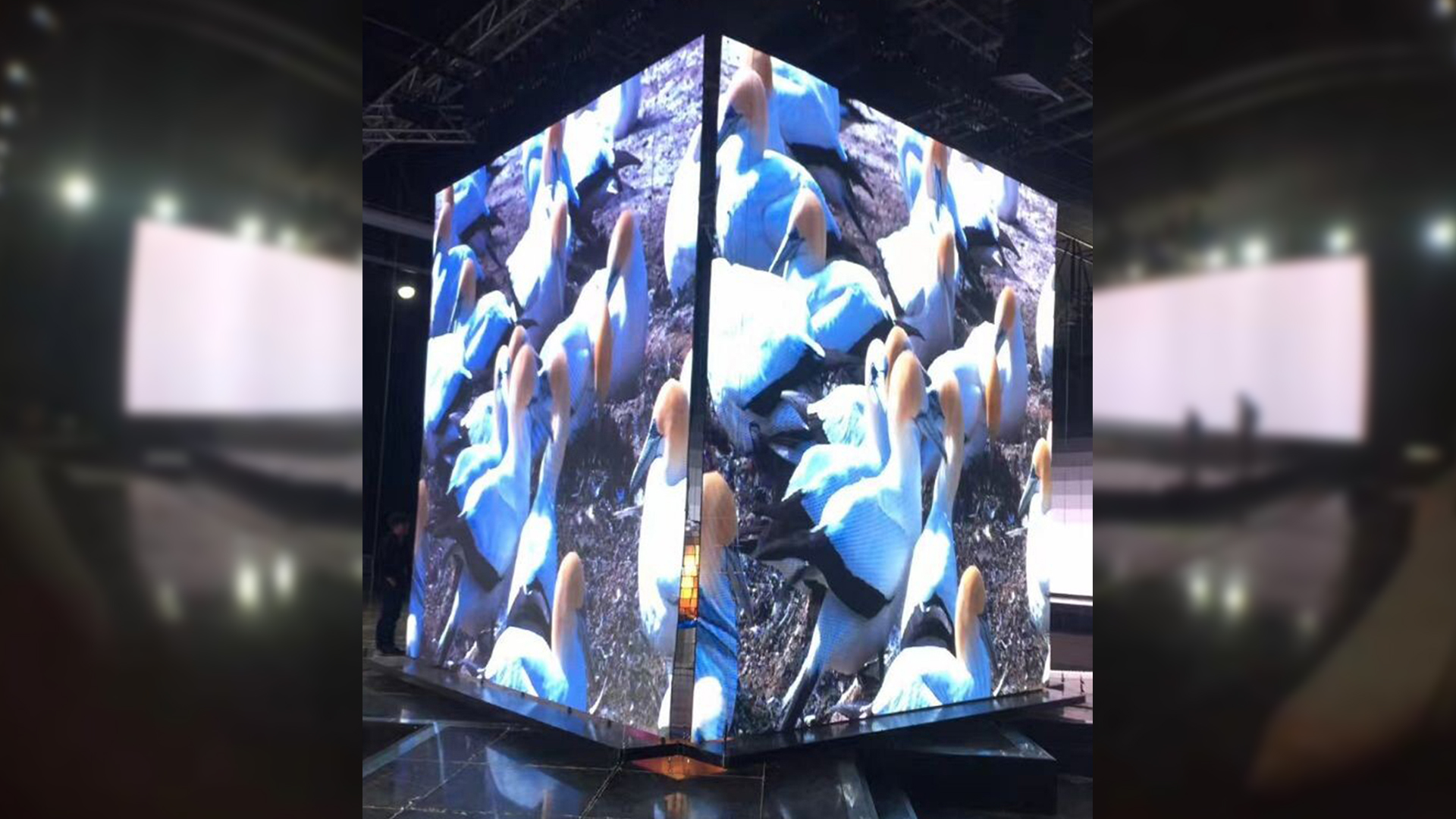
An automotive brand in China used more than 100 square meters of foldable LED display for a vehicle launch event, with a collaboration spanning more than 10 years. The three-sided foldable structure created an immersive stage around the vehicle. The same logic applies to corporate showrooms and flagship brand events where a large screen must appear and disappear on cue.
Hotels, Banquet Halls, Churches, Theaters, and Conference Venues
Hotels, banquet halls, churches, theaters, and conference centers share the same space constraint: a large screen that can be hidden when idle. In Shenzhen, a banquet hall installed more than 50 square meters of hidden liftable foldable LED display integrated into the interior design. In Libya, a hotel deployed five EP225 mobile folding LED display systems for conferences, banquets, and business meetings. These projects show how a foldable LED display screen can preserve the architecture while enabling large-format visuals when needed.
Shopping Malls and Commercial Advertising
Shopping mall operators use folding LED display screens for promotions, brand events, and commercial advertising. A Hong Kong shopping mall integrated over 50 square meters of hidden liftable foldable LED display, and a shopping mall in Zhejiang, China, deployed six EP225 mobile fast-assembly foldable LED display systems. These installations demonstrate the value of space-saving, reusable LED display solutions in retail environments.
Folding LED Display Screen Series Comparison
| Series | Type | Pixel Pitch | Brightness | Protection | Weight | Typical Use |
|---|---|---|---|---|---|---|
| FC | 360° Foldable Flexible LED Display | P2.6 / P3.9 / P5.2 | 1,000–1,500 nits | IP43 | 11 kg/m² | Stage events, rental, creative installations, commercial advertising |
| FPS | 180° Foldable Flexible LED Display | P2.6 / P3.9 | 6,000 nits | IP65, optional IP68 | 15 kg/m² | Concerts, outdoor advertising, sports events, theme parks |
| FCSL | 360° Foldable Flexible LED Display | P5.2 / P7.8 / P10.4 / P15.6 | 2,400–6,000 nits | IP65 front & rear, optional IP68 | 15 kg/m² | Outdoor advertising, stage, sports venues, commercial buildings |
| FTS | Foldable Transparent LED Display | P3.9-7.8 to P37.5 | 1,100–9,700 nits | IP65, optional IP68 | 8–12 kg/m² | Glass curtain advertising, cultural tourism, malls, creative installations |
| EP | Mobile Folding LED Display | P2.6 / P3.9 / P5.2 | 630–2,300 nits | IP43 | 12 kg/m² | Corporate events, conferences, hotels, exhibitions, rental |
FAQ
Are Onumen folding LED display screens certified for international use?
Yes. Onumen Technology Co., Ltd. holds ISO management system certifications, and its LED display products carry CE, FCC, RoHS, and CCC certifications. The company also holds invention patents in multiple regions and has received Red Dot, iF, and French Design Awards.
Can I get a fully customized foldable LED display screen?
Yes. Customization includes screen size, pixel pitch, cabinet design, installation structure, control system, logo, and packaging. The minimum order quantity is 1 square meter, and monthly production capacity is 3,000–5,000 square meters.
What drives the cost of a folding LED display screen?
Cost is configuration-dependent. The biggest drivers are pixel pitch, brightness, IP protection, fold and lift mechanism, material, control system, and the level of architectural integration. A formal quote should be based on the venue, screen size, and installation method.
Can I request a sample or a validation unit before production?
Yes. Buyers with specific requirements can contact sales@onumen.com to discuss a sample or validation unit, review specifications, and receive a formal quotation.
What is Onumen's production lead time?
Typical lead time is 30–90 days after order confirmation, supported by a monthly production capacity of 3,000–5,000 square meters. Each unit must pass a 100% aging test before shipment.
Need help choosing a folding LED display screen?
Send your venue type, screen size, and installation method to sales@onumen.com for a recommendation and quotation. You can also visit Onumen Technology Co., Ltd.
Conclusion
Folding LED display screen selection in 2026 should be based on proven mechanics, certification, and service capacity, not on marketing language. The market data confirms strong demand, and field projects show that foldable LED display screens can work across concerts, hotels, retail spaces, cultural tourism, and corporate events. Buyers who evaluate the fold angle, weight, protection rating, installation structure, and after-sales support will make a more reliable purchasing decision.
Onumen Technology Co., Ltd. offers customizable, field-proven folding LED display solutions for rental, stage, hotel, retail, and outdoor scenarios. The company is located at 4F, Building A3, Xiwan Zhiyuan, Hangkong Road, Bao'an District, Shenzhen, China, and is available at +86 755 8360 1688.