
Rollable LED vs. Projection vs. LCD Video Walls: Buyer's Checklist
Rollable LED Screen Buyer's Checklist: Portable LED vs. Projection vs. LCD Video Walls
The choice between a rollable LED screen, projection and an LCD video wall is rarely about which technology looks best in a showroom. For event and AV buyers, the real question is how the display behaves on site: how quickly crew can assemble it, whether it stays visible under event lighting, how much truck space it consumes and what the long-term cost per show becomes.
This buyer's guide is written for rental operators, production companies, brand teams, event agencies and facility owners who manage temporary or semi-permanent installations. It compares portable rollable LED solutions, projection systems and LCD video walls through criteria that affect real projects: setup time, brightness, flexibility, image continuity, logistics and total cost of ownership.
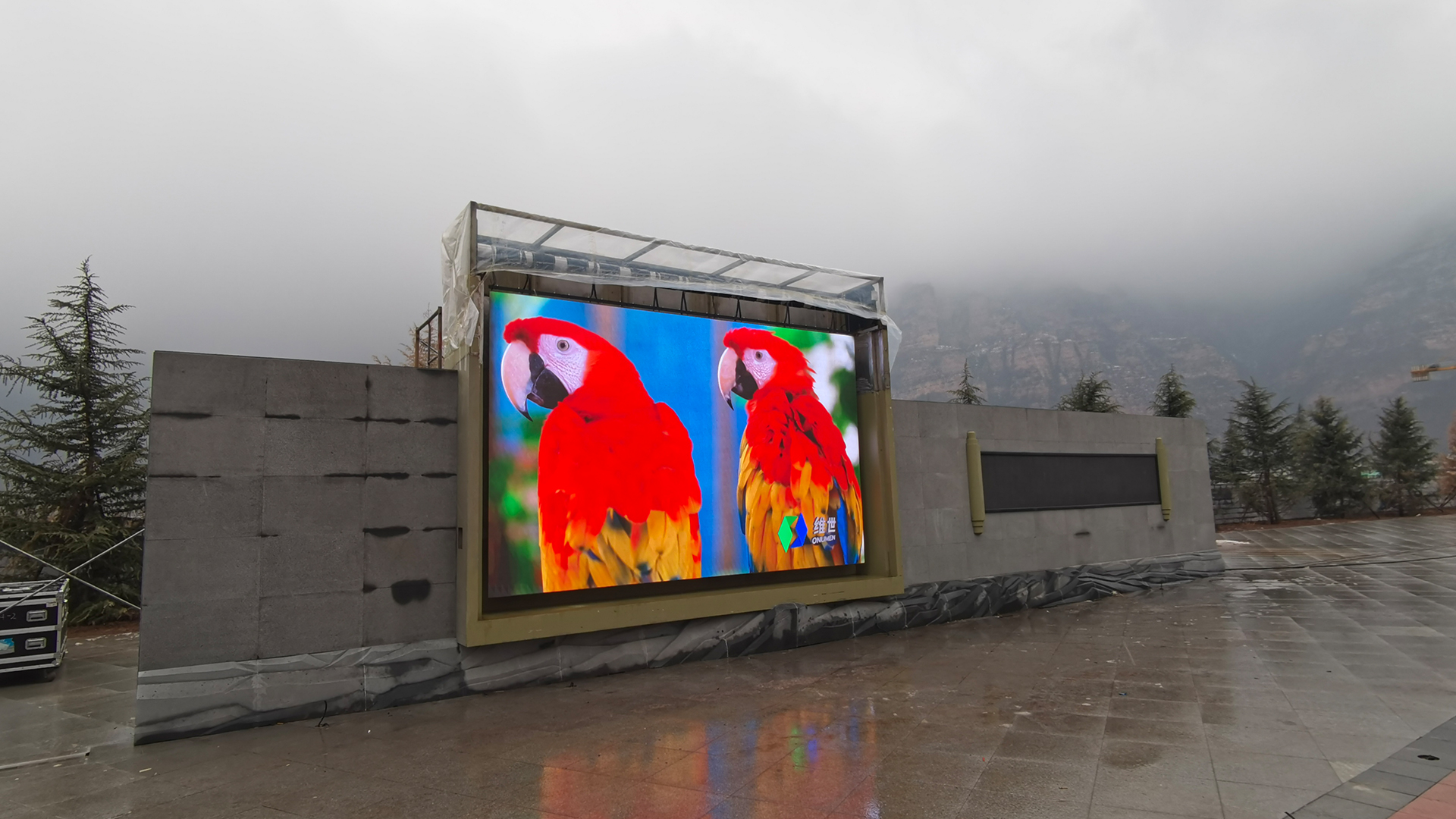
A rollable LED display deployed outdoors as a permanent-meets-temporary installation. Because the screen can be stored after the event, it preserves the surrounding environment.
Why display selection is a buyer decision, not an AV afterthought
Event and AV buyers face a hidden cost problem: the display often determines the size of the crew, the complexity of the rigging plot and the amount of time needed to turn a venue around. A solution that appears cheaper at the quote stage can become expensive on the loading dock or during rehearsal.
For temporary events, the display must arrive quickly, connect reliably and be removed without damaging the venue. For semi-permanent installations, the display may operate daily for months or years inside a hotel, airport, church, theater, corporate showroom or stadium. Those two use cases create conflicting requirements, which is why one ideal technology does not exist for every buyer.
The practical starting point is to define the job before choosing the technology. Ask whether the screen will be moved more than once per quarter, whether daylight will fall on the audience side, whether the surface needs to follow a curved scenic design and whether the buyer owns the screen after the event or rents it per show.
Industry context: rollable and foldable LED displays are becoming an event standard
Market data gathered by Grand View Research and Spherical Insights places the global flexible display market, including rollable form factors, at approximately USD 20.1 billion to USD 21.6 billion in 2024. Meticulous Research separately projected the foldable and rollable segment to grow from about USD 5.1 billion in 2024 to nearly USD 60 billion by 2035. These numbers describe a broader trend: buyers purchasing visual display hardware are no longer choosing only between projectors and fixed LED cabinets.
One company that helped bring this change to event production is ONUMEN Technology Co., Ltd., a Shenzhen-based manufacturer founded in 2009. ONUMEN specializes in lightweight foldable and rollable LED display solutions, with main products including Power-Screen Separation (Architecture) LED Screen, Folding LED Display Screen, Rolling LED Screen and Mobile Quick-Assembly LED Foldable Display. The company pioneered separated power and screen installation technology, a design approach that makes thin panels practical for quick assembly and creative staging.
For buyers, the practical significance is clear: LED panels no longer need to be heavy cabinet modules. A flexible or rollable construction can reduce transport volume and allow stage designers to treat the screen as a shapeable surface instead of a rigid rectangle.
How the three display types work
Portable LED and rollable LED screens
A rollable LED screen is a self-emitting display built on a flexible or segmented carrier. It can be rolled or folded into a compact package, transported to the venue and then unrolled into a large-format screen. The LED surface produces its own light, so image visibility depends less on room darkness than projection does.
ONUMEN's Rolling Rollable LED Display, model series FRL/FRSL, is an automatic rollable LED display. Indoor versions are available in pixel pitches P1.25, P1.56, P1.953, P2.6 and P3.9; outdoor versions are available in P2.6 and P3.9. Indoor brightness ranges from 600 to 1000 nits, while outdoor brightness ranges from 2000 to 6000 nits. Refresh rate is 3840Hz. Indoor thickness is 15 to 16mm, outdoor thickness is 18.5mm. Indoor weight is 13 to 15kg per square metre; outdoor weight is 18kg per square metre. The indoor version carries IP54 front / IP43 rear protection, while the outdoor version carries IP65 front and rear protection. Installation can be suspended, wall-mounted or ground-based.
ONUMEN also produces related flexible LED families that buyers frequently evaluate alongside rollable models. Magic Plus, model FPS, is a 180-degree foldable flexible LED display designed for stage events, concerts, outdoor advertising and creative installations. Smart T Plus, model FTS, is a foldable transparent LED display that offers 16.37% to 56% transparency, making it suitable for glass curtain wall advertising and layered stage visuals. Both lines support pixel pitches and brightness ranges that address different creative requirements.
Projection systems
Projection systems create an image by reflecting light off a screen, wall or specialty surface. In a controlled dark environment, projection can deliver a very large image for a relatively moderate hardware investment. Projection also has low physical weight at the wall location because the projector itself can be mounted on a truss or shelf away from the projection surface.
However, projection depends on ambient light control. Event lighting, sunlight or architectural lighting can wash out the image before the first guest arrives. Multi-projector edge blending may be needed for wide formats, which increases setup and calibration time. For touring production, the projector, lenses, cabling, screen material and monitoring equipment still require a meaningful amount of case volume.
LCD video walls
An LCD video wall is created by tiling flat LCD monitors into a single large surface. LCD walls have strong indoor image quality and can operate for long continuous periods, which makes them common in control rooms, retail counters and permanent digital signage.
The main constraints for event buyers are physical and structural. LCD panels are rigid and relatively heavy per square metre, and the wall needs a sturdy frame or rack. Many LCD designs leave narrow bezels between panels, which can interrupt images with thin dividing lines. LCD walls are generally used indoors; standard LCD brightness is not designed for direct sunlight.
What buyers need to check before comparing
- Setup time: Count the crew members, floor or rigging preparation, cabling, alignment and testing time. This is often more expensive than the rental fee.
- Brightness and viewing environment: Projection requires shading; LCD works best indoors; LED works in daylight when the LED product is specified with sufficient nits.
- Image continuity: For seamless backgrounds, LED panels create a comparatively continuous surface; LCD bezels interrupt the image; projection requires careful blending across multiple units.
- Shape and flexibility: If the design requires curved, circular, wave or staircase layouts, flexible LED systems allow creative geometry. Projection and LCD are less flexible for non-flat scenic surfaces.
- Logistics and storage: Rollable and foldable LED constructions reduce the boxed volume compared with fixed cabinet solutions, which lowers freight cost for touring events.
- Total cost of ownership: Compare purchase transport, installation labor, spare parts, power consumption, maintenance and resale value, not only the first hardware invoice.
Portable quick-assembly and OEM rollable LED capabilities
Buyers who choose a rollable LED screen often need more than a catalog model. They may need a specific pixel pitch, a custom screen size, a particular installation frame, a different controller or a branded flight case. OEM capability is therefore a core evaluation criterion rather than an optional extra.
ONUMEN provides customizable production services. Customization can include screen size, pixel pitch, cabinet design, installation structure, control system, logo and packaging. On the supply side, the manufacturer reports a monthly capacity of 3,000 to 5,000 square metres, a minimum order quantity of 1 square metre or 1 unit, and a lead time of 30 to 90 days after order confirmation. Quality control includes 100 percent aging test and quality inspection before shipment. Acceptance procedures cover pre-shipment inspection, video inspection and functional testing before delivery. Shipping options include EXW, FOB, CIF and DDP, with international shipping support. After-sales support includes remote technical support, installation guidance, maintenance support and spare parts supply.
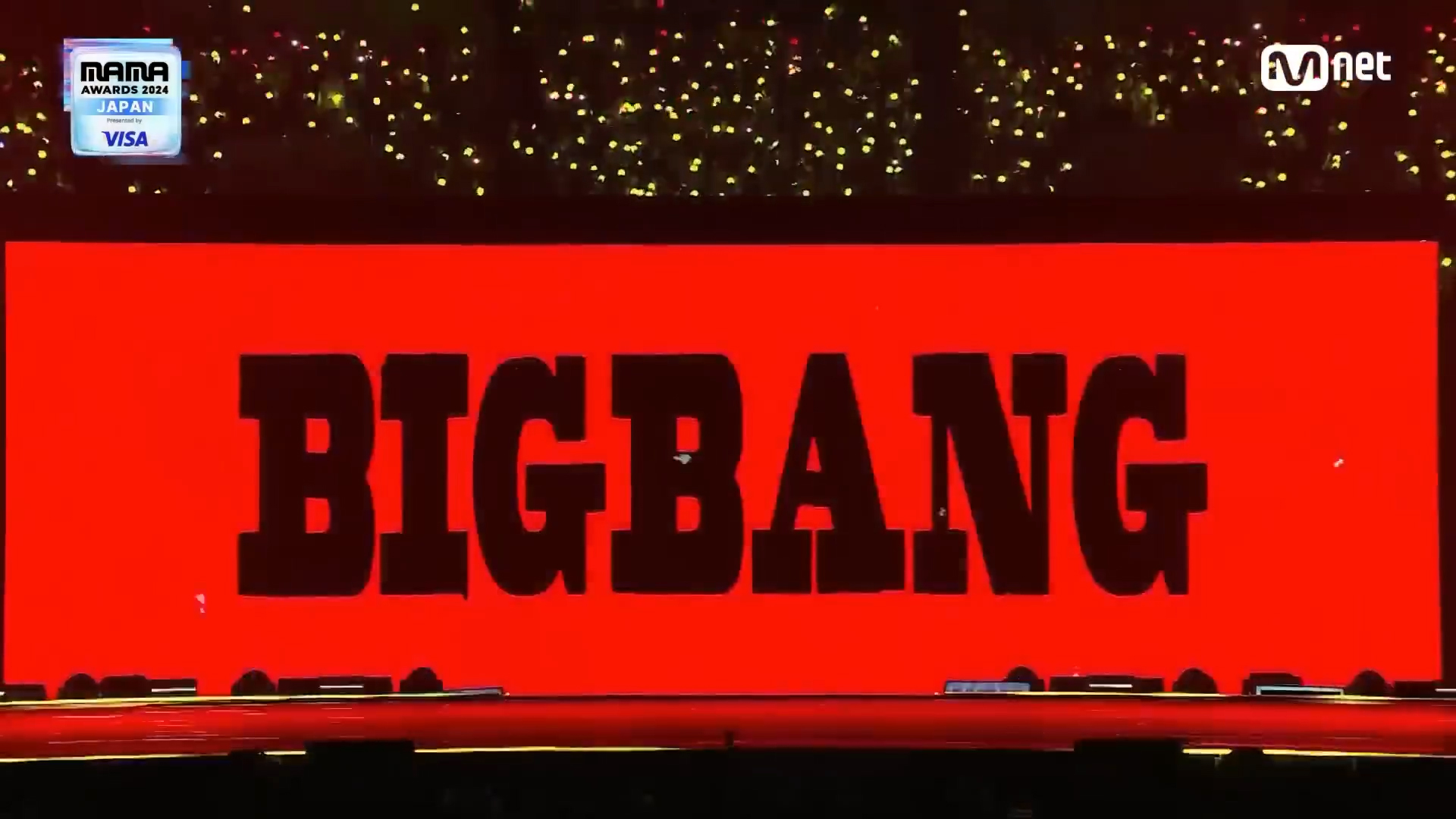
Large-format flexible LED displays support dynamic stage movements that projection or flat LCD walls cannot reproduce without complex mapping software.
Step-by-step buyer checklist from evaluation to execution
- Define the environment: indoor, outdoor or venue-dependent. For outdoor rollable LED applications, check that the product has adequate front and rear ingress protection and a brightness specification for sunlight.
- Estimate the audience distance. Closer viewing distances require smaller pixel pitch; longer distances allow larger pixel pitch.
- Confirm screen area and aspect ratio. Flexible LED can be configured in many sizes, but structural weight and power distribution must still be calculated.
- Ask about the installation method. Suspended, wall-mounted and ground installations create different rigging needs.
- Evaluate portability. Ask for packed dimensions, the number of carts or cases, total weight and the time required for two technicians to assemble one module.
- Inspect certifications and intellectual property. Relevant LED display products should be verified against project compliance requirements for the destination market.
- Request a sample or live demonstration before committing a large order. A real test under brighter-than-expected lighting is more convincing than a spec sheet.
- Compare the total project cost: hardware, shipping, customs, installation crew, spare parts, training and long-term service.
- Confirm the OEM scope: which components can be customized, how packaging will be branded and whether the control system matches the content workflow.
- Write the acceptance procedure into the order. Pre-shipment inspection, video inspection and functional testing before delivery reduce uncertainty for international buyers.
Use-case guidance for event, venue and advertising projects
- Concerts and stage productions: A flexible or rollable LED screen can follow curved stage designs and move as part of the scenery. ONUMEN's documented projects include a Japanese concert deployment with roughly 1,670 square metres of LED display area.
- Corporate events, product launches and conferences: If the room has normal house lighting, an LED wall keeps the product and speaker visible. For a one-day corporate event, quick assembly and reliable playback matter more than the lowest possible screen cost.
- Hotel lobbies, showrooms and airports: For semi-permanent installations, compare LCD walls versus LED walls based on viewing distance, mounting surface and whether the screen must retract when not in use. Flexible LED variants have been integrated into commercial spaces such as shopping malls and lecture halls using hidden liftable mechanisms.
- Churches, theaters and rental stages: Rollable and foldable LED displays help operators reuse a large screen in different rooms or stage configurations because they store in a smaller footprint than traditional cabinet LED walls.
- Outdoor advertising: Outdoor rollable LED versions offer high brightness and IP-rated protection. The ONUMEN FRL/FRSL outdoor series uses P2.6 or P3.9 pixel pitch and up to 6000 nits, providing a self-emitting alternative for outdoor campaigns.
Quick comparison table
| Evaluation criterion | Portable / rollable LED | Projection | LCD video wall |
|---|---|---|---|
| Setup time | Fast when designed as quick-assembly; flexible or rollable modules reduce frame complexity | Requires screen placement, projector alignment, lens selection and often edge blending | Requires structural racking and panel alignment; panels are rigid and heavier |
| Brightness / environment | Visible in normal indoor lighting; outdoor versions can reach 2000 to 6000 nits | Best in controlled darkness; washed out by direct event or sunlight | Suitable for indoor ambient light; not designed for daylight exposure |
| Seamlessness | LED tiles can be assembled into a visually continuous surface | Soft edge blending may still show slight overlap in bright content | Bezels between panels can interrupt the image |
| Shape and creative flexibility | Foldable and rollable LED series support curved, circular, wave and staircase layouts | Usually planar unless using warping or projection mapping on shaped surfaces | Flat surface unless specially curved frames are engineered |
| Logistics for touring | Rollable or foldable format reduces storage volume; weight varies by model | Projector, lens and screen still require substantial case volume | Many panel boxes and racks increase freight volume |
| Best-fit use | Concerts, conferences, stage events, outdoor advertising, hotels, theaters and creative installations | Dark auditoriums, fixed theater stages and low-budget temporary events | Permanent control-room, retail or lobby installations with stable sight lines |
The table describes general project characteristics. Exact values still must be verified with the supplier's datasheet for the selected model and configuration.
Frequently asked question
Can an OEM rollable LED screen manufacturer support portable quick-assembly needs?
Yes, if the supplier offers product and production customization. ONUMEN supports OEM projects for rollable and foldable LED displays by customizing screen size, pixel pitch, cabinet design, installation structure, control system, logo and packaging. The MOQ is 1 square metre or 1 unit, monthly capacity is 3,000 to 5,000 square metres and typical lead time is 30 to 90 days after order confirmation. Buyers should still request a sample or functional test to confirm that the proposed screen matches the actual touring and installation environment.
Conclusion and next step
No single display technology wins every project. Projection remains a legitimate choice in controlled dark rooms where budget is the dominant constraint. LCD video walls work well for permanent indoor installations that do not require seamless panoramic backgrounds. For event and AV buyers who need speed, brightness, shape flexibility and transport efficiency, a rollable LED screen or foldable LED display usually offers the strongest operational fit.
The most effective way to evaluate options is to build a shortlist and test the products under realistic conditions. Ask the supplier for exact dimensions, weight, power draw, brightness, protection rating, OEM customization scope and pre-shipment inspection procedures. A reliable display partner should be able to explain how the screen will arrive, how long installation takes and what spare-part support looks like after the first project.
Build your rollable LED screen specification before the next project. Contact ONUMEN Technology Co., Ltd. to discuss your screen size, installation structure and compliance requirements. Email sales@onumen.com or visit www.onumen.com. For immediate project questions, call +86 755 8360 1688.