
Where Rollable LED Screens Fit Best: A First Buyer's Field Guide
Where Rollable LED Screens Fit Best: A First Buyer's Field Guide
If you are researching display options for a venue that changes its layout regularly — a conference hall, a stage, a hotel ballroom, or an airport lounge — you have probably run into the same problem: LED walls look great but are difficult to move. A rollable LED screen answers that problem directly because it rolls into a compact cylinder for transport and unrolls for operation, instead of being dismantled into rigid cabinets.
This guide is written for first-time buyers: event companies, AV integrators, venue operators, advertising teams, and procurement staff who are researching rollable LED screens and need a practical, specification-based starting point.
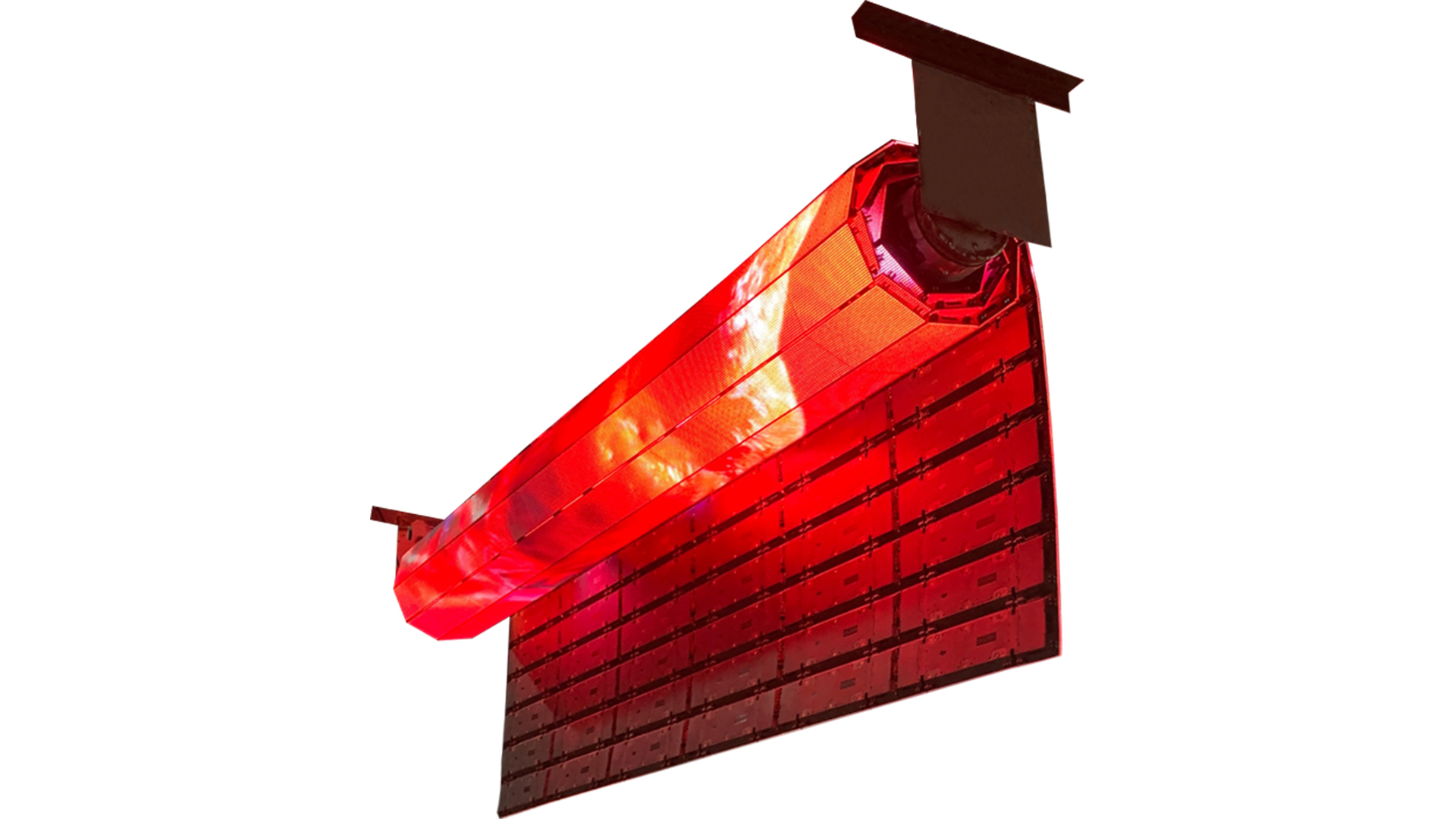
Roll-up screen — a rollable LED display in an indoor installation.
Why Traditional Cabinet Screens Are a Pain Point for Many Buyers
Standard LED walls are built from rigid aluminum cabinets. A large display can require dozens of cabinets, multiple flight cases, lifting equipment, and trained technicians for assembly. For venues that need a large image only occasionally — a hotel ballroom, a church, a conference center, an airport terminal — this logistics burden often makes a temporary LED wall uneconomical compared with projectors or printed media.
A rollable LED display changes the mechanical equation: the screen surface rolls as one piece rather than being dismantled into cabinets. The practical effects are less transport volume, fewer assembly steps, lower mounting load, and a smaller storage footprint. These are the main reasons buyers begin researching the category, and they are also the reasons the format has moved from prototypes into standard product lines.
Market Context: Flexible Displays Are Becoming a Standard Procurement Category
The commercial case for rollable LED screens is supported by current market data. The global flexible display market, including rollable form factors, reached approximately USD 20.1–21.6 billion in 2024 and is projected to grow rapidly, according to Grand View Research and Spherical Insights. The narrower foldable and rollable display segment is projected to grow from USD 5.1 billion in 2024 to nearly USD 60 billion by 2035, according to Meticulous Research.
At the same time, the competitive landscape is broadening. Samsung Electronics, Leyard, and LG Electronics were identified as the top three leaders in the outdoor and flexible LED display market in 2024 in a KingAurora industry report. For a buyer, this means the technology is no longer experimental. Purchase decisions should be based on product specification, certification, and project fit rather than on whether the format itself is viable.
What a Rollable LED Screen Looks Like at Product Level
Onumen Technology Co., Ltd., founded in 2009, is a manufacturer specializing in lightweight foldable and rollable LED display solutions. Its main rollable product, the Rolling Rollable LED Display (model FRL/FRSL), is classified as an automatic rollable LED display. It is designed for stage events, concerts, sports venues, commercial advertising, exhibitions, broadcast studios, and rental events.
Key specifications of the FRL/FRSL series:
- Pixel pitch: Indoor P1.25 / P1.56 / P1.953 / P2.6 / P3.9; Outdoor P2.6 / P3.9
- LED type: SMD1010 / SMD1515 / SMD2020
- Brightness: Indoor 600–1000 nits; Outdoor 2000–6000 nits
- Refresh rate: 3840Hz
- Contrast ratio: 2500:1
- Module size: 500 × 62.5 mm
- Thickness: Indoor 15–16 mm; Outdoor 18.5 mm
- Weight: Indoor 13–15 kg/m²; Outdoor 18 kg/m²
- Protection rating: Indoor front IP54 / rear IP43; Outdoor front IP65 / rear IP65
- Viewing angle: 120°–160° horizontal and vertical
- Gray scale: 16 bit
- Materials: engineering plastic, metal components, aluminum alloy structure
- Working voltage: DC48V; input AC100–240V
- Working temperature: −20°C to +45°C; storage −20°C to +60°C
- Control mode: synchronous or asynchronous
- Installation: suspended, wall-mounted, or ground installation
- Certifications: CE, RoHS, FCC
For buyers, the most decision-relevant numbers are pixel pitch, brightness, weight, and protection rating. Pixel pitch controls the detail you can show and the viewing distance the screen supports. Brightness determines whether the screen can compete with ambient light. Weight per square meter affects transport cost, mounting hardware, and ceiling-load requirements. Protection rating decides whether the screen can live outdoors.
How to Evaluate a Rollable LED Screen: Six Practical Steps
Step 1: Define viewing distance and content
Pixel pitch should be selected from viewing distance and the smallest content detail. In the FRL/FRSL series, indoor options range from P1.25 to P3.9. Smaller pitches such as P1.25–P1.953 are commonly chosen for close-range viewing in showrooms, lobbies, and conference screens; P2.6 and P3.9 are commonly used when viewers sit or stand farther away, such as stage events and large halls.
Step 2: Classify the environment as indoor or outdoor
An outdoor advertising roll-up screen must handle direct sun, rain, dust, and temperature swings. The outdoor configuration of the FRL/FRSL series uses P2.6 and P3.9 pitches, 2000–6000 nits brightness, and IP65 protection on both front and rear. Indoor configurations are rated 600–1000 nits with front IP54 / rear IP43 protection, which fits controlled environments but not direct outdoor exposure.
Step 3: Check mounting and access constraints
The FRL/FRSL series supports suspended, wall-mounted, and ground installation. For suspended use, weight per square meter is the critical number: 13–15 kg/m² for indoor and 18 kg/m² for outdoor versions. The 500 × 62.5 mm module size also matters for rigging layout and case design.
Step 4: Plan transport and setup workflow
Weight and rollability define the logistics. A rollable screen packs as a rolled surface rather than a stack of cabinets, which generally reduces transport volume and assembly time. Rental operators and event teams should confirm how the screen is packed, how many people are needed for setup, and what storage space is required.
Step 5: Verify compliance and safety documentation
The FRL/FRSL series holds CE, RoHS, and FCC certifications. For public venues such as airports and theaters, electrical safety compliance with UL 62368-1 and fire resistance per UL 94 V-0 are widely referenced standards. In the EU and China, IEC 62471 is the referenced photobiological safety standard for LED products. Certificates should be checked against the exact model number, not just the brand name.
Step 6: Confirm control and playback workflow
Rollable LED screens support synchronous or asynchronous control. Synchronous mode is typically used when content is driven live from a media server or camera feed; asynchronous mode fits signage and scheduled playback. The FRL/FRSL series runs on DC48V with AC100–240V input and a refresh rate of 3840Hz, which is the specification most often associated with camera-friendly performance in broadcast and stage work.
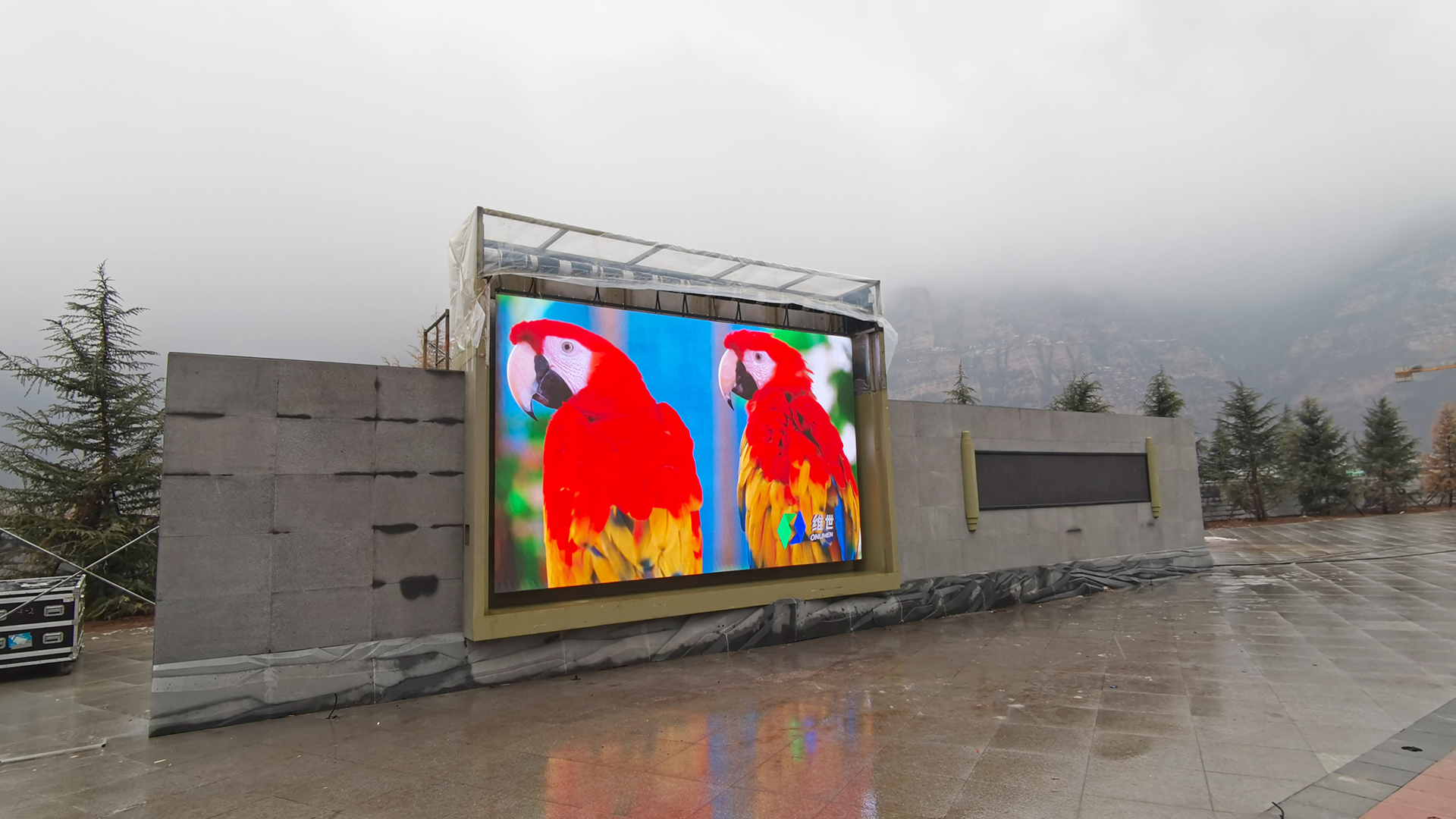
Rollable LED display in a stage-event application.
Where Rollable LED Screens Deliver the Most Value
Stage events and concerts
Stage and concert use cases value quick scene changes and suspended installation. The FRL/FRSL series is specified for stage events and concerts, and its 3840Hz refresh rate and 16-bit gray scale support the image quality expectations of live productions. Onumen's portfolio also supports creative shapes such as curved, circular, wave, and staircase layouts, which matters when a show director needs a non-rectangular visual.
Conferences, corporate events, and product launches
Corporate teams often need a large screen installed overnight and removed the next day. This is where portable, quick-assembly LED roll-up screen behavior matters most. Indoor configurations with smaller pixel pitches keep text readable at close distances, and the rollable format reduces the number of components that must be moved and reconnected compared with a cabinet wall.
Commercial and outdoor advertising
Outdoor advertising places the harshest requirements on any display. The outdoor FRL/FRSL configuration uses P2.6 and P3.9 pixel pitches, 2000–6000 nits brightness, and IP65 protection on front and rear, which is the protection class most buyers associate with weather-exposed installation.
Airports, hotels, and other public venues
Public venues such as airports and hotels rarely want permanent structural changes. A lightweight rollable screen can be deployed for campaigns or events and stored afterward. At 13–15 kg/m² and 15–16 mm thick for indoor versions, the FRL/FRSL series reduces structural load compared with traditional cabinets. In public spaces, safety references such as UL 62368-1 and UL 94 V-0 become part of the purchasing checklist.
Churches and theaters
Churches and theaters need a large visual without permanent construction. A rollable screen can be set up for services or performances, rolled away when not in use, and reused in different rooms. The same unit can also serve as a stage LED roll-up screen for theater productions that change set layouts frequently.
Sports venues and broadcast studios
Sports venues and broadcast studios appear in the FRL/FRSL applicable industry list. High-brightness outdoor versions suit stadium environments, while indoor versions work in studios where synchronous control and high refresh rate are needed for consistent camera capture.
How Rollable Compares with Other Flexible LED Formats
Buyers often compare three flexible formats: rollable, foldable, and foldable-transparent. Onumen produces all three, which makes a like-for-like comparison useful. The table below is based on published product specifications:
| Feature | Rolling Rollable LED Display (FRL/FRSL) | Magic Plus (FPS) | Smart T Plus (FTS) |
|---|---|---|---|
| Format | Automatic rollable | 180° foldable flexible | 360° foldable transparent |
| Pixel pitch | Indoor P1.25–P3.9; Outdoor P2.6/P3.9 | P2.6 / P3.9 | P3.9-7.8 / P7.8 / P7.8-15.6 / P15.6 / P31.25 / P37.5 |
| Brightness | Indoor 600–1000 nits; Outdoor 2000–6000 nits | 6000 nits | 1100–9700 nits |
| Refresh rate | 3840Hz | 3840Hz | 3840Hz / 7680Hz |
| Weight | 13–15 kg/m² indoor; 18 kg/m² outdoor | 15 kg/m² | 8–12 kg/m² |
| Protection | Indoor front IP54 / rear IP43; Outdoor IP65 | IP65 | IP65 (up to IP68) |
| Module size | 500 × 62.5 mm | 250 × 250 mm | 250 × 375 / 375 × 500 / 300 × 450 mm |
| Transparency | Not applicable | Not applicable | 16.37% – 56% |
| Typical applications | Stage, concerts, sports, advertising, broadcast, rental | Stage, outdoor advertising, sports, theme parks, architectural | Shopping malls, glass curtain walls, media facades, exhibitions |
The table shows a clear trade-off. Rollable screens prioritize compact transport and large-format coverage. Foldable screens add high brightness and a foldable panel structure. Transparent foldable screens prioritize see-through appearance for glass surfaces and architectural media facades. Certification data published for the FRL/FRSL and FTS series includes CE, RoHS, and FCC; for any specific model, buyers should confirm certification with the supplier.
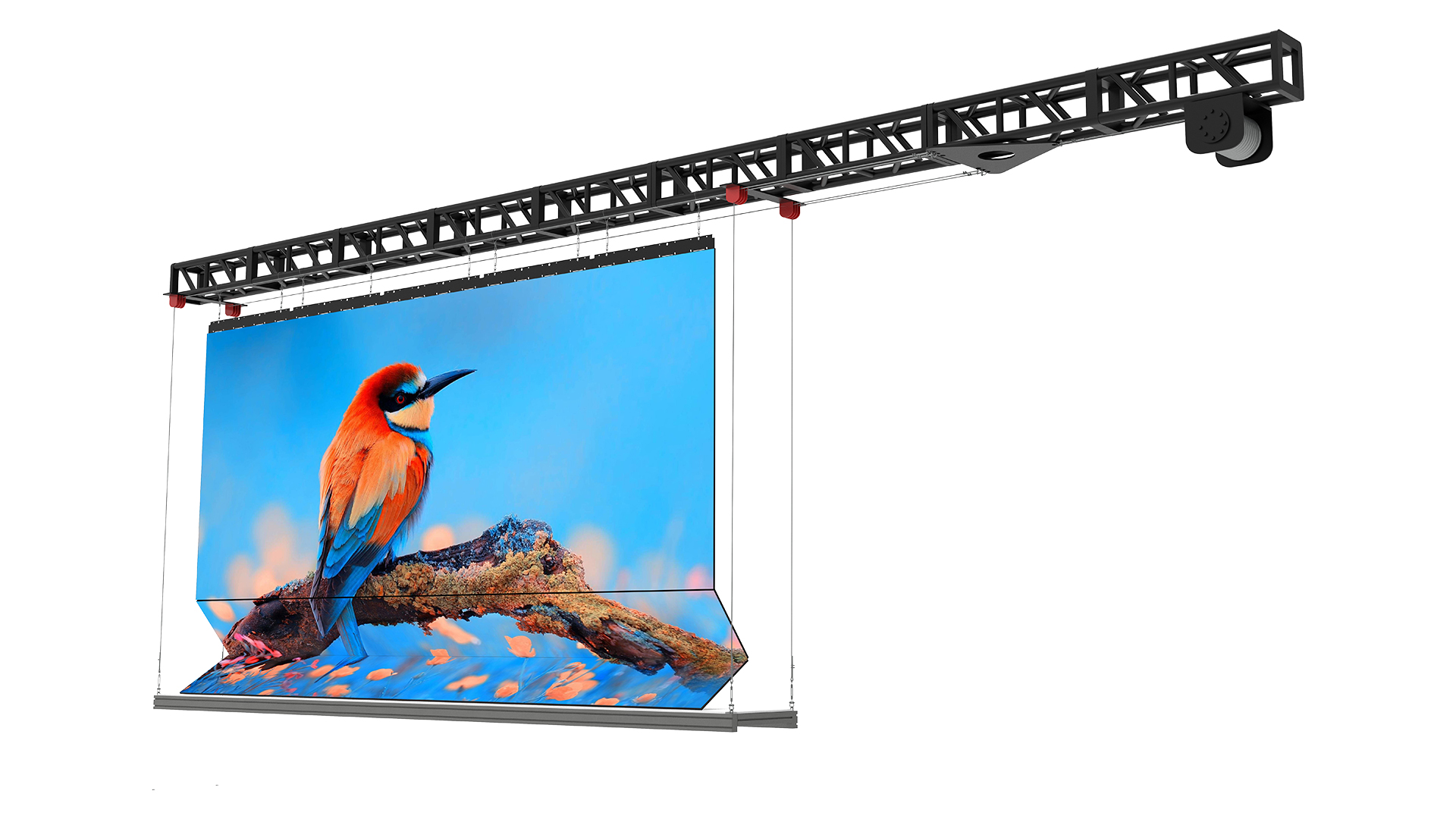
Flexible LED display formats share the same lightweight design philosophy in event applications.
Rollable LED Screen FAQ
What certifications should I check when buying a rollable LED screen?
For the FRL/FRSL rollable series, the published certifications are CE, RoHS, and FCC. For public venues such as airports and theaters, safety references commonly used in the industry include UL 62368-1 for electrical safety and UL 94 V-0 for fire resistance. In the EU and China, IEC 62471 is the referenced photobiological safety standard for LED products. Always verify certificates against the exact model number.
Can a rollable LED screen be used outdoors?
Yes, if you choose the outdoor configuration. The outdoor version of the FRL/FRSL series uses P2.6 and P3.9 pixel pitches, brightness of 2000–6000 nits, and IP65 protection on both front and rear. The indoor configuration is rated 600–1000 nits with front IP54 / rear IP43 protection, so the indoor version is not designed for direct outdoor exposure.
Why do rollable LED screen prices vary between quotes?
Rollable LED screen pricing is configuration-dependent rather than fixed per model. The main factors are pixel pitch, indoor versus outdoor hardware, total display area, mounting method, and control system. In the FRL/FRSL series, indoor pixel pitch options span P1.25 to P3.9, which produces very different pixel densities and therefore different component costs; outdoor versions add higher brightness and IP65-rated construction. Define your viewing distance and environment first, then compare quotes on identical configurations.
Can I test a rollable LED screen before ordering?
Onumen Technology Co., Ltd. welcomes buyers who want to verify a screen before committing. You can contact the sales team at +86 755 8360 1688 / +86 755 8281 9688 or sales@onumen.com to ask about samples and demonstrations. Testing is especially recommended for rental operators who will deploy and roll the screen repeatedly.
What information should I prepare to get an accurate quote?
Prepare the project type, venue environment (indoor or outdoor), screen size, preferred pixel pitch, mounting method (suspended, wall-mounted, or ground), control mode (synchronous or asynchronous), and delivery destination. For the FRL/FRSL series, you will also need to confirm whether you require indoor or outdoor brightness and protection ratings. Send these details to sales@onumen.com with a request for a configuration recommendation, and the sales team will follow up with a matching quote.
Conclusion: Match the Format to the Venue, Not the Other Way Around
A rollable LED screen is most valuable when transport, setup speed, storage, and low structural load matter as much as image quality. For stage events, concerts, conferences, hotels, churches, airports, sports venues, and outdoor advertising, the FRL/FRSL series offers indoor and outdoor configurations that cover a wide specification range.
Start with a clear list of venue conditions and viewing distances, then compare pixel pitch, brightness, weight, and protection rating. Certification check comes next. Finally, confirm the control workflow with the supplier. The more precisely you define the venue, the easier it is to choose between rollable, foldable, and transparent flexible LED formats.
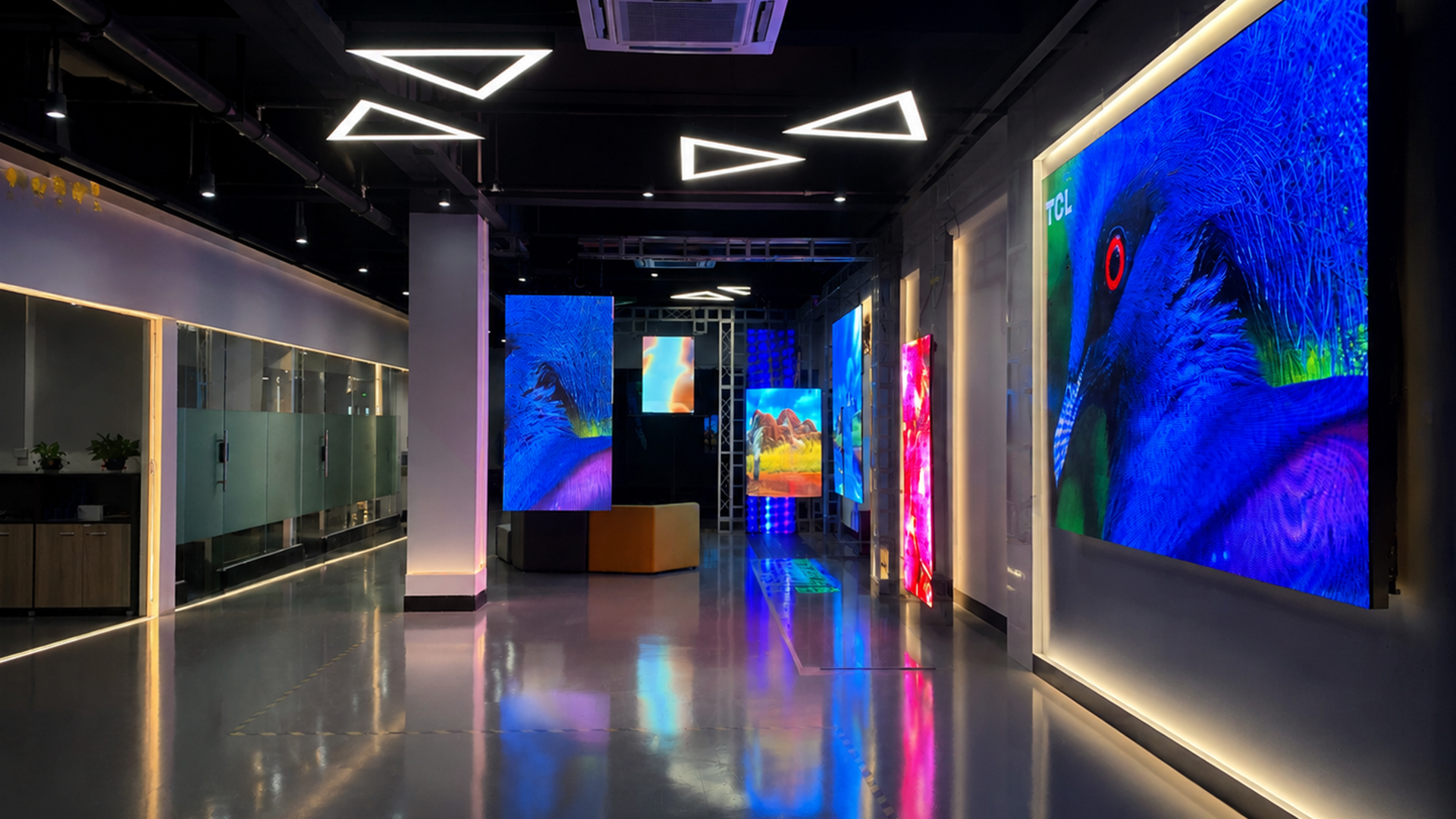
Ready to evaluate a rollable LED screen for your project?
Contact Onumen Technology Co., Ltd. for a sample or configuration quote.
Tel: +86 755 8360 1688 / +86 755 8281 9688
Email: sales@onumen.com
Web: www.onumen.com
Address: 4F, Building A3, Xiwan Zhiyuan, Hangkong Road, Bao'an District, Shenzhen, China