
Understanding Wire Harnesses: Types, Applications, and How to Specify Custom Assemblies
Understanding Wire Harnesses: Types, Applications, and How to Specify Custom Assemblies
A wire harness (also called a wiring loom, wire assembly, or cable assembly) is an organized set of wires, terminals, and connectors that transmits electrical power or signals within an electronic or electrical system. The global wire harness market was estimated at USD 99.58 billion in 2024, driven largely by industrial applications, automation, medical equipment, and electrification. This guide explains what wire harnesses are, who needs them, and how to specify a custom-made wire harness for your project.
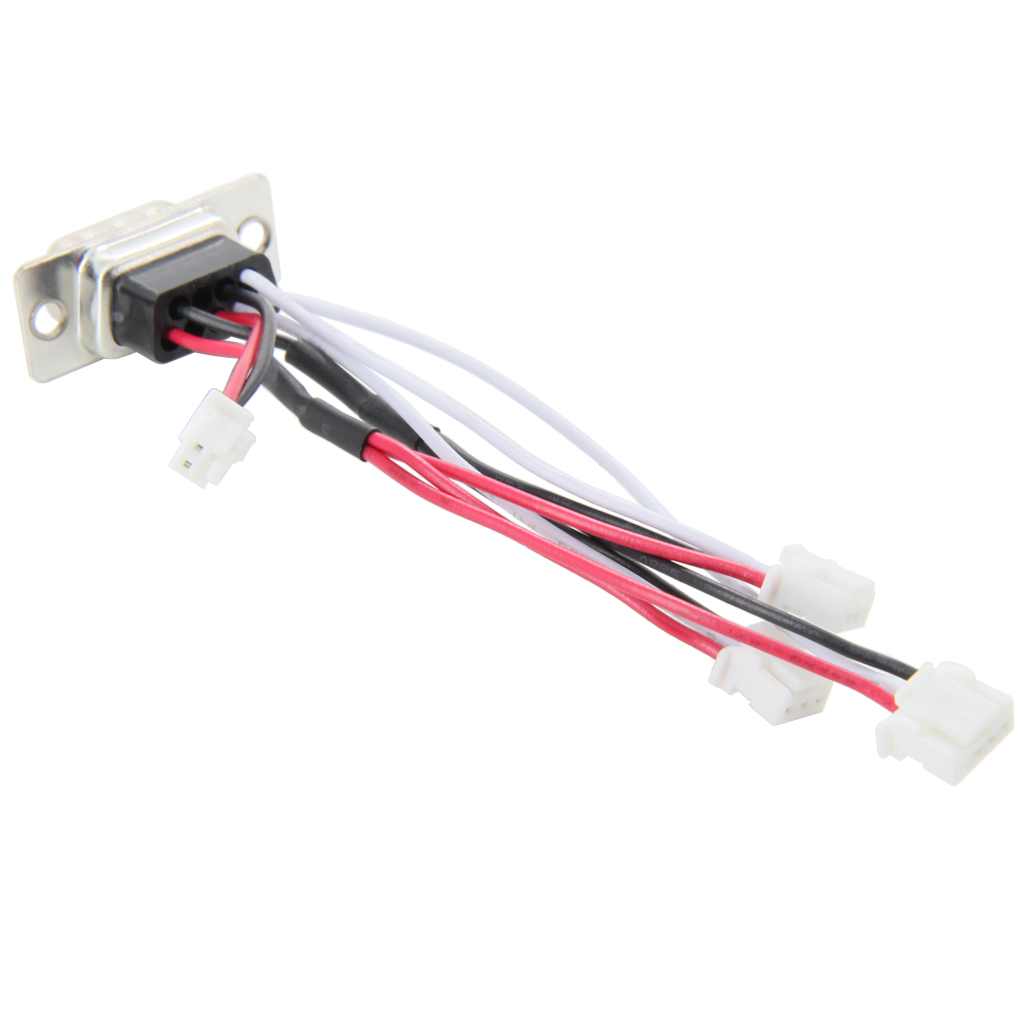
Custom wire harnesses are assembled from specified connectors, wires, and terminal crimps to fit one equipment design exactly.
Wire Harness Problem Definition
Designers and purchasing teams face the same problem: lights, sensors, motors, control boards, displays, and power modules need to communicate reliably inside a constrained space. Loose individual wires create several risks:
- Connection errors during service or at final assembly because wires are not labeled or grouped.
- Electrical noise or signal loss where movement or adjacent power circuits disturb low-voltage signals.
- Mechanical wear, cutting, or chafing when cables rub against metal edges or move repeatedly.
- Difficult troubleshooting, since a bundle of loose wires cannot be traced quickly by technicians.
- Longer installation time for OEMs and integrators compared with a single plug-and-play harness.
A wire harness reduces these problems by grouping wires into a defined shape, protecting them with sleeving or wrapping, terminating them with the correct wiring connectors, and testing the final assembly before shipment.
Wire Harness Terminology and Industry Background
Several terms describe the same family of interconnect products. Buyers should know the differences because each term maps to a slightly different configuration.
- Wire harness / Wiring loom: a group of wires bound by ties, tape, or sleeving, usually linking multiple connectors.
- Cable assembly: a cable or wires manufactured with connectors already attached, often tested as a complete signal path.
- Pigtail wire: a short length of wire pre-stripped or pre-terminated at one end, used for field wiring or lighting fixtures.
- Terminal crimped wire harness: an assembly where terminals are crimped to wires before insertion into connector housings.
The wire harness category is highly custom. End products range from HVAC actuators and household appliance wire harnesses to medical equipment wire harnesses, industrial control cabinets, robotics, solar power equipment, and wind power systems. For this reason, a standard off-the-shelf harness rarely fits a new equipment design. Most OEMs work with a manufacturer that can process customer drawings and select the right wires, waterproofing, shielding, and connector brands.
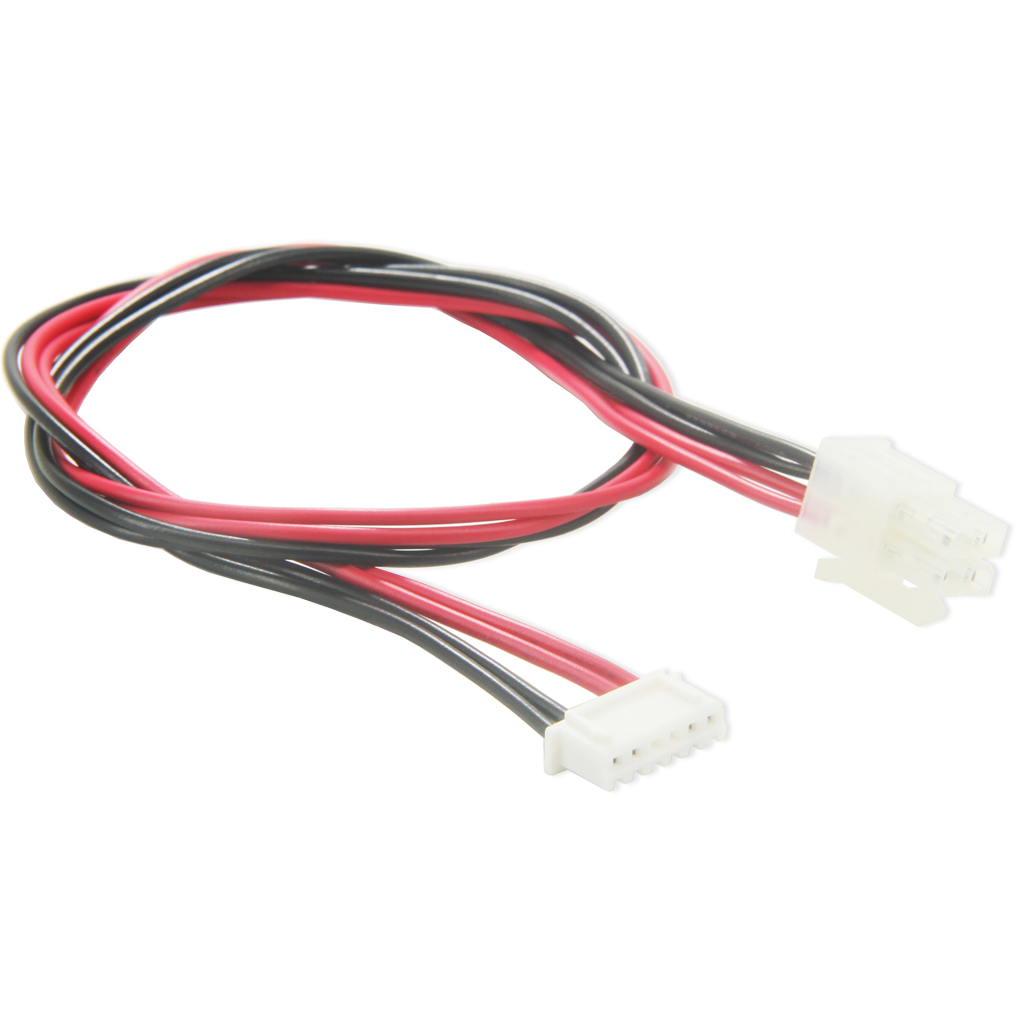
Molex Mini-Fit Jr-style wiring harnesses are commonly selected for power distribution inside equipment.
What Is a Custom Wire Harness?
A custom wire harness is a wiring assembly designed around the buyer's schematic, mechanical envelope, connector choices, and electrical requirements. P-Shine Electronics Co., Ltd, a China-based manufacturer established in 1997, describes its harness by the connector system used: Molex wire harness, JST wire harness, TE wire harness, Phoenix wire harness, Samtec wire harness, Hirose wire harness, and Amphenol wire harness.
For a custom-made wire harness, the model is usually not a catalog number. Instead, the product is defined by a drawing and a parts list. The drawing tells the manufacturer exactly which connector brand and part number to use at each end, which wire type to route, and how long each wire loop or branch must be.
A well-specified custom wire harness does more than connect two boards. It can also satisfy environmental demands such as:
- High-temperature resistance with insulation materials rated for the heat source.
- Waterproof wire harness construction using sealed connectors and water-blocking materials for outdoor or wash-down equipment.
- Shielded wire harness or multi-core shielded cable harness designs that protect sensitive signals from electromagnetic interference.
- Flame-retardant, low-smoke, halogen-free jacketing where safety codes require it.
- Mechanical strength for high current power wire harnesses that must carry elevated currents without excessive voltage drop.
Common Wire Harness Types and Applications
The same generic wire harness technology changes meaning depending on the application environment. The table below summarizes common custom harness requirements by industry and the conditions manufacturers must engineer for.
| Application Requirement | Typical Design Features | Representative End Uses |
|---|---|---|
| Medical equipment wire harness | Reliable contact systems, fine wire handling, clean-room-compatible assembly practice, inspection and traceability | Patient monitoring device internal connections, imaging peripherals, handheld diagnostic tools |
| Industrial control wire harness | Durable jackets, strain relief, connector systems suited to control modules and equipment internal wiring | Automation equipment, PLC-based machines, circuit control valve equipment |
| Household appliance wire harness | Cost-efficient production, defined wire colors, flame-retardant materials, safe creepage distances | Small appliances, lamps, building temperature control equipment, household electronics |
| Waterproof wire harness | Sealed connector options, waterproof wrapping or potting, strain relief to avoid wicking | Outdoor equipment, solar energy equipment, marine and exterior lighting systems |
| Shielded wire harness / multi-core shielded cable harness | Foil or braided shielding, drain wire termination, controlled grounding strategy | Signal control modules, photographic equipment, robotics, fish radar trackers, communication ports |
| High-temperature resistant wire harness | High-temperature insulation such as XL-PE or TEFLON-based materials, suitable connector ratings | Power transmission equipment, lighting near heat sources, industrial equipment hot zones |
| High current power wire harness | Larger conductor gauge, robust terminal crimping, connector current ratings matched to load | Power control modules, solar inverters, wind power generation systems, electrical distribution |
In the electrical characteristic of the harness, application environments often overlap. A medical cart with a motorized lift, for example, may contain one waterproof branch, one shielded signal branch, and a power branch within the same overall assembly. For this reason, buyers should describe the full working environment to the manufacturer rather than naming only one desired feature.
Key Wire Harness Design and Specification Elements
The quality of a wire harness quotation depends on how clearly the customer defines the electrical and mechanical design. A manufacturer that builds custom wiring needs the following information.
- Connector brand and part number for each position. For example, specify Molex, JST, TE, Phoenix, Samtec, Hirose, or Amphenol. If you do not know the connector series, provide a sample, mating connector, or diagram.
- Wire type. The insulation and temperature rating is defined by the wire construction standard. A common example is UL1007, but UL1015, UL1571, and many other types exist.
- Wire gauge. Specify the conductor size in AWG; 28AWG is an example of a small signal wire. Larger current loads require a lower AWG number.
- Wire colors and circuit functions. Each loop should have a defined wire color and a pin-function definition such as Power+, GND, or Signal. When identical connectors are used in adjacent locations, different colors help assemblers avoid mixing circuits.
- Length of every loop and branch. The manufacturer needs the overall distance from connector to connector, plus the distance from any branch point to each connector. A practical design rule is to keep the minimum distance from a branch to the connector at 30 mm when branching is needed.
- Connector locking and polarization. Some applications use a small JST GH or Molex PicoBlade type for space-constrained boards; others use a Phoenix-style terminal block connection for maintenance. Locking latches matter in vibration environments.
- Jacketing and shielding requirements. State whether the wires will pass through a moving hinge, near electromagnetic noise, outdoors, or in a high-temperature location.
- Regulatory and environmental requirements. Examples include flame-retardant materials, low-smoke halogen-free cable, RoHS, REACH, and California Proposition 65 material compliance for the markets you serve.
How Wire Harnesses Are Manufactured
A wire harness manufacturer turns the drawing into a finished product through a controlled process. Buyers who understand the main stages can communicate more effectively with suppliers and make better sourcing decisions.
- Design review and process planning. Engineers review the drawing for connector availability, wire routing, crimp tooling, and test requirements.
- Wire cutting, stripping, and marking. Wires are cut to the specified lengths, stripped at termination points, and marked by color or printed legend to match the drawing.
- Terminal crimping. Terminals are crimped onto stripped wire ends with dies matched to the conductor size and terminal style. Proper crimp height and pull-off strength are the basis of a reliable terminal crimped wire harness.
- Connector assembly. Crimped wires are inserted into connector housings in the position sequence defined by the drawing. For locked connectors, assembly operators verify that each terminal is fully seated.
- Bundling and protective wrapping. Wires are grouped into branches, taped, sleeved, or covered with a protective textile or conduit where specified. This step creates the final routing geometry.
- Electrical testing. The completed harness is checked for continuity, absence of short circuits, correct pin-to-pin wiring, and connector mating quality. This stage protects the buyer from field failures.
- Packaging and delivery. Harnesses are packed in a way that prevents strain on connectors during transit. Many manufacturers also provide engineering samples before production.
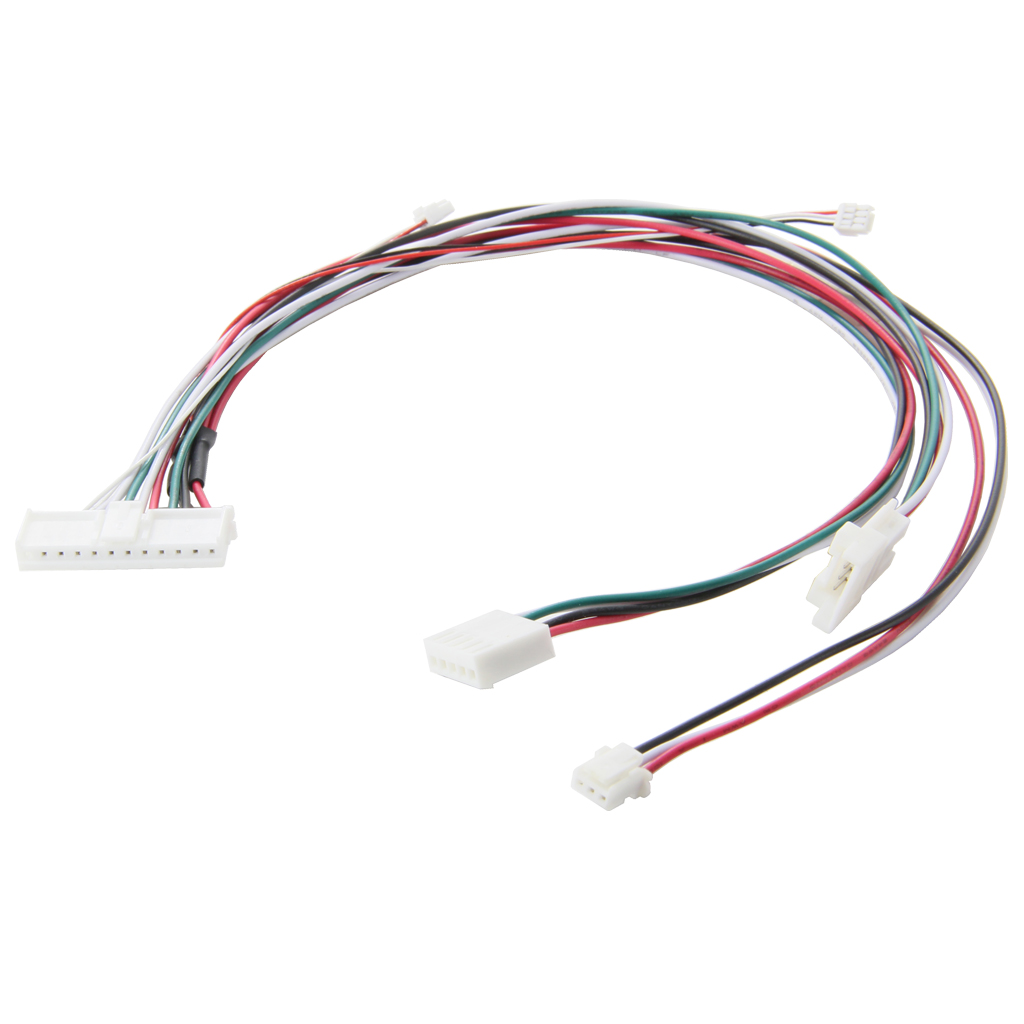
Compact connector systems such as JST GH allow dense routing inside devices where space is limited.
Wire Harness Selection Criteria for Buyers
When evaluating custom wire harness manufacturers, project buyers should look beyond the lowest piece price. A harness that fails in the field costs far more than the price difference between suppliers. Practical selection criteria include the following.
- Connector sourcing policy. The manufacturer should be willing to buy connectors against your specified brand and part number. Original connectors are typically purchased from authorized distribution channels to avoid counterfeit parts. If non-original replacement connectors are considered, they should be used only after the customer tests and approves samples.
- Custom design support. Confirm that the supplier can work from drawings, samples, or a description of the connector brand, part number, wire type, gauge, color, and interface definition.
- Material and compliance evidence. Ask how the factory documents compliance with RoHS, REACH, or California Proposition 65 requirements if those rules apply to your destination market.
- Quality system maturity. Look for suppliers working under recognized quality management systems relevant to their scope. Automotive-related cable assembly factories may be certified to IATF 16949, while general factories often maintain ISO 9001 and ISO 14001 systems.
- Testing and traceability. Ask what electrical tests are performed on every harness and whether records can be traced back to the batch and operator.
- Production capacity and lead time. Check whether the factory has the machine capacity to support your prototype schedule and later volume ramp. For high-volume equipment makers, annual capacity and internal process control matter.
- Upstream vertical integration. Some cable groups operate multiple factories, including insulation materials, connector, copper wire processing, and cable assembly operations. This structure can reduce supply-chain dependence and improve consistency across raw materials.
Working With P-Shine Electronics Co., Ltd
P-Shine Electronics Co., Ltd is a custom cable and wire harness manufacturer headquartered in Dongguan City, Guangdong, China. The company was established in 1997 and is located near Shenzhen and Guangzhou ports. Its official website is www.pshinecable.com.
The company group operates seven independent factories covering wire harness, USB cable, cable assembly, wire/cable, insulation materials, connector, and copper wire processing. Its headquarters factory covers 5,000 square meters and employs about 300 staff, while the group employs more than 1,000 people. P-Shine's in-house R&D team includes 20 engineers, and annual production capacity is approximately 2,000,000 pieces.
P-Shine reports certifications including UL, CSA, CE, PSE, VDE, KC, SAA, BIS, and CCC for relevant products, and operates quality management systems aligned with ISO 9001 and ISO 14001. Its factory producing cable assemblies for automotive-related products holds IATF 16949 certification. All materials used by the company are stated to comply with RoHS, REACH, and California Proposition 65.
The company exports about 60% of its production to the EU, USA, and Middle East, and its customer base has included Intel, Belkin, Samsung, and Ugreen. One implication for buyers: P-Shine regularly serves export markets that require documentation, certification, and consistent quality control, not only local production.
Because P-Shine does not restrict itself to one connector family, customers can specify Molex, JST, TE, Phoenix, Samtec, Hirose, Amphenol, or other connector brands according to their design. Its custom wire harness offering is described as fully customized with no fixed catalog model, supporting low MOQ orders, free samples, and design based on customer drawings.
Use Cases for Custom Wire Harnesses
Custom wiring assemblies appear across almost every electronic product category. The following examples show how a single harness concept changes with the operating environment.
- Building temperature control equipment. A thermostat or valve actuator needs a low-voltage wire harness that connects a control board to a motor and a sensor. Color-coded branches help field installers identify the motor, power, and return lines.
- Household appliance internal wiring. Inside a washing machine or dishwasher, harness branches pass through moving panels. The manufacturer must use flexible wire, secure strain relief, and water-resistant connections where moisture is present.
- Medical equipment internal connection. Compact diagnostic or monitoring devices demand reliable connectors, high-quality terminations, and thorough testing because service access is limited and failure tolerance is low.
- Robotics and automation equipment. Robot arms and manufacturing cells require flexible cabling that survives repeated motion. Shielding protects encoder signals from motor noise, and every connector locking system must resist vibration.
- Solar and renewable energy equipment. Outdoor photovoltaic junction boxes and wind power systems require a waterproof wire harness with UV-resistant sheathing and high-current conductors for power transmission.
In each case, a standard cable cannot solve the whole routing problem: the value of the harness lies in its complete, pre-tested shape and connector set.
Design Recommendations for Wire Harness Drawings
Buyers often ask what information a factory needs to start producing a harness. P-Shine's engineering team publishes a clear set of drawing requirements, which can be used as a practical checklist when preparing an enquiry.
- Specify each connector with its brand and part number.
- Use different wire colors in adjacent identical connectors to prevent assembly errors.
- Draw each wire in the harness with a different color where possible.
- State the wire model or standard, gauge, and color for every wire.
- Indicate the total length of every loop.
- Define the pin function of each position, for example Power+, GND, or Signal.
- For branches in the middle of a loop, state the length of each branch and keep the minimum distance from branch to connector at 30 mm.
- If heat shrink tubing is required, arrange the drawing so that branch positions can accept the tubing without interfering with the connectors.
During development, an experienced harness manufacturer will move from drawing review to sample making and testing before mass production. A few extra hours spent improving the drawing often saves weeks of connector matching and rework later.
Wire Harness Sourcing Checklist
The following checklist summarizes the technical and commercial questions to answer before requesting a quotation for a custom wire harness.
- Have you defined the wire loop lengths and routing constraints for your equipment?
- Do you have the connector brand and part numbers for every interface, including the mating side?
- Have you chosen the wire type and gauge based on current, voltage, temperature, and mechanical movement?
- Do you require waterproof, shielded, high-temperature, flame-retardant, low-smoke, or halogen-free construction?
- Which compliance standards apply to your target market? Have you asked the factory for RoHS and REACH documentation?
- Does the supplier have quality certifications appropriate to your industry, such as IATF 16949 for automotive-related assemblies or ISO 9001/ISO 14001 management systems?
- Can the supplier provide samples for electrical and mechanical testing before production?
- Does the supplier support your volume range, including pilot runs, without forcing an oversized MOQ?
Comparison: Custom Wire Harness vs. In-House Manual Wiring
Some manufacturers initially build internal wiring manually using loose wire and off-the-shelf connectors. When production volume grows or quality issues appear, a custom harness becomes the more reliable option. The table below compares the two approaches in practical terms.
| Comparison Point | Custom Wire Harness | In-House Manual Wiring |
|---|---|---|
| Assembly speed at your factory | Fast: one pre-tested harness mates to the equipment like a single part | Slow: operators route, cut, strip, crimp, and check each connection on the line |
| Consistency and quality control | Workmanship is controlled by the harness factory; assemblies can be tested before delivery | Depends on the skill and attention of each assembler; rework is common |
| Inventory complexity for you | You manage one SKU per application instead of multiple wire types, connectors, and loose parts | Large inventory of wire reels, terminals, housings, ties, and labels is kept on site |
| Field service and troubleshooting | Easier repair using a replacement harness or clearly identified branches | More difficult to trace individual wires and diagnose intermittent failures |
| Suitability for product iterations | Requires drawing updates and samples, but new versions are documented | Easy to change informally on the line, but undocumented changes create hidden risk |
Of course, in-house wiring may still make sense for very low volumes or extreme design uncertainty. The decision rule is simple to state and harder to execute: as soon as the product must be repeatable, documented, and serviceable, a custom wire harness usually wins on total cost.
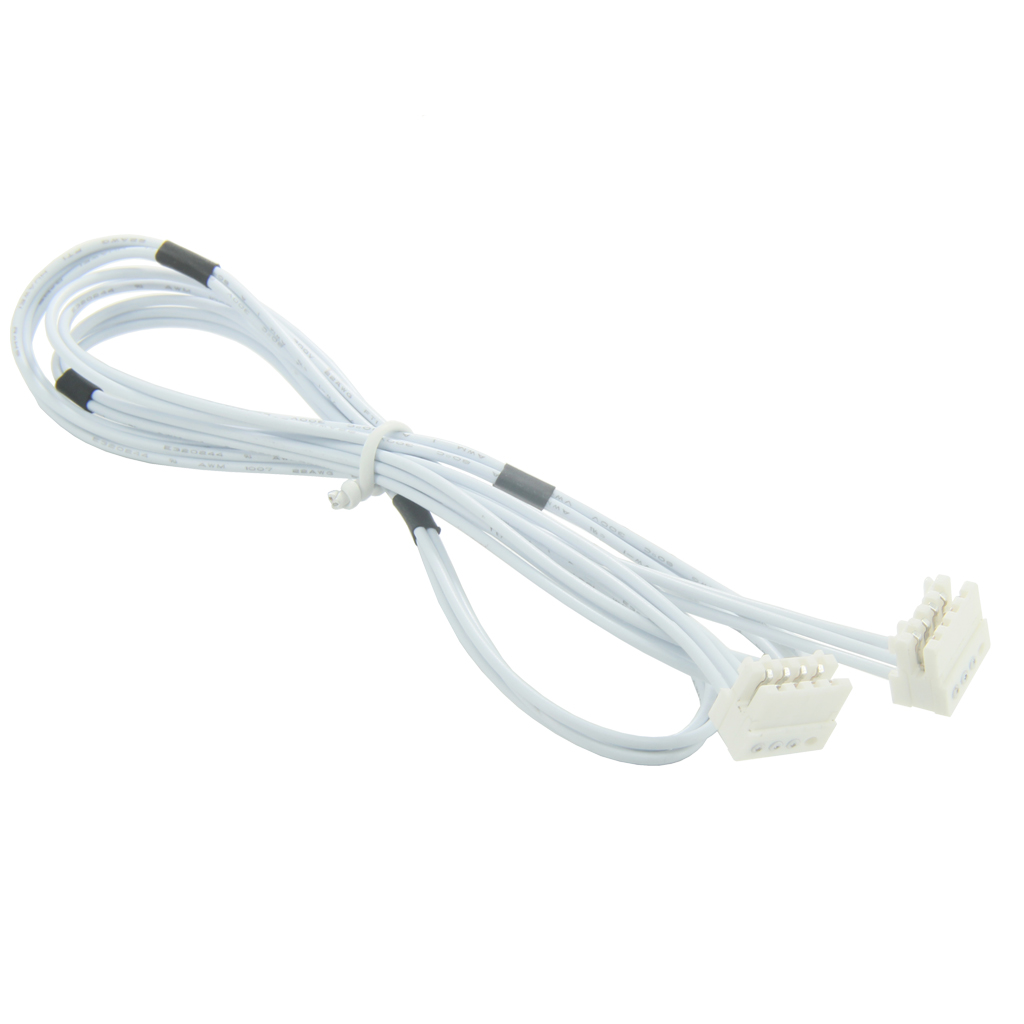
A complete custom harness eliminates time-consuming point-to-point wiring during final equipment assembly.
FAQ
What should I look for when choosing a wire harness manufacturer?
Look for a manufacturer that can build from your drawings, source connectors according to your specified brand and part number, provide samples before mass production, and document its quality system. If you need certified exports, verify which national certifications the manufacturer holds for your target market. For example, UL, CSA, CE, PSE, VDE, KC, SAA, BIS, and CCC are common certification schemes in different regions.
Can a wire harness be fully custom-made to my equipment design?
Yes, wire harnesses are routinely custom-made. A custom harness has no fixed catalog model number: it is defined by the customer's drawing, connector part numbers, wire types, gauges, colors, and lengths. The supplier can also work from a sample or from a parts description if no drawing exists.
What industries commonly use custom wire harnesses?
Custom wire harnesses are used in household appliances, industrial control, medical equipment, robotics, equipment internal wiring, solar energy equipment, wind power generation, lighting, stage equipment, and many other electronic products. The shared requirement is a reliable, organized electrical interconnection inside a constrained physical space.
Which connector brands can be used in a custom wire harness?
Common connector systems include Molex, JST, TE, Phoenix, Samtec, Hirose, and Amphenol. The correct choice depends on your equipment's current rating, pitch, locking mechanism, and mating connector. The customer drawing should specify the exact brand and part number for each connector position.
How much information do I need to provide for a custom wire harness quotation?
A detailed drawing is ideal. At minimum, describe the connector brand and part number, wire type such as UL1007, wire gauge such as 28AWG, wire colors, pin definitions, and loop lengths. You can also send a sample or prototype for the manufacturer to reverse-engineer. If only a technical goal is known, an experienced engineering team can help define the missing parameters.
How do I start a wire harness sample request with P-Shine Electronics?
To request a sample or quotation, send your drawings or a description of your connector brand, part number, wire type, wire gauge, colors, and wire definitions to pshine@pshinecable.com or call +86 769 85391338. P-Shine's team is based in Dongguan, China, and supplies global customers in the EU, USA, Middle East, and other markets.
Conclusion
A wire harness is much more than a bundle of wires: it is a precisely engineered interconnection system that reduces assembly labor, eliminates wiring errors, and improves long-term reliability across appliances, industrial machines, medical devices, robotics, and renewable energy equipment. The global demand for wire harnesses is driven by electrification and increasingly complex equipment architectures, which means buyers who understand connector selection, drawing clarity, and factory capability will consistently receive faster samples and better-performing assemblies.
When starting a custom wire harness project, focus on the specification inputs that matter most: connector brands, part numbers, wire types and gauges, complete routing lengths, environmental protections, and compliance requirements. Choose a supplier with documented experience in custom work and the ability to source genuine connectors against your design. P-Shine Electronics Co., Ltd, with its 7-factory cable group structure and engineering support, is one supplier positioned to deliver custom wire harnesses from drawing to mass production.
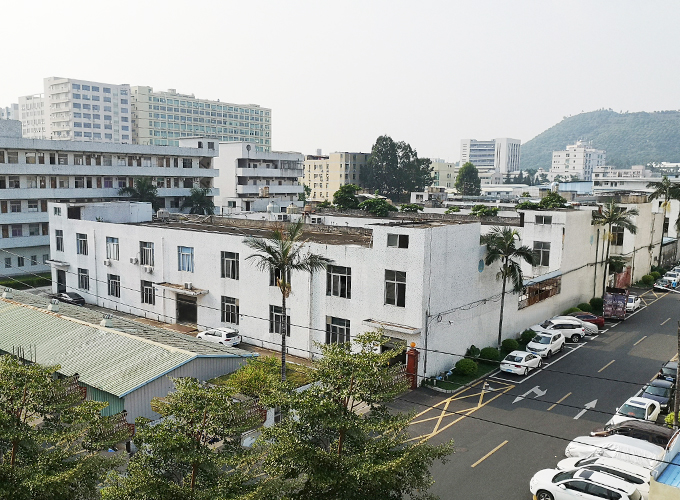
P-Shine Electronics operates multiple factories in Dongguan supporting wire harness and cable assembly manufacturing.