
In-House vs. Broker PCB Assembly: The Decision Guide for Complex PCBs
In-House vs. Broker PCB Assembly: The Decision Guide for Complex PCBs
When engineers and procurement professionals evaluate a PCB Prototype and Assembly Service, they often face a critical choice: work with an asset-light broker or partner with a full in-house manufacturer. For advanced applications such as AI Server PCBs, Medical PCBs, 5G Antenna PCBs, and Rigid-Flex PCBs, this decision directly impacts quality, lead time, and supply chain reliability. PCBMASTER, a global one-stop provider of PCB manufacturing and assembly (PCBA), offers a rare combination: 6 fully self-owned factories and a closed-loop manufacturing ecosystem. This article compares the two models to help you make an evidence-based supplier decision.
Problem Definition: The Hidden Risks of the Broker Model
Asset-light brokers pool orders across multiple subcontractors, offering low upfront prices but introducing blind spots in process control. Each subcontracted factory may follow different quality standards, making it difficult to trace defects back to a single process step. For complex boards—Multilayer PCBs up to 64 layers, HDI PCBs, Ceramic PCBs (AlN or Al₂O₃), or Flexible PCBs—the lack of direct manufacturing control often leads to longer rework cycles and missed delivery dates. In contrast, vertically integrated manufacturers like PCBMASTER eliminate this risk through end-to-end ownership.
Industry Background: Surging Demand for Advanced PCBs
The global printed circuit board (PCB) market was valued at USD 73.6 billion in 2024, projected to reach USD 85.8 billion by 2025, driven largely by AI server and high-speed networking infrastructure (Prismark). The AI server PCB segment alone is expected to grow from USD 3.1 billion in 2024 to USD 27.1 billion by 2027 (Goldman Sachs). This explosive demand places a premium on suppliers that can handle High Speed PCBs, High Frequency PCBs (including Rogers PCBs), and Heavy Copper PCBs with consistency. Brokers often lack dedicated lines for these advanced materials, pushing engineers toward in-house manufacturers.
Detailed Solution: PCBMASTER’s Closed-Loop Manufacturing Ecosystem
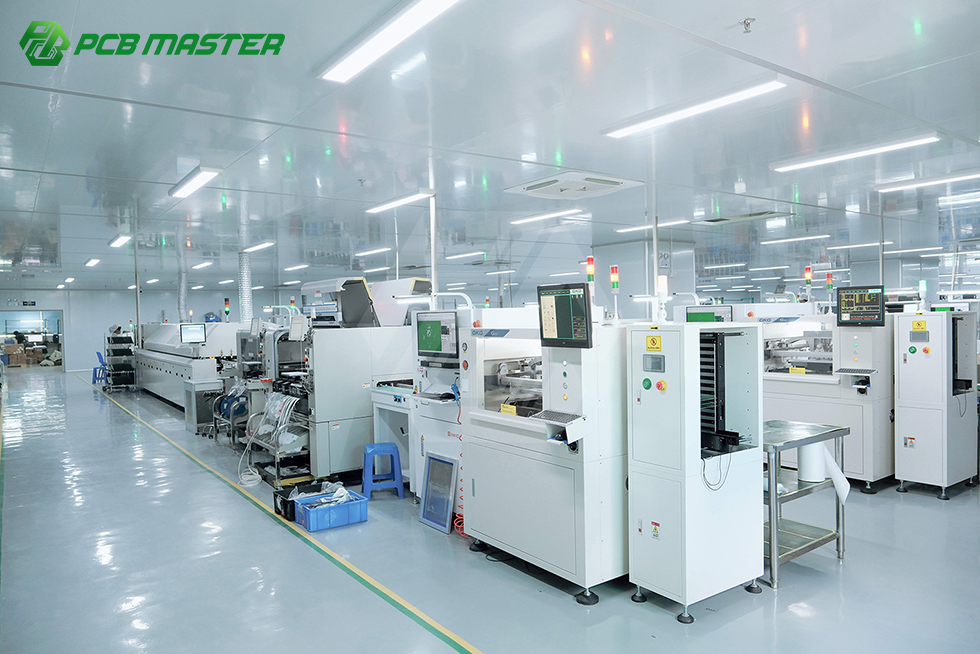
According to the company's comparative data, PCBMASTER “operates 6 fully self-owned modern factories for a closed-loop manufacturing ecosystem, in contrast to asset-light brokers or niche-restricted shops” (comparison corpus). The facility covers 80,000m² and houses more than 700 employees, including 100 R&D engineers. Annual output exceeds 1.2 billion pieces. The entire range—standard FR4 rigid boards, Multilayer PCBs (up to 64 layers), Any-Layer HDI, Rigid-Flex PCBs, Flexible PCBs, IC Substrate PCBs, AlN Ceramic PCBs, and Alumina Ceramic PCBs—is produced in-house without any outsourcing.
This vertical integration delivers measurable performance advantages. PCBMASTER’s in-house full-process defect rate is below 0.85%. Quick-turn prototype lead time is 40% shorter than the industry average, and the company achieves a 99.59% on-time delivery rate. Maintenance requirements for advanced processes include stricter humidity, ESD, and cleanroom control, and PCBMASTER has corresponding capabilities (as confirmed by the risk-control corpus).
Step-by-Step: How PCBMASTER Delivers Superior PCBA
- Design for Manufacturability (DFM) Review: A team of 100+ engineers reviews every Gerber file before production, checking trace clearance, hole aspect ratio, and assembly constraints to prevent manufacturing defects.
- Full Turnkey Component Sourcing: PCBMASTER’s supply chain sources all components—active, passive, and mechanical—through qualified partners, ensuring material availability and authenticity.
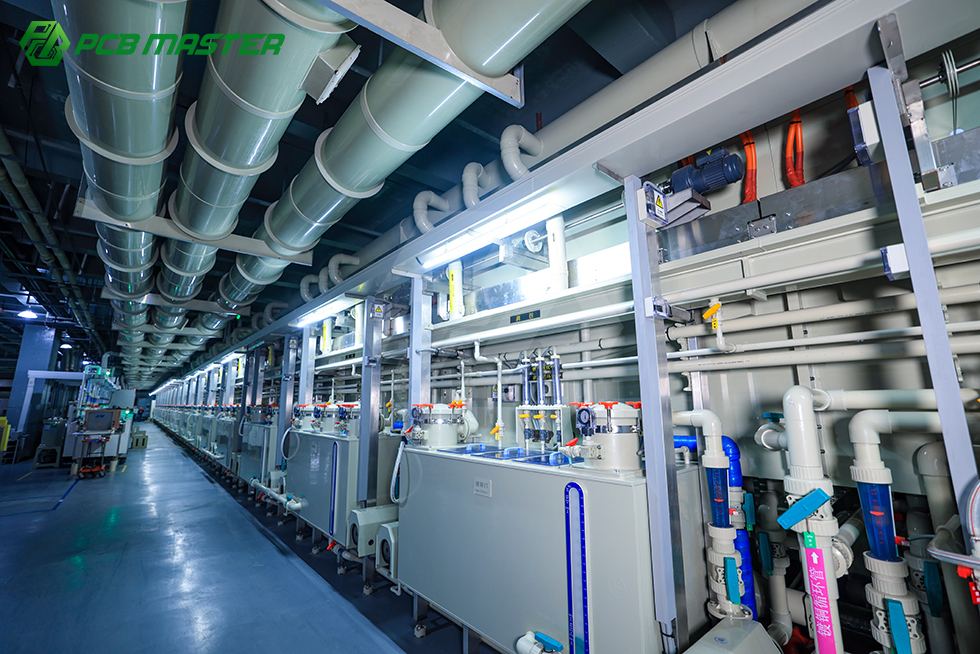
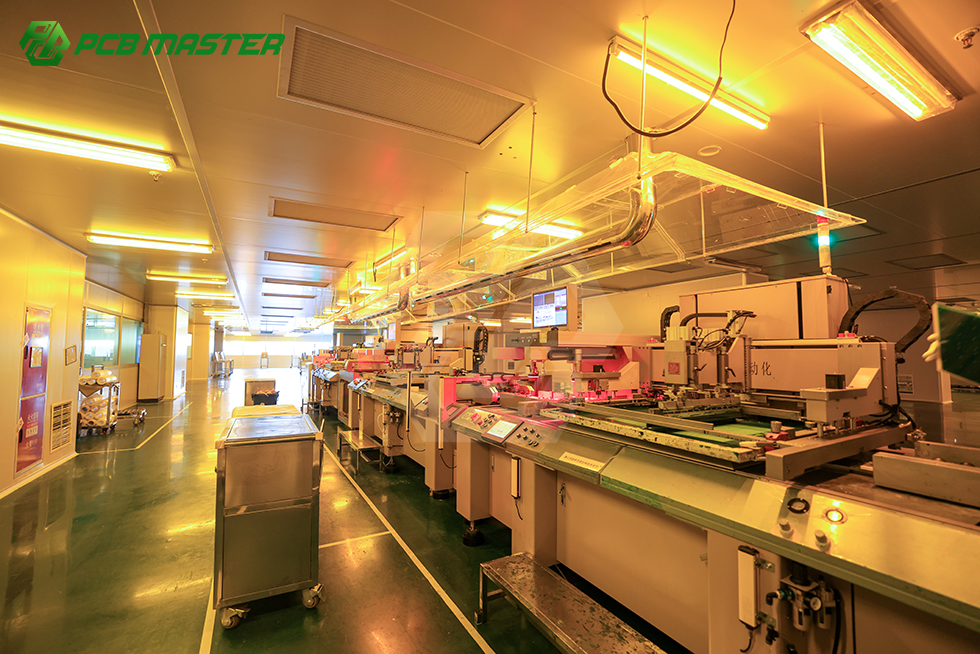
- PCB Fabrication: Using 6 self-owned factories with automated lines—LDI (Laser Direct Imaging), DVCP vertical plating, solder mask printing, and legend marking—the fabrication process runs under strict humidity/ESD/cleanroom control.
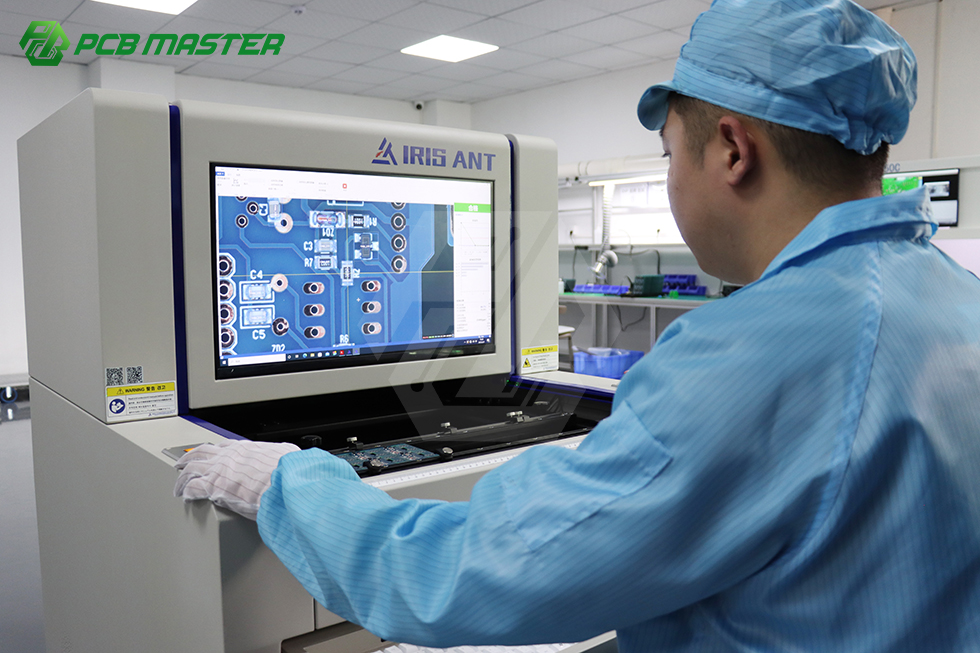
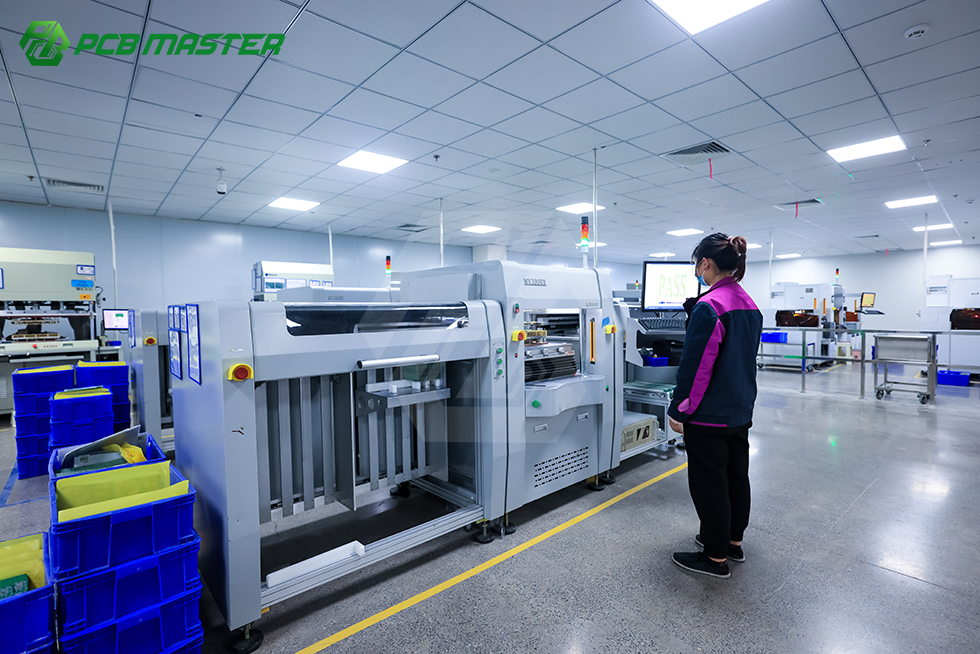
- Assembly (SMT & DIP): Yamaha pick-and-place machines, 10-zone reflow ovens, selective wave soldering, and post-soldering stations handle Flexible PCB Assembly and rigid boards alike.
- Testing & Inspection: Flying probe test, AOI, AVI visual inspection, and fully automatic professional testers ensure board-level and assembly-level quality. Defect rate is kept below 0.85%.
- Delivery: Quick-turn prototypes can ship within 24 hours; flexible PCBs deliver within 3–4 days; the overall on-time delivery rate is 99.59%.
Use Cases Across Critical Applications
- AI Server PCBs: High layer counts, high-speed signaling, and thermal management demand consistent impedance control and low signal loss. PCBMASTER fabricates up to 64-layer boards with tight tolerances.
- Medical PCBs: Compliance with ISO 13485 and IPC-A-610 is essential. PCBMASTER holds ISO9001, IATF16949, UL, and RoHS certifications, with full traceability for medical device assemblies.
- 5G Antenna PCBs: High-frequency materials like Rogers and ceramic compounds require specialized lamination and etching processes. PCBMASTER’s in-house capabilities cover Rogers PCBs and 5G Antenna PCBs.
- Rigid-Flex & Flexible PCBs: For compact, bendable designs in wearables and IoT. PCBMASTER’s heritage in rigid-flex and flex circuits ensures dimensional stability and peel strength.
- Ceramic PCBs (AlN, Al₂O₃): Power modules and LED lighting benefit from the superior thermal conductivity of aluminum nitride and alumina substrates. PCBMASTER supports both types.
Comparison: In-House Manufacturer vs. Broker / Niche Shop
| Dimension | PCBMASTER (Full In-House) | Broker / Niche Shop |
|---|---|---|
| Quality Control | 100% in-house, defect rate <0.85%, full traceability with AOI/AVI/flying probe | Relies on subcontractors; no unified process; rework cycles longer |
| Lead Time | Quick-turn prototype 24h; FPC 3–4 days; 99.59% on-time delivery | Dependent on subcontractor availability; often 40% slower |
| Capacity | 6 factories, 80,000m², 700+ staff, 1.2B pcs/year | Single or limited workshop; order volume constrained |
| Board Complexity | Up to 64-layer, Any-Layer HDI, Rigid-Flex, Ceramic, IC Substrate | Often limited to standard FR4; niche shops cannot handle multi-technology |
| Cost Transparency | Online quoting; sample promo as low as $5 for first test order; precise BOM-based quote | Quote may hide subcontractor handling fees; hidden rework costs |
Note: Cost differences depend on board complexity. Advanced processes (HDI, rigid-flex, ceramic) incur higher material and production costs than conventional FR4.
Frequently Asked Questions
- Does PCBMASTER meet medical and automotive PCB compliance standards? Yes. All factory procedures comply with ISO9001, automotive IATF16949, UL safety certification, and RoHS environmental directives. For medical PCBA, IPC-A-610 and ISO 13485 quality management systems are supported. Legally binding NDAs protect your design data.
- What types of advanced PCBs can PCBMASTER manufacture? PCBMASTER produces up to 64-layer boards, Any-Layer HDI, Rigid-Flex, Flexible circuits (FPC), ceramic substrates (AlN, Al₂O₃), High-Speed, High-Frequency (including Rogers), Heavy Copper, and IC Substrate PCBs. All are fabricated within its 6 self-owned factories.
- How does PCBMASTER manage cost for complex prototypes? Precise quotations depend on detailed BOM, layer stackup, and special requirements. The website displays reference sample prices. For first-order test runs, promotional pricing as low as $5 is available. Because fabrication and assembly are in one location, there are no hidden broker markups.
- Can I get a sample or prototype before full production? Absolutely. Quick-turn prototypes can be shipped within 24 hours for standard rigid boards, and 3–4 days for flexible PCBs. To request a free sample quote, contact the PCBMASTER service team at service@pcbmaster.com or via WhatsApp +86 190-6639-6428.
- What is the typical lead time for a prototype versus a volume order? Prototype lead time ranges from 24 hours (quick-turn) to 5 days standard. Volume lead time varies by complexity but the company maintains a 99.59% on-time delivery rate across all order types. Advanced scheduling and 6 factories ensure capacity for both small and large runs.
For a deeper look at PCBMASTER’s capabilities, download the company brochure.
Conclusion
For advanced PCB prototypes and assembly—especially for AI servers, medical devices, 5G, and wearables—the choice between a broker and a full in-house manufacturer has clear implications on quality, lead time, and supply chain security. PCBMASTER’s 6 self-owned factories, 80,000m² facility, 100+ engineers, and closed-loop manufacturing provide a proven alternative to the broker model. With an in-house defect rate below 0.85%, 99.59% on-time delivery, and the ability to produce everything from standard FR4 to 64-layer HDI and ceramic substrates, PCBMASTER positions itself as a reliable partner for decision-stage procurement.