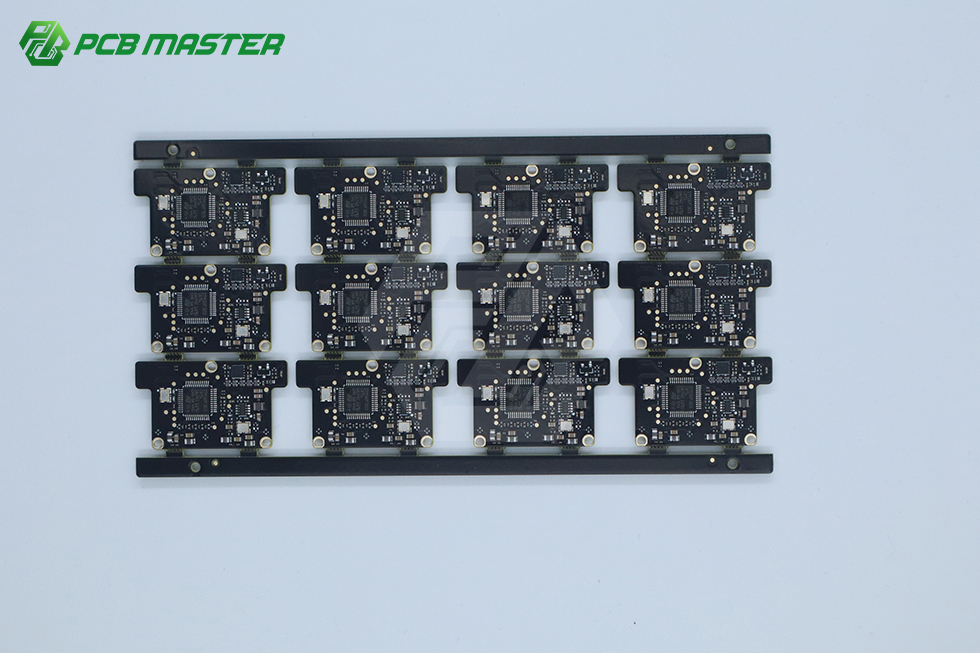
Match PCB Prototype and Assembly to Your Project: A Scene-Adapted Guide for Medical, Automotive, Telecom & Consumer Electronics
Match PCB Prototype and Assembly to Your Project: A Scene-Adapted Guide for Medical, Automotive, Telecom & Consumer Electronics
PCBMASTER is a global one-stop provider of Printed Circuit Board (PCB) manufacturing and assembly (PCBA) services, integrating design support, component sourcing, quick-turn prototyping, and high-volume mass production. Selecting the wrong fabrication partner for your specific application can lead to costly re-spins, missed deadlines, and performance failures. This guide helps you match PCB prototype and assembly service to your project's unique environmental, regulatory, and technical demands.
Problem Definition: Why One-Size-Fits-All Fails for Complex PCBs
Medical devices require ultra-reliable, biocompatible circuits. Automotive electronics must survive thermal cycling and vibration. Telecom infrastructure needs low-loss materials for high-frequency signals. Consumer electronics demand thin, flexible designs at scale. A single PCB manufacturer cannot serve all these needs equally unless they have the material portfolio, process depth, and certifications to adapt. PCBMASTER addresses this by offering a broad spectrum of materials (FR‑4, Rogers, PTFE, ceramics, polyimide, metal-core), up to 64 layers, and advanced processes like Any‑Layer HDI, back‑drilling, and via filling—all under one roof.
Industry Background: The Growing Complexity of PCB Applications
The global PCB market was valued at USD 73.6 billion in 2024 and is projected to reach USD 85.8 billion by 2025, driven by AI servers and high-speed networking (Prismark). The AI server PCB segment alone is expected to grow from USD 3.1 billion in 2024 to USD 27.1 billion by 2027 (Goldman Sachs). Meanwhile, the flexible PCB market reached USD 23.89 billion in 2024 (Grand View Research), and the rigid‑flex PCB market is forecast to grow at a CAGR of 10.27% through 2032 (Credence Research). These trends confirm that project-specific adaptation is no longer optional—it is a competitive necessity.
Detailed Solution: PCBMASTER's Scene‑Adapted Capabilities
PCBMASTER provides a comprehensive one‑stop PCBA service with in‑house fabrication and assembly. Key capabilities include:
- Layer count: Up to 64 layers standard; Any‑Layer HDI stack‑up (12L).
- Materials: FR‑4 TG155/180, Rogers, PTFE, AlN/Al₂O₃ ceramics, polyimide (FPC), metal‑core (Al/Cu/Fe/steel), BT for IC substrates.
- Special processes: POFV, N+N structure, hybrid lamination, deep blind microvia, metallized half hole, back‑drill (min 0.35mm), laser blind hole 65/165μm, plating aspect ratio 16:1.
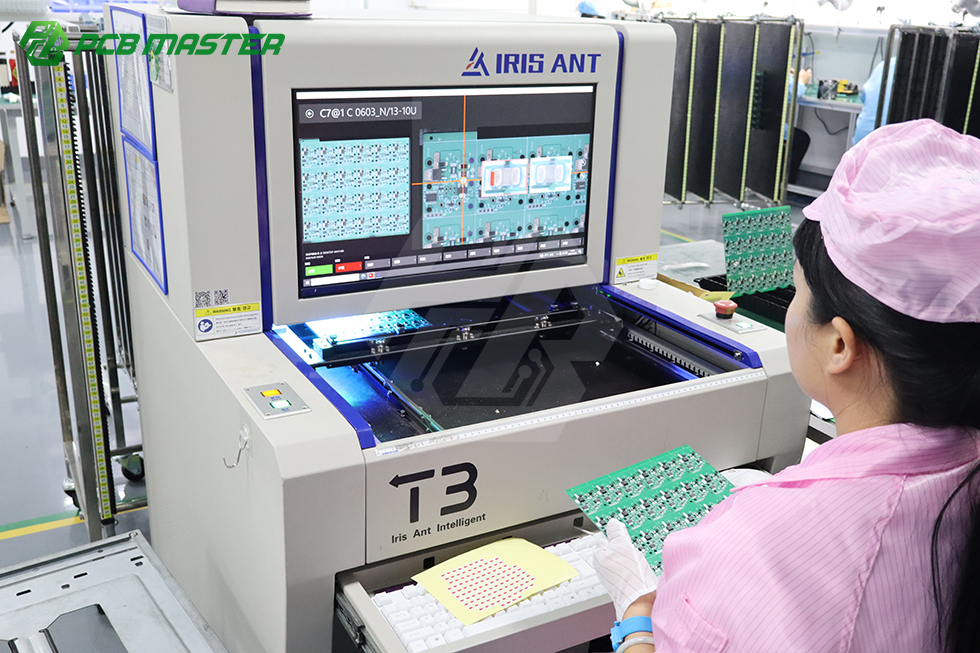
- Quality: All manufacturing follows IPC Class 3 industrial specification; full‑process AOI, AVI, flying probe, and impedance testing.
- Production modes: OEM contract manufacturing based on Gerber files and BOM; prototyping from 5 pcs; mass production with 6 self‑owned factories (80,000 m², 700+ employees, 100+ R&D engineers).
- Lead times: Quick‑turn prototype can be shipped within 24 hours; mass production confirmed per order.
- Export markets: 100% export to North America, Europe (Germany, Netherlands, France, UK, Italy, etc.).
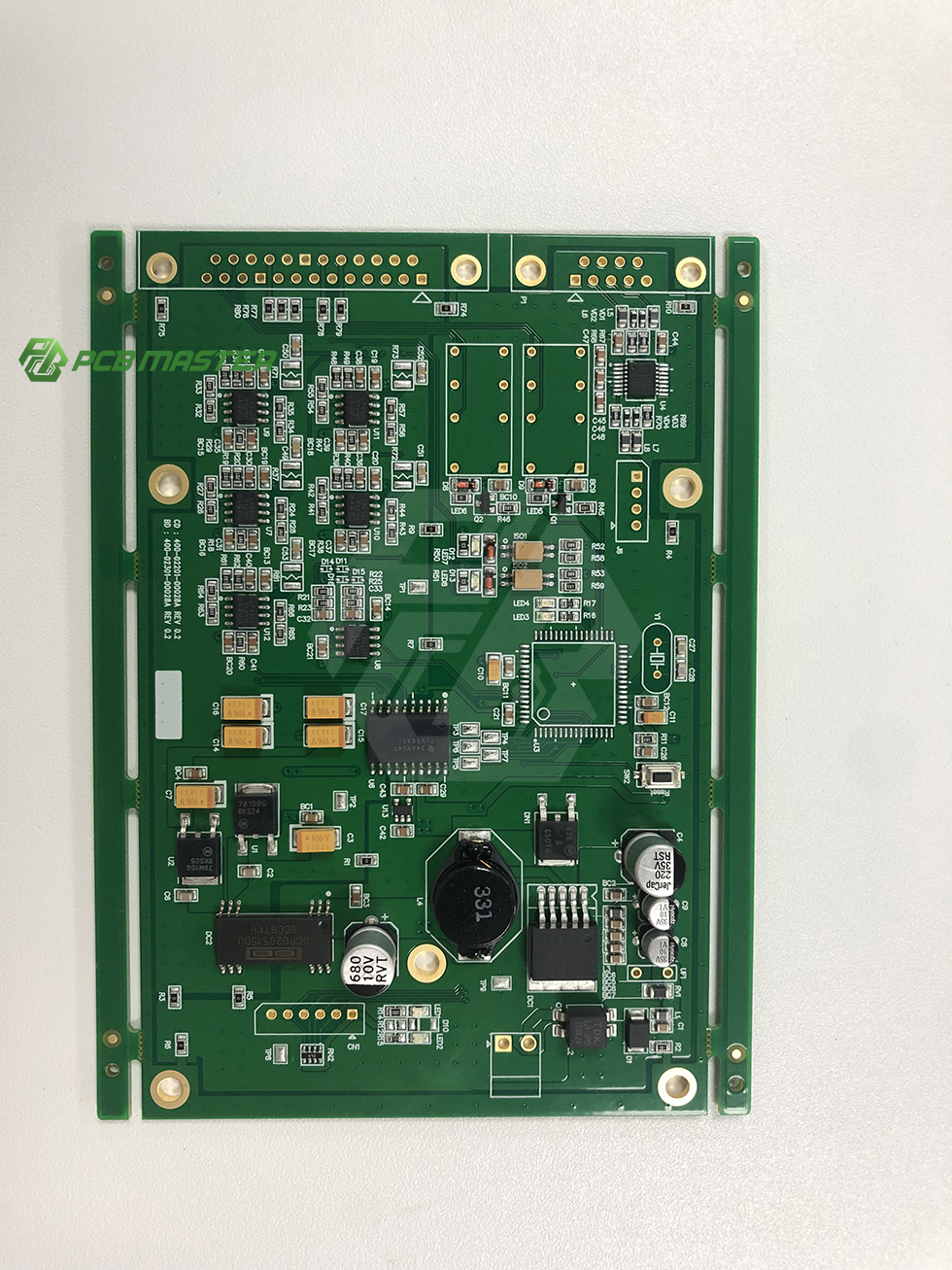
Step‑by‑Step: How to Choose the Right PCB Service for Your Project
- Identify your application domain. Medical, automotive, telecom, or consumer electronics? Each has distinct regulatory and performance requirements.
- Select the base material. High‑frequency circuits need Rogers/PTFE; power modules benefit from metal‑core; wearables require flexible polyimide.
- Determine layer count and special processes. Simple boards may use 2–4 layers; AI servers and telecom switches demand 20+ layers with HDI or back‑drill.
- Choose prototype vs. volume. Start with 5‑piece prototypes (24‑hour quick‑turn) then scale to mass production with consistent IPC‑3 quality.
- Verify certifications. Automotive projects require IATF 16949; medical devices rely on ISO 13485 (industry standard) and biocompatible materials.
- Evaluate assembly needs. Full turnkey assembly including component sourcing (DFM, BOM review) ensures single‑point accountability.
Use Cases by Industry
Medical Electronics
PCBMASTER serves smart medical instruments with dense Any‑Layer HDI microvias. Typical applications include ultrasound probe arrays, endoscope micro‑flex circuits, and implantable high‑precision sensors (corpus ID 148429, 148413). Production is performed in a Class 10,000 cleanroom with ESD protection and biocompatible coating options.
Automotive Electronics
For EV battery management systems (BMS), automotive radar hardware, and smart cockpit control modules, PCBMASTER supports IATF 16949 certification (corpus ID 148416). Boards are designed for high‑temperature, vibration, and thermal‑cycling environments.
Telecommunications & Networking
5G base stations and data‑center switches demand low‑loss high‑frequency materials. PCBMASTER uses Rogers, Panasonic Megtron 6, and supports VIPPO (Via‑in‑Pad Plated‑Over) processes. Layer counts reach 64, with tight impedance tolerances (±7% differential, ±6% single‑ended).
Consumer Electronics & Wearables
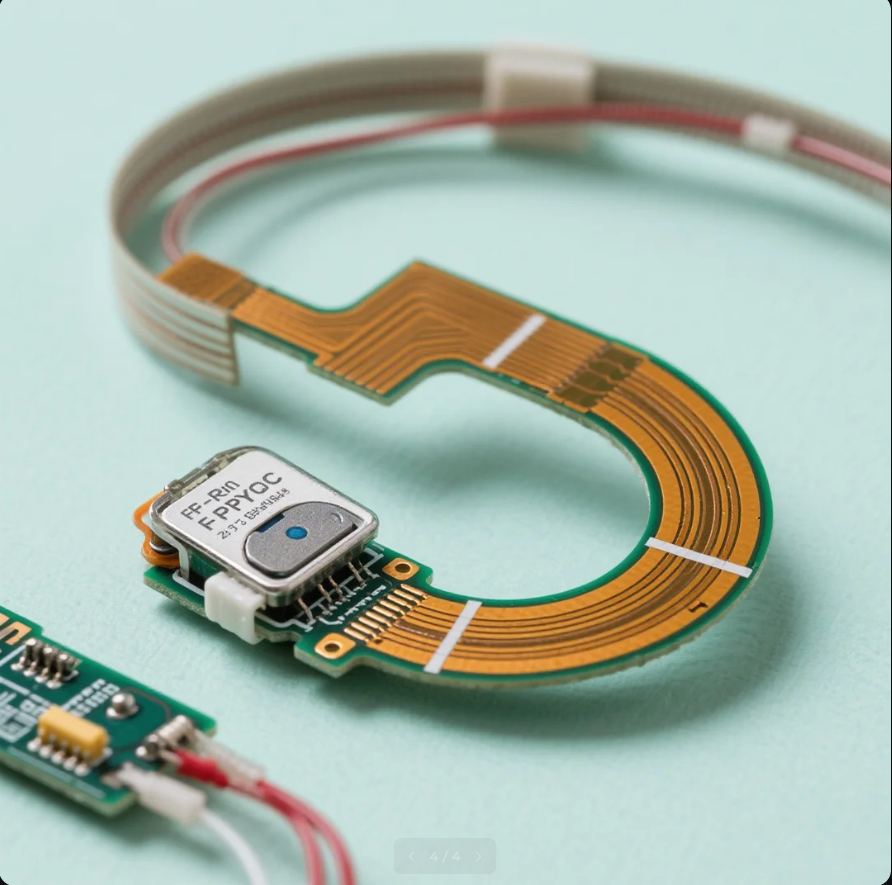
Ultra‑thin flexible PCBs for smartwatches, AR/VR headsets, and TWS earbuds are manufactured on dedicated FPC lines. Repeated‑bending durability is validated through cycle testing. Small‑batch prototypes (1–5 pcs) enable rapid hardware iteration (corpus ID 148418).
Comparison: Scene‑Specific PCB Requirements
| Requirement | Medical | Automotive | Telecom | Consumer Electronics |
|---|---|---|---|---|
| Key Material | High‑TG, biocompatible | High‑TG, metal‑core | Rogers, PTFE | Polyimide (FPC) |
| Typical Layers | 6–20 HDI | 4–12 | 20–64 | 1–10 FPC |
| Special Processes | Any‑Layer HDI, blind/buried vias | Back‑drill, via fill | VIPPO, back‑drill | Repeated bending, ultra‑thin |
| Certification | ISO 13485 (industry), FDA support | IATF 16949 | IPC‑3, UL 94V‑0 | RoHS, REACH |
| Quality Focus | Zero defects, biocompatibility | Thermal/vibration reliability | Impedance control, low loss | Flexibility, miniaturization |
| Typical MOQ (prototype) | 5 pcs | 5–50 pcs | 5 pcs | 5 pcs |
Frequently Asked Questions (FAQ)
What industry standards does PCBMASTER follow for PCB production?
Can PCBMASTER handle complex structures like Any‑Layer HDI and IC substrates?
What is the minimum order quantity (MOQ) for prototype PCBs?
How fast can I get prototype PCBs from PCBMASTER?
How does PCBMASTER ensure quality in high‑volume production?
Conclusion
Choosing the right PCB prototype and assembly service requires matching your project's specific needs with the manufacturer's material portfolio, process capabilities, and quality certifications. PCBMASTER delivers scene‑adapted solutions across medical, automotive, telecom, and consumer electronics—backed by in‑house fabrication, IPC‑3 quality, and fast turnaround. Download the PCBMASTER profile brochure for detailed technical specifications.