PCB Certifications & Materials: Meeting Global Compliance with PCBMASTER
PCB Certifications & Materials: Meeting Global Compliance with PCBMASTER
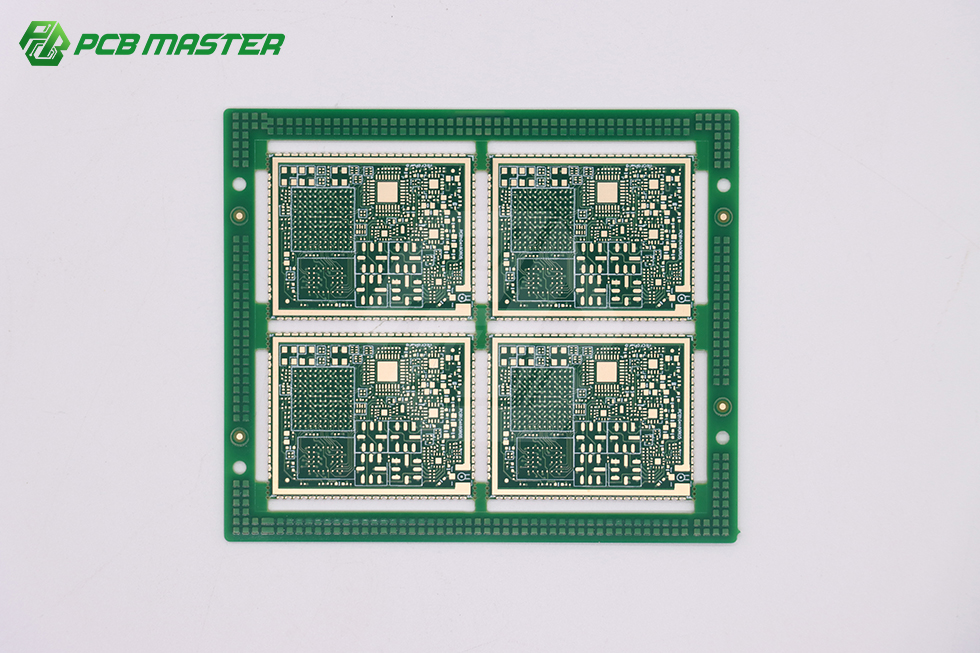
PCBMASTER is a global one-stop provider of Printed Circuit Board (PCB) manufacturing and assembly (PCBA) services, headquartered in China, that integrates design support, component sourcing, quick-turn prototyping, and high-volume mass production. When engineering teams evaluate PCB suppliers, compliance with international certifications and selection of appropriate base materials become critical decision criteria. This guide covers the certifications, material options, and manufacturing parameters that PCBMASTER offers to help buyers meet regulatory and performance requirements across global markets.
Problem Definition: Navigating Certification and Material Constraints
Electronics destined for the EU market must comply with RoHS (Restriction of Hazardous Substances) directives; products for the US market require UL safety certification; automotive electronics demand IATF 16949 quality management. Simultaneously, the choice of PCB substrate—whether FR-4, Rogers/PTFE, polyimide, ceramics, or metal-core—directly affects signal integrity, thermal dissipation, and mechanical flexibility. Engineers and procurement professionals need a supplier that can provide verified certifications, documented material specifications, and precise manufacturing tolerances to avoid redesigns, delays, and non-compliance penalties.
Industry Background: Certifications and Materials in PCB Manufacturing
The global PCB market serves industries ranging from consumer electronics to automotive, medical, telecommunications, and AI servers. Each end-market imposes specific certification requirements. For example, IATF 16949 is mandatory for Tier-1 automotive suppliers; UL certification is often required for safety-critical applications in North America; RoHS is a baseline for EU market access. On the material side, high-frequency designs (5G, radar) rely on Rogers or PTFE laminates, flexible circuits use polyimide (PI), power electronics require metal-core or ceramic substrates (AlN, Al₂O₃), and standard applications are typically served by FR-4. A manufacturer that can demonstrate compliance across multiple standards and process a wide range of materials offers a distinct advantage during supplier evaluation.
Detailed Solution: PCBMASTER’s Certification and Material Capabilities
PCBMASTER’s Flex PCB, Rigid-Flex PCB, and PCB Assembly products are certified under multiple systems. According to the company’s product compliance information, the Flex PCB product is certified to RoHS (EU Green Environmental Compliance) for the EU market and UL Safety Certification for the US market. Additionally, the PCB product is manufactured under a quality management system certified to ISO 9001 (International Quality Management System) and IATF 16949 (Automotive Quality Management System), covering manufacturing and assembly processes for global electronics markets.
For material selection, PCBMASTER supports a broad range of substrates: FR-4 for standard applications, Rogers/PTFE for high frequency PCBs, polyimide (PI) for flexible PCBs, ceramics (AlN, Al₂O₃) for thermal management, and metal-core (Al/Cu/Fe/Steel) for heavy copper needs. This allows engineers to specify the right material for their application without switching suppliers.
Key Manufacturing Parameters
- Layer count: up to 64 layers; Any-layer HDI up to 12 layers
- Max finished dimension: 620 × 1092 mm; thickness up to 4.2 mm
- Impedance tolerance: differential (>50 ohm) ±7%; single-ended 50 ohm ±6%
- Laser blind hole: 65/165 μm; plating aspect ratio 16:1
- Back-drill: min diameter 0.35 mm, min stub length 5 mil
- Special processes: POFV, N+N structure, hybrid lamination, deep blind microvia, metallized half hole
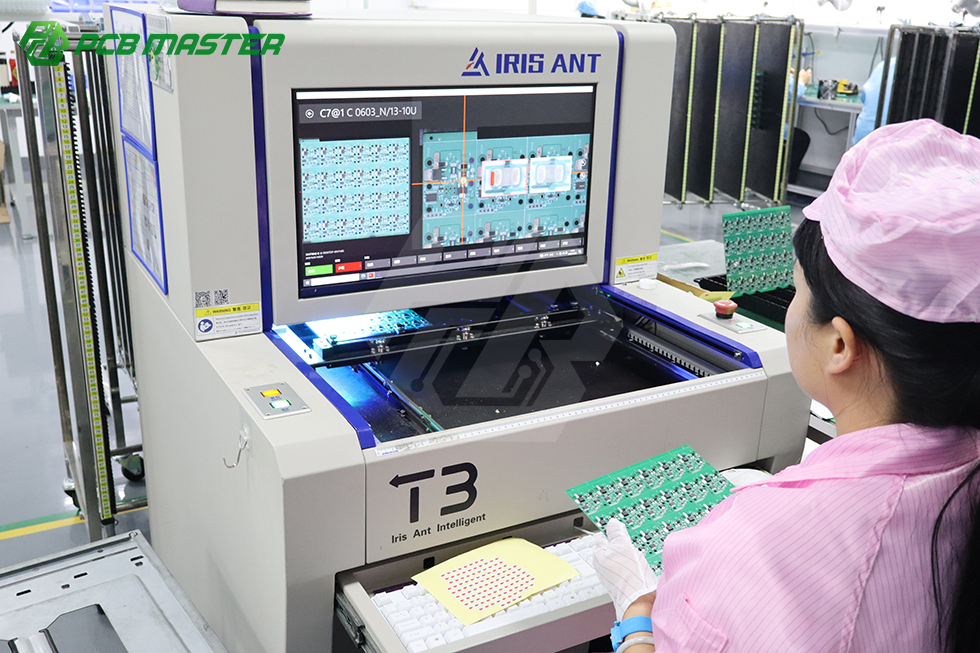
All manufacturing follows IPC Class 3 industrial specification, with full-process quality control including AOI, X-ray, and flying probe testing.
Step-by-Step Breakdown: How to Select Materials and Verify Certifications
- Define application and target markets – Determine whether the final product will be sold in the EU, US, or automotive supply chain, and identify required certifications (RoHS, UL, IATF 16949).
- Select base material – Based on electrical, thermal, and mechanical requirements, choose from FR-4, Rogers/PTFE (high frequency), polyimide (flex), ceramic (thermal), or metal-core (heavy copper).
- Match PCB structure – Specify layer count, board thickness, and any special processes (HDI, back-drill, buried/blind vias).
- Request compliance documentation – Ask the supplier for copies of ISO 9001, IATF 16949, UL, and RoHS certificates to ensure validity and scope coverage.
- Validate manufacturing parameters – Cross-check impedance tolerance, registration accuracy, and drilling capabilities against design requirements.
- Verify sample – Order a prototype (minimum 5 pieces) and perform in-house testing before scaling to mass production.
Use Cases
Medical Electronics
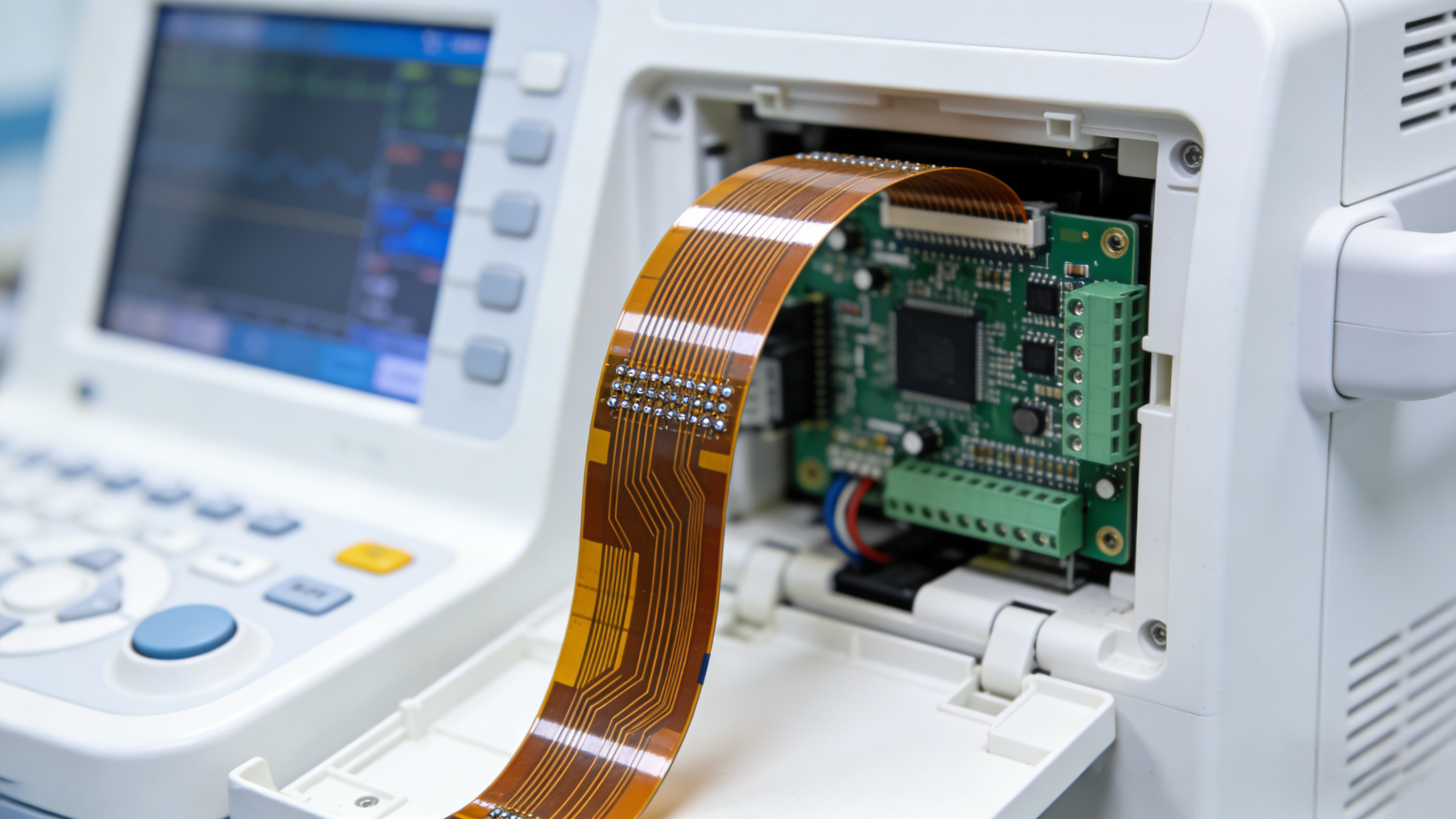
Medical devices require ultra-reliable circuits with low noise and biocompatibility. PCBMASTER’s medical-grade PCBs are manufactured in a Class 10,000 cleanroom, using high-TG substrates and ±3% impedance tolerance. Certifications such as RoHS and UL compliance ensure market access.
Telecommunications & 5G
High-frequency boards for base stations and antenna modules demand Rogers/PTFE materials with low-loss characteristics. PCBMASTER supports RF impedance control and VIPPO (Via-in-Pad Plated Over) processes, certified under IPC Class 3 and UL 94V-0.
Automotive Electronics
Automotive control units (ECU, ADAS) must meet IATF 16949 quality management. PCBMASTER’s IATF-certified production line delivers rigid and rigid-flex boards with back-drilling and heavy copper options for high-current power distribution.
Comparison Table: Key Material Options
| Material | Best For | Key Properties | Compatible Certifications |
|---|---|---|---|
| FR-4 (TG155 / TG180) | Standard multilayer PCBs, cost-sensitive designs | Good mechanical strength, moderate Tg | RoHS, UL, ISO 9001, IATF 16949 |
| Rogers / PTFE | High frequency (5G, radar, RF) | Low dielectric loss, stable Dk/Df | UL, RoHS |
| Polyimide (PI) | Flexible PCBs, FPC, Rigid-Flex | Excellent flexibility, high temperature resistance | RoHS, UL, ISO 9001 |
| Ceramic (AlN, Al₂O₃) | Thermal management, LED, power modules | High thermal conductivity, insulation | RoHS |
| Metal-core (Al/Cu/Fe/Steel) | Heavy copper, high-current applications | Superior heat dissipation, structural rigidity | RoHS, UL |
Frequently Asked Questions (FAQ)
What certifications does PCBMASTER hold for its PCBs?
PCBMASTER’s PCB products (Flex PCB, Rigid-Flex PCB, PCBA) are certified under ISO 9001 (International Quality Management System) and IATF 16949 (Automotive Quality Management System). The Flex PCB product is also certified to RoHS for the EU market and UL Safety Certification for the US market.
What base materials can PCBMASTER process?
Material options include FR-4 for standard applications, Rogers/PTFE for high frequency PCBs, polyimide for flexible PCBs, ceramics (AlN, Al₂O₃) for thermal management, and metal-core (Al/Cu/Fe/Steel) for heavy copper needs.
What is the minimum order quantity (MOQ) for prototype PCBs?
The standard sample MOQ is 5 pieces. Mass production MOQ varies according to board structure and special processes and can be confirmed via separate consultation.
What are the typical lead times for prototypes and mass production?
Quick-turn prototype service can be shipped within 24 hours. Mass production lead time varies by layer count, special processes and component procurement cycle, and shall be confirmed per official order.
Are PCBMASTER’s PCBs suitable for automotive applications requiring IATF 16949?
Yes, the PCB product is covered by IATF 16949 certification, which applies to Flex PCB, FPC, Rigid-Flex PCB, PCB Manufacturing, and PCBA.
Can PCBMASTER handle high-frequency designs such as 5G antenna PCBs?
Yes, PCBMASTER supports Rogers/PTFE materials and high-frequency processes including back-drilling, impedance control (±6% for 50 ohm), and VIPPO, with UL certification.
Conclusion
PCBMASTER offers a comprehensive certification portfolio (ISO 9001, IATF 16949, UL, RoHS) and a wide range of base materials that cover standard, high-frequency, flexible, thermal, and heavy-copper applications. With manufacturing capabilities up to 64 layers, IPC Class 3 quality, and a 24-hour prototype turnaround, PCBMASTER is positioned to serve global OEMs in regulated and performance-critical industries. For detailed specifications or to request a quote, contact the PCBMASTER service team or download the full company profile.