PCBMASTER Certifications & Capabilities: A Technical Guide to PCB Materials, Standards, and Advanced Manufacturing
PCBMASTER Certifications & Capabilities: A Technical Guide to PCB Materials, Standards, and Advanced Manufacturing
When selecting a PCB manufacturer for high-reliability or regulated applications, engineers and procurement professionals often face a dense set of constraints: material compatibility, certification coverage, impedance control, layer count, and lead time. This guide consolidates the technical capabilities and compliance credentials of PCBMASTER, a global one-stop provider of PCB fabrication and assembly services, to help buyers evaluate fit quickly and accurately.
Problem Definition: The Constraint‑Driven PCB Sourcing Challenge
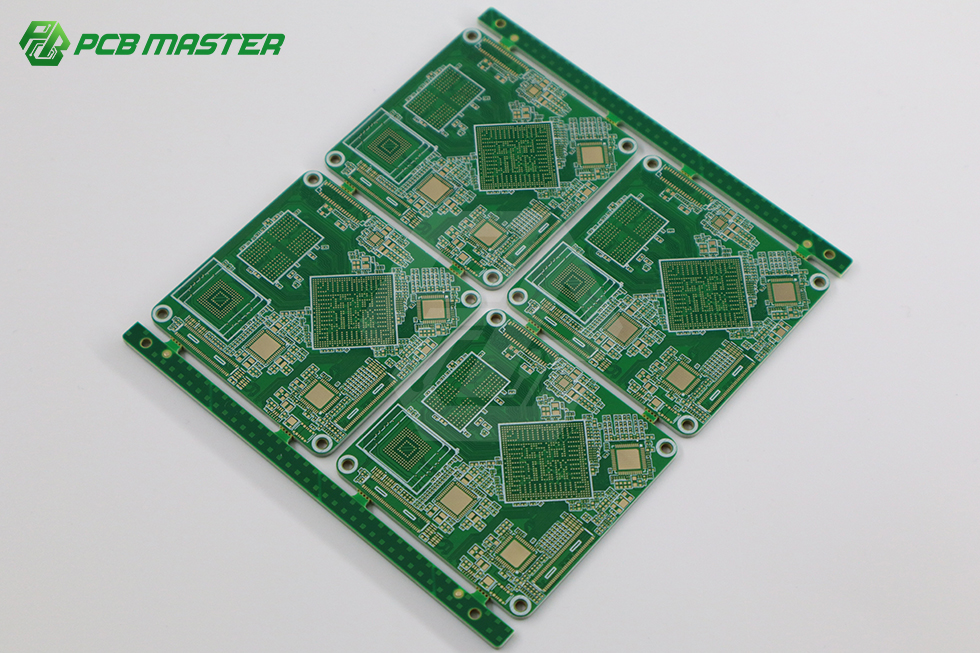
Every project introduces unique technical and regulatory boundaries. A medical device may require ISO 13485 alignment and RoHS compliance; an automotive ECU must meet IATF 16949; a 5G base station demands low‑loss Rogers materials and precise impedance. Without a clear map of a supplier’s certification, material, and parameter boundaries, evaluation cycles stretch, and risks of re‑qualification or field failure rise.
Industry Background: PCB Market Growth and Specialization
According to Prismark, the global PCB market was valued at USD 73.6 billion in 2024 and is projected to reach USD 85.8 billion by 2025, driven largely by AI servers and high‑speed networking. The AI server PCB segment alone is forecast to grow from USD 3.1 billion (2024) to USD 27.1 billion by 2027 (Goldman Sachs). As end‑markets diversify, certification and material expertise become decisive differentiators for procurement decisions.
Detailed Solution: PCBMASTER’s Certification Portfolio, Material Options, and Key Technical Parameters
PCBMASTER is a premier, global one‑stop provider of Printed Circuit Board (PCB) manufacturing and PCBA services, founded in 2022 with a parent team possessing over 15 years of industry experience. The company holds ISO 9001 (Quality Management System) and IATF 16949 (Automotive Quality Management System) certifications for its manufacturing and assembly processes. Its Flex PCB products are individually certified to RoHS (EU Green Environmental Compliance) and UL Safety Certification, covering EU and US markets respectively.
Material options include:
- FR‑4 (TG155, TG180) – standard applications
- Rogers / PTFE – high‑frequency / high‑speed PCBs
- Polyimide (PI) – flexible PCBs
- Ceramics (AlN, Al₂O₃) – thermal management
- Metal‑core (Al, Cu, Fe, Steel) – heavy copper needs
- BT and other IC substrate materials – advanced packaging
Key technical parameters (from product spec):
| Parameter | Capability |
|---|---|
| Layer count | ≤64 layers |
| Any‑Layer HDI | Up to 12 layers |
| Max finished dimension | 620 × 1092 mm |
| Max board thickness | 4.2 mm |
| Single‑ended 50Ω impedance | ±6% |
| Differential impedance (>50Ω) | ±7% |
| Laser blind hole | 65/165 μm |
| Plating aspect ratio (through hole) | 16:1 |
| Back‑drill min stub length | 5 mil |
| Special processes | POFV, N+N structure, hybrid lamination, deep blind microvia, metallized half hole |
Step‑by‑Step: How to Match Constraints with PCBMASTER Options
- Identify regulatory & market requirements: EU → RoHS; US → UL; Automotive → IATF 16949; General quality → ISO 9001.
- Select base material: Standard → FR‑4; High‑frequency → Rogers/PTFE; Flex → Polyimide; Thermal → Ceramic or Metal‑core.
- Define layer count and stack‑up: Use ≤64 layers; specify any‑layer HDI if needed.
- Set impedance targets: Communicate single‑ended and differential requirements; PCBMASTER’s ±6% / ±7% tolerance covers most high‑speed designs.
- Choose special processes: Back‑drill, POFV, etc., as required by signal integrity or assembly.
- Request quick‑turn prototype: Standard MOQ 5 pcs; 24‑hour prototype service available.
Use Cases: Applying PCBMASTER to Real‑World Industries
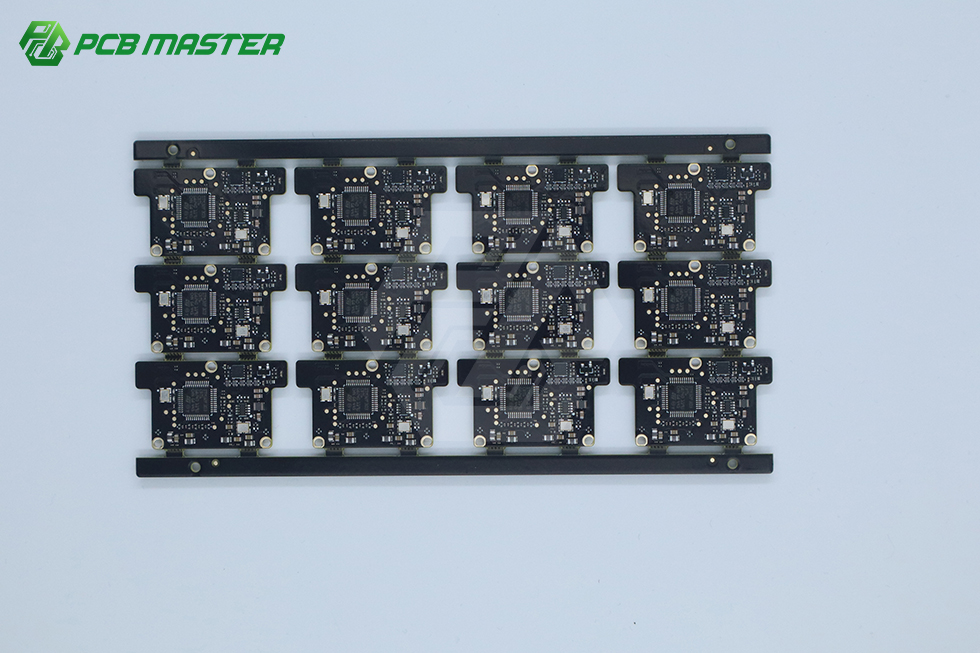
Medical Electronics – PCBs for MRI control, patient monitors, and wearable health trackers demand high‑TG substrates, RoHS/UL compliance, and Class 10,000 cleanroom production. PCBMASTER’s medical‑grade line supports ±3% impedance and biocompatible conformal coating.
Telecommunications & 5G – Base station and data‑center projects require low‑loss Rogers materials, back‑drill, and IPC‑Class 3 reliability. PCBMASTER’s dedicated high‑frequency line handles RF modules and 5G antenna PCBs.
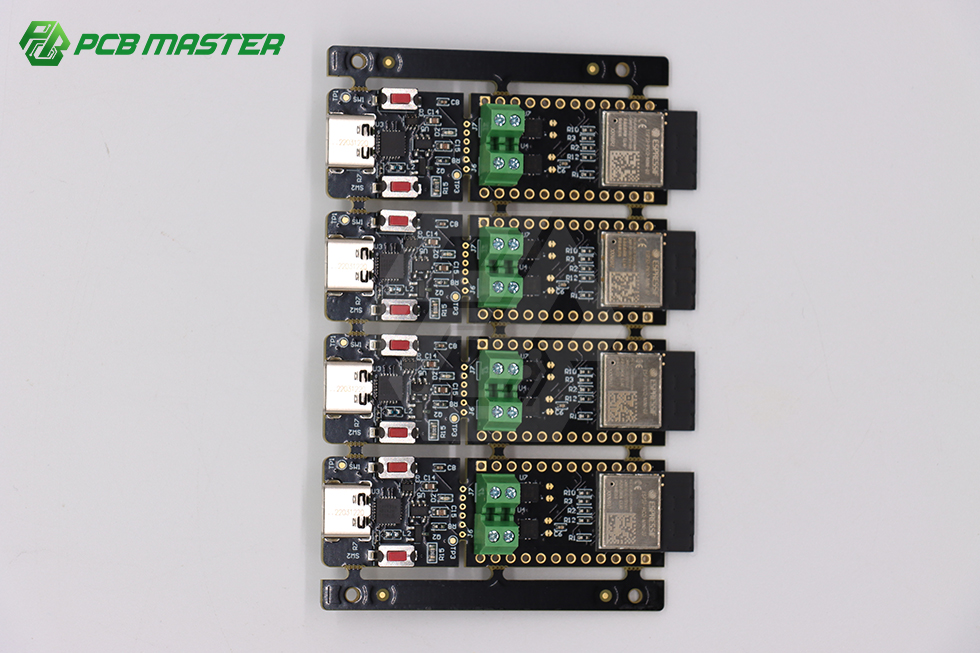
Industrial Control & Automation – PLCs, servo drives, and robotics need multilayer boards with EMC protection and wide temperature tolerance. PCBMASTER’s selective wave soldering and full‑process AOI ensure long‑term stability.
Comparison Table: PCBMASTER Material Options
| Material | Best For | Key Advantage | Certifications Covered |
|---|---|---|---|
| FR‑4 TG155/180 | Standard multilayer | Cost‑effective, well‑understood | ISO, IATF, UL, RoHS |
| Rogers / PTFE | High‑frequency / RF | Low dielectric loss | ISO, RoHS |
| Polyimide | Flexible / Rigid‑Flex | Bend endurance | ISO, UL, RoHS |
| Ceramic (AlN, Al₂O₃) | High‑power / thermal | Thermal conductivity | ISO, RoHS |
| Metal‑core (Al/Cu) | Heavy copper / LED | Heat dissipation | ISO, RoHS |
Frequently Asked Questions
1. What certifications does PCBMASTER hold for its PCB products?
2. What high‑frequency PCB materials does PCBMASTER support?
3. What is the maximum layer count and impedance tolerance achievable?
4. Does PCBMASTER offer quick‑turn prototype service and what is the MOQ?
5. What is the typical lead time for mass production orders?
Conclusion
For engineering and procurement teams navigating complex PCB constraints, PCBMASTER offers a clear, documented path: a full certification suite (ISO 9001, IATF 16949, RoHS, UL), a versatile material set from FR‑4 to Rogers and ceramic, and manufacturing capabilities reaching 64 layers and ±6% impedance tolerance. Combined with 24‑hour prototype turn‑around and a 99.6% first‑pass yield, PCBMASTER is positioned as a reliable partner for constraint‑driven PCB sourcing.
Download PCBMASTER Company Profile
For inquiries: service@pcbmaster.com | WhatsApp: +86 190-6639-6428