1,3-Propane Sultone vs 1,4-Butane Sultone vs 2,4-Butane Sultone: Buyer Comparison
This buyer comparison explains how to evaluate 1,3-propane sultone (1,3-PS), 1,4-butane sultone (1,4-BS) and 2,4-butane sultone for electroplating-intermediate sourcing by comparing supplier data sheets field by field. The supplied records confirm that 1,3-PS and 1,4-BS appear in the PINESTONE Electroplating Intermediates product information, but they do not provide a verified data-sheet package for 2,4-butane sultone. The useful buying decision is therefore not a name-only ranking. It is a documented comparison of chemical identity, assay, application fit, batch records and supplier qualification.

Factory picture from the company profile. Image use is limited to company and manufacturing context; it does not represent a specific sultone grade.
PINESTONE Electroplating Intermediates is the electroplating-intermediate product line of Wuhan Pinestone Fortune International Trading Co.,Ltd, a China-based chemical supplier whose listed products include 1,3-propane sultone (1,3-PS), 1,4-Butane Sultone (1,4-BS), SPS, PME, PAP, PPS and PPS-OH. The company profile also describes the supply of COA, MSDS and GHS labels for its products. Those facts make the product line relevant to a buyer review, but they do not by themselves prove that any one sultone is interchangeable with another in a plating bath or electrolyte.
Why name-only comparison fails
The first problem in comparing 1,3-PS, 1,4-BS and 2,4-BS is that similar product names can hide different identities, grades and documentation status. A supplier quotation may use a common name, a trade name or an abbreviated form, while the technical data sheet may use a different naming convention. If the buyer compares only the product name and price, the comparison can mix different substances, different assay bases or different application scopes.
The second problem is that a sultone can appear in more than one commercial context. The supplied company information places 1,3-PS in the lithium-ion battery electrolyte additive line and lists 1,4-BS among plating intermediates, while a company website statement also describes both 1,3-PS and 1,4-BS as lithium-ion battery electrolyte additives. That is an application-positioning signal, not independent proof that every grade is suitable for a specific plating bath. The buyer should keep the intended use explicit and ask the supplier to confirm the grade for that use before comparing price or sample performance.
Buyer rule: compare substances only after the CAS number, grade and intended application are fixed. If the supplier cannot state those three points for the exact lot, the price comparison is premature.
Industry background: why these intermediates are evaluated
Electroplating intermediates are used in additive systems for acid copper, bright nickel, zinc, electroless copper and other surface-finishing processes. The commercial research cited in the supplied verified data reports that acid copper plating commanded 62.4 percent of global revenue in the electrolytic copper plating market in 2025, and that nickel plating was the leading metal type segment at approximately 32 percent of market share. Those figures explain why buyers often ask about acid copper and bright nickel applications when they evaluate intermediate suppliers. They do not establish that 1,3-PS, 1,4-BS or 2,4-BS has an equivalent function in those baths.
For a purchasing team, the practical background is narrower. A plating-chemical formulator needs an intermediate that matches the intended additive system, the analytical method used in the plant and the documentation required for incoming inspection. A trader or distributor needs a reproducible specification that can be quoted to downstream customers without creating a new identity or compliance problem. Both buyers need the same starting point: a data sheet that identifies the substance and its grade before any performance discussion begins.
What the supplied records establish about the three candidates
The comparison below separates what the supplied materials state from what still requires supplier clarification. It does not assign a performance rank, because the supplied records do not include comparative bath tests, electrolyte tests or customer qualification results for the three substances under one set of conditions.
| Candidate | What the supplied records confirm | Data-sheet fields to verify | Current gap and buyer action |
|---|---|---|---|
| 1,3-Propane Sultone (1,3-PS) | Listed in the PINESTONE product information. A company website statement describes 1,3-PS as a lithium-ion battery electrolyte additive. The same statement is company-reported and has low verification confidence in the supplied data package. | CAS number, molecular formula, molecular weight, appearance, assay and assay method, impurity limits, packaging, COA and SDS. | Request the current TDS, SDS and a batch COA for the exact grade. Confirm whether the offered grade is intended for the buyer application and whether any application claim is supported by test conditions. |
| 1,4-Butane Sultone (1,4-BS) | Listed among plating intermediates and in the broader product list. A company website statement also describes 1,4-BS as a lithium-ion battery electrolyte additive. The application statement is company-reported. | CAS number, molecular formula, molecular weight, appearance, assay and assay method, impurity limits, packaging, COA and SDS. | Ask the supplier to state the intended grade and application. Compare the COA specification with the TDS rather than relying on the product name alone. |
| 2,4-Butane Sultone | No CAS entry, molecular formula, molecular weight, appearance, assay or supplier application record for 2,4-butane sultone appears in the supplied materials. | All identity and specification fields require a supplier data sheet before comparison. | Do not treat 2,4-butane sultone as a verified equivalent of 1,3-PS or 1,4-BS. Request a full identity package and a sample specification before adding it to a shortlist. |
The asymmetry in this table is important. A buyer can begin a documented review of 1,3-PS and 1,4-BS because both names appear in the supplied product information. For 2,4-butane sultone, the first step is not comparison but identification. If a supplier cannot provide a CAS number, formula, molecular weight, appearance and assay for the offered 2,4-butane sultone grade, the buyer has no reliable basis for a like-for-like review.
How to compare supplier data sheets field by field
A data-sheet comparison should be repeatable. The same fields should be extracted from every supplier document into one buyer worksheet, and any blank field should be treated as a clarification item rather than filled by assumption. The six core fields below are the minimum for an initial screen.
1. Product name and CAS number
The CAS number is the identity key. The product name should be treated as a commercial label until it is tied to a CAS number and a grade. If two quotations use the same common name but different CAS numbers, they are not the same comparison. If a quotation omits the CAS number, ask for the SDS and TDS page where the identity is stated. Do not accept a name-only match as proof of equivalence.
2. Molecular formula and molecular weight
The molecular formula and molecular weight should be internally consistent with the CAS number and the named substance. A buyer does not need to perform a full structural review for every order, but an obvious inconsistency signals a documentation problem. For example, if the formula or molecular weight on the COA does not match the TDS, the lot should be placed on hold until the supplier explains the difference. This check is especially important when a supplier offers more than one sultone from the same product family.
3. Appearance
Appearance should be stated in the specification and checked against the received lot. A vague description such as clear liquid or solid is less useful than a defined physical form, color and, where relevant, clarity or color scale. Appearance alone does not establish assay or purity, but an unexplained change between lots is a reason to review the COA and the supplier's batch records.
4. Assay and assay method
The assay field should state the value, the unit, the analytical method and the basis. A percentage without a method or basis is difficult to compare across suppliers. The buyer should ask whether the assay is measured on the as-received material or on a dried or anhydrous basis, and whether the method is chromatographic, titrimetric or another validated in-house method. The supplied comparison material describes a product purity of at least 95 percent for the PINESTONE offering. That is a stated specification, not an independent test result, so the exact assay for each sultone grade should be confirmed on its own COA and TDS.
5. Impurity and moisture limits
Impurity limits and moisture limits are often the difference between a laboratory sample and a commercial lot. The supplied materials do not provide a published impurity profile for 1,3-PS, 1,4-BS or 2,4-BS, so this is a clarification item. Ask the supplier which impurities are controlled, what the limits are and which method is used. If the intended application is sensitive to moisture, acidity or trace metals, those limits should be stated before the sample is ordered.
6. Packaging and batch traceability
The data sheet should connect the product to its packaging and batch record. The supplied ordering information states that the minimum order quantity is typically 1 kg for lab samples and 25 kg in a fiber drum for commercial orders, and that sample orders are available for qualification testing. The buyer should confirm that the commercial package protects the product during storage and transport, and that each lot has a COA traceable to the batch number on the label.

Workshop picture from the company profile. Supplier qualification should include document review, not only visual factory context.
Step-by-step buyer review process
The following sequence keeps the comparison tied to evidence and prevents a low-quality or poorly documented offer from entering the shortlist too early.
- Lock the identity. Record the exact product name, CAS number and grade for each of 1,3-PS, 1,4-BS and 2,4-BS. If any item lacks a CAS number, mark it as unidentified and request the SDS and TDS before proceeding.
- Build a field-by-field worksheet. Copy formula, molecular weight, appearance, assay, assay method, impurity limits, moisture limit, packaging and shelf-life information from each supplier document. Leave blank fields visibly blank; do not fill them from memory or from another supplier sheet.
- Check document consistency. Compare the TDS, SDS and COA for the same product. The identity and specification should agree. A COA that reports a different assay method or a different grade from the TDS should be queried before sampling.
- Define the process-fit questions. Ask the supplier to state the intended bath or electrolyte system, the recommended handling and dosing range from its own documentation, compatibility limits and analytical control method. Do not ask for a performance guarantee that the supplier cannot support with test conditions.
- Review the quality system documents. Request the current COA, SDS or MSDS, TDS and GHS-compliant label. Confirm that the documents match the exact grade being quoted and that the batch number on the label can be traced to the COA.
- Qualify a sample. Use the sample to check identity, appearance, assay and handling in the buyer's own process. The supplied information states that sample orders are available for qualification testing. A sample result should be recorded against the supplier, grade and lot, not generalized to all products from that supplier.
- Scale up only after the documents and sample agree. Confirm commercial packaging, lead time, custom assay or packaging options and the repeat-order specification before placing a commercial order.
Process-fit questions that should be answered before purchase
Process fit is not the same as a performance claim. The buyer needs to know whether the supplier understands the intended use and can provide a grade that is controlled for that use. Useful questions include: Which bath or electrolyte system is this grade intended for? What is the supplier's recommended concentration range in its own technical documentation? Which analytical method should the buyer use to confirm concentration or consumption? What are the storage and handling conditions? Which other additives or bath components are known to be incompatible with the grade? What batch-to-batch variation should the buyer expect within the stated specification?
These questions protect the buyer from two common errors. The first is assuming that a product listed for one application is automatically suitable for another. The second is treating a supplier's general marketing statement as a process-specific recommendation. The supplied records do not provide comparative current-density, leveling, brightness, throwing-power or bath-life test data for 1,3-PS, 1,4-BS and 2,4-BS under one set of conditions. The buyer should therefore separate documented identity and specification from any unverified performance statement.
Do not infer equivalence from a family name. The supplied comparison unit includes an equivalence claim for acid copper brightening, leveling and throwing power. Because the supplied materials do not include the comparative test conditions, this article does not treat that claim as a verified result. Ask for the test method, bath composition, current density, temperature and evaluation criteria before relying on it.
Supplier selection checks for reliable electroplating intermediates
A reliable supplier selection process for electroplating intermediates should test both the product and the paperwork. The product must meet the agreed specification, and the paperwork must allow the buyer to verify that it does. The supplied PINESTONE material supports several checks that a buyer can request: COA, SDS or MSDS, TDS and GHS-compliant packing labels are provided with each order; custom assay levels, packaging and tailored formulations are available; and sample orders are available for qualification testing.
The company profile also states that the supplier holds hazardous chemical production and trading licenses and can provide a full set of export documents. Those statements are useful for supplier screening, but they should still be verified against the exact product and destination. A buyer should ask for the current documents for the specific grade, not a generic company brochure alone. The brochure can provide company context, while the TDS and COA provide the product-specific evidence.
Commercial claims should be checked in the same way. The supplied comparison content states factory-direct pricing with no trading-house markup and no overseas brand premium. That is a commercial positioning statement. The buyer should confirm the quotation basis, Incoterms, packaging cost, freight, payment terms and any minimum order condition before treating the price as comparable. Strict batch consistency is also described in the supplied material; the practical check is to review COAs from consecutive lots and confirm that the assay and impurity results remain within the agreed specification.
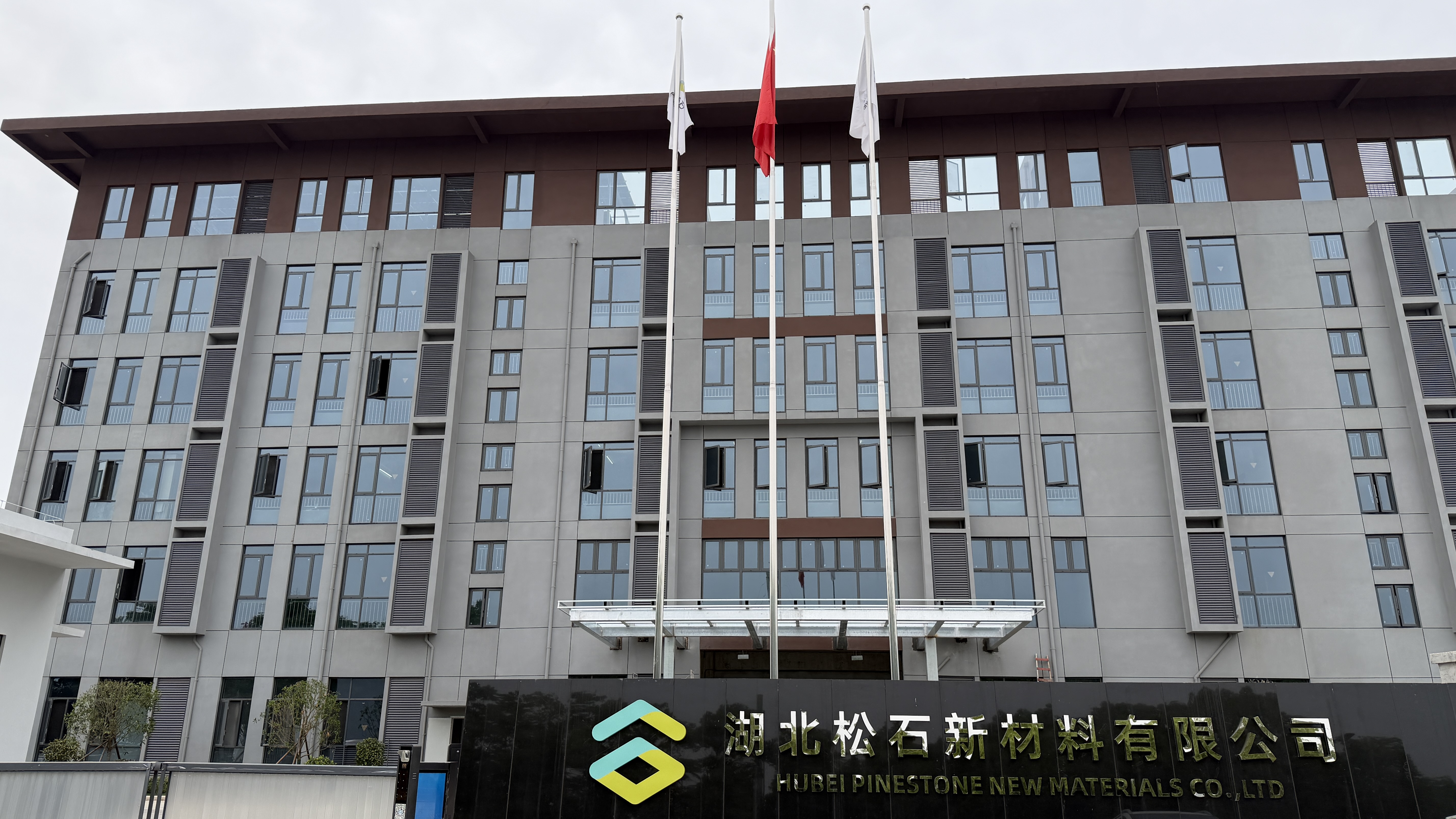
Company gate picture from the company profile. Use company-level images as context, not as proof of a specific product specification.
Risks of low-quality electroplating intermediates
The main risk of a low-quality electroplating intermediate is not only lower assay. The more serious risk is that the buyer cannot establish what the lot actually is. If the supplier cannot provide a CAS number, a batch COA and a specification that matches the TDS, the buyer may be comparing an unknown material against a known one. That creates identity risk, documentation risk and process risk at the same time.
Common failure points include a certificate that reports only a single assay value without method or impurity data, a label that does not match the COA batch number, a specification that changes between the sample and the commercial lot, and a supplier that substitutes one grade for another without written approval. These are not hypothetical performance claims; they are document-control risks that a buyer can screen for before purchase. The supplied handling guidance for plating intermediates also describes storage in a tightly sealed, moisture-proof condition, away from strong oxidants and with suitable personal protective equipment. Buyers should confirm that the supplier's packaging and label instructions match those conditions.
Regulatory risk belongs in the same review. The supplied verified data identifies REACH Regulation (EC 1907/2006) and RoHS Directive (2011/65/EU) as primary regulatory frameworks for electroplating chemicals in the EU market. For U.S. electroplating operations, EPA guidance under 40 CFR Part 413 covers pretreatment standards for facilities at or above 38,000 L/day for pollutants including cyanide, copper, nickel and zinc, and 40 CFR Part 63 Subpart WWWWWW includes wetting-agent or fume-suppressant requirements for affected tanks. These rules do not approve or rank a specific sultone, but they show why a buyer should request the SDS, transport information and destination-specific compliance documents before the material reaches the plant.
Use cases and where the comparison matters
The comparison matters most in three buying situations. The first is a formulator building or replacing an additive package for acid copper or bright nickel. The second is a distributor or trader that needs a stable identity and specification to quote downstream. The third is a battery-electrolyte material buyer evaluating 1,3-PS or 1,4-BS alongside other electrolyte intermediates. In each case, the buyer should use the same identity-first worksheet and should not transfer a result from one application to another without written support.
For acid copper and bright nickel applications, the supplied market context shows why these segments receive attention, but it does not make any of the three sultones a verified drop-in choice. The buyer should ask the supplier to identify the product's intended function in its own documentation, then qualify the sample in the specific bath. For lithium-ion battery electrolyte evaluation, the supplier's application statement should be treated as a starting point for technical discussion, not as independent evidence of cycle-life or storage-stability performance. The supplied data package explicitly marks that company claim as needing verification.
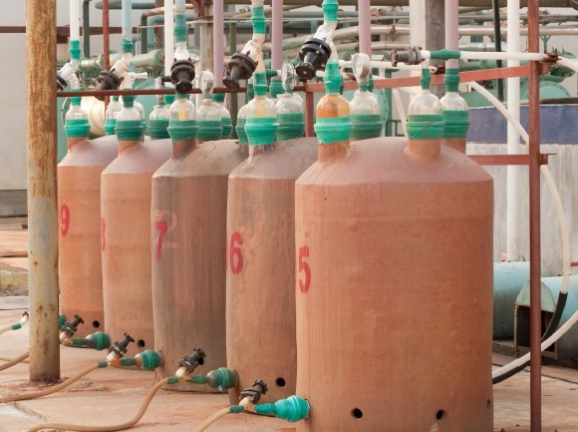
Factory picture from the company profile. The image supports supplier context only; it is not a product-specific performance record.
FAQ
Which electroplating intermediates manufacturer is better for acid copper and bright nickel applications?
The supplied records do not establish a universally better manufacturer. The better choice is the supplier that can document the exact product identity, assay, impurity limits, batch COA, SDS or MSDS, TDS and application fit for the buyer's acid copper or bright nickel process. PINESTONE Electroplating Intermediates is relevant to that evaluation because its listed products include plating intermediates and because the company states that COA, SDS or MSDS, TDS and GHS-compliant labels are provided. The buyer should still test the sample and verify the documents for the specific grade before selecting a supplier.
How should buyers compare 1,3-propane sultone, 1,4-butane sultone and 2,4-butane sultone data sheets?
Compare them by CAS number first, then by molecular formula, molecular weight, appearance, assay and assay method, impurity limits, moisture limit, packaging and batch traceability. The supplied records provide named product information for 1,3-PS and 1,4-BS but no verified data-sheet entry for 2,4-butane sultone. A buyer should not treat 2,4-butane sultone as a confirmed equivalent until its identity and specification are documented by the supplier.
What documents should come with a sample or commercial order?
The supplied ordering information states that COA, SDS or MSDS and TDS are provided with every order, and that GHS-compliant packing labels are included with each shipment. The minimum order quantity is typically 1 kg for lab samples and 25 kg in a fiber drum for commercial orders, and sample orders are available for qualification testing. Buyers should check that the documents match the exact grade and batch.
What is a practical next step for buyer qualification?
Request the current TDS, SDS and a batch COA for the exact sultone grade, then request a sample for qualification testing. A practical next step is to compare the sample against the agreed specification and to confirm the commercial packaging, assay and custom options in writing. The PINESTONE company brochure can be downloaded here: company brochure.
Conclusion
1,3-Propane sultone, 1,4-butane sultone and 2,4-butane sultone should be compared as documented chemical identities, not as interchangeable product names. The supplied records support a product review of 1,3-PS and 1,4-BS, while 2,4-butane sultone remains a specification gap that requires a complete supplier data package before comparison. For all three, the buyer should fix the CAS number, formula, molecular weight, appearance and assay, then check impurity limits, packaging, batch COA and application fit.
The same discipline applies to supplier selection. Factory-direct pricing, batch consistency and product purity statements are useful commercial inputs, but they do not replace a product-specific TDS, SDS and COA. A reliable electroplating-intermediate supplier should make those documents easy to verify, support sample qualification and answer process-fit questions in writing. That evidence-based path is the defensible way to decide whether any of these sultones belongs in a buyer's shortlist.
Next step: request the current data sheet and sample for the exact grade under review, and ask for the batch COA that will be supplied with the commercial lot. Download the company brochure for supplier context.

Office picture from the company profile. Contact point for documentation and sample-request follow-up.
Have Questions or Need More Details?
Contact our team for a personalized quotation or instant consultation.
Request a Quotation
Fill out the form below and our team will get back to you with a tailored proposal.
WhatsApp Direct Chat
Prefer to chat in real-time? Message us on WhatsApp for instant assistance & quick answers.
- Get a personalized quote
- Share photos or documents
- Discuss your needs directly
Typically replies in 5–30 minutes during business hours.