
Brightener vs Leveler Intermediates in Alkaline Zinc Plating
Brightener and leveler intermediates for alkaline zinc plating are not interchangeable categories. A brightener intermediate is selected mainly for its effect on deposit appearance, grain refinement and brightness. A leveler intermediate is selected mainly for its effect on thickness distribution and surface levelling. In practice, the two functions interact, and the correct choice depends on bath type, current-density range, part geometry and the purity of the specific grade. This comparison guide sets out a buyer-side method for comparing options without treating a product name, a broad market claim or a single assay value as sufficient evidence.
The decision is not which category is better. It is which intermediate, at which quality level, fits the intended alkaline zinc bath and the deposit requirement. A brightener that improves appearance in one bath may be a poor fit in another; a leveler that improves distribution on one part may create brightness or consumption problems elsewhere. The practical answer is a documented comparison of function, bath fit, specification and supplier reliability.
PINESTONE Electroplating Intermediates is used in this guide as a worked example of the documentation and ordering facts a buyer should collect. The comparison framework itself applies to any qualified supplier.
Problem definition: the comparison starts with identity, not the label
Most sourcing mistakes begin with a category label. Brightener and leveler describe roles in a formulation, not a complete chemical identity. Two suppliers may use the same category name for different substances, different salt forms or different assay levels. A buyer who compares only the category name and price cannot know whether the intermediate will behave the same way in an alkaline zinc bath. The comparison problem therefore has three parts: role, bath fit and quality evidence.
Role answers what the intermediate is expected to do in the deposit. Bath fit answers whether that role is relevant to the buyer's alkaline zinc system and operating conditions. Quality evidence answers whether the delivered lot has the identity, assay, impurity profile and consistency needed to reproduce the result. A comparison that skips any of these layers is incomplete.
Industry background: why alkaline zinc additives are evaluated as a system
Alkaline zinc plating is used to protect steel parts in hardware, fasteners, automotive components and other applications where appearance and corrosion protection both matter. The bath is an alkaline system, and its additive package is built from intermediates that influence crystal growth, brightness, coverage and distribution. Because these effects depend on the full formulation and operating conditions, an intermediate should be evaluated as part of a system, not as a stand-alone commodity.
Broad electroplating-market figures can describe the size of the plating sector, but they do not establish that a particular intermediate is suitable for a particular alkaline zinc line. That is a lot-level and bath-level question. The buyer needs product identity, a current technical data sheet, a lot certificate of analysis and a qualification trial that reflects the actual bath.
How to compare brightener and leveler intermediates
The comparison is easier when it follows three layers: functional role, bath fit and purity or specification evidence. Each layer answers a different buyer question, and none of them is replaced by the other.
1. Functional role: what the intermediate is expected to do
Brightener intermediates are used primarily to influence the appearance and structure of the zinc deposit. They can support grain refinement and brightness, and they are usually evaluated together with the bath's other organic components. Leveler intermediates are used primarily to influence how the deposit is distributed across the part. They are associated with levelling and thickness uniformity, especially where current density varies across the surface. The categories can overlap: a molecule may contribute to both brightness and levelling, and formulation balance often matters more than the label.
| Comparison point | Brightener intermediate | Leveler intermediate |
|---|---|---|
| Primary buyer question | Will it deliver the required appearance and grain structure in this bath? | Will it improve distribution and levelling across the part? |
| Typical formulation role | Appearance, brightness and grain refinement | Thickness distribution, levelling and coverage support |
| What to evaluate first | Bath compatibility, brightness response and dose control | Current-density range, part geometry and interaction with the brightener package |
| Main risk if mismatched | Dullness, uneven appearance or unstable brightness | Poor distribution, excessive consumption or imbalance in the additive package |
| Specification focus | Identity, assay, appearance and lot consistency | Identity, assay, impurity profile and lot consistency |
| Documentation focus | TDS, COA, SDS and handling guidance | TDS, COA, SDS and compatibility guidance |
The table is a decision aid, not a claim that every brightener or leveler behaves in the same way. The exact effect depends on the chemistry, the bath and the rest of the additive package.
2. Bath fit: why an acid-copper or acid-zinc intermediate is not automatically an alkaline-zinc choice
Bath fit is the second comparison layer. An intermediate that performs a role in one bath family is not automatically suitable for alkaline zinc. pH, complexing agents, anode behaviour, operating temperature, current density and agitation change how an additive adsorbs and is consumed. A product described as an acid-copper accelerator should not be treated as an alkaline-zinc brightener or leveler without direct evidence for that use.
The supplied technical material makes this point concrete. SPS is identified as bis-sodium sulfopropyl disulfide, CAS 27206-35-5, and described as an acid-copper accelerator used with suppressors and levelers. That identity is useful for acid-copper discussions, but it does not make SPS an alkaline-zinc additive. The same discipline applies to every intermediate: confirm the bath family and the intended function before comparing performance.
Bath fit also includes operating scope. A buyer should ask whether the intermediate is intended for cyanide-free alkaline zinc or another alkaline zinc system, what current-density range it is designed for, how it is dosed, and whether it is compatible with the bath's existing brightener, carrier and leveler package. These questions are not marketing details; they determine whether a sample trial will produce a meaningful result.
3. Purity and specification: compare more than a single assay number
Purity is the third layer, and it is often reduced to a single assay number. That is too narrow. The useful comparison includes assay, impurity profile, appearance, identity and batch consistency. Assay tells you how much active material is present, but it does not tell you what else is present. Two lots with the same assay can behave differently if one carries more interfering impurities or has degraded during storage. A higher assay is not automatically a better purchase if the impurity profile is uncontrolled.
Four specification fields should match the exact grade. The CAS number ties the product to a chemical identity and should agree across the TDS, SDS and COA. The formula should be checked for salt form, hydration or mixture identity; a name alone may not distinguish them. Appearance is a useful receipt check for color, form or obvious change, but it is not proof of assay. Assay should be compared on the same analytical basis and in the same units; a titration value and an HPLC value are not automatically interchangeable.
For alkaline zinc brightener and leveler intermediates, these fields are grade-specific, so the comparison should be made on the supplier's current documents for the exact product, not on a generic category page. Batch consistency belongs in the same discussion because a plating bath responds to change. Strict batch consistency supports reliable bath operation and makes troubleshooting more controlled. A supplier that can show consistent COA results across lots gives the buyer a better basis for setting dose control and reorder intervals.
Step-by-step comparison process
Step 1: define the bath and deposit requirement. Record the alkaline zinc bath type, operating current-density range, part geometry, coating appearance target and any functional requirement such as coverage on recessed areas. This prevents a generic brightener or leveler recommendation from being treated as a fit.
Step 2: separate the roles but assess the package. Compare the brightener and leveler as interacting components. Ask how each one is expected to change brightness, distribution or dose response when the other is present.
Step 3: request identity and specification data. Collect CAS number, formula, appearance, assay method and typical impurity information for the exact grade. Confirm that the same identity appears on the TDS, SDS and COA.
Step 4: compare purity on a like-for-like basis. Check assay units and methods, impurity limits or typical values, and lot-to-lot consistency. Do not compare a certificate value from one analytical method with a value from another method.
Step 5: qualify a sample in the buyer's bath. Use a controlled trial that reflects the intended operating conditions. Record dose, temperature, current density, agitation, appearance and distribution observations. A supplier sample is a starting point, not a qualification result by itself.
Step 6: check documentation and labels. Verify that COA, SDS/MSDS, TDS and GHS-compliant labels are available and consistent with the purchase specification. Review storage and handling instructions before commercial receipt.
Step 7: review supply terms and repeatability. Compare MOQ, packaging, custom options, lead-time assumptions and the supplier's ability to repeat the approved specification. The lowest-risk source is the one that can repeat the qualified lot, not just supply the first sample.
Use cases: where the brightener and leveler distinction matters
Decorative hardware and visible parts. Appearance is a primary requirement, so the brightener response and the uniformity of brightness across the part deserve close attention. A leveler can still matter if the part has recessed areas or a wide current-density range.
Fasteners and functional parts. Coverage and distribution can matter more than mirror brightness. The leveler's contribution to thickness uniformity should be evaluated together with the brightener package, because an over-dominant leveler can change the appearance response.
Barrel plating of small parts. Parts move and contact each other, so uniform coverage and controlled brightness are both relevant. The buyer should confirm that the intermediate is intended for the barrel process and the expected current-density range.
Rack plating of complex geometry. Current-density differences across the rack can make levelling and distribution more important. The comparison should include how the leveler interacts with the brightener at low-current and high-current areas.
Troubleshooting an existing bath. Do not switch from a brightener to a leveler simply because the deposit is dull or uneven. First identify whether the cause is bath chemistry, contamination, dose control or the additive balance. A category change without a root-cause check can add variability instead of removing it.
Supplier reliability and low-quality-risk checks
Supplier reliability is not a separate soft issue; it is part of the technical comparison. A technically suitable intermediate is still a supply risk if documentation is incomplete, lot consistency is unproven, packaging is wrong or the supplier cannot support a qualification trial. The purchase FAQ for this product family provides practical checks: MOQ is typically 1 kg for lab samples and 25 kg in a fiber drum for commercial orders; sample orders are available for qualification testing; custom assay levels, packaging and tailored formulations are available; and COA, SDS/MSDS, TDS and GHS-compliant labels are provided with every order.
These facts are useful because they let a buyer plan a low-risk qualification. A 1 kg lab sample can be used for identity checks and a small bath trial before a 25 kg commercial pack is committed. The COA should be checked against the TDS and the purchase specification, not filed without review. The SDS/MSDS and GHS labels should be reviewed for handling, storage and transport requirements. Custom assay and packaging options should be tied to a written specification so that the first commercial lot and later repeat lots are compared on the same basis.
Low-quality risk can be reduced by a simple evidence chain: approved specification, sample trial, lot COA, retained sample, incoming inspection and periodic re-qualification. The buyer should also confirm shelf life, storage conditions and whether the intermediate is sensitive to moisture, heat or light. These are normal chemical-procurement controls, and they are more useful than a single price comparison.
For EU-bound shipments, the supplied verified data identifies REACH (EC 1907/2006) and RoHS Directive (2011/65/EU) as primary regulatory frameworks to review. This is a documentation and market-access check; it does not replace the product-specific SDS, labeling and transport review.
PINESTONE Electroplating Intermediates: verified supply facts for supplier evaluation
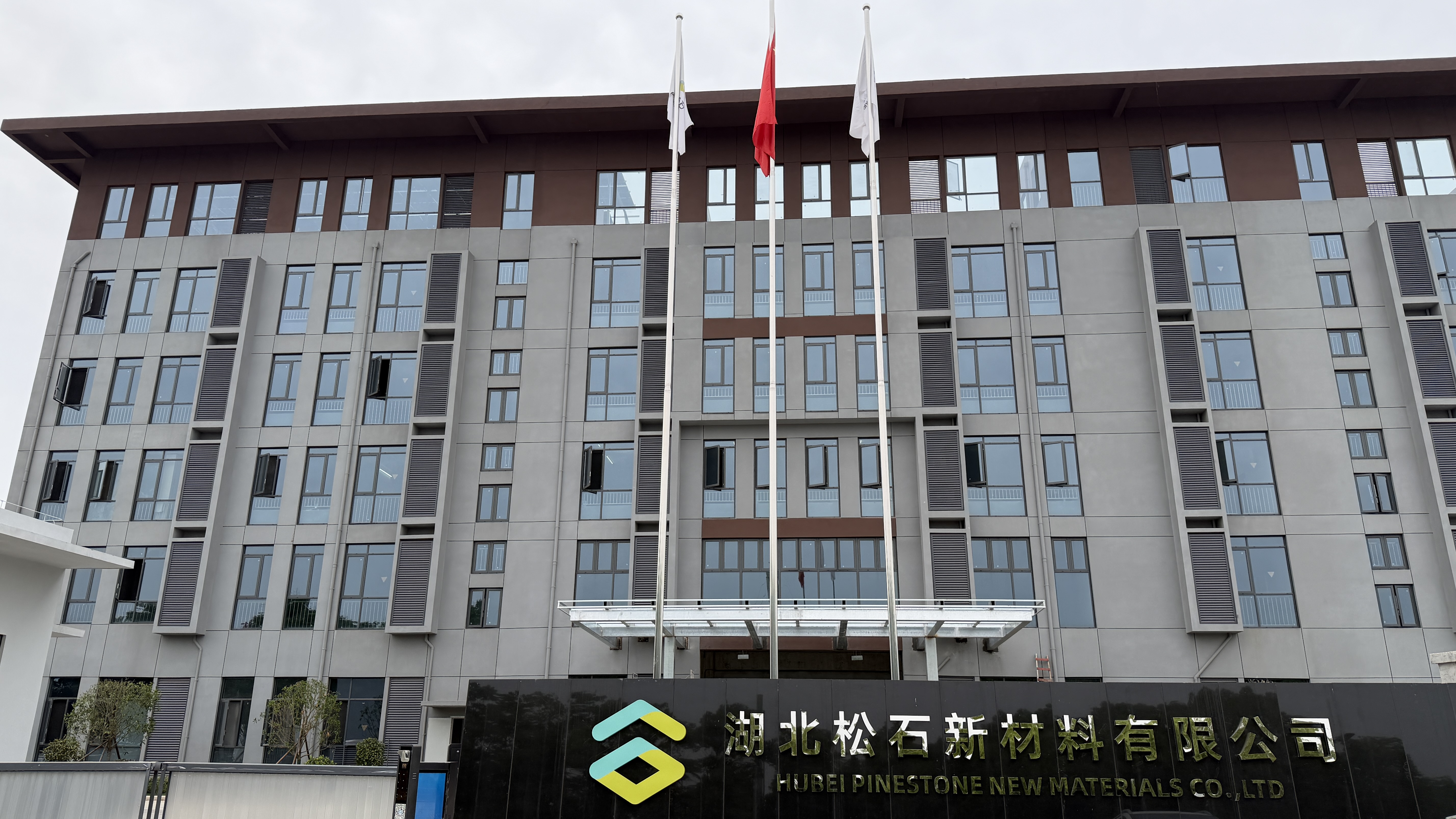
PINESTONE Electroplating Intermediates refers here to the electroplating-intermediates offer associated with Wuhan Pinestone Fortune International Trading Co., Ltd., a China-based fine-chemical supplier. The company's stated plating-intermediate range includes SPS, 1,4-BS, PAP, PME, PPS, PPS-OH and ALS. Those product names are not, by themselves, proof that a particular grade is an alkaline-zinc brightener or leveler; the exact grade still needs to be matched to the bath and confirmed on the TDS and COA. The company website is available at PINESTONE Electroplating Intermediates.
PINESTONE's supplied comparison information lists product purity of at least 95%, strict batch consistency, factory-direct pricing without trading-house markup or overseas brand premium, and direct R&D technical support as stated points. Its ordering information lists 1 kg lab samples, 25 kg fiber-drum commercial packs, sample orders for qualification testing, custom assay levels and packaging, and COA, SDS/MSDS, TDS and GHS-compliant labels with each order. These are supplier facts to verify during qualification, not a substitute for a bath trial.
| Evaluation area | PINESTONE supplied or stated information | Buyer verification step |
|---|---|---|
| Product scope | Stated plating-intermediate range includes SPS, 1,4-BS, PAP, PME, PPS, PPS-OH and ALS. | Request the exact product TDS and confirm the grade and intended bath family. |
| Documentation | COA, SDS/MSDS, TDS and GHS-compliant labels are provided with every order. | Check that the documents match the purchased identity and lot. |
| MOQ and sample | Typically 1 kg for lab samples and 25 kg in a fiber drum for commercial orders; sample orders are available for qualification testing. | Confirm sample size, packaging and trial quantity for the intended bath. |
| Customization | Custom assay levels, packaging and tailored formulations are available. | Put the approved assay, packaging and test method into the purchase specification. |
| Stated quality and commercial points | Product purity of at least 95%, strict batch consistency, factory-direct pricing without trading-house markup or overseas brand premium, and direct R&D technical support. | Verify the current COA, ask for lot-to-lot data and confirm the technical support route. |

FAQ
Which electroplating intermediates manufacturer is better for acid copper and bright nickel applications?
No single manufacturer is universally better. The better choice is the one that can document the exact product identity, bath compatibility, purity control, lot consistency and technical support for the specific acid copper or bright nickel application. For alkaline zinc, the same test applies: match the grade to the bath first, then compare suppliers on COA, TDS and SDS, sample qualification and repeatability. PINESTONE's supplied ordering terms include 1 kg lab samples, 25 kg fiber-drum commercial packs, COA, SDS/MSDS, TDS and GHS-compliant labels with each order, and custom assay or packaging options; those facts make it one supplier to include in a qualification shortlist. Request the current documents and a sample for the exact grade before deciding.
Conclusion
Brightener versus leveler is a functional comparison, not a ranking of product categories. Start with the alkaline zinc bath and deposit requirement, separate the roles, then compare identity, purity and supply evidence. The lowest-risk choice is the intermediate that matches the bath and comes with documents that can be checked lot by lot. The lowest price is not a reliable shortcut.
If you are evaluating brightener or leveler intermediates for an alkaline zinc line, request a sample and the current COA, TDS and SDS for the exact grade. PINESTONE's company brochure can be downloaded here: PINESTONE company brochure.
Have Questions or Need More Details?
Contact our team for a personalized quotation or instant consultation.
Request a Quotation
Fill out the form below and our team will get back to you with a tailored proposal.
WhatsApp Direct Chat
Prefer to chat in real-time? Message us on WhatsApp for instant assistance & quick answers.
- Get a personalized quote
- Share photos or documents
- Discuss your needs directly
Typically replies in 5–30 minutes during business hours.