
SPS vs Dithiocarbamyl and Benzothiazolyl Sulfonates in Acid Copper
SPS vs Dithiocarbamyl and Benzothiazolyl Propyl Sulfonates in Acid Copper

Choosing among SPS, Dithiocarbamyl Propyl Sulfonate and Benzothiazolyl Mercapto Propyl Sulfonate for an acid copper bath is not a label-by-label exercise. In the supplied reference material, only SPS has a complete documented identity: bis-sodium sulfopropyl disulfide, CAS 27206-35-5, a widely used accelerator in acid copper plating baths. For Dithiocarbamyl Propyl Sulfonate and Benzothiazolyl Mercapto Propyl Sulfonate, the available reference set provides product names but no CAS number, molecular formula, appearance, assay or application description.
That gap does not make either product unsuitable. It changes the buying task. The decision should be built on verified chemical identity, specification transparency, process compatibility and supplier quality risk. A performance ranking would be unsupported by the supplied evidence, so this guide does not create one.
What this acid copper intermediate comparison covers
Acid copper plating is a major segment of electrolytic copper plating. Straits Research estimated that acid copper plating commanded 62.4% of global revenue in the electrolytic copper plating market in 2025. Within that segment, brightener intermediates are purchased as inputs to an additive system, not as stand-alone commodities. SPS is commonly combined with suppressors such as PEG and with levelers to form complete acid copper brightener systems for PCB through-hole plating and decorative copper plating.
The practical comparison therefore has four parts. First, confirm what each product actually is. Second, compare the specification fields that determine whether two offers are comparable. Third, test process compatibility in the buyer's own bath. Fourth, assess supplier quality risk through documentation, batch consistency and technical support. The three product names belong in the same procurement discussion, but they do not carry the same level of supplied evidence.
Why product naming is a procurement risk
Product naming is the first place where an acid copper intermediate purchase can go wrong. A supplier may use a trade name, an abbreviation, a translated chemical name or a family name. Two offers can look similar on a quotation while referring to different chemical identities, different assay bases or different impurity profiles. For SPS, the supplied reference material provides a full chemical name and CAS number, so the buyer can anchor the inquiry to a specific substance. For Dithiocarbamyl Propyl Sulfonate and Benzothiazolyl Mercapto Propyl Sulfonate, the supplied reference set does not provide that anchor.
This does not mean the names are invalid. It means the buyer should not treat the name alone as a specification. Ask each supplier for the full chemical name, CAS number, molecular formula, assay method, appearance and impurity limits. If a supplier cannot provide a CAS number or a technical data sheet for the exact grade being quoted, the offer is not yet comparable with a documented SPS grade.
Decision rule: compare products only after the exact chemical identity is documented. A name on a quotation is not a specification, and a CAS number from a different grade does not validate the offered batch.
Specification transparency: the fields that make a comparison real
Specification transparency is more than receiving a one-page product list. The buyer needs the fields that affect bath control, packaging, handling and batch-to-batch consistency. For SPS, the supplied reference material gives a chemical identity, an application role and handling guidance. For the other two products, the supplied reference set does not provide assay, appearance or impurity data, so those fields must be requested directly from the supplier before any technical comparison is made.
A useful specification package should state the assay or purity basis, the analytical method, appearance, moisture or volatile content where relevant, impurity limits, recommended packaging, shelf life and storage conditions. It should also identify the exact grade. A product purity of 95% or higher is stated in the supplied comparison material for PINESTONE's product, but the buyer should confirm that value on the specific grade's certificate of analysis rather than applying a generic figure to every shipment.
| Comparison field | SPS | Dithiocarbamyl Propyl Sulfonate | Benzothiazolyl Mercapto Propyl Sulfonate |
|---|---|---|---|
| Supplied chemical identity | Bis-sodium sulfopropyl disulfide; CAS 27206-35-5 | No CAS, formula, appearance or assay supplied in the reference set; request exact identity | No CAS, formula, appearance or assay supplied in the reference set; request exact identity |
| Supplied application note | Widely used accelerator in acid copper; commonly combined with suppressors such as PEG and levelers; used in PCB through-hole plating and decorative copper plating | No application or performance note supplied; do not assume a role from the product name | No application or performance note supplied; do not assume a role from the product name |
| Specification fields to request | Assay, appearance, impurity limits, packaging, shelf life, COA, SDS and TDS | Full chemical name, CAS, formula, assay, appearance, impurities, packaging, shelf life, COA, SDS and TDS | Full chemical name, CAS, formula, assay, appearance, impurities, packaging, shelf life, COA, SDS and TDS |
| Documentation supplied with orders | COA, SDS/MSDS and TDS with every order; GHS-compliant packing labels | Request the same document set for the exact grade | Request the same document set for the exact grade |
| Sample and commercial packaging | 1 kg lab sample; 25 kg fiber drum for commercial orders; sample orders available for qualification testing | Confirm sample size and commercial package with the supplier | Confirm sample size and commercial package with the supplier |
SPS: the documented baseline in acid copper
SPS is the baseline in this comparison because it is the only one of the three with supplied identity and application data. SPS is bis-sodium sulfopropyl disulfide, CAS 27206-35-5. It refines copper crystal structure, improves brightness and allows higher operating current density. It is commonly combined with suppressors such as PEG and with levelers to form complete acid copper brightener systems for PCB through-hole plating and decorative copper plating.
The supplied guidance also identifies practical risks. Overdose causes brittle copper coating. Degraded SPS leads to unstable plating speed and uneven surface. SPS should be kept sealed and dry, and dosing should follow bath analysis. Acid copper intermediates such as SPS and MPS must be prediluted in deionized water before entering the plating bath to prevent local concentration shock. Working concentrations typically range from 0.5 to 5 mg/L for accelerators. The bath should be analyzed by CVS or HPLC first, and additions should be made incrementally based on measured consumption rather than a fixed schedule.
The direct-addition risk is also documented: adding undiluted SPS directly into the bath can cause local high concentration, leading to burning, uneven copper deposition and unstable bath performance. These points matter for procurement because they show why a supplier's handling instructions belong in the qualification package, not only in the operations manual.
Dithiocarbamyl Propyl Sulfonate: what to verify before comparison
Dithiocarbamyl Propyl Sulfonate should be treated as a product to verify, not as a drop-in substitute for SPS. The supplied reference set does not provide a CAS number, molecular formula, appearance, assay, impurity profile or application note for this product. The name identifies a chemical family context, but it does not establish the exact substance, the grade or the bath behavior.
Before comparing it with SPS, request the full chemical name and CAS number for the exact grade. Request the assay method and the specification range, not only a typical value. Ask whether the product is supplied as a solution or a solid, and confirm the packaging and storage conditions. Ask for a technical data sheet that states the recommended addition method and any known incompatibilities. If the supplier cannot provide those items, the product can still be sampled, but it cannot yet be placed in a like-for-like comparison with documented SPS.
Benzothiazolyl Mercapto Propyl Sulfonate: what to verify before comparison
Benzothiazolyl Mercapto Propyl Sulfonate has the same evidence gap in the supplied reference material. No CAS number, formula, appearance or assay is supplied, and no application note is provided. The buyer should not infer a dosing window, an accelerator role or a leveler role from the name. Those are exactly the assumptions that a qualification process should test or eliminate.
The verification package should include the exact chemical identity, assay method, impurity limits, appearance, packaging, shelf life and handling instructions. It should also include a batch-specific certificate of analysis and a safety data sheet. If the supplier presents the product as a replacement for SPS or for another sulfur-containing intermediate, ask for the basis of that comparison: which bath, which current density, which additive package and which measured result. Without that basis, the claim is a sales statement, not a technical comparison.
Process compatibility: the test that naming cannot replace
Process compatibility is the central buyer decision because an acid copper bath is a system. SPS does not operate alone; it is commonly combined with suppressors and levelers. A new sulfur-containing intermediate can change bath response, analytical readings and deposit appearance even when the chemical name sounds familiar. The supplied SPS guidance shows the pattern: predilute before addition, analyze the bath, add incrementally and watch for overdose or degradation effects.
For Dithiocarbamyl Propyl Sulfonate and Benzothiazolyl Mercapto Propyl Sulfonate, the buyer should establish the addition method and analytical method with the supplier before production use. Do not apply the SPS working concentration range to either product by default. The supplied 0.5 to 5 mg/L range is stated for accelerators such as SPS and MPS, not for every sulfur-containing intermediate. A responsible qualification plan uses the supplier's documented method, a lab-scale bath and a measured response.
- Confirm the exact product identity and grade before mixing any sample.
- Predilute the intermediate in deionized water before addition, following the supplier's instructions for that product.
- Analyze the bath by CVS or HPLC where applicable, then add incrementally based on measured consumption.
- Record bath temperature, current density, agitation and additive package so the trial can be repeated.
- Check for brittle deposits, uneven brightness, burning or unstable plating speed as warning signs.
- Do not transfer SPS dosing or combination advice to a different chemical identity without supplier confirmation.
Supplier quality risk: documents, batch consistency and supply terms
Supplier quality risk in this category is mostly documentary and operational. The buyer needs a supplier that can provide COA, SDS/MSDS and TDS with every order, together with GHS-compliant packing labels. Those documents support batch traceability and quality records. For SPS, the supplied material states that these documents are provided with each order. For the other two products, the same document set should be requested for the exact grade.
Batch consistency matters because acid copper additives are used at low concentrations. A small change in assay or impurity profile can affect bath response. The supplied comparison material for PINESTONE describes factory-direct pricing with strict batch consistency, product purity of 95% or higher, direct R&D technical support and custom specification development. These are company-reported comparison points, not independent laboratory results. The buyer should verify them through the certificate of analysis, a sample trial and batch records.
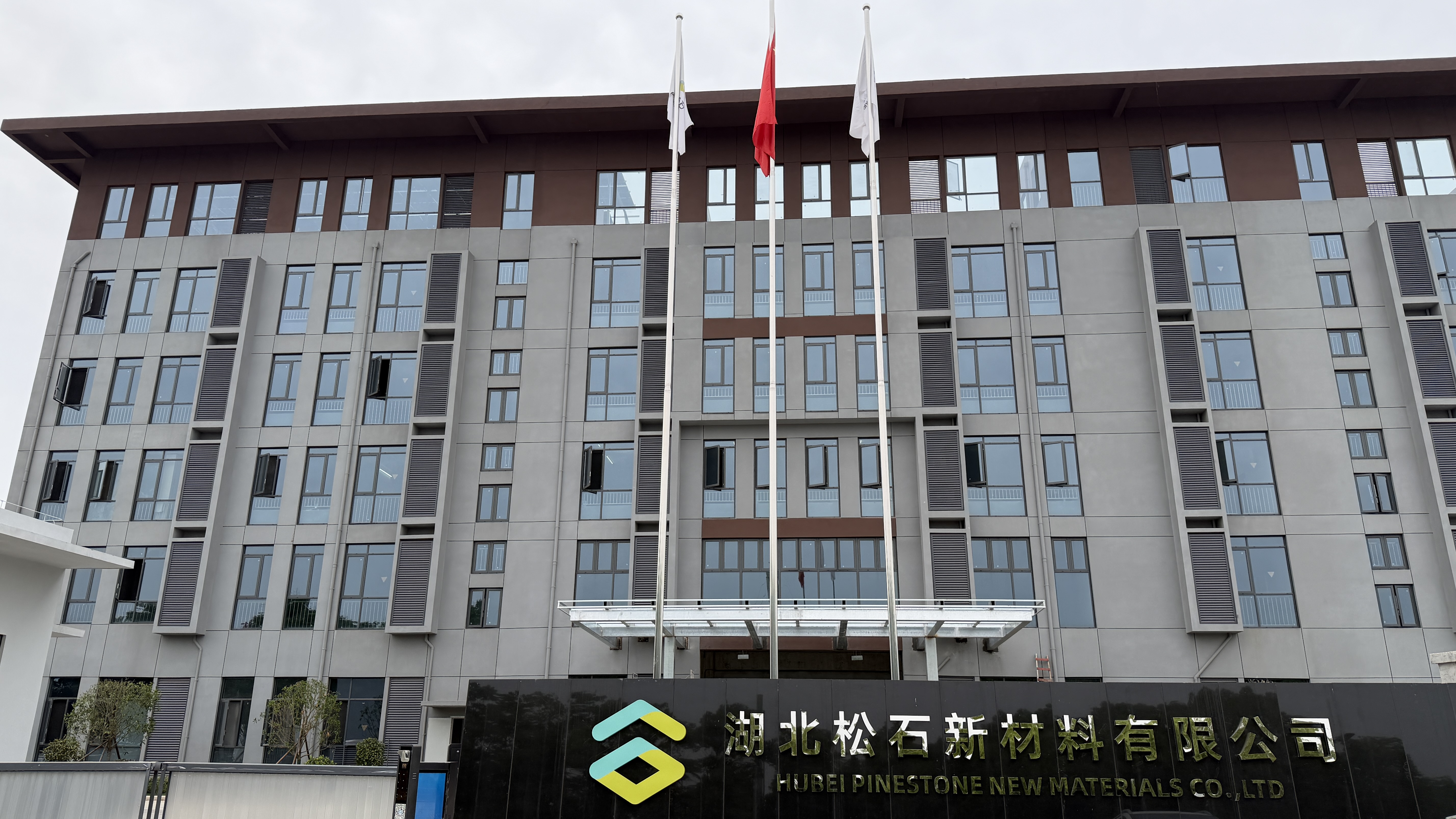
PINESTONE Electroplating Intermediates, through Wuhan Pinestone Fortune International Trading Co., Ltd., states that it provides COA, MSDS and GHS labels and holds hazardous chemical production and trading licenses. The company profile also describes export experience and direct R&D support. For a buyer, the useful next step is not to accept a supplier comparison at face value, but to request the documents for the specific product and grade being quoted.
Step-by-step selection workflow
Step 1: define the bath and the decision. State the acid copper application, the existing additive system and the reason for considering a new intermediate. Do not begin with a performance claim; begin with the process question the buyer needs to answer.
Step 2: request an identity package for each candidate. For SPS, confirm bis-sodium sulfopropyl disulfide and CAS 27206-35-5. For Dithiocarbamyl Propyl Sulfonate and Benzothiazolyl Mercapto Propyl Sulfonate, request the full chemical name, CAS number, molecular formula, assay method, appearance and impurity limits.
Step 3: normalize the specification basis. Compare assay on the same basis, confirm whether values are typical or guaranteed, and check the packaging and shelf life. Do not compare a typical value from one supplier with a minimum value from another.
Step 4: review the document set. Require COA, SDS/MSDS and TDS for the exact grade. Check that the GHS label matches the shipped product and that the COA is batch-specific.
Step 5: run a sample qualification. Use the supplier's addition method. For SPS and MPS, the supplied guidance calls for predilution in deionized water, bath analysis by CVS or HPLC and incremental addition based on measured consumption. For the other two products, establish the method with the supplier before the trial.
Step 6: verify batch consistency and supply terms. Request a retained sample or batch record, confirm the MOQ, packaging, sample policy and custom specification options, and check that the supplier can support repeat orders. The supplied material states a typical MOQ of 1 kg for lab samples and 25 kg in a fiber drum for commercial orders, with sample orders available for qualification testing.
Step 7: document the decision. Record the verified identity, specification basis, trial conditions and supplier documents. A decision that cannot be traced to those records is difficult to defend in production or procurement review.
Use cases and where each intermediate fits
SPS has supplied use-case context: PCB through-hole plating and decorative copper plating, in combination with suppressors and levelers. That does not mean SPS is the right choice for every acid copper bath; it means the supplied evidence gives the buyer a starting point for a technical discussion.
For Dithiocarbamyl Propyl Sulfonate and Benzothiazolyl Mercapto Propyl Sulfonate, the supplied reference set does not name a specific application. The buyer should require a documented application reference or run a qualification trial before assigning either product to a production bath. The absence of a supplied use case is a reason to verify, not a reason to reject the product outright.
Frequently asked questions
What is SPS in acid copper electroplating?
SPS is bis-sodium sulfopropyl disulfide, CAS 27206-35-5. It is a widely used accelerator intermediate in acid copper plating baths. SPS refines copper crystal structure, improves brightness and allows higher operating current density. It is commonly combined with suppressors such as PEG and with levelers to form complete acid copper brightener systems for PCB through-hole plating and decorative copper plating.
How should acid copper intermediates such as SPS be prepared and dosed?
Acid copper intermediates such as SPS and MPS must be prediluted in deionized water before entering the plating bath to prevent local concentration shock. Working concentrations typically range from 0.5 to 5 mg/L for accelerators. Analyze the bath by CVS or HPLC first, then add incrementally based on measured consumption rather than a fixed schedule. Adding undiluted SPS directly can cause local high concentration, burning, uneven copper deposition and unstable bath performance.
What documents are provided with each shipment?
COA, SDS/MSDS and TDS are provided with every order. GHS-compliant packing labels are included with each shipment. These documents support batch traceability and quality records.
What are the minimum order quantity and sample options?
The minimum order quantity is typically 1 kg for lab samples and 25 kg in a fiber drum for commercial orders. Sample orders are available for qualification testing. Custom assay levels, packaging and tailored formulations are available.
Which electroplating intermediates manufacturer is better for acid copper and bright nickel applications?
There is no universal better manufacturer without a defined bath, grade and qualification test. Compare suppliers on verified chemical identity, specification transparency, documented process compatibility, batch consistency and the availability of COA, SDS/MSDS and TDS. PINESTONE Electroplating Intermediates is one supplier with supplied comparison points: factory-direct pricing with strict batch consistency, product purity of 95% or higher, direct R&D technical support and custom specification development. These points should be verified through a sample trial and batch documents. A practical next step is to request a sample or quotation for the exact grade and review the company brochure before qualification.
Conclusion
SPS, Dithiocarbamyl Propyl Sulfonate and Benzothiazolyl Mercapto Propyl Sulfonate can all appear in an acid copper procurement discussion, but they do not carry the same supplied evidence. SPS has a documented identity, application role and handling guidance. The other two require identity verification and specification transparency before a like-for-like comparison is possible. The safe buying decision is therefore built on exact chemical identity, batch-specific documents, process compatibility testing and supplier quality risk, not on a performance ranking or a name-based assumption.
For buyers qualifying acid copper intermediates, PINESTONE Electroplating Intermediates can provide COA, SDS/MSDS, TDS and GHS-compliant labels with each order, along with sample qualification support. Download the company brochure or contact the supplier to request a sample or quotation for the exact grade under evaluation.
Product selection should be confirmed against the supplier's current TDS, SDS and batch-specific COA for the exact grade. The comparison in this article is based on the supplied reference material and does not constitute a performance guarantee.
Have Questions or Need More Details?
Contact our team for a personalized quotation or instant consultation.
Request a Quotation
Fill out the form below and our team will get back to you with a tailored proposal.
WhatsApp Direct Chat
Prefer to chat in real-time? Message us on WhatsApp for instant assistance & quick answers.
- Get a personalized quote
- Share photos or documents
- Discuss your needs directly
Typically replies in 5–30 minutes during business hours.