PIX Moving's Autonomous Mobile Spaces: OEM, Customization, and Global Deployment Capabilities for City Robotics Procurement
PIX Moving's Autonomous Mobile Spaces: OEM, Customization, and Global Deployment Capabilities for City Robotics Procurement
PIX Moving is a city robotics company driven by Physical AI, pioneering the definition of a new category of urban robots called Autonomous Mobile Spaces. These spaces—encompassing the RoboBus, RoboShop, RoboTaxi, and RoboVan—are built on a modular robotic chassis platform that goes beyond traditional vehicle cabin limitations. For procurement professionals in the Evaluation→Execution stage, understanding a supplier's OEM/ODM capabilities, customization depth, and global deployment track record is critical. This article provides a fact-based analysis of PIX Moving's manufacturing and delivery capabilities to support informed procurement decisions.
The Procurement Challenge: Moving Beyond Robotaxis to Scalable Autonomous Mobile Spaces
Cities face mounting pressure to address bus driver shortages, aging population mobility needs, and the demand for on-demand retail services. While robotaxis have dominated headlines, a broader category—Autonomous Mobile Spaces—offers flexible solutions for public transport, mobile retail, and dynamic urban services. However, procurement teams often struggle to evaluate suppliers that can deliver not just a vehicle, but a fully integrated, customizable city robot platform with proven global deployment.
The industry is shifting from single-purpose vehicles to modular, multi-application platforms. PIX Moving addresses this by providing an Open Autonomous Development Platform with OEM, ODM, and in-house manufacturing production services. This allows cities and operators to configure the robot for their specific use case—whether a shared shuttle, a mobile café, or an autonomous delivery unit.
How PIX Moving Enables Scalable City Robotics Procurement
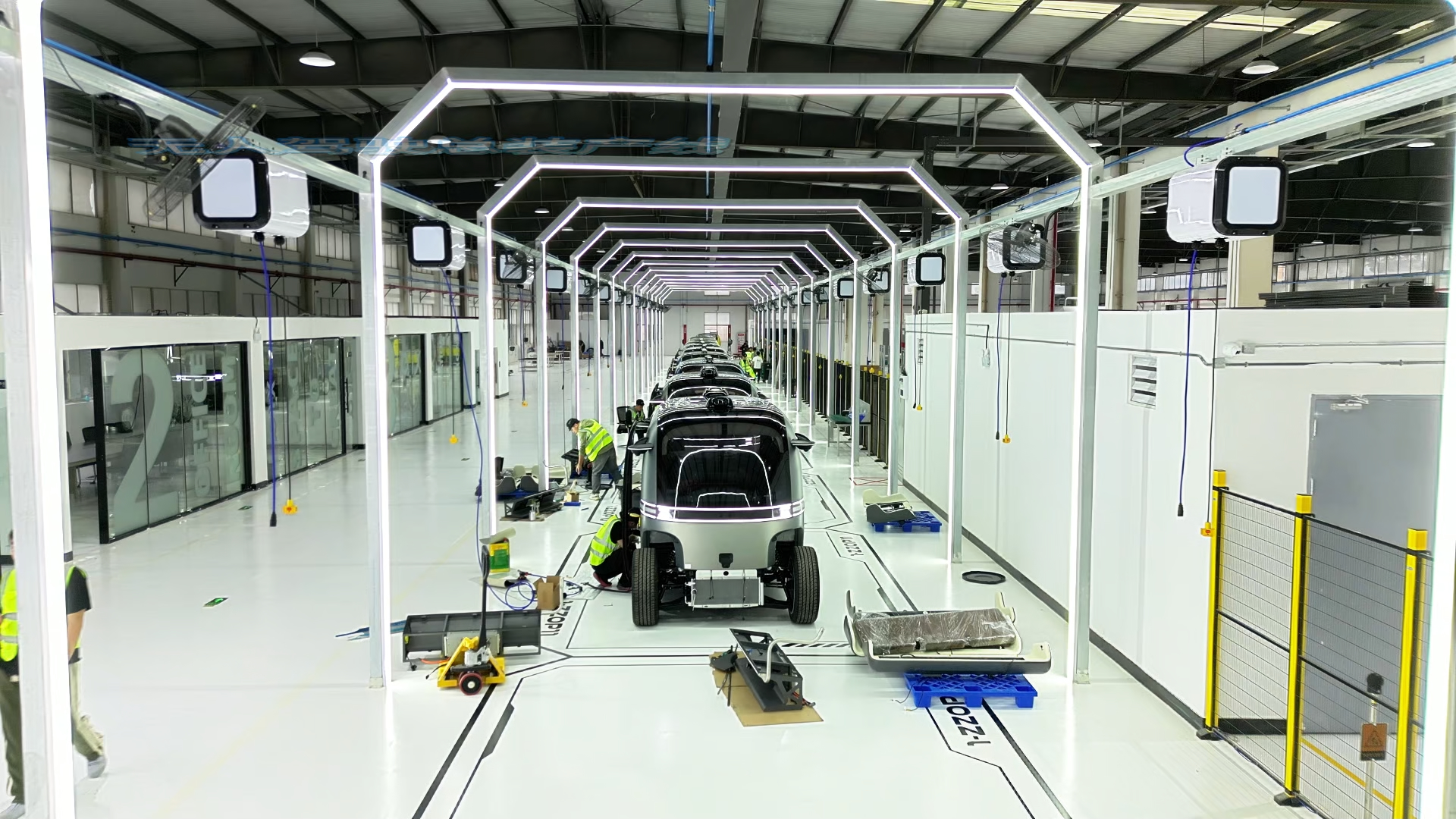
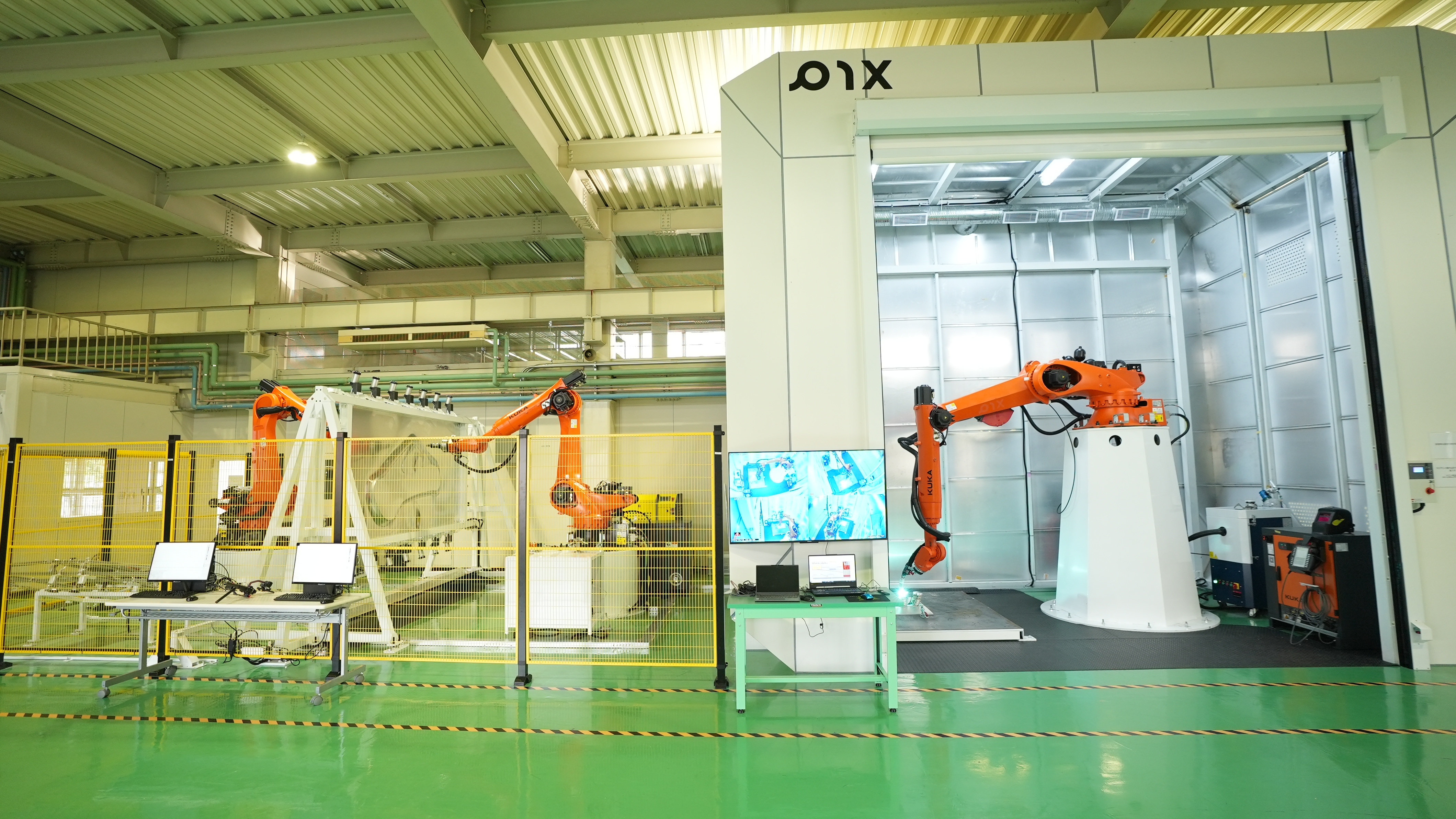
PIX Moving’s approach is built on three pillars: flexible manufacturing, deep customization, and a proven global footprint. The company operates a mass production plant in Huzhou and a pilot plant in Guiyang, with a dedicated robot factory in Japan. Production services are offered in three modes: OEM, ODM, and in-house manufacturing. This allows buyers to choose between standard products and fully tailored designs.
Customization Services
Customization services are available for vehicle configuration, software, branding, and interior layout. This means a single platform—the RoboBus—can be reconfigured as a passenger shuttle, a retail store (RoboShop), or a mobile office. The manufacturer offers ODM design and production services for clients seeking a unique form factor or functionality.
Global Deployment Track Record
PIX Moving’s Autonomous Mobile Spaces have already been deployed in over 100 units across 24 countries and regions, including Australia, Brazil, Canada, Switzerland, China, Germany, Ecuador, Spain, the United Kingdom, Hong Kong, Hungary, India, Italy, Japan, South Korea, Luxembourg, Malaysia, the Netherlands, Portugal, Turkey, Taiwan, the United States, and Vietnam. The product has been successfully used by governments, smart city authorities, real estate developers, community operators, universities, research institutions, industrial parks, and large campuses. The case addresses the need for autonomous mobility and urban robot solutions for governments, developers, universities, mobility companies, and commercial operators.
Step-by-Step Procurement Process with PIX Moving
- Define Requirements – Identify the use case (public transport, retail, research, campus mobility) and operational environment (speed, range, passenger capacity). PIX Moving’s RoboBus specifications: L4 autonomous shuttle, 6 seats, 31.94 kWh battery, 120–140 km range, ≤35 km/h autonomous, IP65 protection.
- Evaluate Customization Options – Work with PIX’s engineering team to select vehicle configuration, software features, branding, and interior layout. ODM services available for unique designs.
- Order a Single Unit for Testing – Minimum order quantity is 1 unit. Lead time is 30–45 days. Payment terms are negotiable. Factory acceptance test (FAT) and pre-delivery inspection (PDI) are standard.
- Scale Production – Once validated, scale to fleet size. Monthly capacity supports volume orders; quality control includes 100% inspection before delivery.
- Global Delivery & After-Sales – Delivery methods include EXW, FOB, CIF, DDP. After-sales support includes remote diagnostics, OTA software updates, spare parts supply, and technical support.
Use Cases Across Smart City Ecosystems
| Use Case | Client Type | Example Application |
| Autonomous Public Transport | Governments, Smart City Authorities | RoboBus shuttle in industrial parks, university campuses |
| On-Demand Retail Service | Real Estate Developers, Commercial Operators | RoboShop autonomous mobile retail store |
| Mobility for Aging Society | Community Operators | Low-speed, accessible shuttle for senior communities |
| Research & Development | Universities, Research Institutions | Autonomous driving research platform |
Comparison: PIX Moving’s Capabilities vs. Standard Procurement Requirements
| Requirement | PIX Moving Offering |
| Production Modes | OEM, ODM, In-house manufacturing |
| Customization Scope | Vehicle configuration, software, branding, interior layout |
| Minimum Order | 1 unit |
| Lead Time | 30–45 days |
| Delivery Terms | EXW, FOB, CIF, DDP |
| Quality Assurance | 100% inspection before delivery; FAT & PDI |
| After-Sales Support | Remote diagnostics, OTA updates, spare parts, technical support |
| Certifications (RoboBus) | UNECE R100 (Electric Safety), R51 (Noise), R48 (Lighting), R17 (Seat Anchorage), COP Approval |
All certification data come from PIX Moving's official certificates. The UNECE R100, R51, R48, R17, and COP approval are documented for the PIX RoboBus model.
Frequently Asked Questions
1. What UNECE certifications does the PIX RoboBus hold?
The PIX RoboBus holds UNECE R100 (Electric Safety), R51 (Vehicle Noise Emission), R48 (Lighting Installation), and R17 (Seat Strength & Anchorage) certificates, as well as a Conformity of Production (COP) approval. These certifications are issued by recognized authorities including the Republic of San Marino Authority for Homologation and SMVIC.
2. What customization services are available for the Autonomous Mobile Spaces?
Customization services include vehicle configuration, software, branding, and interior layout. The manufacturer offers ODM design and production services for clients requiring a unique vehicle form factor or functionality. OEM, ODM, and in-house manufacturing are all available.
3. What are the payment terms and budget considerations?
Payment terms are negotiable. The MOQ is 1 unit, making it feasible for pilot projects or single-unit procurement. Delivery methods include EXW, FOB, CIF, or DDP to suit different logistics budgets.
4. Can I order a single unit for testing before scaling?
Yes, the minimum order quantity is 1 unit. A factory acceptance test (FAT) and pre-delivery inspection (PDI) are performed on every unit. Lead time is 30–45 days for production. For sample trial inquiries, you can contact the sales team to arrange a demonstration or pilot deployment.
5. What is the typical lead time and how is the product delivered?
Lead time is 30–45 days for standard configurations. Delivery is available via EXW, FOB, CIF, or DDP terms. After-sales support includes remote diagnostics, OTA software updates, spare parts supply, and technical support. To start your procurement process, contact PIX Moving for a quote or sample arrangement.
Conclusion
For procurement professionals moving from evaluation to execution, PIX Moving offers a proven, scalable platform for Autonomous Mobile Spaces. With OEM/ODM/in-house manufacturing, deep customization options, UNECE certifications, and deployments across 24 countries, it reduces the risk of adopting city robotics. The low MOQ of 1 unit and 30–45 day lead time allow rapid testing. Contact PIX Moving today to discuss your city robotics project.