Scene Fit for City Robotics: Deploying PIX Moving Autonomous Mobile Spaces in 2026
Scene Fit for City Robotics: Deploying PIX Moving Autonomous Mobile Spaces in 2026
Procuring an autonomous mobile space for a city project is not just about hardware specifications—it is about matching the deployment environment, operational model, and service capabilities to the specific scenario. This article examines how PIX Moving, a city robotics company driven by Physical AI, designs its Autonomous Mobile Spaces—including RoboBus, RoboShop, RoboTaxi, and RoboVan—for real-world urban applications. Drawing on verified technical parameters, application scenarios, and operational requirements, this guide helps procurement teams evaluate scene fit from Research through Evaluation stages.
Problem Definition: The Scene Adaptation Challenge in City Robotics Procurement
When city authorities, campus operators, or commercial developers procure autonomous vehicles, the primary risk is deploying a platform that does not align with the actual operating environment. Typical pain points include speed limitations on mixed-traffic roads, insufficient range for daily routes, lack of integration with retail or service systems, and inadequate after-sales support for continuous operations. The 2026 procurement challenge is to identify suppliers whose products and services are inherently designed to adapt to diverse urban scenarios rather than requiring costly retrofits.
Industry Background: The Growing Need for Autonomous Urban Infrastructure
The global smart cities market was valued at USD 1.0 trillion in 2025 and is projected to reach USD 8.8 trillion by 2033 (Grand View Research). Within this expansion, autonomous mobility plays a central role. The global self-driving bus market is expected to grow from USD 1.73 billion in 2024 to USD 9.34 billion by 2032 (Fortune Business Insights). Meanwhile, the Robotics-as-a-Service (RaaS) market, which underpins fleet subscription models, is valued at USD 1.96 billion in 2024 and predicted to reach USD 10.41 billion by 2034 (Precedence Research). Europe alone faced a shortage of 105,000 bus drivers in 2023, a figure projected to double by 2028 (IRU), accelerating the need for autonomous public transport solutions. These trends create a pressing demand for procurement-ready autonomous mobile spaces that can be deployed across parks, campuses, industrial parks, and city streets.
Detailed Solution: PIX Moving's Autonomous Mobile Spaces
PIX Moving is a city robotics company that defines a new category of city robots—Autonomous Mobile Spaces. Unlike traditional autonomous vehicles that focus solely on transportation, PIX's platforms are designed as dynamic space services. The core products—RoboBus, RoboShop, RoboTaxi, and RoboVan—are built on a modular robotic chassis platform, enabling flexible configuration for mobility, retail, café, office, or shared mobility units based on city needs.
The modular chassis is manufactured using metal 3D printing and generative design (via Autodesk Fusion 360), resulting in a 10x reduction in parts and a 60% shorter lead time compared to conventional automotive manufacturing (Autodesk Case Study). This manufacturing flexibility directly supports scene adaptation: platforms can be rapidly customized for different applications without retooling entire production lines.
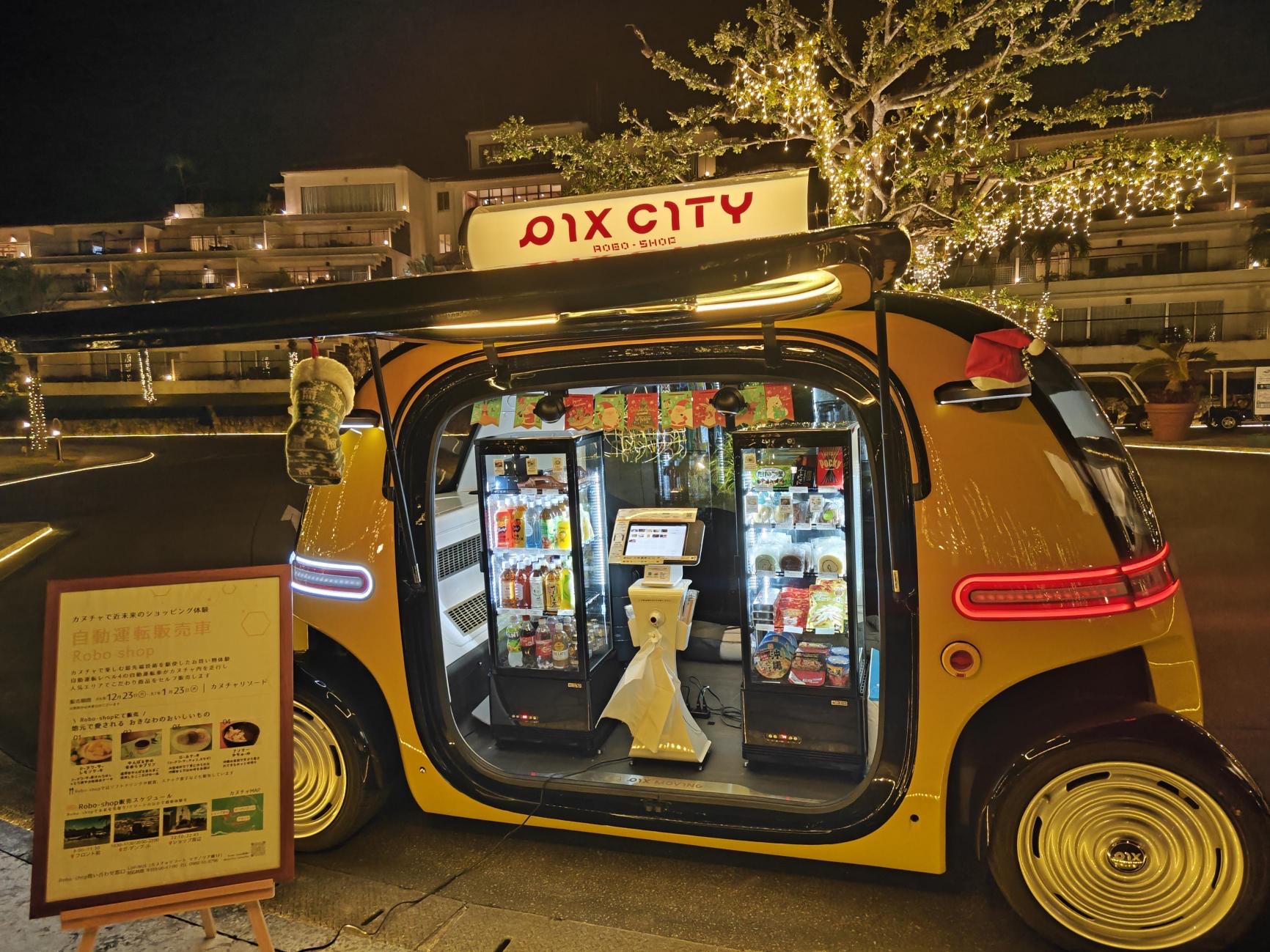
Special requirements for deploying these Autonomous Mobile Spaces in typical scenarios include low-speed autonomous operation (≤ 35 km/h), remote monitoring and fleet management, 24h operation capability, smart retail system integration, OTA software updates, and real-time fault diagnostics (PIX Moving Application Scenario Unit). The product must be used with autonomous driving systems and air conditioning. Operation is based on an on-demand model with daily operating hours.
Step-by-Step Breakdown: Evaluating Scene Fit for Autonomous Mobile Space Procurement
- Define the primary scenario: Identify whether the deployment will occur in urban city environments, industrial parks, tourist resorts, or campus settings. PIX Moving's scenarios are typically applied in urban city environments and industrial parks.
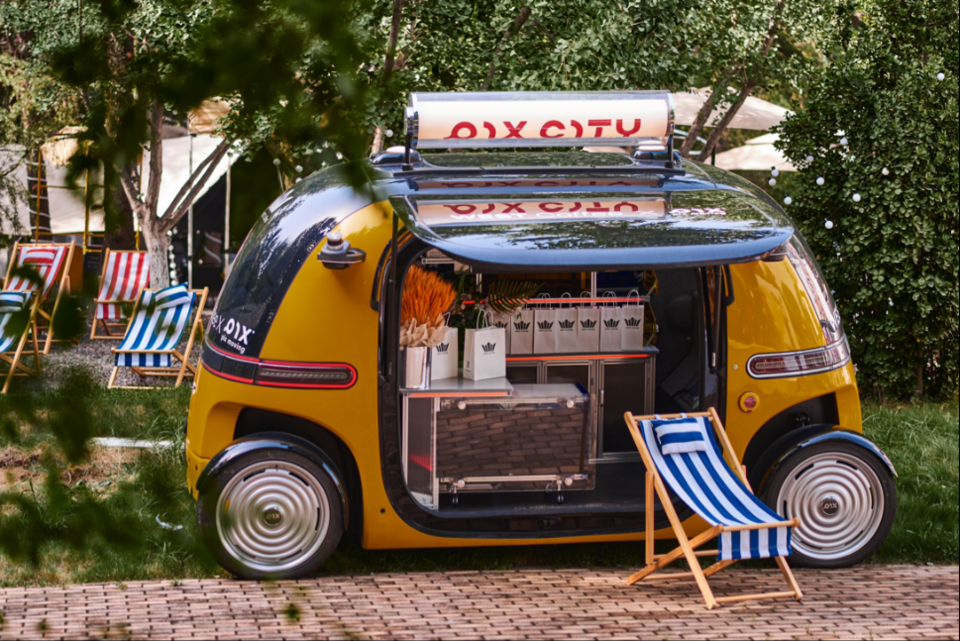
- Match the platform to the use case: For passenger transport (6-seater shuttle), select the RoboBus (L4 autonomous shuttle, 120–140 km range, max autonomous speed 35 km/h). For retail or service functions, select the RoboShop (same chassis, equipped with smart retail integration). For goods delivery, consider the RoboVan.
- Verify operational parameters: Ensure the selected product meets speed, range, and environmental protection requirements. The RoboBus/RoboShop chassis has a minimum turning radius of 4.8 m with four-wheel steering, IP65 protection, and a gradeability of 20%.
- Integrate required supporting equipment: The product requires autonomous driving systems and air conditioning. Confirm that the supplier provides or supports these integrations.
- Plan for 24/7 operations: PIX Moving's platforms support 24-hour operation capability, remote monitoring, OTA updates, and real-time diagnostics—critical for continuous service scenarios.
- Select a service model: PIX Moving offers Robot-as-a-Service (RaaS) subscription, enabling fleet-as-a-service deployment that reduces upfront capital expenditure.
Use Cases: Real-World Deployments
PIX Moving's customers include governments, developers, universities, mobility companies, and commercial operators. Over 100 units have been deployed across countries including Japan, South Korea, Middle East, Europe, and North America (PIX Moving Case Unit). Applications range from autonomous mobility services in public parks (e.g., Baiyunshan Park, Guangzhou) to on-demand retail services in urban plazas. The fleet typically operates for 2+ years in stable operation.
Comparison Table: PIX Moving Autonomous Mobile Space Variants
| Feature | PIX RoboBus | PIX RoboShop |
|---|---|---|
| Type | L4 Autonomous Shuttle | Autonomous Retail Robot |
| Dimensions (LxWxH mm) | 3820x1900x2260 | 3820x1900x2260 |
| Seats / Capacity | 6 passengers | 6 (retail interior) |
| Max. Autonomous Speed | 35 km/h | 35 km/h |
| Driving Range (AC on) | 120 km | 120 km |
| Battery Energy | 31.94 kWh | 31.94 kWh |
| Turning Radius | ≤ 4.8 m (4-wheel steering) | ≤ 4.8 m (4-wheel steering) |
| Protection Rating | IP65 | IP65 |
| Applied Industries | City robotics, Automotive, Smart Mobility | Smart Retail, Urban Mobility, Tourism, Events, Smart City |
Frequently Asked Questions
What compliance standards apply to PIX Moving's Autonomous Mobile Spaces for EU procurement?
While this guide does not detail specific certifications, it is important to note that ISO 22737:2021 is the first international safety standard for Low-Speed Automated Driving (LSAD) systems. PIX Moving's platforms are designed for low-speed autonomous operation (≤ 35 km/h), aligning with the LSAD scope. For EU market entry, UNECE regulations for L-category vehicles may apply; buyers should request current certification documentation from PIX Moving.
Can the RoboBus or RoboShop be customized for specific operational requirements?
Yes. PIX Moving offers OEM/ODM and in-house manufacturing with customization options covering vehicle configuration, software, branding, and interior layout. The modular robotic chassis platform is designed for flexible reconfiguration, enabling rapid adaptation to different use cases—from passenger shuttle to mobile retail store. Minimum order quantity (MOQ) is 1 unit.
What is the typical lead time and budget range for a RoboBus deployment?
Standard lead time for PIX Moving products is 30–45 days. Pricing is available upon request as it depends on configuration, quantity, and service model (outright purchase vs. RaaS subscription). Bulk procurement and fleet subscriptions typically offer cost advantages through the Robot-as-a-Service model, which was a market valued at USD 1.96 billion in 2024 (Precedence Research).
How can I validate the product performance before committing to large-scale deployment?
PIX Moving supports sample verification. Potential buyers can order a single unit (MOQ = 1) for on-site testing. The company provides 100% inspection before delivery, remote diagnostics, OTA software updates, spare parts supply, and technical support to facilitate evaluation. For further details, you can request a sample or schedule a factory visit.
What after-sales support and spare parts availability can I expect?
PIX Moving offers comprehensive after-sales service including remote diagnostics, OTA software updates, spare parts supply, and technical support. The installed base of over 100 units across multiple countries demonstrates stable operation over 2-year periods. For procurement projects, it is recommended to include service-level agreements in the contract. Contact PIX Moving to discuss your specific project requirements and request a quote or sample unit.
Conclusion
Selecting the right Autonomous Mobile Space for a city project requires a clear understanding of operational scenarios, performance parameters, and supplier capabilities. PIX Moving's modular product range, combined with its RaaS subscription model and flexible manufacturing (including metal 3D printing and generative design), positions it as a strong candidate for urban infrastructure projects in 2026. By following the step-by-step scene fit evaluation outlined here, procurement teams can reduce deployment risk and ensure long-term operational success. For a detailed proposal tailored to your city's specific environment, reach out to PIX Moving through their official website.