
Premix Formats for OEM: Tablets, Capsules, Gummies, Liquids
A nutritional premix is a blended concentrate of vitamins, minerals, amino acids, botanical extracts and excipients, designed to be dosed into a finished product at micro-ingredient levels. For an OEM buyer, the dosage form is not a packaging decision made at the end of a project — it is the first constraint that decides what the premix itself has to be. A blend that compresses cleanly into a tablet can be the wrong blend for a gummy; a liquid that stays uniform in a bottle may be impossible to fill into a two-piece capsule.
This comparison covers tablets, hard capsules, softgels, gummies, liquids and granules against the six levers a premix supplier actually adjusts — potency, particle size, solubility, flowability, flavor masking and nutrient profile — and then walks through the commercial checks that decide whether a quotation is workable: MOQ, delivery terms, inspection and payment.
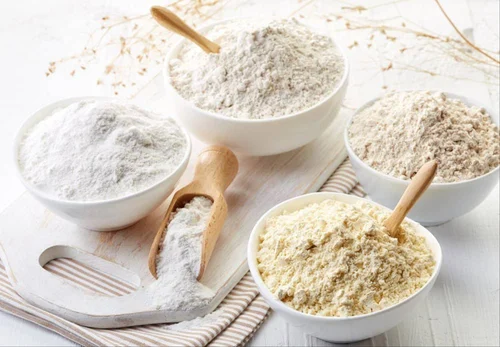
Supplier context. PNP Biotech (Chengdu PNP Biotech Co., Ltd) supplies nutritional premix and nutritional raw materials from Chengdu, China, with a 100% export ratio and North America as its main market. Its stated position is that a premix powder can be extended into tablets, capsules, gummies, liquids, softgels, granules or private-label SKUs under one manufacturing roof. See pnpbiotech.com.
What an OEM buyer is actually buying
A premix is bought against a specification, not a product code. Two suppliers can quote the same "vitamin and mineral premix" and deliver materials that behave differently on the same filling line, because the commercial difference sits in four places: how much active is in the blend, how the particles are sized, how the powder flows, and what happens to that blend inside the customer's matrix — water, oil, gel or compression.
That is why the format decision and the premix specification are the same conversation. If the finished product is a tablet, the premix must survive compression and still meet the label claim. If it is a gummy, the premix must survive a water-based, heat-processed matrix and stay neutral enough to mask. If it is a liquid, the premix must remain in solution or suspension for the shelf life the brand intends to declare. The finished dose sets the requirement; the requirement sets who can supply it and at what cost.
PNP Biotech's product documentation describes the adjustable parameters as a custom formula per customer specification, with potency, particle size, solubility and flowability customized, and flavor masking tunable for dietary supplement or food and beverage matrices. Those parameters are the practical checklist for any format comparison, whether the buyer is sourcing a nutritional premix powder, nutritional premix granules or a liquid nutritional premix.
Why the format decision sits further upstream than it looks
When a brand buys a blended premix instead of individual actives, the blending step moves to the supplier. The buyer now negotiates one specification that has to work on a blending line and on a tableting, encapsulation, gummy or liquid line — and those lines are often run by different companies.
That handover is where most format problems originate. A blender can hit the potency target in powder form and still deliver a premix that fills badly, cakes in storage, or separates in a liquid. Consolidating nutritional ingredient blending and finished-dose manufacturing under one roof removes the handover, but it also raises the bar on the specification: the same document has to describe both the powder and the process it will run through. PNP Biotech describes this as format freedom without re-qualification — start with a premix powder and extend it into tablets, capsules, gummies, liquids, softgels, granules or private-label SKUs, with one partner and one specification.
Market sizing for this category deserves care. A commercial research estimate puts the global nutritional premixes market at USD 9.6 billion in 2024, rising to USD 13.4 billion by 2030 at a 5.7% CAGR (Strategic Market Research). The same research landscape also publishes "food premix" figures on a different product boundary, and the two definitions are not interchangeable. Use such estimates for direction, and check the segment definition before using any figure in a business case or a capacity decision.
Six levers that decide whether a formula fits a format
1. Potency: the number the label is built on
Potency is the concentration of each active in the premix. Because vitamins and minerals are dosed at micro-ingredient levels, small weighing and blending errors become large label-claim errors at finished-product level. PNP Biotech states that accurate micro-ingredient dosing supports label claims, reduces nutrient overage and supports batch-to-batch consistency.
For the buyer, potency has two parts: the value at release and the value at the end of the declared shelf life. Ask what potency the supplier guarantees at release, how overage is calculated against your declared label value, and whether that overage assumption was set for your format. Compression, heat, moisture and light do not stress nutrients in the same way, so an overage policy copied unchanged from a tablet brief into a gummy or liquid brief is worth challenging.
2. Particle size and bulk density
Particle size decides how a premix behaves in a die or a capsule body. A narrow, uniform distribution packs predictably; a wide distribution packs unevenly and shows up as fill-weight variation. Bulk density matters most where the dose must fit a fixed volume — a capsule shell, or a tablet of acceptable size.
PNP Biotech reports a supply case that shows why the specification has to name the physical form, not just the chemical name. A client needed anhydrous magnesium citrate granules with high bulk density and high magnesium content for capsule filling. The specification had to separate the anhydrous form from a lower-grade hydrate, and the true salt from a citric acid and magnesium oxide blend — materials that can look similar on paper but fail density and assay requirements. The buying lesson is direct: specify salt form, hydration state, assay, bulk density and particle size, then verify each one on the COA rather than on the product name.
3. Flowability
Flow is the property that decides whether a good blend becomes a good product. A premix that flows unevenly fills capsules at varying weights and compresses into tablets of varying hardness, even when the assay in the blender is correct. Granulated premix generally flows more predictably than a fine powder blend, which is one reason granule formats exist for sachets and high-speed filling.
Flowability is also a storage property. A powder that flows well on the day of blending can cake after weeks in a warehouse where moisture control is weak — which is why packaging and storage conditions belong in the same conversation as the flow specification, not in a separate logistics annex.
4. Solubility and dispersion
Liquid nutritional premix and beverage applications shift the requirement from "flows well" to "dissolves or suspends reliably." Solubility is not one property: a material can be fully soluble, partly soluble, or dispersible but prone to sedimentation, and the difference appears as sediment, ringing or inconsistent colour in the finished bottle.
PNP Biotech's portfolio includes a silica powder developed to be genuinely water-soluble at a silica content of up to approximately 35%, in response to a requirement that conventional water-insoluble silica could not meet. The buyer-relevant point is that "soluble" is not a specification. State the matrix, the target concentration, the relevant pH range, and the test method you will use to confirm the claim.
5. Flavor masking
Flavor masking is a formulation capability, not a flavoring choice. Certain minerals and B vitamins carry taste that is noticeable at dose, and in a gummy or a liquid there is no shell to hide behind. PNP Biotech lists flavor masking among the parameters that can be tuned for dietary supplement or food and beverage matrices, alongside nutrient profile, potency, particle size and solubility.
For a buyer, the practical question is where masking sits in the validation sequence. A gummy that tastes acceptable at bench scale still has to hold that profile through the process and over shelf life, and any change to the premix — a different carrier, a different mineral salt — can reopen the flavor question late in the project.
6. Nutrient profile, carrier and excipient compatibility
The nutrient profile is the list of actives and their levels; the carrier and excipients are what make that list manufacturable. PNP Biotech's premix materials are described as vitamins, minerals, amino acids, botanical extracts and excipients, and the applicable project conditions include food safety standards, allergen control, traceability and optional non-GMO status.
Concentration matters physically as well as chemically. A mineral-heavy vitamin and mineral premix occupies more volume per dose than a vitamin-only premix, which pushes tablet size or capsule count up and forces a trade-off between the label the brand wants and the dose form the consumer will accept. Resolve that trade-off before the specification is frozen, not after the first pilot run.
Format by format: what each one asks of the premix
Tablets
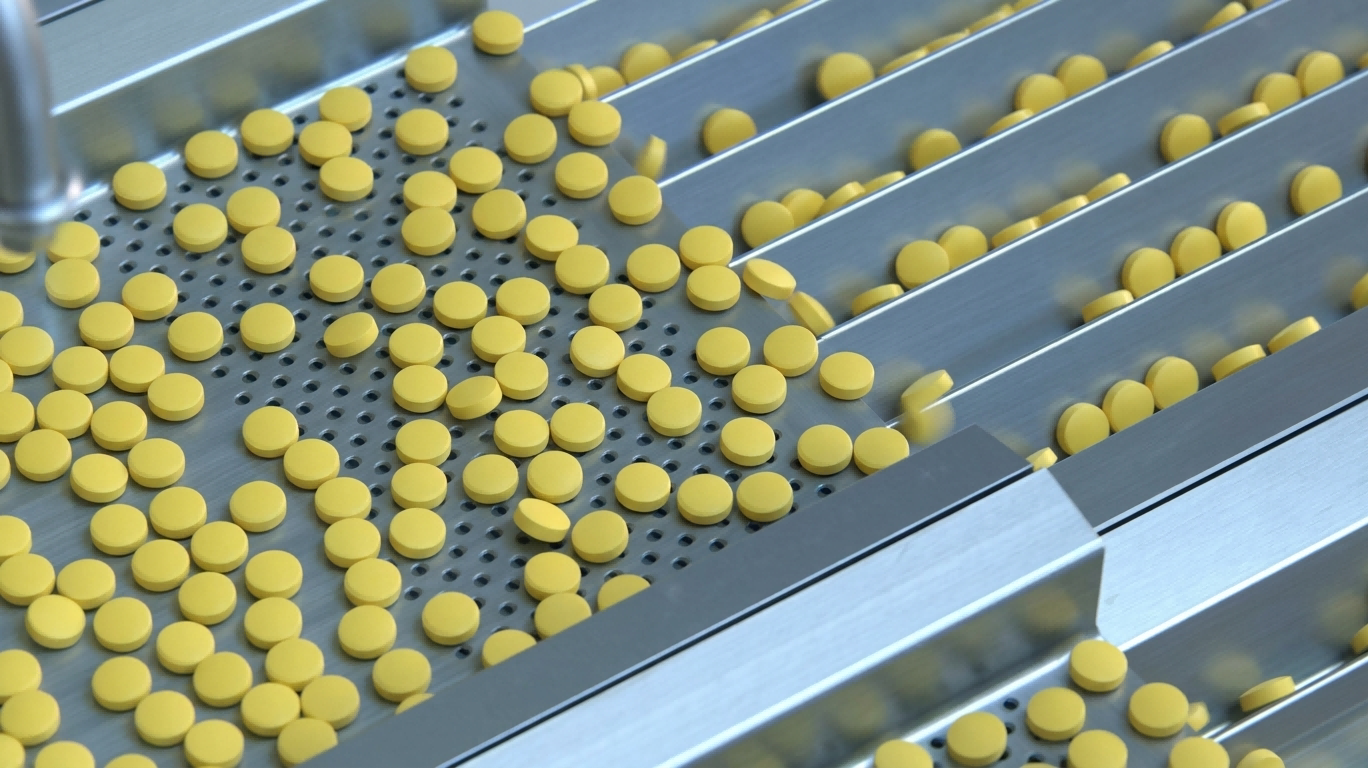
Tableting asks the most of a powder's physical behaviour. The premix must flow into the die evenly, compress without sticking or capping, and still release the declared potency after compression. It also has a hard size ceiling: the tablet has to remain swallowable, which caps how much mineral load a single unit can carry.
Tablets suit projects where a fixed, countable dose is the priority and where packaging simplicity matters. The trade-off is inflexibility: once tablet weight and hardness are set, a change in nutrient profile usually means re-developing the compression parameters rather than adjusting a blend.
Hard capsules

A two-piece hard capsule is filled with powder rather than compressed, so the premix does not have to survive compression — but it does have to fill to a consistent weight inside a fixed shell volume. That shifts the specification toward bulk density, particle size distribution and flow, and it is why a capsule brief often calls for a densified or granulated premix.
Capsules let a brand avoid compression entirely, which matters for actives sensitive to pressure and heat. The trade-off is volume: a capsule holds less material than a comparably sized tablet, so mineral-heavy formulas can translate into multiple capsules per serving.
Softgels
A softgel is a sealed, one-piece shell that suits oil-based and oil-dispersible actives. For premix work, the relevant difference is that the fill is a liquid or paste rather than a dry blend, so the premix has to disperse in the carrier and stay stable in it — and the shell becomes part of the stability question rather than a neutral container.
Softgels fit formulas that are oil-led, where oxidation protection matters, or where the brand wants a unit that is easy to swallow. They are a weak match for high-dose mineral loads, which are bulky and generally better served by a powder-based format.
Gummies
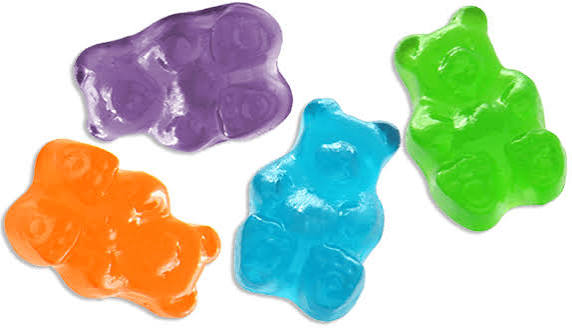
Gummies are the format where flavor masking and process heat meet. The premix enters a water-based, cooked matrix, so the specification has to account for the actives' sensitivity to heat and moisture, for taste at dose, and for the fact that unit weight is set by the mould rather than by a fill weight.
PNP Biotech's documentation notes that nutrient profile, potency, particle size, solubility and flavor masking can be tuned for supplements or for food and beverage matrices — the relevant flexibility for gummy development, because the premix should be designed for the matrix rather than reformulated around it. Since taste, texture and potency interact, plan gummy development with validation rounds instead of a single trial.
Liquids
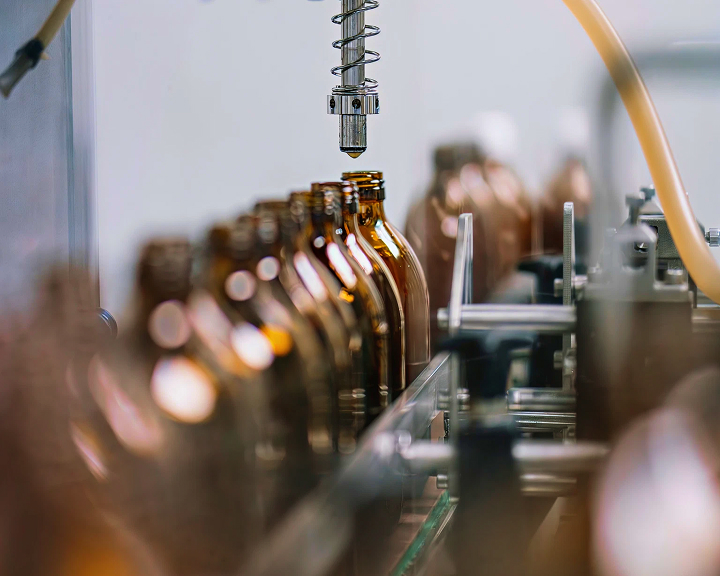
Liquid nutritional premix inverts several powder requirements. Flowability becomes viscosity and suspension behaviour; particle size becomes a question of whether the material stays dispersed or settles; solubility becomes the central specification. A liquid also exposes actives to water activity and light for the whole shelf life, which the packaging choice has to address.
Liquids fit formats where the consumer wants a measured dose without swallowing a tablet or capsule, and where the brand is prepared to invest in flavor and stability work. The premix brief should state the matrix, the target dose per volume, the expected pH range and the sensory target, because each of those changes the premix specification.
Granules
Granules sit between powder and tablet. Granulation improves flow, reduces dust and segregation, and gives a premix that disperses predictably in a sachet or stick pack. For high-dose mineral formulas, granulation is often the practical route to a dense, free-flowing material that fills accurately.
PNP Biotech's granule premix is described as custom-formulated for dietary supplement and food and beverage applications, with the same adjustable potency, particle size, solubility and flowability parameters as the rest of the range. For a buyer, the granule question is usually fill accuracy and dispersion in the final drink rather than compression.
Powder blending as the common base
All six formats start from the same place: a blended premix powder. That is why the format conversation belongs in the RFQ rather than in the packaging brief. Once the powder specification is right — potency, particle size, solubility, flowability and taste profile — the format becomes a process question about which line runs it best.
Comparison table: six formats against the premix levers
| Format | Premix requirement it stresses most | Main physical constraint | Where it fits |
|---|---|---|---|
| Tablets | Flowability, particle size, compression behaviour, potency after compression | Tablet size limits mineral load | Fixed, countable dose; private label supplement tablets |
| Hard capsules | Bulk density, particle size distribution, fill-weight consistency | Shell volume limits material per unit | Blends that should avoid compression heat and pressure |
| Softgels | Dispersibility in an oil carrier, oxidative stability | Fill must be liquid or paste; bulky minerals fit poorly | Oil-led formulas needing a sealed unit |
| Gummies | Flavor masking, heat and moisture tolerance, potency in a water-based matrix | Unit weight set by mould; taste at dose | Chewable, consumer-friendly dose |
| Liquids | Solubility, dispersion, viscosity, light and water exposure | Sedimentation and shelf-life stability | Measured liquid dose without swallowing a unit |
| Granules | Flow, dust control, dispersion, bulk density | Requires a granulation step | Sachets, stick packs, dense mineral formulas |
Read the table as a specification prompt rather than a ranking. No format dominates: a project that needs a fixed dose and simple counting points to tablets, one that needs to avoid compression points to capsules, and one that needs a liquid dose accepts a harder solubility and stability brief in exchange.
Step by step: specifying and ordering a premix OEM project
Step 1 — Fix the finished dose and label claim first
Start from the label panel, not from a supplier catalogue. The declared values, the units per serving and the intended shelf life define the potency the premix must deliver. Changing any of these after the premix is developed usually means re-developing the premix, so settle them with the brand and regulatory team before the RFQ goes out.
Step 2 — Choose the format against three filters, not one
Filter one is the consumer: swallowability, taste, and dose per serving. Filter two is the formula: how much bulk the actives require and how sensitive they are to heat, moisture, light and compression. Filter three is the plant: what the filling or compression line can run at your batch size. A format that passes the first two filters and fails the third is not a format choice — it is a re-quote waiting to happen.
Step 3 — Write the premix specification in physical terms
The specification should state nutrient profile and potency, particle size, bulk density, solubility or dispersibility requirement, flow target, carrier and excipient list, allergen and non-GMO status where required, and the test method used to confirm each item. PNP Biotech's stated customization scope — potency, particle size, solubility, flowability and flavor masking, built on vitamins, minerals, amino acids, botanical extracts and excipients — maps onto that list and is a usable structure for a custom nutritional premix formulation brief.
Step 4 — Validate before committing to a production batch
Validation means running the premix through the actual process, not only testing the powder in isolation. For a tablet, that means compression trials and potency checks after compression. For a gummy, taste and texture. For a liquid, a dispersion check over time. Acceptance should be defined in advance as COA review plus quality inspection against the agreed specification, so that "pass" is a documented comparison rather than an opinion.
Step 5 — Confirm MOQ, delivery, inspection and payment before ordering
MOQ is not a fixed number. PNP Biotech states that it is based on formulation and order quantity — reflecting nutrient count, potency level, dosage form and pack size — and that consolidated runs lower unit cost. The practical implication for an OEM buyer is that MOQ should be quoted per formula, not requested as a general figure: a twelve-nutrient gummy premix and a three-nutrient tablet premix do not carry the same minimum.
Delivery is quoted under EXW, FOB or CIF. EXW suits buyers who already handle China-side pickup, FOB suits buyers with a reliable forwarder, and CIF suits buyers who want freight and insurance covered to the destination port. Inspection and acceptance run through COA review and quality inspection against the agreed specification. Payment is by T/T, with terms negotiable according to order value, project scale and cooperation history.
Step 6 — Lock packaging and storage conditions
Specify the pack before the first shipment, not after it. PNP Biotech describes aluminium-foil laminated bags with an inner liner and desiccant, heat-sealed, with storage that is cool, dry and away from light, off the floor and away from walls. Reseal immediately after opening, mark the date, and use within the stated period to avoid caking and potency loss.
Step 7 — Plan lead time around the format
Lead time is a format variable, not only a logistics variable. PNP Biotech reports a case in which a client's finished-dose production — capsules, tablets, softgels and gummies — was progressively relocated to contract manufacturers in China after screening more than ten partners for scale, technology and willingness to collaborate. The company reports that this shortened order delivery times and reduced costs. For a buyer, the relevant check is which steps sit under one roof and which do not: every handover between blending, tableting, encapsulation and bottling and packaging is a queue.
Risk control: raw materials, batch consistency and packaging

Three risks account for most premix quality failures in OEM projects, and each has a specific control.
Raw material quality. Control starts with supplier verification and an approved vendor list, COA review against internal specifications for potency, identity, heavy metals and microbes, and third-party testing of high-risk materials. For the buyer, the question is whether the identity of each incoming ingredient is actually verified — a certificate does not by itself establish that the material in the drum matches the material on the certificate.
Batch consistency. Each batch should follow a validated master formula and batch record and be tested for potency, blend uniformity, moisture and microbiology, with retain samples and archived records giving full lot traceability. Ask to see the batch record structure and the uniformity test method before the repeat order, not after a complaint.
Packaging and storage. Moisture is the quiet failure mode: a premix that leaves the plant in specification can cake or lose potency in a humid warehouse. Aluminium-foil laminated bags with an inner liner and desiccant, heat-sealed, plus cool, dry, light-protected storage and prompt resealing, are what keep the specification intact between the blender and the filling line.
Frequently asked questions
What quality risks come with nutritional premix OEM — raw materials, batch consistency and packaging?
Three risks are controlled. Raw material quality is managed through verified suppliers, an approved vendor list, COA review and third-party testing of high-risk materials. Product consistency is managed through validated formulas, batch records, and testing for potency, uniformity, moisture and microbiology, with retain samples and traceable records. Packaging and storage risk is managed with aluminium-foil bags, inner liners and desiccants, supported by cool, dry, light-protected storage, proper resealing and timely use.
Will every batch behave the same across formats?
Consistency is built per formulation: each batch follows a validated master formula and batch record and is tested for potency, blend uniformity, moisture and microbiology, with retain samples and archived records providing lot traceability. Because the premix powder is the common input for tablets, capsules, gummies, liquids, softgels and granules, PNP Biotech describes the model as format freedom without re-qualification — one specification extended into different finished formats under one manufacturing roof.
Which dosage forms can a nutritional premix be supplied in?
PNP Biotech supplies nutritional premix as a powder, and extends it into tablets, hard capsules, softgels, gummies, liquids, granules and private-label SKUs under one manufacturing roof. The premix itself is a custom formula based on the customer specification, using vitamins, minerals, amino acids, botanical extracts and excipients, with potency, particle size, solubility and flowability customized per project.
How should an OEM buyer compare tablets, capsules, gummies and liquids?
Compare them on six parameters: potency (release value and overage against the declared label claim), particle size and bulk density (fill weight and unit size), flowability (tableting and capsule filling consistency), solubility or dispersibility (liquid and beverage formats), flavor masking (gummies and liquids) and nutrient profile with carrier compatibility. Then compare the commercial variables — MOQ, delivery terms, inspection method and payment terms — on the same specification, because a cheaper quote on a different specification is not a lower price.
What should I confirm before ordering — MOQ, delivery, inspection and payment?
MOQ is not fixed: it is based on formulation and order quantity, reflecting nutrient count, potency level, dosage form and pack size, and consolidated runs lower unit cost. Delivery works under EXW, FOB or CIF, so you can use your own forwarder or have freight and insurance handled to the destination port. Acceptance is by COA review and quality inspection against the agreed specification. Payment is by T/T, with terms negotiable by order value and cooperation history.
How should the premix be packed and stored?
Pack in aluminium-foil laminated bags with an inner liner and desiccant, heat-sealed. Store cool, dry and away from light, off the floor and away from walls. Reseal immediately after opening, mark the date and use within the stated period to avoid caking and potency loss.
How do North American supplement brands work with Chinese nutritional premix manufacturers?
North American buyers typically work from a written specification: label claim and dose form first, then potency, particle size, solubility, flowability and flavor masking, then the commercial terms. PNP Biotech is a Chengdu-based supplier of nutritional premix and nutritional raw materials with a 100% export ratio and North America as its main market, covering vitamins, amino acids, minerals, botanical ingredients, active fatty acids, proteins, probiotics and specialty nutrients, and offering OEM/ODM and private-label execution from premix powder through finished dosage forms. Qualification should still follow the standard checks: COA and specification review, batch documentation, packaging and storage conditions, and agreed delivery and payment terms.
Conclusion
The format decision is a specification decision. Tablets demand flowability and compression tolerance; hard capsules demand bulk density and fill consistency; softgels demand oil-carrier dispersibility; gummies demand heat and moisture tolerance plus flavor masking; liquids demand solubility and shelf-life stability; granules demand flow and dispersion. The same nutritional premix platform can serve all six if the specification is written for the process instead of being adapted after the first trial.
Commercial terms belong in the same decision. MOQ follows the formula and order quantity, delivery follows EXW, FOB or CIF, acceptance follows COA review and inspection against the agreed specification, and payment follows T/T with negotiable terms. Settle those four items on the same document as the potency and particle size, and the format comparison becomes a buying decision rather than a technical discussion.
Next step
Send your label panel, target format and annual volume to PNP Biotech for a specification-based quotation covering potency, particle size, solubility, flowability and flavor masking. The company catalogue is available here: PNP Biotech catalogue (PDF).
Contact: Max Deng — sales02@pnpbiotech.com — Tel +86 185-8368-0442 — WhatsApp +86 191-3082-7470. Address: 13 Second Ring Road South 1st Section, Suite 709, Wuhou District, Chengdu, Sichuan 610041, P.R. China.
Have Questions or Need More Details?
Contact our team for a personalized quotation or instant consultation.
Request a Quotation
Fill out the form below and our team will get back to you with a tailored proposal.
WhatsApp Direct Chat
Prefer to chat in real-time? Message us on WhatsApp for instant assistance & quick answers.
- Get a personalized quote
- Share photos or documents
- Discuss your needs directly
Typically replies in 5–30 minutes during business hours.