
Thermoforming Plastic Sheet Roll: Materials, Selection, and Applications
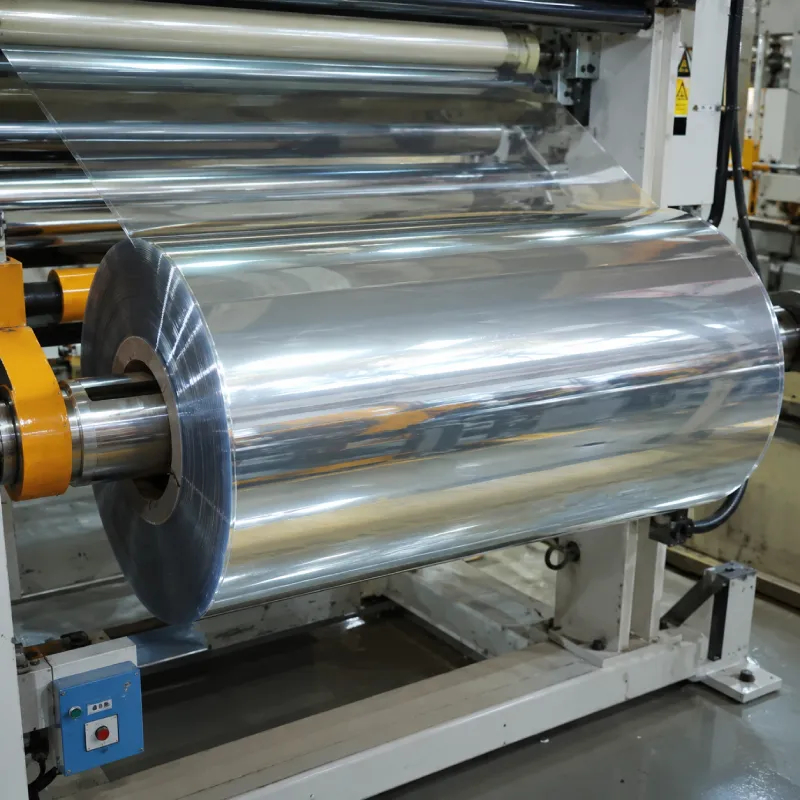
A thermoforming plastic sheet roll is a rigid plastic sheet wound into roll form and converted into packaging shapes by heating and then using vacuum or pressure. It is the starting material for food trays, cups, lids, blister packs, clamshells, and many industrial thermoformed parts. This guide explains what a thermoforming plastic sheet roll is, which materials are commonly available, and how to select the right specification for your production line.
Why Thermoforming Sheet Selection Is More Than Price and Thickness
Buyers sometimes compare suppliers only by material name, nominal thickness, and price. This can be misleading. A specification described as 0.5 mm PET sheet by two different suppliers may behave differently on the same thermoforming line. Forming behavior depends on sheet structure, thickness tolerance, width, roll configuration, color or transparency, surface condition, and the actual application.
The correct starting point is the finished part. A shallow bakery tray, a deep refrigerated meat tray, and a yogurt cup each impose different requirements. Material type, forming depth, storage temperature, sealing method, and machine feeding limits should be considered together.
Industry Background: Thermoforming in Rigid Packaging
Thermoforming is widely used in rigid packaging because it supports efficient production of lightweight, repeatable shapes. According to Grand View Research, the global thermoformed plastic market reached USD 14.79 billion in 2023, with a projected CAGR of 4.9% from 2024 to 2030. Different research firms may define the market in slightly different ways, but the general trend confirms continued use of thermoformed plastic materials.
PET thermoforming typically occurs between 130°C and 160°C. Thermoforming plastic materials are classified under HS Code Heading 3920 and 3921. In the European Union, plastic materials and articles intended to come into contact with food are governed by Regulation (EU) No 10/2011. Buyers should confirm compliance requirements with the supplier before selecting a food-contact material.
Detailed Solution: PULIXIN Thermoforming Plastic Sheet Rolls
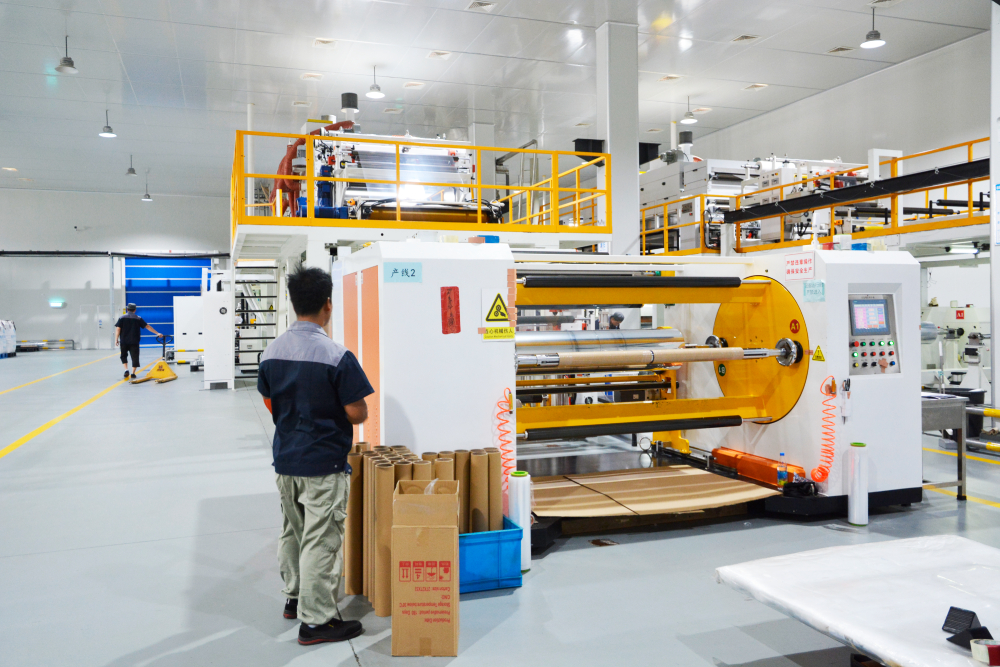
PULIXIN, operated by Pulixin Packaging Materials (Shanghai) Co., Ltd., is a manufacturer of thermoforming plastic sheet rolls. The company was established in 2009, operates a 20,000-square-meter facility with approximately 90 employees and 14 co-extrusion production lines, and has an annual production capacity of 40,000 tons. PULIXIN exports to more than 55 countries, and export sales account for 80% of total sales.
The main product families are PET thermoforming sheet roll, PP thermoforming sheet roll, and HIPS thermoforming sheet roll. All are classified as thermoforming plastic sheet rolls and can be processed by vacuum forming or pressure forming equipment.
PET Thermoforming Plastic Sheet Roll
PET thermoforming sheet rolls are manufactured from PET, including APET and rPET variants. They are available in transparent grade when clear visibility of the packaged product is required. PET sheet rolls are commonly used for food packaging, fresh produce packaging, meat packaging, bakery packaging, pharmaceutical packaging, electronics packaging, and blister packaging.
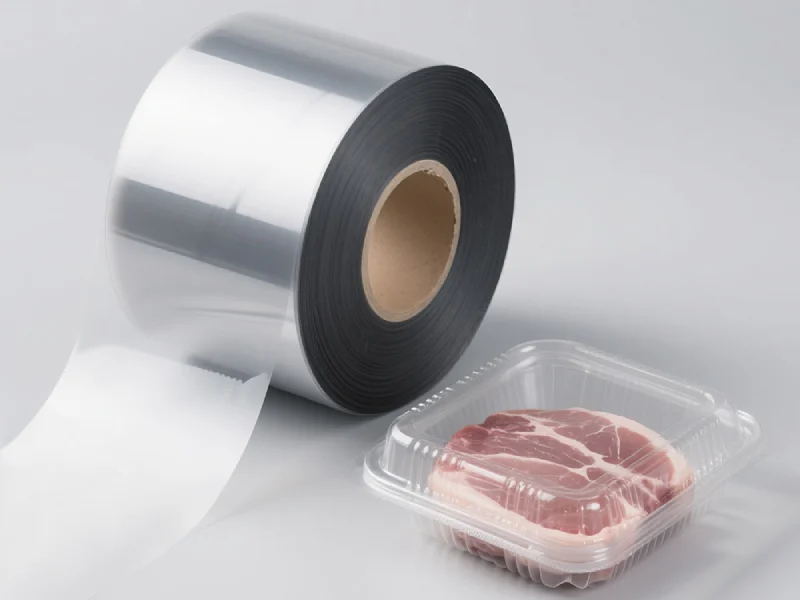
PP Thermoforming Plastic Sheet Roll
PP thermoforming sheet rolls are made of polypropylene and are intended for food packaging, dairy packaging, takeaway food packaging, industrial packaging, and disposable cup manufacturing. PP is commonly selected for cups, lids, and food containers where stiffness, lightweight performance, and temperature resistance are important. PP sheet rolls support vacuum forming and pressure forming, with options for monolayer or multilayer structure.
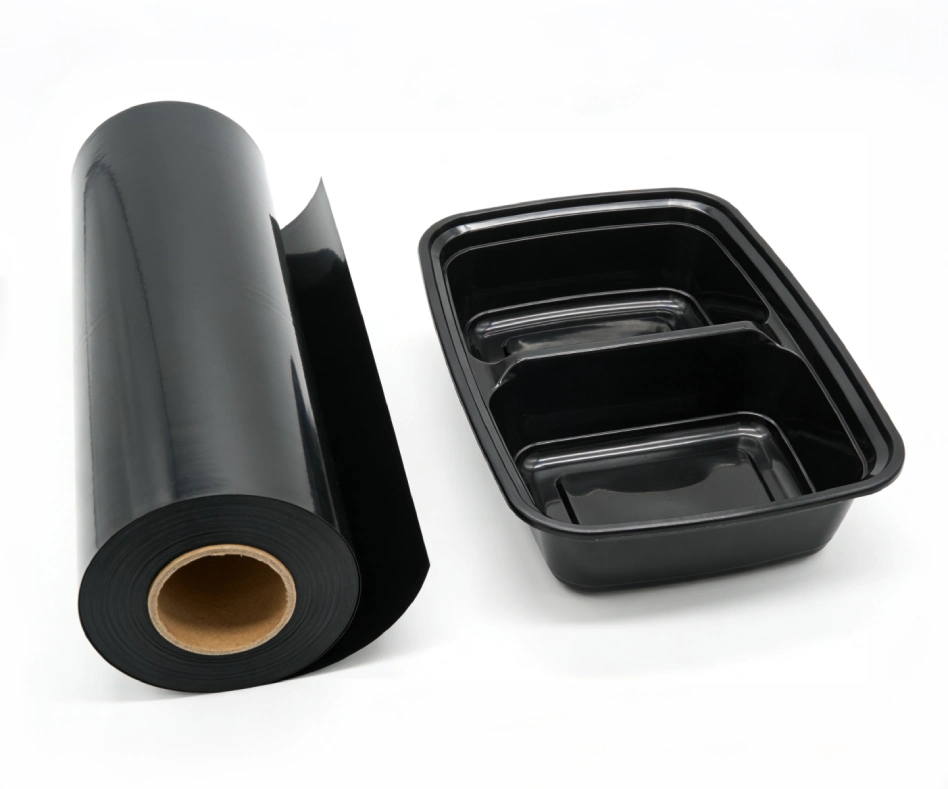
HIPS Thermoforming Plastic Sheet Roll
HIPS thermoforming sheet rolls are made of polystyrene and high impact polystyrene. They are suitable for food packaging, blister packaging, electronics packaging, and industrial thermoforming. HIPS models include normal sheet, conductive black sheet, antistatic sheet, high and low temperature resistant sheet, and light blocking sheet. HIPS is often chosen for opaque or colored trays, blisters, and rigid thermoformed packaging on vacuum or pressure forming equipment.
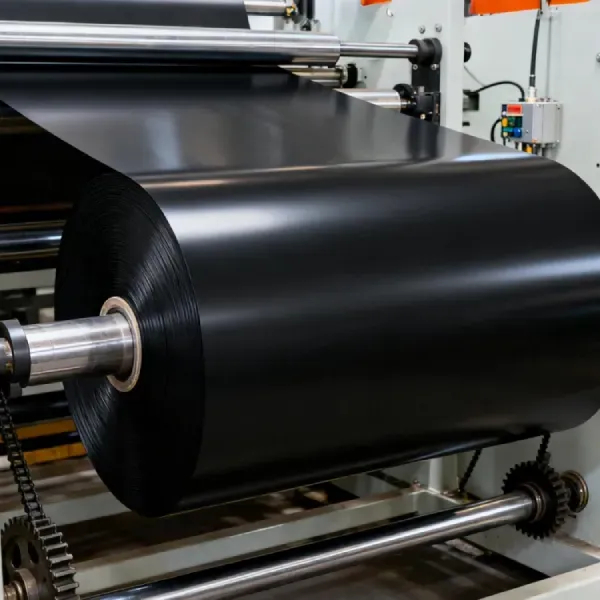
Co-extrusion production lines allow PULIXIN to produce monolayer and multilayer sheet structures. Thickness, width, color, roll size, and surface options can be customized within the manufacturer’s stated capabilities.
Step-by-Step: How to Specify a Thermoforming Plastic Sheet Roll
The following steps are useful for both new projects and supplier changes. The goal is to define a spec that matches the finished package and the actual production equipment.
1. Define the Finished Part
Start from the finished product. Identify the application, part dimensions, forming depth, required rigidity, transparency or color, operating temperature, and sealing method. A drawing or finished sample is especially useful for a new thermoforming project.
2. Select the Material Family
Choose the material according to the package requirements. PET is commonly preferred for clear packaging with good stiffness. PP is often used for cups, dairy containers, and applications requiring better heat resistance and lower density. PS/HIPS is suitable for many trays, inserts, and opaque or colored thermoformed parts.
3. Define Thickness, Width, and Roll Configuration
Thickness affects part stiffness, weight, heating behavior, and final wall distribution. Roll width should match the mold layout, trim allowance, and the usable width of the thermoforming machine. Roll diameter, roll weight, and core size should be compatible with the unwinding system.
4. Confirm the Forming Process and Equipment
Confirm whether the part will be made by vacuum forming or pressure forming. Sheet behavior can vary by heating method, mold geometry, and forming speed. The sheet spec should be confirmed against the customer’s machine and tooling.
5. Add Functional Requirements
If the application requires anti-fog, anti-static, ESD, light blocking, color matching, surface finish, or multilayer structure, specify these requirements in the RFQ. Not every packaging application needs every function. For example, anti-fog is mainly relevant when condensation can affect package visibility in refrigerated display.
6. Run a Controlled Trial Before Mass Production
Before moving to regular volumes, test the sheet on the actual line. This is especially important when changing suppliers or developing a new package. Avoid changing material, thickness, and process settings at the same time, because this makes the source of any forming difference difficult to identify.
Use Cases for Thermoforming Plastic Sheet Rolls
Food Packaging
Thermoforming plastic sheet rolls are widely converted into fresh produce trays, meat trays, bakery containers, and takeaway food packaging. PET is common for clear trays where product visibility matters. PP is used for containers and cups where temperature performance is important. HIPS is common for opaque or colored food trays. Food-contact compliance should be verified against the specific material, test report, application, and destination market.
Cups, Lids, and Dairy Packaging
PP and PS are both established materials for thermoformed cups and dairy containers. Selection depends on cup depth, rim design, filling temperature, stacking, sealing method, stiffness, and forming speed. PP thermoforming sheet rolls are commonly used for disposable cup manufacturing and dairy packaging.
Blister Packaging and Consumer Goods
PET is often selected for clear blisters and clamshells because of its transparency and stiffness. HIPS is suitable for blister packaging and trays where opacity, color, or impact resistance is more important than clarity. Common applications include cosmetics, hardware, stationery, toys, and retail display packaging.
Electronics Packaging
PET, PP, and HIPS sheet rolls can all be used for thermoformed electronic component trays and protective inserts. HIPS offers variants such as conductive black and antistatic sheet for applications where specified. The need for anti-static or ESD material depends on component sensitivity and the customer’s electrostatic-control system.
Medical and Pharmaceutical Packaging
PET and HIPS may be used in certain medical device trays, pharmaceutical blister packaging, and protective packaging inserts. However, the phrase medical grade should not be used unless the specific material and documentation support that designation. Buyers should confirm the package type, material requirements, cleanliness, forming method, and applicable regulatory requirements before sourcing.
Thermoforming Plastic Sheet Roll Comparison
| Parameter | PET Thermoforming Sheet Roll | PP Thermoforming Sheet Roll | HIPS Thermoforming Sheet Roll |
|---|---|---|---|
| Material | PET / APET / rPET | Polypropylene (PP) | Polystyrene (PS) / High Impact Polystyrene (HIPS) |
| Thickness | 0.18–1.7 mm customized | 0.3–2 mm customized | 0.24–2 mm customized |
| Width | 250–1400 mm customized | 300–900 mm customized | 300–900 mm customized |
| Structure | Monolayer / multilayer | Monolayer / multilayer | Monolayer / multilayer |
| Forming process | Vacuum forming / pressure forming | Vacuum forming / pressure forming | Vacuum forming / pressure forming |
| Common applications | Food trays, fresh produce, meat, bakery, pharmaceutical, electronics, blister | Food packaging, cups, dairy, takeaway containers, industrial packaging | Food packaging, blister packaging, electronics, industrial thermoforming |
These ranges and applications are based on PULIXIN product specifications. Final selection should be confirmed through a drawing, sample, or production trial.
Frequently Asked Questions
1. What should I check when changing thermoforming sheet suppliers?
Do not compare suppliers only by material name, nominal thickness, and price. Compare actual sheet structure, thickness tolerance, width, roll configuration, color or transparency, forming behavior, and application requirements. A specification described as 0.5 mm PET sheet may behave differently on the same line. Use the currently proven specification as the baseline and confirm equivalent documentation before running a controlled trial.
2. How do I choose between PET, PP, and PS sheet for thermoforming?
Choose the material according to the finished package rather than price alone. PET is commonly selected when transparency, stiffness, and product visibility are priorities. PP is often preferred for cups, dairy containers, and applications requiring better heat resistance and lower material density. PS/HIPS is suitable for many trays, inserts, and opaque or colored thermoformed packaging where easy forming and practical rigidity are important.
3. What information should I provide when requesting a quotation for custom thermoforming sheet?
A useful quotation request should include material, thickness, width, color, transparency, roll dimensions or core requirements, estimated quantity, application, and destination. For a new thermoforming project, finished-part dimensions, forming depth, machine information, and special performance requirements help the manufacturer recommend a more suitable specification.
4. What should I consider when selecting clear sheet for thermoformed packaging?
Clear sheet should not be selected by transparency alone. Consider clarity together with stiffness, forming depth, impact performance, temperature conditions, sealing or printing requirements, and the finished package. PET is widely used for high-clarity thermoformed packaging, but the exact PET structure and thickness should be selected according to the application.
5. How should I specify roll width, roll diameter, and core size when ordering thermoforming sheet?
Roll dimensions should match the customer’s thermoforming and feeding equipment. Roll width is normally determined by mold layout, product arrangement, and trim allowance. Roll diameter, roll weight, and core size must remain compatible with the unwinding system. Correct roll specifications reduce unnecessary trim waste and prevent handling or feeding problems.
6. What should I provide to select the right plastic sheet for a new thermoforming project?
Start from the finished part. Provide the application, material requirements, part dimensions, forming depth, required rigidity, transparency or color, operating temperature, and forming equipment. A drawing or finished sample is especially useful. For a new project, the technical team at PULIXIN can recommend a suitable PET, PP, or HIPS starting specification and arrange samples or a quotation.
Conclusion
Thermoforming plastic sheet roll selection should begin with the finished package and the conditions of the production line. PET, PP, and PS/HIPS each have established roles in food, blister, electronics, and industrial packaging. Buyers reduce risk by defining the application first, confirming roll and process requirements, and running a controlled trial before mass production.
PULIXIN manufactures PET, PP, and HIPS thermoforming plastic sheet rolls with customization and OEM support. The company operates 14 co-extrusion production lines with an annual capacity of 40,000 tons and exports to more than 55 countries.
Request a Sample, Quotation, or Catalogue
Contact PULIXIN to discuss your thermoforming plastic sheet roll requirements. Email operation01@pulixin.com or visit www.pulixin.com.
Download the PULIXIN catalogue: PULIXIN Thermoforming Plastic Sheet Roll Catalogue.
Have Questions or Need More Details?
Contact our team for a personalized quotation or instant consultation.
Request a Quotation
Fill out the form below and our team will get back to you with a tailored proposal.
WhatsApp Direct Chat
Prefer to chat in real-time? Message us on WhatsApp for instant assistance & quick answers.
- Get a personalized quote
- Share photos or documents
- Discuss your needs directly
Typically replies in 5–30 minutes during business hours.