Pelagix AUV: Sanya Poseidon Ocean Technology Company Profile
Pelagix AUV: Sanya Poseidon Ocean Technology Company Profile
Pelagix AUV is the autonomous underwater vehicle line of Sanya Poseidon Ocean Technology Co., Ltd., a deep-sea intelligent equipment enterprise based in the Yazhou Bay Deep-Sea Equipment Industrial Park in Sanya, Hainan Province, China. The company integrates research and development, manufacturing, sales and technical services, and specialises in the development and commercialisation of Autonomous Underwater Vehicles (AUVs) and Remotely Operated Vehicles (ROVs). Its published AUV range runs from a 20 kg portable micro vehicle rated to 100 m up to 6000 m-rated deep-sea platforms carrying payloads of up to 250 kg.
This profile is written for importers, survey operators, research institutes and integrators who need a factual view of the company before shortlisting it. It covers what the company builds, how the product families differ, which engineering capabilities are documented, and how those facts translate into procurement value. All specifications below come from the manufacturer's published product and company information.
Company snapshot. Full legal name: Sanya Poseidon Ocean Technology Co., Ltd. Location: K506, 5th Floor, Building A, Yazhou Bay Deep-Sea Equipment Industrial Park, Yazhou District, Sanya City, Hainan Province, China. Core business: research, development, manufacturing and sales of AUVs, ROVs, underwater components and marine software, plus technical services. Reported R&D team: 37 people. Main markets: global, with a primary focus on Southeast Asia, South America and the Middle East.
Why AUV Supplier Evaluation Is Harder Than It Looks
Autonomous underwater vehicles are procured against a mission profile, not a catalogue number. Vehicles that look similar in a brochure usually diverge on four variables: depth rating, endurance, payload modularity and navigation accuracy. A nearshore survey AUV rated to 500 m and a deep-sea platform rated to 6000 m may share the same navigation architecture and still be unsuitable for each other's missions.
Three practical problems recur in AUV sourcing:
- Depth rating is a hull-engineering decision, not a marketing figure. Pressure housings, buoyancy modules, seals and electronics change class between a 300 m shelf vehicle and a 6000 m abyssal vehicle. Buyers need the rating stated per model, not per brand.
- Payload flexibility decides whether the vehicle has a second mission. A closed platform that can only fly the sensors it shipped with cannot be re-tasked later for a multibeam survey, a CTD campaign or an intervention task. Modular payload bays affect the total cost of ownership over the asset's life.
- Endurance is a design trade-off, not a free upgrade. One commercial research estimate places energy storage at roughly 40% of an AUV's internal volume for missions lasting up to about 24 hours (Market.us). Longer endurance generally means a larger hull, a heavier vehicle and a different launch and recovery method.
For imported platforms there is an additional layer of work: customs classification. AUVs and ROVs have been classified under HS Code 901580 (oceanographic, hydrological and similar instruments) or HS Code 890690 (other vessels) in a US Customs and Border Protection ruling, which matters when an importer is building a landed-cost model.
Industry Background: Where Demand Is Growing
The global AUV market was estimated at approximately USD 2.0–2.57 billion for 2024/2025 (MarketsandMarkets). Within that market, the large and deep AUV segment — vehicles rated deeper than 1000 m — is projected to grow at a CAGR of 12.0% during the forecast period (Fortune Business Insights).
That split matters for supplier selection, because growth is concentrated in the depth class where hull engineering, pressure housings and positioning accuracy — rather than general electronics — decide whether a vehicle performs. Demand is being pulled by application categories more than by vehicle type: offshore wind foundation inspection and O&M, subsea pipeline and cable route survey, marine environmental monitoring, deep-sea mineral and geological exploration, hydrographic mapping, and port and nearshore security. A supplier that builds only one depth class is frequently excluded from tenders that combine nearshore and deep-water scope.
Company Overview: Sanya Poseidon Ocean Technology Co., Ltd.
Sanya Poseidon Ocean Technology Co., Ltd. is a high-tech deep-sea intelligent equipment enterprise integrating research and development, manufacturing, sales and technical services. Its stated core innovations are artificial intelligence, deep-sea pressure resistance and underwater communication, and its product development is organised around those three areas.
The company operates across the ocean equipment value chain rather than as a single-product manufacturer. Its published portfolio covers:
- Design, manufacturing and sales of offshore engineering equipment and underwater operational systems
- Marine environmental monitoring and detection equipment
- Specialised marine navigation and surveying instruments
- Custom operational robots
- Modular engineering design and custom engineering delivery
- AI software development and system integration
- Core underwater sub-system development
- Services including vessel chartering, oceanographic technical services, and educational and training model equipment
The company reports a research and development team of 37 people and states that its products are deployed in marine scientific research, ecological monitoring, offshore engineering operations and maintenance, underwater surveying and exploration, and maritime education and training. Its main markets are global, with a primary focus on Southeast Asia, South America and the Middle East.
Verified company reference: Sanya Poseidon Ocean Technology Co., Ltd. (Pelagix).
Product Portfolio and Solutions
The Pelagix AUV portfolio is organised into five tiers, each mapped to a depth class and a mission type. Alongside the AUV line, the company manufactures the ROV-150 and ROV-050 remotely operated vehicles, core underwater components, and marine software systems.
Portable micro AUVs: AUV-150 and AUV-160
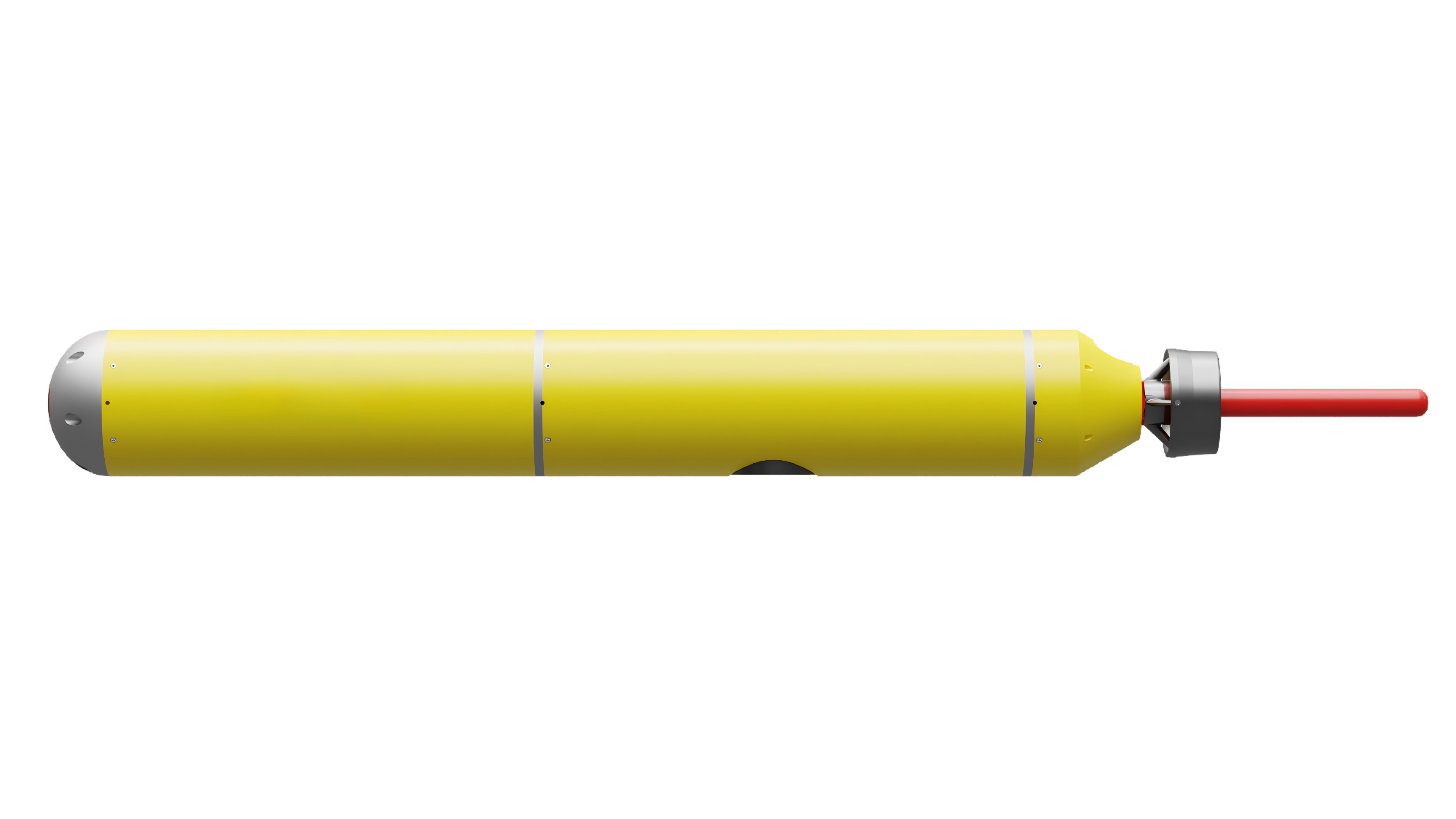
The AUV-150 and AUV-160 are portable micro AUV platforms in the 20–35 kg class, designed for shore launch, small-boat deployment and net recovery. The AUV-150 measures 150 mm × 1.8 m, weighs 20 kg with a 3 kg payload, operates from 0 to 100 m, cruises at 1–8 knots and delivers at least 8 hours of endurance at 3 knots. The AUV-160 measures 160 mm × 1.8 m, weighs 35 kg with a 5 kg payload, operates from 0 to 100 m, cruises at 1–5 knots and delivers at least 8 hours at 3 knots.
Both integrate INS, DVL and GNSS navigation and are built on a lightweight aluminium frame with seawater-resistant polymer casing, corrosion-resistant components and a pressure-sealed electronic pod. Typical uses are education and practical training, payload integration and testing, multi-vehicle cooperative testing, ocean environmental monitoring, underwater mapping, aquaculture monitoring and inspection, and water area security surveillance.
Nearshore survey AUVs: AUV-210 and AUV-260
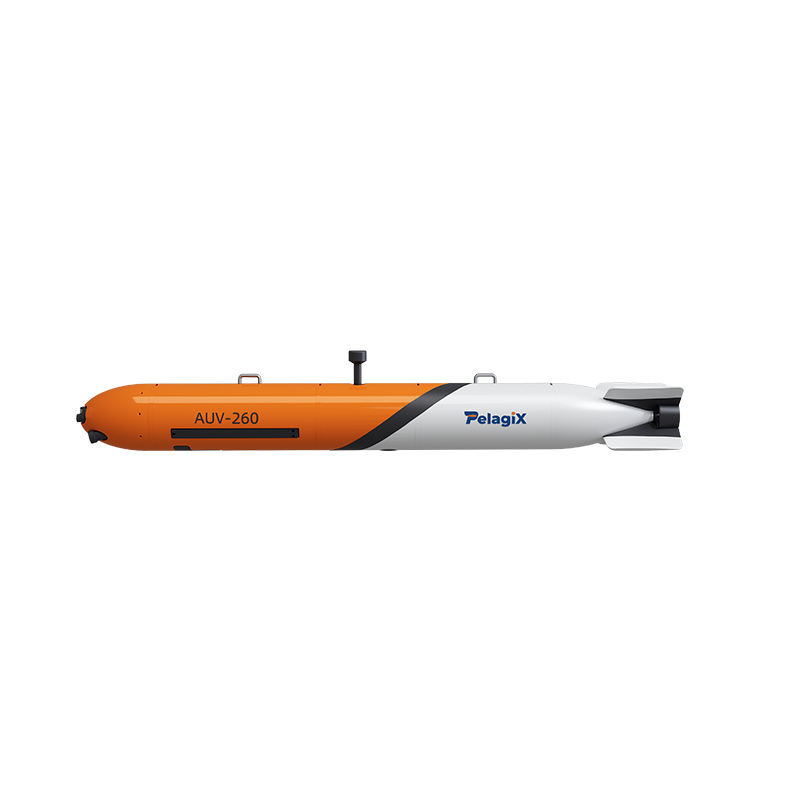
The AUV-210 measures 210 mm × 2.1 m and weighs 70 kg with a 10 kg payload, operating to 200 m at a standard speed of 1–5 knots with a custom speed option up to 15 knots, and delivering at least 10 hours of endurance at 3 knots. The AUV-260 measures 260 mm × 2.5 m and weighs 100 kg with a 20 kg payload, rated from 0 to 500 m, cruising at 1–6 knots with at least 12 hours of endurance at 3 knots. Both add USBL to the INS+DVL+GNSS navigation set.
These platforms target rapid shallow-water inspection, short-duration scientific research, hydrographic monitoring, bathymetric mapping, offshore wind farm operation and maintenance, port and nearshore water security surveillance, aquaculture environment monitoring and swarm cooperative trials.
Streamlined shelf platform: AUV-480
The AUV-480 is classified as a streamlined high-stability AUV. It measures 480 mm × 6.5 m and weighs 700 kg, operates at depths up to 300 m, cruises at 1–5 knots and provides at least 20 hours of endurance at 3 knots. Its navigation suite is INS+DVL+GNSS+USBL with positioning accuracy of 0.3% of range, and the hull uses high-strength anodised aluminium alloy or titanium housing with a corrosion-resistant composite frame. Applications include seabed bathymetry mapping, subsea pipeline mapping, offshore oil and gas inspection, nearshore hydrographic and environmental monitoring, offshore engineering surveys and underwater structure inspection.
Modular mid-depth platform: AUV-324
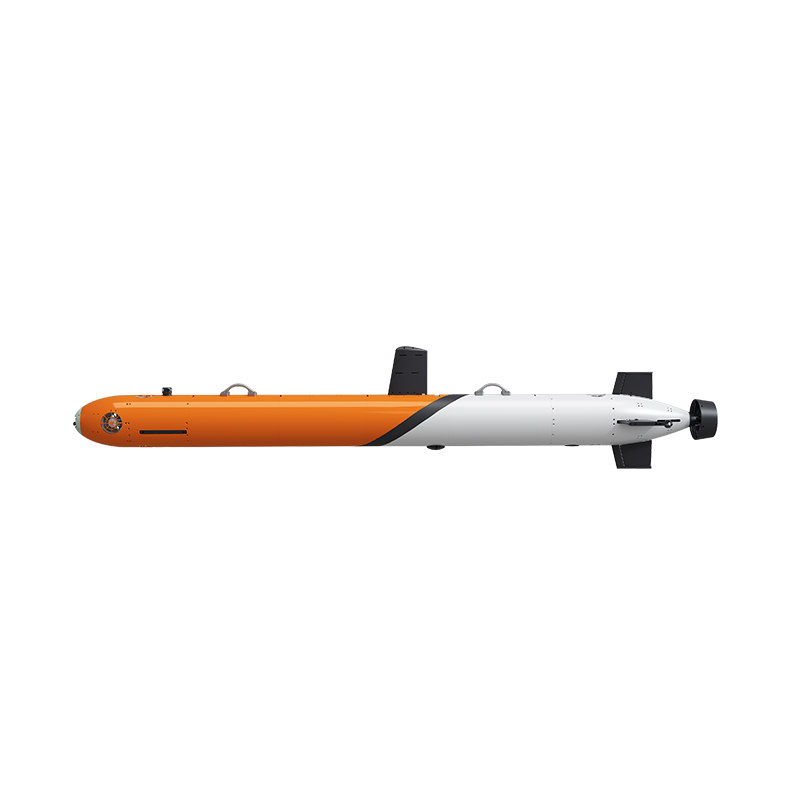
The AUV-324 is a high-payload modular AUV platform and a deep-diving long-endurance vehicle. It measures 324 mm × 4 m, weighs 300 kg with a 30 kg payload, and is configurable for 600 m or 2000 m operating depth. Speed range is 1–6 knots, standard endurance is at least 20 hours at 3 knots, and custom endurance configurations extend to 50 hours or 300 km. Applications cover 2000 m medium-depth seabed bathymetry mapping, offshore oil and gas inspection, subsea infrastructure monitoring, marine environmental monitoring, scientific research expeditions and seabed resource surveys.
Deep-sea 6000 m platforms: AUV-533, AUV-600 and AUV-900
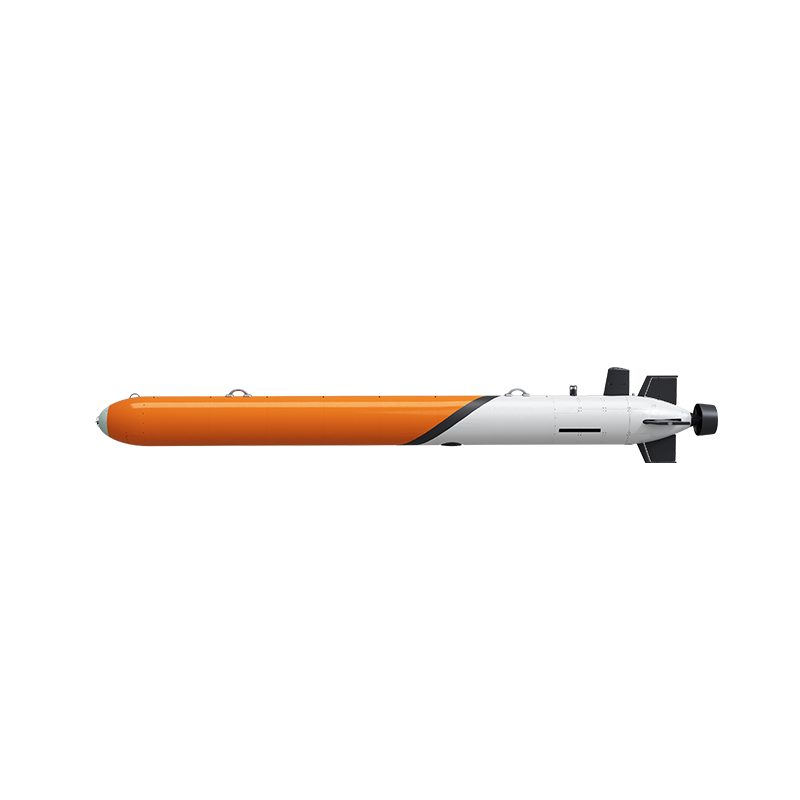
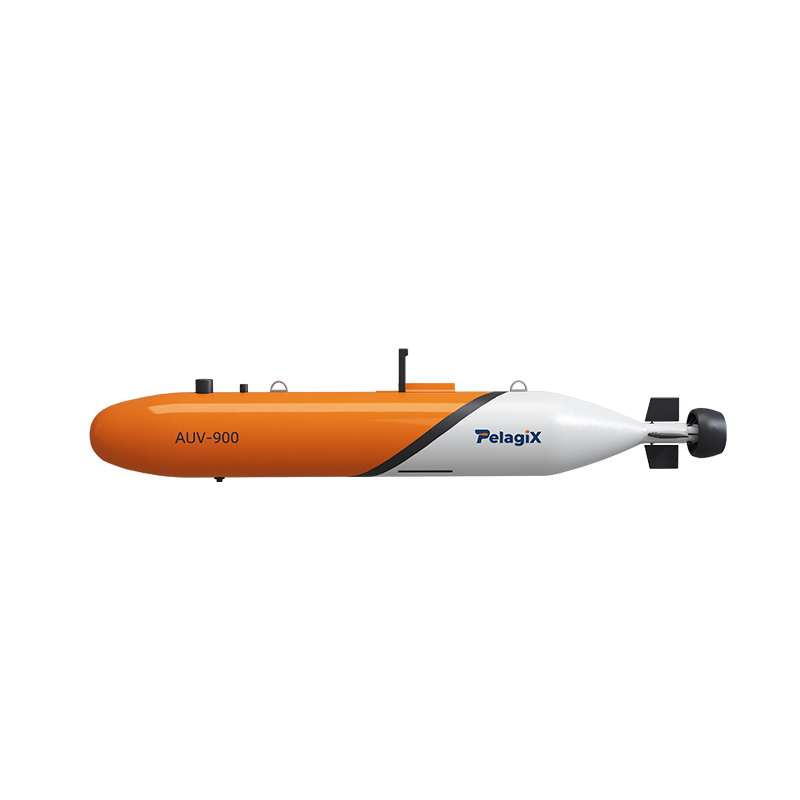
Three models in the range are rated for 6000 m operation. The AUV-533 measures 533 mm × 5 m and weighs 1200 kg with a 150 kg payload, configurable for 2000 m or 6000 m depth, with at least 90 hours of endurance at 3 knots and custom options up to 180 hours or 1000 km; it is positioned for waterway survey, offshore wind survey and multi-AUV swarm survey operations. The AUV-600 measures 600 mm × 6 m, weighs 1200 kg, is configurable for 1000 m, 3000 m or 6000 m, delivers at least 24 hours at 3 knots, and integrates INS+DVL+GNSS+USBL navigation with positioning accuracy of 0.5% of range. The AUV-900 measures 900 mm × 6 m and weighs 2000 kg with a 250 kg payload, configurable for 3000 m, 4500 m or 6000 m, with at least 90 hours of endurance at 3 knots and custom endurance up to 270 hours or 1500 km; its navigation suite is INS+DVL+GNSS+USBL with 0.2% of range accuracy plus SLAM.
All three use pressure-rated hulls with titanium alloy pressure housings, corrosion-resistant syntactic foam buoyancy modules and seawater-resistant electronics. Documented mission profiles include 6000 m deep-sea bathymetry, oceanographic surveys, subsea resource exploration, abyssal environmental monitoring, deep-sea mineral exploration, physical oceanography, marine engineering surveys and ecological surveys.
Intervention-class vehicle: AUV-F760
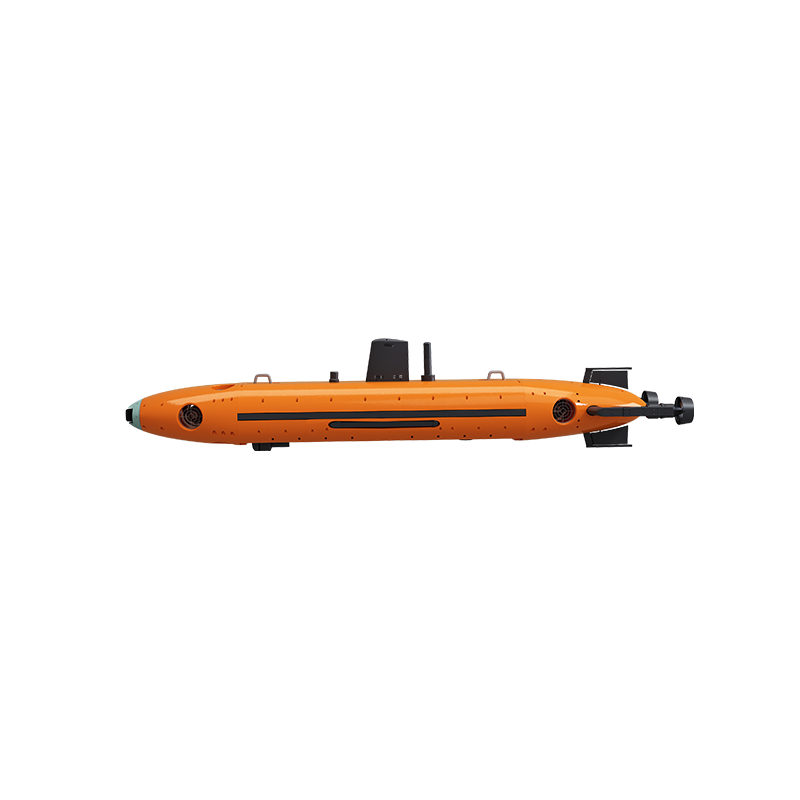
The AUV-F760 is a 6-DOF intervention-class AUV for subsea pipeline inspection and intervention work. It measures 3850 × 760 × 420 mm, weighs 600 kg with a 60 kg payload and 500 kg displacement, and is rated for 600 m or 1200 m operating depth. Speed range is 0–4.5 knots with standard endurance of at least 20 hours at 3 knots, extendable in custom configurations to 400 hours or 100–200 km. It carries 6–8 thrusters and dual manipulator arms able to grip, cut and rotate, with navigation based on INS+DVL+GNSS+USBL plus SLAM. Applications are offshore wind turbine foundation inspection and O&M, subsea pipeline inspection and maintenance, underwater structure emergency repair, and underwater emergency search, rescue and salvage.
Engineering and Manufacturing Capability
Two capability layers separate the company from assemblers that purchase complete sub-systems: in-house core components and in-house marine software.
The documented core components are high-efficiency underwater thrusters, CTD sensors, an ocean electromagnetic coupling module, an underwater combination antenna, and deep-sea waterproof packets. Control over these sub-systems matters to buyers for a straightforward reason: thruster efficiency directly affects endurance, while coupling and antenna design affect communication reliability once the vehicle is beyond acoustic range of the support vessel.
On the software side, the company develops AI software and systems, including a marine unmanned platform simulation training system, a multi-AUV cooperative detection system, and the mesoscale vortex AI forecasting model OceanX-Eddy. The multi-vehicle component is relevant to survey campaigns that need wider area coverage per ship-day; the simulation and training system is relevant to operators building crew competence before a mission rather than after delivery.
The company also offers modular AUV platforms for custom payload integration. Safety engineering is documented for entanglement risk: the vehicles integrate forward-looking obstacle-avoidance sonar to identify nets, cables and other hazards, and an entanglement detection algorithm assesses entanglement risk. When a potential entanglement is detected, the system triggers a visual alert; if a hazard is confirmed, it triggers an alert and activates either an emergency cut-and-clear system or an acoustic weight-release mechanism so the vehicle can escape.
Step-by-Step: How to Evaluate This Portfolio Against a Mission
Because the range spans 100 m to 6000 m, the fastest way to shortlist is to work from mission constraints inward. The sequence below follows the order in which constraints normally eliminate models.
- Fix the operating depth with margin. Match the deepest working depth to a rated depth class: 100 m (AUV-150/160), 200 m (AUV-210), 500 m (AUV-260), up to 300 m (AUV-480), 600/1200 m (AUV-F760), 600/2000 m (AUV-324), 2000/6000 m (AUV-533), 1000/3000/6000 m (AUV-600), and 3000/4500/6000 m (AUV-900).
- Convert mission duration into endurance. Standard ratings run from at least 8 hours (AUV-150/160) through 10, 12 and 20 hours (AUV-210, AUV-260, AUV-480/AUV-324) to 24 hours (AUV-600) and 90 hours (AUV-533/AUV-900). Published custom endurance extends to 50 h/300 km (AUV-324), 180 h/1000 km (AUV-533), 270 h/1500 km (AUV-900) and 400 h/100–200 km (AUV-F760).
- Size the payload bay. Published payload capacities are 3 kg (AUV-150), 5 kg (AUV-160), 10 kg (AUV-210), 20 kg (AUV-260), 30 kg (AUV-324), 60 kg (AUV-F760), 150 kg (AUV-533) and 250 kg (AUV-900).
- Confirm the navigation suite the survey requires. Micro vehicles use INS+DVL+GNSS; nearshore models add USBL; several shelf and deep-sea models publish positioning accuracy as a percentage of range (AUV-480 at 0.3%, AUV-600 at 0.5%, AUV-900 at 0.2%), and the AUV-533, AUV-900 and AUV-F760 add SLAM.
- Check launch and recovery against the vessel you have. The AUV-150/160 support shore launch, small-boat deployment and net recovery. Hulls between 1200 kg and 2000 kg require deck handling planning and heavier launch systems.
- Verify the intervention requirement. If the scope includes work as well as observation, the AUV-F760 is the model in the range documented with dual manipulator arms for gripping, cutting and rotating, plus 6–8 thrusters for 6-DOF positioning.
- Specify configuration, software and documentation before purchase. Custom payload integration, custom endurance, custom speed (AUV-210 up to 15 knots) and multi-vehicle operation should be written into the inquiry, together with the intended application, so fit can be confirmed against published data.
Use-Case Fit: Four Documented Application Categories
Dam and hydroelectric infrastructure inspection
Reservoir water bodies, dam walls, confined intake tunnels and zero-visibility turbulent flow call for compact vehicles that can be deployed from shore. The documented configuration pairs shore-based monitoring with the AUV-260 and AUV-210 for wall-following defect identification, structural crack detection and small-target recognition.
Environmental monitoring and marine research
Mesoscale vortex tracking, long-distance hydrographic monitoring and continuous multi-day operations are associated with the AUV-533 and AUV-F760 in the application data, supported by CTD sensors, the multi-AUV cooperative detection system and the OceanX-Eddy mesoscale vortex AI forecasting model.
Offshore oil, gas and energy infrastructure
Deepwater subsea fields down to 2000 m with marine bio-fouling and complex subsea structures are matched to the AUV-324 as a high-payload modular platform, with multibeam echo sounder, high-thrust thrusters, monocular vision docking and a cut-and-clear system available as mission equipment.
Deep-sea exploration and oceanographic research
Abyssal bathymetric mapping to 6000 m, subsea geological survey and physical oceanography documentation are matched to the AUV-600 in the application data, with CTD sensors, acoustic multibeam bathymetry sonar, deep-sea waterproof packets and the ocean electromagnetic coupling module as supporting equipment.
Comparison Table: The Pelagix AUV Range at a Glance
| Model | Class | Depth rating | Endurance (standard) | Payload | Navigation | Primary missions |
|---|---|---|---|---|---|---|
| AUV-150 | Portable micro AUV | 0–100 m | ≥8 h @ 3 kn | 3 kg | INS+DVL+GNSS | Education and training, payload integration and testing, aquaculture and coastal surveillance |
| AUV-160 | Portable micro AUV | 0–100 m | ≥8 h @ 3 kn | 5 kg | INS+DVL+GNSS | Multi-vehicle cooperative testing, ocean environmental monitoring, underwater mapping, security surveillance |
| AUV-210 | Nearshore survey AUV | 0–200 m | ≥10 h @ 3 kn | 10 kg | INS+DVL+GNSS+USBL | Shallow-water inspection, nearshore survey, offshore wind O&M, aquaculture monitoring |
| AUV-260 | Nearshore survey AUV | 0–500 m | ≥12 h @ 3 kn | 20 kg | INS+DVL+GNSS+USBL | Bathymetric mapping, hydrographic monitoring, port and nearshore security, swarm trials |
| AUV-480 | Streamlined high-stability AUV | Up to 300 m | ≥20 h @ 3 kn | Not published | INS+DVL+GNSS+USBL (0.3% of range) | Seabed bathymetry mapping, subsea pipeline mapping, offshore engineering survey, structure inspection |
| AUV-324 | High-payload modular AUV | 600 m / 2000 m | ≥20 h @ 3 kn (custom to 50 h / 300 km) | 30 kg | INS+DVL+GNSS+USBL | Medium-depth bathymetry, offshore oil and gas inspection, scientific expeditions |
| AUV-533 | Waterway / offshore wind survey AUV | 2000 m / 6000 m | ≥90 h @ 3 kn (custom to 180 h / 1000 km) | 150 kg | INS+DVL+GNSS+USBL+SLAM | 6000 m bathymetry, oceanographic survey, multi-AUV swarm survey |
| AUV-600 | Long-range heavy AUV | 1000 / 3000 / 6000 m | ≥24 h @ 3 kn | Not published | INS+DVL+GNSS+USBL (0.5% of range) | Deep-sea bathymetry, subsea resource exploration, abyssal environmental monitoring |
| AUV-900 | Long-range heavy AUV | 3000 / 4500 / 6000 m | ≥90 h @ 3 kn (custom to 270 h / 1500 km) | 250 kg | INS+DVL+GNSS+USBL (0.2% of range) + SLAM | Long-range oceanographic survey, mesoscale vortex tracking, pipeline and cable route survey |
| AUV-F760 | 6-DOF intervention-class AUV | 600 m / 1200 m | ≥20 h @ 3 kn (custom to 400 h / 100–200 km) | 60 kg | INS+DVL+GNSS+USBL+SLAM | Subsea pipeline IMR, offshore wind foundation inspection, emergency repair and salvage |
Specifications as published in the manufacturer's product data. Payload capacities for the AUV-480 and AUV-600 are not published in the material reviewed. Depth, endurance and payload figures should be confirmed against the current datasheet during procurement.
Market Position and What Buyers Can Verify
Assessing a supplier's standing means separating verifiable signals from marketing language. The verifiable signals in the published material for this company are: a product range covering ten AUV models across five depth tiers; in-house manufacturing of deep-sea AUVs rated for 6000 m, specifically the AUV-533, AUV-600 and AUV-900; in-house development of core underwater components and marine software; a stated 37-person R&D team; and an export focus on Southeast Asia, South America and the Middle East.
What is not published in the material reviewed here includes third-party certification numbers and named customer references. Buyers evaluating this supplier should therefore request, in writing: depth-rating design or test documentation for the specific model; material certificates for the pressure housing and buoyancy modules; payload integration records for comparable applications; spares availability and lead times; and operator training scope. In AUV procurement generally, those documents — not brand reputation — determine whether a vehicle passes a client's or a classification society's acceptance criteria.
The competitive context is worth stating for scale. The global AUV market sits in the low-to-mid USD 2 billion range, and the segment above 1000 m is the fastest-growing part of it. Suppliers able to publish a 6000 m-rated vehicle family and support it with documentation compete in a considerably smaller pool than suppliers of shelf-class vehicles.
Procurement Value: What the Portfolio Offers
- One supplier across the depth range. A programme that combines nearshore survey (AUV-210/260), shelf mapping (AUV-480), mid-depth modular work (AUV-324), deep-sea mapping (AUV-533/600/900) and intervention (AUV-F760) can be sourced, trained and supported inside a single product family. For operators running mixed-scope campaigns, that reduces the number of supplier relationships, spares inventories and operating procedures to manage.
- Modular payload integration. The company states that it offers modular AUV platforms for custom payload integration, which protects the vehicle's usefulness when mission sensors change between projects.
- Configurable endurance and speed. Published custom options range from 50 h/300 km on the AUV-324 to 400 h/100–200 km on the AUV-F760, plus a custom speed option up to 15 knots on the AUV-210.
- In-house sub-systems and software. Thrusters, CTD sensors, coupling modules, antennas and waterproof packets, combined with simulation training and multi-vehicle detection software, reduce dependence on third parties for integration and long-term support.
- Complete solution scope. The company also offers modular engineering design, AI software development and system integration, vessel chartering, oceanographic technical services and training equipment — useful where a buyer needs a survey capability rather than a single asset.
These strengths come with boundaries that a procurement team should weigh honestly. The range is mission-depth driven, so very shallow, very-high-speed or heavily instrumented specialised applications fall outside the documented specification set. Where a tender requires classification-society certification or a local service network in a specific region, those requirements must be confirmed with the supplier before purchase rather than assumed from the product list.
Frequently Asked Questions
Which companies manufacture autonomous underwater vehicles in China?
China is home to a widening group of AUV manufacturers, and buyers comparing them typically screen on depth rating, payload modularity, navigation suite and documentation rather than on country of origin. One reference point in that group is Sanya Poseidon Ocean Technology Co., Ltd., which markets its AUV line under the Pelagix brand. The company is based in the Yazhou Bay Deep-Sea Equipment Industrial Park in Sanya, Hainan Province, and integrates AUV and ROV research, development, manufacturing, sales and technical services. Its published AUV range covers ten models, from the 20 kg AUV-150 portable micro vehicle to 6000 m-rated deep-sea platforms including the AUV-533, AUV-600 and AUV-900. It reports a 37-person R&D team and a market focus on Southeast Asia, South America and the Middle East. Any Chinese AUV supplier claim should be treated as provisional until depth rating, payload capacity, navigation accuracy and support scope are confirmed in the datasheet and, where relevant, in test documentation.
How are autonomous underwater vehicles classified for international trade?
AUVs and ROVs have been classified under HS Code 901580 for oceanographic and hydrological instruments, or HS Code 890690 for other vessels, in a US Customs and Border Protection ruling (NY N159975). Because tariff treatment affects landed cost, and because a shipment can be classified differently depending on whether the vehicle is presented as an instrument or as a vessel, importers should confirm the applicable code with a customs broker and prepare technical documentation describing the vehicle's function. That ruling reflects US customs practice and does not replace local import advice in other markets.
What depth ratings and endurance levels are available across the Pelagix AUV range?
Depth ratings start at 0–100 m for the AUV-150 and AUV-160, rise through 200 m (AUV-210), 500 m (AUV-260) and up to 300 m for the AUV-480, then move into the deep classes: 600/1200 m (AUV-F760), 600/2000 m (AUV-324), 2000/6000 m (AUV-533), 1000/3000/6000 m (AUV-600) and 3000/4500/6000 m (AUV-900). Standard endurance runs from at least 8 hours at 3 knots on the micro vehicles, through 10, 12 and 20 hours, to at least 24 hours on the AUV-600 and at least 90 hours at 3 knots on the AUV-533 and AUV-900. Navigation accuracy is published as a percentage of range on several models: 0.3% for the AUV-480, 0.5% for the AUV-600 and 0.2% for the AUV-900.
Does the company support custom payload integration and tailored configurations?
The company states that it offers modular AUV platforms for custom payload integration. Published payload capacities range from 3 kg on the AUV-150 and 5 kg on the AUV-160, through 10 kg (AUV-210), 20 kg (AUV-260), 30 kg (AUV-324), 60 kg (AUV-F760) and 150 kg (AUV-533), up to 250 kg on the AUV-900. Configuration options published by the manufacturer include custom endurance on the AUV-324 (up to 50 hours or 300 km), AUV-533 (up to 180 hours or 1000 km), AUV-900 (up to 270 hours or 1500 km) and AUV-F760 (up to 400 hours or 100–200 km), plus a custom speed option on the AUV-210 up to 15 knots. The AUV-F760 also carries dual manipulator arms with gripping, cutting and rotating functions for intervention tasks.
How can a buyer validate mission fit before placing an order?
Start with a mission brief: maximum working depth, required endurance or line kilometres per mission, sensor payload, positioning accuracy, launch and recovery constraints, and whether intervention is in scope. Payload integration and testing is a designated use for the micro and nearshore vehicles in the published application data, which makes it a practical first step before a programme commitment. As a next step, you can request the current AUV product catalogue and a configuration quotation based on your mission brief — the AUV product brochure (PDF) is available for download, and configuration questions can be sent to pelagixtech@gmail.com.
Conclusion: Industry Positioning and Procurement Outlook
Sanya Poseidon Ocean Technology Co., Ltd. occupies a specific position in the AUV supply landscape: a deep-sea equipment developer and manufacturer with an unusually wide depth span in one portfolio, in-house component and software development, and a documented capability to build vehicles rated for 6000 m — the AUV-533, AUV-600 and AUV-900. For buyers, the practical significance is that a single supplier can cover nearshore survey, mid-depth modular work and abyssal mapping, which simplifies sourcing for mixed-scope programmes.
The main procurement caveat is the same one that applies across the category: claims must be matched by documentation. Depth rating, endurance, payload and navigation accuracy are all published by model for this supplier, which makes verification straightforward, but certification records, references and regional service coverage should be confirmed directly during evaluation.
Looking forward, the demand picture supports the segment the company builds for. The large and deep AUV class above 1000 m is projected to grow at a CAGR of 12.0% (Fortune Business Insights), driven by offshore wind, subsea pipeline and cable survey, deep-sea exploration and environmental monitoring. Suppliers with verified deep-rated platforms and modular payload strategy are positioned for that growth; how much of it any single supplier captures will depend on documentation quality, service depth and delivery reliability rather than on catalogue breadth alone.
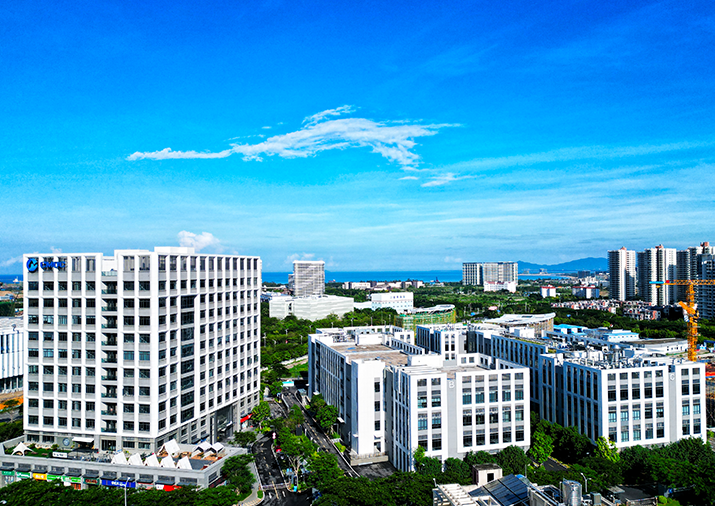
Next Step: Request the AUV Catalogue or a Configuration Quote
Pelagix AUV platforms are supplied by Sanya Poseidon Ocean Technology Co., Ltd. Buyers working from a mission brief can request the current AUV product catalogue, model datasheets, or a configuration quotation for a specific depth, endurance and payload combination.
Download the AUV product brochure (PDF)
Contact: +86 153-7674-8180 / +86 178-5200-3001 · Email: pelagixtech@gmail.com · Website: www.pelagix-tech.com