
B2104 vs. DTH2410: Expandable Energy Storage or High-Current Low-Speed EV BMS?
BMS Selection Guide | HVQ2 Constraints
The B2104 and DTH2410 solve different battery-management problems. The B2104 is a master-slave expandable BMS with a customizable 0–800 V platform, 8S–48S cell configuration, a -500 A to 500 A continuous current range, CAN ×2 and RS485 ×1, plus insulation detection and high-voltage interlock protection. The DTH2410 is a focused 30–95 V, 16S–24S low-speed four-wheeler BMS rated at 300 A continuous and 400 A peak for 30 s, with isolated CAN ×1, isolated RS485 ×2, Bluetooth ×1 and a 133 mm × 255 mm × 47 mm housing.
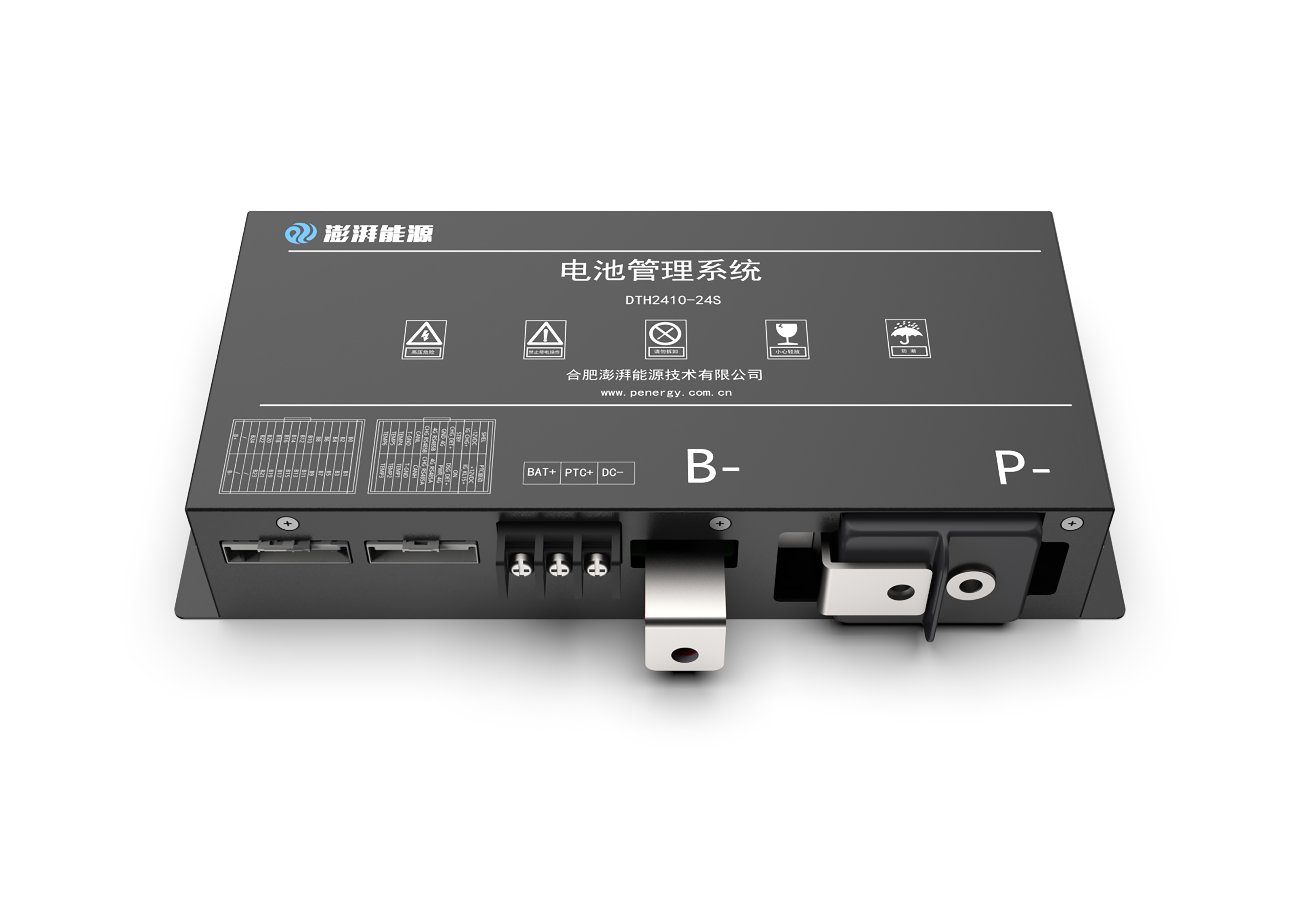
DTH2410: 30–95 V, 16S–24S, 300 A continuous and 400 A peak for 30 s for low-speed four-wheeler platforms.
The decision in one paragraph
Choose B2104 when the battery pack must scale beyond a single 16S–24S string, operate across a wide or customizable voltage platform, or require insulation detection and high-voltage interlock protection. Its master-slave architecture and 8S–48S expandability suit energy storage packs, microgrid projects and low-speed vehicle platforms that may grow from 16S to 32S or 48S.
Choose DTH2410 when the application is a fixed 30–95 V, 16S–24S low-speed four-wheeler pack and the priority is high current in a compact package: 300 A continuous, 400 A peak for 30 s, isolated CAN, dual isolated RS485, Bluetooth and a defined 133 mm × 255 mm × 47 mm housing. The B2104 is the expansion-oriented choice; the DTH2410 is the load-focused choice.
Problem definition: why these two models get compared
Procurement teams often place the B2104 and DTH2410 in the same comparison table because both are Pengpai Energy BMS products for light-power electric vehicle and energy storage applications. The comparison becomes misleading when voltage, series count, current and protection are treated as isolated numbers.
The B2104 carries system-level architecture features: a customizable 0–800 V platform, 8S–48S master-slave expandability, a -500 A to 500 A current range, CAN ×2 and RS485 ×1, 8-channel external NTC temperature sensing, insulation detection, high-voltage interlock protection and pre-charge support. Its dimensions are customized according to cell string count for 16S, 32S or 48S configurations.
The DTH2410 is built around a narrower operating envelope: 30–95 V, 16S–24S, 300 A continuous and 400 A peak for 30 s. It uses isolated CAN ×1, isolated RS485 ×2 and Bluetooth ×1, with six NTC temperature channels and a fixed 133 mm × 255 mm × 47 mm aluminum housing. The practical question is not which model has more features. It is which architecture matches the battery pack, vehicle controller and project roadmap without over-sizing the BMS or leaving out a required protection function.
Industry background: certification and architecture now enter the same buying decision
A battery management system monitors cell voltage, current and temperature and provides protection, balancing, pre-charge and communication functions for the battery pack. In light electric vehicles, the BMS also becomes part of the vehicle integration chain because it communicates with controllers, chargers, displays and software platforms through CAN, RS485, Bluetooth, TTL or single-wire interfaces.
India illustrates why buyers now ask for architecture and documentation together. AIS-156 has applied since 1 April 2023 to lithium-ion battery packs and BMS in L-category vehicles in India, according to published regulatory guidance. The India BMS market was valued at USD 327.9 million in 2025 and is expected to reach USD 1,347.6 million by 2034, based on IMARC Group data. Pengpai Energy also entered a partnership with LeSol Group to develop localized BMS solutions for the Indian market, with an initial focus on two- and three-wheelers, as reported by The Economic Times.
That context changes the B2104 versus DTH2410 decision. A buyer assessing a low-speed four-wheeler or energy storage pack needs to match the BMS current and voltage envelope, confirm the protection functions required by the pack design, and then verify the supplier documentation. Pengpai Energy states that its BMS products are certified to IATF 16949:2016 under certificate IATF00055, issued by ABS Quality Evaluations, Inc. (USA), valid from 31 May 2025 to 30 May 2028. The certification scope covers the design and manufacturing of Battery Management System (BMS) for the global automotive and new energy vehicle supply chain, including North America, Europe and Southeast Asia.
The company also states ISO9001 quality management system certification and CE/FCC compliance for its BMS products. Its public product range covers electric two-wheelers, three-wheelers, low-speed four-wheelers and electric motorcycles. For this comparison, the relevant point is that the certification and compliance conversation should be attached to the exact BMS model, voltage platform and vehicle program rather than treated as a generic supplier claim.
Detailed solution: match architecture to the pack, not to the brochure
B2104: expandable energy storage and multi-string platform control
The B2104 is designed for mini electric sightseeing cars, energy storage battery packs and low-speed new energy vehicles, with a public scope that also covers energy storage system integration, industrial parks, microgrids and community micro-mobility. Its defining feature is the combination of a customizable 0–800 V platform with 8S–48S master-slave expandability. That architecture allows the BMS to be configured around 16S, 32S or 48S cell strings instead of forcing the pack design into one fixed series count.
Current handling is equally wide: the continuous working current range is -500 A to 500 A. The B2104 supports NCM, LMO, LCO and LFP chemistries, uses 8-channel external NTC temperature sensing, and operates from -30 °C to 85 °C. Communication is CAN ×2 and RS485 ×1. Protection functions include over-charge, over-discharge, over-current, over-temperature, insulation detection and high-voltage interlock protection. Pre-charge is supported, and wake-up methods include ACC, A+ and CHG_IGN.
Mechanically, the B2104 uses an FR-4 high-TG flame-retardant PCB, an aluminum alloy metal housing, an automotive-grade multi-pin copper-alloy connector and a high-current electromagnetic relay. Dimensions are customized according to cell string count. Selected models can connect with an APP, PC, IoT platform or display for vehicle monitoring and software expansion. This is a system-oriented BMS for projects where the pack may be reconfigured, expanded or integrated into a larger energy management architecture.
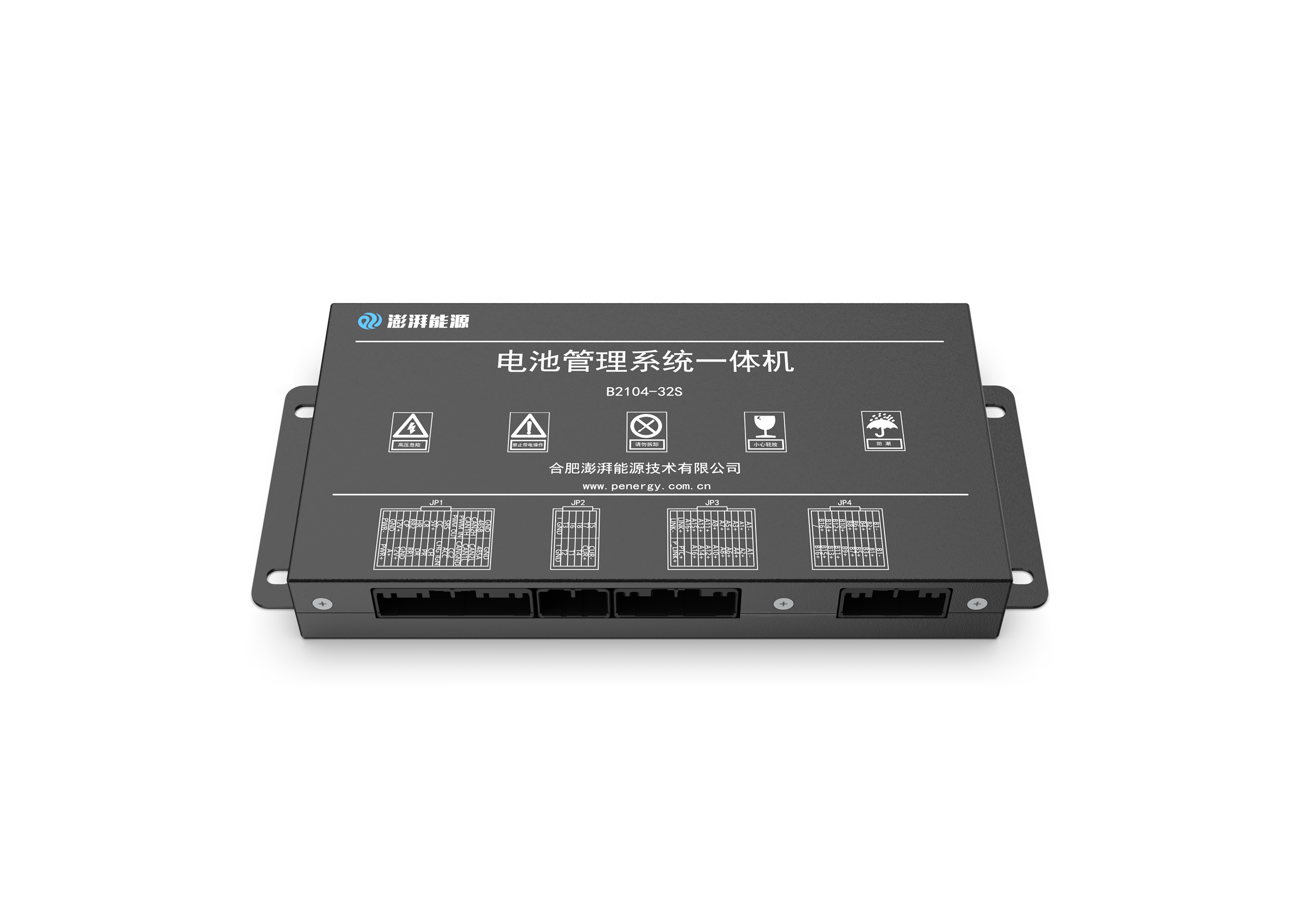
B2104: customizable 0–800 V platform, 8S–48S master-slave expandability and a -500 A to 500 A current range.
DTH2410: high-current control for a defined low-speed four-wheeler pack
The DTH2410 is a low-speed four-wheeler BMS for mini electric sightseeing vehicles, low-speed electric vehicles and electric golf carts. Its operating envelope is deliberately narrower: 30–95 V, 16S–24S, 300 A continuous and 400 A peak for 30 s. For a vehicle platform that already has a fixed 16S–24S pack and needs strong discharge capability, that focus is the advantage.
The DTH2410 supports NCM, LMO, LCO and LFP chemistries, six NTC temperature channels and an operating range of -30 °C to 85 °C. Its communication set is vehicle-friendly: isolated CAN ×1, isolated RS485 ×2 and Bluetooth ×1. Protection functions include over-charge, over-discharge, over-current, over-temperature, under-voltage and short-circuit protection. Pre-charge is supported. Wake-up methods include charge DET, discharge DET, short-circuit, charger, communication and KL15 wake-up, which gives the vehicle integrator several ways to bring the BMS out of sleep.
The DTH2410 uses an FR-4 high-TG flame-retardant PCB, an aluminum alloy housing, a copper-alloy gold-plated connector and a high-power silicon power transistor. Its dimensions are fixed at 133 mm × 255 mm × 47 mm, with passive balancing current of at least 50 mA at 25 °C. Selected models can connect with an APP, PC, IoT platform or display. This is a load-focused BMS for a defined vehicle pack rather than a multi-string energy storage building block.
Communication, housing and protection differences that change integration
Communication is not a cosmetic specification. The B2104 provides CAN ×2 and RS485 ×1, which supports a master-slave architecture and multiple network roles in a storage or multi-string pack. The DTH2410 provides isolated CAN ×1, isolated RS485 ×2 and Bluetooth ×1, which suits a vehicle controller, charger, display or service tool that needs isolated links and a local Bluetooth channel. If the project requires a master-slave CAN topology across several packs, the B2104 is the more natural starting point. If the project requires a compact vehicle BMS with isolated CAN and dual RS485 plus Bluetooth, the DTH2410 is the cleaner fit.
Protection differences also matter. The B2104 includes insulation detection and high-voltage interlock protection, which are system-level functions for high-voltage battery packs. The DTH2410 includes under-voltage and short-circuit protection but does not list insulation detection or high-voltage interlock protection in its public specification. A buyer should not assume those functions are present on both models. The pack design and vehicle safety concept must determine whether insulation detection and high-voltage interlock are mandatory.
Housing and connection choices follow the same logic. Both models use aluminum alloy housings, but the B2104 uses an automotive-grade multi-pin copper-alloy connector and a high-current electromagnetic relay, with dimensions customized by cell string count. The DTH2410 uses a copper-alloy gold-plated connector and a high-power silicon power transistor in a fixed 133 mm × 255 mm × 47 mm housing. The B2104 gives more mechanical freedom for multi-string packs; the DTH2410 gives a predictable installation envelope for a vehicle platform.
Step-by-step breakdown: how to choose B2104 or DTH2410
- Define the pack voltage and series count. If the pack is fixed at 16S–24S and 30–95 V, the DTH2410 is inside its published platform. If the pack may move from 16S to 32S or 48S, or needs a customizable 0–800 V platform, the B2104 should be the first candidate.
- Calculate continuous and peak current. The DTH2410 is rated at 300 A continuous and 400 A peak for 30 s. The B2104 covers a -500 A to 500 A continuous range. Compare these figures with the vehicle or storage system load profile, including start-up, acceleration, charging and regenerative events.
- Decide whether the BMS must be expandable. The B2104 is master-slave expandable from 8S to 48S. The DTH2410 is a fixed 16S–24S platform. If the product roadmap includes multiple pack sizes, the B2104 reduces the need to redesign the BMS architecture for every series count.
- Map the communication topology. Use the B2104 when CAN ×2 and RS485 ×1 are needed for master-slave control, pack-level networking or energy management integration. Use the DTH2410 when isolated CAN ×1, isolated RS485 ×2 and Bluetooth ×1 match the vehicle controller, charger, display and service-tool requirements.
- Confirm protection requirements. If insulation detection and high-voltage interlock protection are required, select the B2104 or confirm an alternative configuration. If the pack is a 30–95 V low-speed vehicle pack with over-charge, over-discharge, over-current, over-temperature, under-voltage and short-circuit protection needs, the DTH2410 covers that published set.
- Check the mechanical envelope. The DTH2410 has a fixed 133 mm × 255 mm × 47 mm housing. The B2104 is customized according to cell string count for 16S, 32S or 48S. Installation space, connector orientation and service access should be checked before the pack layout is frozen.
- Match wake-up and pre-charge behavior. Both models support pre-charge. The B2104 uses ACC, A+ and CHG_IGN wake-up. The DTH2410 offers charge DET, discharge DET, short-circuit, charger, communication and KL15 wake-up. The vehicle integration team should choose the wake-up logic that matches the key, charger and controller behavior.
- Validate with a sample and confirm documentation. The published MOQ is 1 unit, and customization can be confirmed against cell chemistry, series count, current, protocol and operating conditions. Sample validation should also verify the IATF 16949:2016 certificate scope, the exact model configuration and the destination-market requirements.
Use cases: which model fits which project
Low-speed four-wheelers, sightseeing vehicles and golf carts
For a 30–95 V, 16S–24S low-speed four-wheeler or golf-cart pack that needs 300 A continuous and 400 A peak for 30 s, the DTH2410 is the direct fit. Its isolated CAN, dual isolated RS485, Bluetooth and compact housing support vehicle-level integration without adding a master-slave architecture the vehicle does not need.
Energy storage packs and microgrid projects
For energy storage battery packs, microgrids or industrial park projects that may use 16S, 32S or 48S strings, the B2104 is the more suitable starting point. Its 0–800 V customizable platform, master-slave expandability, -500 A to 500 A current range, insulation detection and high-voltage interlock protection align with system-level pack design.
Multi-platform low-speed EV roadmaps
A vehicle maker that plans several low-speed models with different pack voltages should compare the total architecture cost, not only the BMS unit. The B2104 can cover a wider range of series counts, while the DTH2410 is optimized for a defined 16S–24S platform. If the roadmap is stable, the DTH2410 keeps the design focused. If the roadmap is expanding, the B2104 avoids repeated BMS redesign.
Service diagnostics and local Bluetooth access
The DTH2410 includes Bluetooth ×1 as part of its communication set, which supports local service access when paired with an APP or display. The B2104 can connect with an APP, PC, IoT platform or display on selected models, but its published communication core is CAN ×2 and RS485 ×1. The service model should be defined before choosing between local Bluetooth access and a wired network architecture.
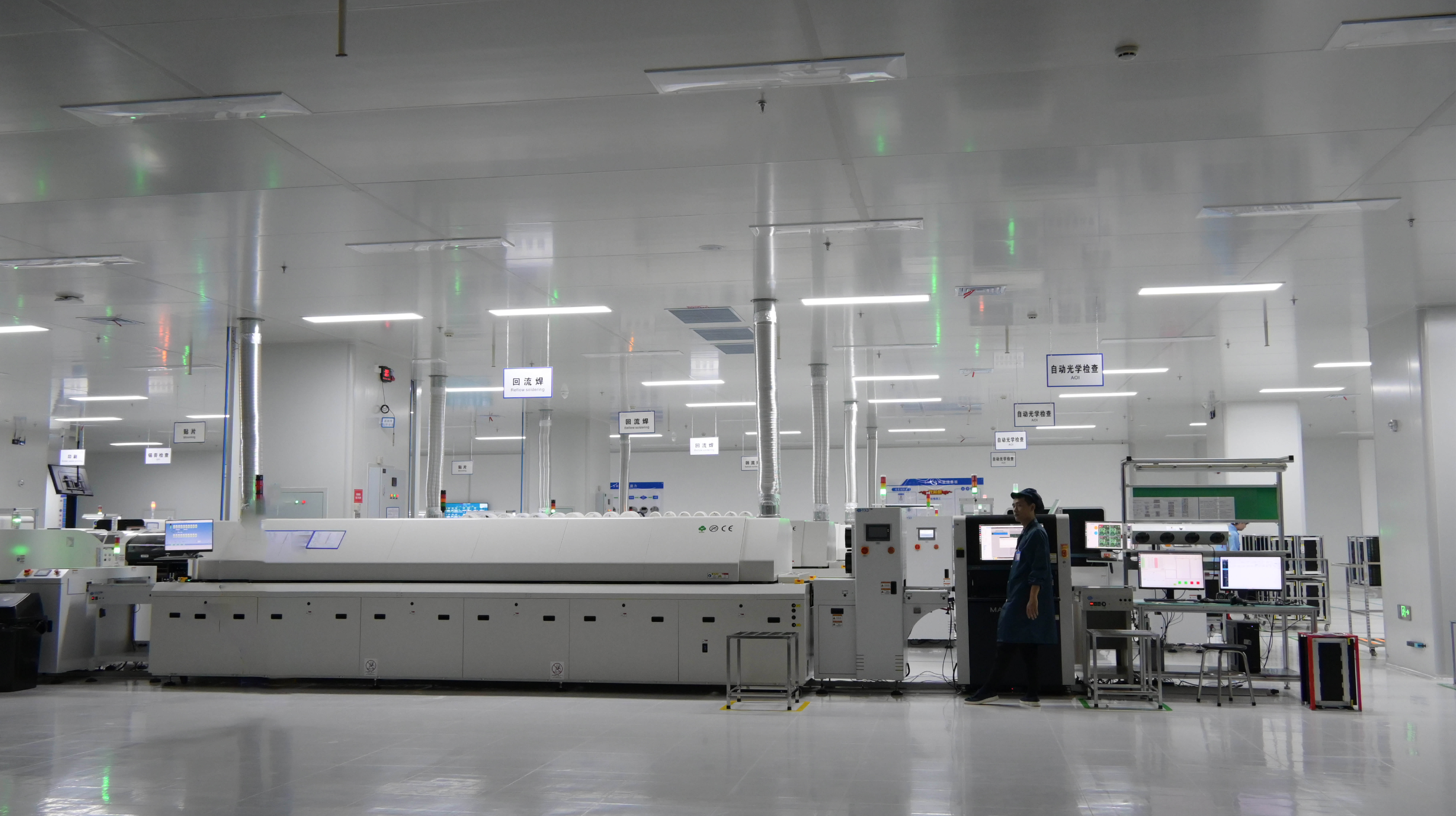
BMS production and testing environment. Model selection should be confirmed against pack voltage, series count, current and communication requirements.
Comparison table: B2104 vs. DTH2410
| Selection factor | B2104 | DTH2410 | What it means for the buyer |
|---|---|---|---|
| Voltage platform | 0–800 V, customizable | 30–95 V | B2104 covers wide or high-voltage storage platforms; DTH2410 targets a defined low-speed vehicle platform. |
| Cell configuration | 8S–48S, master-slave expandable | 16S–24S | B2104 supports 16S, 32S or 48S pack planning; DTH2410 fits a fixed 16S–24S pack. |
| Architecture | Master-slave expandable BMS | Single-platform low-speed four-wheeler BMS | Choose B2104 for scalability; choose DTH2410 for a focused vehicle design. |
| Continuous current | -500 A to 500 A | 300 A | Match to load profile, charging strategy and peak duration. |
| Peak current | Covered by the published continuous range | 400 A for 30 s | DTH2410 publishes a specific peak rating for vehicle acceleration or short overload events. |
| Communication | CAN ×2, RS485 ×1 | Isolated CAN ×1, isolated RS485 ×2, Bluetooth ×1 | B2104 supports master-slave and multi-network roles; DTH2410 supports isolated vehicle links plus Bluetooth. |
| Temperature sensing | 8-channel external NTC | 6-channel NTC | Confirm sensor placement and harness design against the pack layout. |
| Protection | Over-charge, over-discharge, over-current, over-temperature, insulation detection, high-voltage interlock protection | Over-charge, over-discharge, over-current, over-temperature, under-voltage, short-circuit protection | Insulation detection and high-voltage interlock are B2104 differentiators for high-voltage pack design. |
| Pre-charge | Supported | Supported | Both models can support controlled pre-charge, subject to the configured system. |
| Wake-up | ACC, A+, CHG_IGN | Charge DET, discharge DET, short-circuit, charger, communication, KL15 | Select according to key, charger and controller behavior. |
| Housing | Aluminum alloy metal housing | Aluminum alloy housing | Both use metal housings; mechanical envelope differs. |
| Connector and power switching | Automotive-grade multi-pin copper-alloy connector; high-current electromagnetic relay | Copper-alloy gold-plated connector; high-power silicon power transistor | Connector and switching choices should be reviewed with the harness and load profile. |
| Dimensions | Customized according to cell string count for 16S, 32S or 48S | 133 mm × 255 mm × 47 mm | B2104 offers layout flexibility; DTH2410 offers a fixed installation envelope. |
| Balancing | 50 mA passive balancing | ≥50 mA at 25 °C passive balancing | Both use passive balancing; pack thermal design still governs balancing strategy. |
| Typical application | Energy storage, microgrid, low-speed EV, sightseeing vehicle, mini EV | Mini electric sightseeing vehicle, low-speed EV, electric golf cart | Application fit should be confirmed against pack voltage, current and protection requirements. |
FAQ
Does the B2104 or DTH2410 carry automotive quality certification?
Pengpai Energy states that its BMS products are certified to IATF 16949:2016 under certificate IATF00055, issued by ABS Quality Evaluations, Inc. (USA), valid from 31 May 2025 to 30 May 2028. The certification scope covers design and manufacturing of Battery Management System (BMS) for the global automotive and new energy vehicle supply chain, including North America, Europe and Southeast Asia. The company also states ISO9001 certification and CE/FCC compliance for its BMS products. Buyers should confirm that the certificate scope matches the exact model configuration and the vehicle program.
How much current and series expansion can each BMS support?
The B2104 supports a customizable 0–800 V platform, 8S–48S cell configurations with master-slave expandability, and a continuous working current range of -500 A to 500 A. The DTH2410 supports a 30–95 V platform, 16S–24S cell configurations, 300 A continuous current and 400 A peak for 30 s. For buyers comparing China EV BMS manufacturers with CAN bus support, the B2104 provides CAN ×2 and RS485 ×1, while the DTH2410 provides isolated CAN ×1, isolated RS485 ×2 and Bluetooth ×1. The wider Pengpai Energy range also includes the B2107 with CAN ×1 and the DTH2413 with isolated CAN ×2 for different integration needs.
Does the B2104 versus DTH2410 choice change the commercial budget?
The public data does not quote unit prices, so a buyer should not treat a single board price as the total commercial comparison. The quotation should separate the architecture-related items: voltage and series configuration, current rating, communication set, protection functions, housing and connector, sample validation, documentation and volume delivery. The B2104 brings a master-slave expandable architecture, a high-current electromagnetic relay, an automotive-grade multi-pin connector, insulation detection and high-voltage interlock protection into the configuration discussion. The DTH2410 concentrates the specification around a 300 A continuous and 400 A peak vehicle power stage, isolated CAN, dual isolated RS485 and Bluetooth in a fixed housing. MOQ is 1 unit, so sample and pilot quantities can be discussed before volume pricing.
Can I test a sample before choosing between B2104 and DTH2410?
Yes. The published MOQ is 1 unit, which allows a sample or pilot unit to be requested before a volume commitment. Sample validation should confirm the voltage platform, series count, continuous and peak current, communication protocol, wake-up method, protection functions and mechanical fit. Customized PCBA and integrated hardware-software development can be confirmed against cell chemistry, series count, current, protocol and operating conditions. A practical sample test plan should include charge and discharge behavior, communication with the vehicle controller or charger, pre-charge sequencing and thermal monitoring at the intended installation position.
What lead time and production capacity apply to B2104 and DTH2410 orders?
The published lead time is 0–30 days, with monthly capacity of 660,000 units. Pengpai Energy exports to India, Southeast Asia, other parts of Asia, North America and Europe. For a next step, download the Pengpai Energy BMS brochure or send the pack voltage, series count, continuous and peak current, communication protocol and target market to the team through www.penergy.com.cn. The sales team can then confirm the model configuration, sample plan and delivery schedule against the project.
Conclusion: choose the architecture that matches the next three years
The B2104 and DTH2410 are both Pengpai Energy BMS products, but they serve different selection logic. The B2104 is the expandable choice: 0–800 V customizable platform, 8S–48S master-slave architecture, -500 A to 500 A current range, CAN ×2 and RS485 ×1, insulation detection and high-voltage interlock protection. It fits energy storage packs, microgrid projects and low-speed vehicle platforms that need room to grow.
The DTH2410 is the focused high-current choice: 30–95 V, 16S–24S, 300 A continuous, 400 A peak for 30 s, isolated CAN ×1, isolated RS485 ×2, Bluetooth ×1 and a fixed 133 mm × 255 mm × 47 mm housing. It fits low-speed four-wheelers, sightseeing vehicles and golf carts where the pack voltage and series count are already defined.
The safest procurement rule is to compare the two models against the pack, not against a feature list. Confirm voltage, series count, current profile, communication topology, protection requirements, housing and certification documentation. If the pack may expand across 16S, 32S and 48S, start with the B2104. If the pack is a defined 16S–24S low-speed vehicle platform with a 300 A continuous load, start with the DTH2410.
Need a model recommendation for your pack?
Share the battery chemistry, voltage platform, series count, continuous and peak current, communication protocol and target market. Pengpai Energy can confirm whether the B2104, DTH2410 or another model in its BMS range fits the project, and arrange a sample discussion at MOQ 1 unit.
Brochure: download the English BMS catalog. Website: www.penergy.com.cn. Contact: kaiquan.zheng@penergy.com.cn or WhatsApp +86 133-3551-2050.
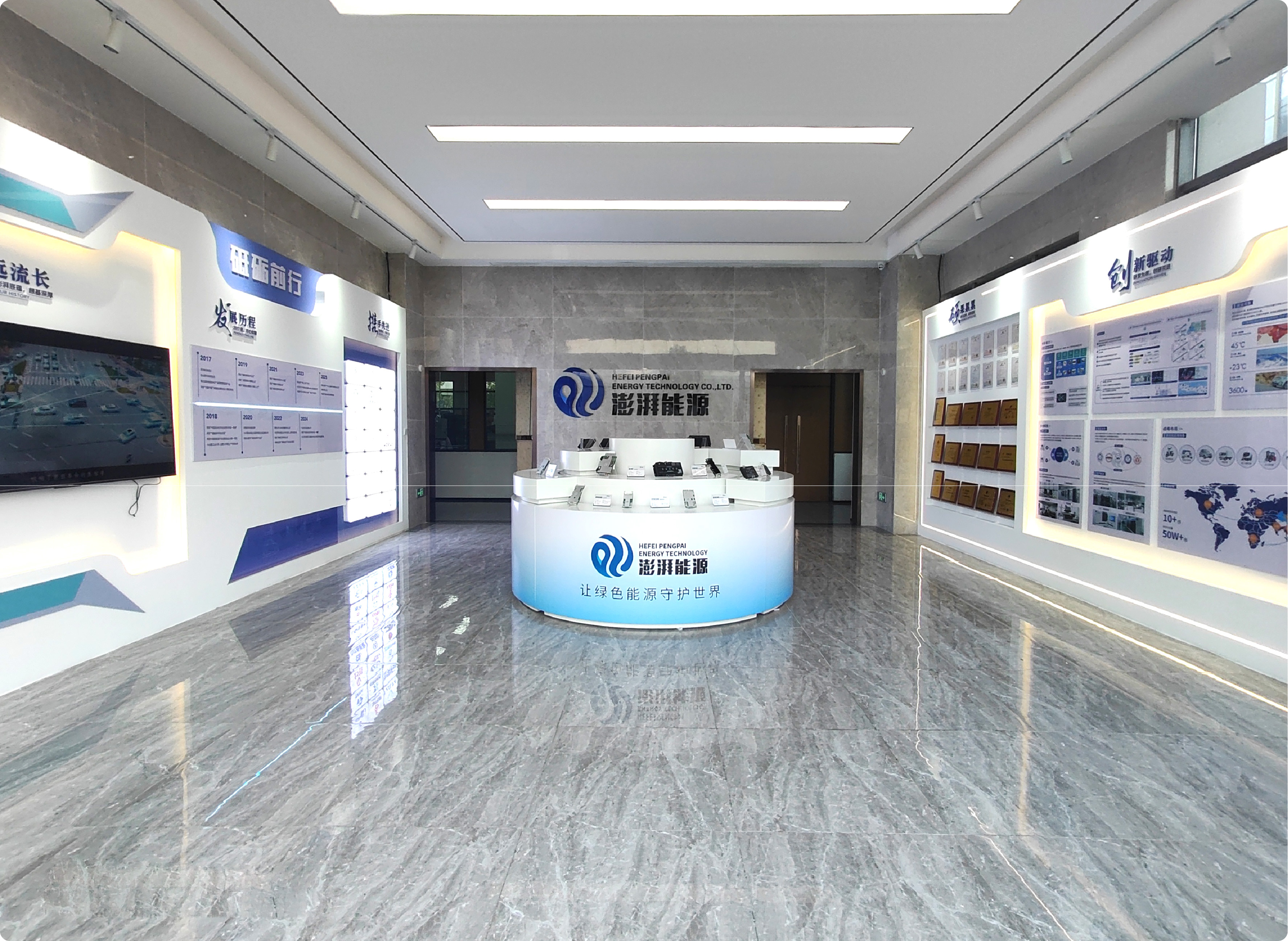
Product review and sample discussion for Pengpai Energy BMS models, including B2104 and DTH2410.
Have Questions or Need More Details?
Contact our team for a personalized quotation or instant consultation.
Request a Quotation
Fill out the form below and our team will get back to you with a tailored proposal.
WhatsApp Direct Chat
Prefer to chat in real-time? Message us on WhatsApp for instant assistance & quick answers.
- Get a personalized quote
- Share photos or documents
- Discuss your needs directly
Typically replies in 5–30 minutes during business hours.