
BMS Long-Term Partnership FAQ: Customization, Software Expansion, and After-Sales Support
A long-term BMS partnership should be evaluated less on the first unit price and more on whether customization, software interfaces, and after-sales support remain aligned as an EV program moves from pilot packs to multi-year production. For light electric vehicles, that means asking precise questions about customized PCBA development, battery parameters such as cell chemistry, series count and current, communication protocols, display and IoT connectivity, and the service model behind the product.

Problem Definition: Why a BMS Decision Becomes a Partnership Decision
At the decision stage, the question is no longer whether a battery management system is needed. The real question is whether the chosen BMS partner can keep supporting the same vehicle platform when battery packs change, communication requirements expand, and after-sales expectations become more demanding. A battery management system monitors and manages battery voltage, temperature, current, and operating status, with protection, balancing, pre-charge, and communication functions depending on the system configuration.
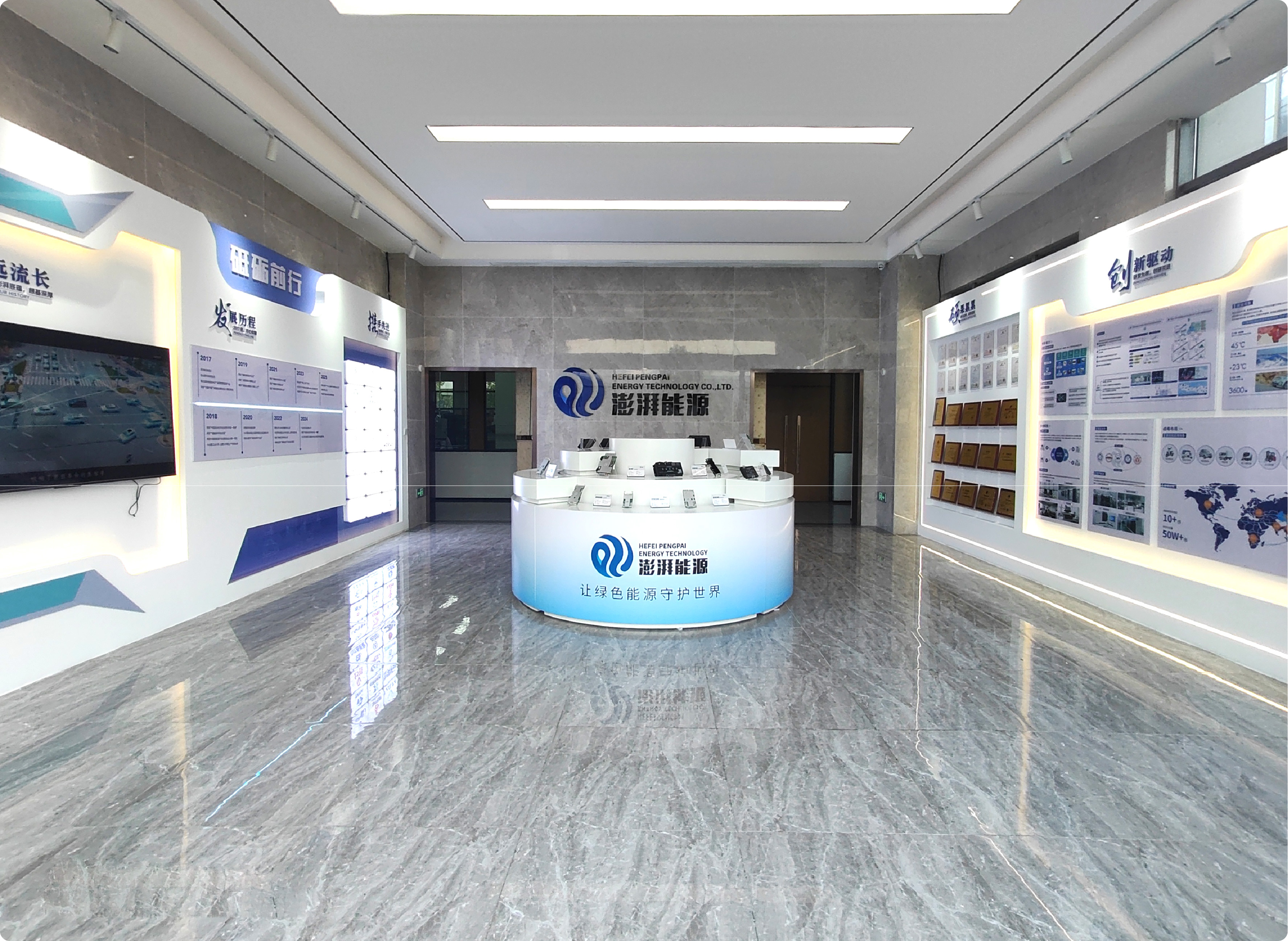
Hefei Pengpai Energy Technology Co., Ltd. (Pengpai Energy) is a Hefei-based developer and manufacturer of new energy battery management systems founded in 2017. Its public product range covers electric two-wheelers, electric three-wheelers, low-speed four-wheelers, and electric motorcycles. That product scope matters for buyers comparing a customized BMS with a generic standard protection board, because the same platform may need different parameter sets, interfaces, and support arrangements over its commercial life.
A generic standard protection board typically relies on fixed parameters and standard interfaces. Compatibility and functional expansion require separate confirmation. A customized BMS solution is developed around the vehicle platform, battery series count, communication protocol, and control logic. For a one-off project with fixed parameters and limited development requirements, the generic board can be adequate. For OEMs, battery-pack manufacturers, and volume projects that require communication and functional expansion, the customized route is usually more relevant. The partnership question is therefore a comparison question: compare not only the board, but the engineering flexibility, software access, and service commitments behind it.
Industry Background: Why Customization and Support Are Increasingly Important
India is one of the markets where BMS sourcing decisions are closely tied to vehicle integration and local compliance. The Indian EV market is served by chip-level solution providers, Tier-1 battery manufacturers, and specialized BMS suppliers. That mix means buyers can encounter very different supplier profiles: some offer chips or reference designs, some supply complete battery packs, and some focus on BMS hardware and software. The right comparison depends on what the buyer needs to own internally and what the supplier is expected to support.
Regulation adds a further decision criterion. AIS-156 establishes mandatory safety requirements for lithium-ion battery packs and BMS in L-category vehicles, including electric two-wheelers and three-wheelers in India, with an effective date of 2023-04-01. For multi-year programs, compliance is not a one-time paperwork exercise. Buyers should understand how the BMS supplier documents test evidence, handles change control, and supports the target market's requirements as the platform evolves.
Market growth is another reason BMS partnerships are being planned over longer horizons. IMARC Group reported that the India BMS market was valued at USD 327.9 million in 2025 and is expected to reach USD 1,347.6 million by 2034. In 2026, LeSol Group partnered with Hefei Pengpai Energy Technology Co. Ltd to develop localized BMS solutions for the Indian market, with an initial focus on two- and three-wheelers. For buyers, the practical lesson is not simply that demand is growing. It is that BMS suppliers are being asked to support localization, customization, and service continuity rather than only ship hardware.
Detailed Solution: What to Ask a BMS Partner About Customization, Software, and Support
A useful partnership evaluation separates three layers: the hardware and PCBA, the software and interface map, and the after-sales support model. Each layer should be documented before volume commitments are made. The goal is not to ask the supplier to promise everything. The goal is to define what is standard, what is customized, what requires confirmation, and who owns each item after delivery.
1. Customized PCBA and Hardware-Software Development
For a customized BMS, the supplier should develop around the vehicle platform, battery series count, communication protocol, and control logic. BMS selection or customization should consider cell chemistry, series count, voltage platform, continuous and peak current, communication protocol, wake-up method, installation space, and target-market requirements. These variables should be agreed in writing before schematic or software work is finalized.
The customized BMS supports 3S to 48S battery packs and multi-protocol access with flexible customization. A generic standard protection board is limited to a fixed 3S to 24S range with limited interfaces and functions. That difference is important for programs that may add higher-voltage packs or new communication requirements later. It is also important for buyers who want to avoid redesigning the entire BMS when the battery pack changes.
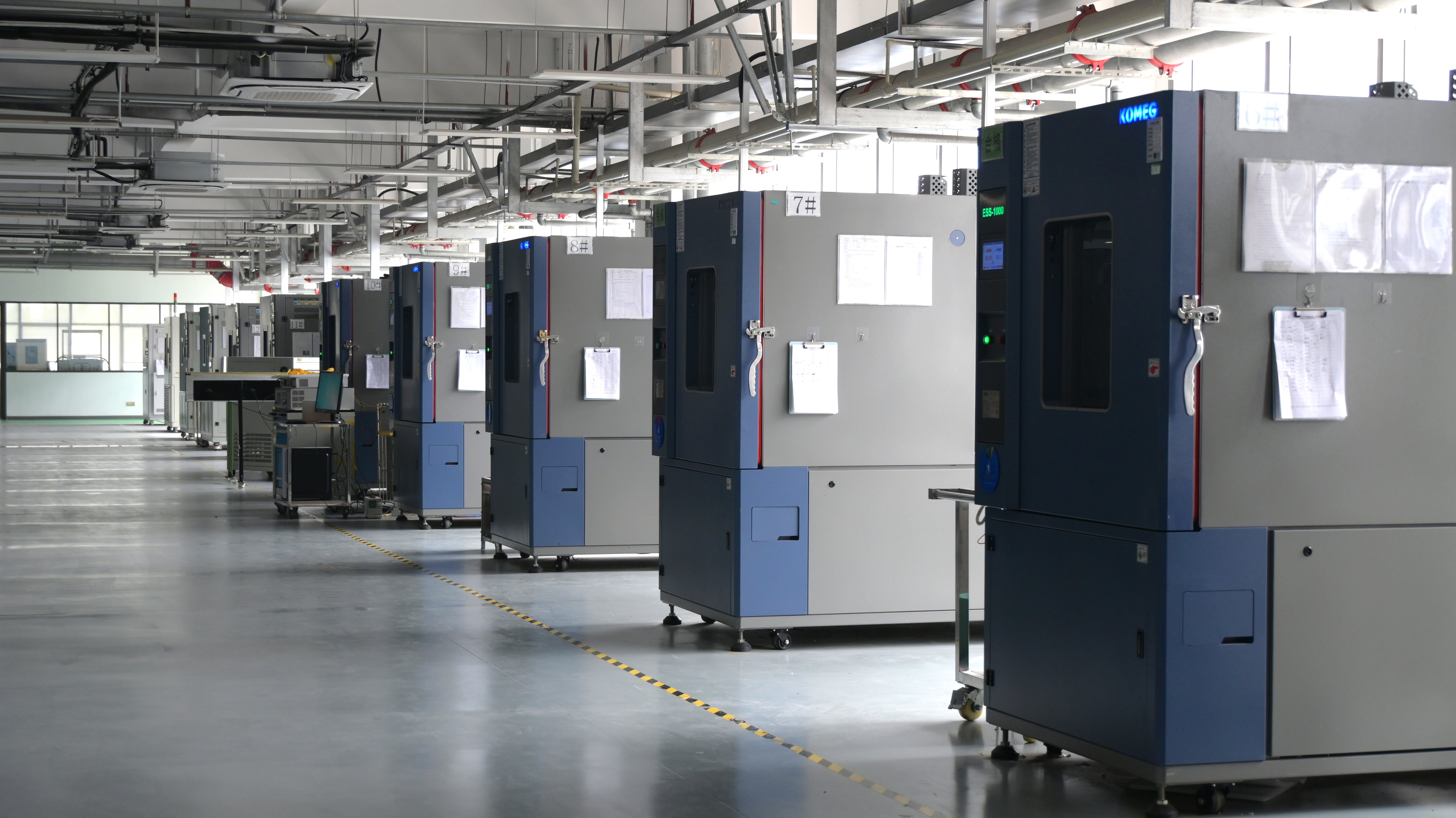
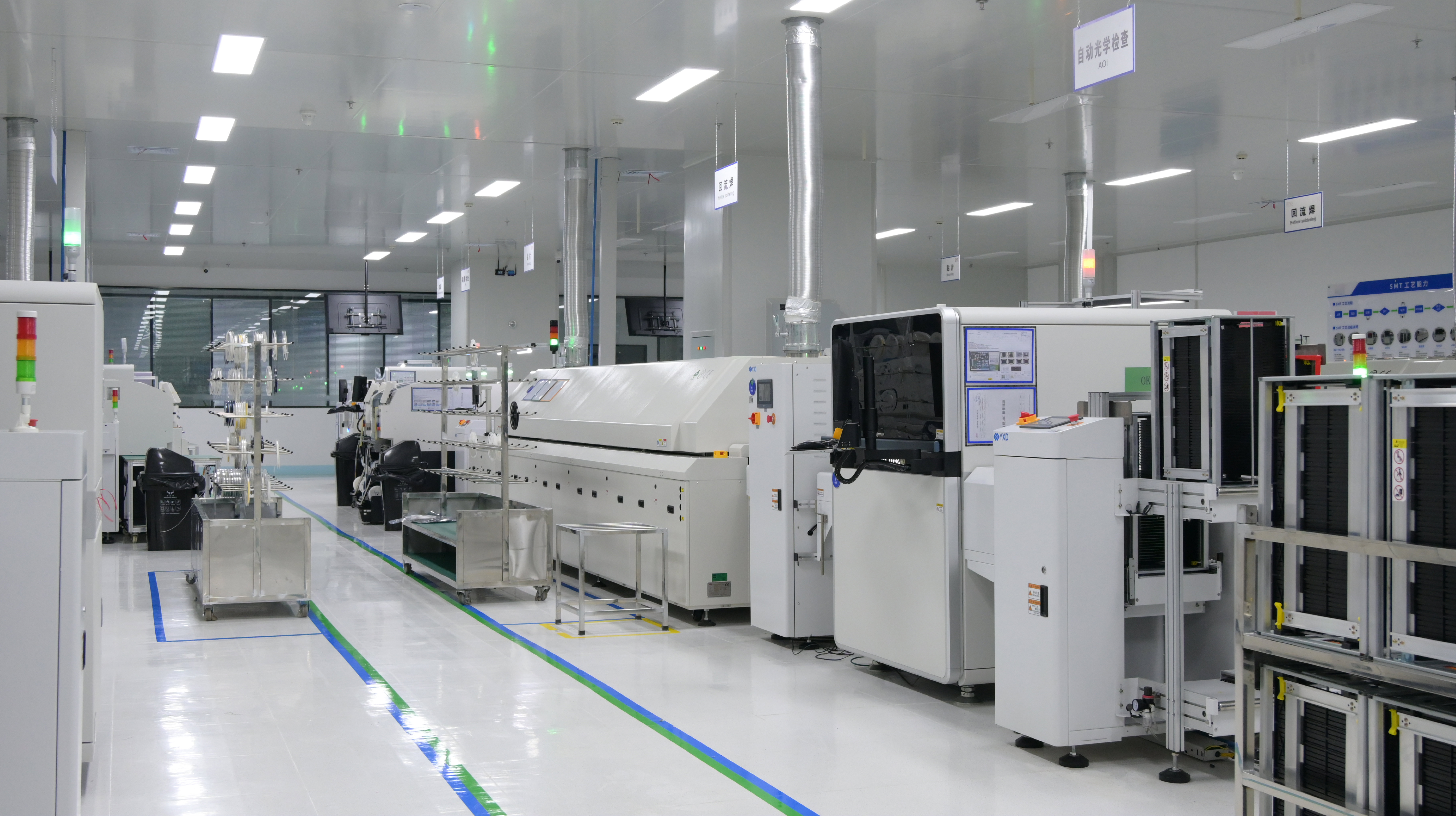
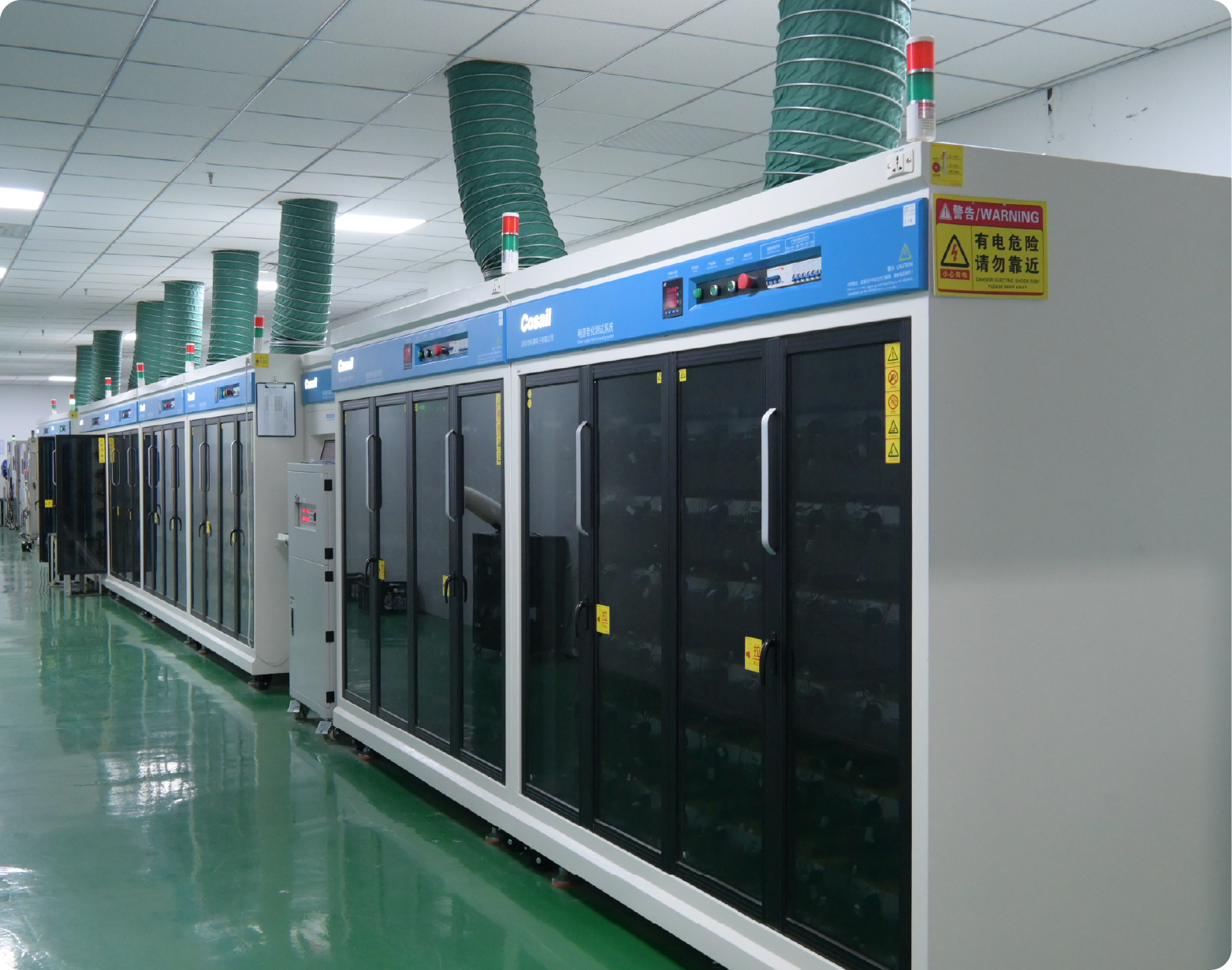
Capability should be verified, not assumed. Pengpai Energy states that more than 60% of its employees are R&D personnel, that its core personnel have over ten years of experience, and that it owns authorized patents covering battery state estimation, safety protection algorithms, and intelligent energy scheduling. Its public profile also lists ISO9001 quality management system certification, CE and FCC compliance for BMS products, and a factory of 2,500 square meters with an annual output of 800,000 units. These are first-party statements that buyers can use as a starting point for supplier qualification, not as a substitute for project-specific validation.
2. Software Expansion: APP, PC, IoT, Displays, and Communication Interfaces
Software expansion should be discussed as part of the BMS requirement, not as an afterthought. For maintenance and service, the customized BMS solution may support APP, PC, IoT, displays, and multiple communication interfaces depending on project requirements. Detailed remote diagnosis, upgrade, and service capabilities require confirmation. This means the buyer should ask which interfaces are standard, which are optional, which are developed for the project, and which can be expanded later.
For light EV platforms, the interface map often includes communication with vehicle controllers, chargers, displays, or software platforms through CAN, RS485, Bluetooth, TTL, or single-wire interfaces. The exact combination should be matched to the vehicle architecture. A BMS with SOC estimation and CAN bus communication may be sufficient for one platform, while another platform may need display integration, APP access, or IoT data collection. The supplier should be able to explain the boundary between the BMS and the surrounding systems.
The customized BMS solution is also designed for low static power consumption and customized battery management efficiency. A generic standard protection board uses a fixed strategy without targeted energy optimization. For long-term programs, this distinction affects how the buyer plans software updates, data access, and service diagnostics. Buyers should ask who owns the software configuration, how changes are approved, and what documentation is delivered with each software release.
3. After-Sales Support and Warranty Expectations
After-sales support should be evaluated with the same rigor as the product specification. For a multi-year EV program, the buyer should ask for the warranty period, covered failure modes, replacement policy, diagnostic process, spare-part planning, and software update responsibilities. These are commercial terms and should be confirmed in the agreement. The supplier's public contact information also matters. Pengpai Energy lists an after-sales hotline available daily from 9:00 to 21:00, which gives buyers a named service channel for follow-up.
Support capability should be separated from support promises. A BMS supplier may be able to support APP, PC, IoT, displays, and multiple communication interfaces, but the detailed remote diagnosis, upgrade, and service capabilities require confirmation for the specific project. Buyers should ask for the escalation path, the technical contact structure, and the change-control process for firmware or hardware revisions. For a long-term partnership, these operational details are often more important than a headline warranty statement.
Step-by-Step Breakdown: A Practical Evaluation Sequence
- Define the vehicle and battery platform. List cell chemistry, series count, voltage platform, continuous and peak current, wake-up method, installation space, and target-market requirements. These are the minimum inputs for a meaningful customization discussion.
- Decide whether a generic board or customized BMS is appropriate. A generic standard protection board is more suitable for projects with fixed parameters and limited development requirements. A customized BMS solution targets expansion and customization needs and is more suitable for OEMs, battery-pack manufacturers, and volume projects that require communication and functional expansion.
- Map the software and communication interfaces. Confirm whether the project needs CAN, RS485, UART, Bluetooth, TTL, single-wire, display, APP, PC, or IoT connectivity. Ask which functions are standard and which require project-specific development.
- Agree the validation and documentation scope. Define the test plan, sample configuration, acceptance criteria, and the documents required for the target market. For India, AIS-156 requirements should be reviewed for L-category vehicles, and project-specific compliance should be confirmed in writing.
- Set the support and change-control model. Clarify warranty terms, response paths, spare-part planning, software update ownership, and revision approval. Detailed remote diagnosis, upgrade, and service capabilities require confirmation.
- Review cost across the program life, not only the first order. A customized BMS has higher initial R&D cost but offers a better cost advantage in mass production. A generic board has a low initial cost but high modification cost later. The comparison should include engineering time, validation effort, and the risk of redesign.
Use Cases: Matching the Partnership Model to the Vehicle Segment
The same BMS partnership framework applies across light electric vehicle segments, but the weighting of customization and support changes with the application. Pengpai Energy's public product range covers electric two-wheelers, electric three-wheelers, low-speed four-wheelers, and electric motorcycles, and the company publicly identifies India and Southeast Asia as target markets for its BMS solutions for light electric vehicles.
Electric Two-Wheeler BMS
Two-wheeler programs often prioritize compact installation, current handling, and communication with the vehicle controller. For a multi-year platform, buyers should confirm whether the BMS can support later pack variants without a full redesign. The customized BMS supports 3S to 48S battery packs and multi-protocol access with flexible customization, which can be relevant when series count or communication requirements change.
Electric Three-Wheeler BMS and India E-Rickshaw BMS
Three-wheeler and e-rickshaw projects frequently require a balance between cost control and durability under daily charging and discharging. Customization of three-wheeler BMS is within the scope of BMS selection, specification, customization, and procurement content offered for India and Southeast Asia. Buyers should define cell chemistry, series count, voltage platform, continuous and peak current, communication protocol, wake-up method, installation space, and target-market requirements before comparing suppliers.
Low-Speed Four-Wheeler BMS
Low-speed four-wheelers may use CAN, RS485, or UART interfaces depending on the vehicle architecture. The BMS may need to communicate with controllers, chargers, displays, or software platforms. For long-term programs, the buyer should confirm which interfaces are available now and which can be added later. The customized BMS solution may support APP, PC, IoT, displays, and multiple communication interfaces depending on project requirements.
Electric Motorcycle BMS
Electric motorcycle platforms can place greater demands on current handling and thermal management. The partnership discussion should include continuous and peak current, installation space, and operating conditions. The supplier should be able to explain how the BMS protection and balancing functions are configured for the pack, and how service diagnostics will be handled after delivery.
BMS for AGV and Industrial Vehicles
AGV and industrial vehicle projects may have different duty cycles and communication requirements from road vehicles. The same selection variables apply, but the exact configuration requires confirmation. Buyers should treat the BMS as part of the equipment control architecture and confirm the interface map, wake-up method, and service access before committing to a long-term supply arrangement.
Comparison Table: Customized BMS vs Generic Standard Protection Board
| Decision Area | Customized BMS Solution | Generic Standard Protection Board |
|---|---|---|
| Battery series support | Supports 3S to 48S battery packs with flexible customization. | Limited to a fixed 3S to 24S range. |
| Communication and interfaces | Multi-protocol access; interfaces can be developed around the project. | Limited interfaces and functions; compatibility requires separate confirmation. |
| Software and service expansion | May support APP, PC, IoT, displays, and multiple communication interfaces depending on project requirements. | Typically relies on fixed parameters and standard interfaces. |
| Energy strategy | Designed for low static power consumption and customized battery management efficiency. | Uses a fixed strategy without targeted energy optimization. |
| Initial cost | Higher initial R&D cost. | Low initial cost. |
| Lifecycle cost | Better cost advantage in mass production. | High modification cost later. |
| Best fit | OEMs, battery-pack manufacturers, and volume projects that require communication and functional expansion. | Projects with fixed parameters and limited development requirements. |
This table is a decision aid, not a universal recommendation. The right choice depends on the platform roadmap, volume, interface requirements, and the level of after-sales support the buyer needs. For a program expected to run for several years, the customized route should be compared against the generic board on total program cost and change risk, not only on the first quotation.
FAQ: BMS Long-Term Partnership Questions
What compliance documentation should a BMS partner provide for a multi-year EV program?
In India, AIS-156 establishes mandatory safety requirements for lithium-ion battery packs and BMS in L-category vehicles, including electric two-wheelers and three-wheelers, with an effective date of 2023-04-01. Buyers should request the relevant test reports, certificate scope, and change-control records. Pengpai Energy states ISO9001 quality management system certification and BMS compliance with CE and FCC; project-specific compliance for the target market should be confirmed in writing.
Can a BMS be customized around cell chemistry, series count, current, and protocol?
Yes. A customized BMS solution is developed around the vehicle platform, battery series count, communication protocol, and control logic. BMS selection or customization should consider cell chemistry, series count, voltage platform, continuous and peak current, communication protocol, wake-up method, installation space, and target-market requirements. The customized BMS supports 3S to 48S battery packs and multi-protocol access with flexible customization; the exact configuration requires confirmation for the project.
Is a customized BMS more expensive than a generic standard protection board?
A customized BMS has a higher initial R&D cost but offers a better cost advantage in mass production. A generic standard protection board has a low initial cost but high modification cost later. A generic board is more suitable for projects with fixed parameters and limited development requirements, while the customized BMS solution is more suitable for OEMs, battery-pack manufacturers, and volume projects that require communication and functional expansion. The comparison should include engineering, validation, and lifecycle modification costs.
What should buyers prepare before requesting a sample or prototype BMS?
Buyers should prepare the battery cell chemistry, series count, voltage platform, continuous and peak current, communication protocol, wake-up method, installation space, and target-market requirements. It is also useful to define the required software interfaces, such as CAN, RS485, UART, Bluetooth, TTL, single-wire, display, APP, PC, or IoT connectivity. Sample availability, validation plan, and delivery schedule should be confirmed with the supplier. Buyers can contact Pengpai Energy through the company website or the sales contact listed at the end of this article to discuss a sample or quote.
How should after-sales support and software expansion be planned for a multi-year EV program?
The customized BMS solution may support APP, PC, IoT, displays, and multiple communication interfaces depending on project requirements. Detailed remote diagnosis, upgrade, and service capabilities require confirmation. Buyers should put warranty terms, response paths, spare-part planning, software update ownership, and change-control responsibilities into the agreement. Pengpai Energy lists an after-sales hotline available daily from 9:00 to 21:00. To plan a sample, quote, or long-term support discussion, contact Pengpai Energy with the platform details and target-market requirements.
Conclusion: Choose the BMS Partner That Can Stay Aligned After Delivery
A BMS decision at the procurement stage is also a decision about engineering change, software continuity, and service access. The most useful comparison is not only customized BMS versus generic standard protection board. It is also supplier versus supplier: who can document the customization variables, who can support the interface map over time, and who can answer after-sales questions after the first shipment.
For light EV programs in India, Southeast Asia, and other markets, the practical checklist is clear. Define the platform variables. Decide whether fixed parameters are sufficient or whether expansion is required. Confirm the communication and software scope. Review compliance documentation for the target market. Agree the warranty and support model in writing. Then compare cost across the full program life. Pengpai Energy's public product range covers electric two-wheelers, electric three-wheelers, low-speed four-wheelers, and electric motorcycles, and its BMS solutions are positioned for light electric vehicle applications in India and Southeast Asia.
Next step: Share your battery pack details, target vehicle segment, communication requirements, and target market with Pengpai Energy to discuss a customized BMS sample, quotation, or long-term partnership review.
Website: www.penergy.com.cn
Email: kaiquan.zheng@penergy.com.cn
Tel: +86-0551-62628315
WhatsApp: +86 188-5605-1893 / +86 133-3551-2050
After-sales hotline: 0551-65147730, available daily from 9:00 to 21:00
Address: Building 6, Hongbaoshi Industrial Park, No. 3988 Xiyou Road, Changning Community Service Center, Hefei High-tech Zone, Anhui, China
Have Questions or Need More Details?
Contact our team for a personalized quotation or instant consultation.
Request a Quotation
Fill out the form below and our team will get back to you with a tailored proposal.
WhatsApp Direct Chat
Prefer to chat in real-time? Message us on WhatsApp for instant assistance & quick answers.
- Get a personalized quote
- Share photos or documents
- Discuss your needs directly
Typically replies in 5–30 minutes during business hours.