
BMS for Golf Carts, Sightseeing Vehicles, and Low-Speed EVs: Matching Model to Application
A golf cart, a scenic-area shuttle and a community micro-mobility car can share the same lithium chemistry and still need different battery management systems. What separates them is the operating profile: voltage platform, series count, continuous and peak current, communication and wake-up logic, temperature-sensing coverage, protection scope and installation space. This guide maps Pengpai Energy BMS models to those conditions — the DTH2410 for 30–95 V, 16S–24S packs drawing up to 300 A continuous in golf cart, sightseeing-vehicle and low-speed four-wheeler duty, and the B2104 for energy storage and mini EV deployments that need a customizable 0–800 V master-slave architecture.
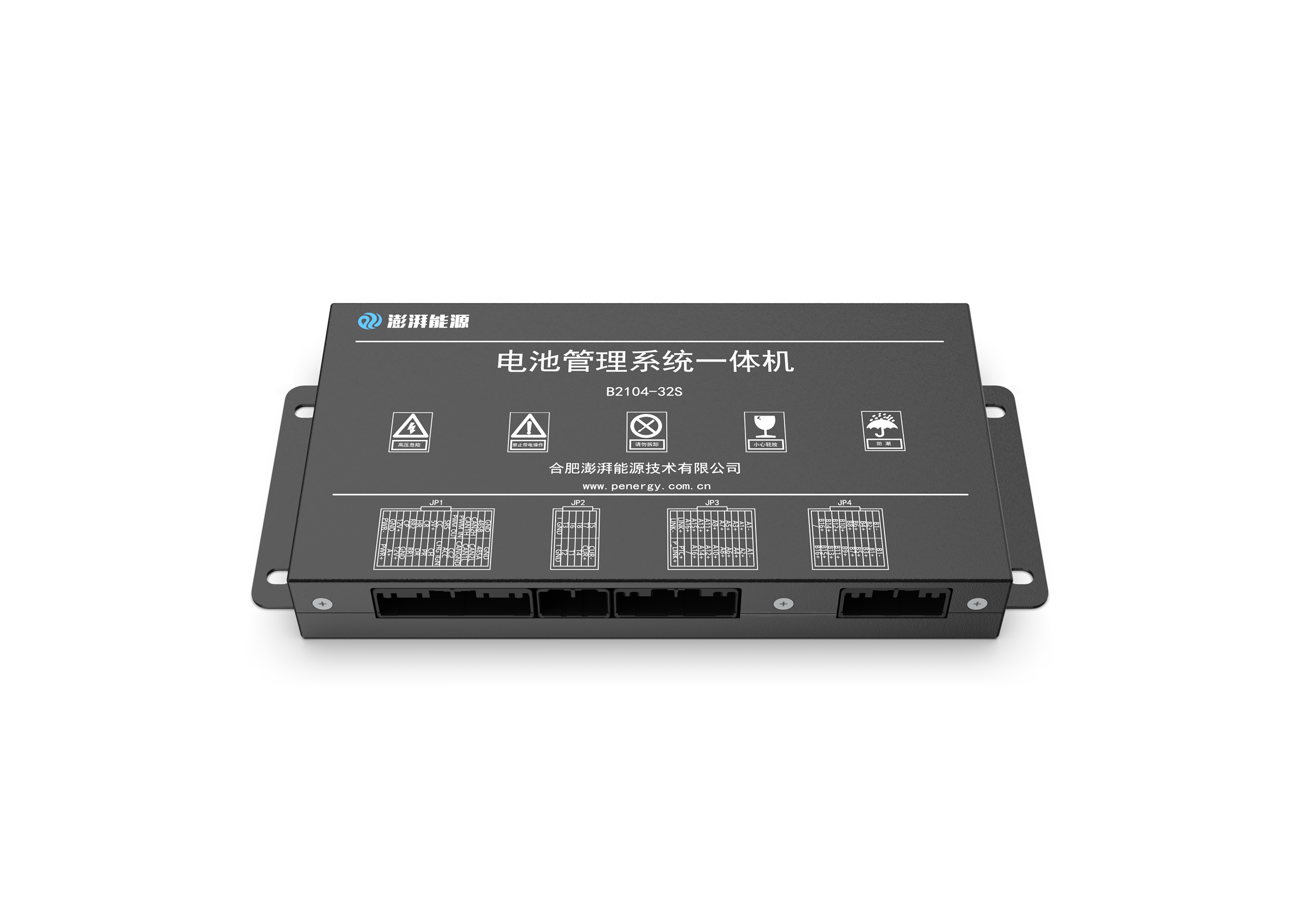
B2104 Battery Management System: a customizable 0–800 V, 8S–48S master-slave platform used in energy storage and mini electric vehicle packs.
What Actually Decides BMS Fit in a Golf Cart or Sightseeing Vehicle
Selection problems in light-power vehicles rarely start with cell chemistry. They start with a model chosen against one headline number — usually nominal voltage — and then asked to carry a duty cycle it was never specified for. Five specification fields decide whether a battery management system suits a given vehicle, and each one fails in a different way.
Current headroom. Continuous and peak current are separate ratings, and the gap between them matters. The DTH2410 is rated at 300 A continuous with a 400 A / 30 s peak. The DTH2302 covers the same 30–95 V platform at 200 A continuous with the same 400 A / 30 s peak. A sightseeing vehicle specified against voltage compatibility alone can therefore end up with less continuous headroom than its controller and motor draw during repeated loaded starts.
Communication and wake-up logic. The DTH2410 provides isolated CAN ×1, isolated RS485 ×2 and Bluetooth ×1, with charge DET, discharge DET, short-circuit, charger, communication and KL15 wake-up. The B2107 offers CAN ×1 and RS485 ×1. The DTH2421 provides isolated CAN ×2. The DTH2505 ships with Bluetooth as standard and CAN or RS485 as options. A vehicle controller that speaks RS485 cannot be paired with a CAN-only board without a change on one side of the interface.
Temperature-sensing coverage. The DTH2410 carries six NTC channels across an operating range of -30 °C to 85 °C. The B2104 carries eight external NTC channels over the same range. The DTH2505 combines two built-in and four external NTC channels across -40 °C to 120 °C. Channel count has to follow pack geometry and the number of hot spots the pack designer expects to monitor.
Protection scope. Over-charge, over-discharge, over-current, over-temperature and short-circuit protection appear across the range, but the scope is not identical. Insulation detection appears on the DTH2302, DTH2413 and B2104. High-voltage interlock protection appears on the DTH2413 and B2104. The DTH2413 adds six channels of high-side relay output rated at 1 A continuous and 5 A instantaneous. Pre-charge is supported on the DTH2410, DTH2413, B2104, DTH2505 and PNRG-MA24S60. Where a pack is charged and serviced inside a building, insulation monitoring is a design requirement rather than an upgrade.
Mechanical fit. The DTH2410 measures 133 mm × 255 mm × 47 mm; the DTH2302 measures 110 mm × 255 mm × 47 mm; the DTH2413 measures 215 mm × 100 mm × 26 mm. B2104 dimensions are customized according to cell string count (16S / 32S / 48S). Installation space has to be part of the brief before a model is chosen, not after the pack is designed.
Selection brief checklist. Before comparing models, confirm seven inputs: cell chemistry, series count, voltage platform, continuous and peak current, communication protocol, wake-up method and installation space. Add target-market requirements as an eighth input for export projects. Without those eight, any model comparison is a guess.
Exact temperature, vibration, ingress-protection and load conditions require confirmation for any specific application. Those four variables cannot be read off a datasheet and should be verified with the supplier for the project at hand.
Where Low-Speed Electric Vehicles Operate — and Why Location Changes the Requirement
Pengpai Energy lists the DTH2410 for cultural tourism, smart scenic areas, hotels and resorts, theme parks, golf course operation, healthcare and pension facilities, large-scale industrial parks and community micro-mobility. The B2104 covers those vehicle-facing industries and adds energy storage system integration, large-scale energy storage and microgrids. The overlap is deliberate: the same platform logic serves traction and stationary duty, but the surrounding conditions differ enough to change the specification.
In golf course operation, vehicles run short, repeated trips with passengers and equipment on board, which puts weight on continuous current headroom and on the pre-charge function that charges the controller's DC link before the main path closes. In smart scenic areas and theme parks, a fleet of sightseeing vehicles is dispatched and serviced by staff rather than by the driver alone, so isolated CAN to the vehicle controller and Bluetooth access for service tools become operationally useful. In healthcare and pension facilities, low-speed shuttles charge inside or close to buildings, which raises the value of insulation detection and of pack-level temperature monitoring at multiple points.
Community micro-mobility sits at the opposite end: compact packs, shared use and frequent short charge cycles, where board size and Bluetooth-based access matter more than large current ratings. Stationary deployments — energy storage cabinets, microgrids and industrial park buffers — reverse the priorities again, because the BMS must coordinate with an energy management system rather than a traction controller. The U.S. Department of Energy describes the BMS in a battery energy storage system as both a hardware and software component that connects to the energy management system (EMS) and power conversion system (PCS) to manage system charge.
Market context reinforces why this segmentation is being formalized. IMARC data places the India battery management system market at USD 327.9 million in 2025, with an expected USD 1,347.6 million by 2034. In regulation, AIS-156 establishes mandatory safety requirements for lithium-ion battery packs and BMS in L-category vehicles — electric two- and three-wheelers — in India, effective 1 April 2023. In September 2026, The Economic Times reported that LeSol Group had partnered with China-based Hefei Pengpai Energy Technology Co. Ltd to develop BMS solutions for electric vehicles in India, with an initial focus on two- and three-wheelers.
Hefei Pengpai Energy Technology Co., Ltd. (Pengpai Energy) is a Hefei-based manufacturer founded in 2017 that designs, manufactures and services battery management systems and intelligent energy management platforms for electric two-wheelers, three-wheelers, low-speed four-wheelers and other light-power applications. The company reports a 2,500 m² factory, more than 100 employees with over 60% in R&D roles, ISO9001 certification, and BMS products stated to comply with CE and FCC, exported to India, Southeast Asia, North America, Europe and other markets.
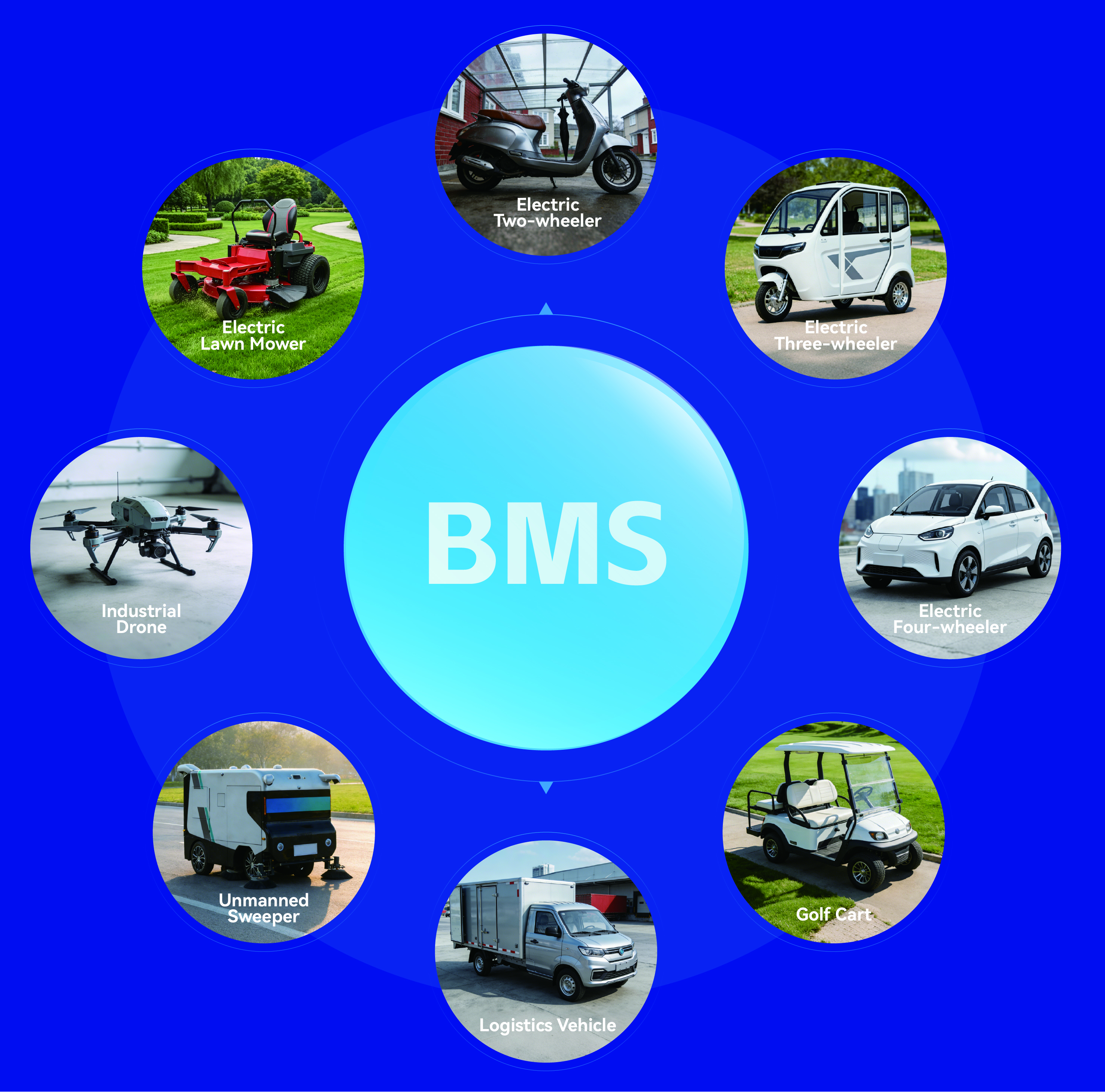
Light-power applications share a functional brief — monitor voltage, temperature and current, then protect, balance, pre-charge and communicate — but the operating conditions behind each scenario differ.
Model by Application: DTH2410 and B2104 in Detail
DTH2410: 30–95 V, 16S–24S, 300 A for Golf Carts and Sightseeing Vehicles
The DTH2410 is specified for electric golf carts, mini electric sightseeing vehicles and low-speed electric vehicles, and its published parameters read directly against those duty cycles.
- Voltage platform 30–95 V; cell configuration 16S–24S; compatible with NCM, LMO, LCO and LFP chemistries.
- Continuous working current 300 A; peak current 400 A / 30 s.
- Six NTC temperature-sensing channels; operating temperature range -30 °C to 85 °C.
- Isolated CAN ×1, isolated RS485 ×2 and Bluetooth ×1.
- Protection functions: over-charge, over-discharge, over-current, over-temperature, under-voltage and short-circuit protection, with pre-charge supported.
- Wake-up methods: charge DET, discharge DET, short-circuit, charger, communication and KL15.
- Dimensions 133 mm × 255 mm × 47 mm; passive balancing current ≥50 mA at 25 °C.
- Construction: FR-4 high-TG flame-retardant PCB, aluminium alloy housing, copper-alloy gold-plated connector and high-power silicon power transistor.
The 300 A continuous rating is the number that matters for a sightseeing vehicle carrying passengers on repeated stop-start duty; the 400 A / 30 s peak covers the short overloads that occur when a loaded vehicle pulls away. The pre-charge function supports controlled energisation of the controller's DC link before the main path closes. KL15 wake-up matches vehicles with a key-switch ignition signal, while the isolated CAN bus carries vehicle-controller traffic and the two isolated RS485 ports provide separate channels for a charger, display or service device. Bluetooth gives technicians a phone-level access route for monitoring without opening the pack.
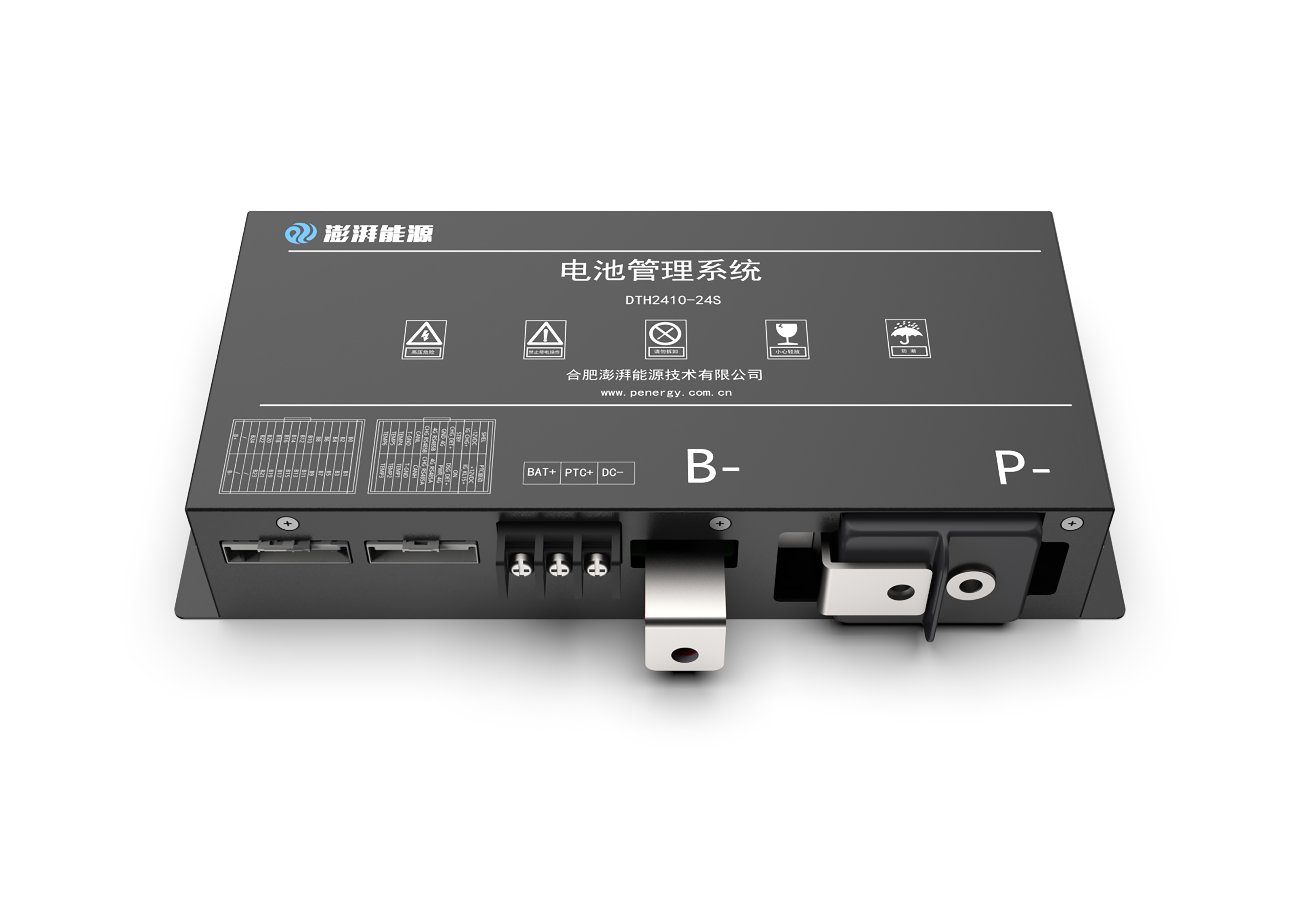
DTH2410 Battery Management System: 30–95 V, 16S–24S, 300 A continuous, 400 A / 30 s peak, with isolated CAN, isolated RS485 and Bluetooth.
B2104: A 0–800 V Master-Slave Platform for Energy Storage and Mini EVs
Where the vehicle fleet needs larger or expandable packs, or where the pack is stationary, the B2104 changes the architecture rather than just the current rating.
- Voltage platform 0–800 V, customizable; cell configuration 8S–48S with master-slave expandability.
- Continuous working current range -500 A to 500 A; compatible with NCM, LMO, LCO and LFP chemistries.
- Eight external NTC temperature-sensing channels; operating range -30 °C to 85 °C.
- CAN ×2 and RS485 ×1.
- Protection functions include over-charge, over-discharge, over-current, over-temperature, insulation detection and high-voltage interlock protection, with pre-charge supported.
- Wake-up methods: ACC, A+ and CHG_IGN. Dimensions customized according to cell string count (16S / 32S / 48S); passive balancing current 50 mA.
- Construction: FR-4 high-TG flame-retardant PCB, aluminium alloy metal housing, automotive-grade multi-pin copper-alloy connector and high-current electromagnetic relay.
Insulation detection and high-voltage interlock protection are the two specification differences that separate the B2104 from a pure traction board, and they are the reason it fits energy storage racks, microgrid buffers and mini EV packs built with higher string counts. Master-slave expansion means the same control concept can start on a 16S pack and extend to 32S or 48S without changing supplier. For stationary deployments, the dual CAN interfaces allow one bus for the energy management system and one for local devices or a display.
Models That Fill the Gaps Between These Two
The DTH2302 sits on the same 30–95 V, 15S–24S platform as the DTH2410, with 200 A continuous discharge, 400 A / 30 s peak, two RS485 interfaces, insulation detection and SOC/SOH/SOP estimation accuracy of ≤8% at 25 °C — a fit for lighter low-speed four-wheelers and sightseeing vehicles where insulation monitoring is required but 300 A is not. The DTH2413 works across a 9–36 V platform with 8S–32S configurations, ±500 A current detection, isolated CAN ×2, RS485 ×1, six relay outputs and high-voltage interlock protection, which suits control-oriented mini EV and energy storage builds.
For smaller vehicles, the DTH2421 covers 30–60 V and 16S with 40 A charge and 100 A discharge, a 210 A / 1 s peak and dual isolated CAN — a fit for electric two-wheeler, campus commuting and shared mobility packs. The B2107 covers 0–48–60 V and 8S–16S with CAN ×1 and RS485 ×1, SOC estimation error ≤5% and SOH accuracy ≤8%. The DTH2505 spans 15–90 V and 7S–24S with selectable 50–200 A continuous current, 100–400 A / 30 s peak current, a -40 °C to 120 °C range and ≥150 mA passive balancing, positioned for electric two-wheeler, electric three-wheeler and shared mobility battery packs.
Step by Step: Matching a Model to an Application
Step 1 — Fix the duty cycle and the two current numbers. Record the continuous current the vehicle or system draws in normal operation and the short overload it must survive, then compare those against the continuous and peak ratings of each candidate. The DTH2410 (300 A continuous, 400 A / 30 s peak) and the DTH2302 (200 A continuous, 400 A / 30 s peak) illustrate how two boards on the same voltage platform can serve different duty cycles.
Step 2 — Lock voltage platform and series count. A 30–95 V, 16S–24S pack points to the DTH2410; a 0–800 V, 8S–48S master-slave design points to the B2104; a compact 30–60 V, 16S pack points to the DTH2421. Series count must match the physical pack, not the nominal voltage label alone.
Step 3 — Choose interfaces and wake-up logic. Confirm what the vehicle controller, charger, display and service tool each require. The DTH2410 offers isolated CAN, two isolated RS485 ports and Bluetooth plus six wake-up routes including KL15; the B2104 offers CAN ×2 and RS485 ×1 with ACC, A+ and CHG_IGN wake-up. Mismatches here surface as vehicles that will not wake or chargers that will not handshake.
Step 4 — Confirm temperature-sensing channels and the environmental envelope. Six NTC channels on the DTH2410, eight external NTC channels on the B2104 and two built-in plus four external channels on the DTH2505 define how many points can be monitored. Temperature range, vibration, ingress protection and load conditions must still be confirmed for the specific application.
Step 5 — Decide the protection and control scope. Insulation detection (DTH2302, DTH2413, B2104), high-voltage interlock protection (DTH2413, B2104), relay outputs (DTH2413, six channels) and pre-charge (DTH2410, DTH2413, B2104, DTH2505, PNRG-MA24S60) are separate decisions. A pack charged indoors and a pack charged in an open depot do not need the same scope.
Step 6 — Confirm mechanical fit, market requirements and validation route. Check board dimensions against installation space, confirm target-market requirements for the destination country, then validate on a sample before committing to volume. Pengpai Energy states a minimum order quantity of 1 unit and a lead time of 0–30 days, so a single unit can be ordered for evaluation before a series order is placed.
Application Scenarios in Detail
Golf Course Operation
Golf carts accumulate many short trips per day with passengers and bags on board, so continuous current headroom and start-stop behaviour dominate. The DTH2410's 300 A continuous and 400 A / 30 s peak ratings, six NTC channels and pre-charge support cover that profile, and KL15 wake-up matches key-switch operation. Bluetooth access lets course maintenance staff check pack status without disassembling the vehicle.
Smart Scenic Areas, Theme Parks and Hotel Resorts
Fleet operators in smart scenic areas run mixed sightseeing vehicles and need comparable data across them. Isolated CAN ×1 and isolated RS485 ×2 on the DTH2410 allow the board to serve the vehicle controller and a separate charger or display channel, while selected models can connect with APP, PC, IoT platforms or displays to support vehicle monitoring and software expansion. The same BMS family is listed for theme parks and hotel and resort operations.
Healthcare and Pension Facilities
Shuttle vehicles in healthcare and pension campuses operate at low speed, charge close to buildings and are driven by staff rather than technicians. Insulation detection, available on the DTH2302, DTH2413 and B2104, and multi-channel temperature monitoring are the relevant specification points, together with the six-channel NTC arrangement of the DTH2410 for pack-level monitoring.
Community Micro-Mobility
Compact vehicles and shared packs favour smaller boards and simpler access. The DTH2421 (240 mm × 125 mm × 15.5 mm, 16S, 100 A discharge) and the DTH2505 (15–90 V, 7S–24S, Bluetooth standard) are positioned for shared mobility, campus commuting and community micro-mobility use, while the B2104 and DTH2410 are listed for community micro-mobility where larger packs are involved.
Energy Storage, Microgrids and Industrial Parks
Stationary installations shift the requirement from traction current to system coordination. The B2104's 0–800 V customizable platform, master-slave 8S–48S expansion, insulation detection, high-voltage interlock protection and dual CAN interfaces suit energy storage system integration, microgrid and large-scale industrial park deployments, where the BMS operates alongside an energy management system rather than a vehicle controller.
India: Regulation, Volume and Delivered Experience
For Indian two- and three-wheeler programmes, including e-rickshaw platforms, AIS-156 sets mandatory safety requirements for lithium-ion battery packs and BMS in L-category vehicles. Golf carts and sightseeing vehicles fall outside that L-category scope, so target-market requirements should be confirmed project by project. On delivery experience, Pengpai Energy reports over 800,000 units delivered across four consecutive years of partnership for new energy vehicle applications in the Indian market, covering BMS supply and turnkey project delivery.
Comparison Table: Published Specifications by Model
| Model | Voltage platform | Cell configuration | Current | Communication | Typical application fit |
|---|---|---|---|---|---|
| DTH2410 | 30–95 V | 16S–24S | 300 A continuous; 400 A / 30 s peak | Isolated CAN ×1, isolated RS485 ×2, Bluetooth ×1 | Golf carts, sightseeing vehicles, low-speed four-wheelers, healthcare and pension shuttles |
| DTH2302 | 30–95 V | 15S–24S | 200 A discharge continuous; 400 A / 30 s peak | RS485 ×2 | Mini EVs and sightseeing vehicles needing insulation detection at lower continuous current |
| DTH2413 | 9–36 V | 8S–32S | -500 A to 500 A detection | Isolated CAN ×2, RS485 ×1 | Mini EVs and energy storage builds needing relay outputs and high-voltage interlock |
| DTH2421 | 30–60 V | 16S | 40 A charge / 100 A discharge; 210 A / 1 s peak | Isolated CAN ×2 | Two-wheelers, shared mobility and campus commuting packs |
| DTH2505 | 15–90 V | 7S–24S | 50–200 A continuous (optional); 100–400 A / 30 s peak | Bluetooth standard; CAN or RS485 optional | Two- and three-wheeler packs, low-speed carts, shared mobility |
| B2107 | 0–48–60 V | 8S–16S | -200 A to 200 A detection | CAN ×1, RS485 ×1 | Mini EVs, small energy storage and sightseeing vehicles |
| B2104 | 0–800 V (customizable) | 8S–48S, master-slave expandable | -500 A to 500 A | CAN ×2, RS485 ×1 | Energy storage, microgrids, mini EVs and sightseeing cars with larger packs |
All values are published model specifications. Final selection still requires confirmation of cell chemistry, series count, continuous and peak current, communication protocol, wake-up method, installation space and target-market requirements for the specific project.
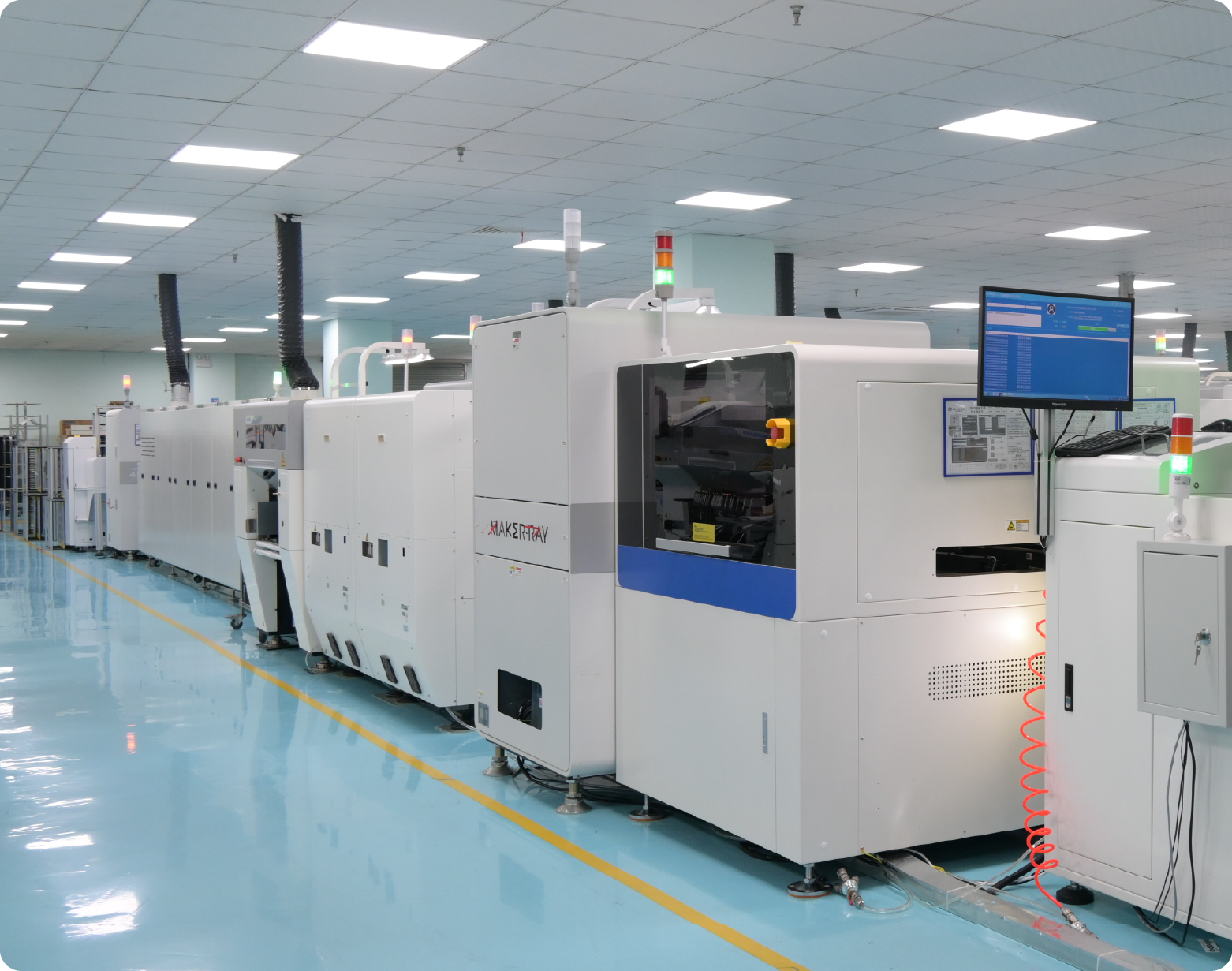
Pengpai Energy conducts testing and validation in house; the company reports over 460 cumulative test items across its BMS products.
FAQ
Which standards and market requirements apply to a BMS for golf carts, sightseeing vehicles and low-speed EVs?
Pengpai Energy holds ISO9001 quality management system certification and states that its BMS products comply with CE and FCC. In India, AIS-156 establishes mandatory safety requirements for lithium-ion battery packs and BMS used in L-category vehicles — electric two-wheelers and three-wheelers — effective 1 April 2023. Golf carts and sightseeing vehicles are not L-category vehicles, so their compliance route depends on the destination market. For any project, target-market requirements should be confirmed alongside cell chemistry, series count, voltage platform, current, protocol, wake-up method and installation space.
Do Pengpai Energy BMS models support CAN bus communication and SOC estimation?
Both are supported across the range, though not identically on every model. The DTH2410 provides isolated CAN ×1, isolated RS485 ×2 and Bluetooth ×1. The B2104 provides CAN ×2 and RS485 ×1. The DTH2413 and DTH2421 provide isolated CAN ×2, and the B2107 provides CAN ×1 plus RS485 ×1. For state estimation, published figures include SOC estimation error ≤5% with SOH accuracy ≤8% on the B2107 and DTH2413, and SOC, SOH and SOP estimation accuracy of ≤8% at 25 °C on the DTH2302 and DTH2421. Where a project needs a specific protocol or estimation target, customized PCBA and integrated hardware-software development can be confirmed against chemistry, series count, current, protocol and operating conditions.
What are the minimum order quantity and lead time for a customized BMS?
Pengpai Energy states a minimum order quantity of 1 unit and a lead time of 0–30 days, with monthly capacity of 660,000 units. Customization can cover voltage platform, battery series count, continuous and peak current, cell chemistry, temperature sensing, communication interfaces, wake-up methods, pre-charge and control circuits, APP, PC, IoT and display extensions, and mechanical dimensions and connectors; the exact customization boundaries are confirmed per project.
Can a BMS be validated on a sample before volume production?
Yes. With a minimum order quantity of 1 unit, a single board can be ordered for evaluation on a bench or vehicle before a series order. Validation is supported by in-house testing, with over 460 cumulative test items conducted across the company's products, and by the customization process, where PCBA design and integrated hardware-software development are confirmed against cell chemistry, series count, current, protocol and operating conditions. Selected models can also connect with APP, PC, IoT platforms or displays for monitoring during the trial.
How quickly can a sightseeing-vehicle or low-speed EV BMS project move from specification to delivery?
Lead time is stated as 0–30 days. The practical sequence is to fix the eight selection inputs, match them against the published model specifications, order a sample unit for validation, then confirm customization boundaries before volume ordering. Delivery experience in comparable markets includes over 800,000 units supplied across four consecutive years for new energy vehicle applications in India. After-sales support is available on 0551-65147730 daily from 9:00 to 21:00. To start a project, download the English catalogue and send the platform details for a model recommendation.
Conclusion
Matching a BMS to a golf cart, sightseeing vehicle or low-speed EV is a specification exercise, not a voltage lookup. The DTH2410 answers the traction case — 30–95 V, 16S–24S, 300 A continuous and 400 A / 30 s peak, six NTC channels, isolated CAN and dual isolated RS485, Bluetooth, pre-charge and six wake-up routes including KL15 — and it is the model to start from when the vehicle carries passengers on repeated short trips. The B2104 answers the larger and stationary case, with a customizable 0–800 V platform, master-slave 8S–48S expansion, insulation detection, high-voltage interlock protection and dual CAN. Between them, the DTH2302, DTH2413, DTH2421, B2107 and DTH2505 cover the lighter and more compact configurations that appear in two-wheeler, three-wheeler, shared mobility and mini EV projects.
The operating environment decides which of those specifications actually matters: current headroom on a golf course, insulation monitoring in a healthcare campus, Bluetooth and compact dimensions in shared micro-mobility, and EMS-facing communication in an energy storage rack. Confirm the eight selection inputs, verify temperature, vibration, ingress-protection and load conditions for the specific application, and validate on a sample before volume.
Next Step: Match a Model to Your Platform
Pengpai Energy supplies BMS platforms for golf carts, sightseeing vehicles, low-speed four-wheelers, two- and three-wheelers and energy storage projects, with a minimum order quantity of 1 unit and a lead time of 0–30 days.
Download the English catalogue: Pengpai Energy BMS Catalogue (PDF)
Website: www.penergy.com.cn · Email: kaiquan.zheng@penergy.com.cn · After-sales hotline: 0551-65147730, daily 9:00–21:00.
Send your pack voltage, series count, continuous and peak current, communication protocol, wake-up method and installation space to receive a model recommendation and a sample quotation.
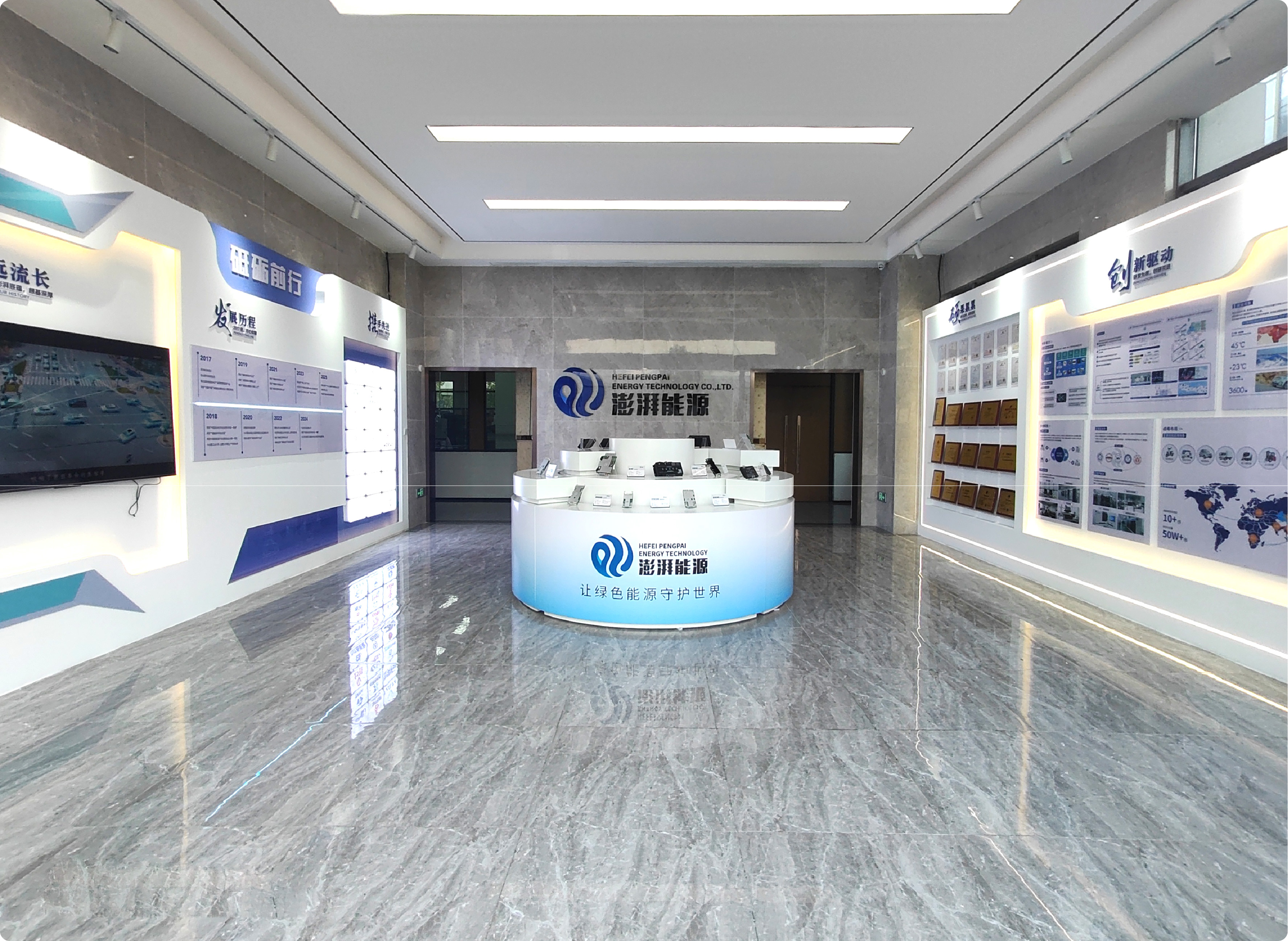
Pengpai Energy product showroom: BMS platforms for two-, three- and four-wheeled light-power vehicles and energy storage applications.
Have Questions or Need More Details?
Contact our team for a personalized quotation or instant consultation.
Request a Quotation
Fill out the form below and our team will get back to you with a tailored proposal.
WhatsApp Direct Chat
Prefer to chat in real-time? Message us on WhatsApp for instant assistance & quick answers.
- Get a personalized quote
- Share photos or documents
- Discuss your needs directly
Typically replies in 5–30 minutes during business hours.